Filter by
Platform trucks and tool trolleys
133 productsBefore choosing your workshop trolley, identify your specific needs in terms of load capacity, mobility, and storage to find the best option.
'/%3E%3C/svg%3E)
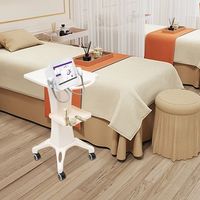
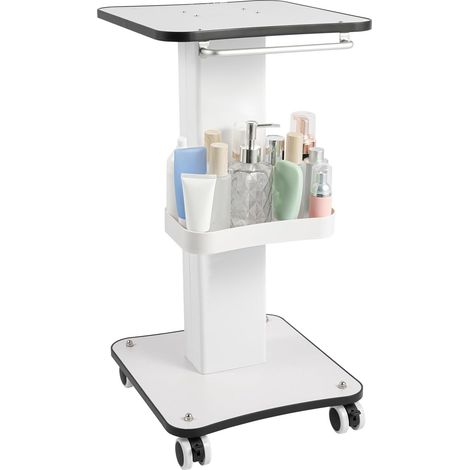
2 Tiers Beauty Salon Stand Rolling Cart SPA Beauty Machine Holder Trolley ABS
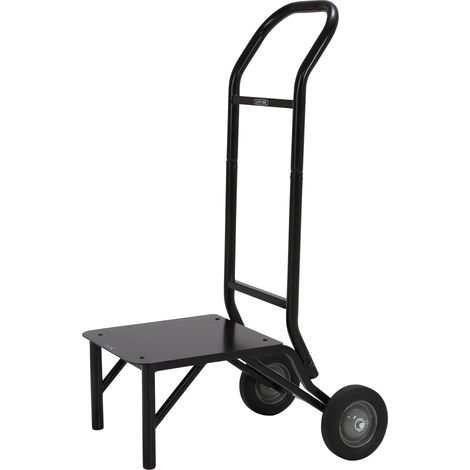
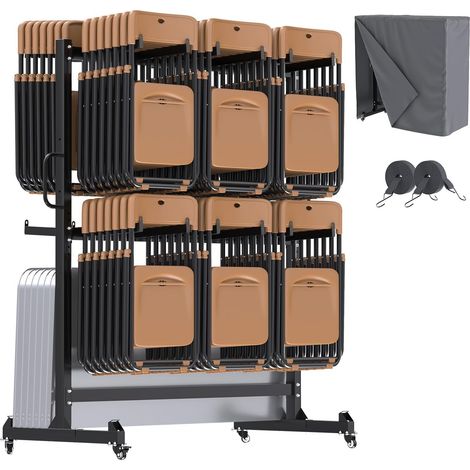
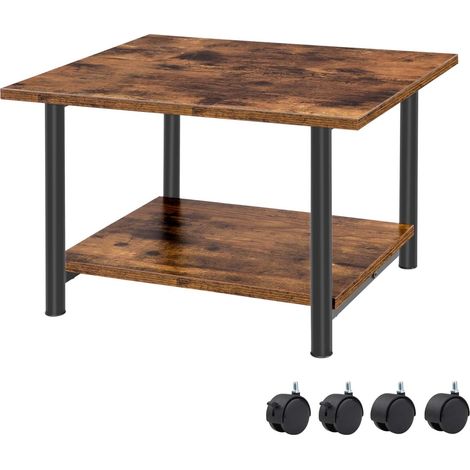
YODOLLA Heavy Duty Folding Chair Rack & Table Storage Cart, 2-Tier 490kg Capacity
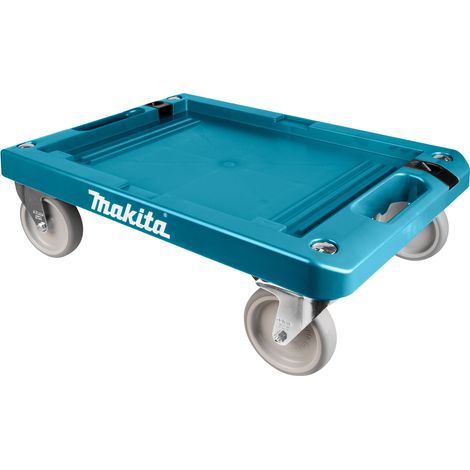
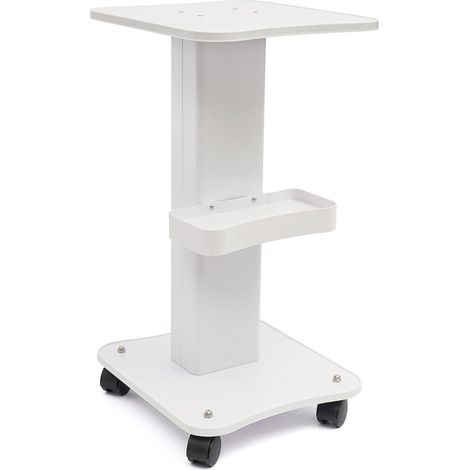
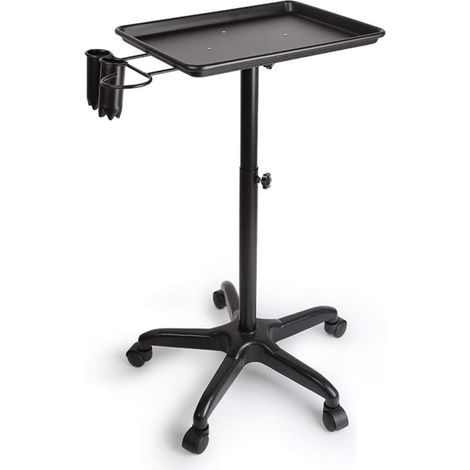
Beauty Trolley 2 Tiers Hairdressing Trolley on Wheels Rolling Tray Salon Trolley with Four 360 Swivelling Wheels Load 40kg Spa Service Cart for Salons Spas Barber Shops

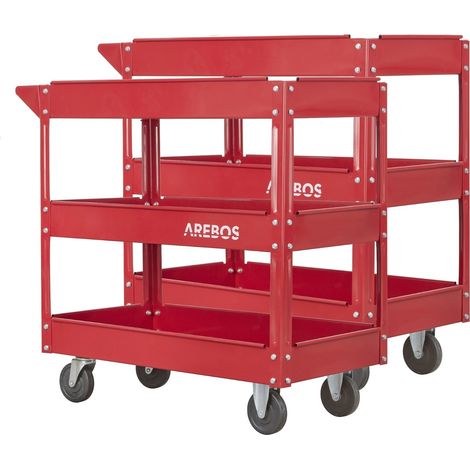

AREBOS 2x Tool Trolley 3 Level Mobile Workshop Trolley Cart Storage Shelf on Wheels
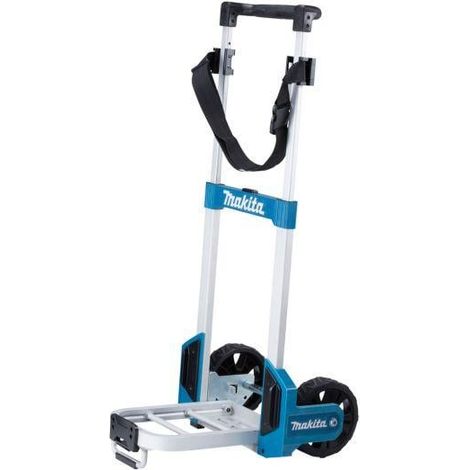
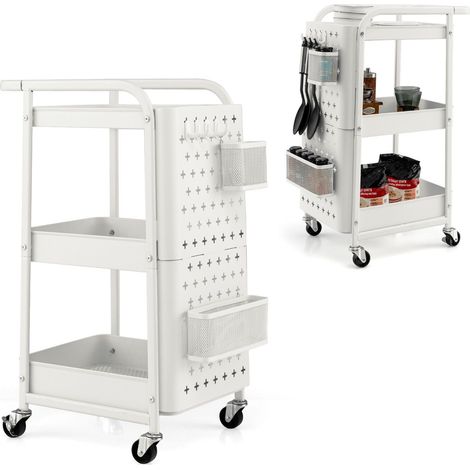

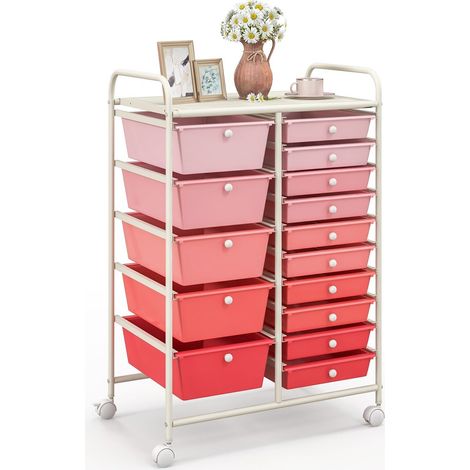
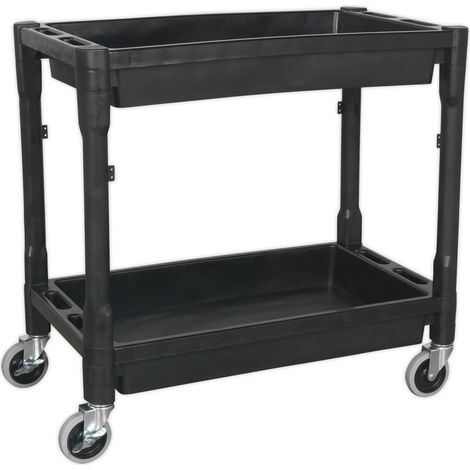

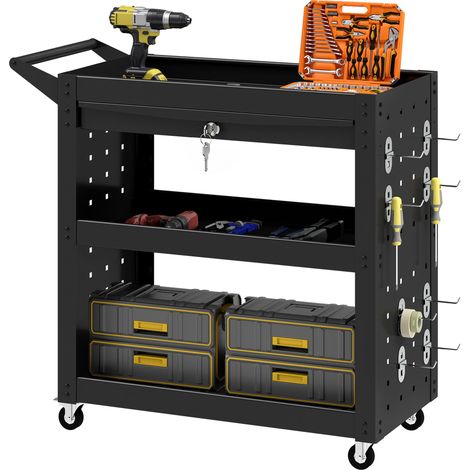

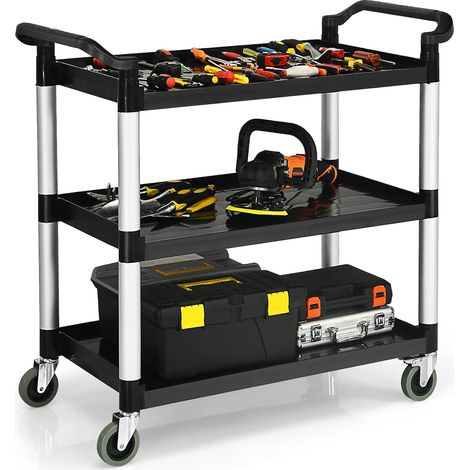
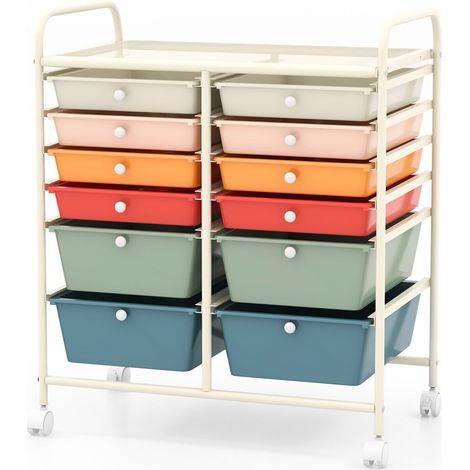
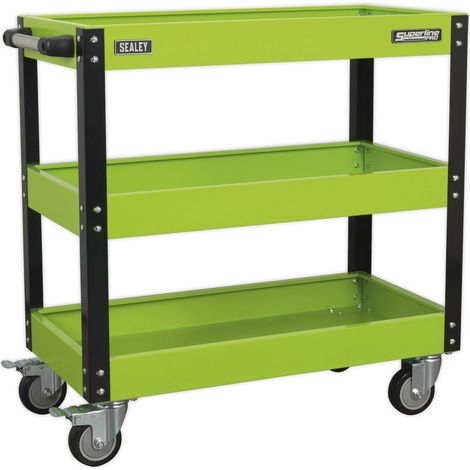
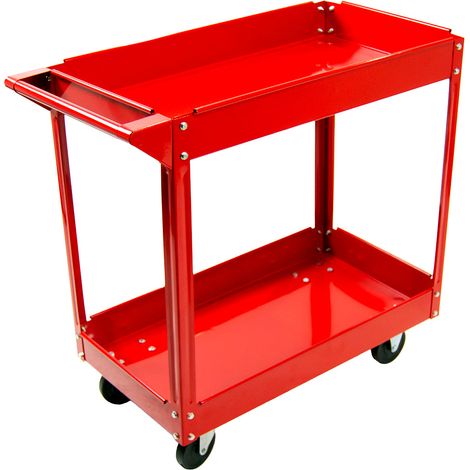

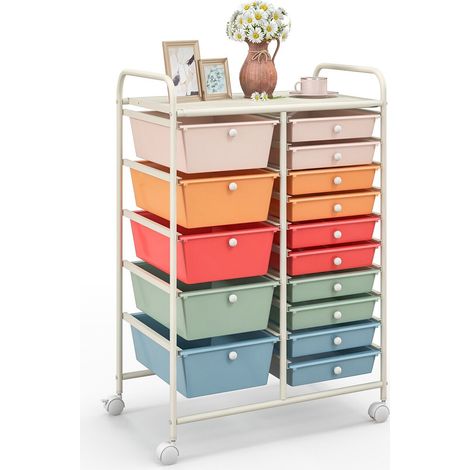
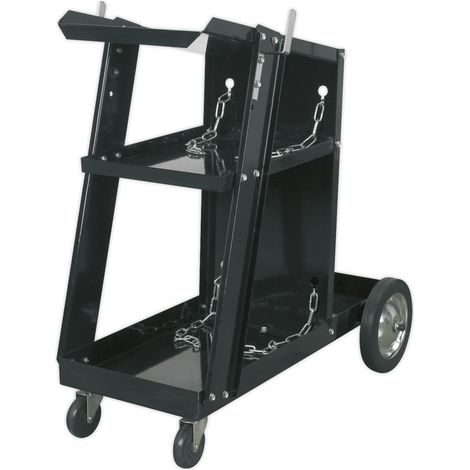
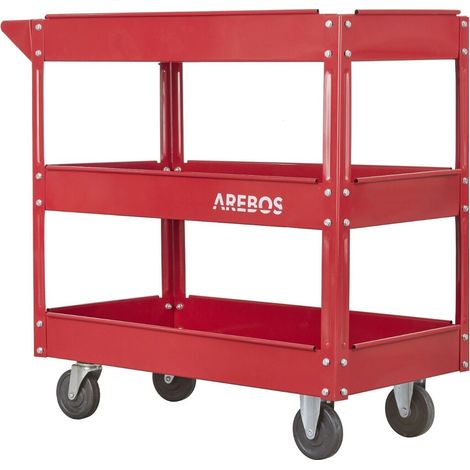
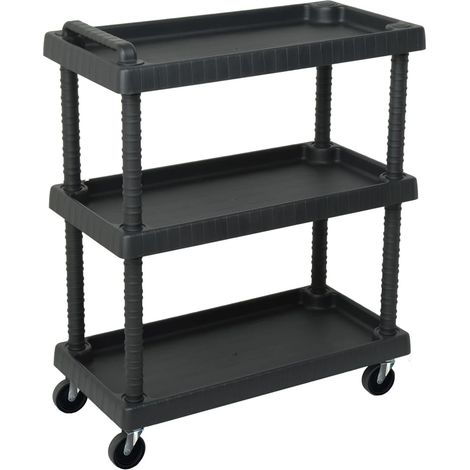
AREBOS Tool Trolley 3 Level Mobile Workshop Trolley Cart Storage Shelf on Wheels
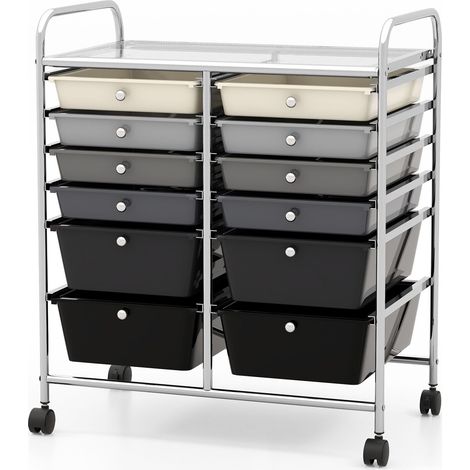
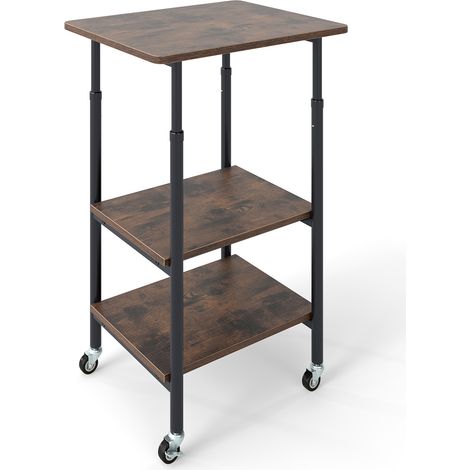
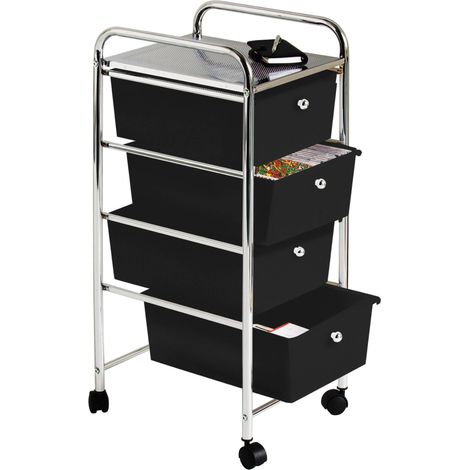

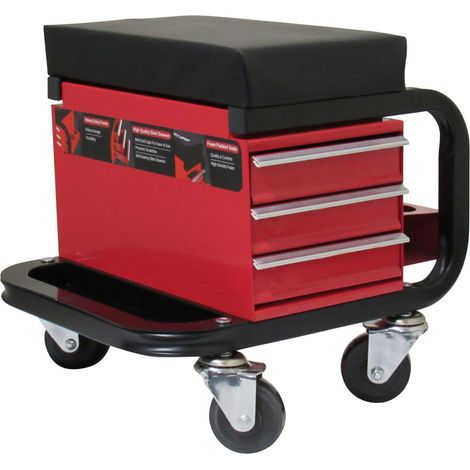

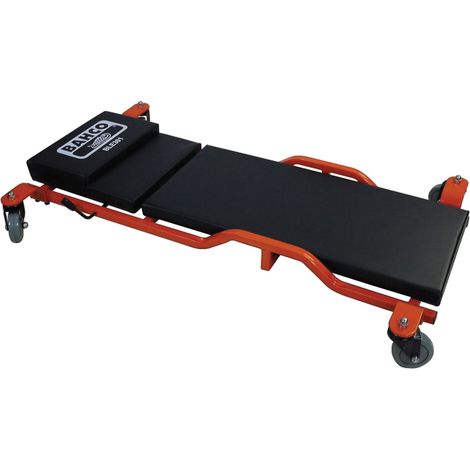

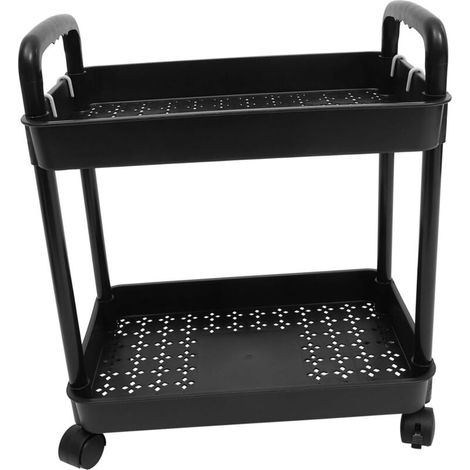

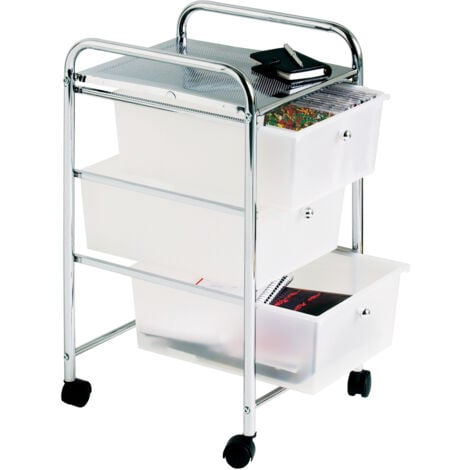
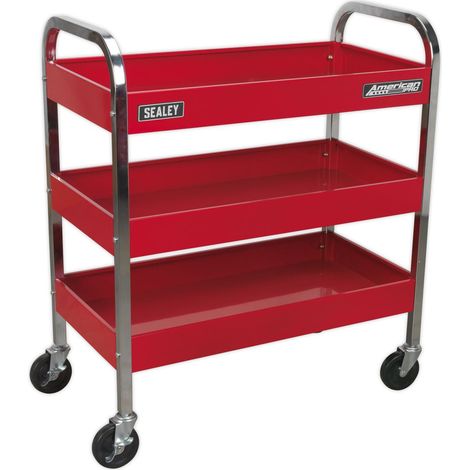
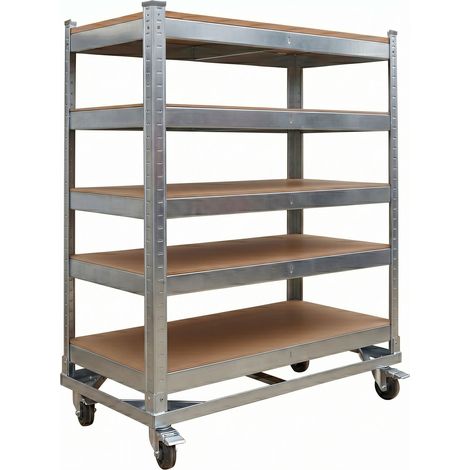

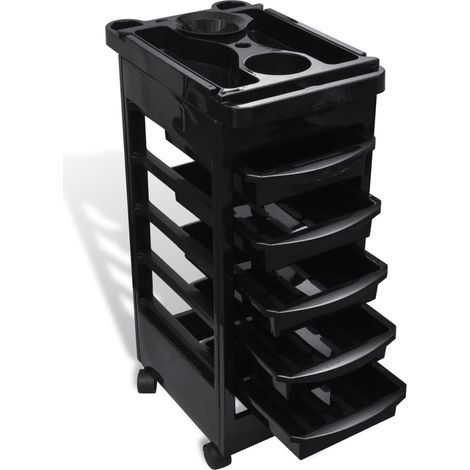

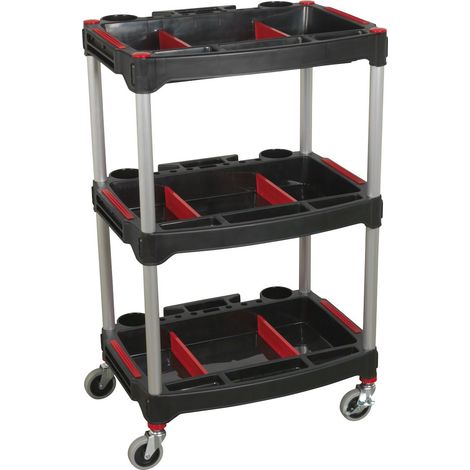
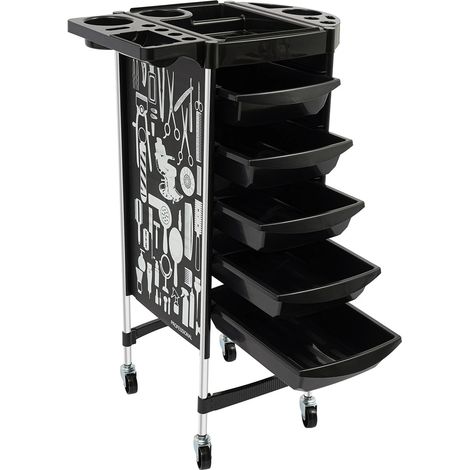
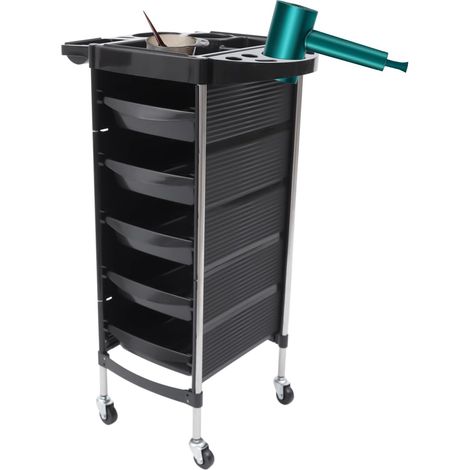
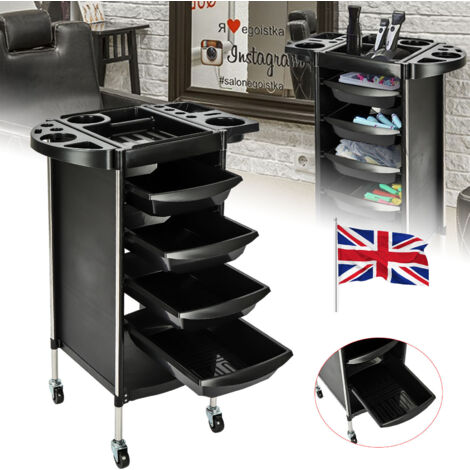
Hairdressing Trolley, Salon Trolley Cart with 5 Pull-Out Drawers, SPA Trolley for stylists and hair styling
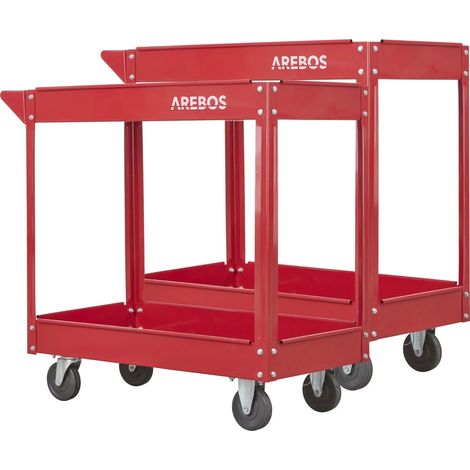
AREBOS 2x Tool Trolley 2 Level Mobile Workshop Trolley Cart Storage Shelf on Wheels
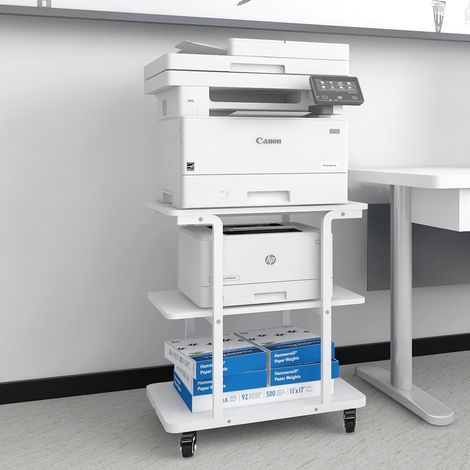

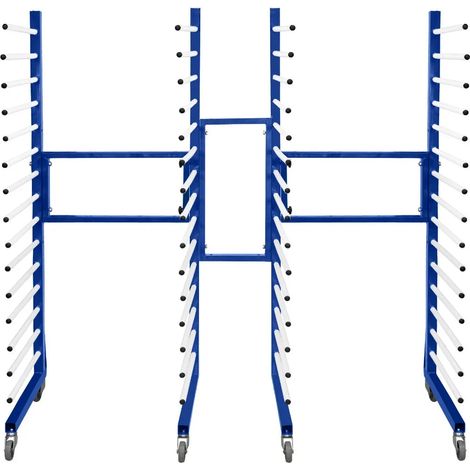
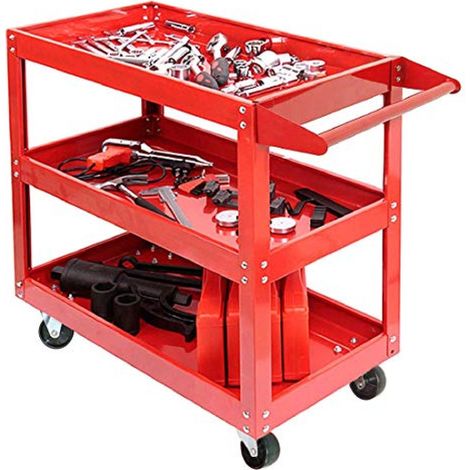
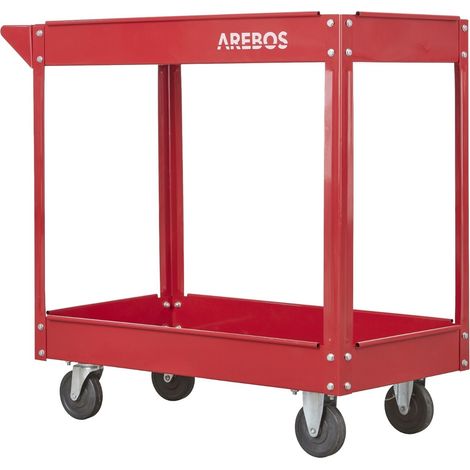
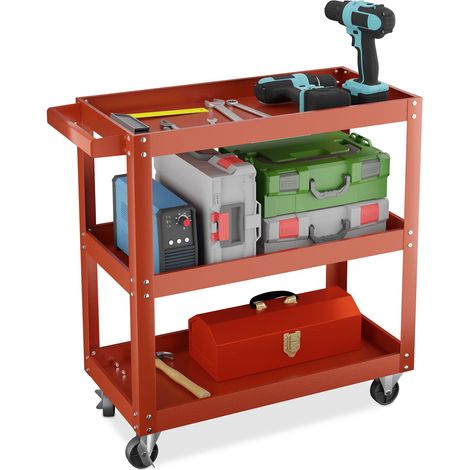
AREBOS Tool Trolley 2 Level Mobile Workshop Trolley Cart Storage Shelf on Wheels - Red

'/%3E%3C/svg%3E)
'/%3E%3C/svg%3E)