Having a pool requires regular maintenance to ensure the water is clean and healthy.
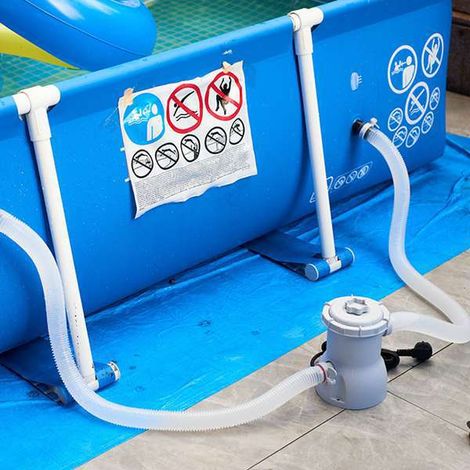
At the heart of this process is the water circulation system, dominated by the pool pump and the filtration system. This system is essential for cleaning and treating the water, and for keeping the pool in good condition.
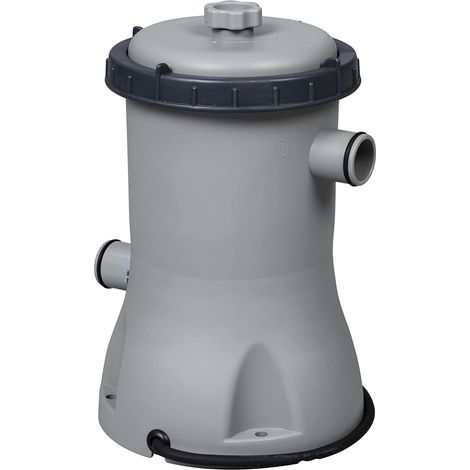
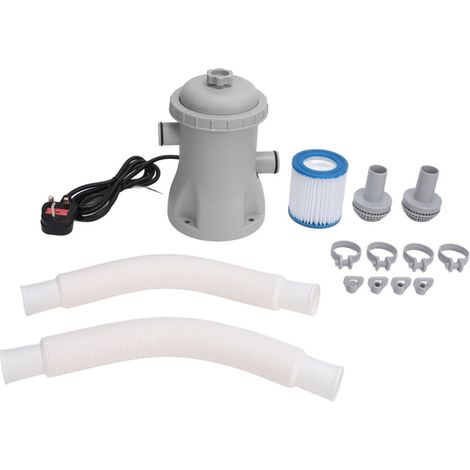
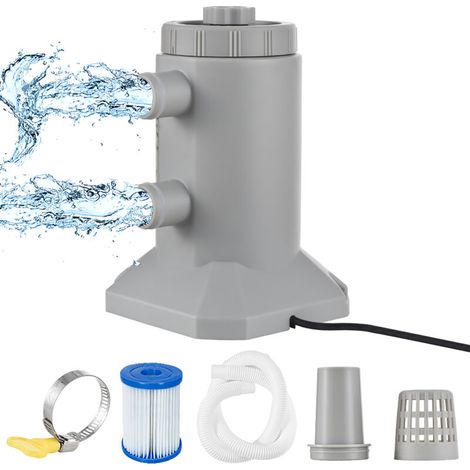
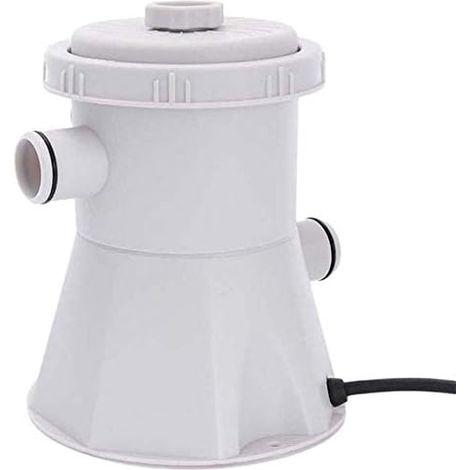
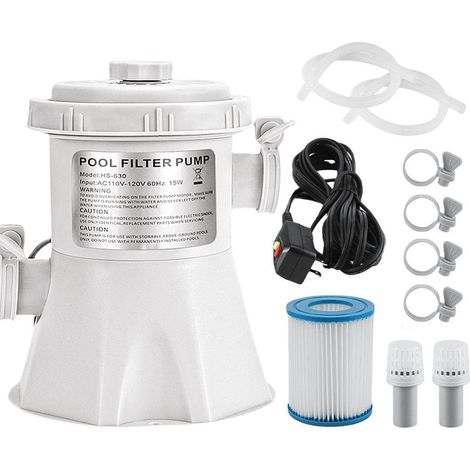
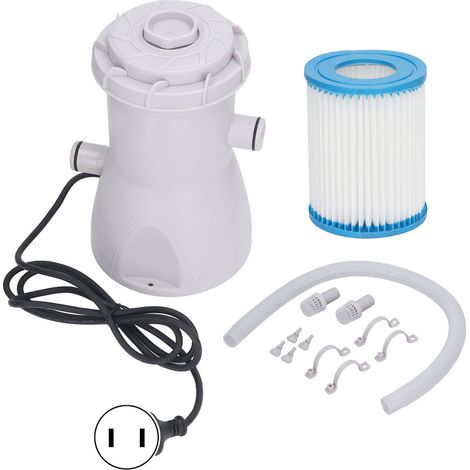
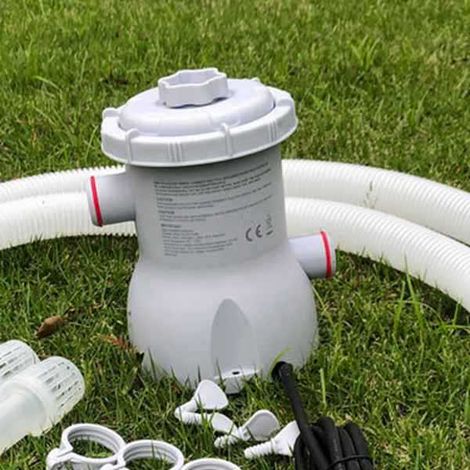
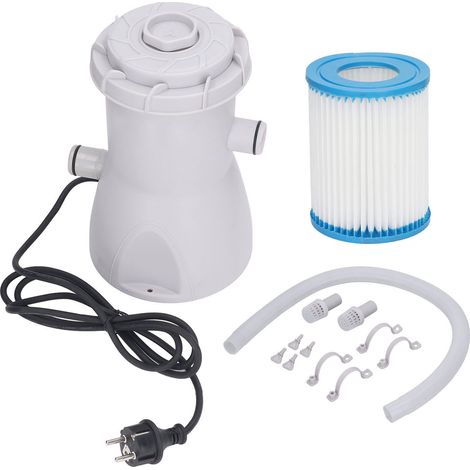
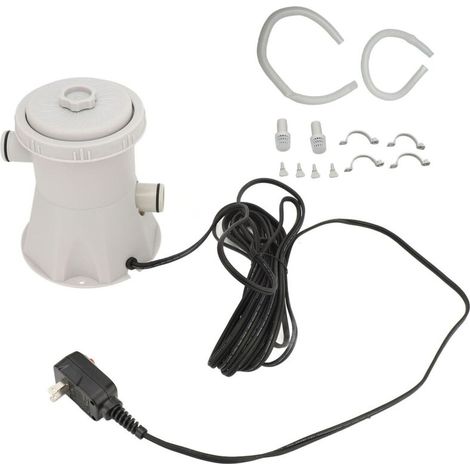
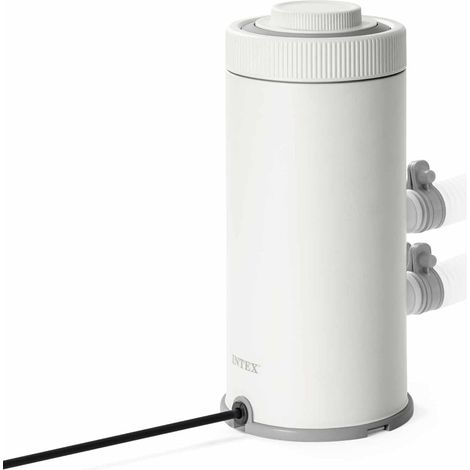
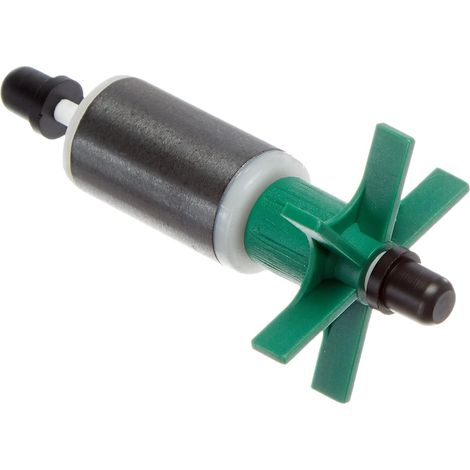
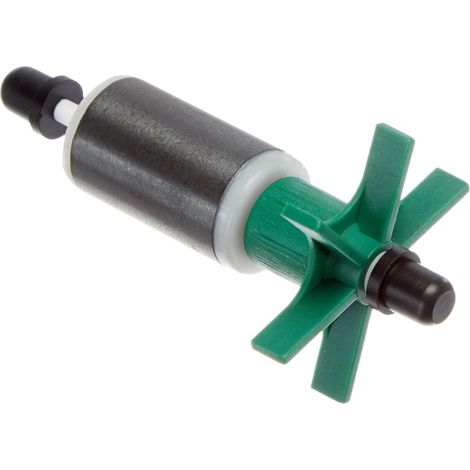
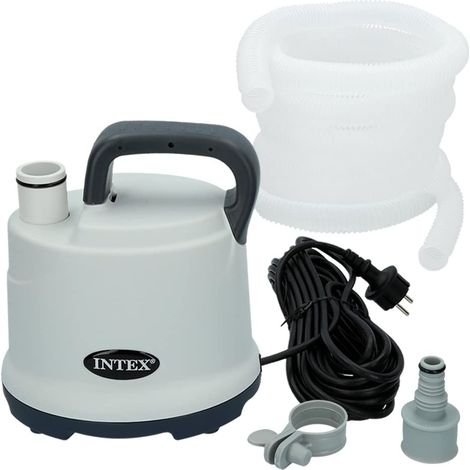
The pool pump, often a centrifugal pump, is the engine of this system. Thanks to its motor, it sucks water through the skimmer and pushes it through the filtration system. Some pumps, such as the self-priming pump, can prime themselves automatically, which simplifies their use. It is important to check the pump's flow rate, as a pump with good power ensures efficient filtration of the pool's total volume of water. A booster pump can be used to improve the main pump's power.
A heat pump can also be added to heat the pool water, providing extra autonomy to enjoy the pool at lower temperatures.
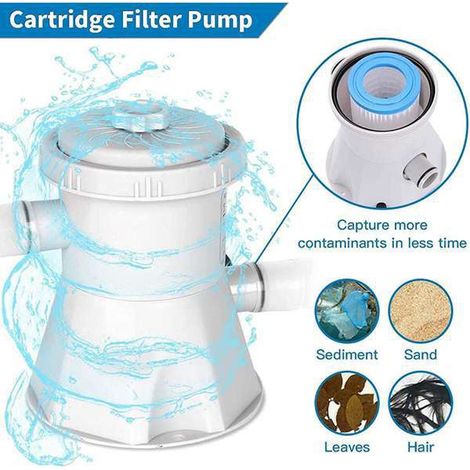
Then, the water passes through the filtration system, which may include elements like:
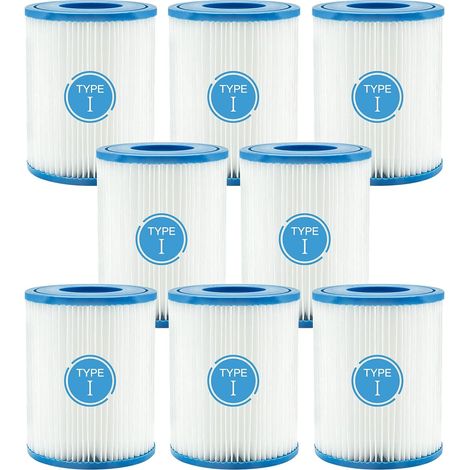
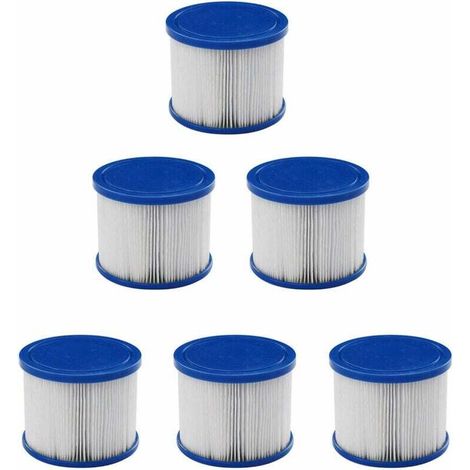
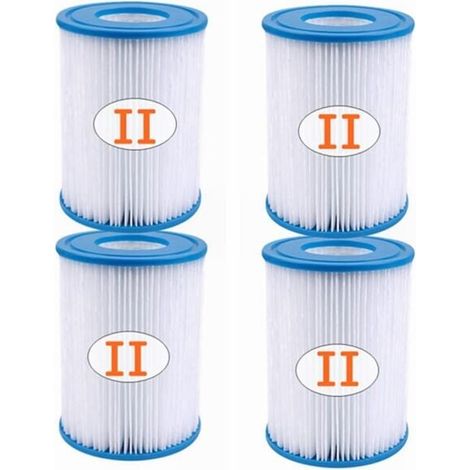
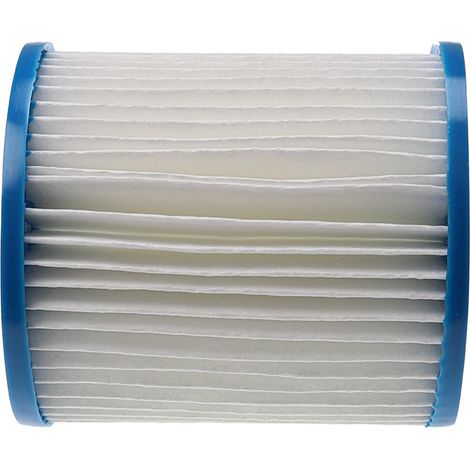
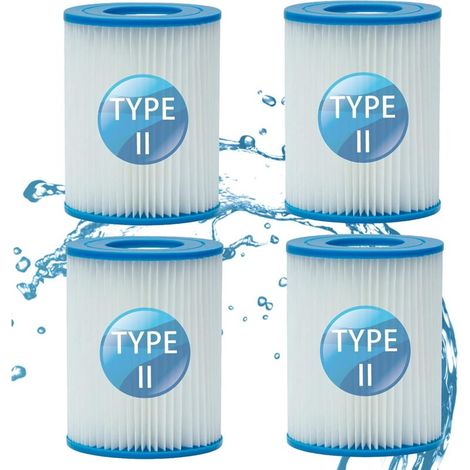
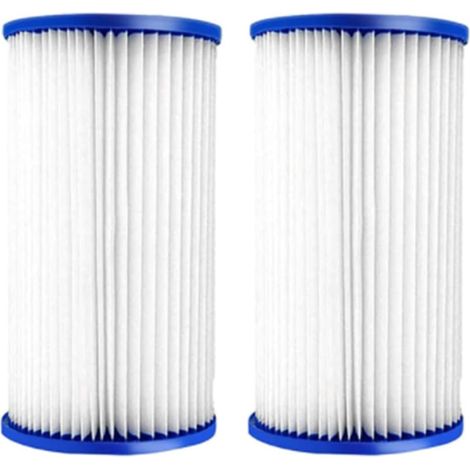
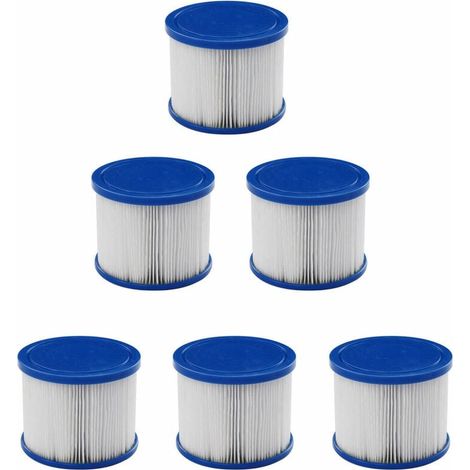
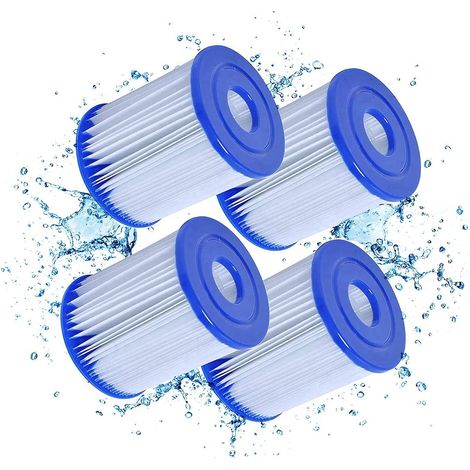
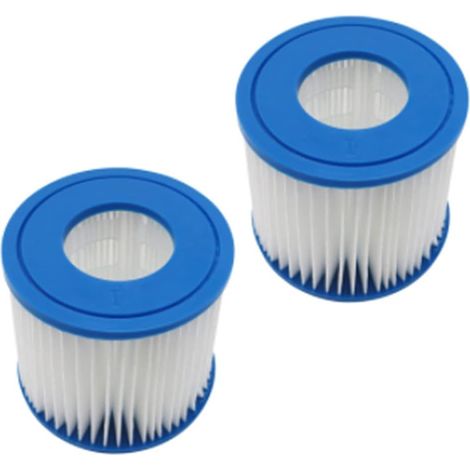
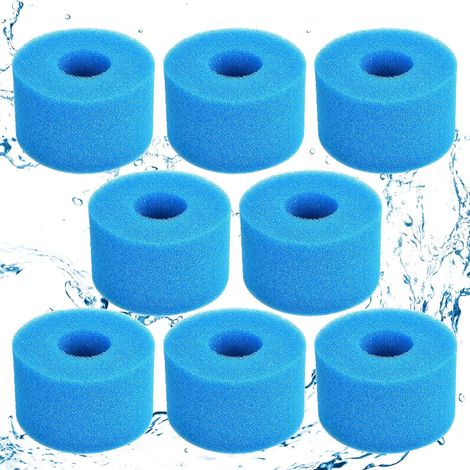
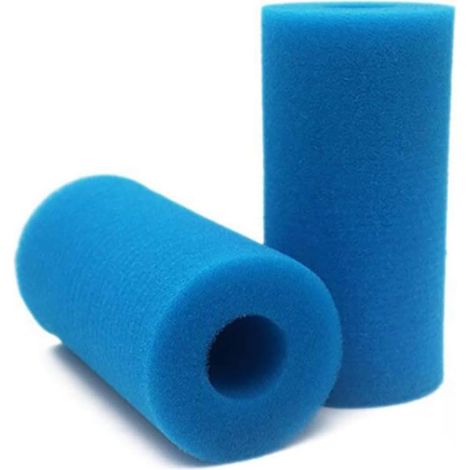
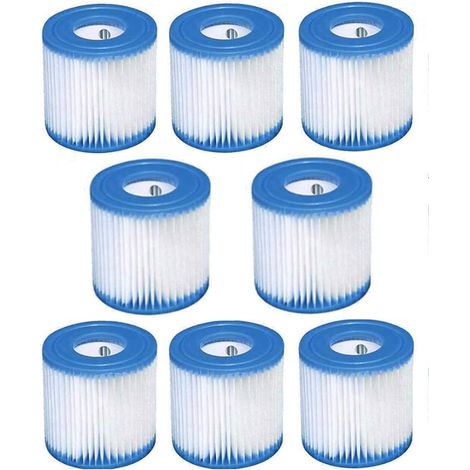
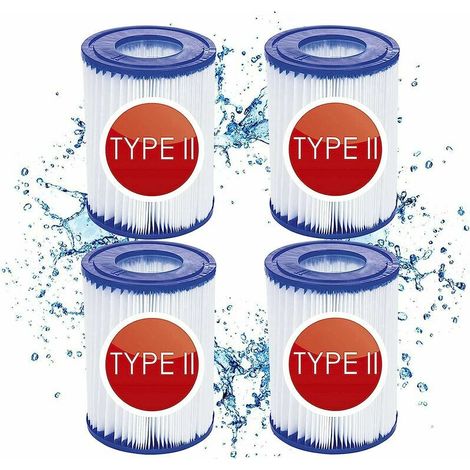
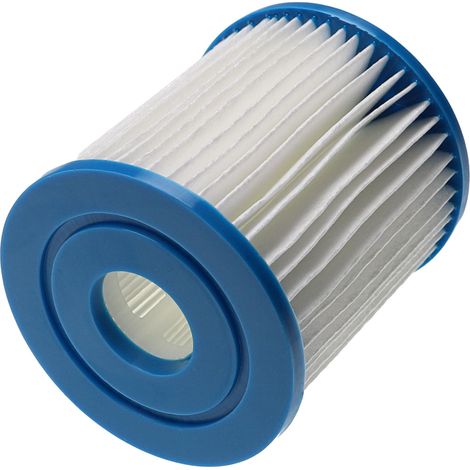
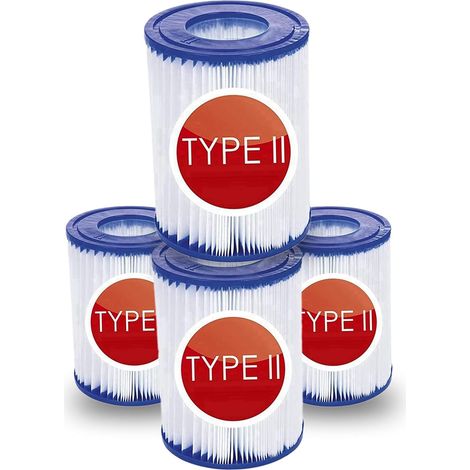
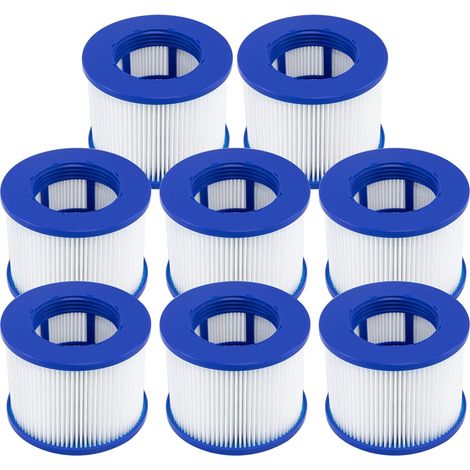
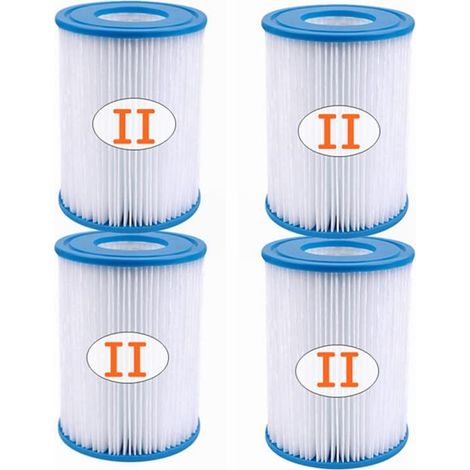
- a filter cartridge;
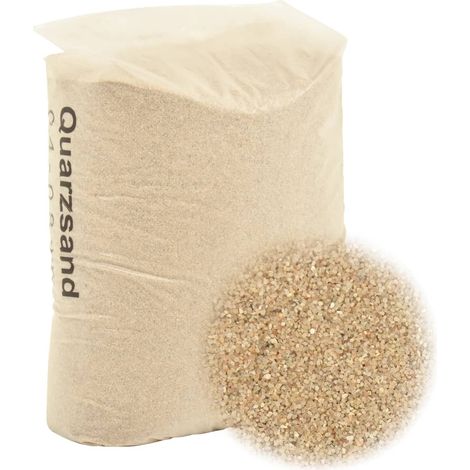
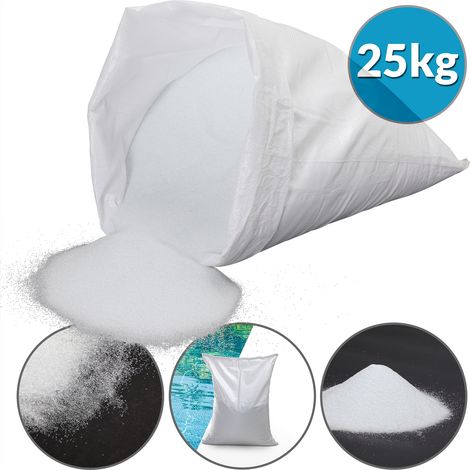
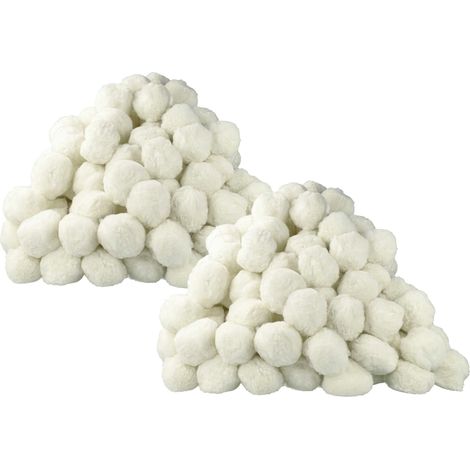
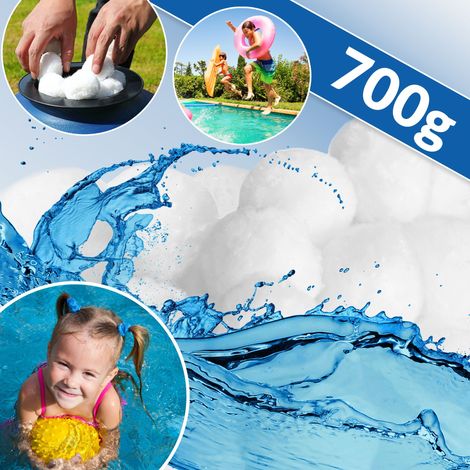
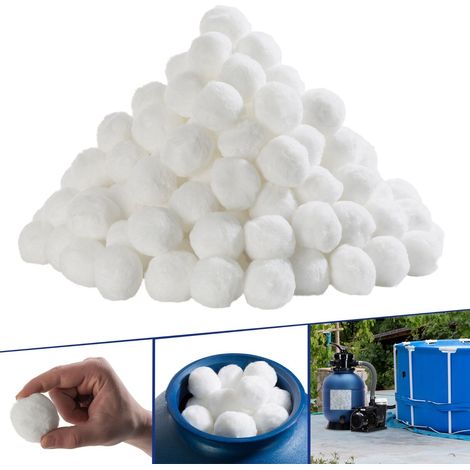
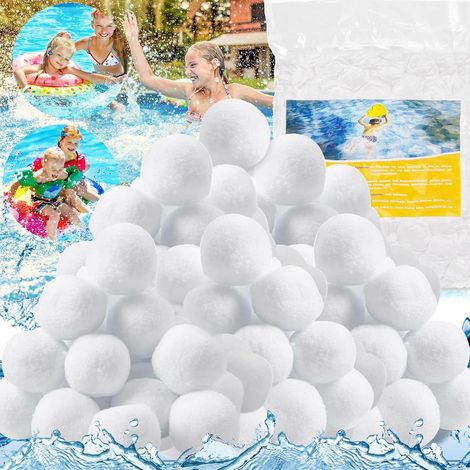
- a sand filter;
- a diatomaceous earth filter or a filter plate.
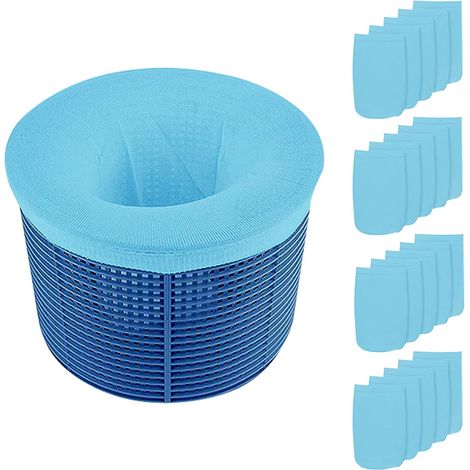
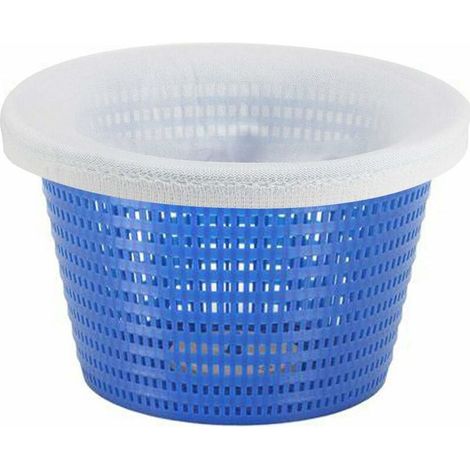
The filtration cycle is vital for removing impurities and debris from the water. To ensure optimal filtration, regular maintenance and upkeep of the filtration system are necessary, including the replacement or cleaning of cartridges or sand, and checking the strainers.
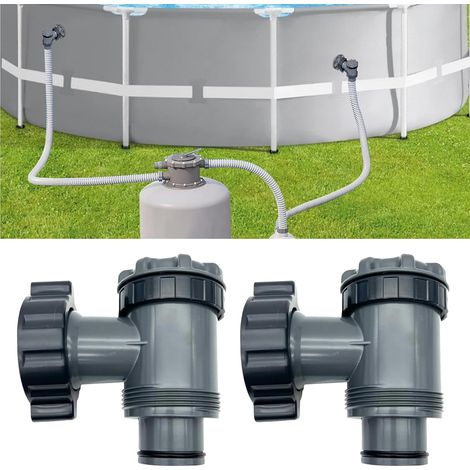
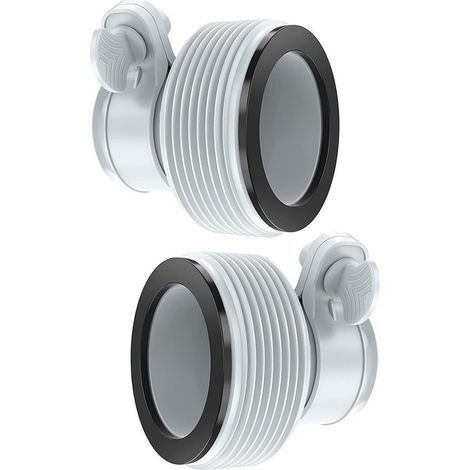
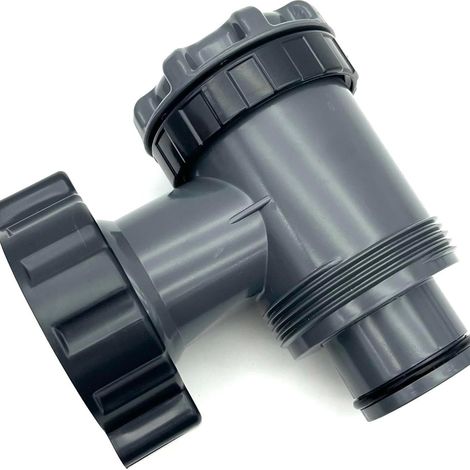
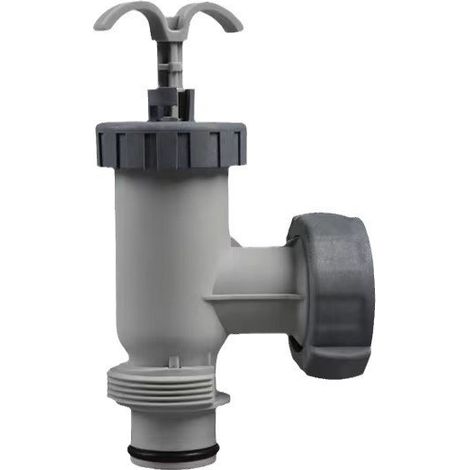
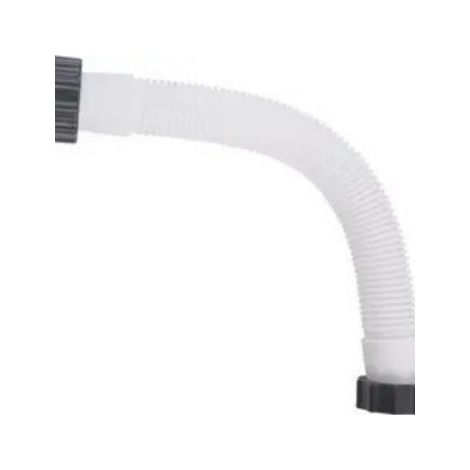
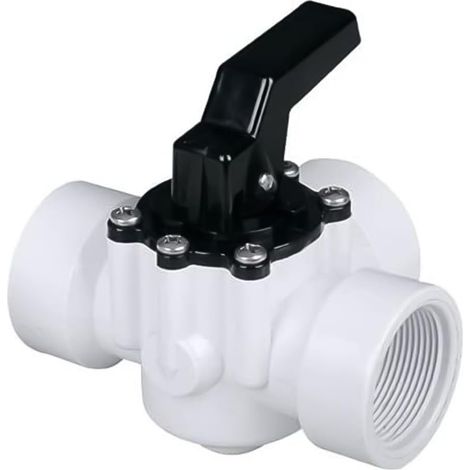
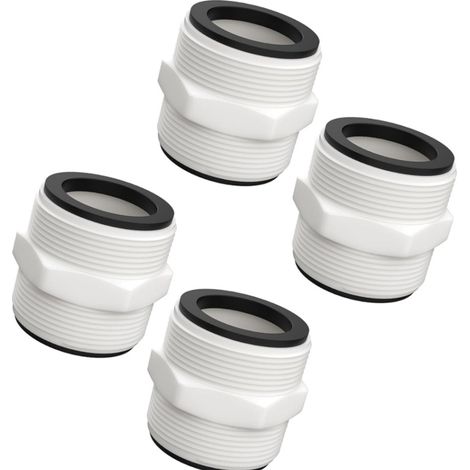
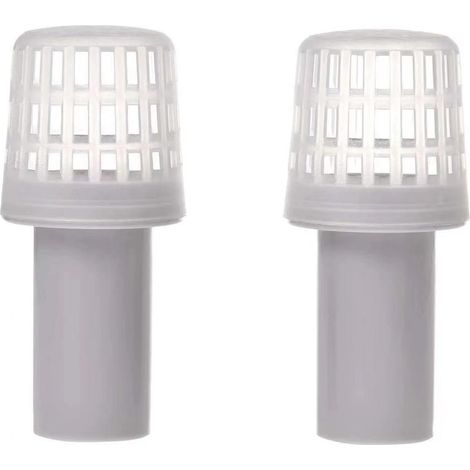
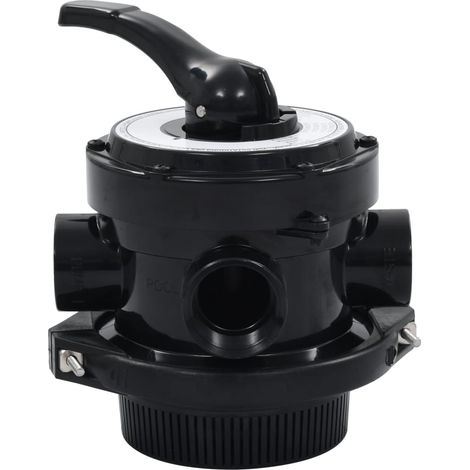
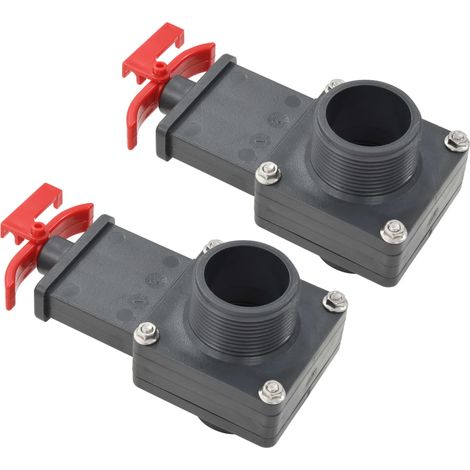
The pump and filtration system are connected by pipes and fittings, which should be regularly checked to ensure they are leak-proof. A check valve can be installed to prevent water from returning to the pump. Elements like a flange connector and a support collar are essential for a proper installation.
For water treatment, several options are available:
- A chlorinator or electrolyzer can be used for disinfection, while an ozonator offers a more natural treatment method;
- An automatic pH controller ensures balanced pH for healthy water and a long lifespan of the filtration system.
Modern pool pumps offer features such as:
- energy efficiency;
- quiet operation thanks to anti-vibration mounts and ball bearings;
- thermal protection to prevent overheating;
- a secure electrical connection.
Some pumps are even equipped with a lubrication feature for smoother operation and longer life.
In summary, the choice of pool pump, its installation, and maintenance are crucial for ensuring clean and healthy pool water. It's important to understand the components of the system, perform regular maintenance, and ensure their proper functioning to fully enjoy your pool.
Learn more:
- How to choose your pool filtration system

















'/%3E%3C/svg%3E)
'/%3E%3C/svg%3E)