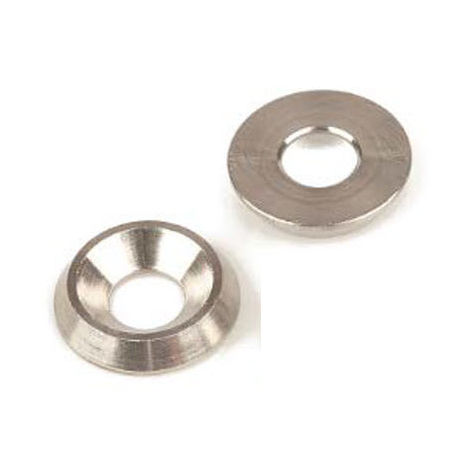
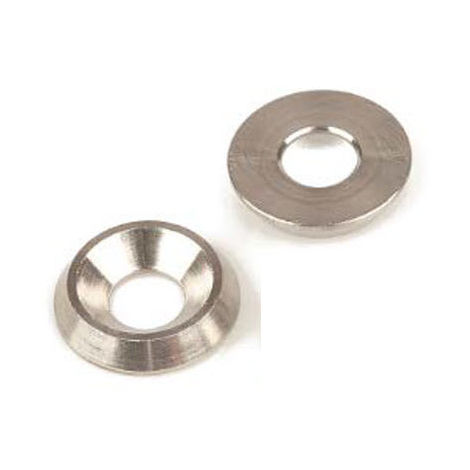
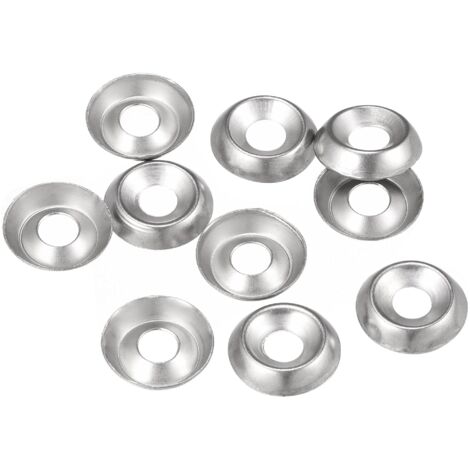
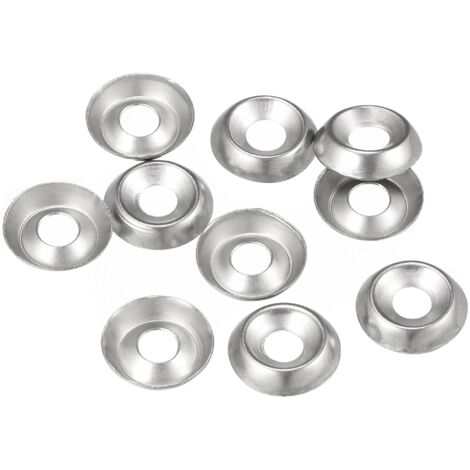
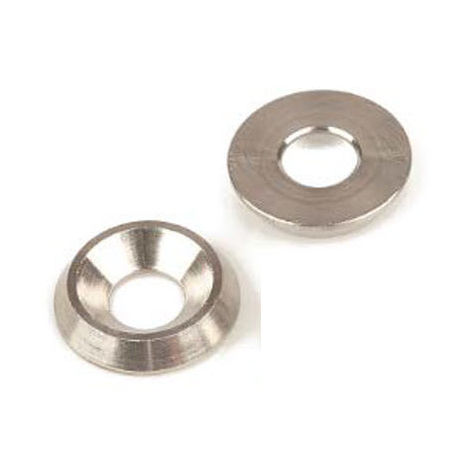
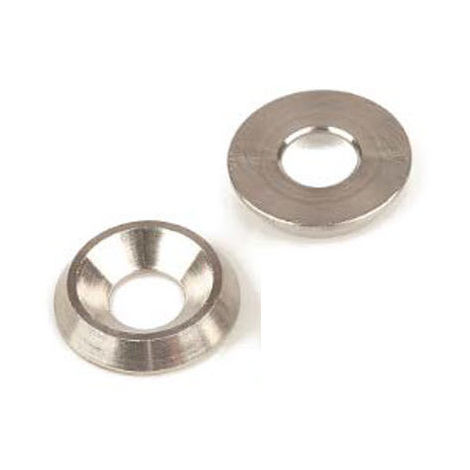
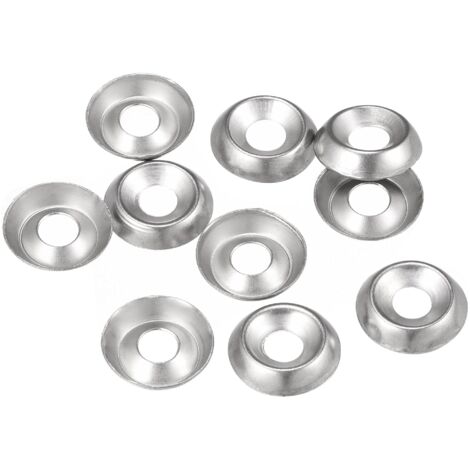
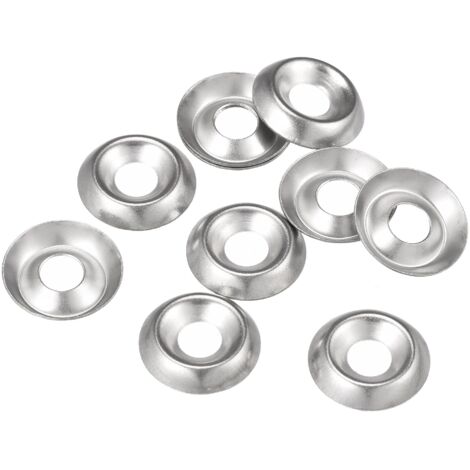
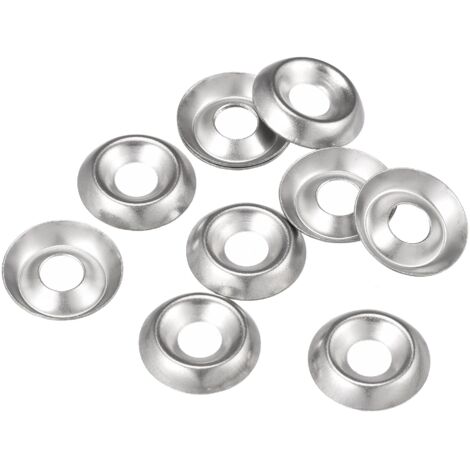
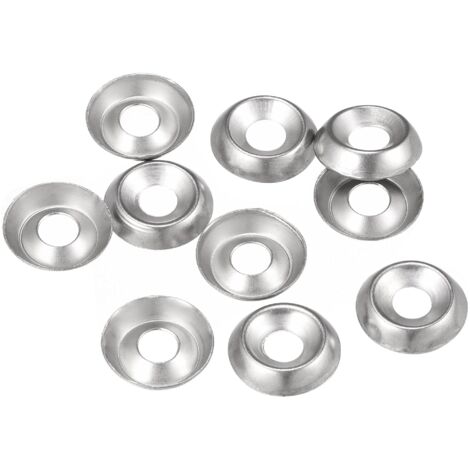
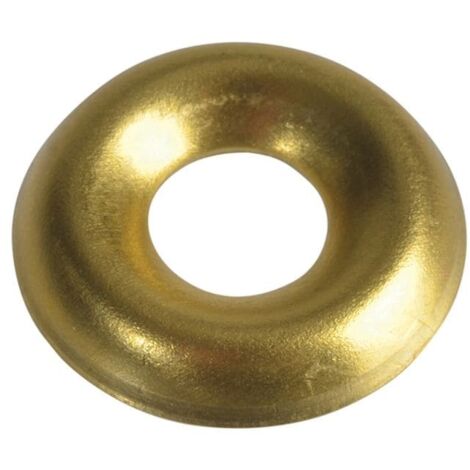
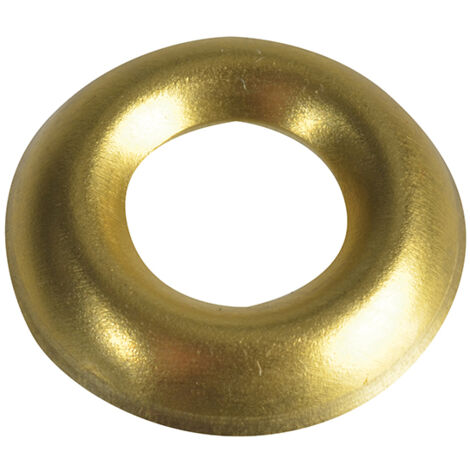
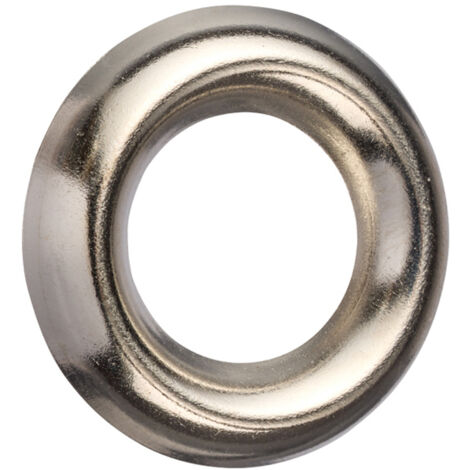
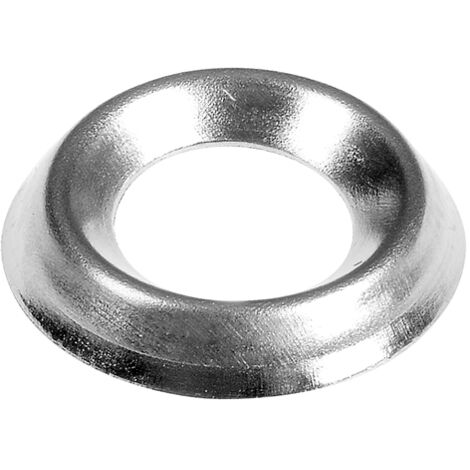
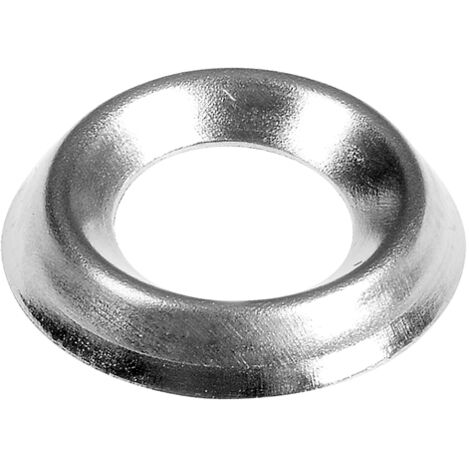
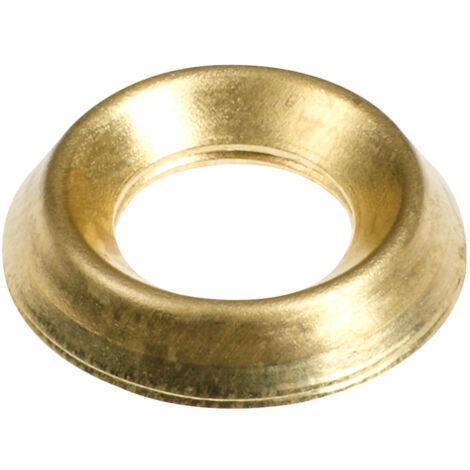
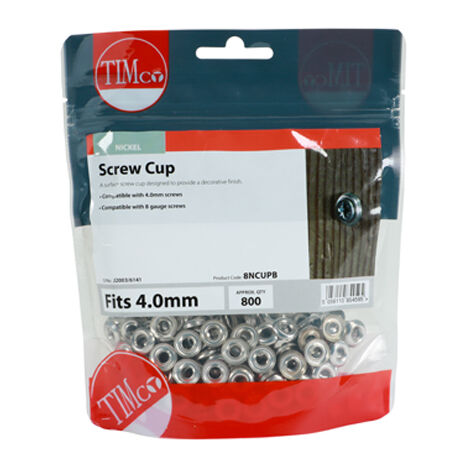
In mechanics as in DIY, washers are used to support the pressure exerted by a screw. There are a large number of washers, each associated with a specific type of screw depending on their application. For example, for assembling parts made of wood or wood-derived materials, it is recommended to use countersunk washers, specially designed for use with countersunk head screws.
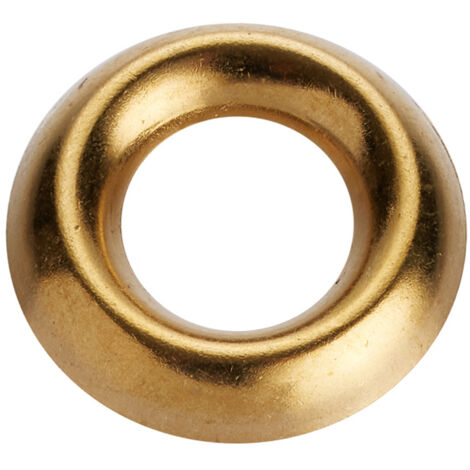
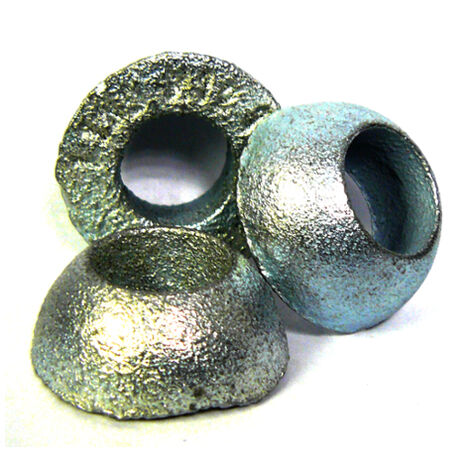
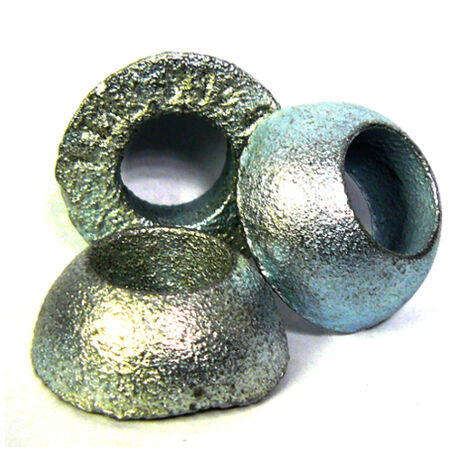
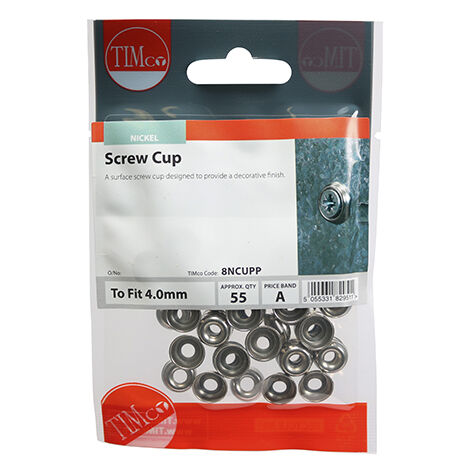
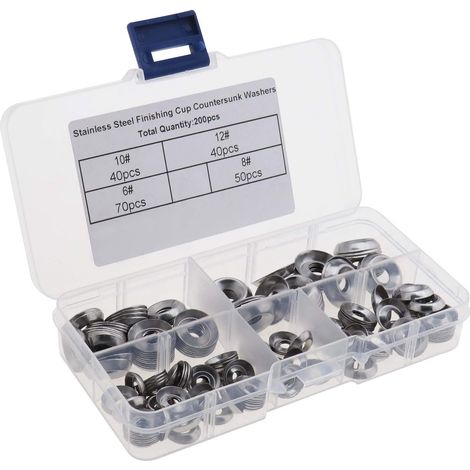
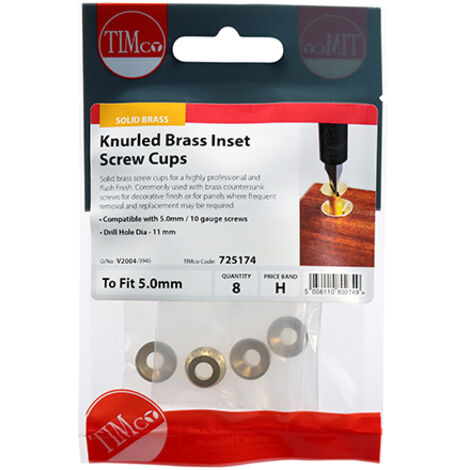
To fasten two elements together, one can choose between using nails, glue, or screws. Since screws have a limited contact surface with the elements to be fixed, it is advisable to use washers to improve the fixation. However, there are many types of screws and washers, whose use depends on the purpose of the pieces to be fastened and their nature. For fastening wood or wood-derived parts, for example, the use of countersunk washers is highly recommended. The name of this type of washer comes from their rather peculiar bowl-like shape. They are specifically designed for so-called countersunk head screws. This particular screw head shape is generally used to fasten wooden or wood-derived parts. Typically, this type of screw has a deeper thread than regular screws, which is suitable for fastening particle boards, for example. Since the surface of these boards is quite delicate, the use of washers is highly recommended. This type of washer is also recommended for fastening corrugated sheets and translucent roofing. On the market, one can find washers made of polished or chromed brass, or chromed steel, individually or in packs of generally 50 to 100 pieces. In the same category of products, there are flat washers, Grower washers, or toothed washers.









'/%3E%3C/svg%3E)
'/%3E%3C/svg%3E)