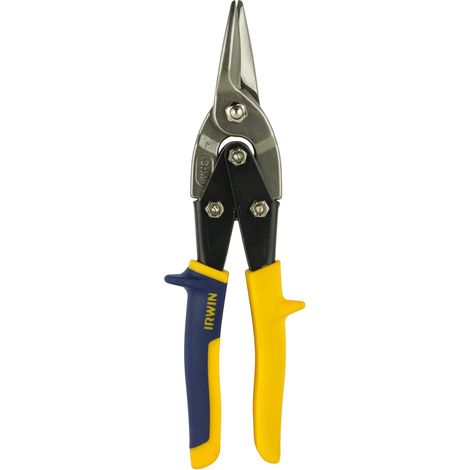
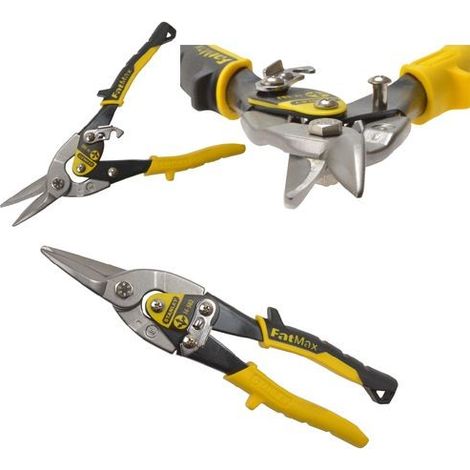
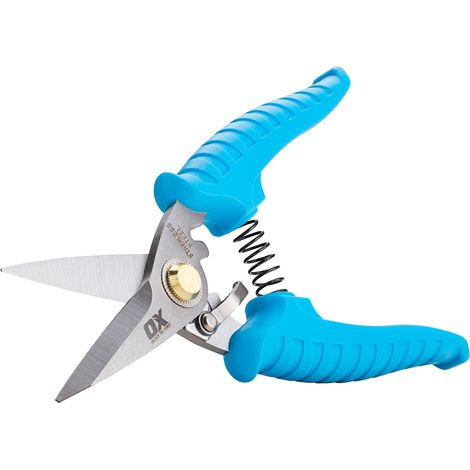
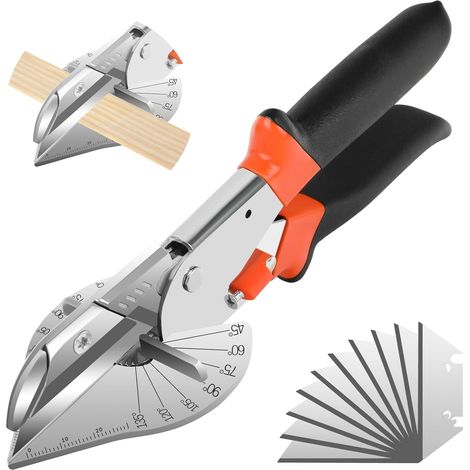
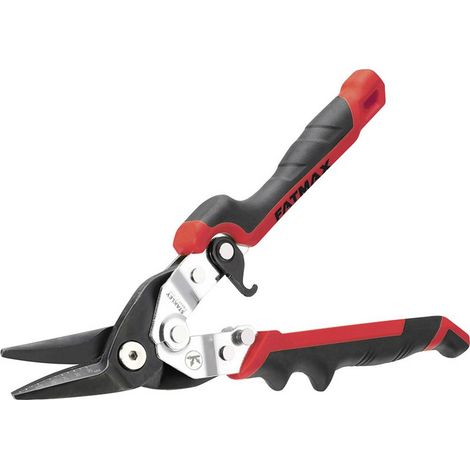
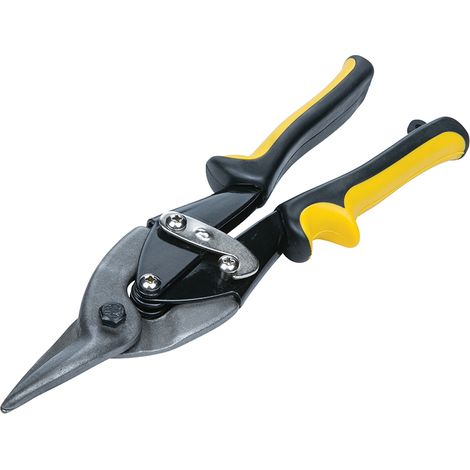
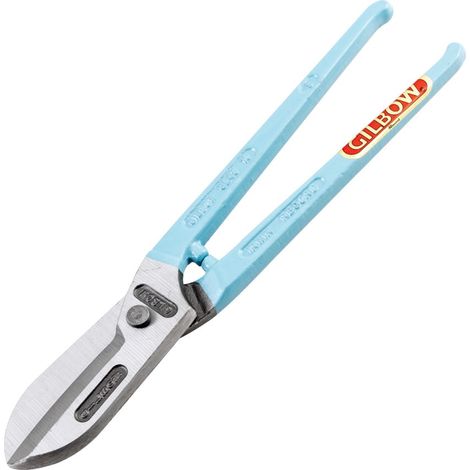
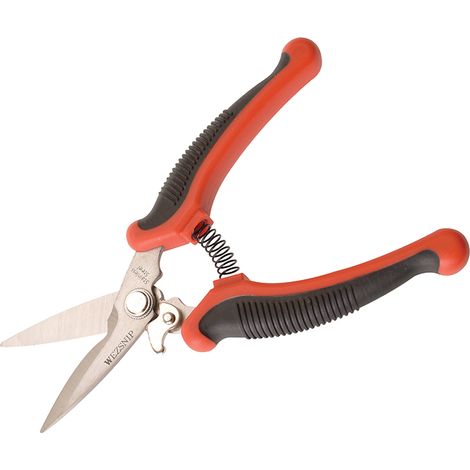
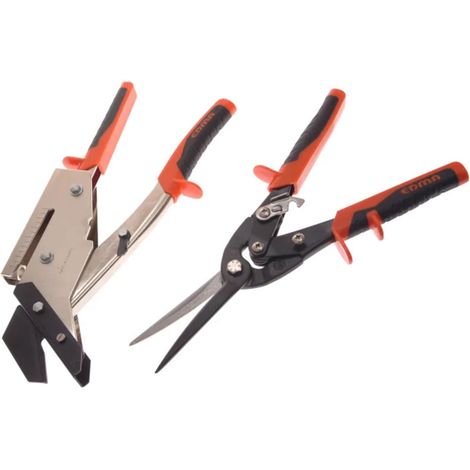
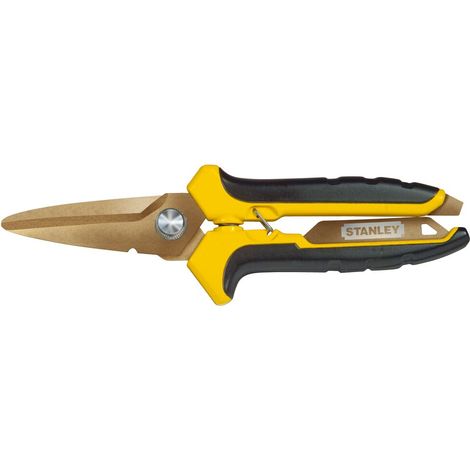
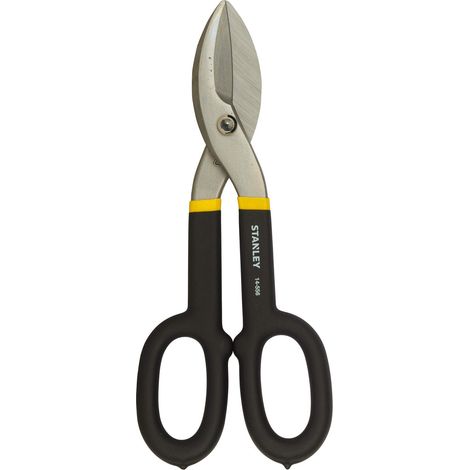
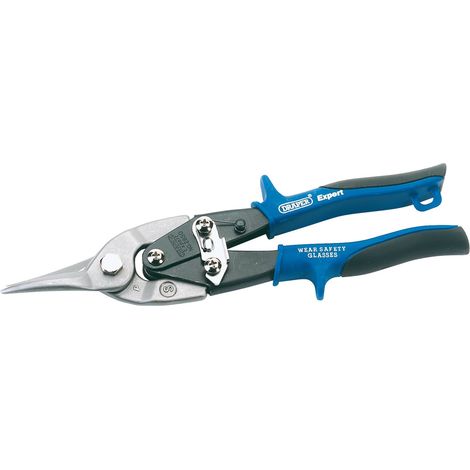
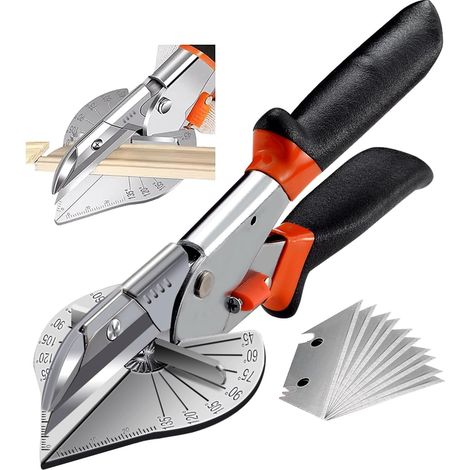
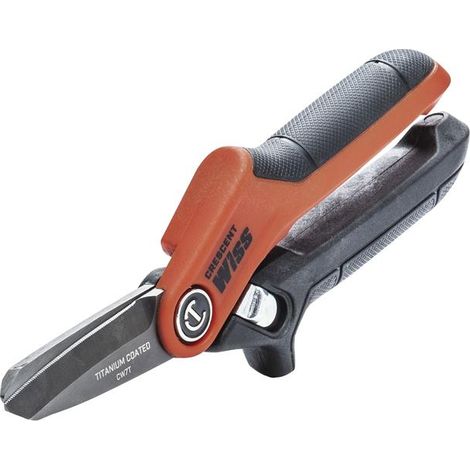
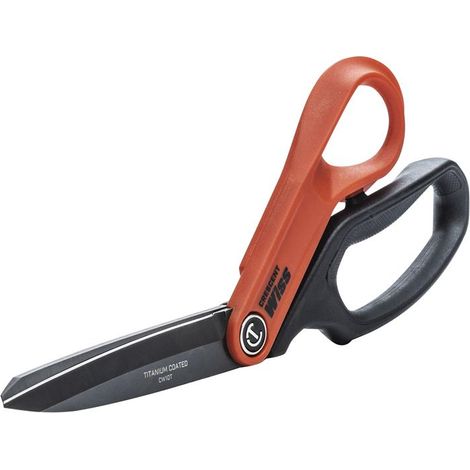
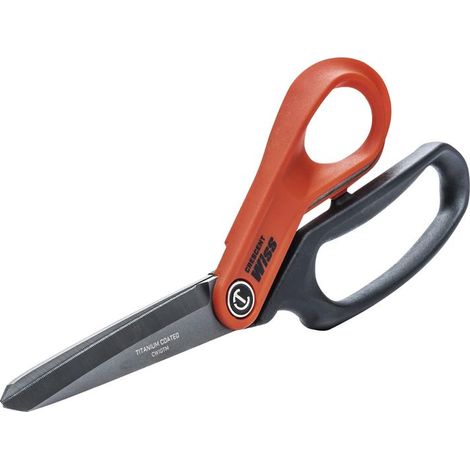
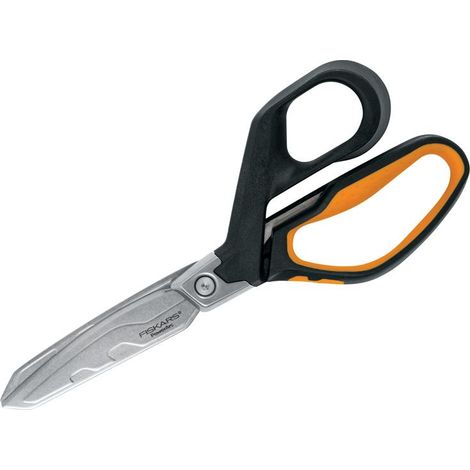
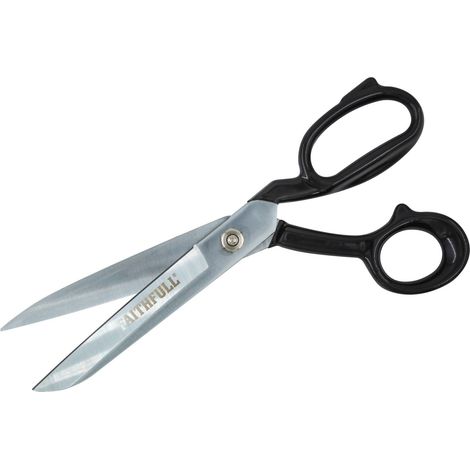
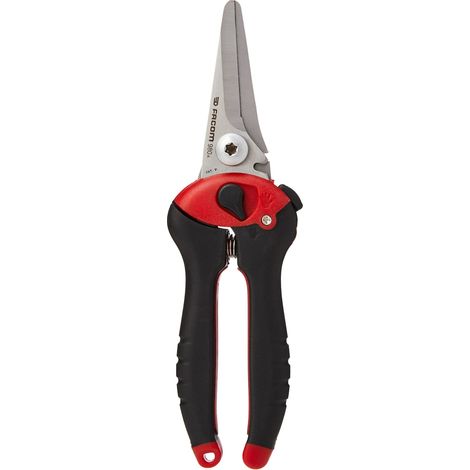
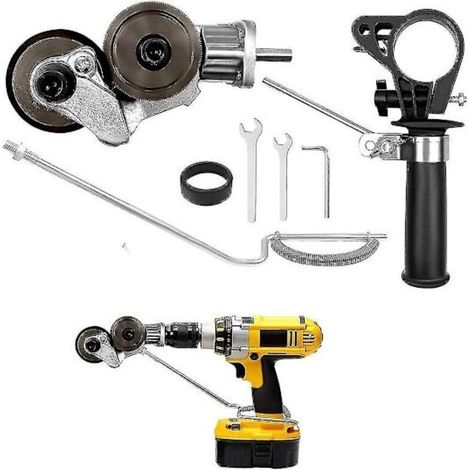
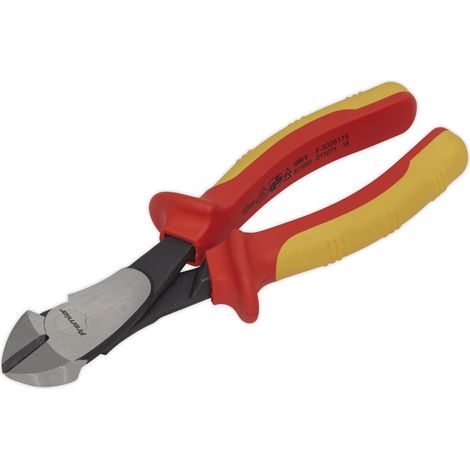
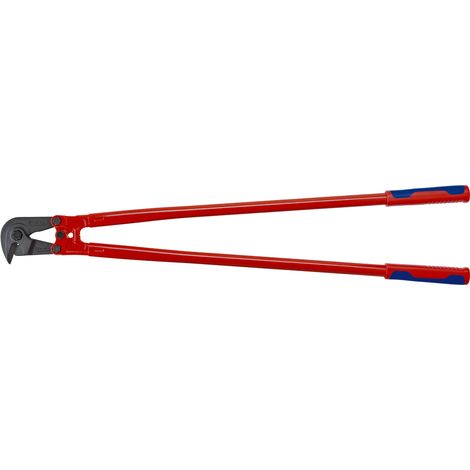
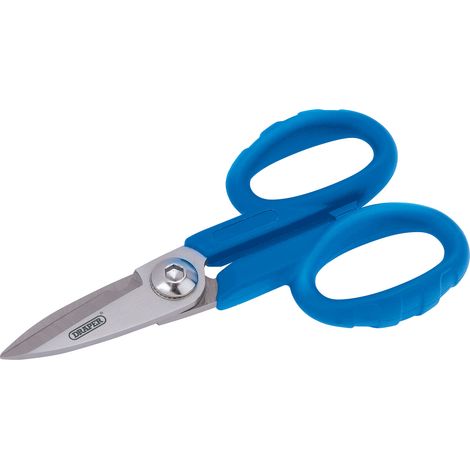
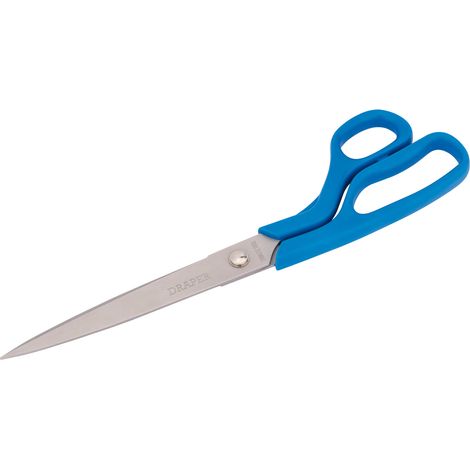
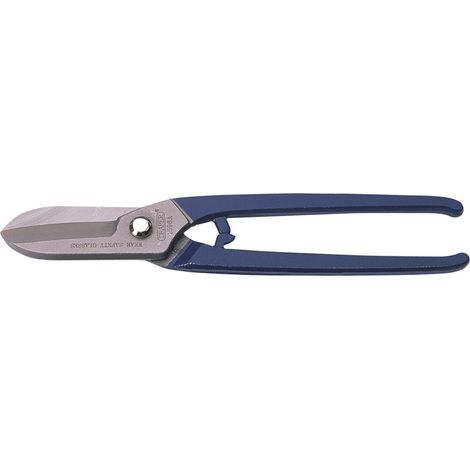
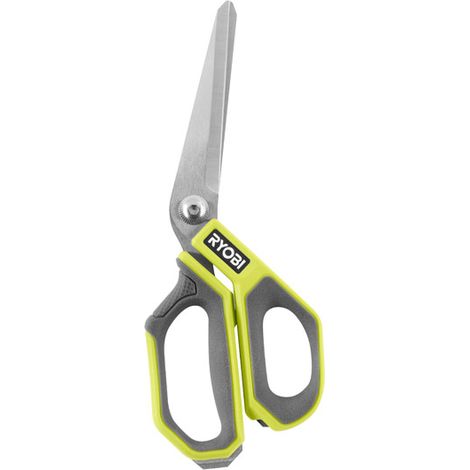
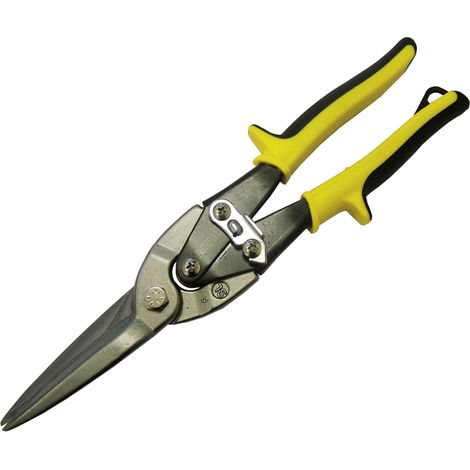
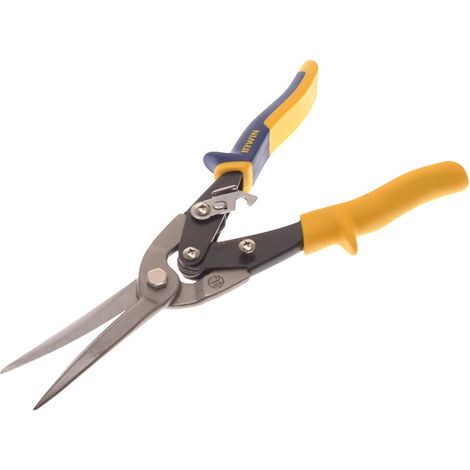
Shears are useful for cutting various materials such as sheet metal, slate, or metal profiles. Available in aviation, pelican, scroll, or straight types, they are used by professionals to quickly make precise hand cuts.
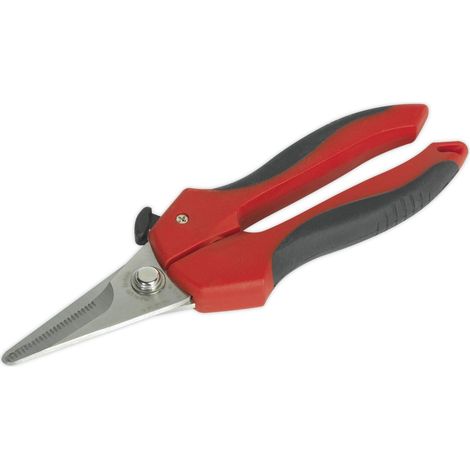
Hand shears are the most used by DIY enthusiasts and professionals.
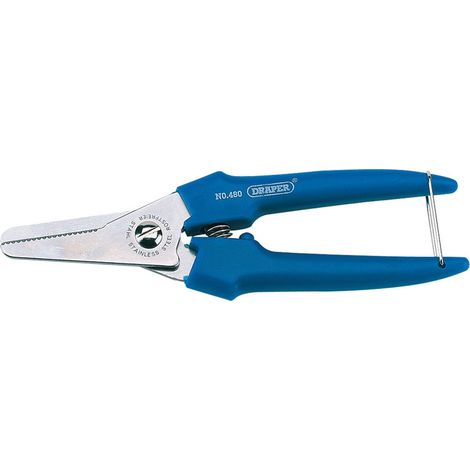
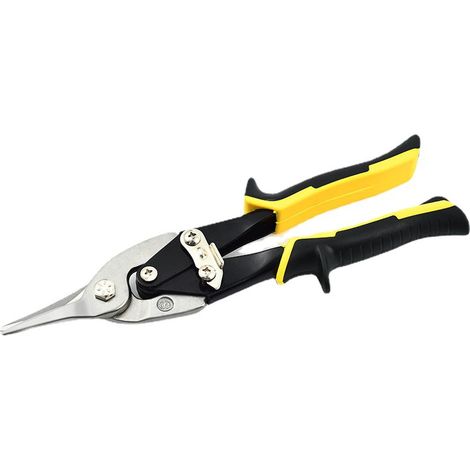
- Sheet metal models are essential for drywall installers. Indeed, they ease the cutting of rails and studs. These tools are appreciated for their lightness and efficiency in cutting stainless steel sheets or thin metal sheets.
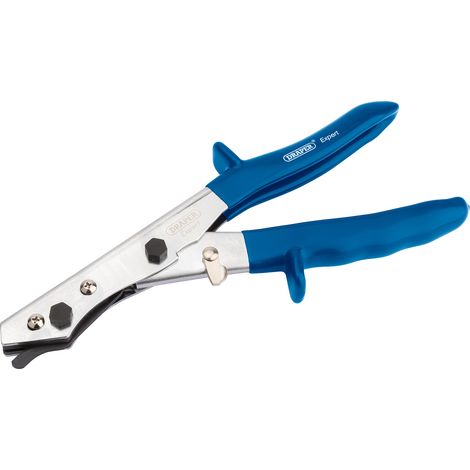
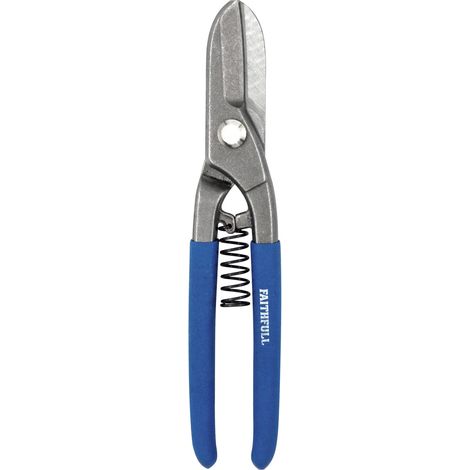
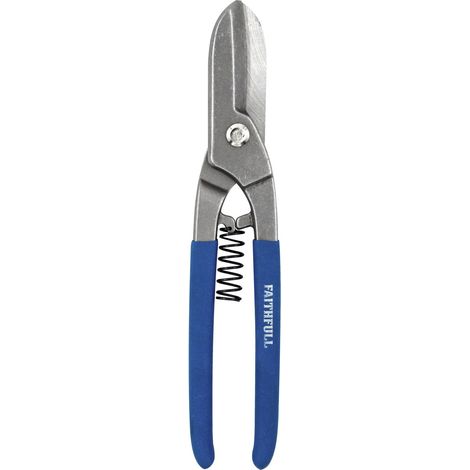
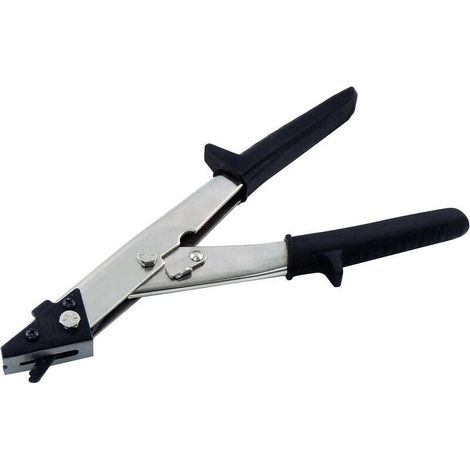
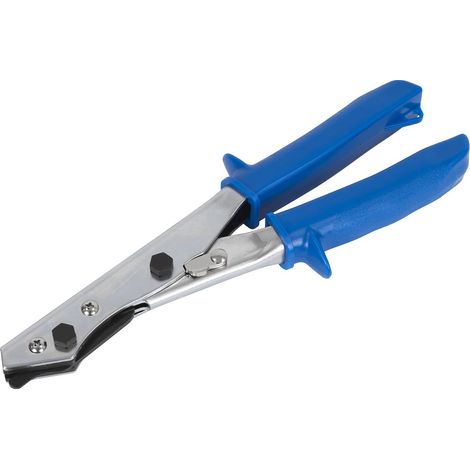
- Nibblers, also known as tin snips, are equipped with a lower blade and two upper blades. They facilitate the cutting of flat sheets while avoiding deformation. However, these tools are not suitable for rails and studs.
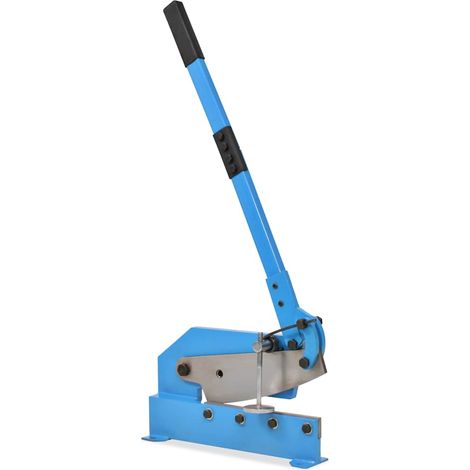
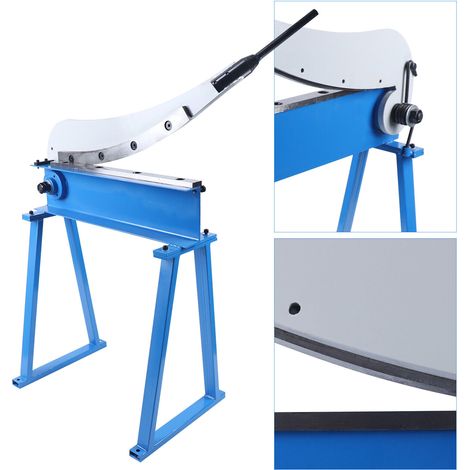
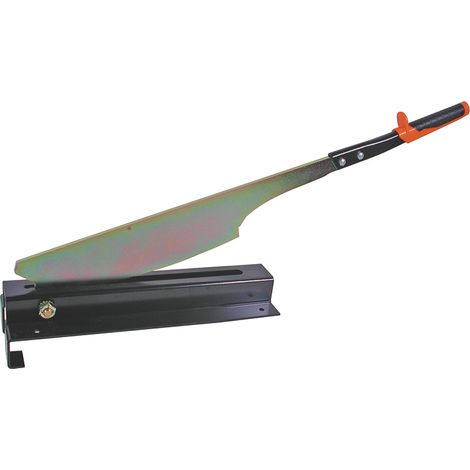
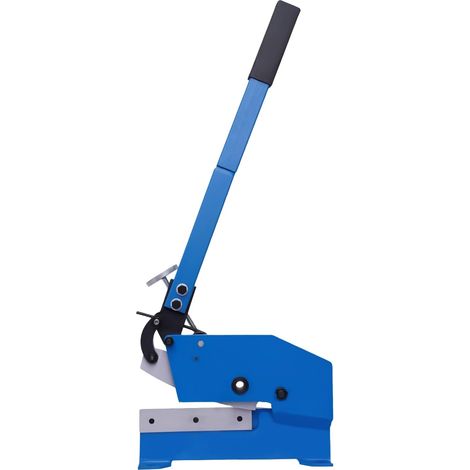
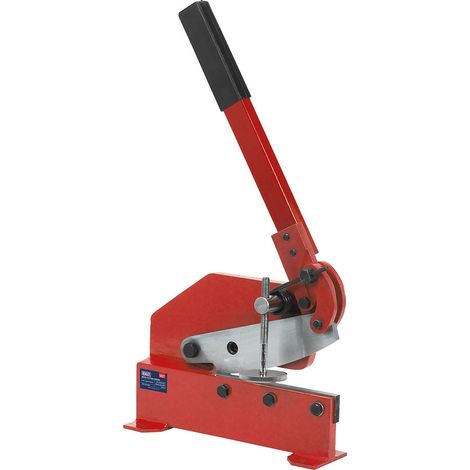
Guillotine models also have features to be aware of:
- they easily cut sheet metal;
- they are equipped with two levers operated by the user;
- two bronze slides ensure the blade's guidance;
- they are suitable for zinc, aluminum, stainless, and copper sheets;
- a collection tray receives the cut sheets.
Some parameters should be considered when choosing shears:
- the blade can be curved or flat;
- the handle can be made of hard plastic or steel;
- some models are geared to reduce the effort required by the user;
- scroll models are available for rounded cuts;
- straight or duckbill versions are to be preferred for straight cuts;
- models with rounded jaws facilitate cutting along a pronounced curve;
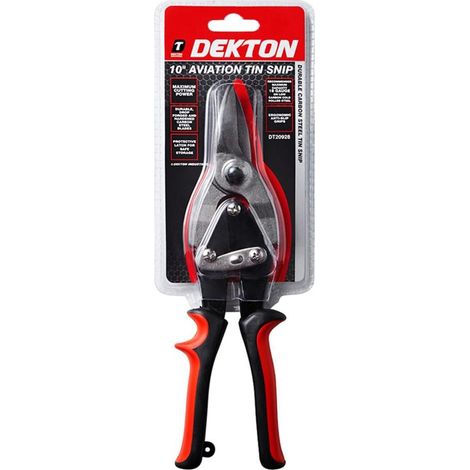
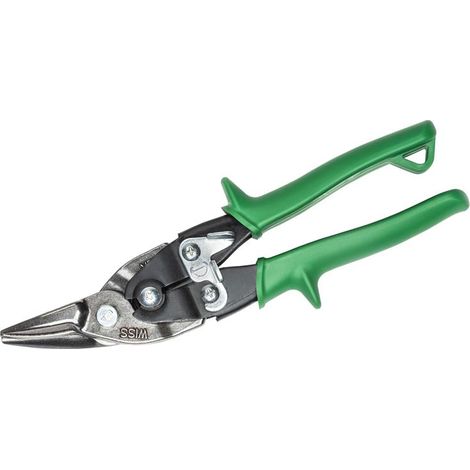
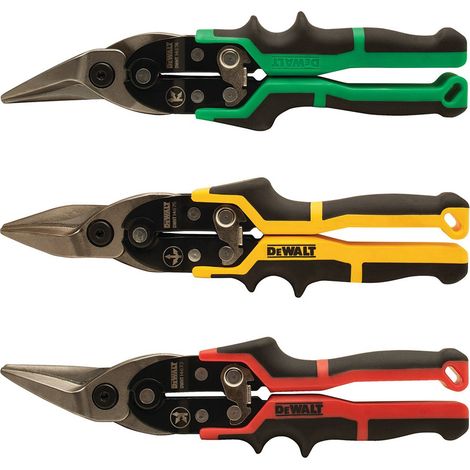
- aviation-type tools are equipped with a double lever to reduce the effort required.
Thus, the choice of shears depends on the materials to be cut, but also on the type of cut to be made (straight or curved). Finally, it is worth noting that left-handed models only allow for straight cuts or curves to the left.

















'/%3E%3C/svg%3E)