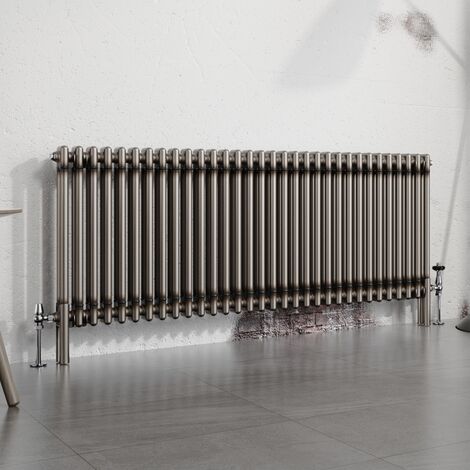
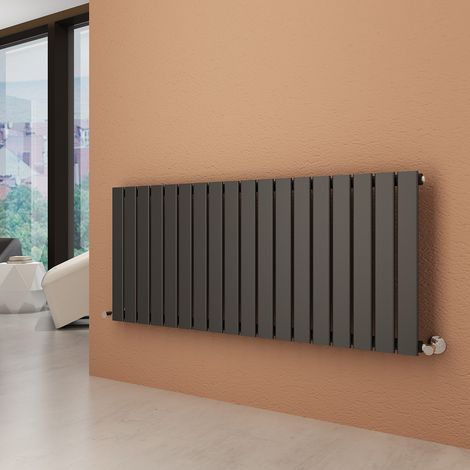
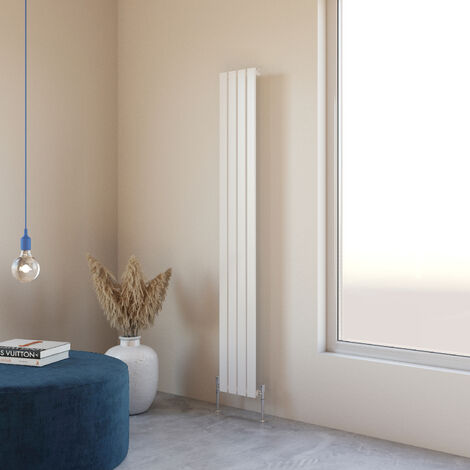
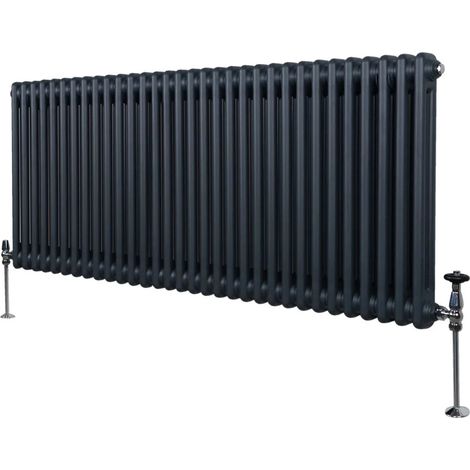
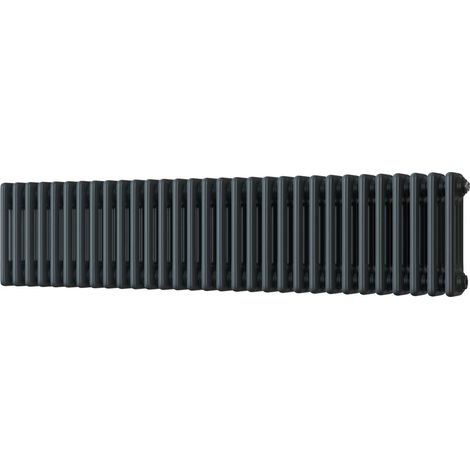
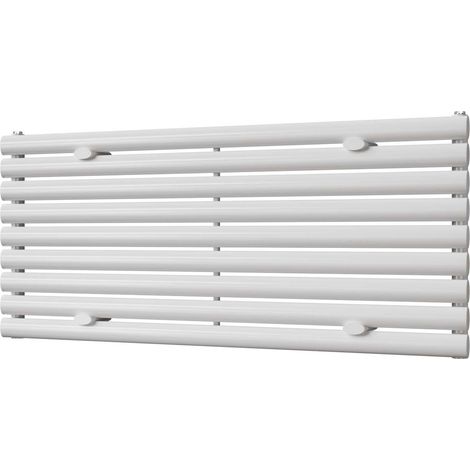
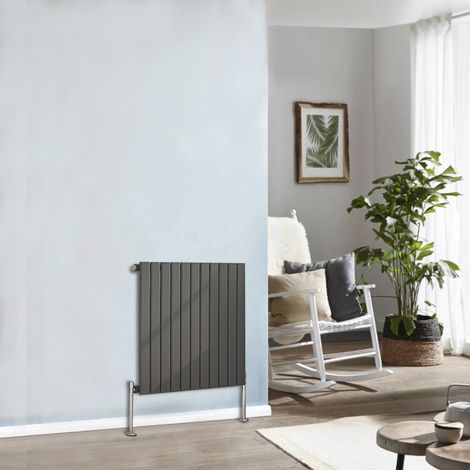
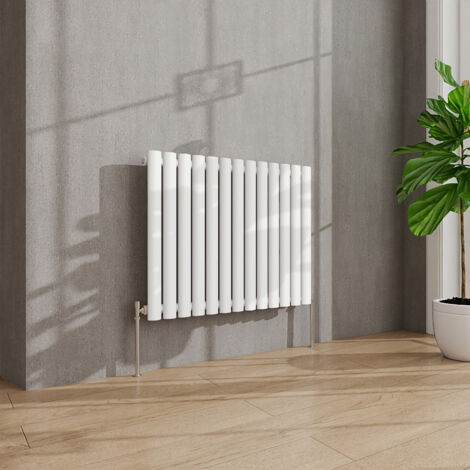
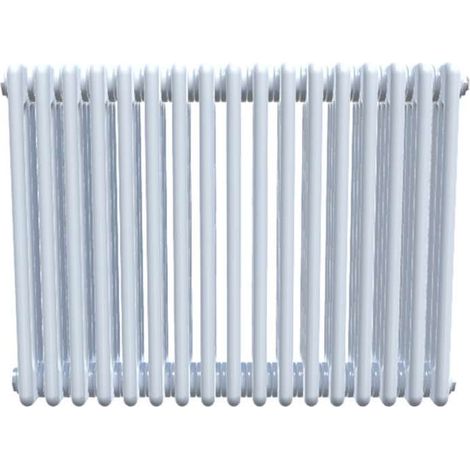
The hot water steel radiator is connected to the central heating and heats by radiation or convection. Sized relative to the volume of the room to be heated, it comes in various materials and several sizes in either horizontal or vertical shapes.
The hot water radiator is connected to the boiler by two tubes.
- A tube allowing the hot water from the boiler to reach the radiators.
- A tube to bring the cooled water back to the boiler.
Hot water steel radiators operate using two different techniques.
- High-temperature radiators use water heated to 90 °C.
- Low-temperature radiators work with water heated to 50 °C, making them more economical. However, they require a significant heating surface, hence their large size.
For optimal results, it is recommended to pair a low-temperature radiator with a low-temperature boiler or a heat pump.
Radiators emit heat through various means.
- Some models operate by radiation. The hot wall then ensures the thermal exchanges needed to heat the rooms of the house.
- Others operate by convection. The circulation of gas inside the heater spreads the heat. This device requires water heated to at least 60 °C.
The power of the hot water steel radiator must be suited to the volume of the room to be heated, but also to the quality of the insulation.
- For houses built between September 1, 2006, and December 31, 2012, thus compliant with the RT 2005 standard, the necessary power is calculated based on 100 W/m² or 0.04 W/m³. Therefore, a 24 m² room requires a 2,400 W radiator.
- The calculation base is brought down to 60 W/m² or 0.024 W/m³ for houses built after January 1, 2013, compliant with the RT 2012 standard. The same 24 m² room requires a 1,440 W hot water radiator.
Other criteria must be considered in the choice.
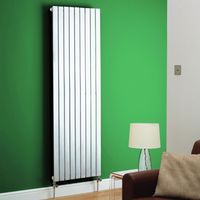
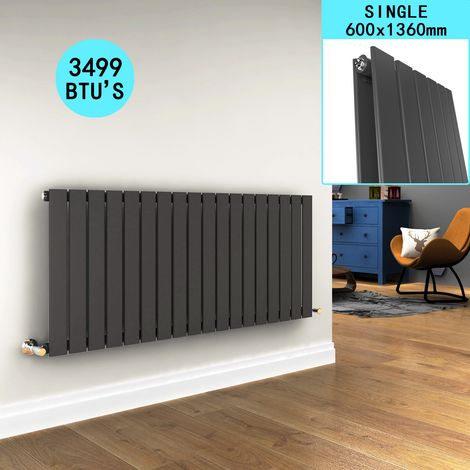
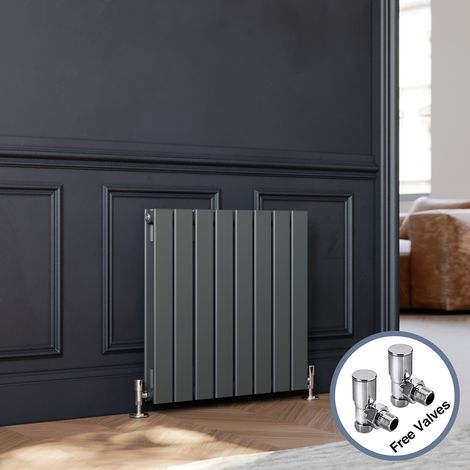
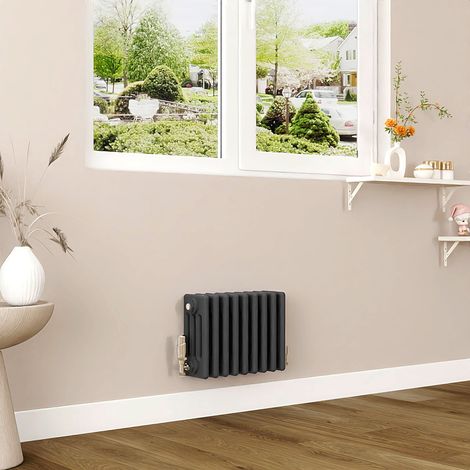
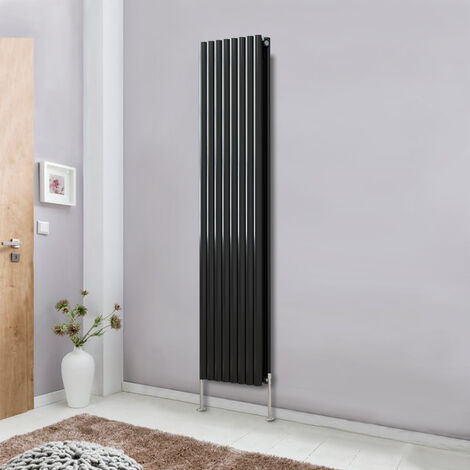
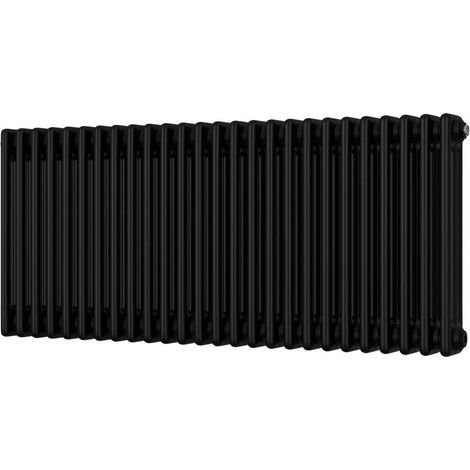
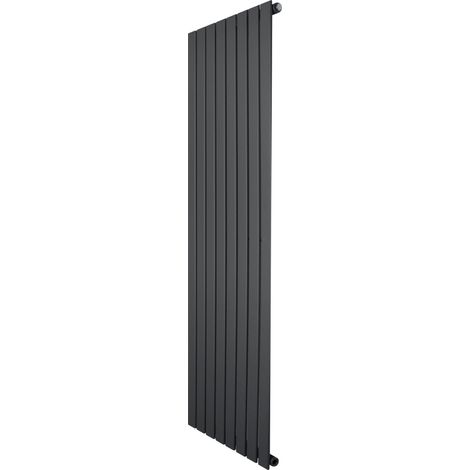
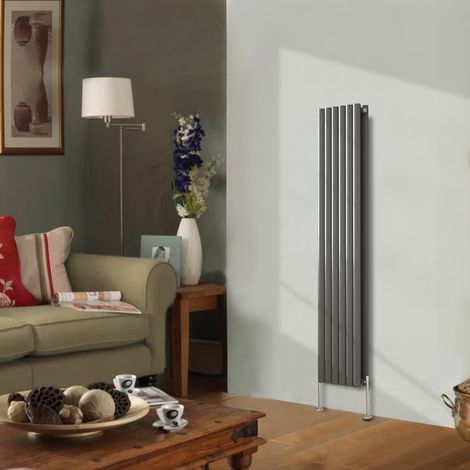
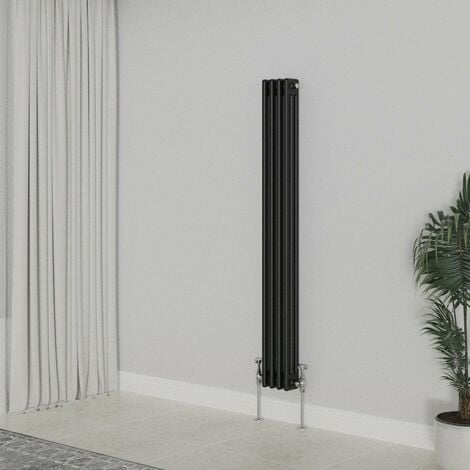
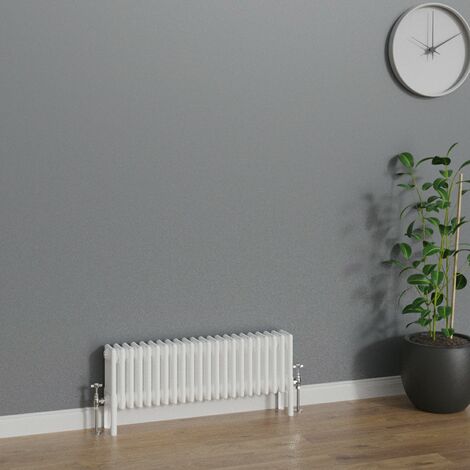
- The available space determines the choice between vertical or horizontal hot water radiators.
- There are also less bulky hot water baseboard heaters available. They emit a gentle heat (low temperature) to ensure children’s safety.
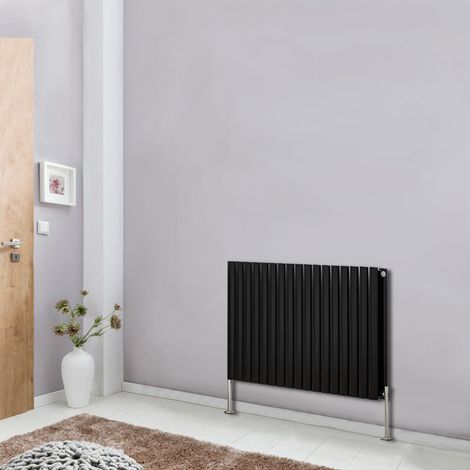
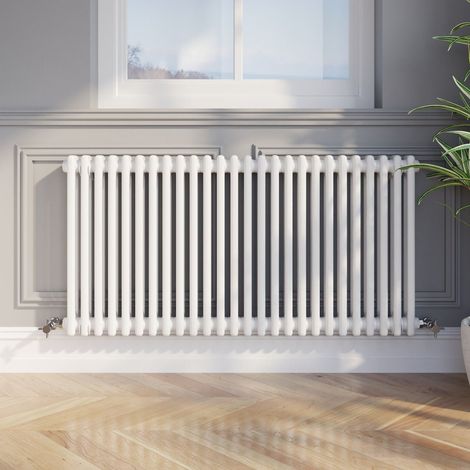
- The design should not be overlooked since the radiator is part of the decoration. Some models have a geometric shape while others are more unusual.
The choice of radiator depends not only on the volume of the room to be heated but also on the quality of the insulation and the desired aesthetic outcome.
'/%3E%3C/svg%3E)










'/%3E%3C/svg%3E)