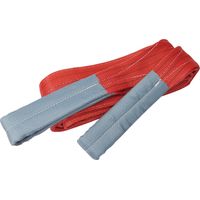
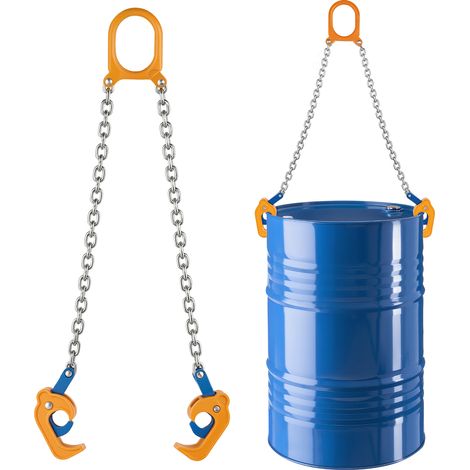
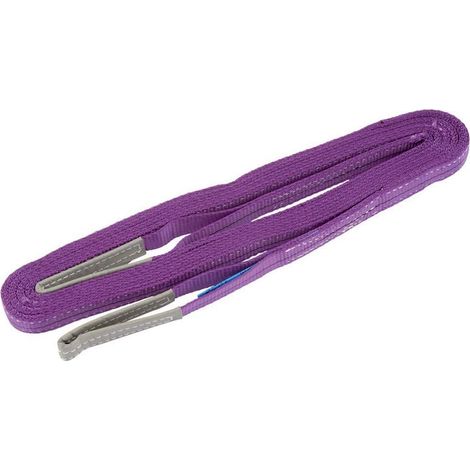
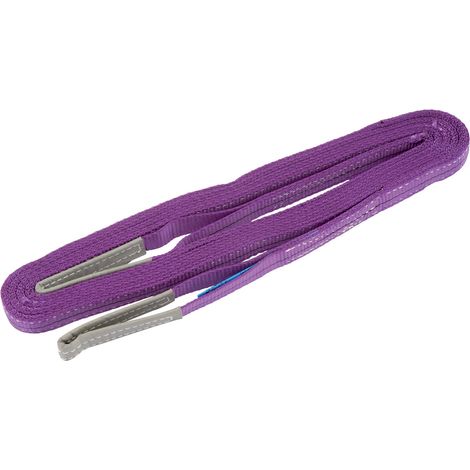
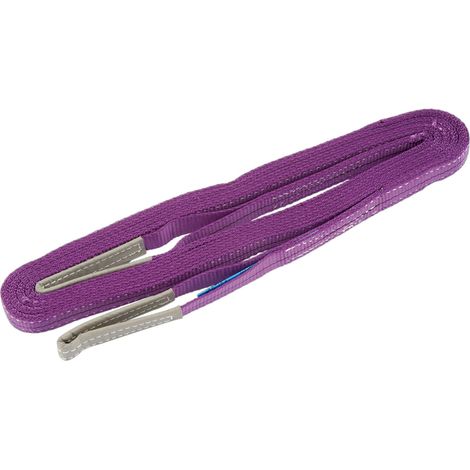
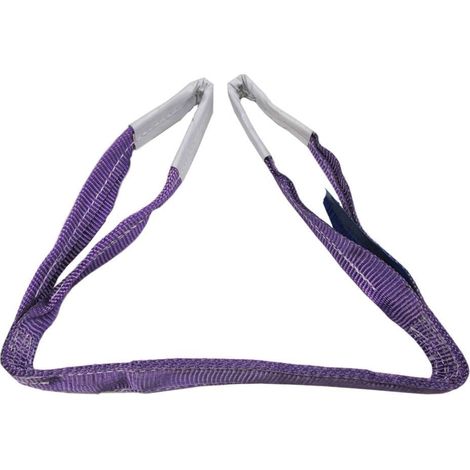
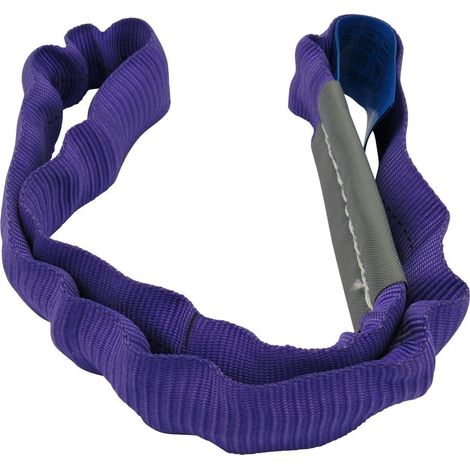
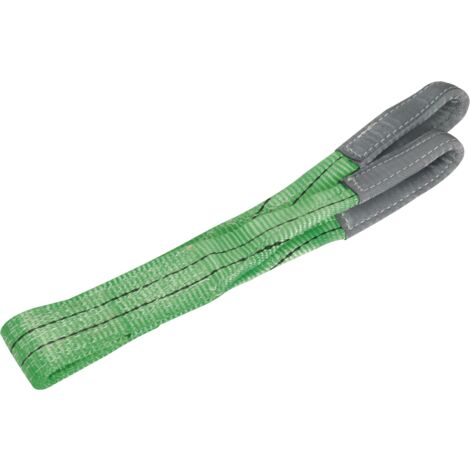
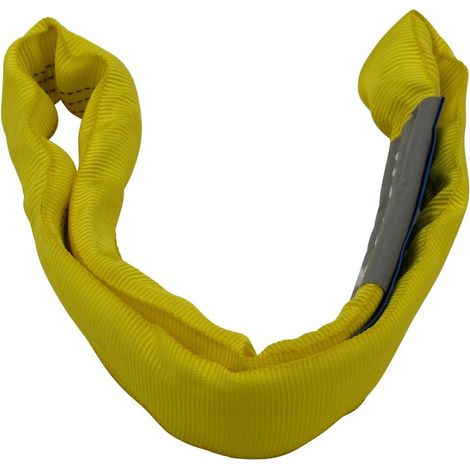
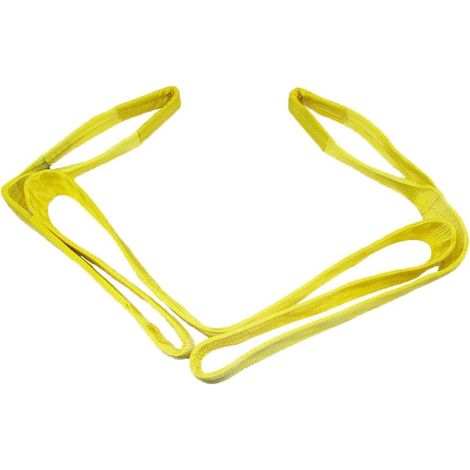
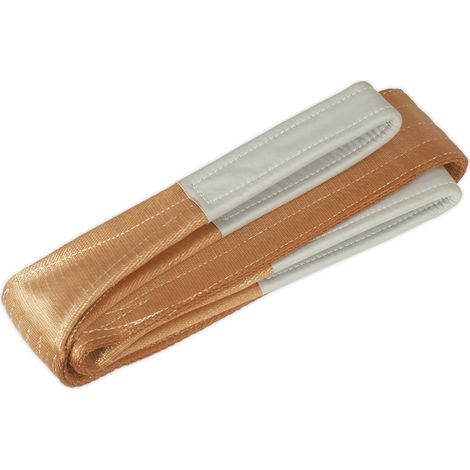
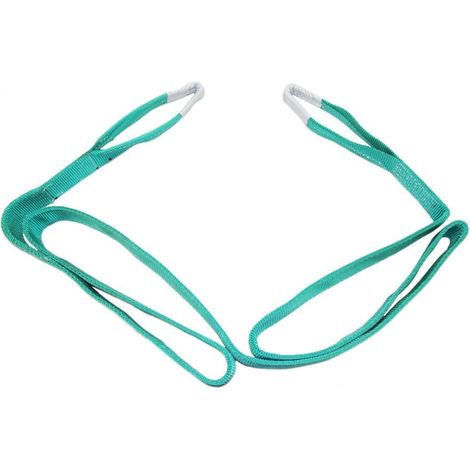
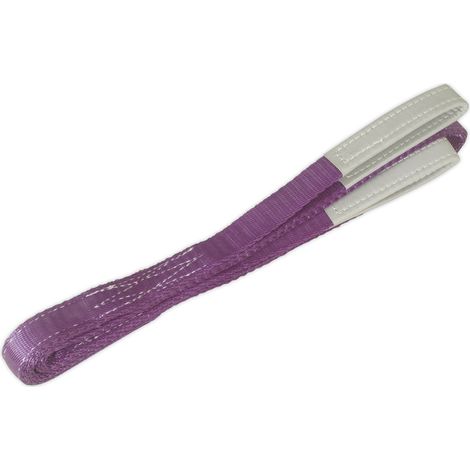
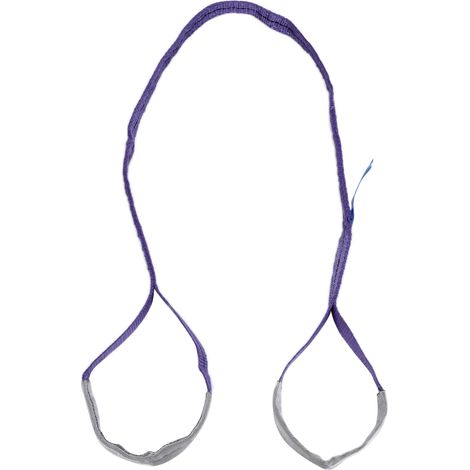
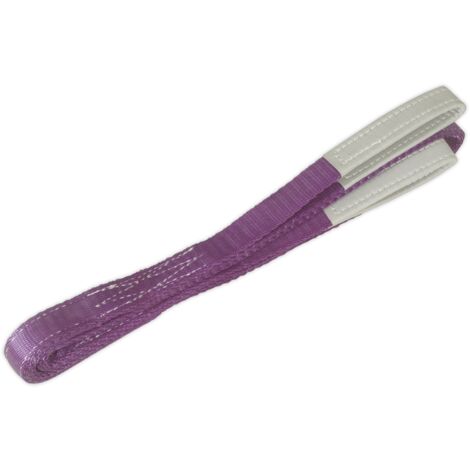
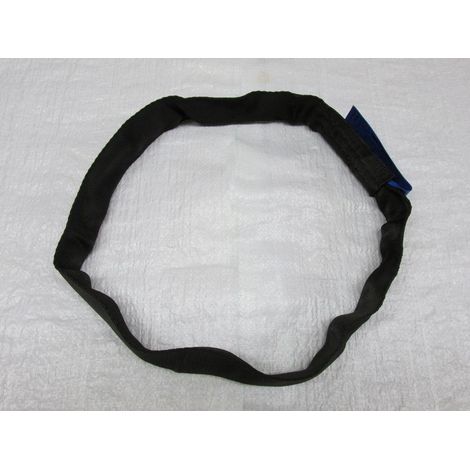
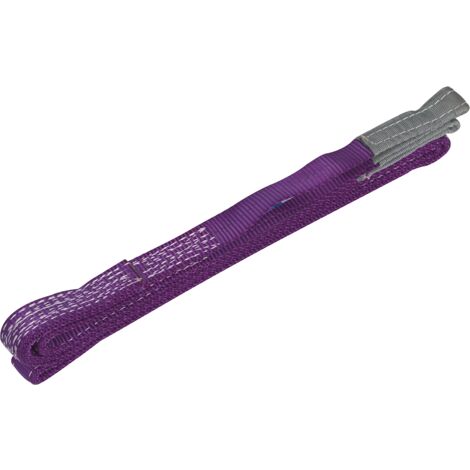
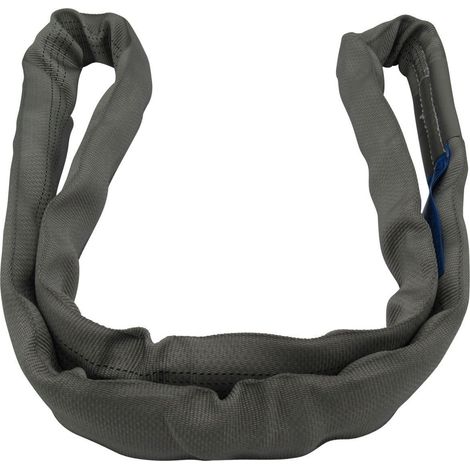
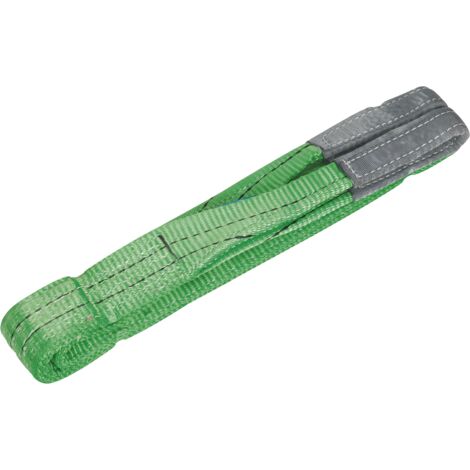
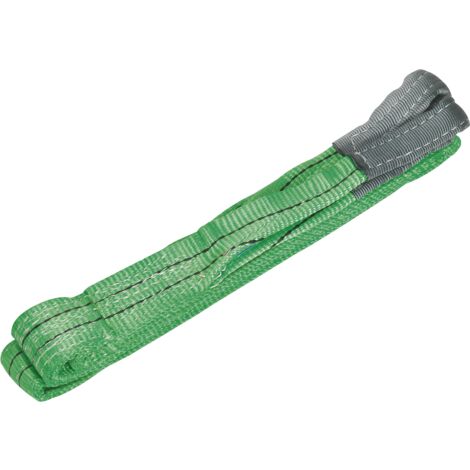
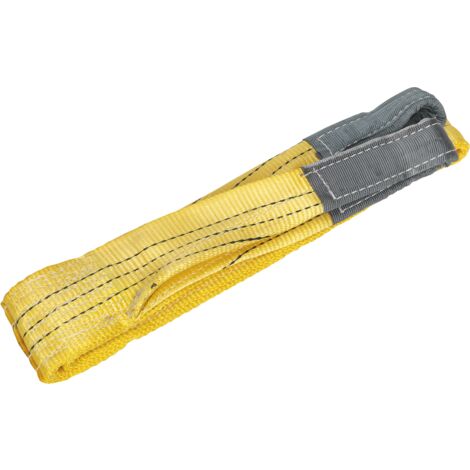
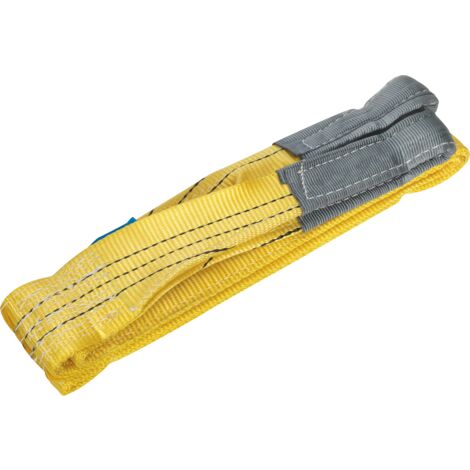
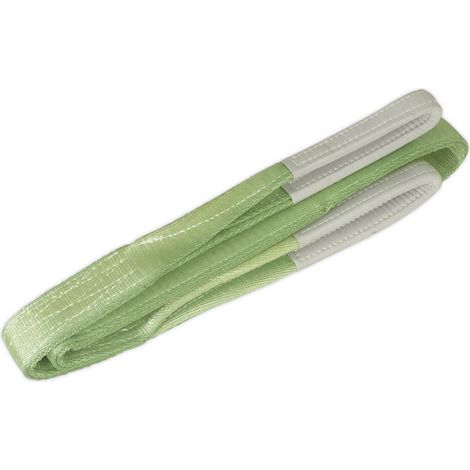
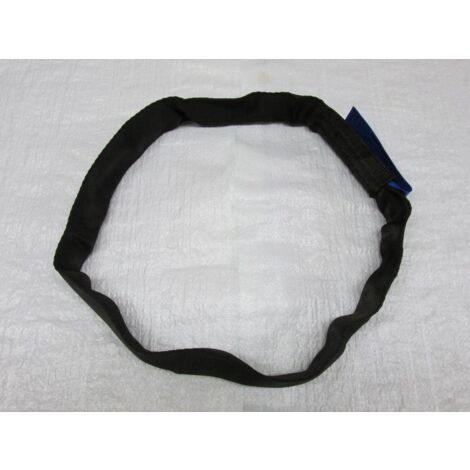
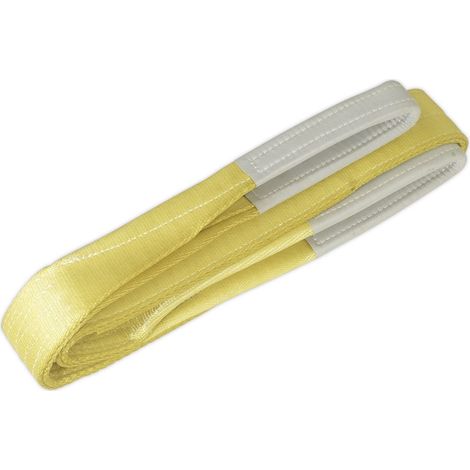
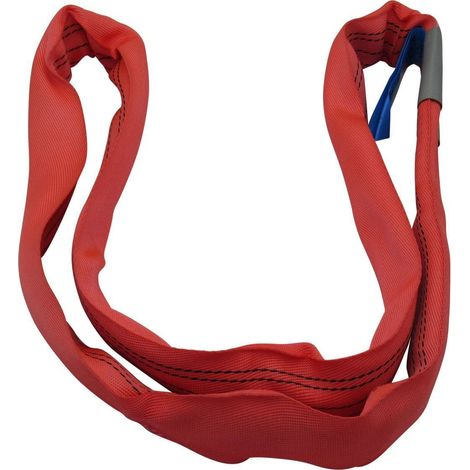
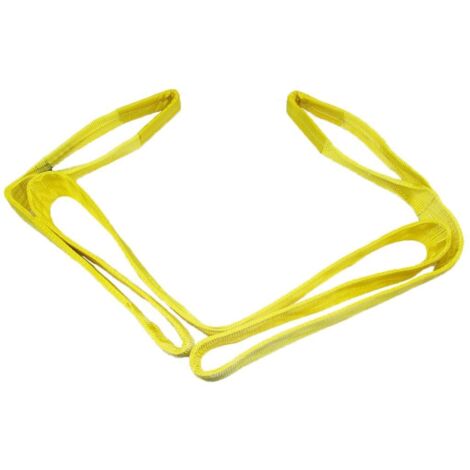
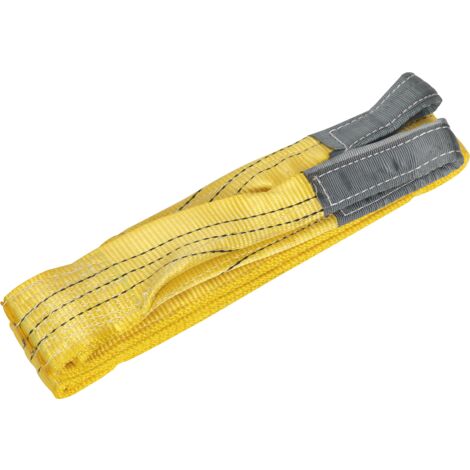
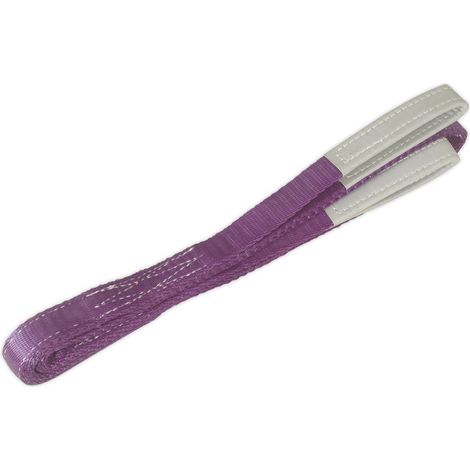
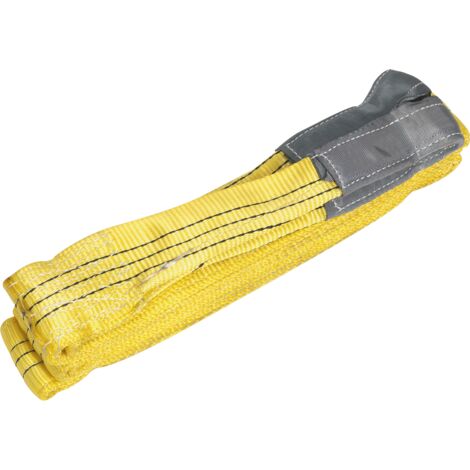
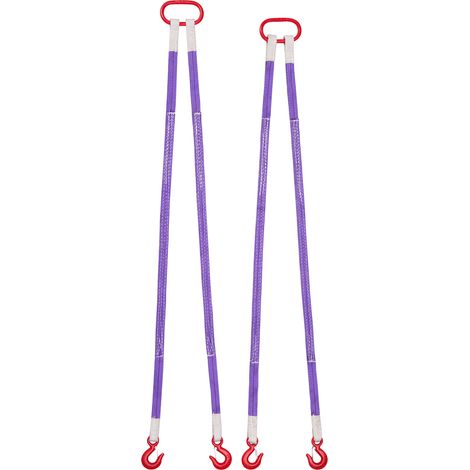
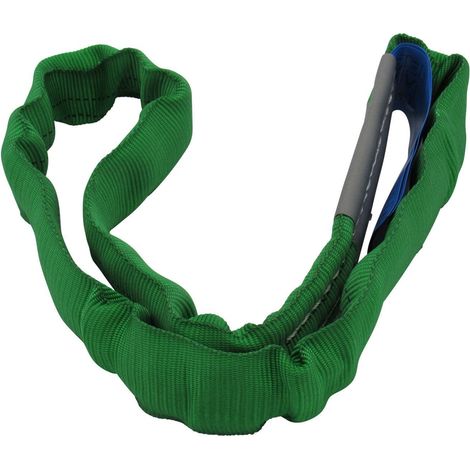
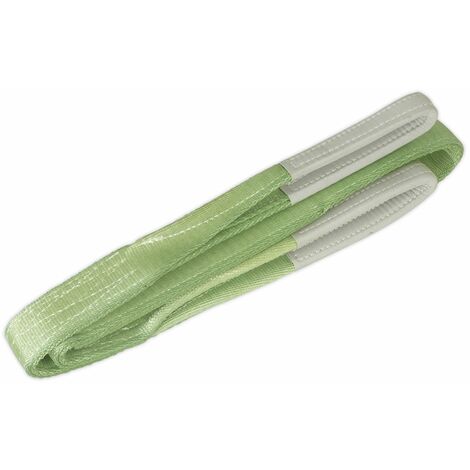
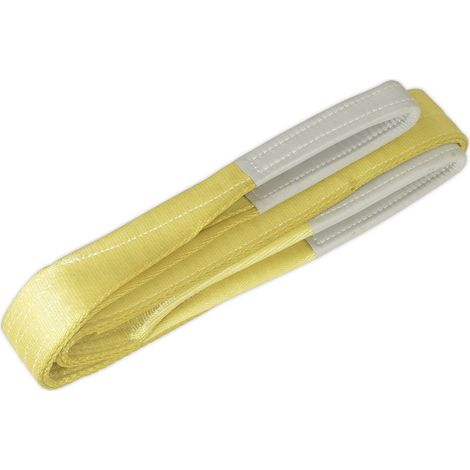
The sling is a flexible element used to attach a load to a lifting device such as a spreader beam. It comes in four types: webbing, rope, cable, and chain. This accessory is generally characterized by the maximum weight supported.
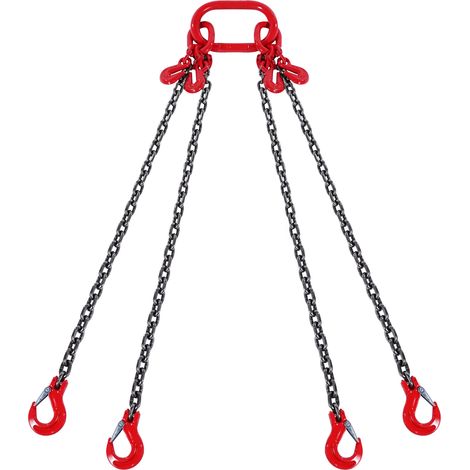
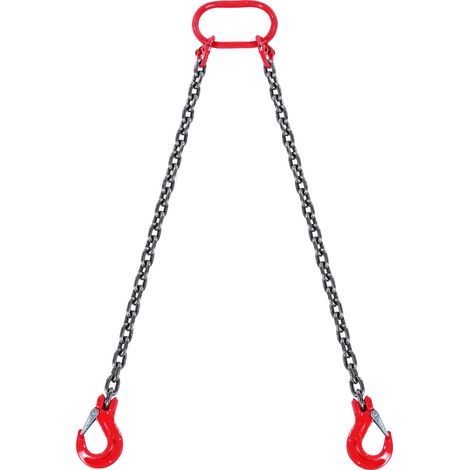
The sling comprises:
- a lower end, an intermediate connection, and a top part;
- a head link at the top end;
- an automatic hook at the lower end. Joining links are necessary to connect the chain to the lifting tool.
To better define the model suited to a maneuver, it is important to evaluate the load to be lifted beforehand. Moreover:
- for lifting accessories equipped with 2 strands, strength decreases as the angle formed by the two elements increases;
- from 90°, the maximum authorized load is 1.4 x WLL (Working Load Limit) of one strand;
- from 4 strands, the maximum authorized load is 2.1 x WLL (for example, for 4 straps of 1 ton, the load must be limited to 2.1 tons);
- when using 3 or 4 elements of 1 strand for a load, only 2 strands out of 4 are bearing, the others are only there for balancing;
- it is strongly advised to limit the angle between strands to 90° and never exceed 120°. If the load is particularly wide, it is better to opt for a spreader beam to lift it more easily or choose long models to reduce the angle formed by the strands.
For safety reasons, it is very important:
- to never intertwine more than one sling on a lifting hook;
- to never connect a chain link to the tip of a hook;
- to opt for hooks equipped with safety latches;
- to avoid making knots with chains or cables;
- to never use a wet rope to lift the load;
- to wear gloves when handling steel cables;
- to protect the lifting accessory from sharp edges with dedicated protections;
- to accurately calculate the weight of the object to be moved;
- to properly distribute the load during the operation.
The choice of a sling or strap depends essentially on the weight of the load to be lifted. Some lifting devices also have preferences in this regard. To know the compatibility between the two elements, it is better to refer to the manufacturer's recommendations provided in the manual.
'/%3E%3C/svg%3E)












'/%3E%3C/svg%3E)
'/%3E%3C/svg%3E)