Filter by
Water butts
84 products

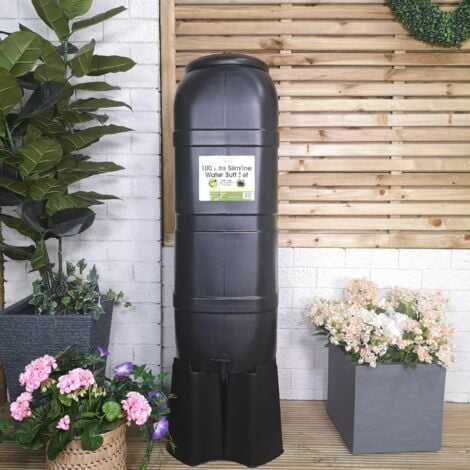


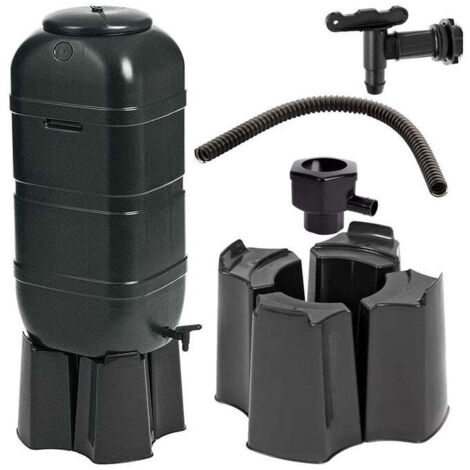

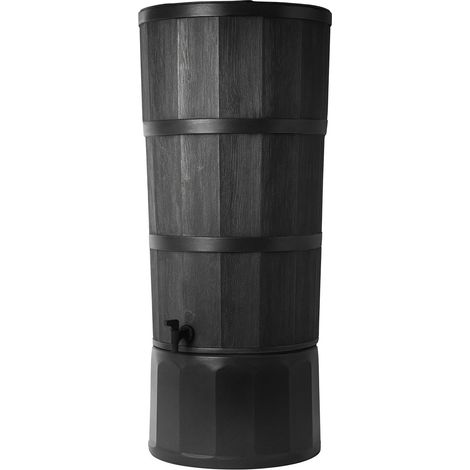
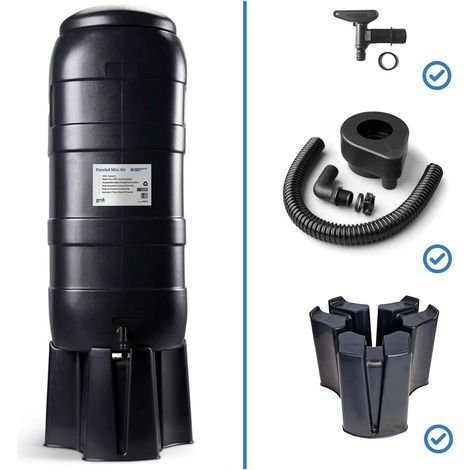
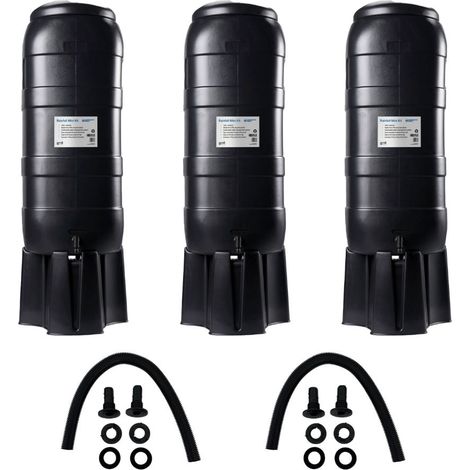
1 x 100L Black Slimline Space Saver Water Butts Complete with Stand, Lid and Diverter Rain
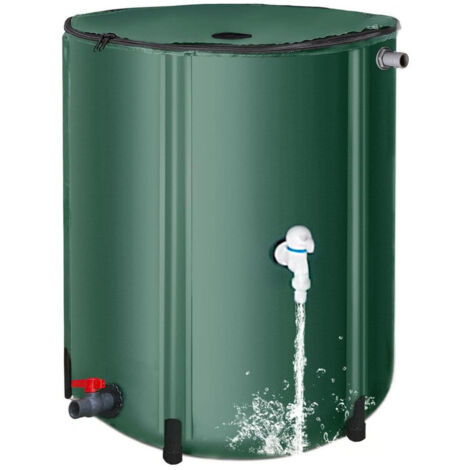
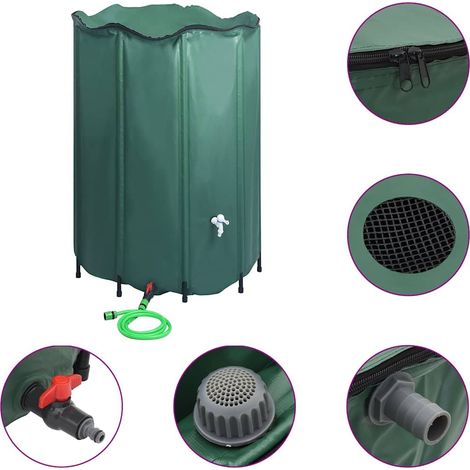
Weatherproof 225 L Rainwater Storage Tank, Foldable PVC Collector with Tap, Valve, and Built-in Filter, Durable Portable Container for Garden, Yard, Outdoor Water Collection, Green
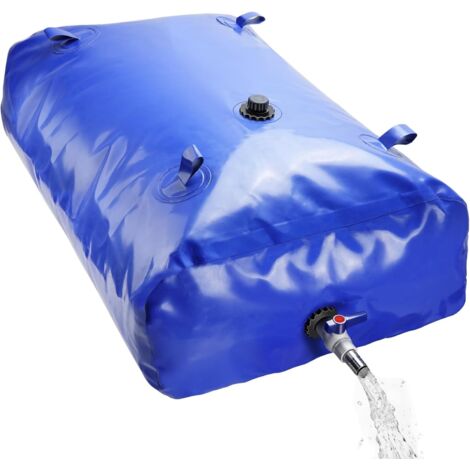

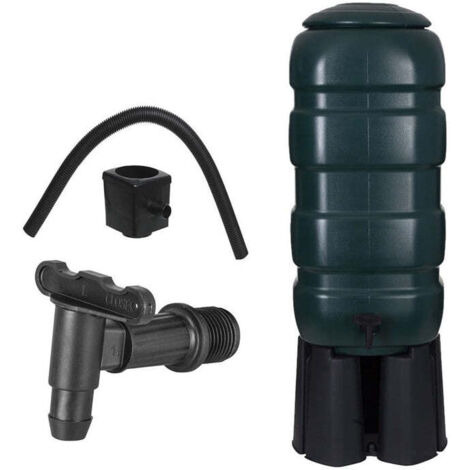
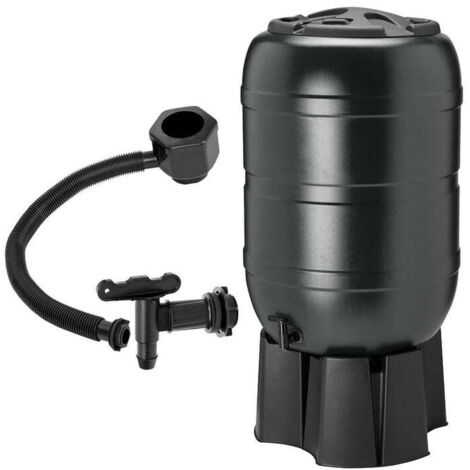
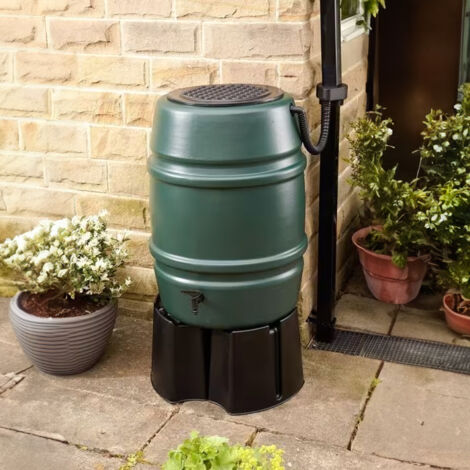
210 Litre Large Black Water Butt Rain Collector Complete With Stand, Filler, Tap & Lockable Lid
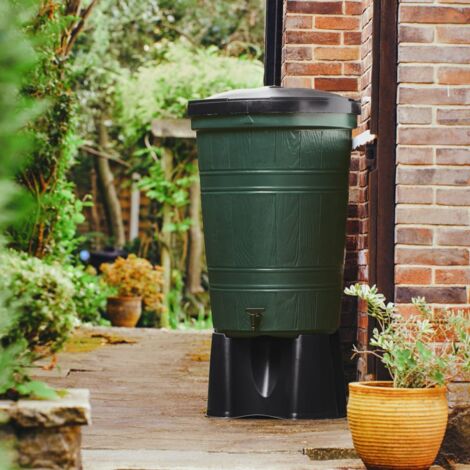
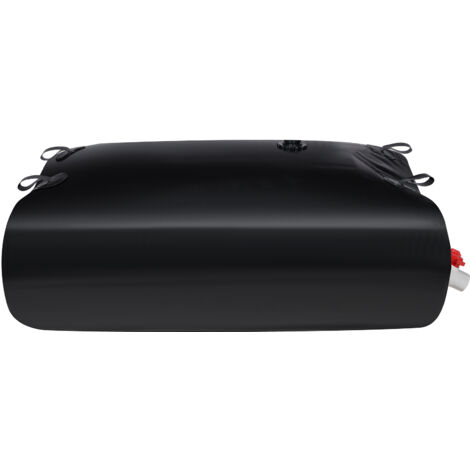

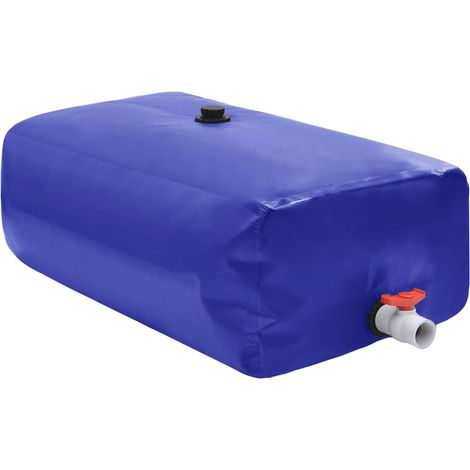
Mophorn 143 Gallon Collapsible Water Tank Bladder, PVC Portable Water Storage with Spigots & Overflow Kit, Ideal for Garden Water Catchment, Black
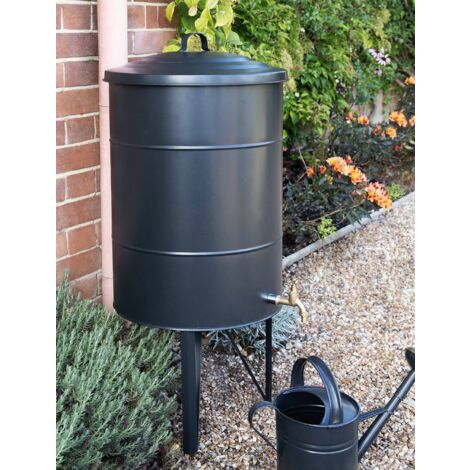
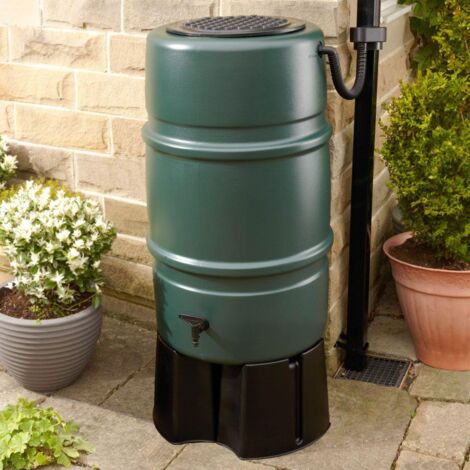
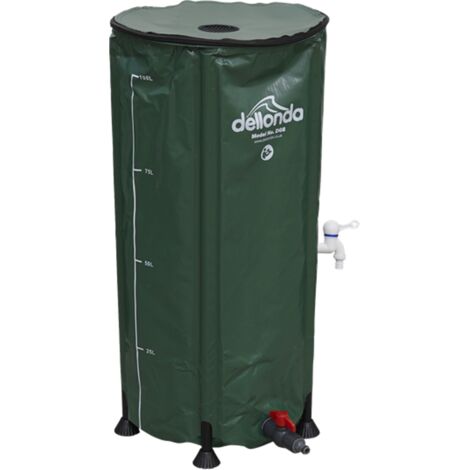

Dellonda DG8 Collapsible PVC Garden Water Butt with Zipped Lid & Drain Tap 100L
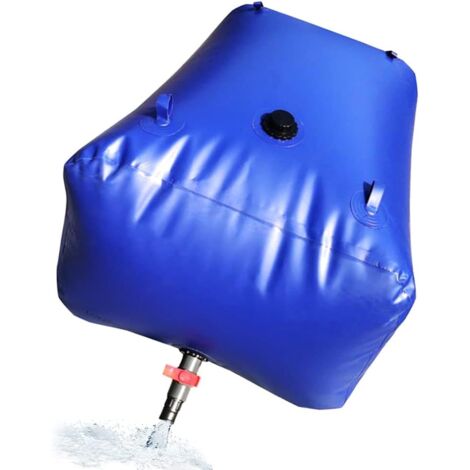

Collapsible Water Tank, Large Capacity Portable Soft PVC Water Bladder Cistern, Leak-Proof Outdoor Garden Rainwater Collector Tank with Drain Hose Faucet AmL1RDJvp
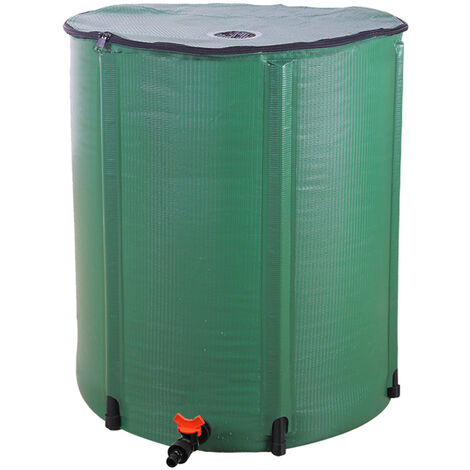

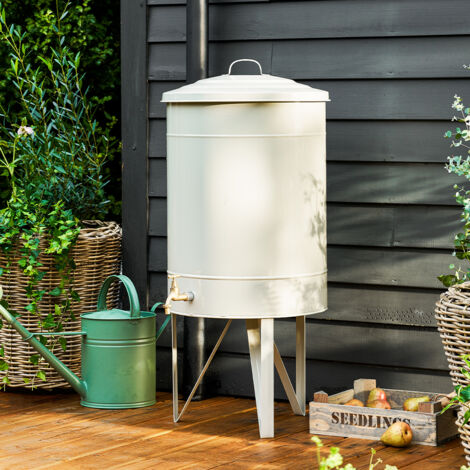
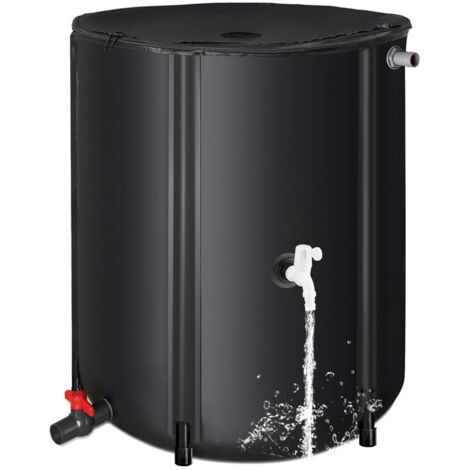

50 L Foldable Rainwater Collector, PVC Tank with Tap and Valve, Built-in Filter, Durable and Portable Water Storage Solution for Garden, Yard, and Outdoor Use, Black
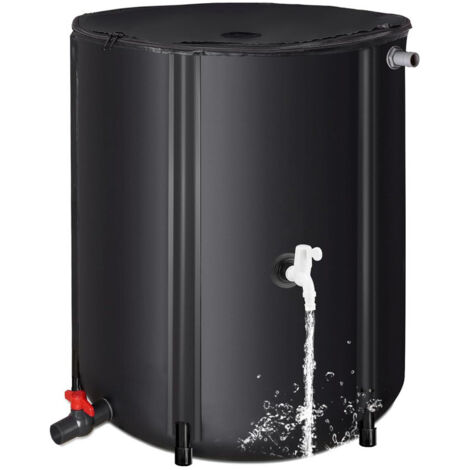

Durable 50 L Rainwater Collector, Foldable PVC Storage Tank with Tap, Valve, and Filter, Portable and Weatherproof, Ideal for Garden, Outdoor Water Collection, Black
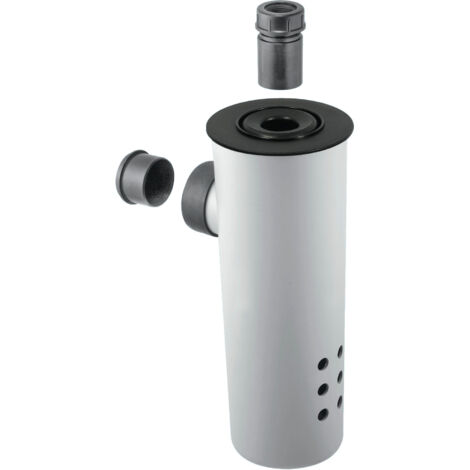

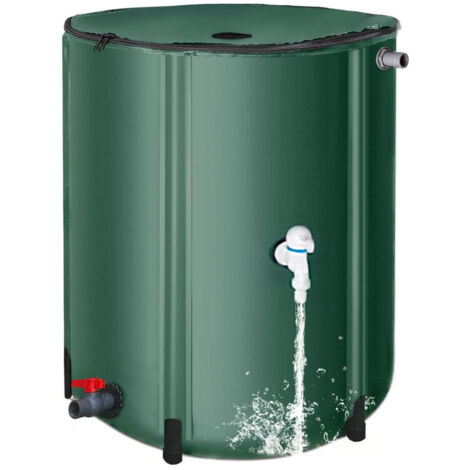
100 L Portable Rainwater Collector, Foldable PVC Tank with Tap, Valve, and Filter, Weatherproof and Durable, Ideal for Garden Irrigation, Outdoor Water Storage, Green
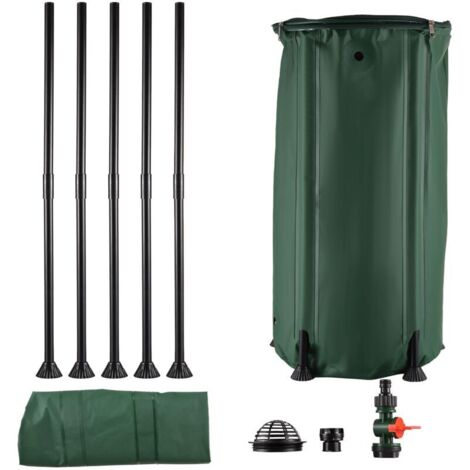

Portable Collapsible Rain Barrel, 100L Water Storage Tank, Rainwater Harvesting Barrel Kit, 500D PVC Tarpaulin, Rainwater Downspout Filter
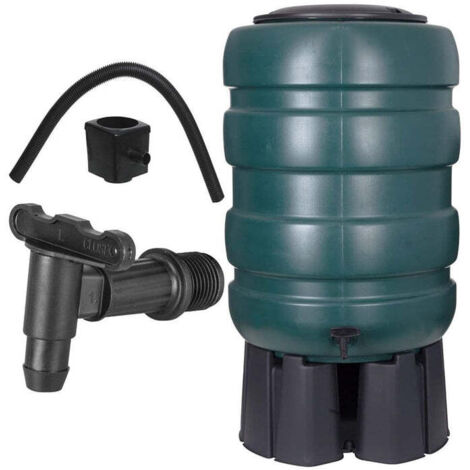
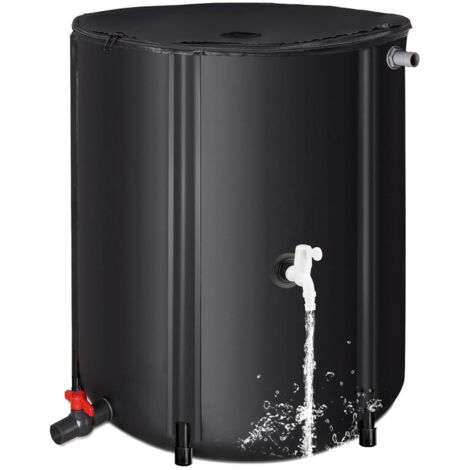

Foldable 380 L PVC Rainwater Tank, Collector with Tap, Valve, and Built-in Filter, Space-Saving Durable Water Storage System for Garden Irrigation and Outdoor Use, Black


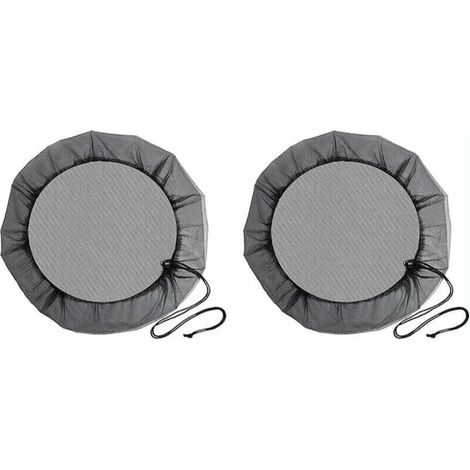

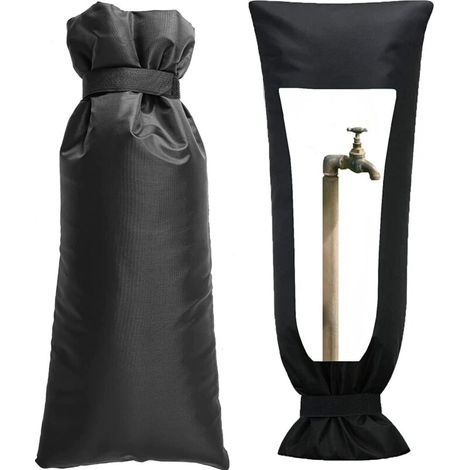
63cm x 33cm - Garden Tap Thermal Protector - Outdoor Tap Cover - Thickening - Winterproof
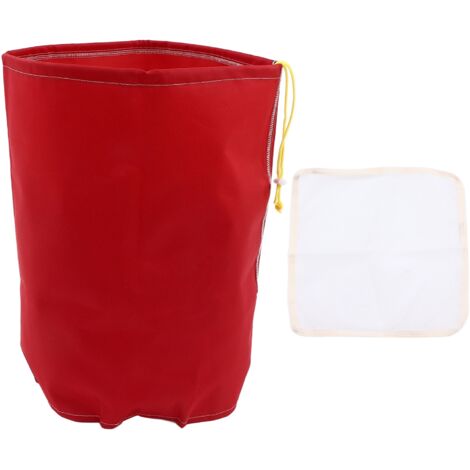
5 Gallons Filter Bag Ice Herbal Bags Plant Filter Essence Extraction Kit with Drawstring
![[NEVER USED] Soft jerrycan, 20 L, 20 L](https://cdn.manomano.com/pim-media/images/medium/a6ea5626da582bb76209c78549e5a9226294edf5.jpg)
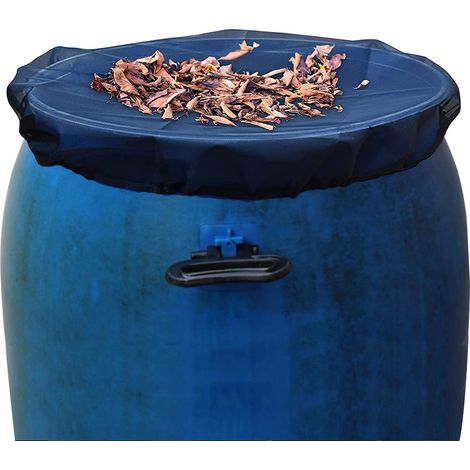
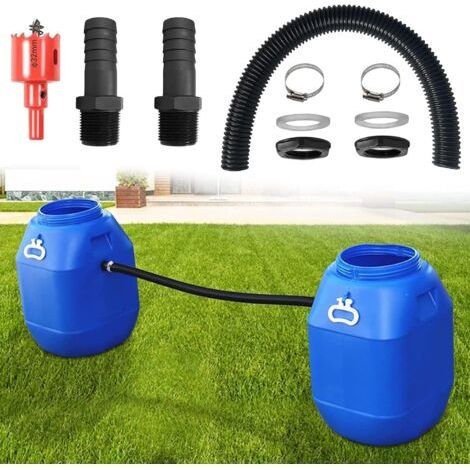

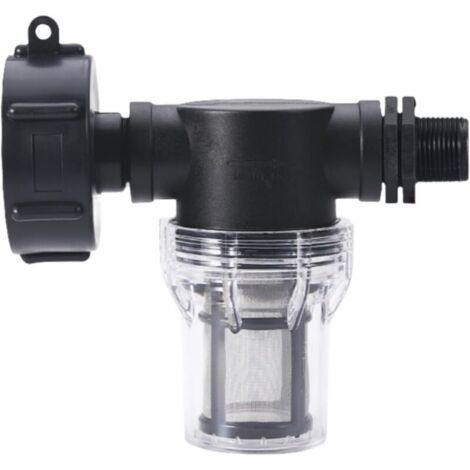
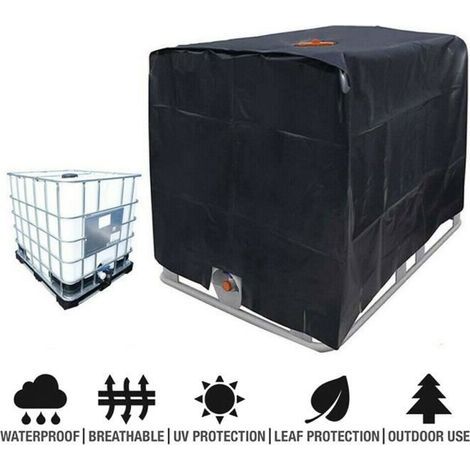
Rainwater harvesting tank - 1000 litre tank with filter, S60 x 6 3/4" (24 mm x 20 mm) garden hose connection
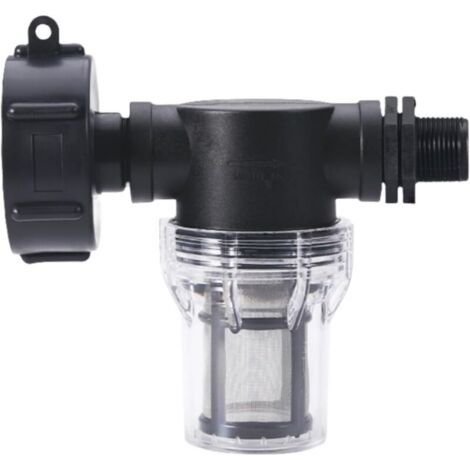
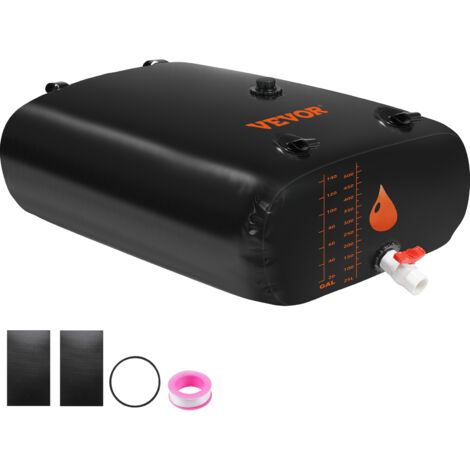
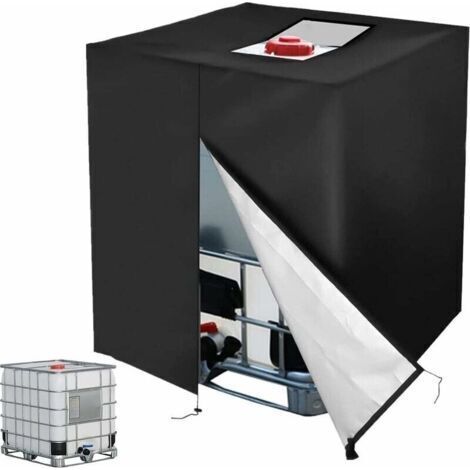
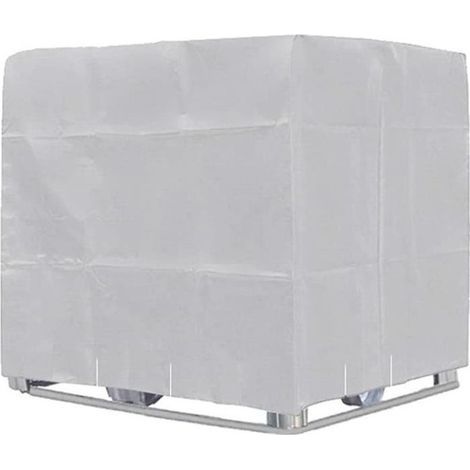
1000-liter container with a dust-proof, waterproof aluminum lid for outdoor rainwater storage.
![[NEVER USED] 63cm x 33cm - Garden Tap Thermal Protector - Outdoor Tap Cover - Thickening - Winterproof](https://cdn.manomano.com/pim-media/images/medium/d6d87b11797c05a53c84958ab20e65f6e9863894.jpg)
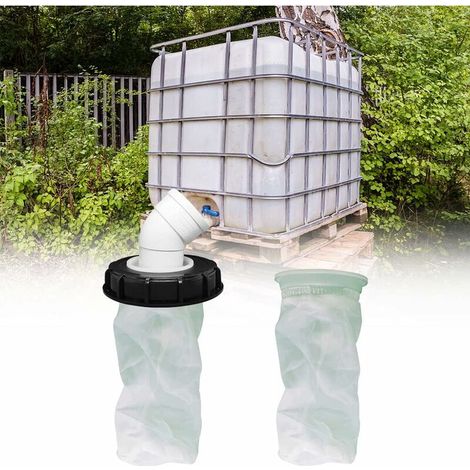
45° IBC lid filter, 163 mm nylon rainwater filter, washable with lid for IBC rainwater tank DN 150
'/%3E%3C/svg%3E)
'/%3E%3C/svg%3E)