A water softener is useful to protect plumbing fixtures from limescale and corrosion. With or without salt, this device adjusts the hardness of the water. However, it must be properly maintained to optimize its efficiency.
Long before acquiring such a device, it is advisable to measure the hydrotimetric title (TH) of the tap water expressed in French degrees (°F) using a rapid measurement kit. Indeed, its installation or not depends on this measure reflecting the water's magnesium and calcium content:
- a TH below 10 °F corresponds to slightly corrosive soft water, but which does not scale plumbing fixtures;
- a TH between 10 °F and 20 °F corresponds to slightly hard water providing consumers with their daily needs in calcium and magnesium;
- a TH above 20 °F corresponds to hard scaling water requiring the installation of a softener.
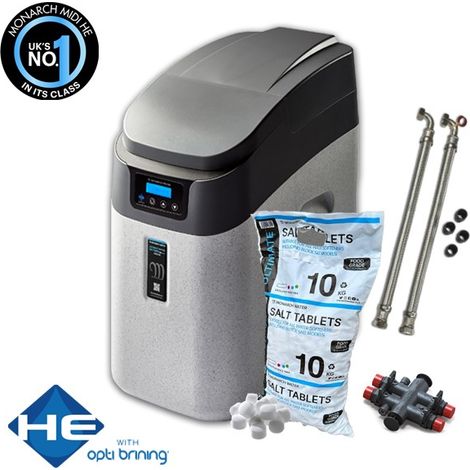
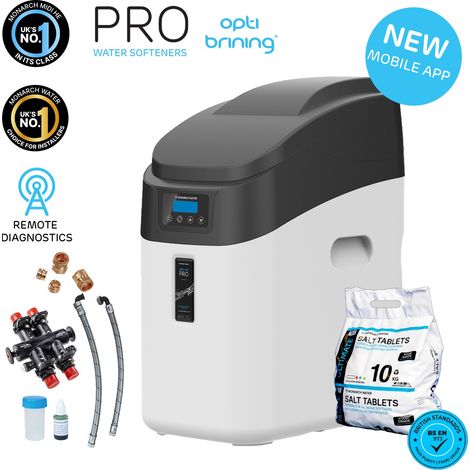
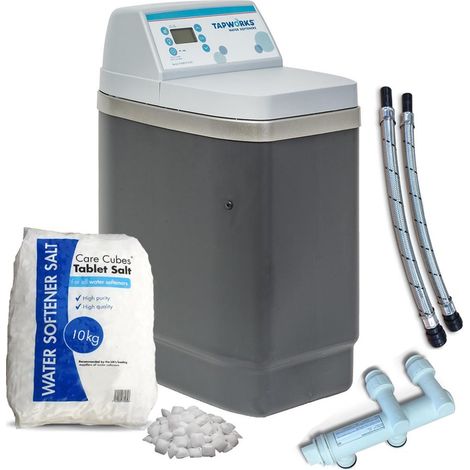
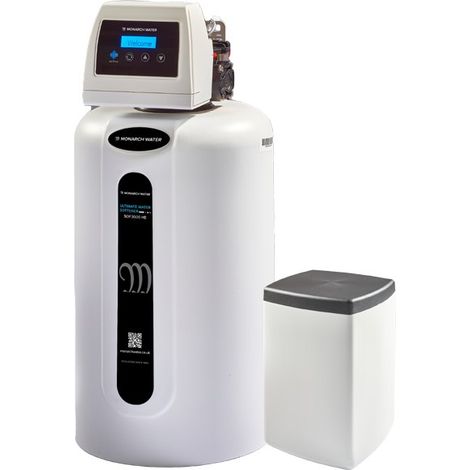
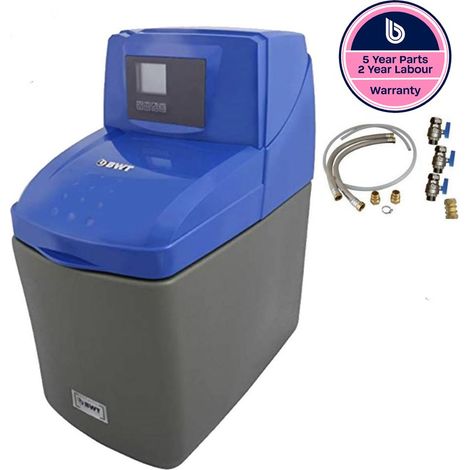
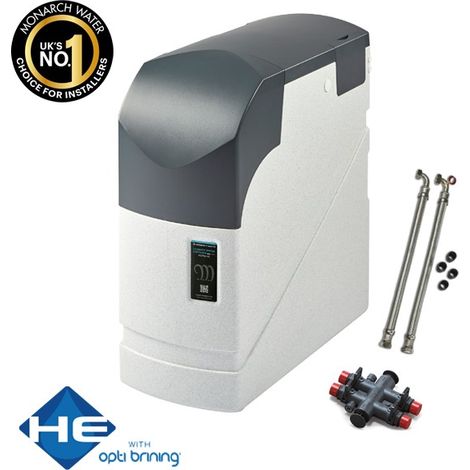
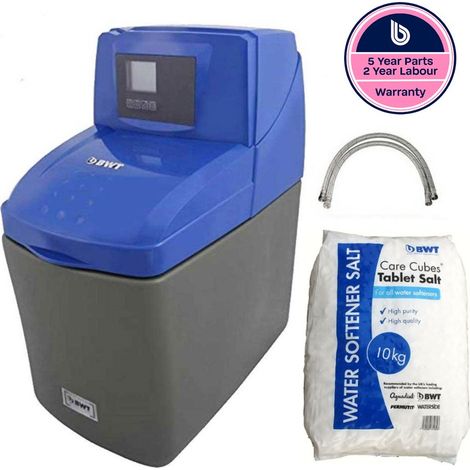
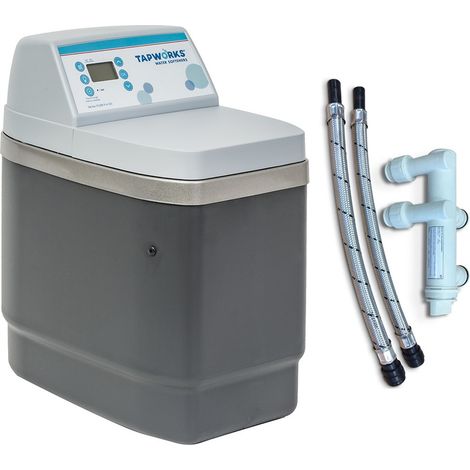
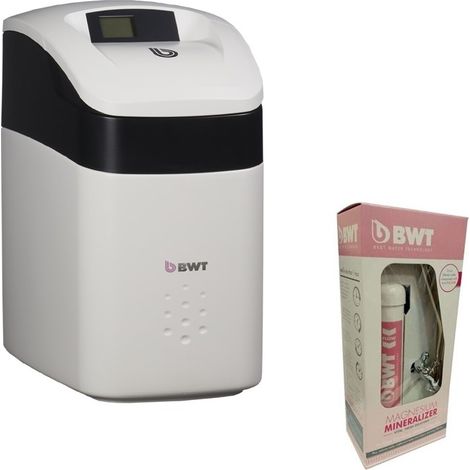
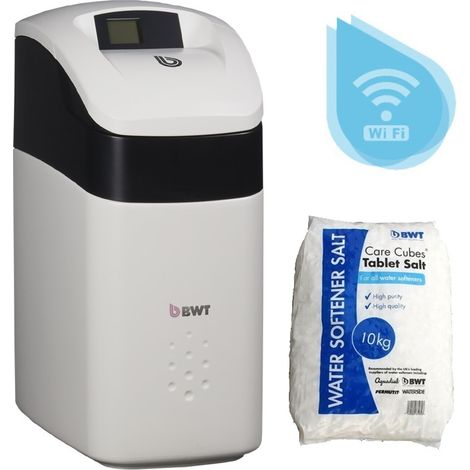
The salt-based softener is an option:
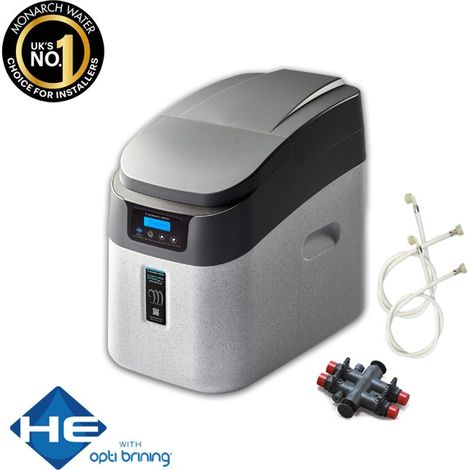
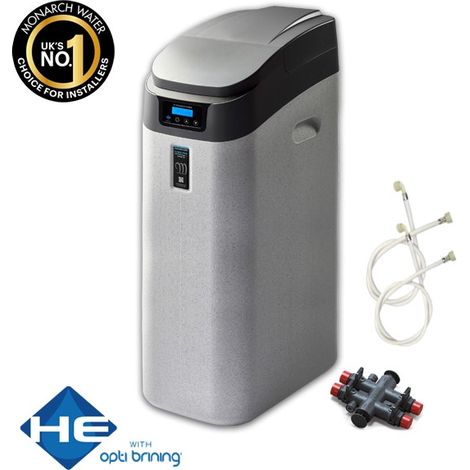
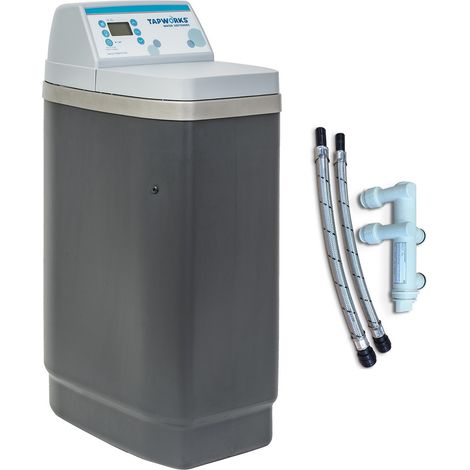
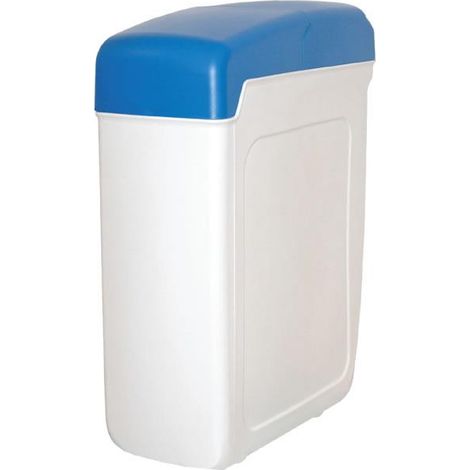
- this device limits limescale deposits by replacing magnesium ions (Mg +2) and calcium ions (Ca 2+) with sodium ions (Na +);
- this ion exchange occurs when the water passes through a salt (sodium)-charged resin;
- when the resin is saturated (all sodium ions have been replaced by calcium and magnesium ions), it must be regenerated (washed) with brine (a mixture of water and salt);
- a programmer ensures the distribution (of soft water in the pipes) and regeneration cycle.
A salt-based device requires some maintenance to ensure proper functioning:
- the TH of the water is measured twice a year to adjust the settings if necessary;
- the inlet and outlet filters must be washed with water at least twice a year;
- the salt tank must be disinfected at least once a year with a disinfectant solution;
- the salt tank should be completely cleaned every two to three years.
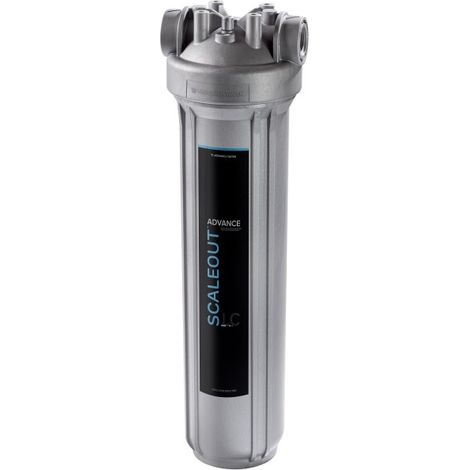
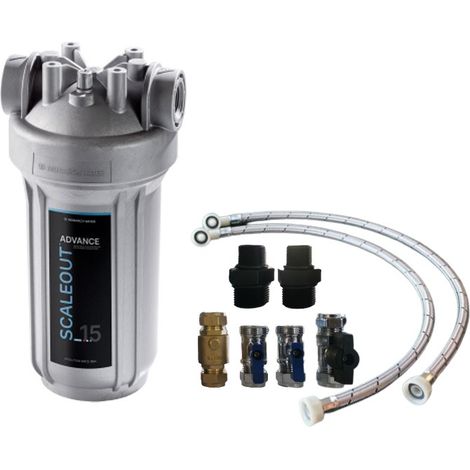
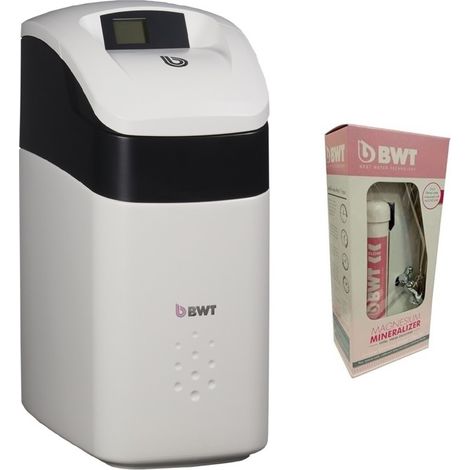
The salt-free model works differently:
- it is called ecological due to the absence of resin and salt;
- it uses an electromagnetic principle that changes the polarity of the ions responsible for scaling;
- its use therefore does not alter the TH of the water;
- it requires no maintenance apart from a check of its operation two to three times a year.
Ultimately, the choice of a softener depends on the water quality, the goal to be achieved (soften the water or limit limescale deposits), and the number of people in the household (resin capacity).




'/%3E%3C/svg%3E)
'/%3E%3C/svg%3E)