Pool algaecide buying guide
'/%3E%3C/svg%3E)
Guide written on 6 February 2024 by:
Christelle, Micro-entrepreneur in the gardening sector
Important features
- Types of pool algaecides
- Causes and results
- Choosing an algaecide
- Preventative care
- Remedial care
Best sellers in this category
What is algaecide?
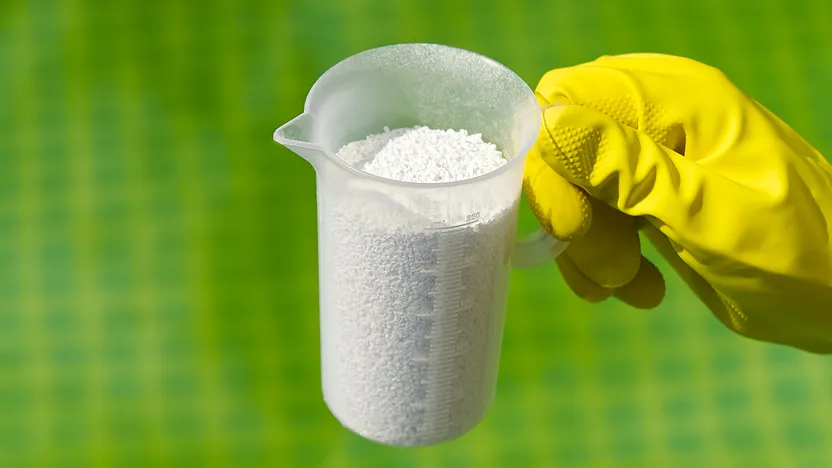
Algaecide is a biocide designed to prevent algae growth or kill off algae that has already set in and caused your pool to turn green. But as there are many different types of algae, the ingredients of each algaecide do vary. You will therefore have to choose a product that matches the type of algae that has taken over your pool, whether this be yellow, green, black or pink!
There are a number of situations in which algae tends to develop; for example, when the pH level of a pool is thrown off, when you haven't used enough sanitiser or when your filtration system isn't working properly. All of these things need to be regularly monitored.
You might also want to use a multi purpose broad spectrum treatment as a preventative treatment. This is especially important during heat waves or stormy weather both of which provide the ideal conditions for algae growth.
If algae has already set in, you'll have to deal with the issue using a product specifically designed to kill algae. Be sure to stick to the right doses and follow all instructions carefully. There are also a few important steps to carry out before and after treatment including cleaning the pool, draining some pool water, checking pH level, running the filtration system, and so on.
Shop our algacides
Different types of pool algae
The algae found in pools is usually monocellular micro-algae. But there are various of algae in this family, each of which looks a bit different:
Green: the algae in this case causes the pool water to turn green and sometimes cloudy. The walls and bottom of your pool also tend to go a bit slimy.
Black: this type of sticky algae won't necessarily change the colour of your water but will form black stains on the pool liner.
Yellow: this algae is also known as mustard algae and looks like dust build-up. It is most commonly found in shaded parts of the pool.
Pink or red algae grows mainly on plastic liners. The skimmer and liner are therefore the worst affected areas.
White: this type of algae looks a bit like foam and grows mainly in shaded areas.
Best sellers in this category
What causes pool algae?
Pool algae starts as spores which are usually blown into the pool by the wind or find their way in on swimmers or insects. However, algae can even come from the water you use to top up your pool.
These spores then go on to develop through photosynthesis. Most of the time, your filtration system and the sanitiser you use should break the natural cycle of the algae. But certain habits and conditions can encourage algae growth. For example:
Poor filtration. If your filtration system is dirty or damaged, algae will quickly set in.
Poor cleaning habits: this includes the pool itself (including the liner and bottom of the pool) and equipment such as filters and skimmers.
Using an unsuitable sanitiser or not using enough product.
Too much sun exposure or pool water that is allowed to get too warm: during heat waves, for example. Don't hesitate to lower the temperature of your pool by adding some cool water or by setting your heat pump to a reverse cycle if possible.
An incorrect PH level. The pH of your pool water should ideally sit between 7.2 and 7.4. If the pH level of your pool is off, your sanitiser won't be able to work effectively and algae will grow.
Not changing the water often enough. It's a good idea to replace at least 30% of your pool water on a yearly basis.
Skimmers
What does algae do to pools?
Algae that is left to grow in pools can have a number of consequences for the water and the pool itself.
Algae will often change the colour of your pool making it pretty unappealing. But is also has an effect on the cleanliness of the water.
Algae often makes the pool liner slippery which can pose a safety risk to users.
While the algae isn't dangerous for health in itself, it does provide a food source for bacteria which can cause allergic reactions, diarrhoea and so on.
Algae will change the colour of your pool liner and equipment, and will build up on your pool filters.
How to choose the right algaecide
The ingredients in algaecide vary from one product to another. These products usually contain things like quaternary ammonium, copper sulphate, silver salts and simazine.
Each type of algae reacts differently to each ingredient and some algae are able to resist certain ingredients. You therefore have to use targeted products. It's always best to read the product label to find out exactly which type of algae is designed to deal with.
Another important thing to bear in mind is your pool filtration system. Some algaecides cannot be used with sand or cartridge filters at the risk of clogging them up.
Be sure to also check the manufacturer's instructions for any potential side effects. For example, algaecides containing quaternary ammonium (or 'quats') can make your pool water foamy so should not be used in endless pools which produce a current. Algaecides containing copper sulphate can change the colour of your pool water as well as the liner, and may trigger allergic reactions.
Pool liners
When and how to use an algaecide
Preventative care
While certain sanitisers, such as chlorine, work to kill algae, you may still have to use an algaecide to prevent issues in certain situations (for example, when the weather is very hot or when there is a lot of rainfall). In this case, it's best to use a broad spectrum multi purpose algaecide which also works as a clarifier and limescale inhibitor.
Treating algae
If algae is already growing in your pool, there are several steps to take:
Start by brushing the walls and base of your pool and remove as much algae as possible using a pool net.
Eliminate any floating algae by switching your pump to drain mode to remove the algae without running it through the filter where it could cause clogging.
Check and rebalance the pH level of the water – bearing in mind that algae grows best at lower pH levels.
Pour in your chosen algaecide (selected to match the type of algae you have).
Use the correct amount of product for the volume of your pool following the manufacturer's instructions carefully and handling the product with caution. If you have any product left over, be sure to store it out of the reach of children.
Keep your filtration system running continuously and don't forget to wash the filter on a regular basis.
Once the algaecide has done its job, you may want to use a flocculant to help the filtration system work more efficiently. This is especially important when treating green algae as your pool may be cloudy or milky after treatment.
Pool nets
You may be also interested in these guides
Guide written by:
Christelle, Micro-entrepreneur in the gardening sector
From a background in waste transportation, I became a farmer specialising in organic gardening. A graduate of Horticultural Production, I tried for several years as a young farmer to settle in the beautiful region of Oxfordshire. After many disappointments, I finally started a small-business in home services, specifically in gardening, assisted by my loving, dear husband. Passionate about nature and wild edible plants, I am very attentive to ecological solutions and respectful of our environment in all aspects of my daily life. From the vegetable garden to the flower beds, from seed to harvest, I have all kinds of advice up my sleeve. Do not hesitate to ask me your questions.
'/%3E%3C/svg%3E)