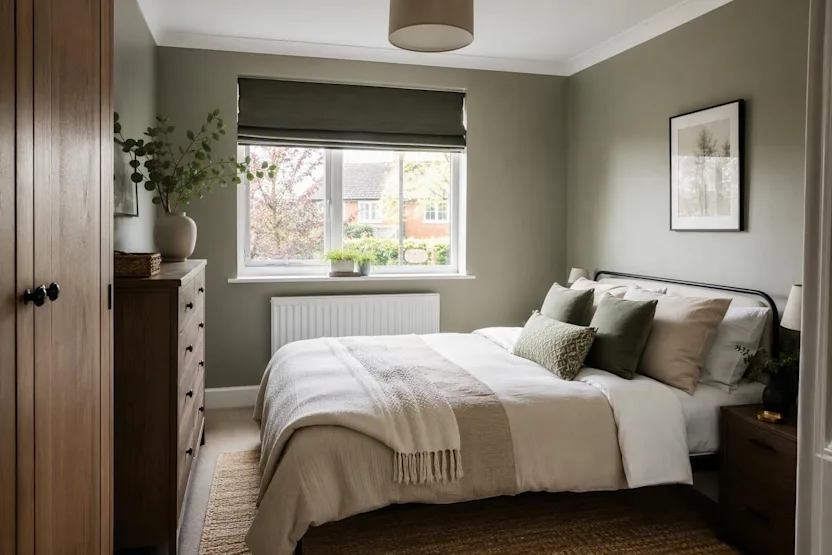
Small double bed size: dimensions, room fit and who it suits
'/%3E%3C/svg%3E)
Guide written on 11 September 2026 by:
Pauline, Web Content Manager
Important features
- A UK small double mattress measures 120 x 190 cm, giving one adult noticeably more room than a single without the footprint of a full double.
- Bed frames add several centimetres of width and depth around the mattress, so plan the room around the outer frame, not the mattress label.
- For nightly sleeping by two adults, a small double feels tight; it works far better for one sleeper or an occasional guest bed.
The standard UK small double size at a glance
In UK bedding, the size of a small double bed is 120 x 190 cm, still commonly sold as a 4 ft bed. That width lands between the single at 90 cm and the double at 135 cm, while the length matches both. Fitted sheets, duvets and mattress protectors labelled "small double" or "4 ft" are all cut to that same standard, so bedding compatibility is rarely the sticking point.
Mattress size and bed size are not the same
The confusion that catches most buyers out is simple: the number on the mattress is not the number you need to measure your room against. A small double mattress at 120 x 190 cm will typically sit inside a frame that adds anywhere from a few centimetres to over 15 cm on each side, plus extra at the head and foot. Always plan around the outer frame dimensions, not the mattress label. When comparing options, product listings for small double mattresses will give you the sleeping surface, but the bed frame spec sheet gives you the true footprint.
Why frame bulk matters in a small room
A slim metal frame or a low platform bed can add as little as 5 cm around the mattress. A padded, upholstered surround or a chunky storage bed can easily push the same 120 cm mattress out to 140 cm of total width. In a room where the wall runs 2.4 metres, that difference decides whether a chest of drawers still fits alongside. Thick headboards and wraparound sides visually enlarge a bed even more than they physically do, which matters in a compact bedroom where the eye reads bulk before dimensions.
How a small double compares with single, double and king size
The UK standard widths are easy to hold in mind: single 90 x 190 cm, small double 120 x 190 cm, double 135 x 190 cm, king size 150 x 200 cm. Length only changes at king size, which adds 10 cm at the foot. For most buyers, the real decision is about width, and how those extra centimetres translate into elbow room versus floor space.
If you are moving up from a single
Going from a single to the size of a small double bed adds 30 cm of width for the same 190 cm length. That is a genuine step up in comfort for one sleeper: room to shift onto your side, space for a book or a laptop, and a bed that no longer feels child-sized in an adult room. In practice, the footprint grows by roughly a third of a square metre, noticeable, but usually absorbed by a bedroom that already accommodated a single with a bit of breathing space.
If you are choosing between small double and double
The 15 cm gap between a small double and a standard double sounds modest, but split across two sleepers it is only 7.5 cm each. That is the difference between comfortable and cramped for many couples. If two adults will share the bed every night, the standard double is usually worth the extra floor space. If the bed is for one adult, or two people only occasionally, the size of a small double bed gives you back useful room for wardrobes, a desk or a wider walkway.
Who a small double bed works well for
Match the size to the sleeper, not the other way round. A small double often lands as the best compromise for a single occupant in a room where a full double would leave no space for anything else.
• One adult who wants more room than a single without losing floor space
• A teenager moving on from a child's bed and keeping the same room
• A guest room that also serves as a home office or occasional workspace
• A studio or annexe where every centimetre of floor is spoken for
For nightly use by two people, honesty helps: the size of a small double bed gives each sleeper the width of a narrow single. Restless sleepers, couples who like their own space, or anyone sharing occasionally with a child or a pet will feel the squeeze. For a spare bedroom that welcomes friends or family a few weekends a year, it is perfectly workable, and bed and mattress sets in this size make the purchase straightforward when you want frame, base and mattress in one go.
How much room to leave around a small double bed
A bed that fits the wall on paper can still make the room unusable. What counts is circulation: around 60 to 70 cm beside the bed is comfortable for daily movement, dressing and making the bed. In tighter layouts, about 45 cm on one side can still work if the other side is more generous. In front of a wardrobe or a chest of drawers, allow enough depth for doors and drawers to open fully without knocking the bed frame, usually the drawer depth plus a step back.
Clearances that make everyday use easier
Watch the awkward spots. A bed pushed against a radiator loses heat behind the headboard and blocks the valve. Under a window, curtains and the bed frame can quickly get in each other's way. Along a loft eave, the sloping ceiling limits sitting-up room and the reach into wardrobes. Mark the actual frame footprint on the floor with masking tape before ordering, including headboard depth, and walk the room. Where the bedside gap is too narrow for a table, compact bedroom wall lights free up the surface and keep the reading light within reach.
Rooms where a small double earns its keep
The format shines in bedrooms of roughly 8 to 10 m², in guest rooms doubling as offices, and in rented flats where changing the layout is not on the cards. It also suits older cottages with narrow doorways and staircases, where a full double frame can be a nightmare to move in.
What to check before you buy the frame, base and headboard
The mattress is only one layer. The base carries it, the frame surrounds it, and the headboard finishes it, each one changes the total footprint and how the bed lives in the room.
Slim frame or storage bed?
A slim metal or timber frame keeps the visual weight low and often adds no more than 5 to 8 cm around the mattress. An ottoman lift or a divan with drawers offers real storage, but the base sits higher, the frame is broader, and drawers need clear opening space at the side or foot. In a narrow room, side-opening drawers can cancel the space saving you thought you had gained. Foot-opening ottomans work better where the room is longer than it is wide. To weigh support against footprint, bed bases come in solid, sprung and platform styles, and lighter slatted bed bases keep the structure visually airy.
When a headboard helps and when it crowds the room
A headboard grounds the bed and protects the wall, but its width and depth need thinking through. A padded, wraparound design on a 120 cm bed can push the total width past 140 cm and eat into the wall run. A slim upholstered or wooden headboard matched to the frame width usually reads best in a compact room. Headboards come in a wide range of profiles and depths, so it pays to check both dimensions against your wall length. Overbed storage units can be tempting when floor space is tight, but they only earn their place when the ceiling height and the wall genuinely support them, in a low-ceilinged room they can feel oppressive above the pillow.
Bedding is the last check and the easiest. Any fitted sheet, duvet or mattress protector marked small double or 4 ft will fit a 120 x 190 cm mattress, so once the frame and base are settled, the rest of the purchase falls into place.
Guide written by:
Pauline, Web Content Manager
I'm Pauline, a web professional with 6 years of experience in Digital content marketing. Passionate about interior design, I love following trends to create unique ambiances by skillfully blending the charm of antique furniture with the elegance of modern objects. In my free time, I use my creative talent to decorate for festive events and create custom-made furniture.
'/%3E%3C/svg%3E)