What to plant and sow in October
'/%3E%3C/svg%3E)
Guide written on 6 February 2024 by:
John, Passionate gardener, Cambridge
Important features
- Harvesting
- Sowing
- Pruning
- Planting
- Treating
Best sellers in this category
Harvesting and sowing seeds in October
After harvesting your full-sun vegetables all summer long, it's time to move on to autumn varieties. Squashes and pumpkins should be harvested before mid-October or at least before the first frost.
Some root vegetables should also be harvested and stored before the cold weather arrives; this includes things like turnips, beetroot and celeriac. These varieties should be dug up and stored in sand in a corner of the cellar or in a special container set up in the garden.
Other vegetables, including leeks, carrots and parsnips, can be left in place and harvested as needed. Chicory roots should be lifted and forced. Sow lamb's lettuce and spinach in a sunnier spot than you would pick for spring sowing; these crops can withstand temperatures as low as -10°C. Sow spring cauliflowers, head cabbages and winter lettuces in the greenhouse or transplant any plants you've already started.
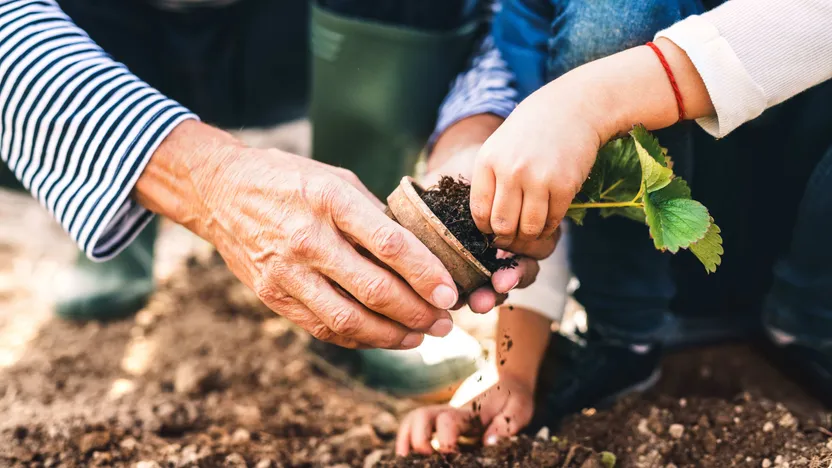
Plant potted herbs (such as spring onions, chives, tarragon, sorrel, mint, rosemary, savory or thyme) or divide them. Strawberry plants can be planted up to mid-October – be sure to do so in rich soil as they are heavy feeders. In areas with milder winters, sow broad beans for harvesting come spring. You can also plant cauliflowers and spring cabbages as well as winter lettuces. You might also want to start spreading manure over the surface of the vegetable garden. But remember – manure should never be buried. Don't forget to sow green manure seeds on any plots that will remain empty until the spring. Green manure crops like vetch, rye, fenugreek and red clover will help to naturally fertilise the soil.
Shop our green manure seeds
Preparing the ornamental garden for winter
Remove any particularly cold-sensitive plants from the garden and repot them indoors. This includes things like coleus, cuphaea, ficoide, gerbera, lantana and osteospermum. Any delicate plants you intend to leave outside should be covered with a thick layer of mulch, as should any new additions which will be more fragile than established plants.
Remove any annuals that have finished flowering from flowerbeds or window boxes and replace them with biennials such as pansies, daisies, nemophilia menziesii, wallflowers, forget-me-nots, and so on.
You might also want to fill pots with plants like autumn heather, asters, Japanese anemones, sedums, pansies, ornamental cabbages and chrysanthemums for flowers throughout November.
Bring geraniums, oleander and citrus fruits indoors. Reseed your lawn as required. Simply scarify any damaged areas and broadcast grass seed before raking and rolling the lawn.
Shop our grass seed
Best sellers in this category
Planting bulbs in October
Dig up summer bulbs such as gladioli, dahlias, crocosmias, cannas, tuberous begonias, and store them in a dry, well-ventilated spot such as a cellar or garage. These bulbs can be replanted next spring.
Plant spring bulbs such as tulips, narcissus, fritillaries, snowdrops, hyacinths, crocuses and scillas. These flowers offer a wide range of colours allowing you to create superb combinations. Plant wallflowers, forget-me-nots and daisies in your flowerbeds, borders or window boxes.
Ivy-leaved cyclamen can also be planted.
Pruning hedges and ornamental shrubs
Remove wilted flowers from summer flowering shrubs and prune the ends of the branches of plants like buddleia, althea and caryopteris. Plant evergreen shrubs such as camellia, magnolia, fusain, viburnum and holly, as well as tree peonies.
October is one of the best months for hedge trimming as this is the time of year that shrubs enter their dormant state. This means that your plants are prevented from quickly putting out new shoots like they would in springtime. In turn, you can enjoy your neatly trimmed hedge until next spring!
Sweep up dead leaves and throw them on the compost heap or use them to mulch your plants.
Autumn fruit tree planting and care
In areas with cold winters, October is a good time to plant potted fruit trees and shrubs (e.g. raspberries and blackcurrants) as this gives root systems time to develop before the coldest weather arrives.
Spread hoof and horn fertiliser or compost around the base of berry plants.
Treat fruit trees with a Bordeaux mixture as soon as the last leaf has fallen in order to prevent fungal diseases. Be sure to rinse your garden sprayer well after treatment.
Gather and destroy any diseased fruit from the ground or tree. If you are lucky enough to have chickens, you can let them loose around the orchard to help get rid of insects and larvae.
Be sure to pick any remaining fruit before the first of the frost hits, especially when it comes to things like kiwis. If you intend to plant any trees, dig a few holes for the new additions. If you have a lot of trees to plant, consider investing in an auger.
More information
You may be also interested in these guides
Guide written by:
John, Passionate gardener, Cambridge
When I was young, I was already working in the family garden. Perhaps that is where my interest in plants and gardening came from. So, it was logical for me to study plant biology. At the request of various publishers I have, over twenty-five years, written many books on the subject of plants and mushrooms (a subject that is close to my heart). They were mostly identification guides at first, but shortly after they were about gardening, thus renewing the first passion of my childhood. I have also regularly collaborated with several magazines specialising in the field of gardening or more generally in nature. There is no gardener without a garden, I have cultivated mine in a small corner of Cambridge for the last thirty years and this is where I put into practice the methods of cultivation that will I advise you in as well.
'/%3E%3C/svg%3E)