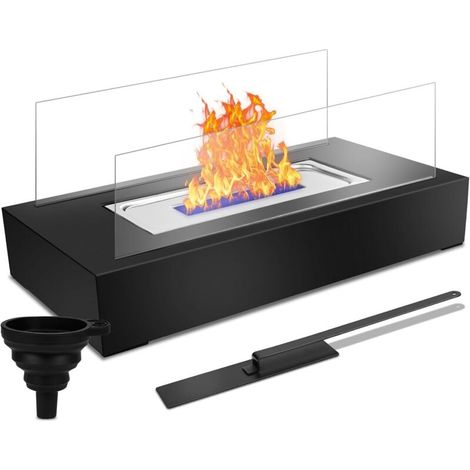
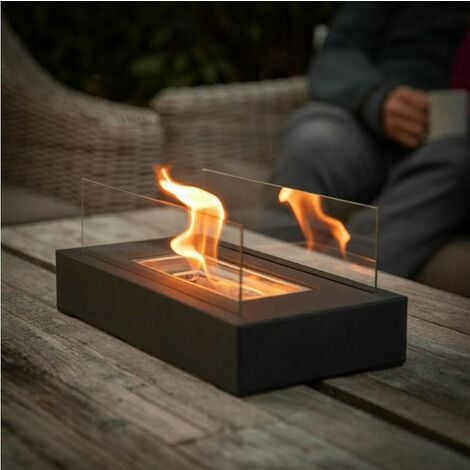
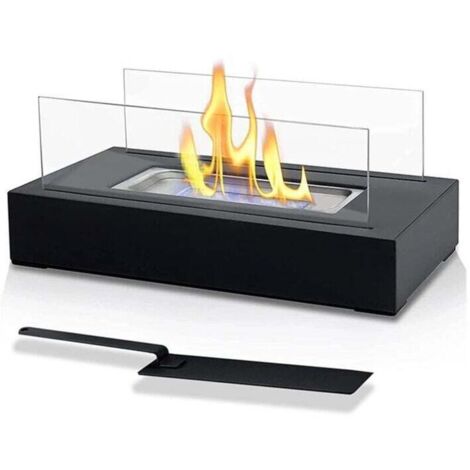
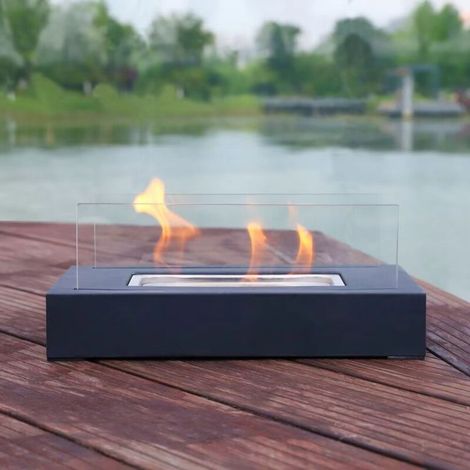
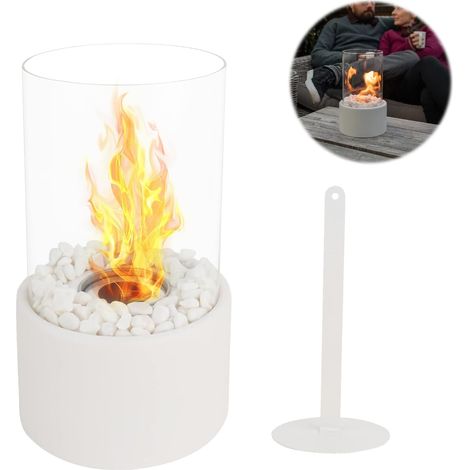
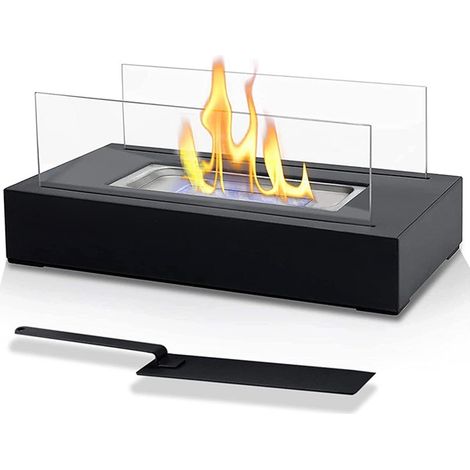
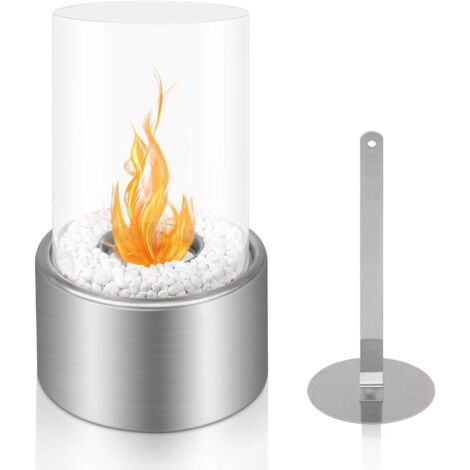
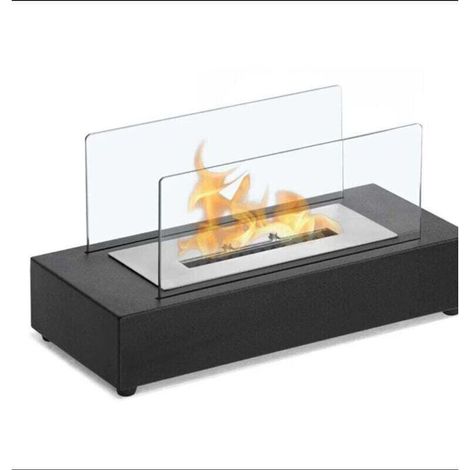
The bioethanol fireplace combines modern design with environmental respect. It's perfect for creating a cozy atmosphere without needing a chimney. Easy to install and use, it's a practical alternative to traditional fireplaces.
What is the fuel capacity of a bioethanol fireplace?
The capacity of a bioethanol fireplace generally varies between 1 and 5 liters.
The amount of fuel the fireplace can hold depends on its design and size. It is important to choose a capacity that suits your needs and usage frequency to ensure adequate autonomy without frequent refilling.
Is it necessary to have ventilation in the room where a bioethanol fireplace is installed?
Yes, good ventilation of the room is essential for a bioethanol fireplace.
When bioethanol is burned, water vapor and carbon dioxide are released. Therefore, it's critical to ensure adequate ventilation to prevent the concentration of these gases and maintain good indoor air quality.
Does a bioethanol fireplace produce enough heat to warm a room?
Yes, a bioethanol fireplace can produce enough heat for a room, but it is often used as supplementary heating.
The bioethanol fireplace produces heat immediately upon lighting, but the amount of heat and its distribution depend on the room size and the fireplace's power. It is optimal for localized thermal comfort and can serve as the primary heating in smaller spaces.
What are the safety precautions to take with a bioethanol fireplace?
It's important to follow the manufacturer's instructions, not leave the fireplace unattended, and keep flammable objects at a distance.
Bioethanol fireplaces should be installed on stable surfaces that are resistant to heat. It's crucial to maintain safety distances from flammable objects and never leave the fireplace lit unattended, especially with children or pets nearby.
'/%3E%3C/svg%3E)

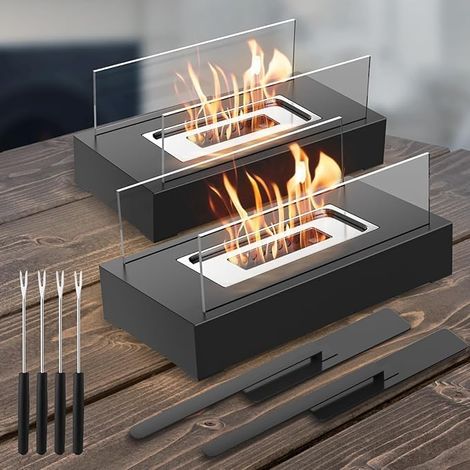



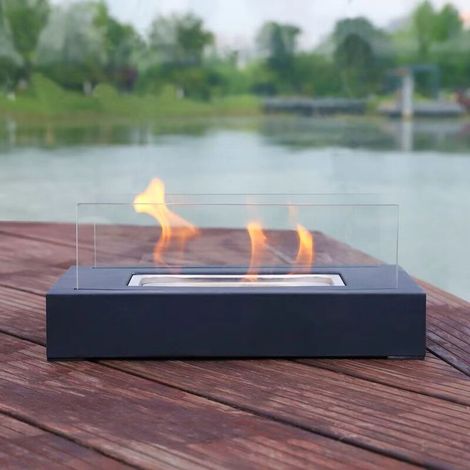
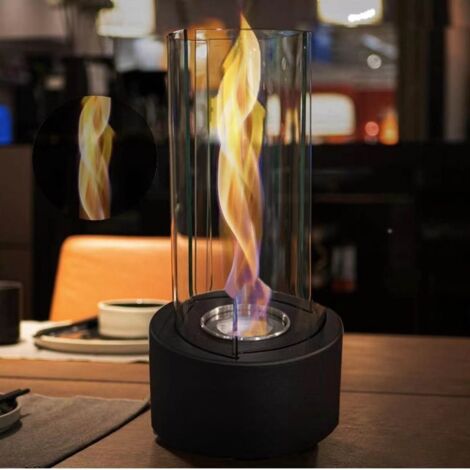

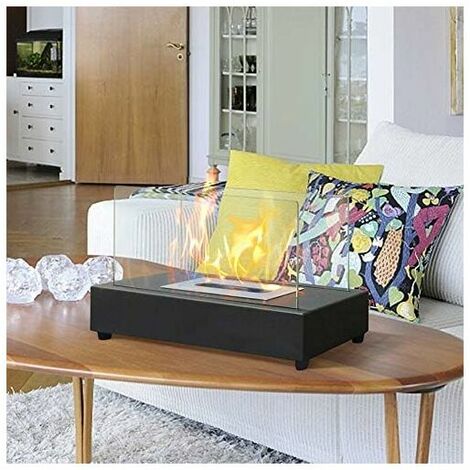
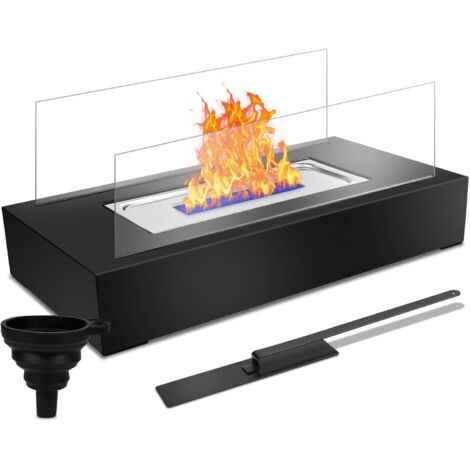

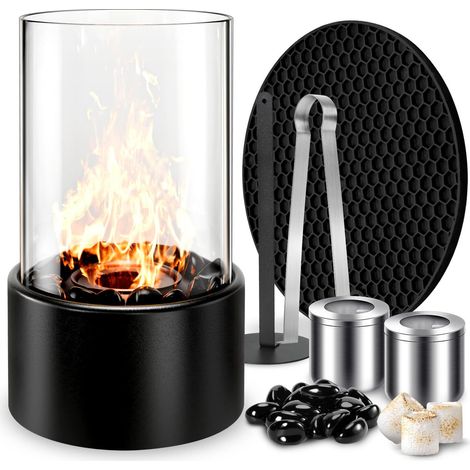

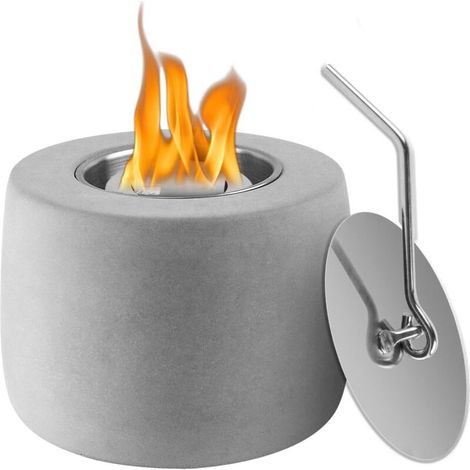
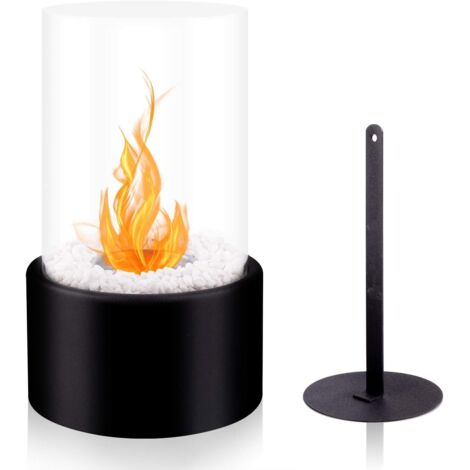
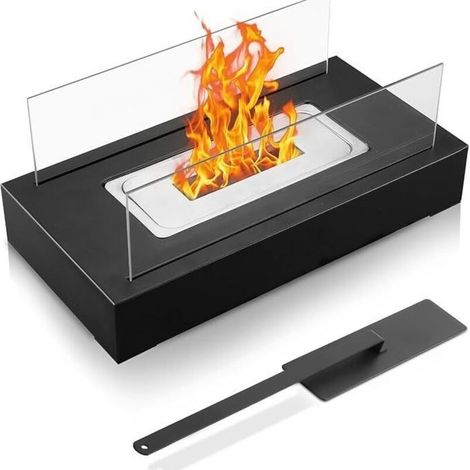
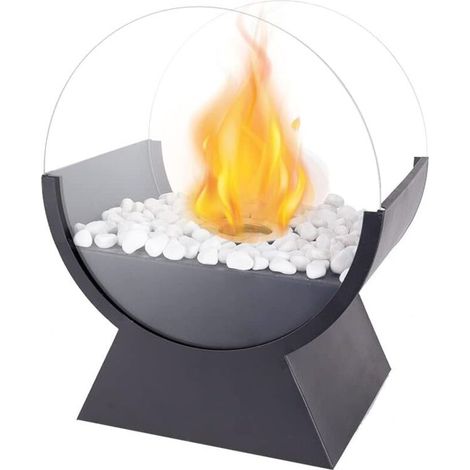
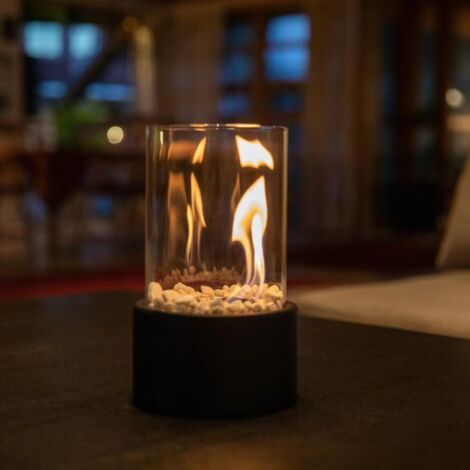
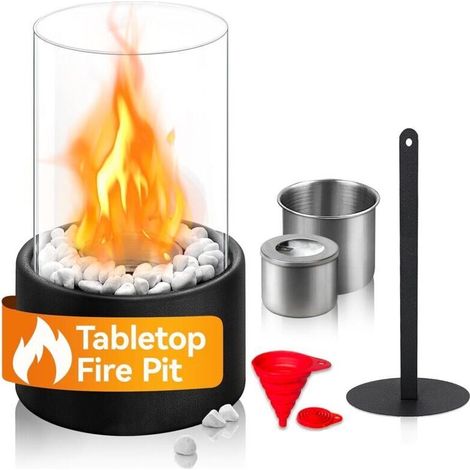
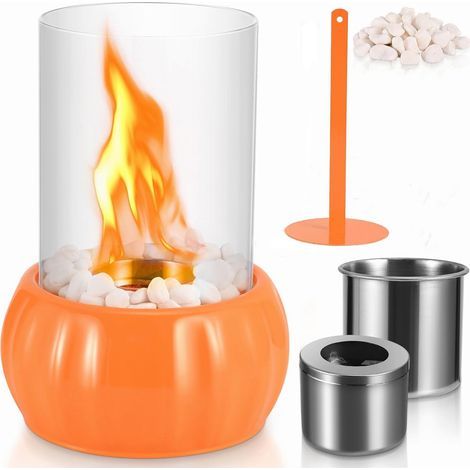

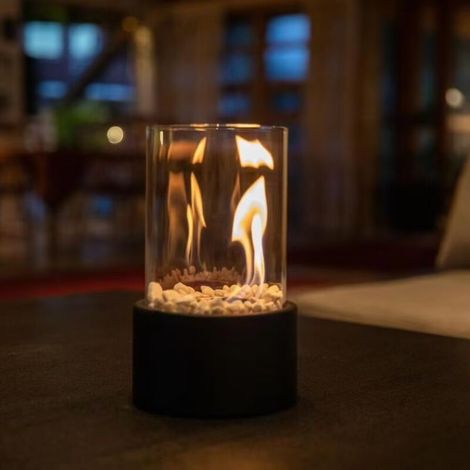
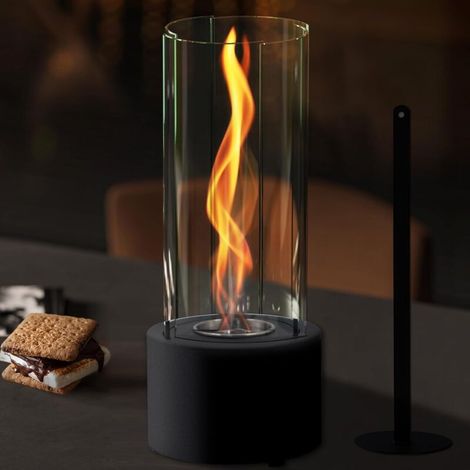
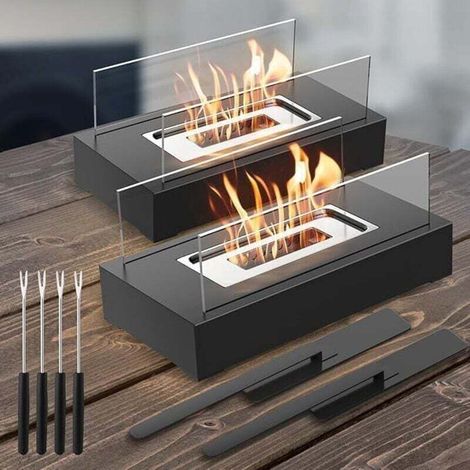
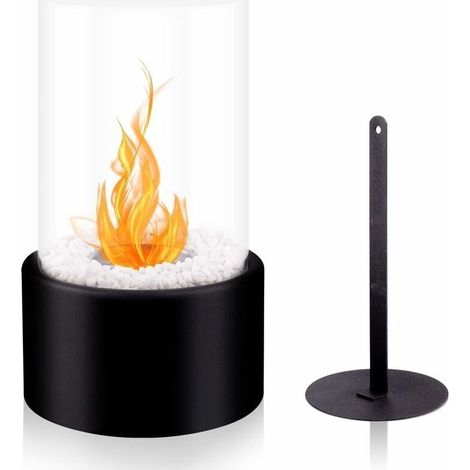
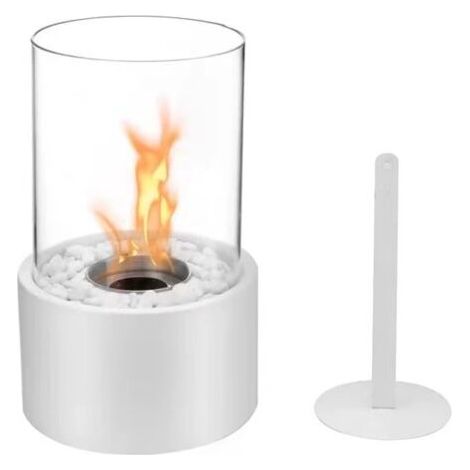
![[NEVER USED] Bioetanol table chimenea, table chimney with combustion camera, longer combustion, portable table fire for exteriors and interiors (1/4)](https://cdn.manomano.com/pim-media/images/medium/5891fdcd58fdd0e4e0b504b2753a4501f6b821f0.jpg)
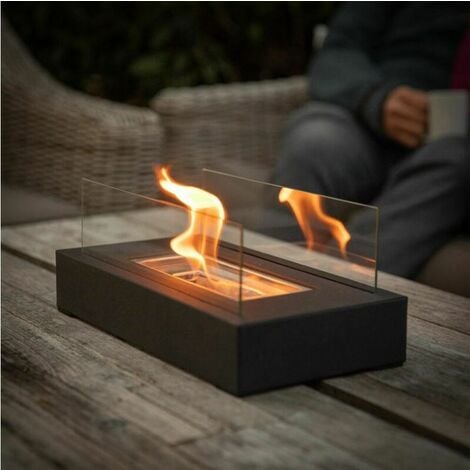
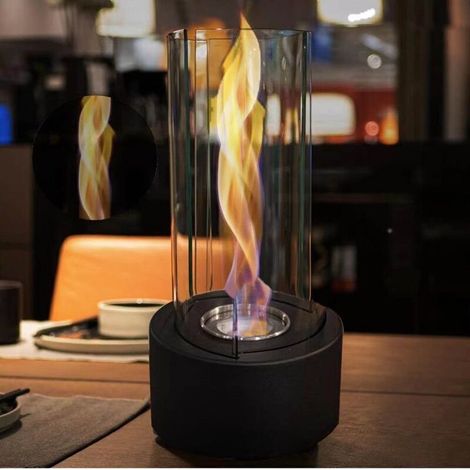
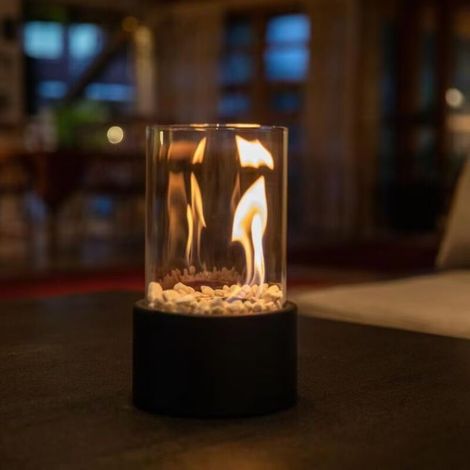

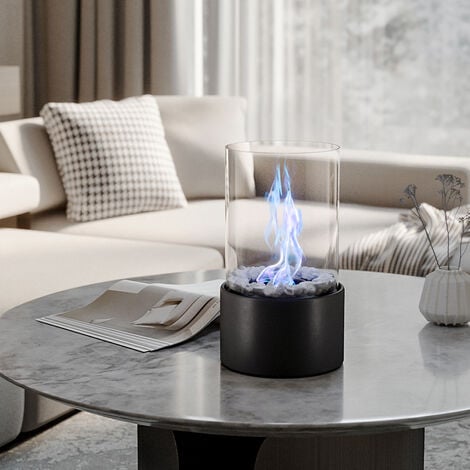
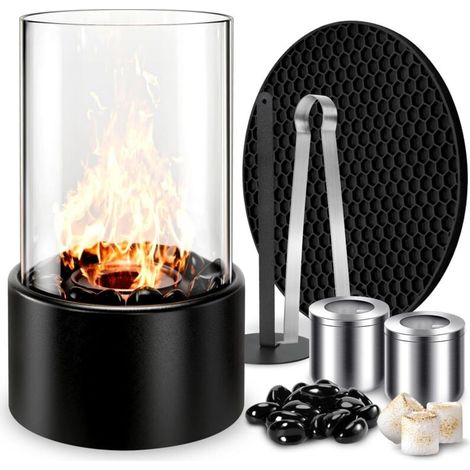
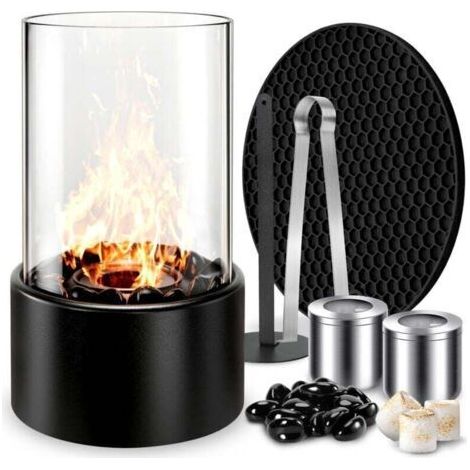
![[NEVER USED] Tabletop bioethanol fireplace with PU pad and decorative stones, longer burn time, small portable bioethanol fireplace for indoor and outdoor use (1/4)](https://cdn.manomano.com/pim-media/images/medium/2a504303813c9978d5ad0bc3d3a85379bf6426a8.jpg)
'/%3E%3C/svg%3E)
'/%3E%3C/svg%3E)