An increasing number of individuals are deciding to adopt a bird to keep them company. However, raising these animals requires specific precautions and accessories to ensure their well-being on a daily basis. The choice of their cage, aviary, and perch is among the determining factors to guarantee their happiness.
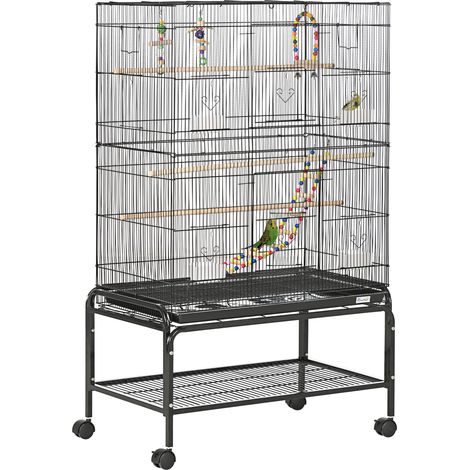
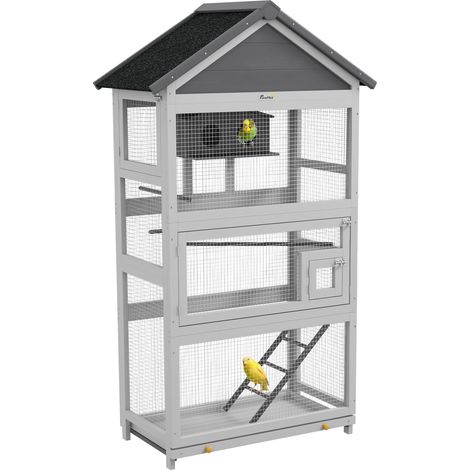
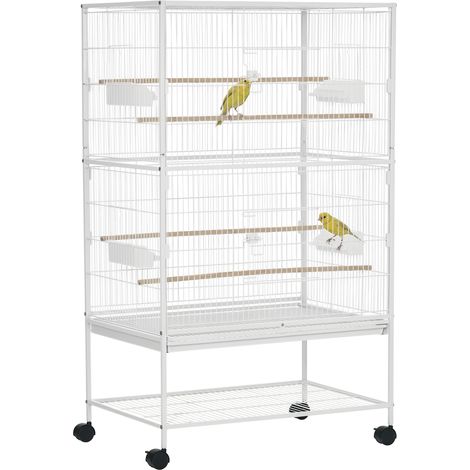
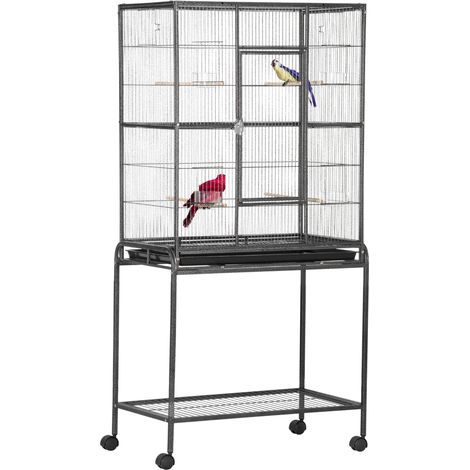
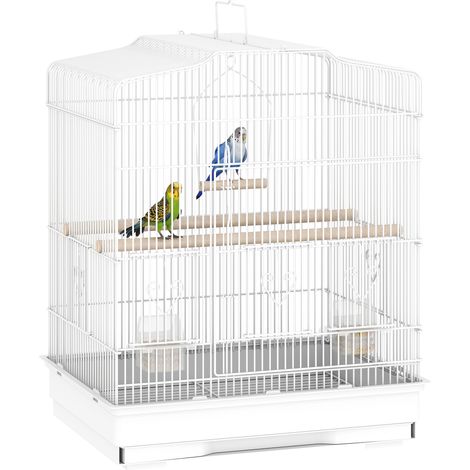
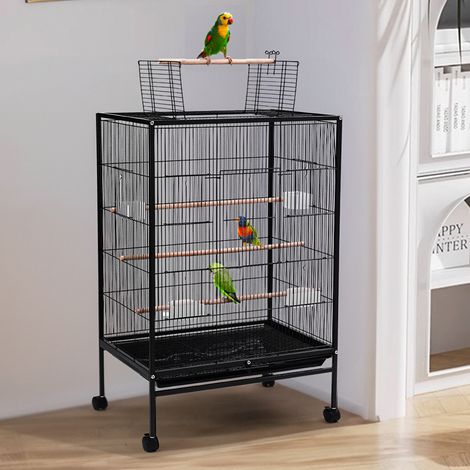
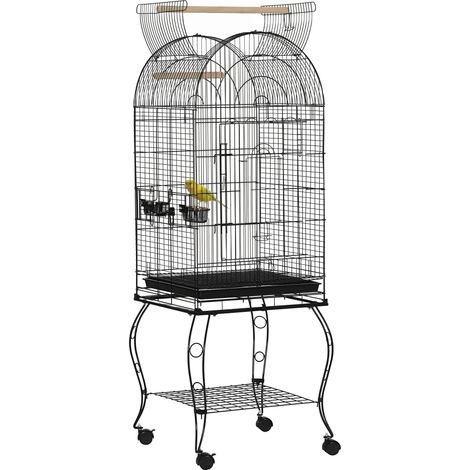
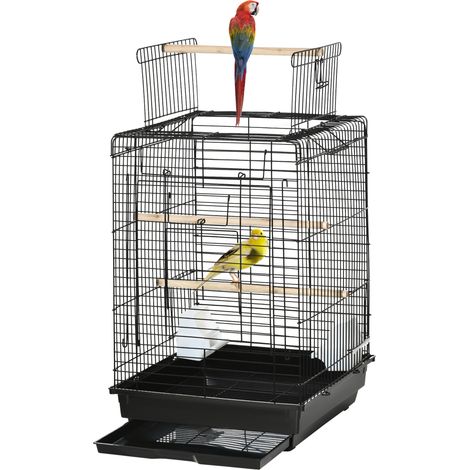
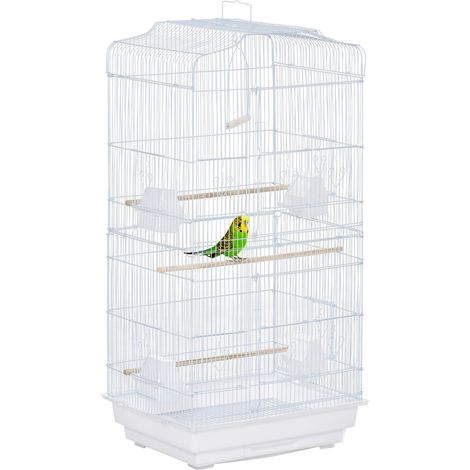
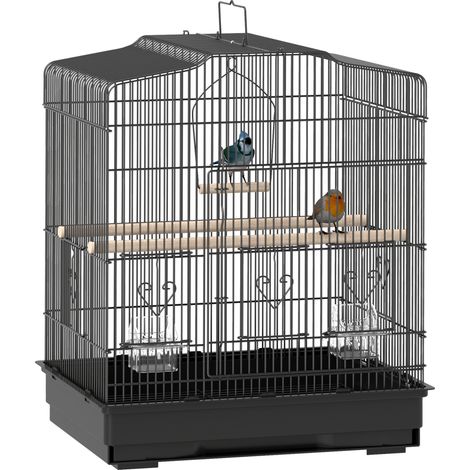
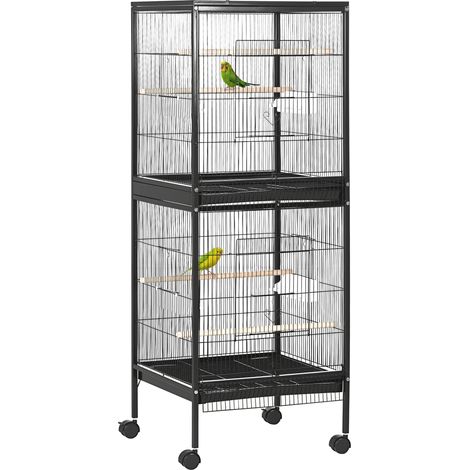
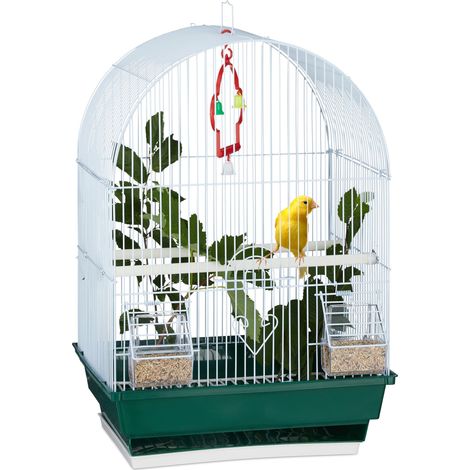
Generally, when purchasing a cage or aviary for a bird, favoring spacious and elongated models is ideal.
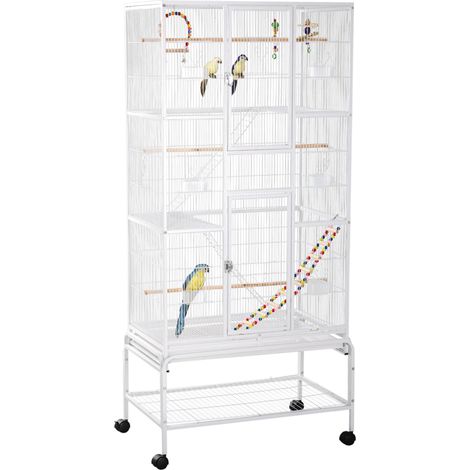
- These animals tend to fly horizontally. Therefore, they need more space in this dimension at the expense of vertical space. However, climbers require an aviary with a certain height to thrive fully.
- They often need space to flutter as they wish and feel comfortable. It is thus important to choose a large cage to improve their daily comfort level.
- Some species may feel lost if they find themselves alone in a large space. Agoraphobia is not just a human issue. Consequently, it is better to plan for companions for small exotic birds if the cage seems too large.
For information, canaries will feel good in a cage of 40 x 20 x 30 cm. Lovebirds, on the other hand, will prefer a habitat measuring 60 x 40 x 50 cm. For a parrot, an installation of 50 x 70 x 70 cm is recommended. Finally, for couples or groups, it is better to opt for sufficiently spacious cages.
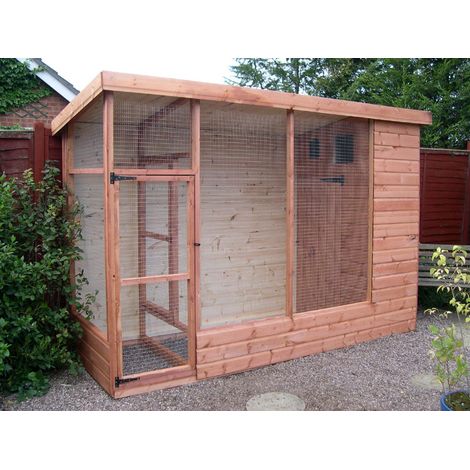
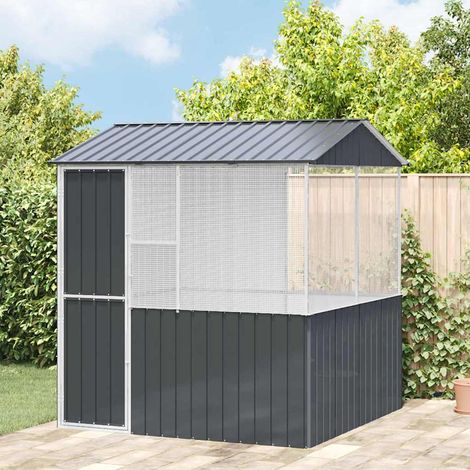
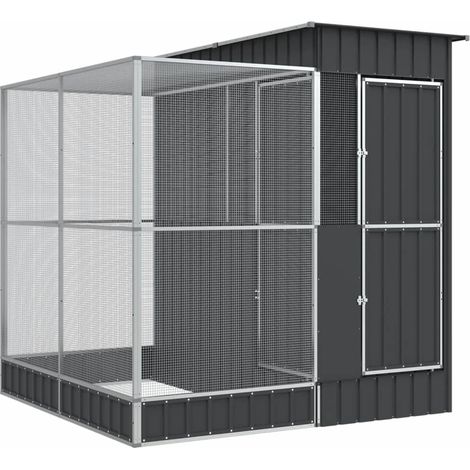
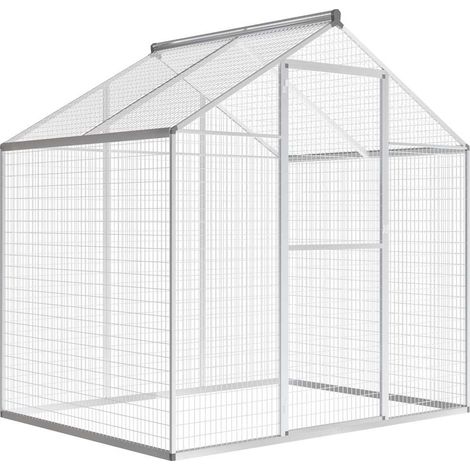
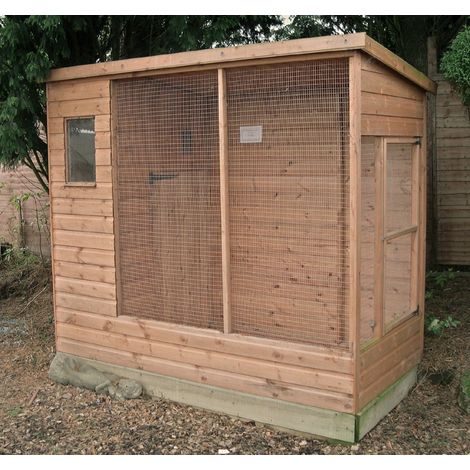
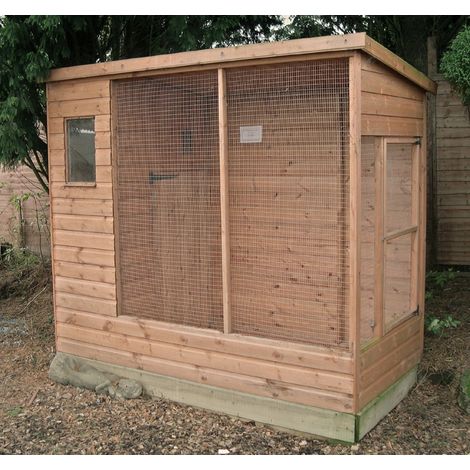
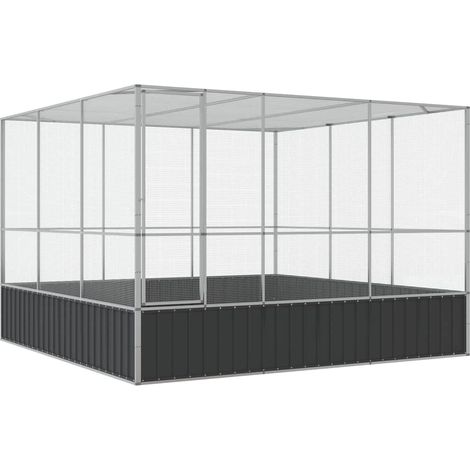
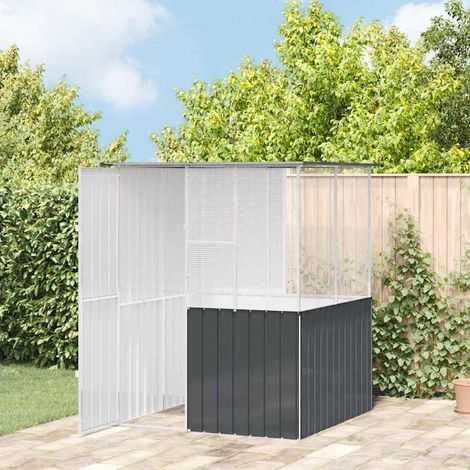
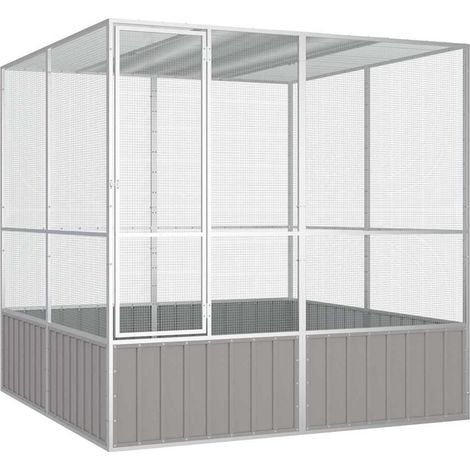
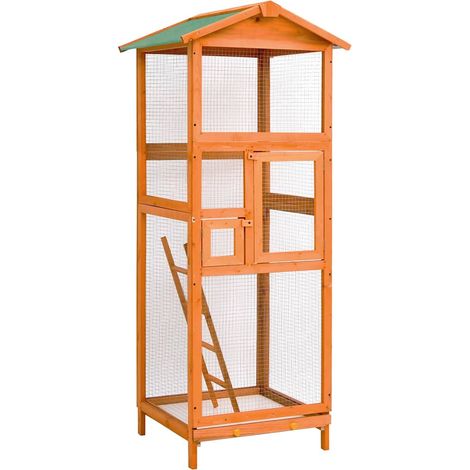
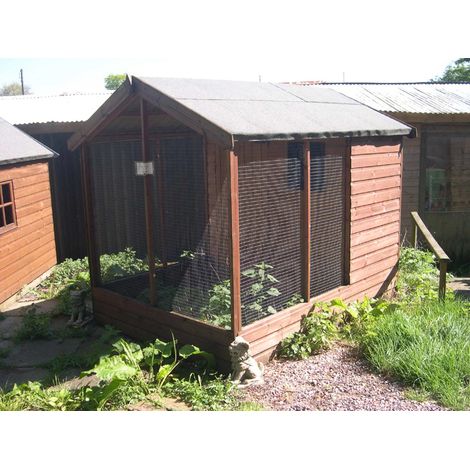
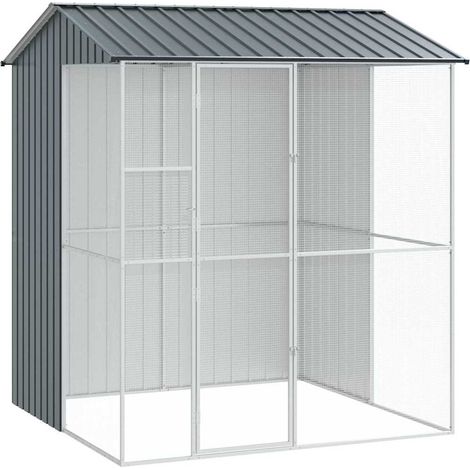
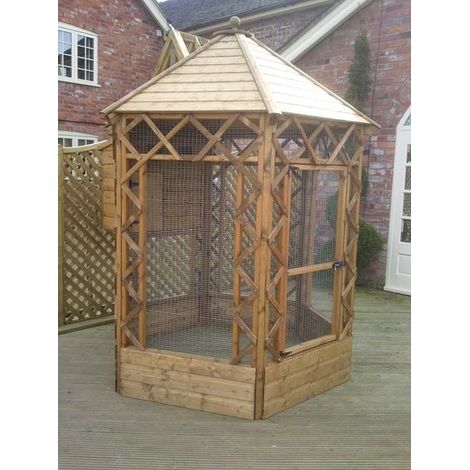
Just like with cages, dimensions are important in choosing an aviary for your bird. Moreover, their design should not be neglected in any way.
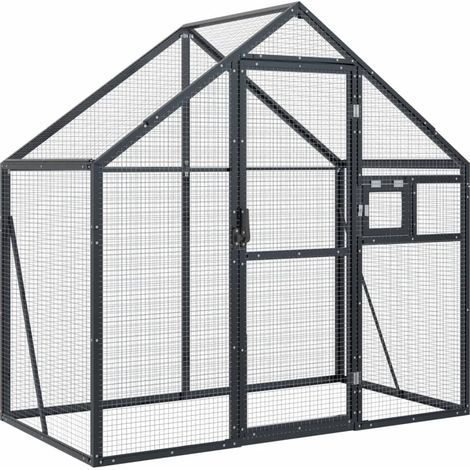
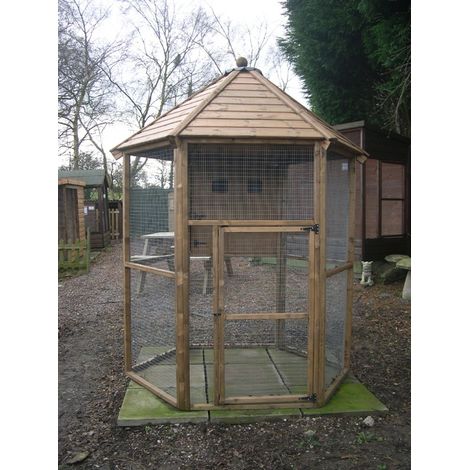
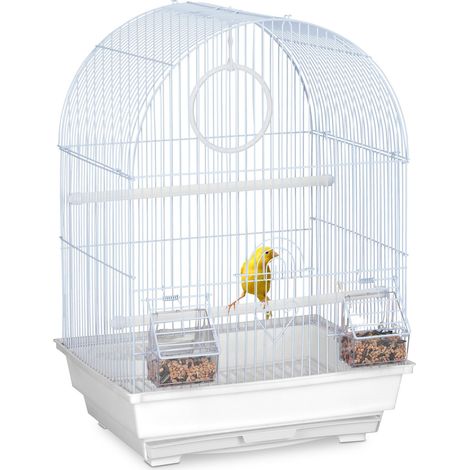
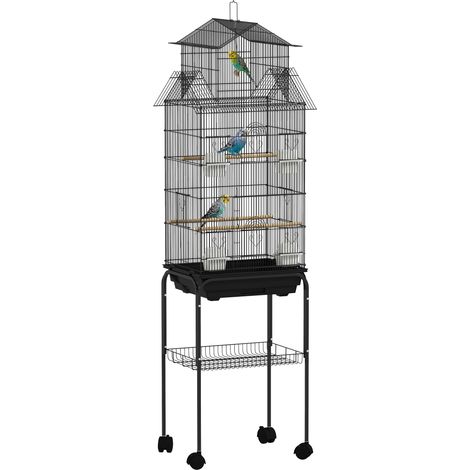
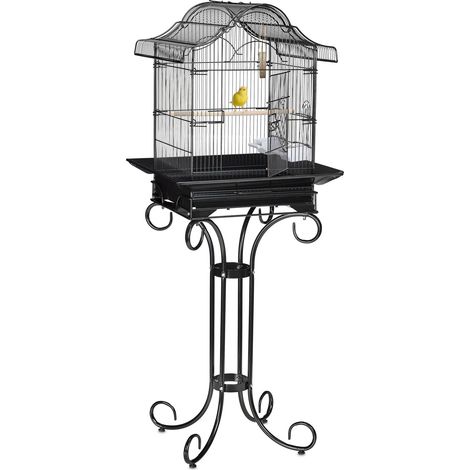
- Square or rectangular aviaries are preferred. Indeed, despite their aesthetic aspect, round or pointed models are rarely appreciated by birds.
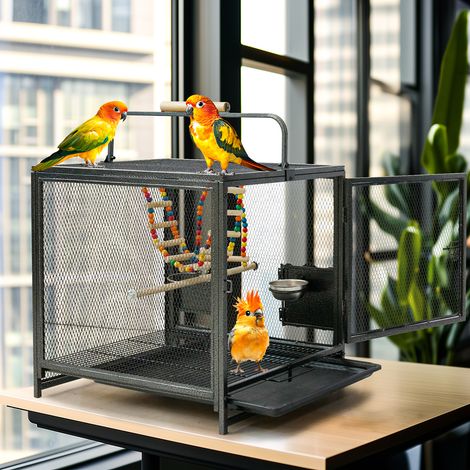
- It is imperative to choose doors that allow you to quickly take out your bird in case of an issue. Therefore, too small entrances are to be avoided, especially those that prevent a human from inserting their hand into the cage.
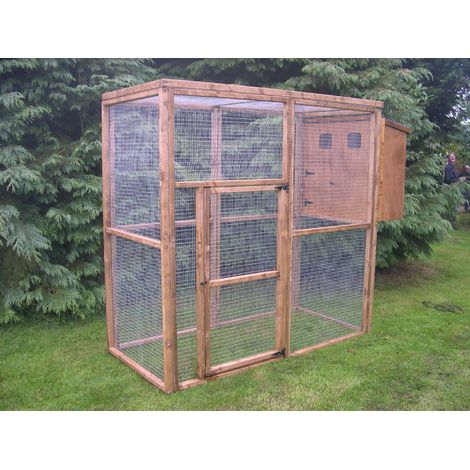
- An adequate locking system is essential to ensure the safety of your pet against predators (cats, dogs, etc.) and to prevent it from escaping.
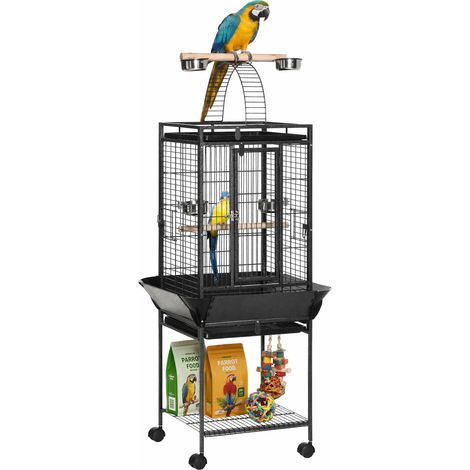
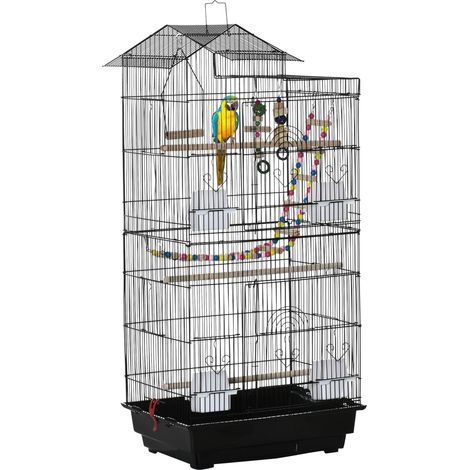
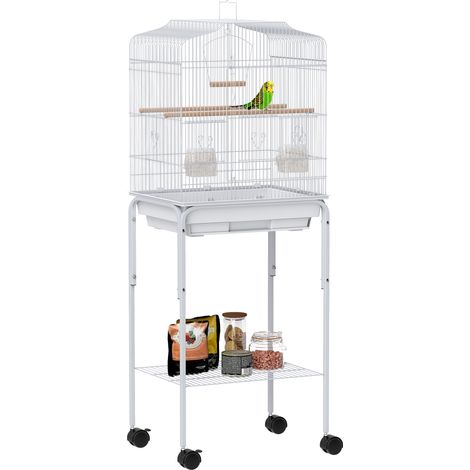
It's important to set up at least three perches in the bird's cage to allow it to move freely within its habitat. Different materials are used for their manufacture, including:
- plastic, distinguishable by its hygienic nature, but can irritate the bird's feet over the long term;
- hemp rope, a natural material that is easy to install;
- manicure perches, specially designed to wear down the bird's nails and avoid irritation under their feet;
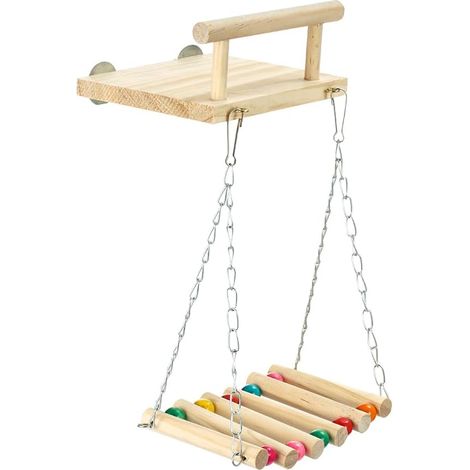
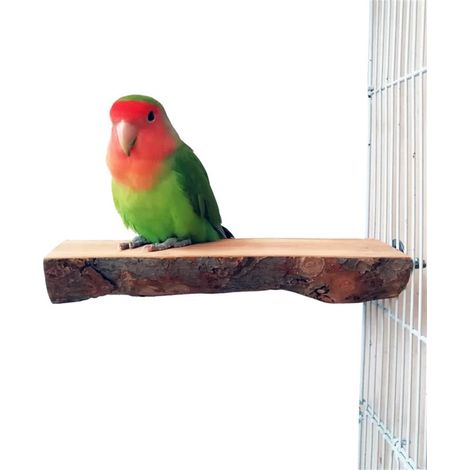
- wood, a material more suited to bird's feet and mimicking their living conditions in nature. However, this type of equipment cannot be disinfected. As such, it is imperative to replace perches as soon as one of the cage's occupants falls ill or dies.










'/%3E%3C/svg%3E)