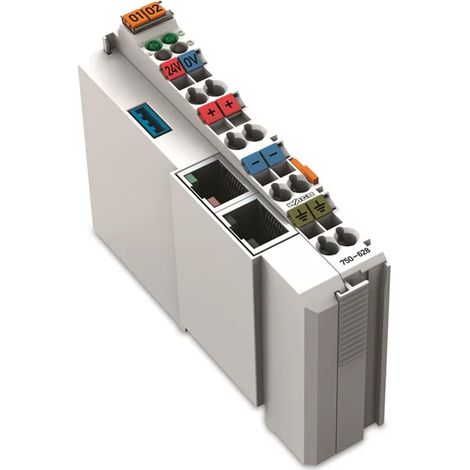
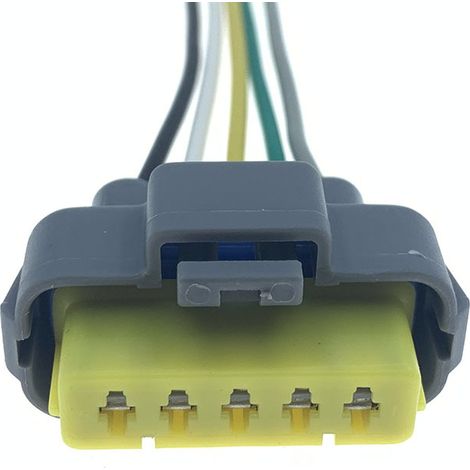
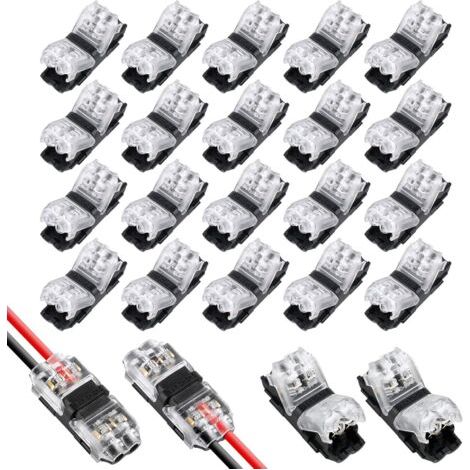
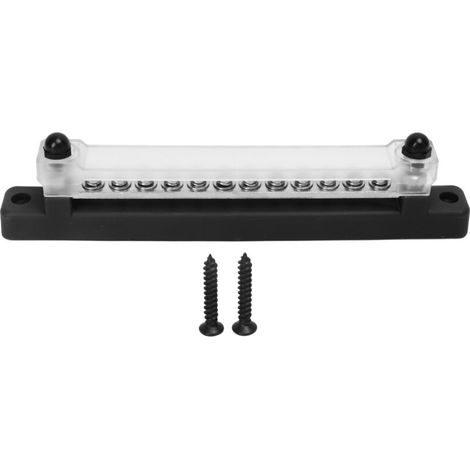
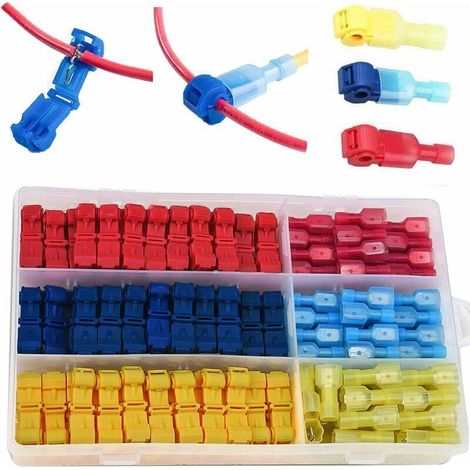
A terminal block is an electrical or electronic device used to ensure the conductivity and electrical continuity of a connection linking a cable to another part of the installation. It can also consist of a set of wires that can serve as an input or output for a microcomputer interface. In short, it is an essential device for a wide variety of electrical installations.
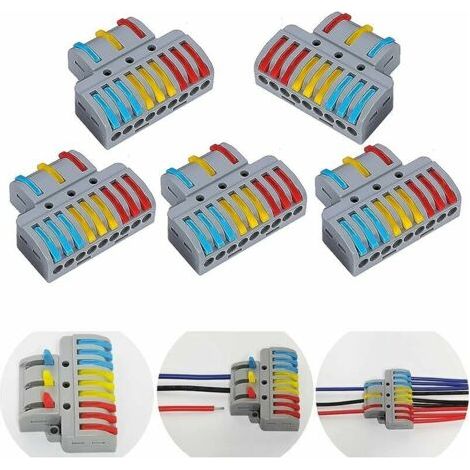
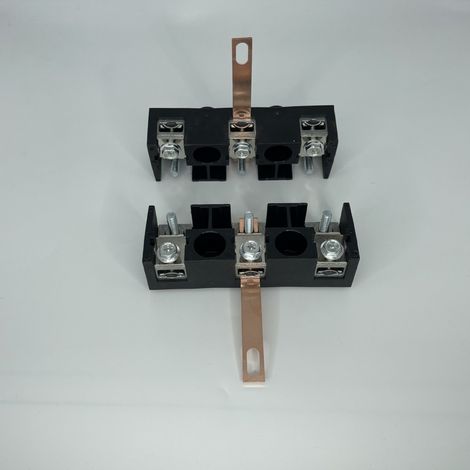
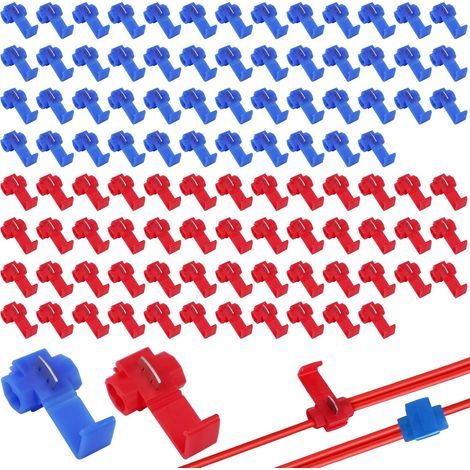
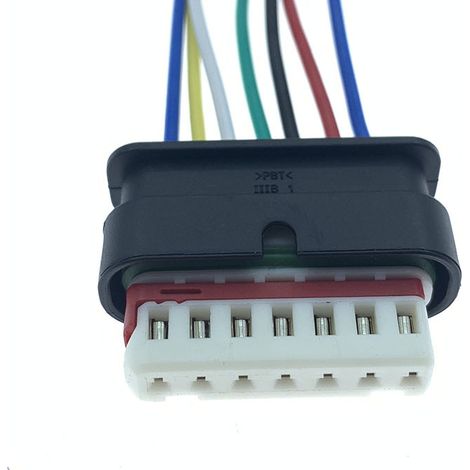
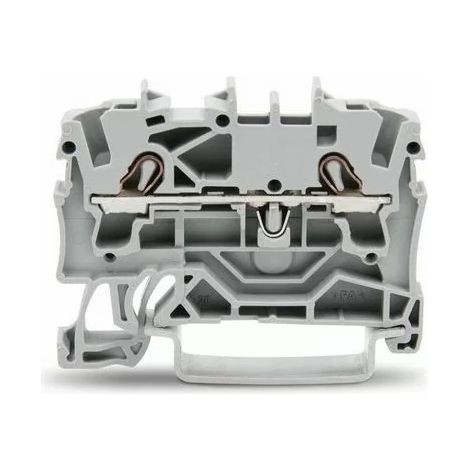
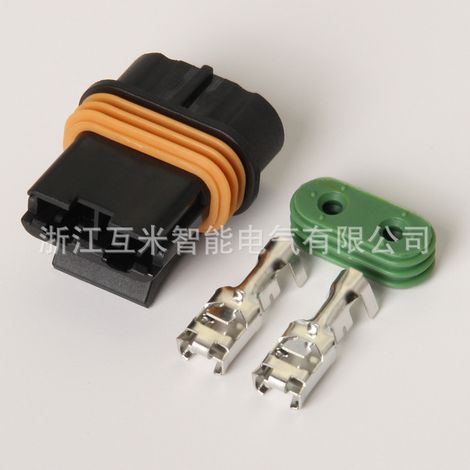
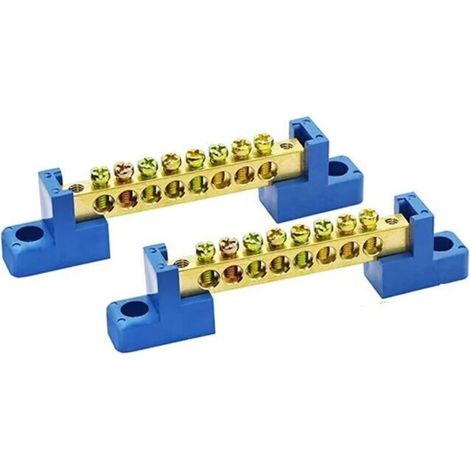
The use of a terminal block is varied, but it often requires the use of appropriate cables and a connection that meets standards to achieve optimal performance. The role of the terminal block is closely associated with the presence of multiple ports and terminals on the device, allowing it to be connected to several devices simultaneously. A terminal block thus becomes the hub of a centrifuged electrical control assembly. It then provides a generally flawless connection quality. The device comes in several models offered by different brands. Some models are intended for phase cables, and others are specific to neutral cables. The terminal block is shaped like a parallelepiped or cubic plastic box equipped with many entries, allowing it to be connected to several devices. Generally, models have 8 entries on the top face and 2 on the side, with cable sections in mm2 predetermined by the manufacturer. They can sometimes accommodate up to 4 cables or more.

'/%3E%3C/svg%3E)