Fences ensure a certain level of security for the exteriors of a house. Paired with a gate and a door, whether design or classic, they also play a decorative and concealment role for the land. High-end opaque panels for top aesthetic rendering or functional wire netting for minimal protection, each fence has its specificities.
What are the different types of fencing?
Fences are available in 4 main product categories:
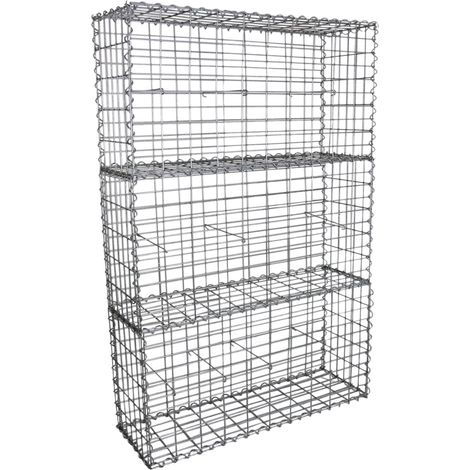
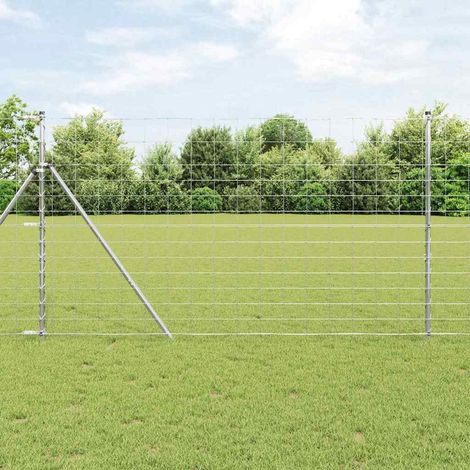
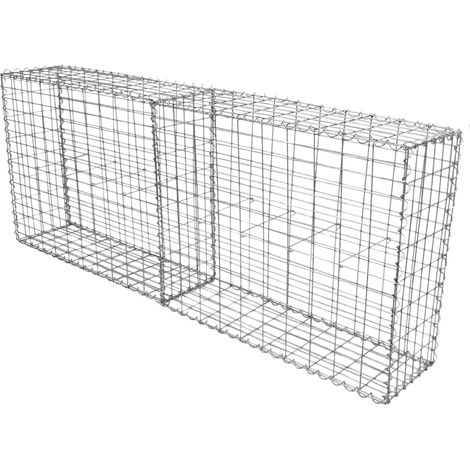
Flexible mesh: it is the quintessential budget-friendly fence. Whether twisted or welded, this type of mesh is made of bare or plastic-coated steel wires. Ideal for the garden, it is less suited for fencing a domain or property.
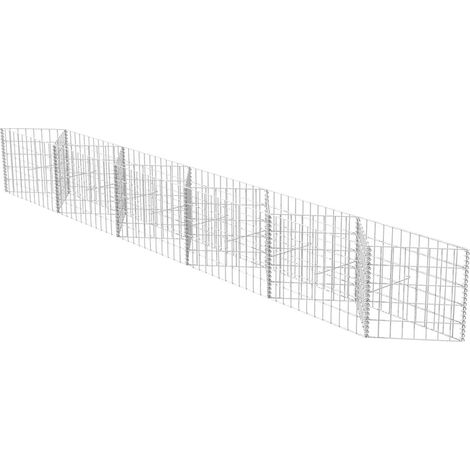
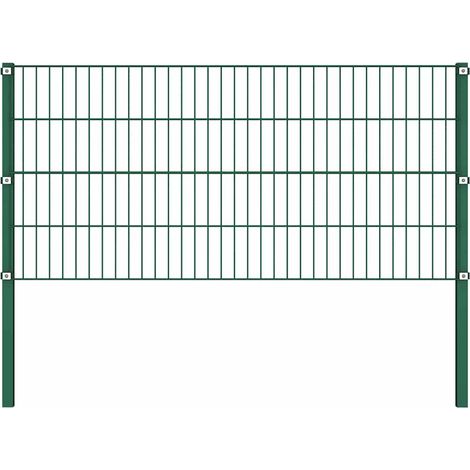
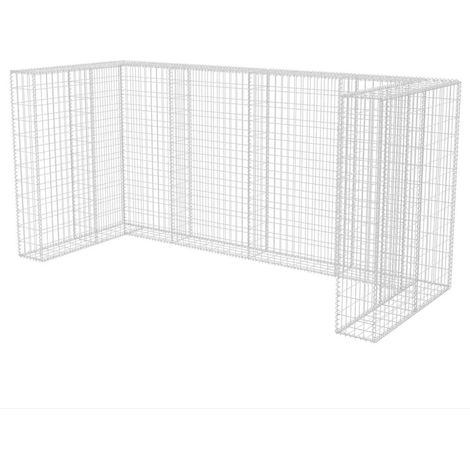
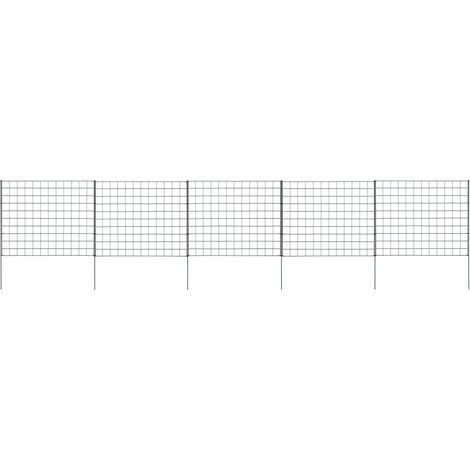
Rigid panel mesh: also known as pleated mesh, its rigidity makes it more robust than its flexible counterpart, with added aesthetic qualities.
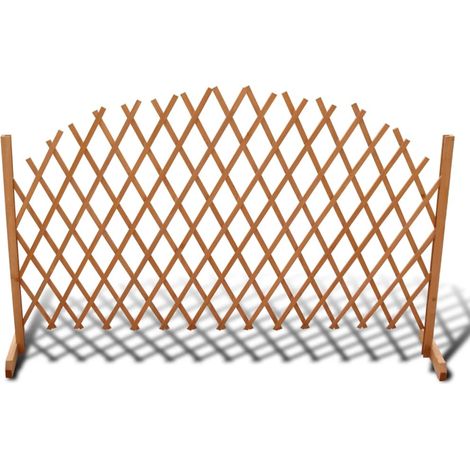
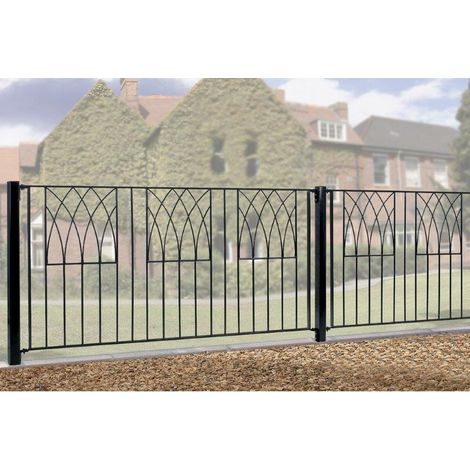
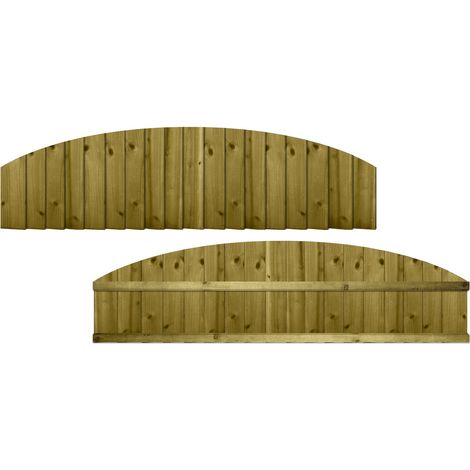
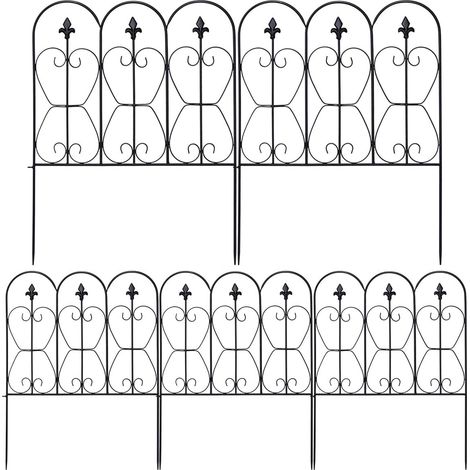
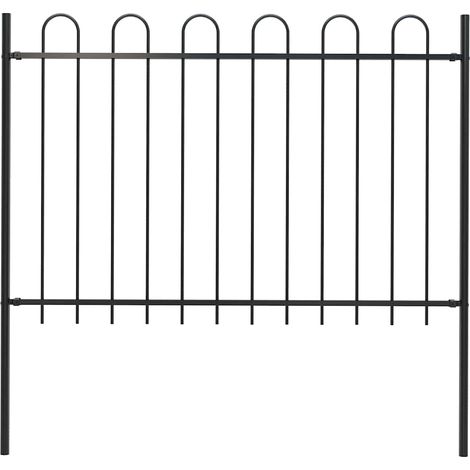
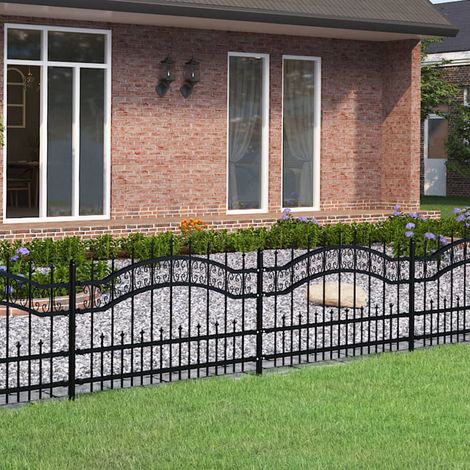
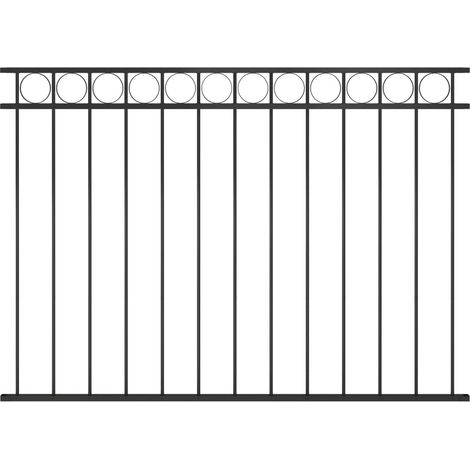
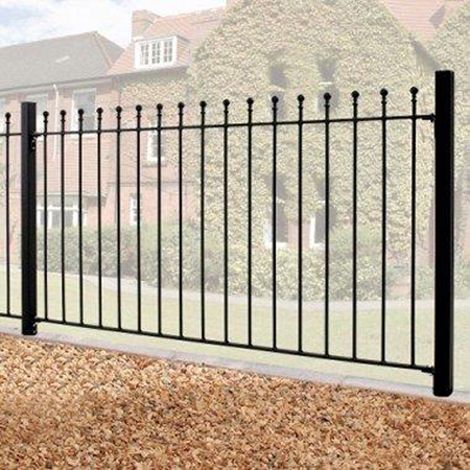
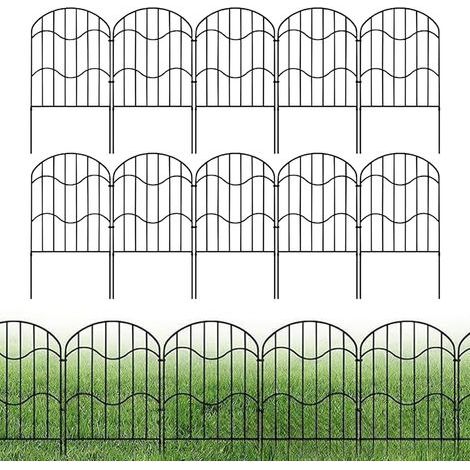
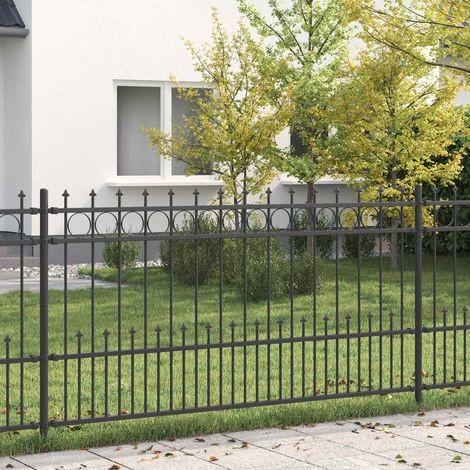
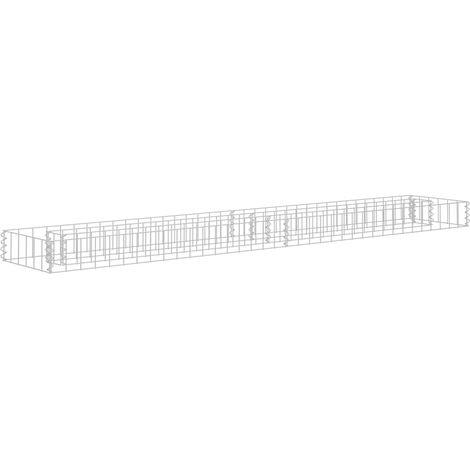
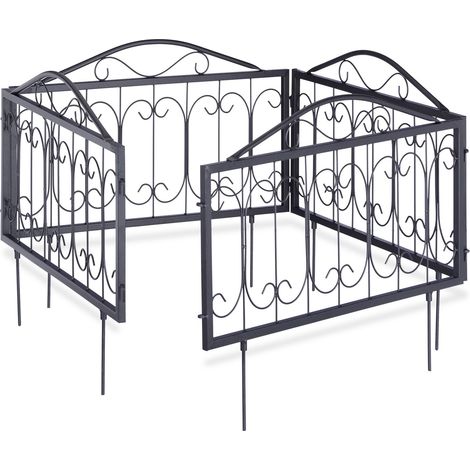
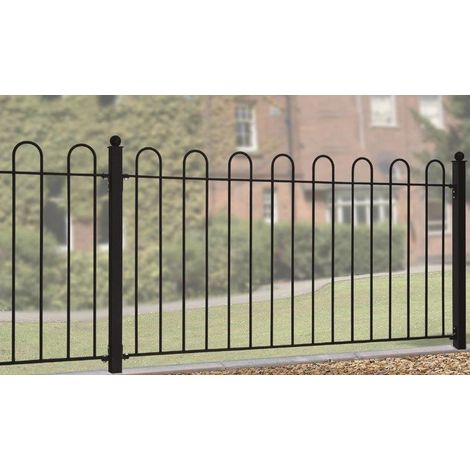
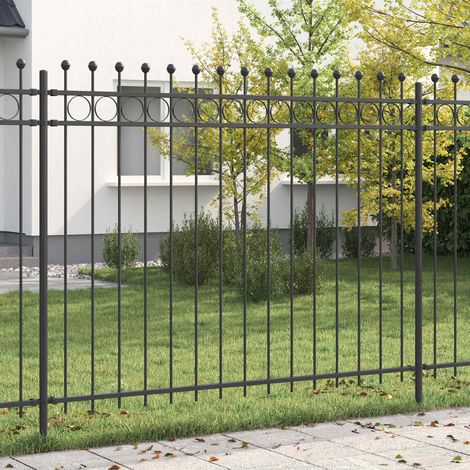
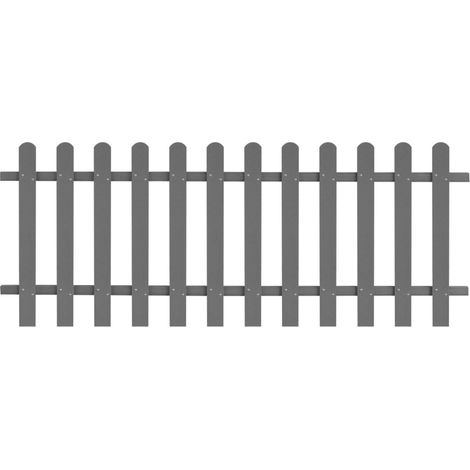
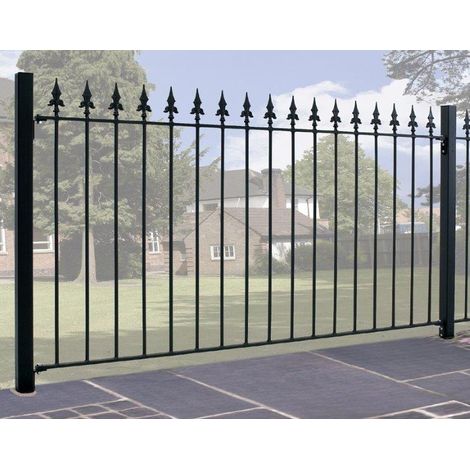
Traditional fencing: available in various shapes and materials, it is suitable for protecting a property. Sturdy and aesthetic, it adds real value to a house.
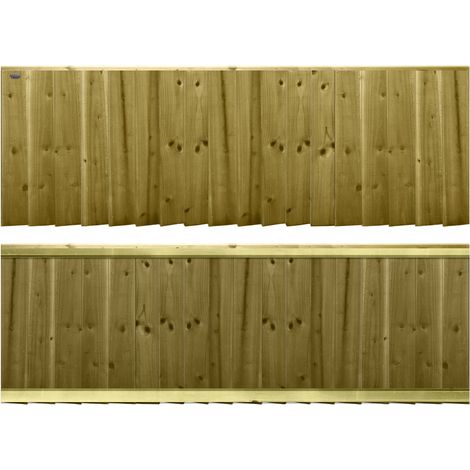
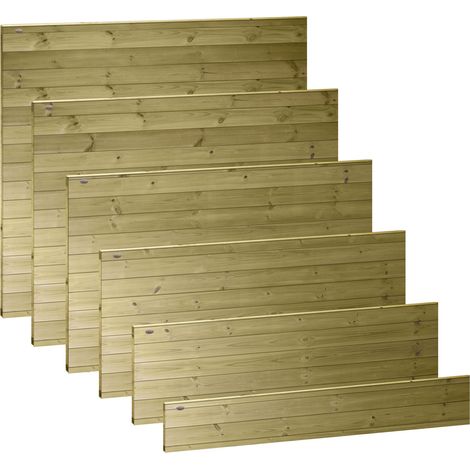
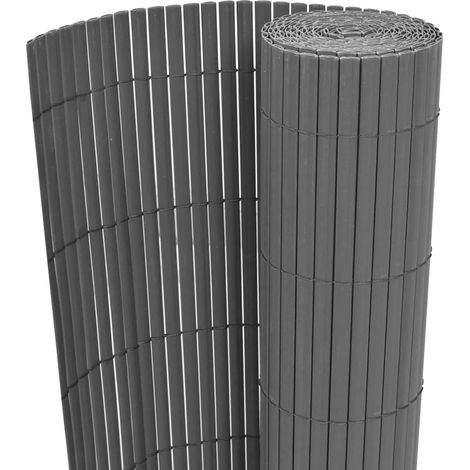
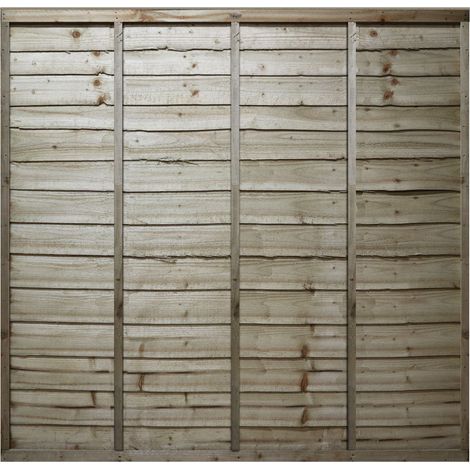
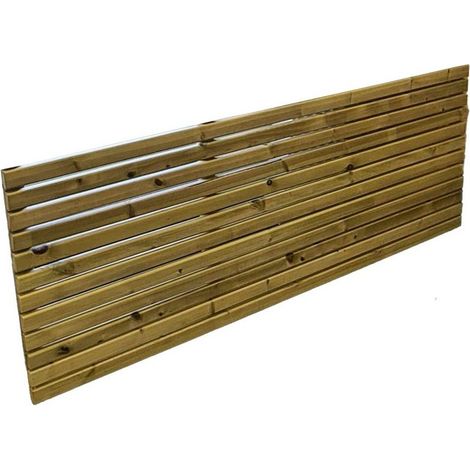
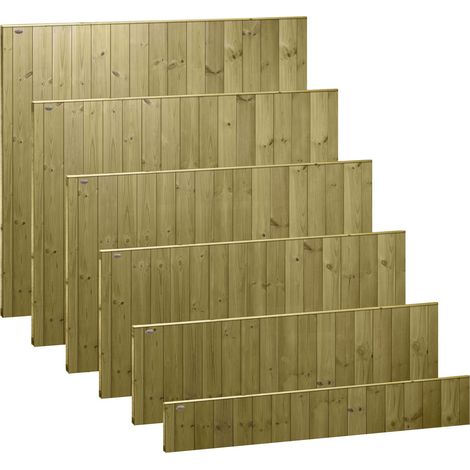
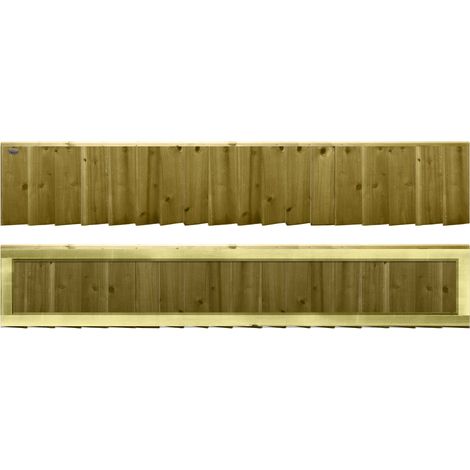
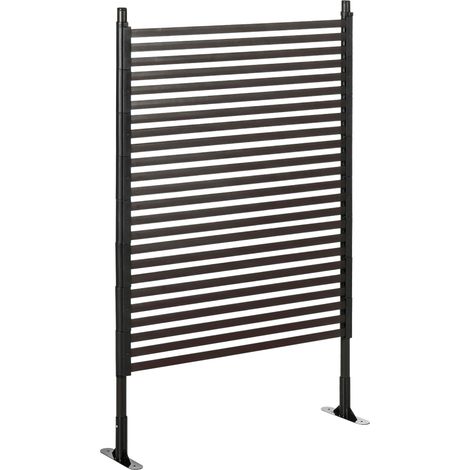
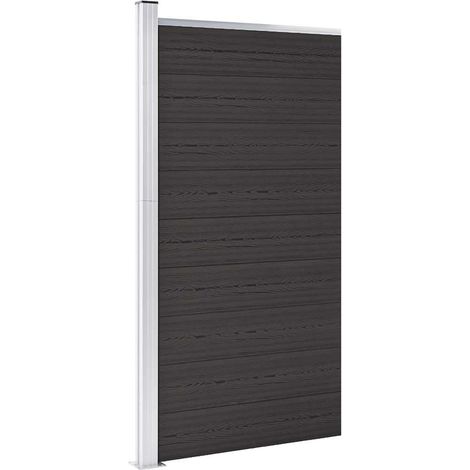
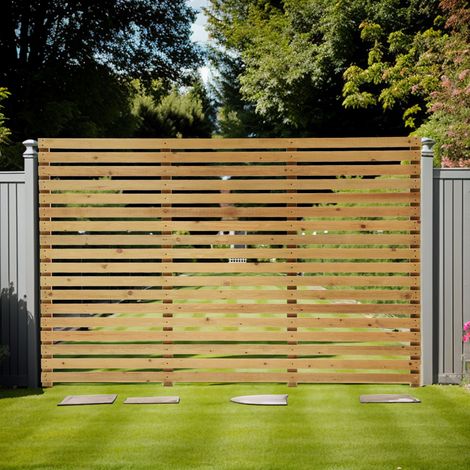
Opaque panels or privacy screens: available in several materials and colors, they form a solid body and completely hide the interior of a land. They are perfect for shielding from external views in the absence of a vegetative hedge, for example.
How to calculate the fencing of a plot?
The length of a fence corresponds to the perimeter of the plot to be fenced. To calculate it to the centimeter, equip yourself with a measuring tool (tape measure, odometer, laser meter) and measure the contour of the plot.
You must then deduct the distance corresponding to the gate, the door, and any objects where the fence will not be placed. To obtain the number of rigid panels, divide this value by the length of a panel. Regarding the installation of flexible wire netting, it is recommended to install a post every two to three meters. Also, plan for bracing every 8 to 10 meters and at corners.
How to fence your plot at a lower cost?
Besides the components of a fence that determine the cost of materials, it is the work that will allow you to save money. For example, building a low wall allows you to reduce the height of the fence. Thus, it is possible to limit the amount of materials. Moreover, if you plant a hedge, you can opt for flexible mesh, thereby reducing the cost of the project.
What materials and colors for a fence?
The materials used determine the robustness, durability, aesthetics, and maintenance of a fence. Aesthetically, everyone has their tastes and opinions on this or that material, color, or finish. But one must not forget the style of the house and its exteriors. Indeed, the fence must match the gate, the door, and its environment. Several materials are available for a fence:
aluminum has the advantage of being light, aesthetic, and rust-resistant for minimal maintenance, but it is more expensive;
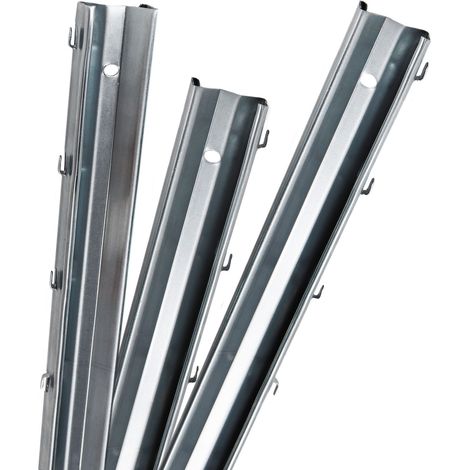
steel is robust and corrosion-resistant if treated against rust, decorative, it is easily maintained for a mid-range price;
iron is a solid and heavy material, appreciated for the fences of character houses, it is quite expensive and requires regular maintenance as it is prone to rust;
wood is a bio-sourced material that brings warmth and authenticity, its prices range from medium to high depending on the species used and must be regularly maintained;
composite and PVC are rather functional but some products have a more polished aesthetic. They offer affordable prices for minimal maintenance.
As for color, you have the choice between beiges, browns, yellows, reds (warm colors), for a natural or rustic style. Blacks, whites, anthracites (neutral colors), for contemporary houses. Greens, blues, purples (cool colors) for a more personal touch.
Make your project a success with the ManoMano Fence catalogue! Find the biggest brands such as Rogal, Asupermall, Bekafor, Vidalxl, Nylofor, True Deal, Zenturo in our selection of more than 500 references, at the best prices. Our products are in stock and we ensure delivery all over France. You can also count on our installation service, via our partner companies.








'/%3E%3C/svg%3E)
'/%3E%3C/svg%3E)