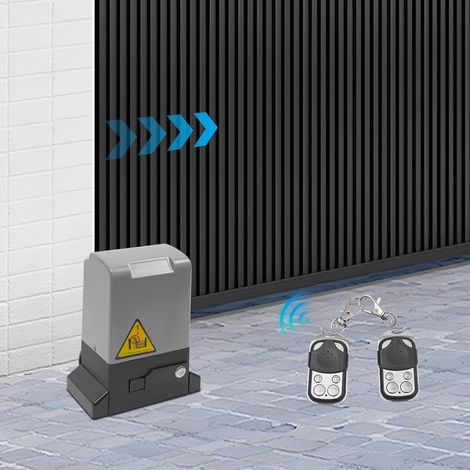
At a time when home automation is being implemented throughout the house to optimize occupant comfort, gate automation appears to be a necessity.
Two systems stand out:
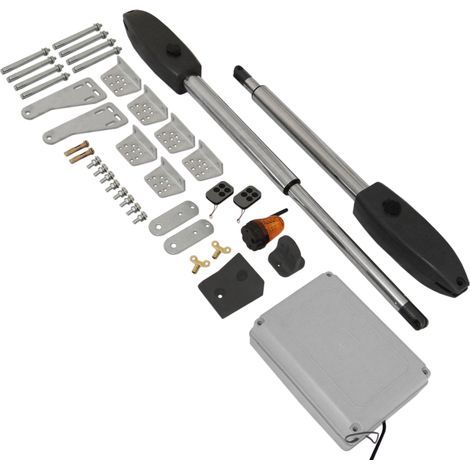
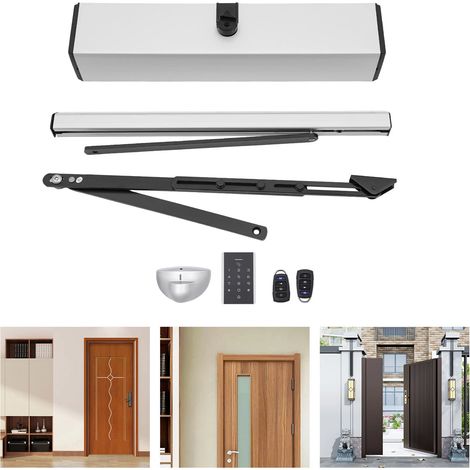
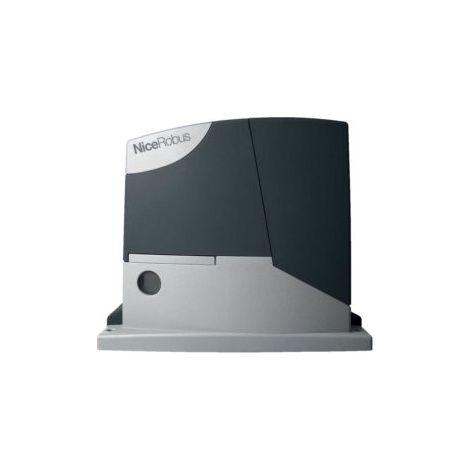
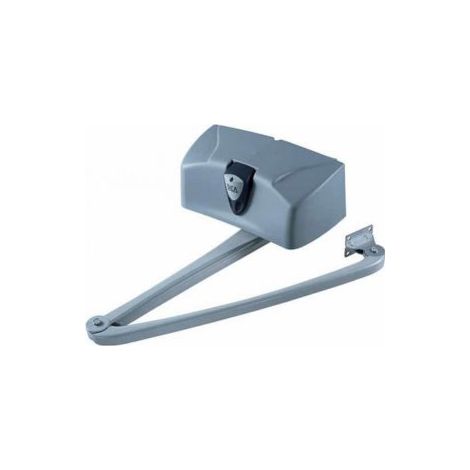
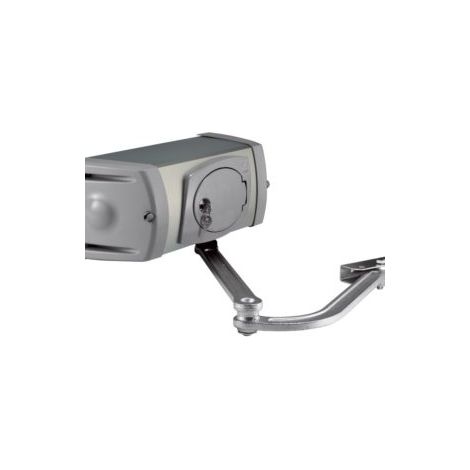
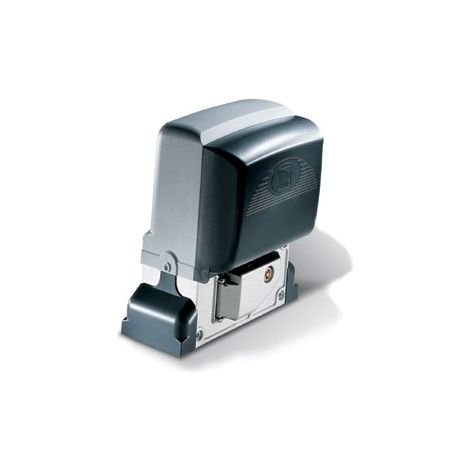
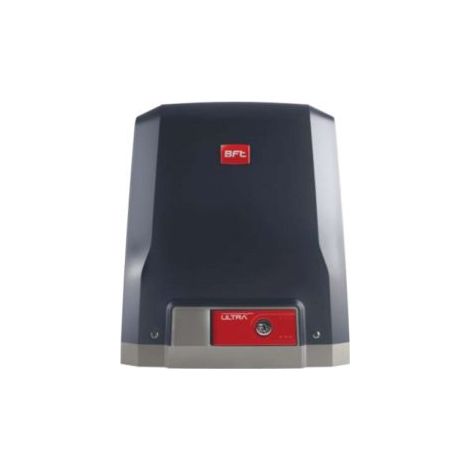
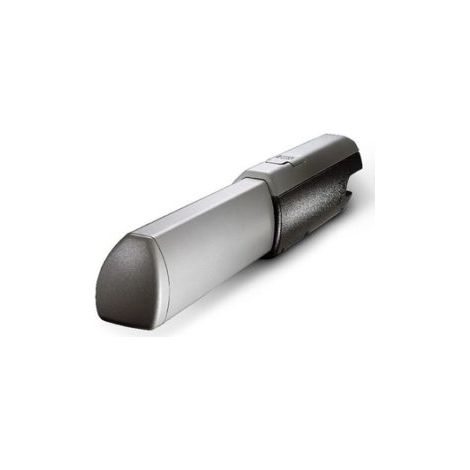
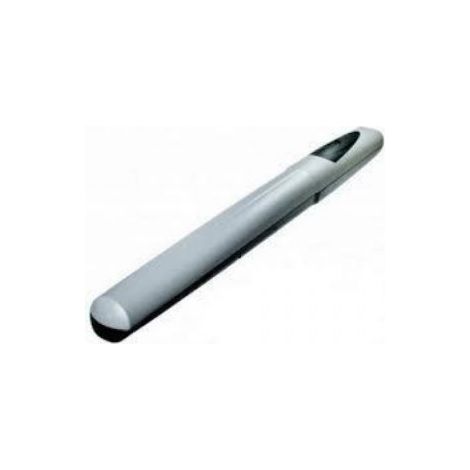
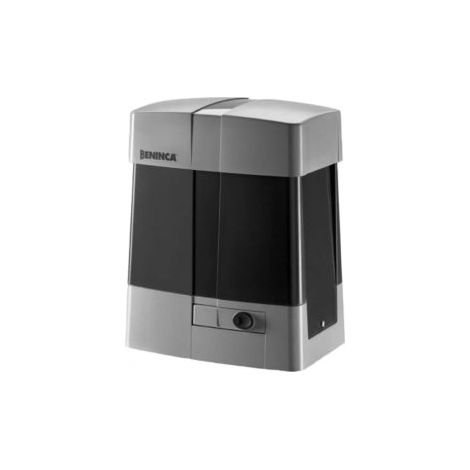
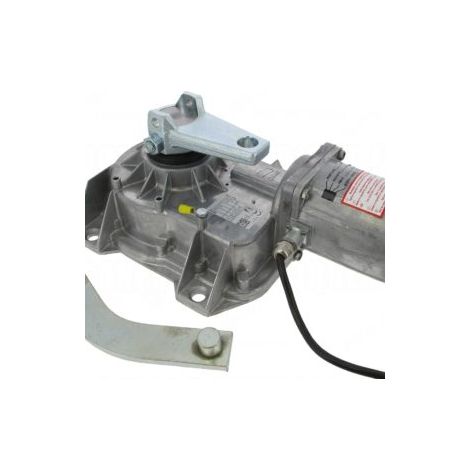
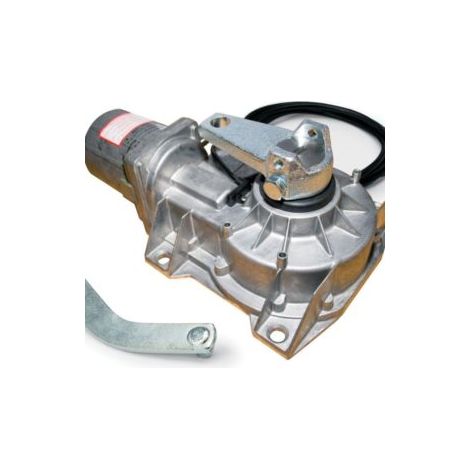
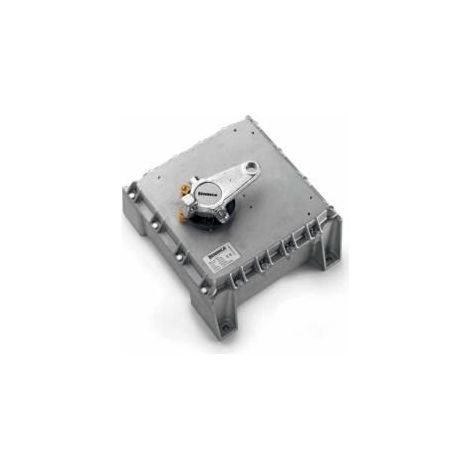
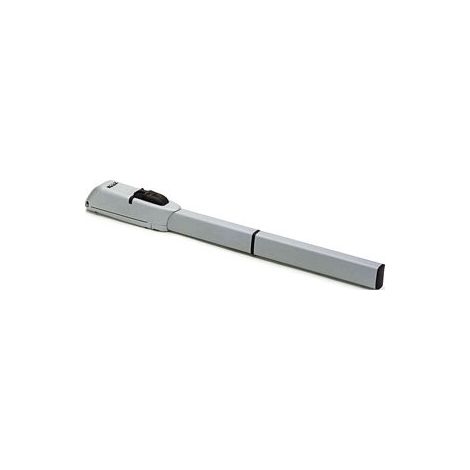
- arm automation: this mechanism is suitable for all gates, including two-leaf swing gates and sliding gates. Quite bulky, this automation, however, has the advantage of putting less strain on the fixings. This type of kit is suitable for both heavy gates and those of medium size;
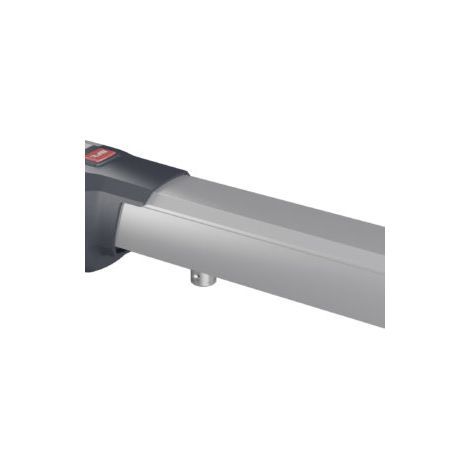
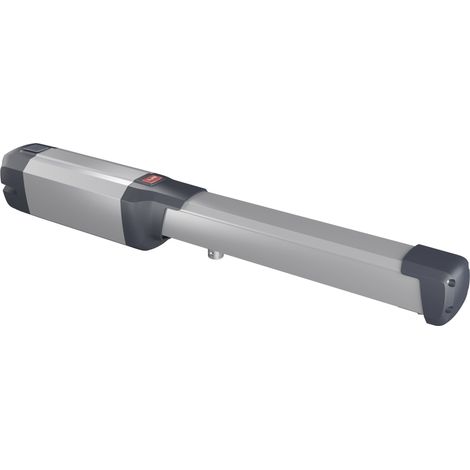
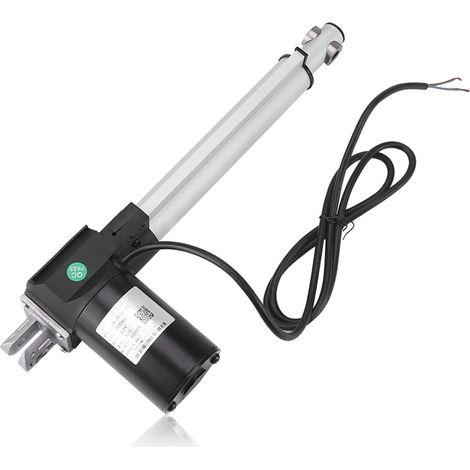
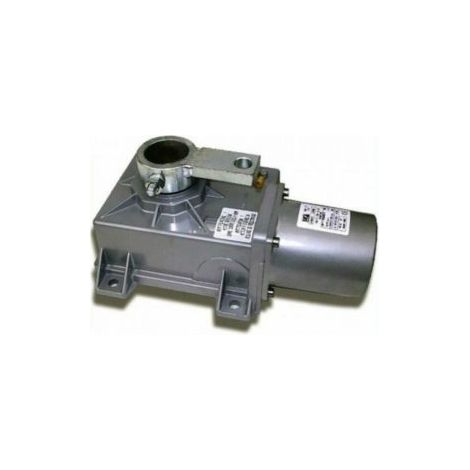
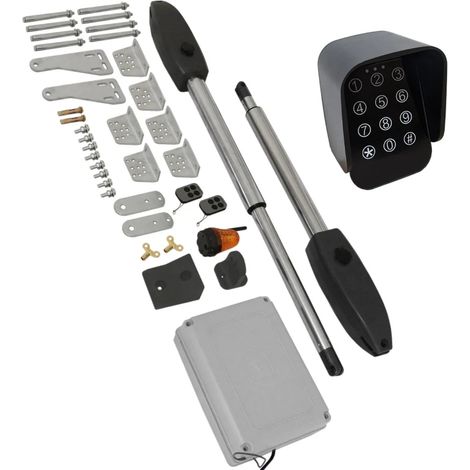
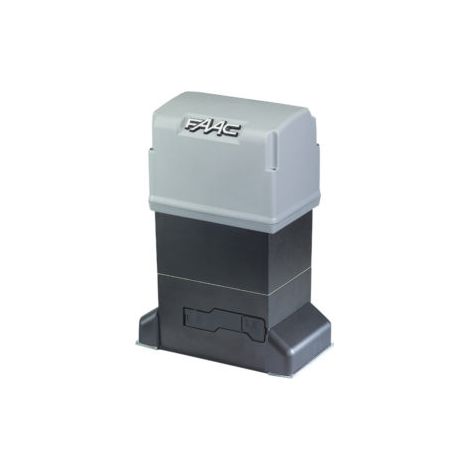
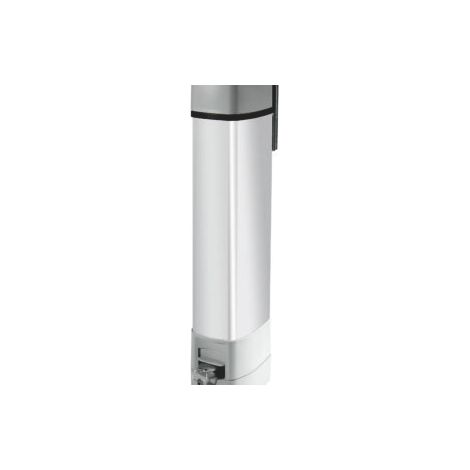
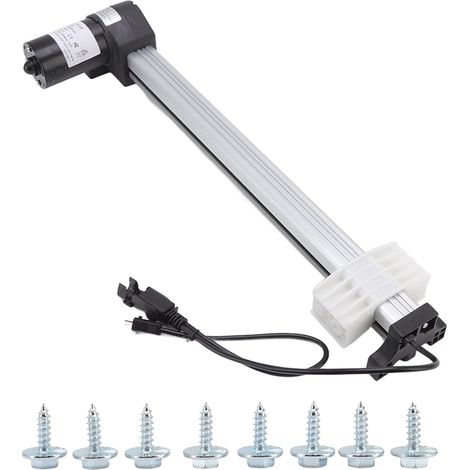
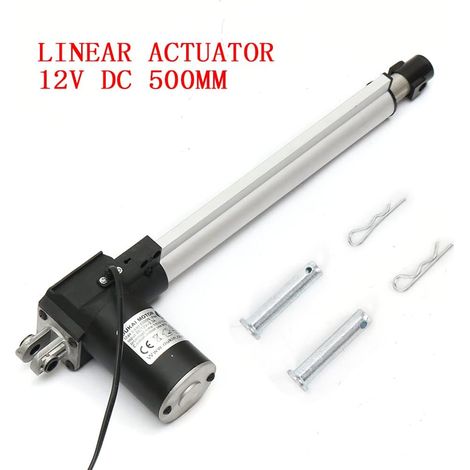
- jack automation: more discreet than arm automation, it is often used on heavy gates. This kit is preferable for confined spaces.
Regardless of the type of automation chosen, various parameters need to be considered:
- the weight of the gate: to determine the power of the motor;
- the length of the gate: especially for a sliding model;
- the direction of opening: inwards or outwards;
- the frequency of use;
- the sturdiness of the gate: jack automation requires sturdy fixings;
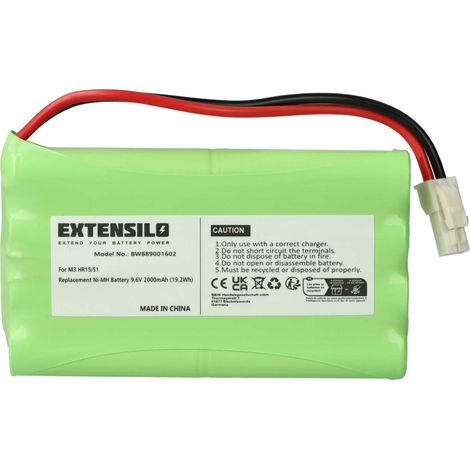
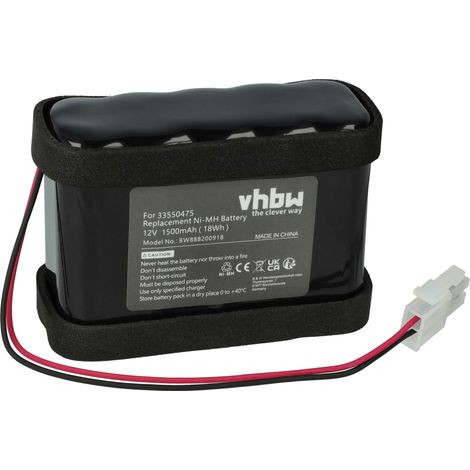
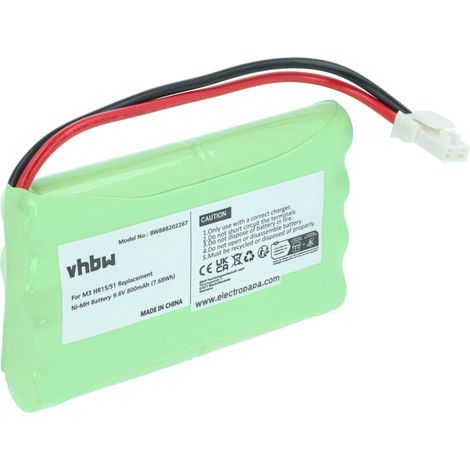
- the power supply: the home's electrical network (230 V) or solar kit with battery;
- the opening control: digital box (code), key, badge, or remote control.
All gate automation kits integrate safety devices including:
- a flashing light: visible from both sides, it warns people nearby of the imminent opening or closing of the gate;
- an obstacle detector: this device automatically stops the motor if a person or an obstacle is in the movement path. It must comply with the NF P 25-362 standard;
- a front impact detector;
- informative stop sensors: some automation kits are equipped with a learning function that allows them to memorize the opening and closing positions of the gate.
In addition, each automation kit incorporates a disengagement device that allows disconnecting the motor's transmission and manually operating the gate in case of a power outage. However, it's possible to install an auxiliary power supply device, such as a solar panel and a battery, to take over if necessary.






















'/%3E%3C/svg%3E)