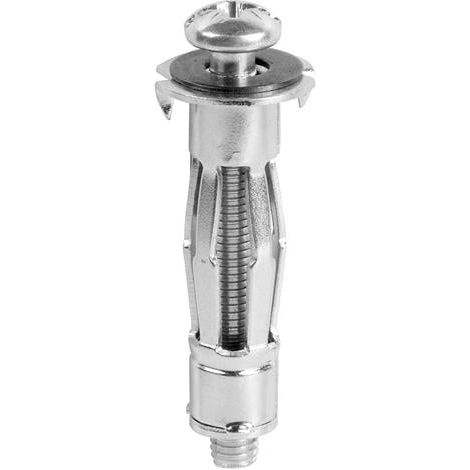
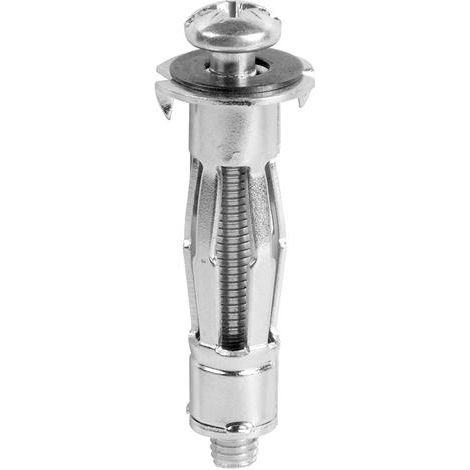
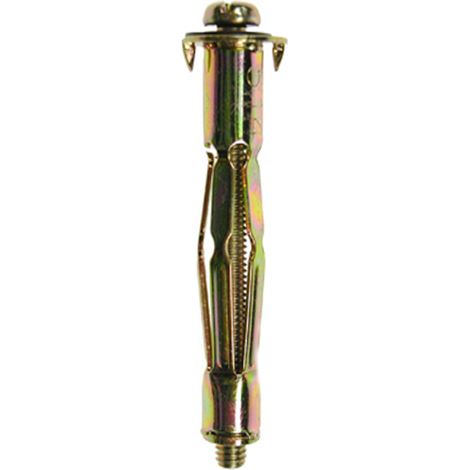
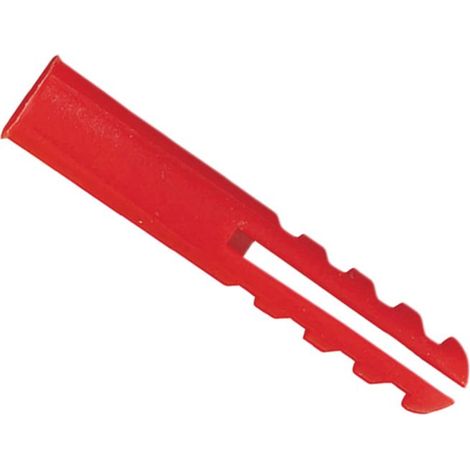
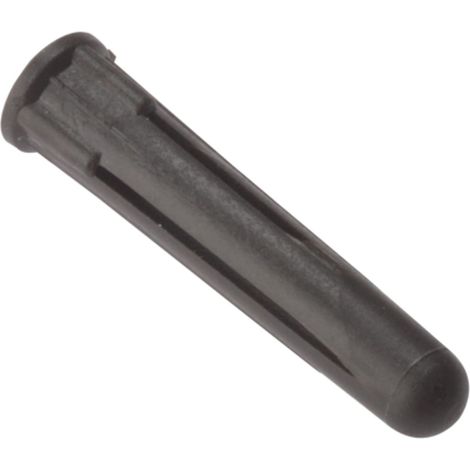
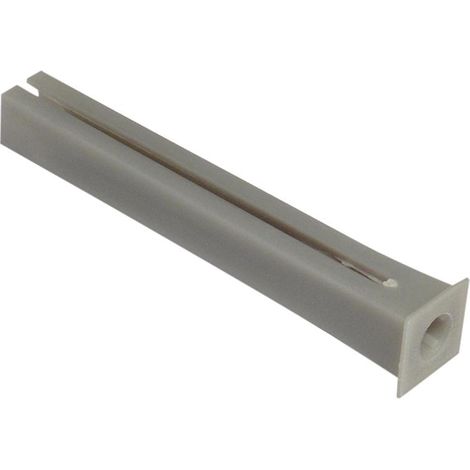
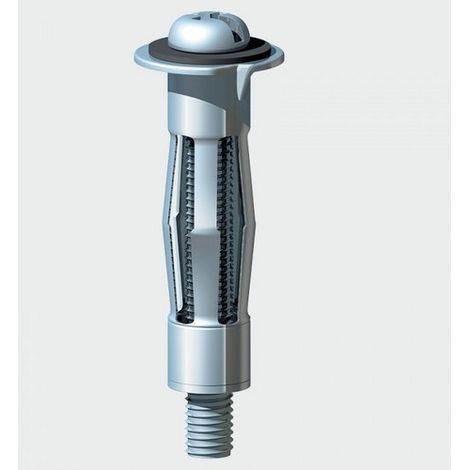
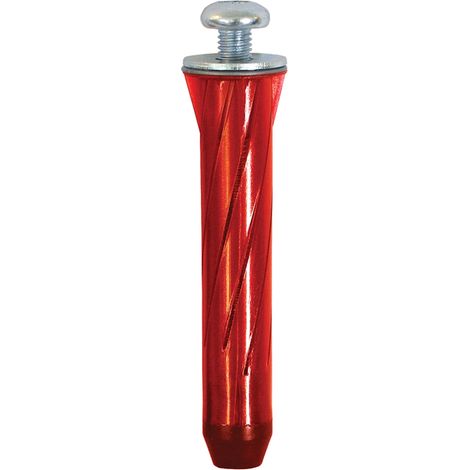
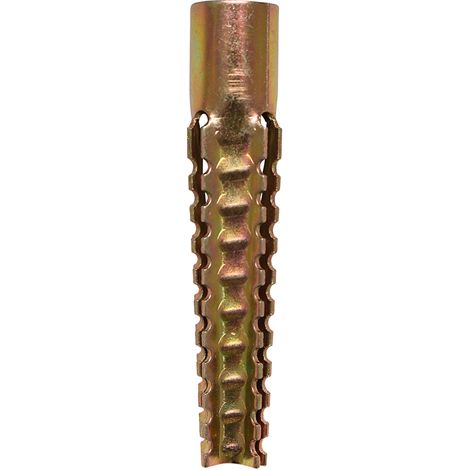
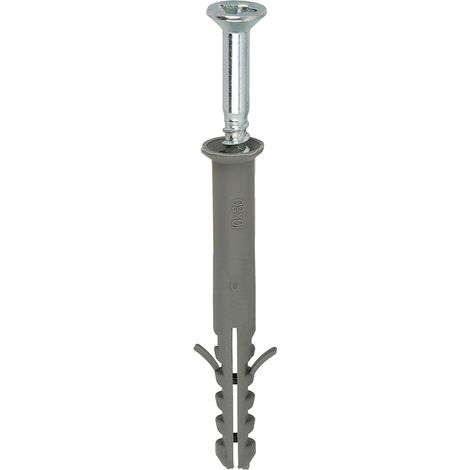
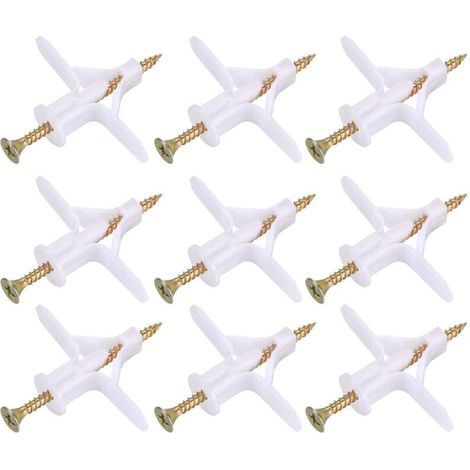
ManoMano offers you its very extensive catalogue of anchors. You will find toggle anchors, expansion anchors, or screw-in anchors, most of which are made of nylon or metal. These allow for the durable fixing of any type of object on plasterboard, cellular bricks, or even beam blocks. Choose your SPIT, SCELL-IT, or FISCHER anchors at the best price!
Several analysis steps are required before being able to define the ideal anchor for your assembly:
First, it is necessary to define the direct environment of this assembly. That means the material of the support and the external factors acting on the assembly (bad weather, vibrations, shocks, etc.). The most common hollow materials are plasterboard, cellular brick, beam blocks, and hollow concrete blocks... Some anchors are used almost exclusively in one material (most self-drilling anchors in plasterboard for example). Then, time, temperature, and forces play a role in the choice of the anchor; for example, a Nylon anchor has excellent resistance to weather and aging, while metal anchors resist heat and heavy loads.
Second, it's the object to be mounted that needs to be analyzed. Depending on its weight, you will need to use more or fewer anchors. For example, an object weighing 80 kilos requires at least 4 anchors that can support 20 kg each. Anchors that support more than 50 kilos have a larger diameter and a deeper anchoring depth than those for light loads, so it is riskier to use them if you cannot have enough space between each one.
Having the right anchor is not everything; you still have to use it correctly! The first step of an assembly is to choose the right tools. Here, equip yourself with protective clothing for your respiratory paths and eyes at least. Then choose the right drilling tool, here a standard rotary drill suffices, hammer drills and demolition hammers damage and weaken hollow materials.
For drilling, make sure to space your anchors a minimum of 3 to 4 times the drilling depth between them and 2 to 3 times from the edge. The required anchoring depth is about 60% of the anchor's length for strike anchors and between 100 and 120% for the others. Then, obviously, the drilling diameter must be the external diameter of the anchor.
After drilling, clean the hole thoroughly with air and water if possible, this will improve the longevity and reliability of your fixation by up to 50%.
All that remains is to insert the anchor with the right tool. Knock-in anchors require a hammer, self-drilling ones a screwdriver, expansion anchors a wrench, and certain others a special anchor pliers.
The DIY, home and garden specialist
Reliable delivery
Flexible payment options
More than 7 million individual and professional customers








'/%3E%3C/svg%3E)
'/%3E%3C/svg%3E)