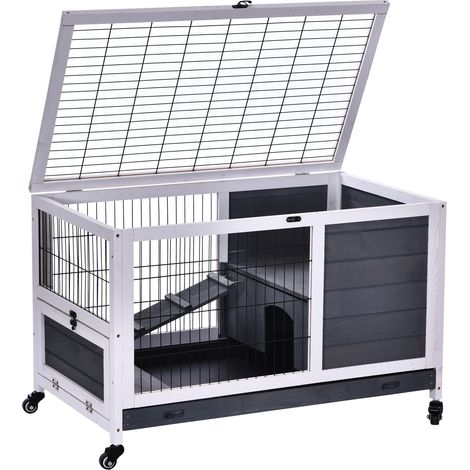
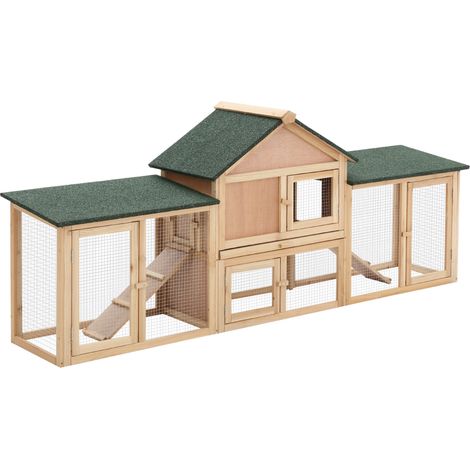
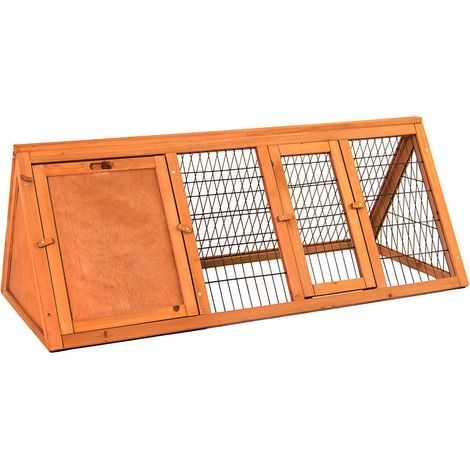
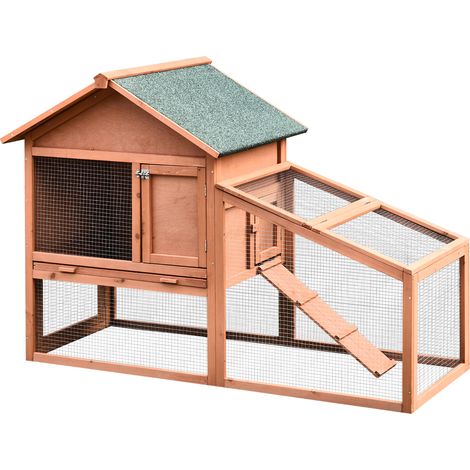
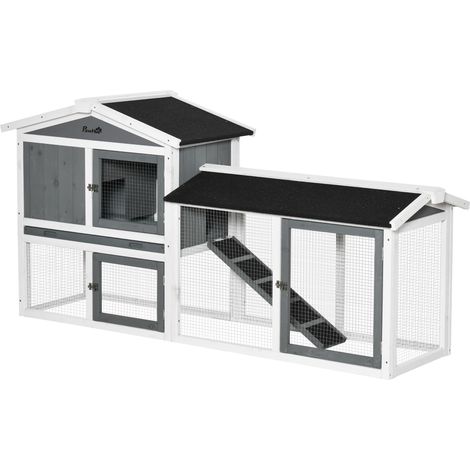
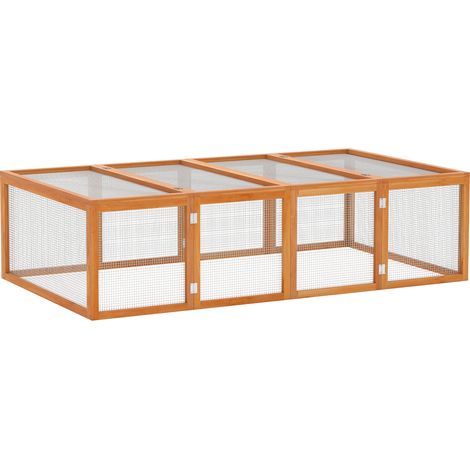
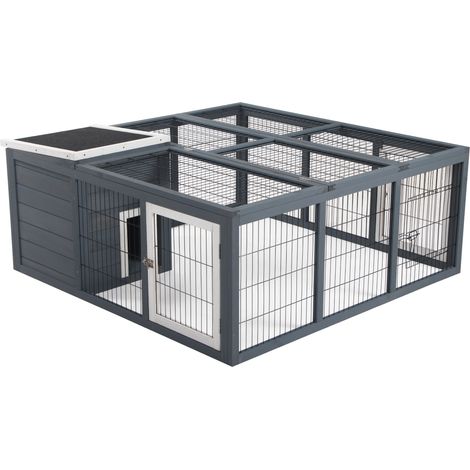
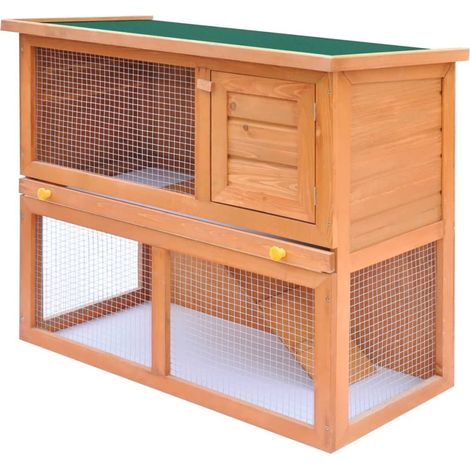
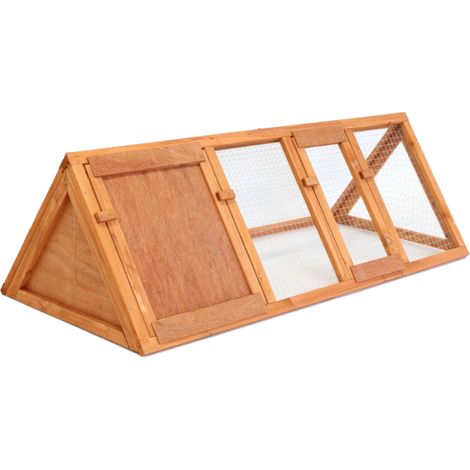
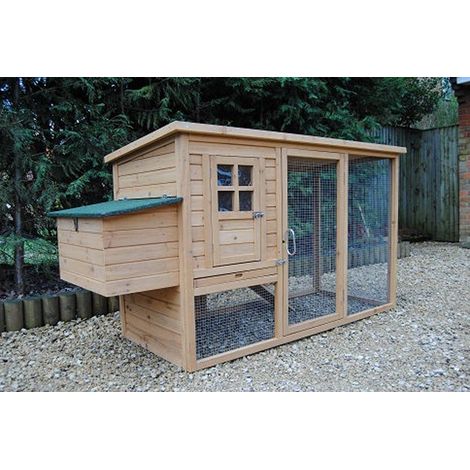
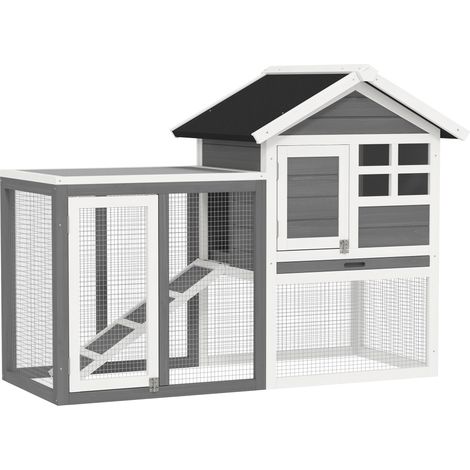
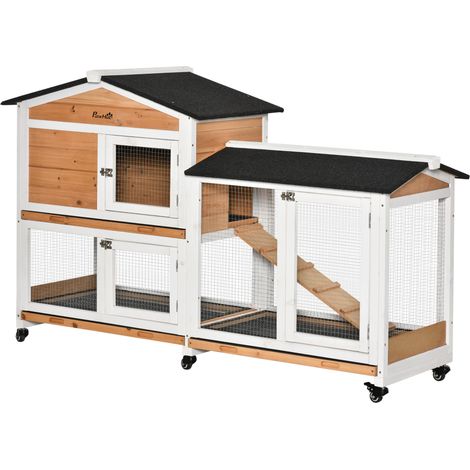
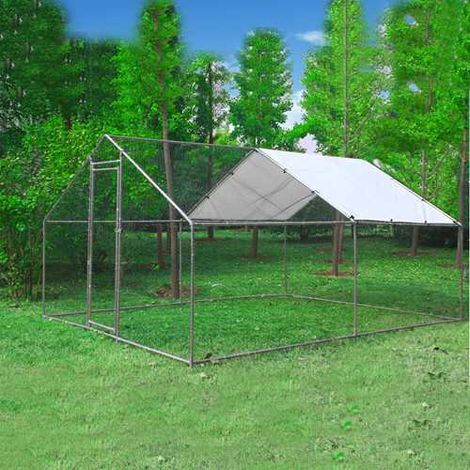
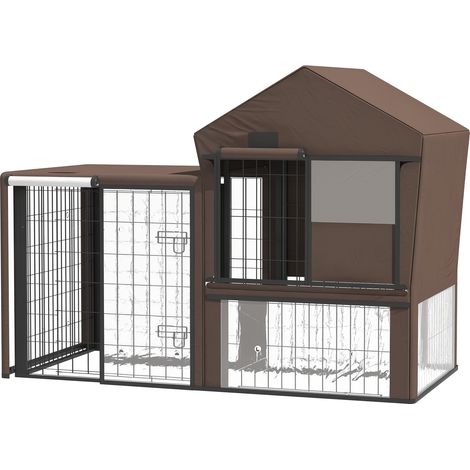
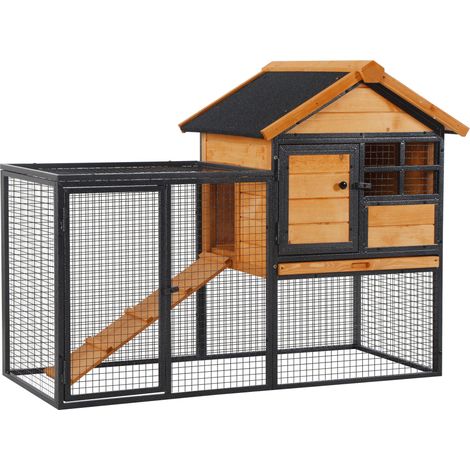
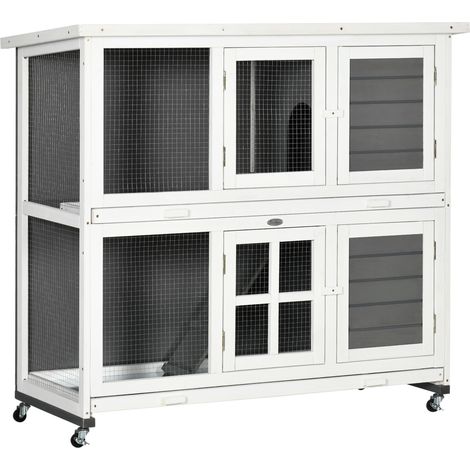
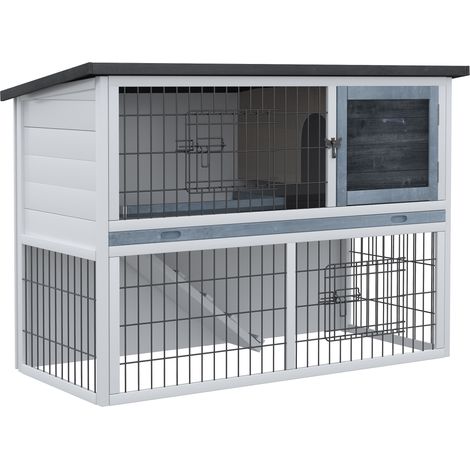
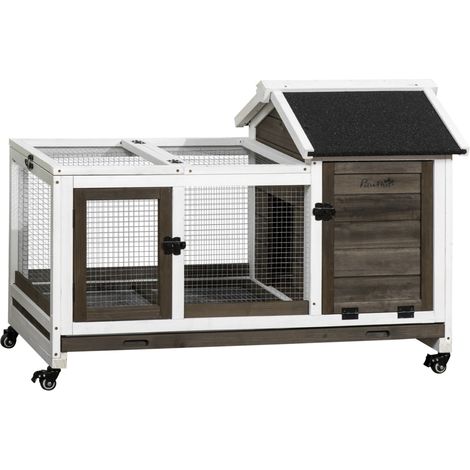
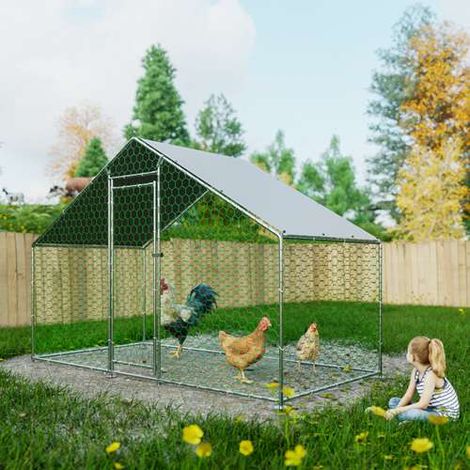
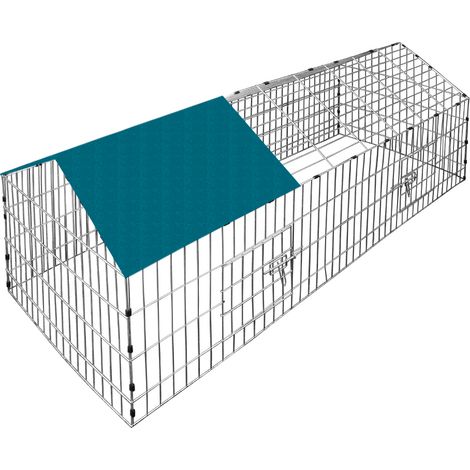
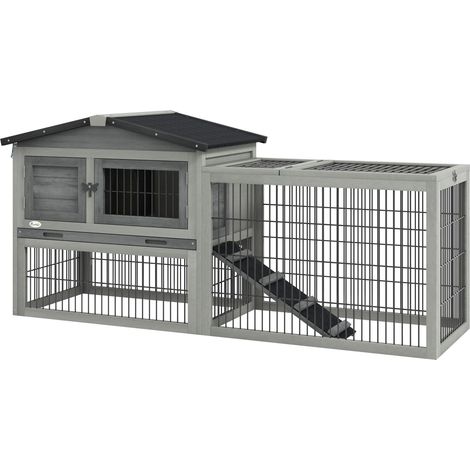
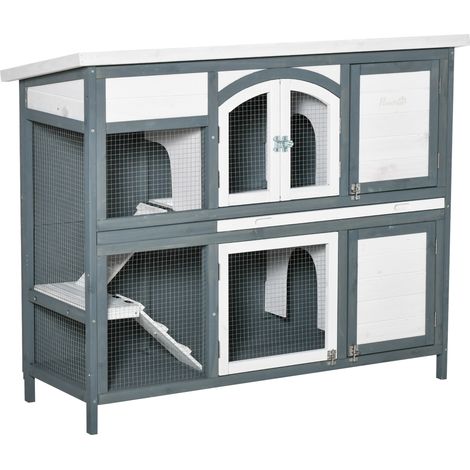
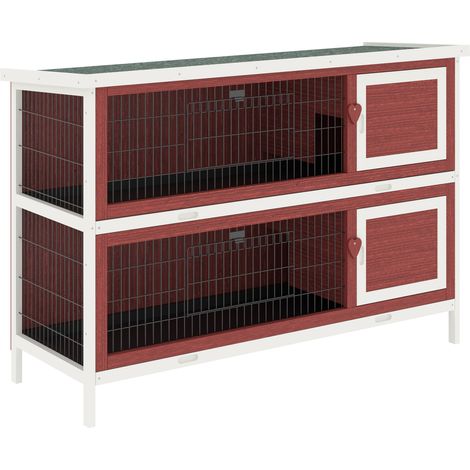
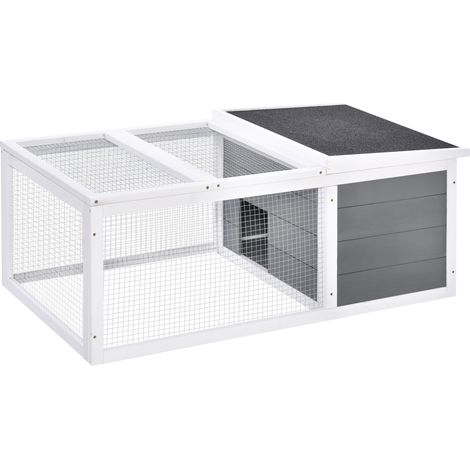
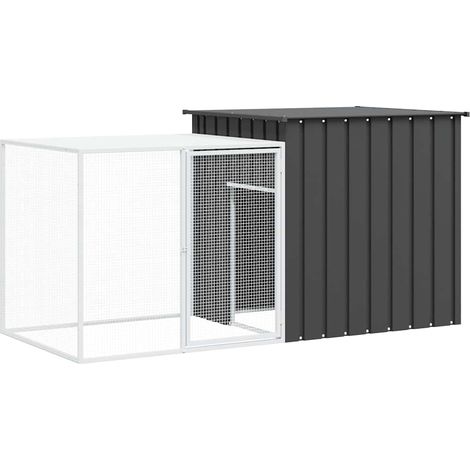
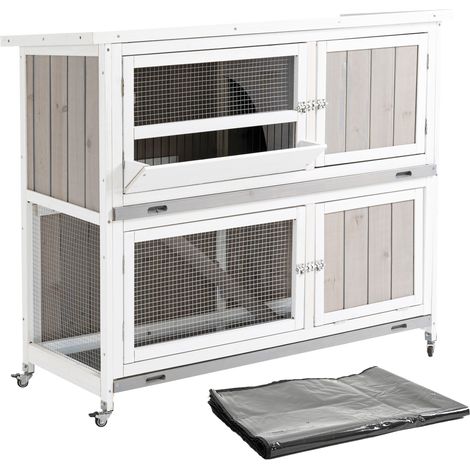
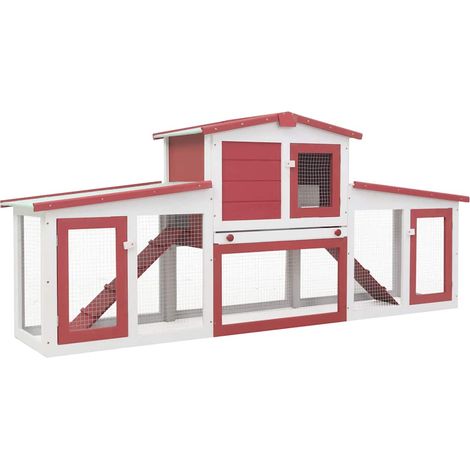
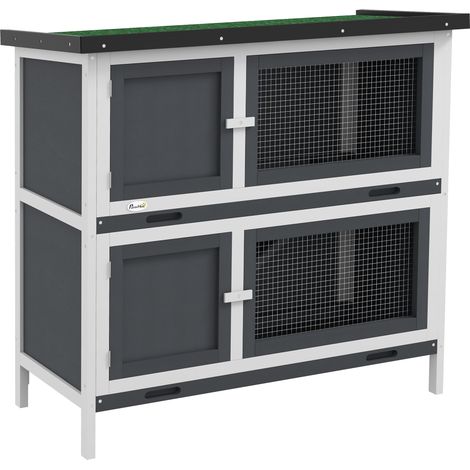
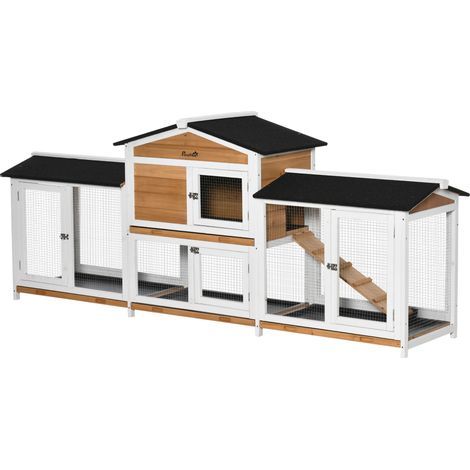
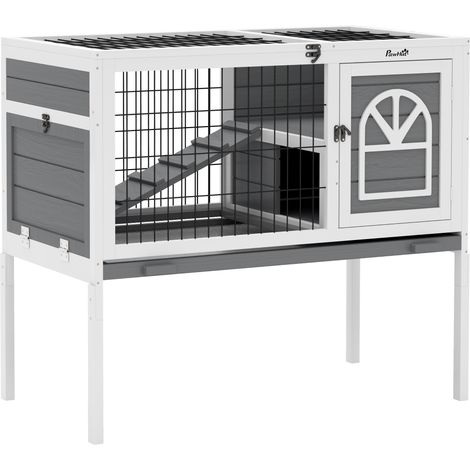
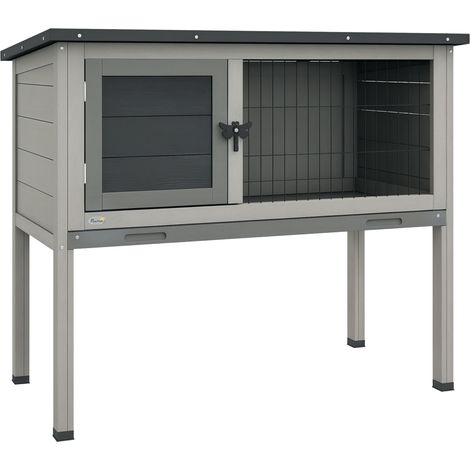
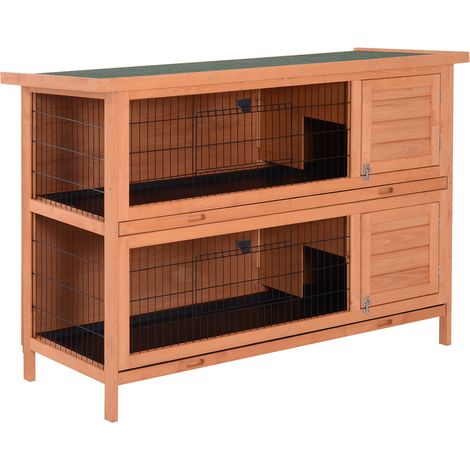
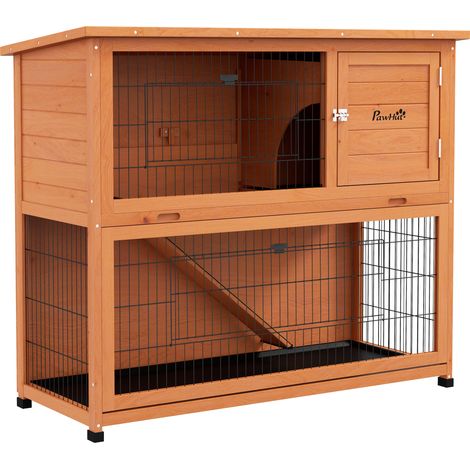
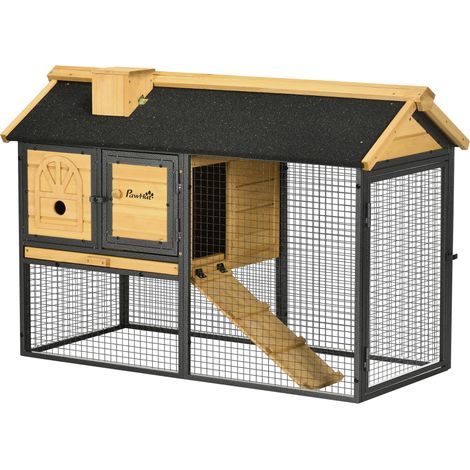
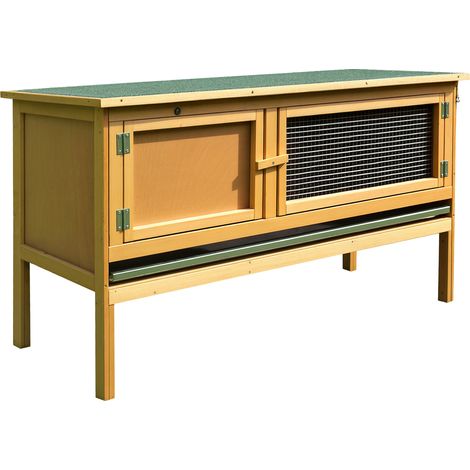
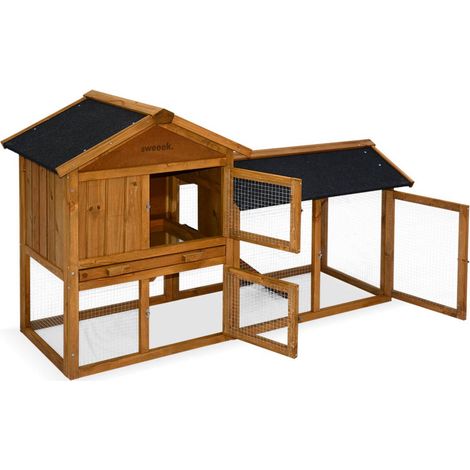
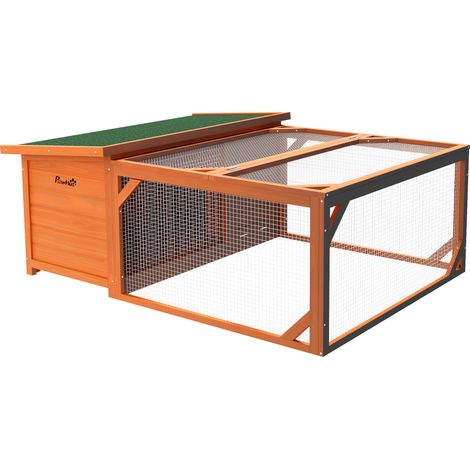
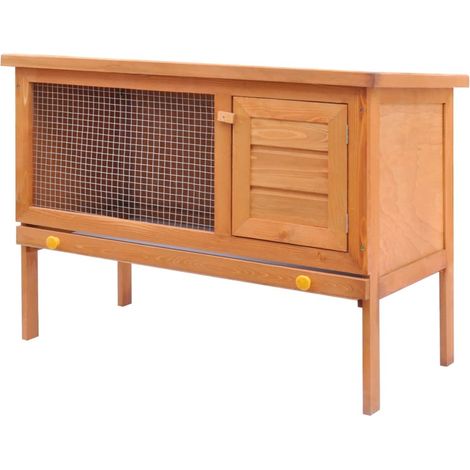
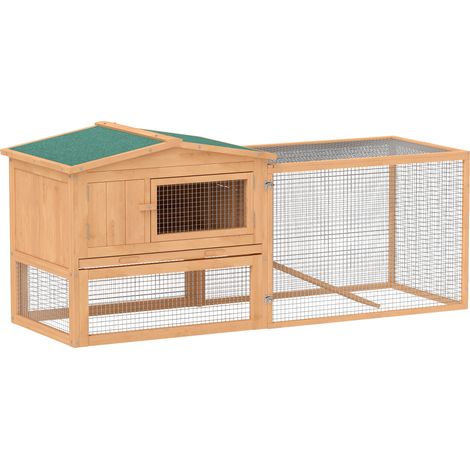
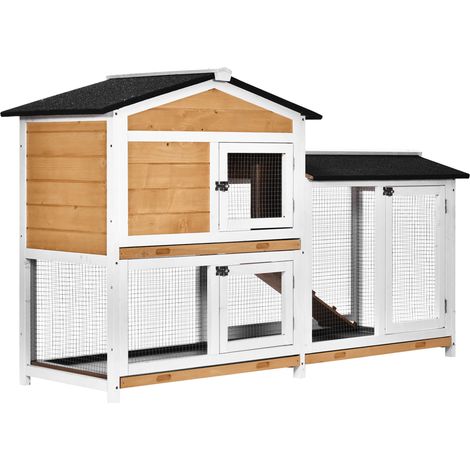
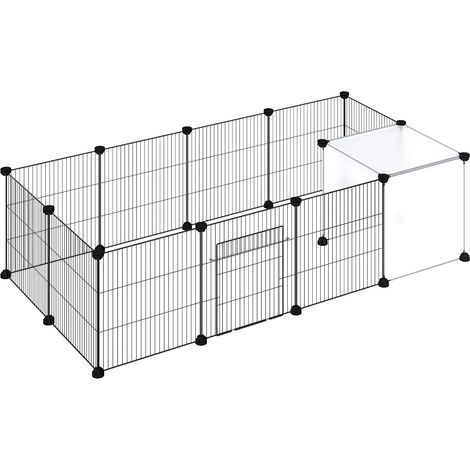
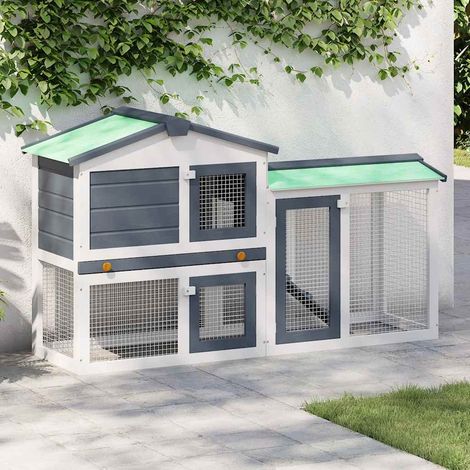
The rodent enclosure or hutch comes in the form of a crate equipped with various elements that allow one or more subjects to live comfortably. It consists of a shelter and an open wire area. It can accommodate one or more animals and can be installed indoors as well as outdoors.
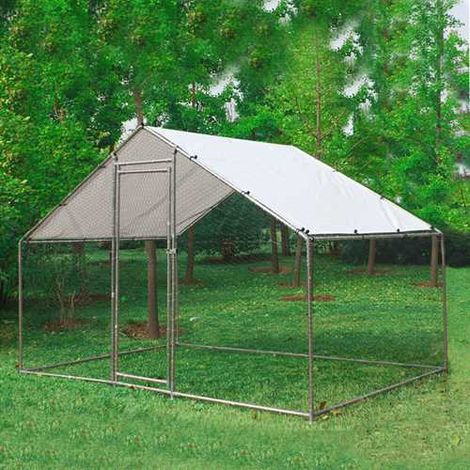
Indoors, it helps to limit the rodent's movements. Outdoors, it protects the animal from potential predators while allowing it to get fresh air and enjoy a possible patch of grass.
The enclosure and the hutch are suitable for both domestic and professional use.
Their dimensions must be adapted to the size of the rodent(s) living in it.
The elements of the enclosure and hutch
The enclosure and the hutch consist of elements essential for the well-being and comfort of the animal.
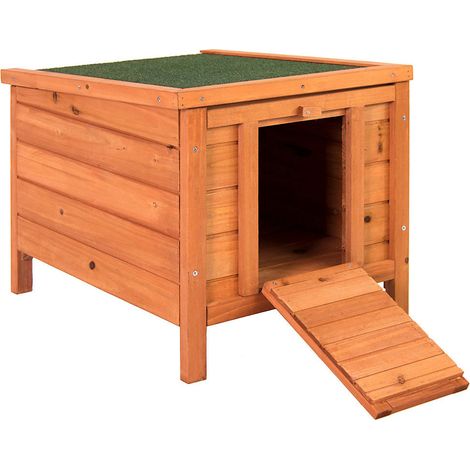
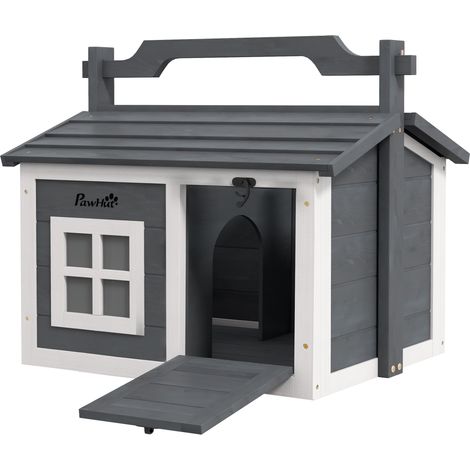
- the nest is where the rodent rests. It is a closed space, out of sight, that must be easy to open. The hutch or enclosure must have as many shelters as it has inhabitants.
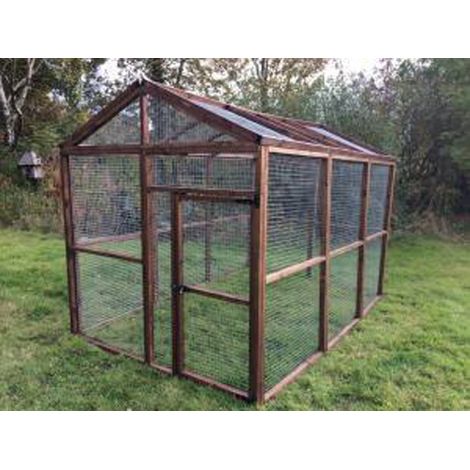
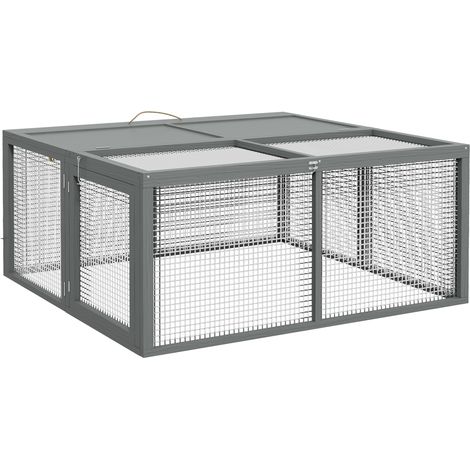
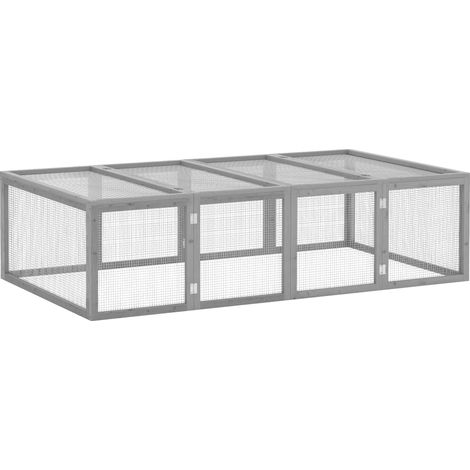
- the open wire area, outdoors, it allows the animal to get fresh air and to possibly enjoy the fresh grass. Indoors, it offers a small space for it to move without causing damage to the house.
- the floor is generally sloped to facilitate the drainage of urine. Some models are equipped with a waste collector that simplifies maintenance.
- the openings must be large and well-placed to facilitate possible handling of the rodent, cleaning, and air circulation.
- accessories for water and food distribution, it can be simple bowls filled manually or automatic dispensers.
The materials of the enclosure and hutch
The various hutch and enclosure models offer a fairly wide choice of materials.
- Cement: the homemade shelters are often made of cement. They are sturdy and withstand climatic changes and the ravages of time well. However, they expose rodents to changes in temperature, as well as to excess humidity and heat. They can therefore be detrimental to the animal's health. Moreover, it is impossible to move a cement hutch or enclosure. The chosen location must be well thought out.
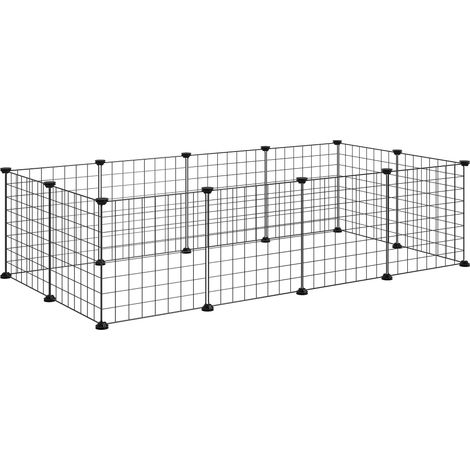
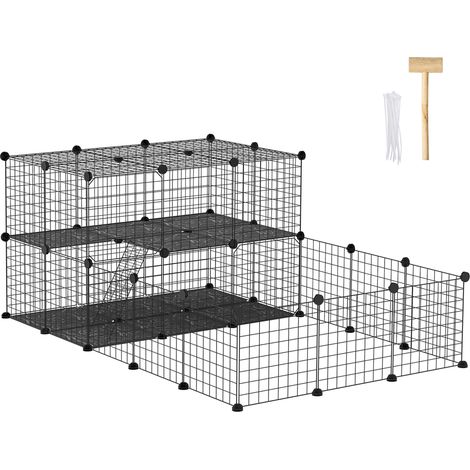
- Metal: the metal hutches and enclosures must be used indoors only. Like the cement model, the metal one has very poor insulation and exposes the animal to temperature fluctuations.
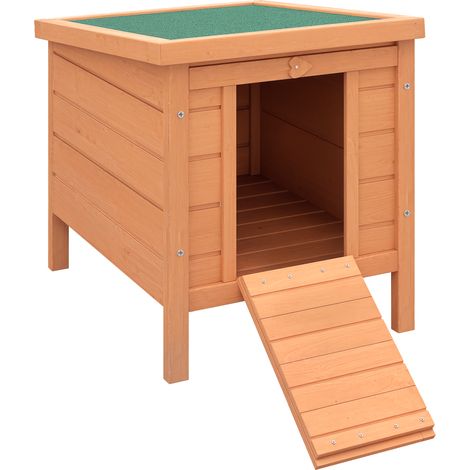
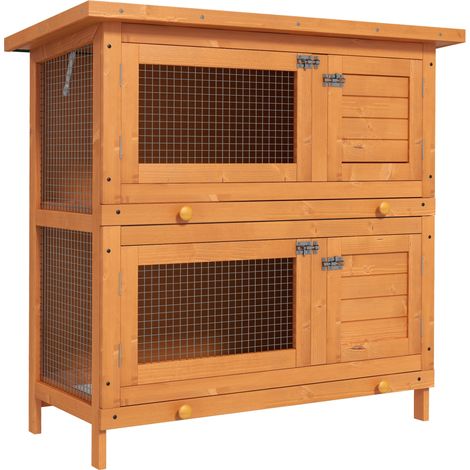
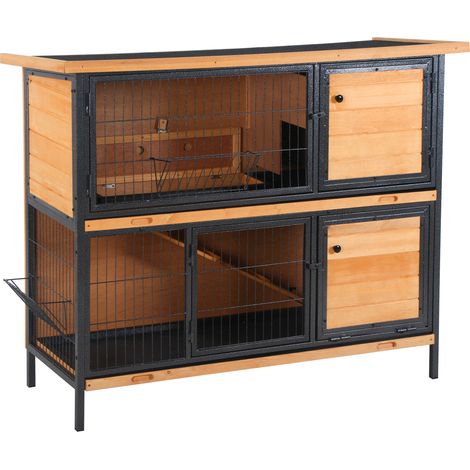
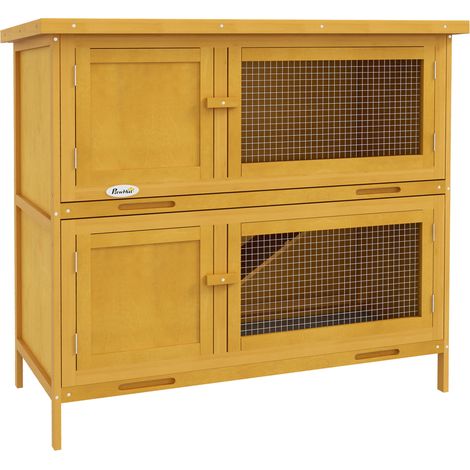
- Wood: the wooden shelters are well suited for both indoor and outdoor use. They have the advantage of being made of an insulating and aesthetic material. They can also be easily moved. Finally, some wooden models are elevated; they isolate the animal from moisture and predators. The disadvantage of the wooden model is that it absorbs biological liquids.
- Plastic: the great advantage of the plastic model is its ease of maintenance. However, be sure to choose a shaded location so the shelter does not become an oven in summer.
How to choose the right rodent enclosure or rabbit hutch
- Choose a product based on the size of the animal: if in doubt about the dimensions of the model to buy, it is advisable to select a spacious enclosure or hutch so the animal can move around. Rodents and rabbits are animals that need to move and exercise.
- Select a model that is easy to maintain: ideally, each of the nests in the hutch or enclosure should be equipped with a small wire opening that allows air and light to enter. This prevents mold from forming and ensures proper ventilation.
- The position of the hutch or enclosure must be planned in advance: the location is an important criterion to consider. The enclosure or hutch must protect the animal from weather conditions (cold, humidity, intensive heat) and from predator attacks such as cats or foxes.









'/%3E%3C/svg%3E)
'/%3E%3C/svg%3E)