Rodents such as guinea pigs, hamsters, gerbils, or chinchillas have specific nutritional needs. Grain-eating or vegetarian, they require a particular intake of minerals, trace elements, and vegetables. Furthermore, these animals have a vital need to gnaw on hard objects.
By definition, a rodent is a mammal with continuously growing incisors that are sharp by nature. The rodent family includes, among others, the coypu, beaver, gerbil, marmot, hamster, and guinea pig. Even though they are classified under the same category, each species has its own diet. Hence, there are three specific diets for rodents.
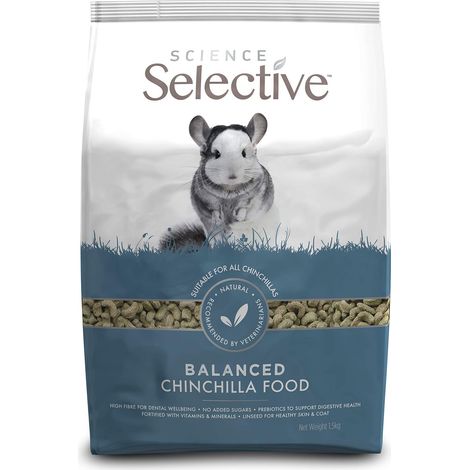
- The exclusively vegetarian diet is notably that of rabbits and chinchillas. This type of diet favors the consumption of green plants. The cellulose content in their food is the essential point of this type of diet. Additionally, without this type of nutrient, the animal may suffer from potentially lethal diarrhea.
- The hamster, on the other hand, is distinguished by its vegetarian diet requiring supplements of animal proteins. Therefore, its diet allows the introduction of meat, yogurt, or mealworms. These nutrients enable it to gain energy for its daily activities and to burn excess calories stored by its metabolism.
- The grain-eating diet is also common in the rodent world. It is common to hamsters, rats, and mice. However, it is essential to avoid oilseeds as much as possible in this type of diet. Indeed, these seeds increase the risk of overweight and threaten the pet's health. In the wild, grain-eaters travel long distances to find food. Therefore, the rodent's diet must be adapted to its new cage life condition. Wheels are also interesting alternatives to compensate for the lack of physical exercise and improve its physical condition.
It is sometimes necessary to adopt an enriched diet to adapt the pet's diet to its living condition.
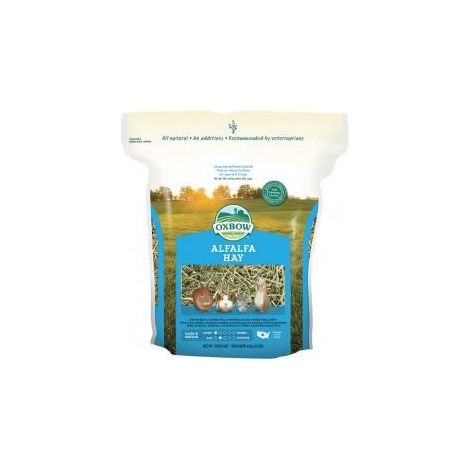
- For all rodents, it is essential to provide additional mineral intake to ensure their health. Meadow hay is one of the most common elements in this regard. It represents a healthy environment and is suitable for rodents of all ages. This plant element is necessary for their comfort and also serves as occasional food.
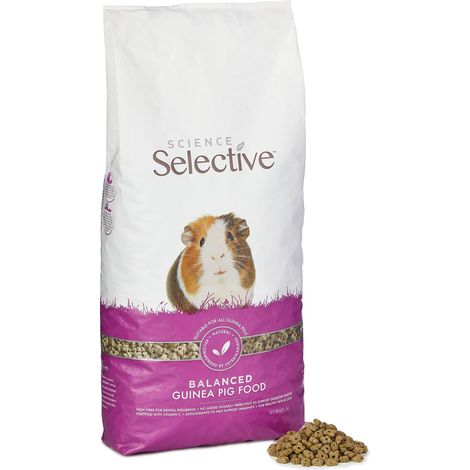
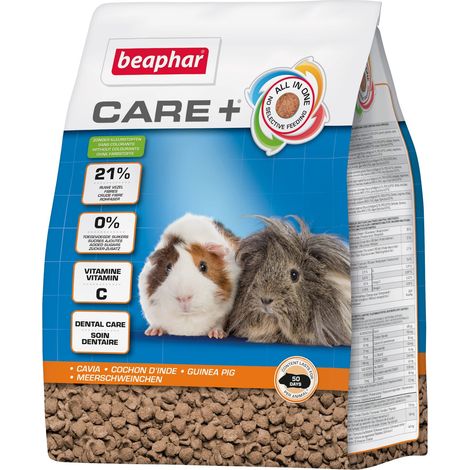
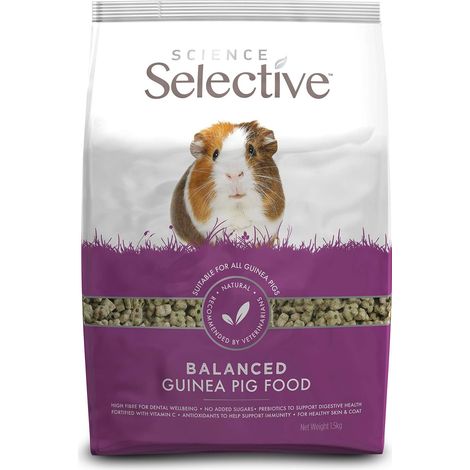
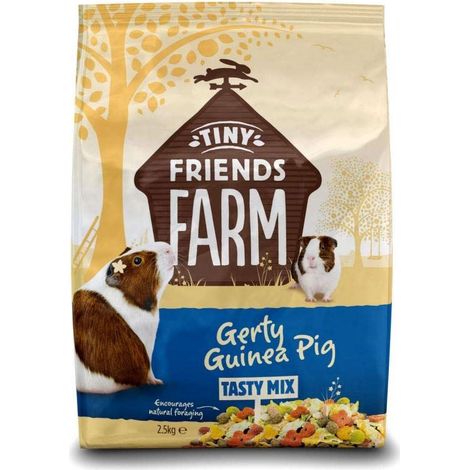
- The guinea pig is distinguished by its need for vitamin C. This nutrient allows it to develop well. Therefore, it is important to provide it daily with vegetables or other foods rich in vitamin C.
- It is essential to know the daily food needs of the rodent. For a hamster, for instance, 10 grams of food is more than enough. However, for a rabbit, it is recommended to provide at least 50 grams. Additionally, this portion depends mainly on the size and age of the pet. Most often, manufacturers provide information on suitable rations for each species on the packages of rodent foods (plant/protein mix, pellet bags, etc.).
To properly feed a rodent, it is important to:
- vary its diet;
- provide lettuce leaves or seeds for snacks after naptime;
- enrich its daily intake with vitamins or other nutrients;
- avoid sudden diet changes to not upset its system;
- serve its food at room temperature;
- offer it fresh food at all times. Indeed, spoiled food could make it sick or kill it.
In summary, a rodent's nutrition must be adapted to its size, metabolism, and daily activities. It is also imperative to diversify its diet to maintain its health.








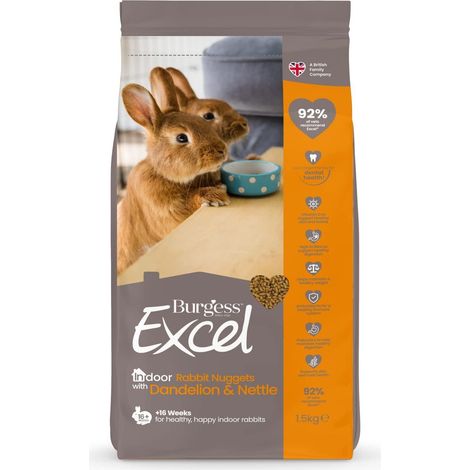

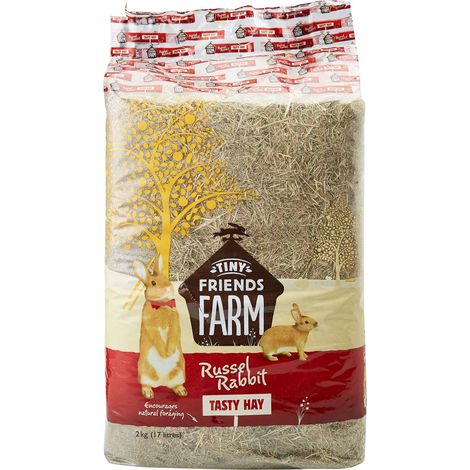
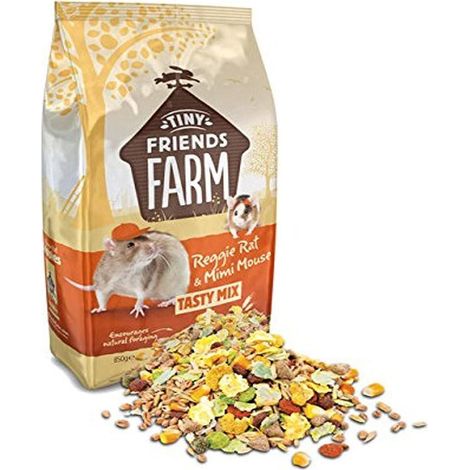


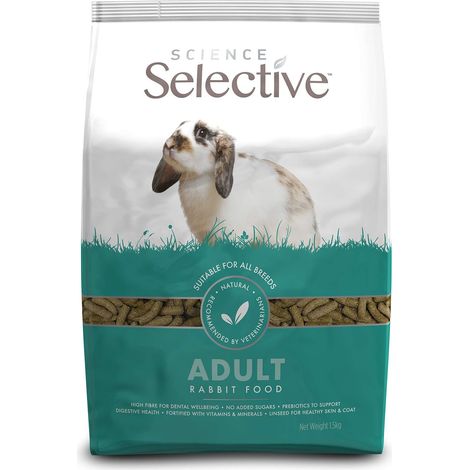



'/%3E%3C/svg%3E)
'/%3E%3C/svg%3E)