As its name suggests, the wood saw is intended for working with wood and its derivatives such as plywood. Whether manual or mechanical, this tool comes in various versions from the handsaw to the jigsaw.
Manual wood saws are intended for occasional use, but also for places without electricity. They are distinguished by their use:
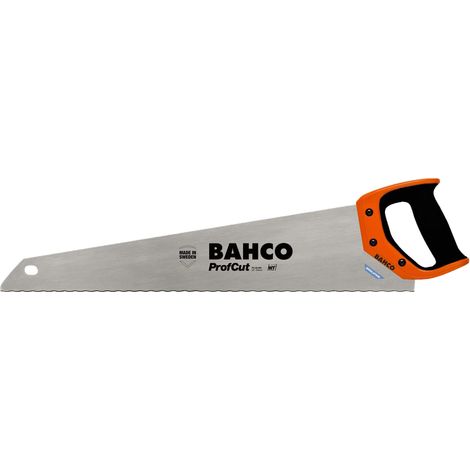
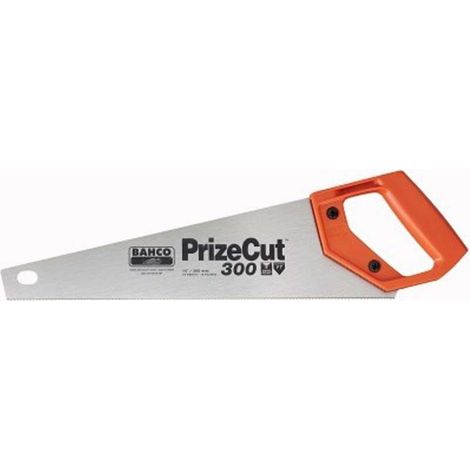
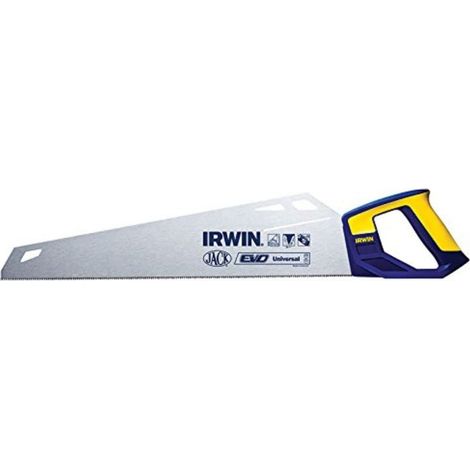
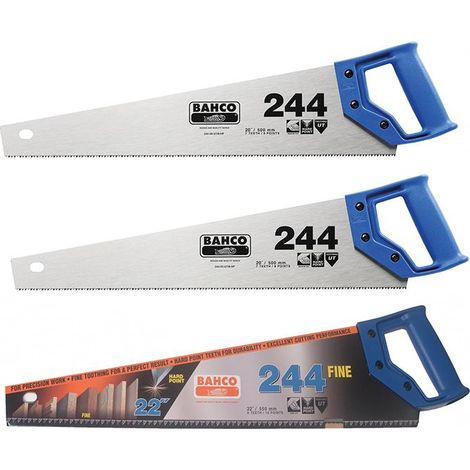
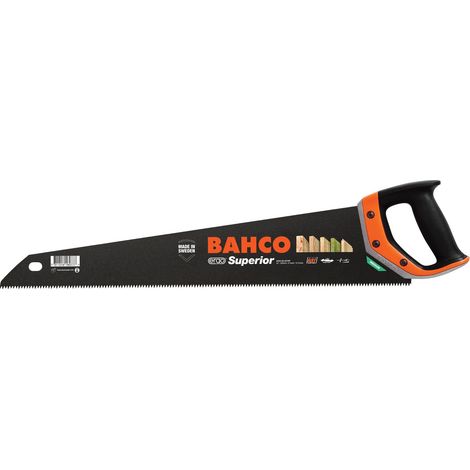
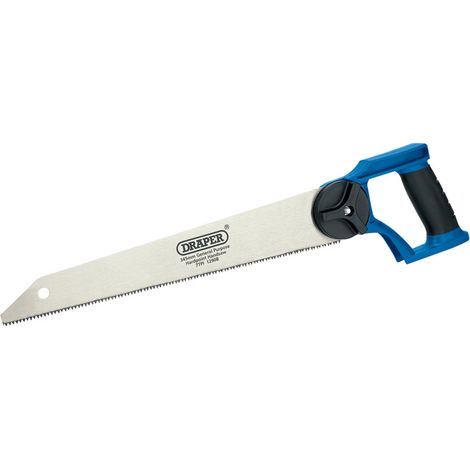
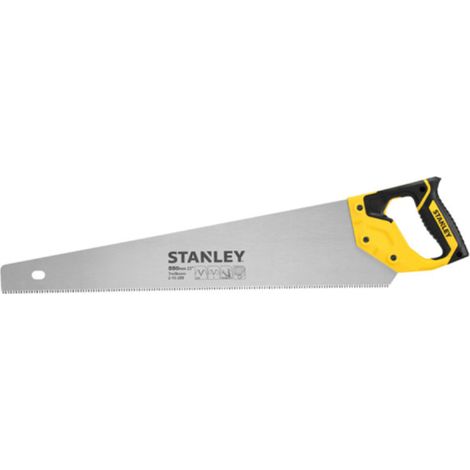
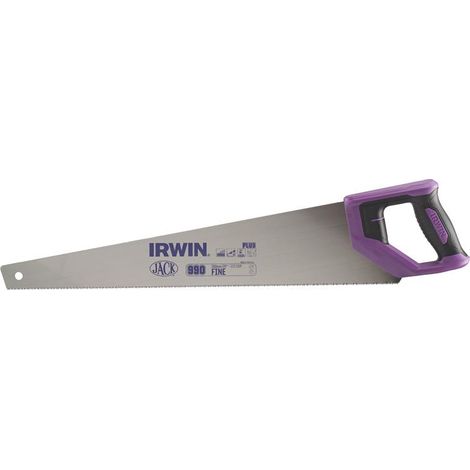
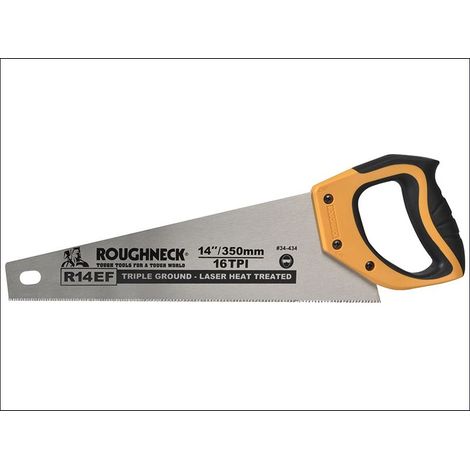
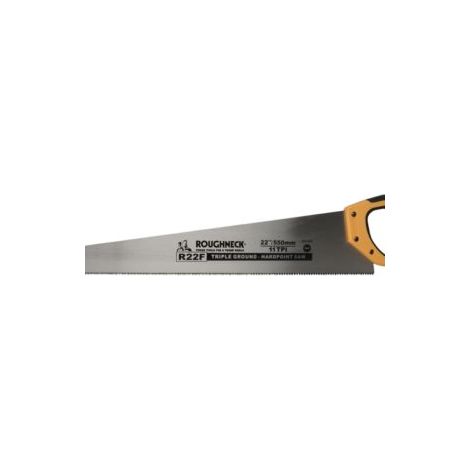
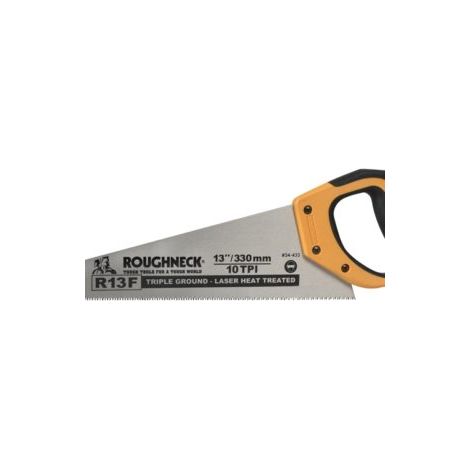
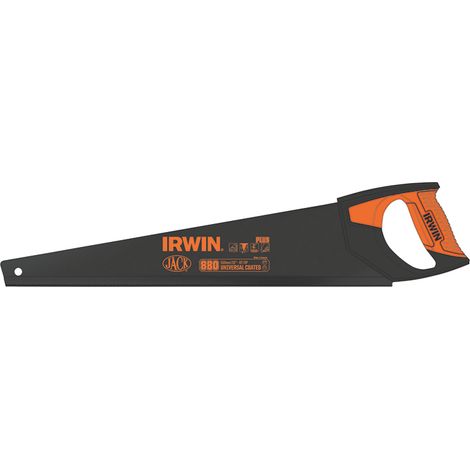
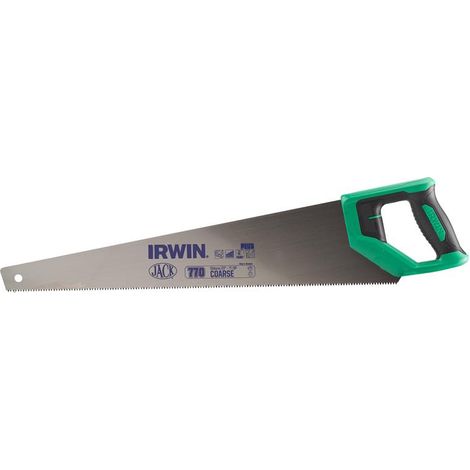
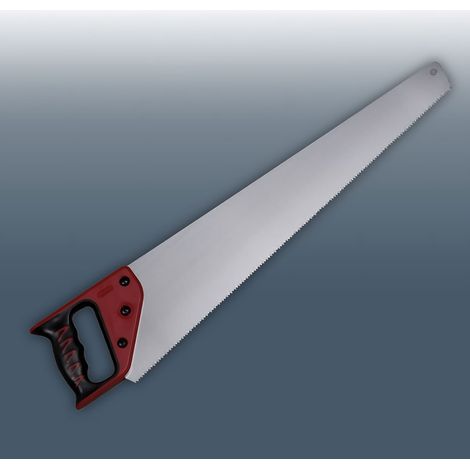
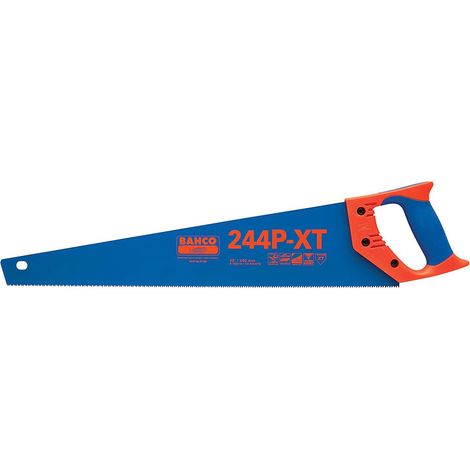
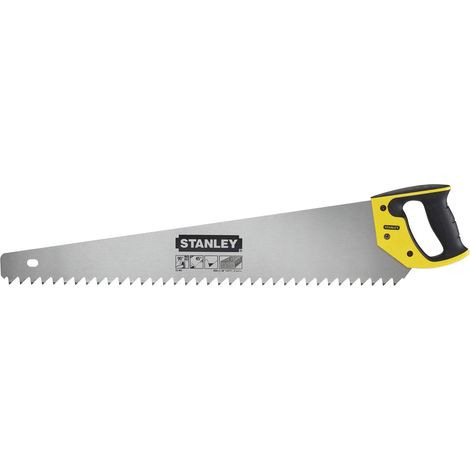
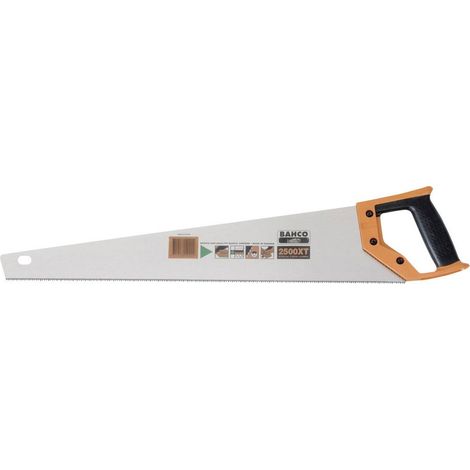
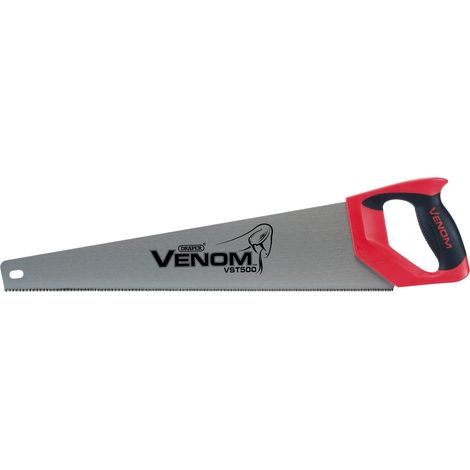
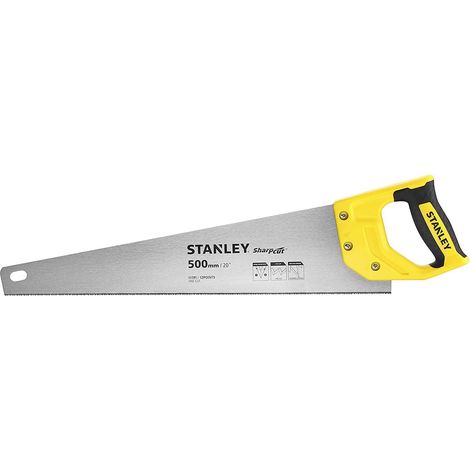
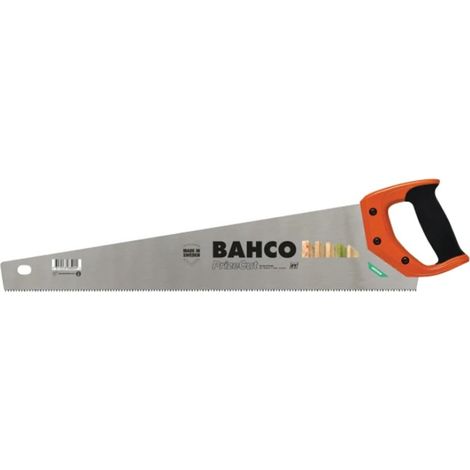
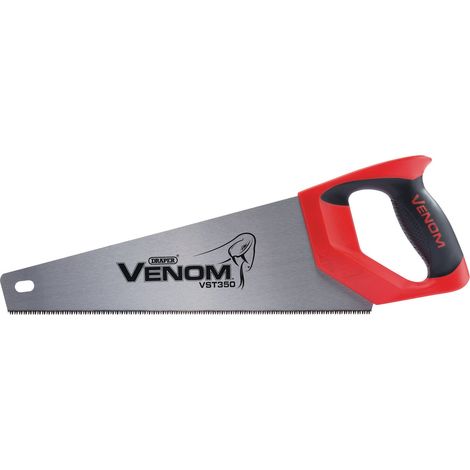
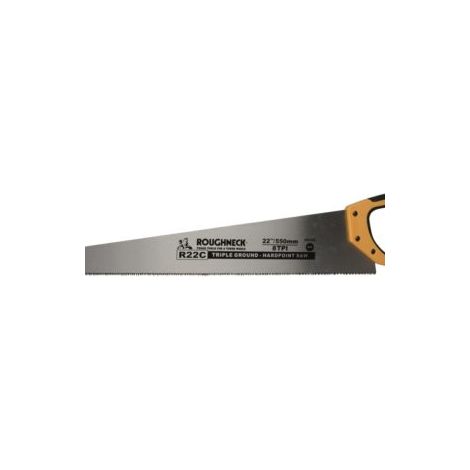
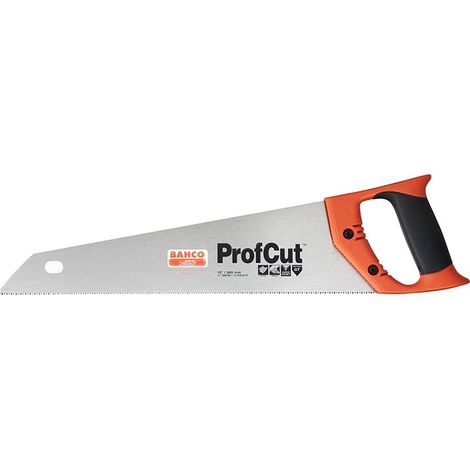
- the handsaw for making straight cuts;
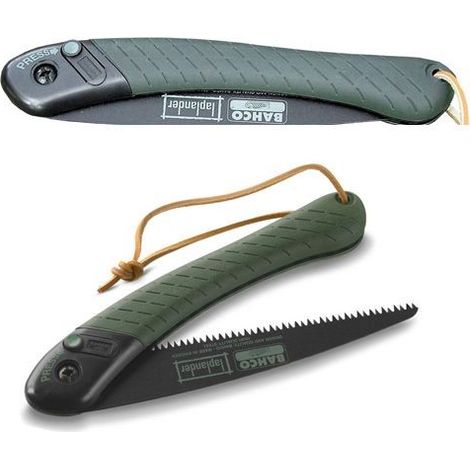
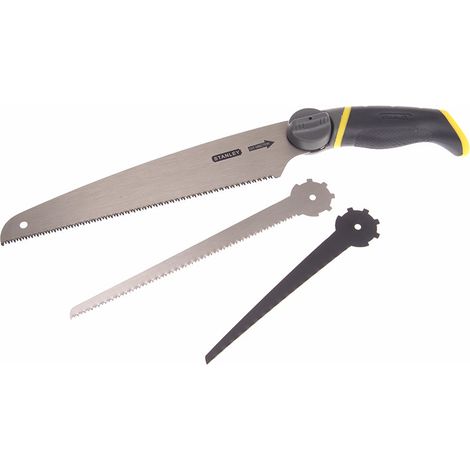
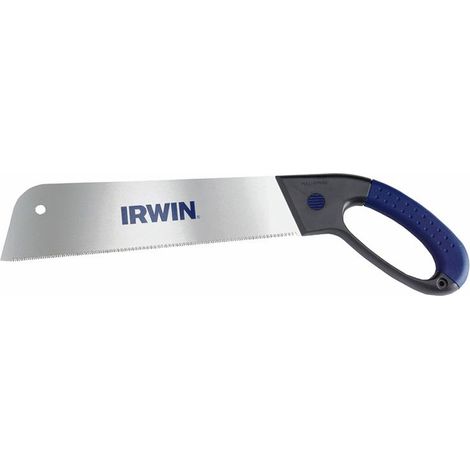
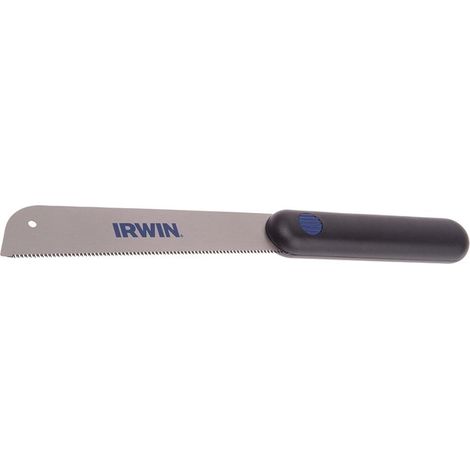
- the Japanese saw for hard-to-reach areas;
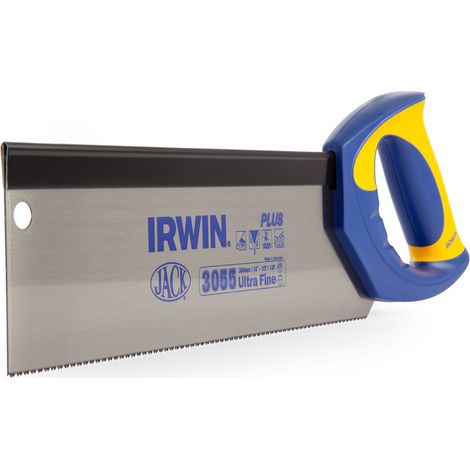
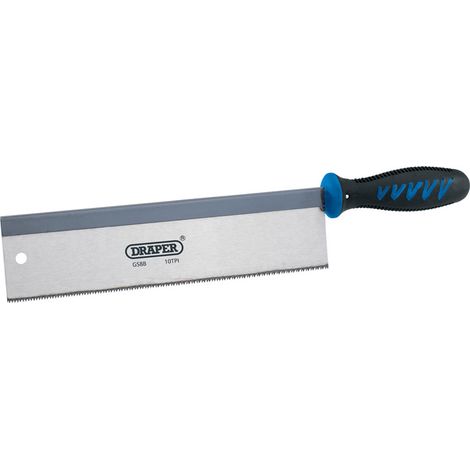
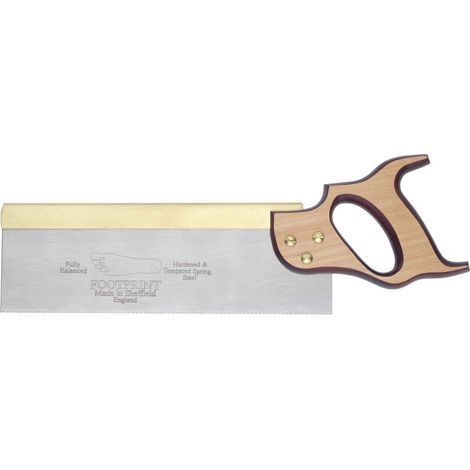
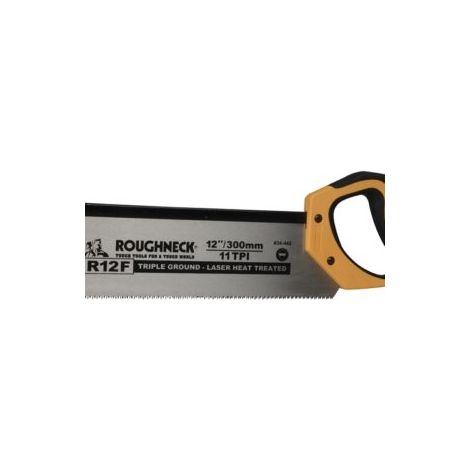
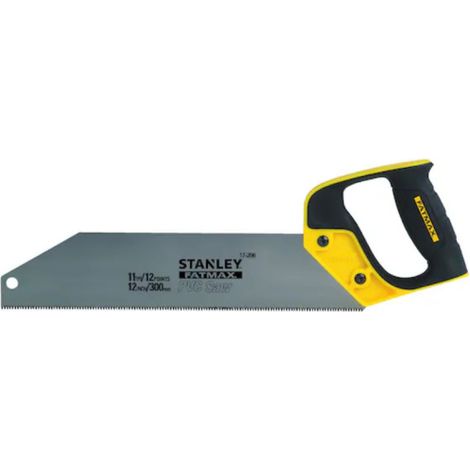
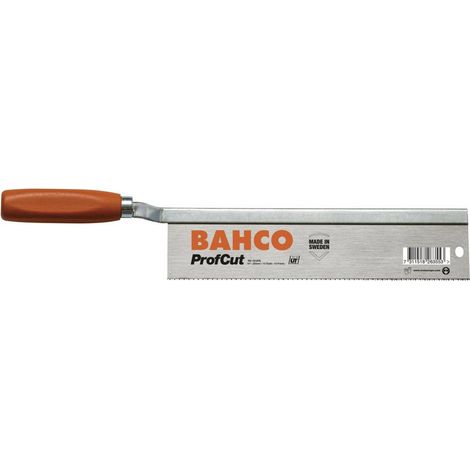
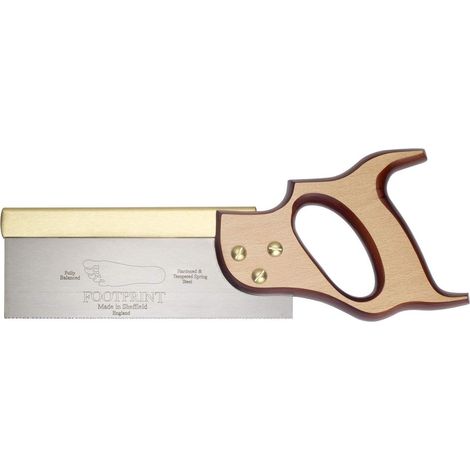
- the back saw for making angle cuts with a mitre box;
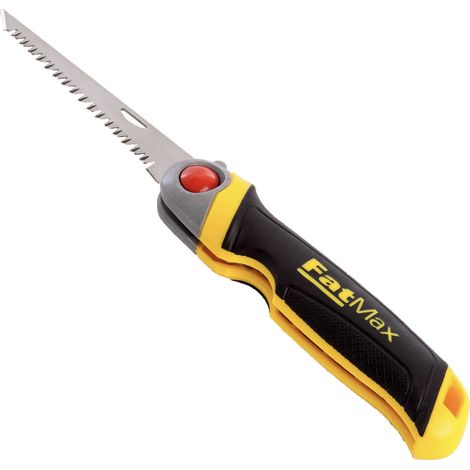
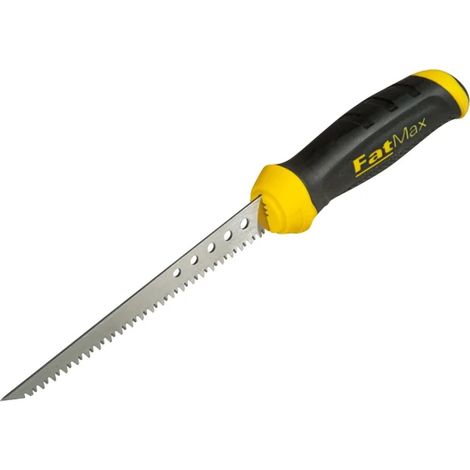
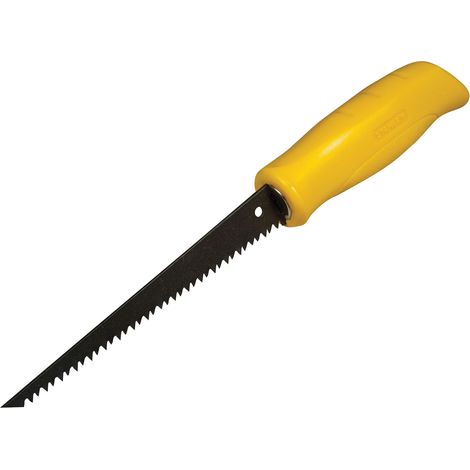
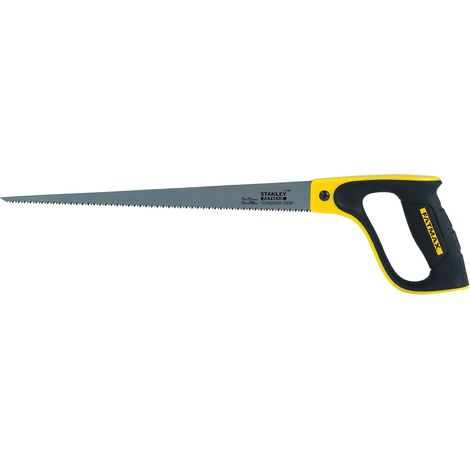
- the keyhole saw for making straight or curved cuts in difficult-to-reach areas;
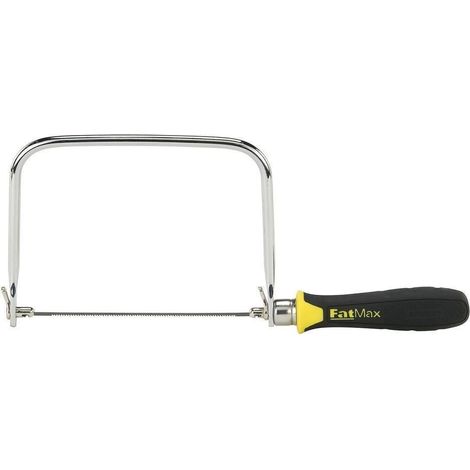
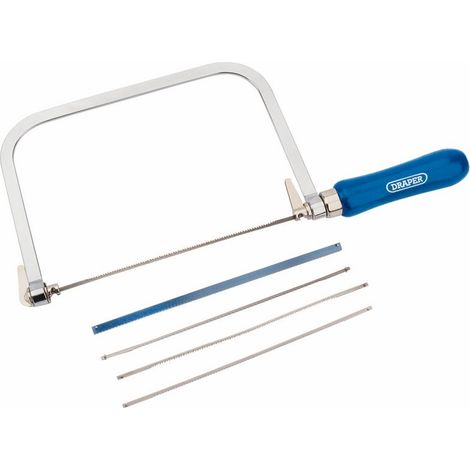
- the coping saw used by luthiers to cut along curves with great precision;
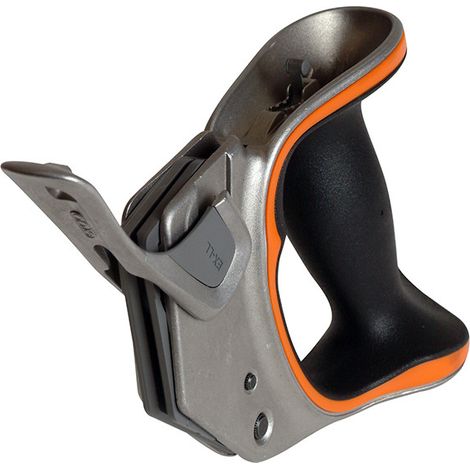
- the flush-cut saw;
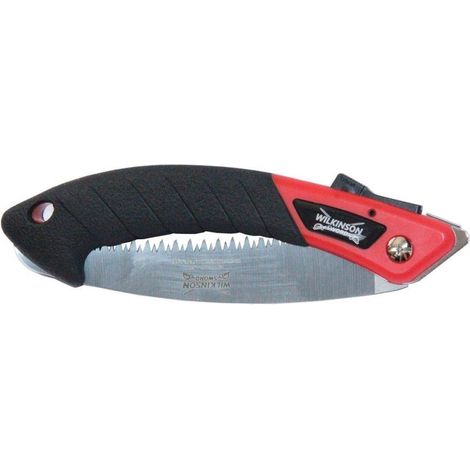
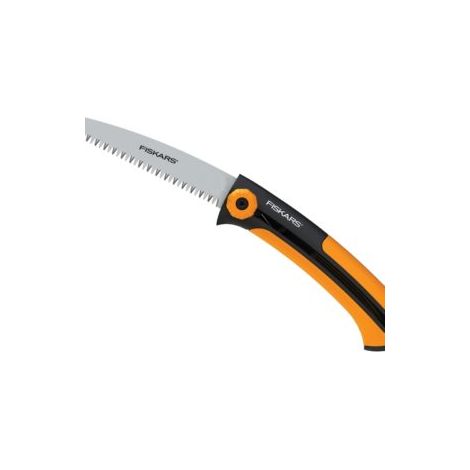
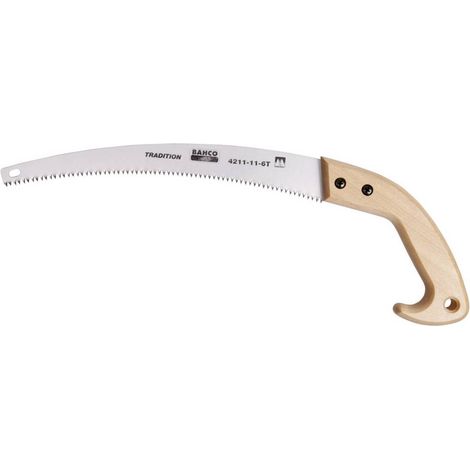
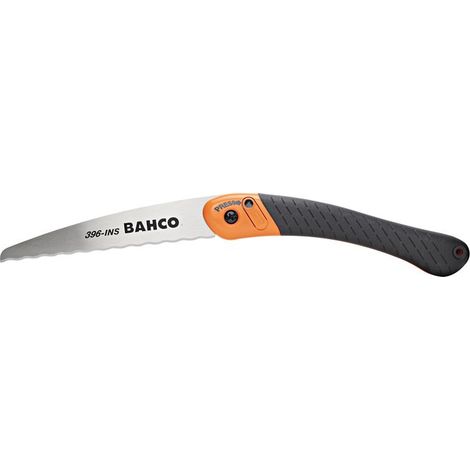
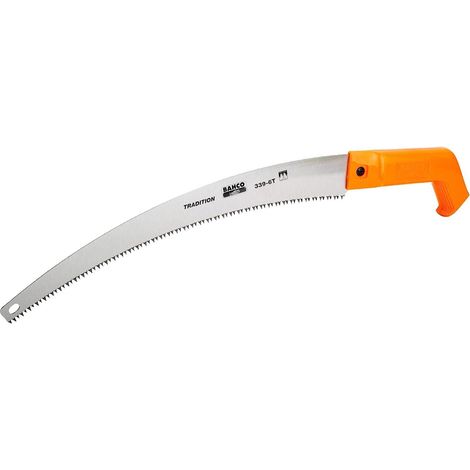
- the pruning saw;
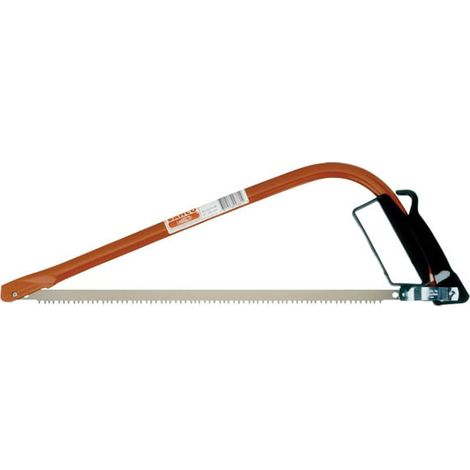
- the log saw;
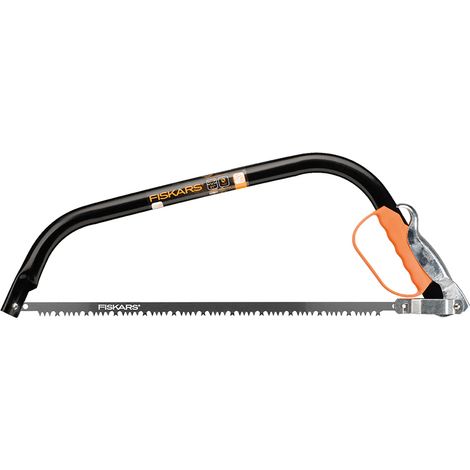
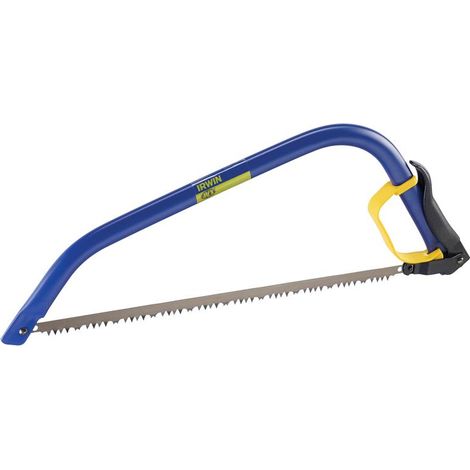
- the frame saw.
Mechanical saws are motorized to reduce the user's effort. They are chosen based on the work to be done:
- the jigsaw for straight or curved cuts;
- the circular saw for straight or bevel cuts;
- the plunge saw for deep cuts;
- the mitre saw for angle cuts;
- the radial arm saw for large section pieces;
- the band saw for tall pieces;
- the scroll saw for small pieces (for model making);
- the reciprocating saw, the mechanical version of the handsaw;
- the hole saw for making holes.
Saws are also chosen based on the level of finish required:
- a coarse tooth for cutting quickly, but with a rough finish;
- a medium tooth for fragile materials like melamine, MDF or chipboard;
- a fine tooth for cutting carefully and precisely.
Ultimately, the choice of a wood saw depends on its use, the availability of electricity, the budget (mechanical models are more expensive), and the desired level of finish.














'/%3E%3C/svg%3E)
'/%3E%3C/svg%3E)