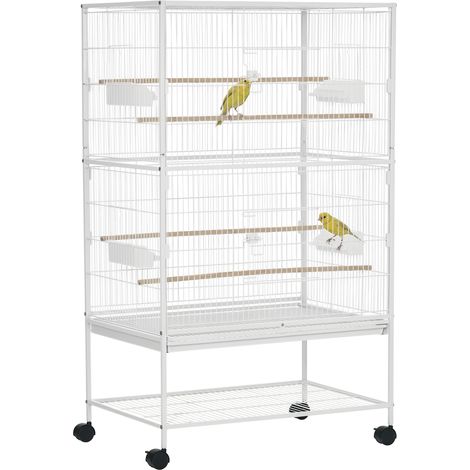
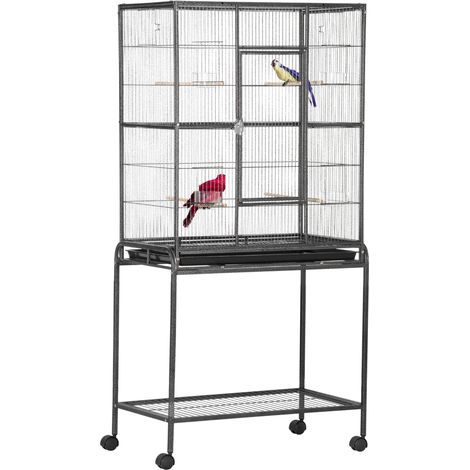
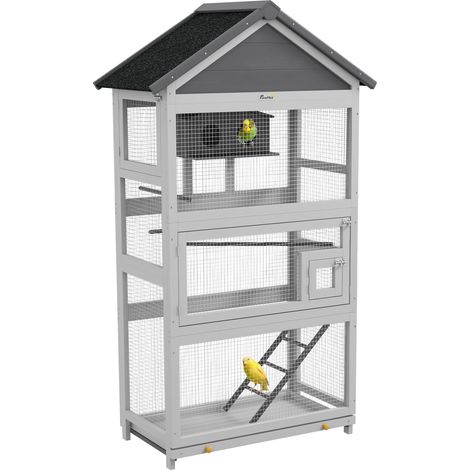
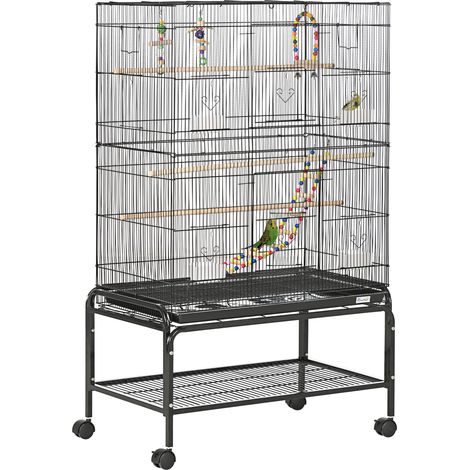
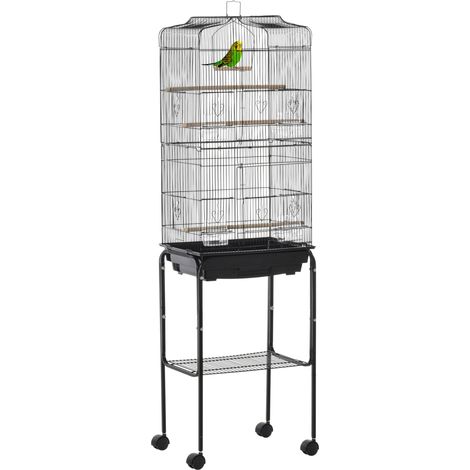
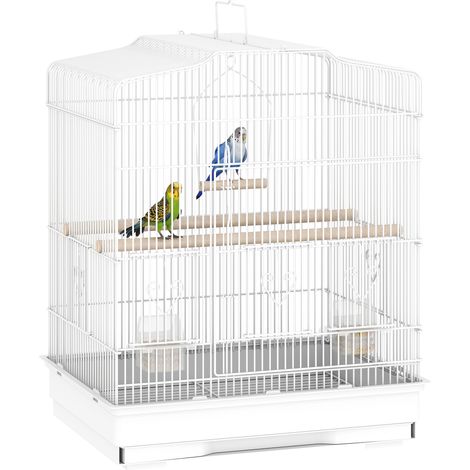
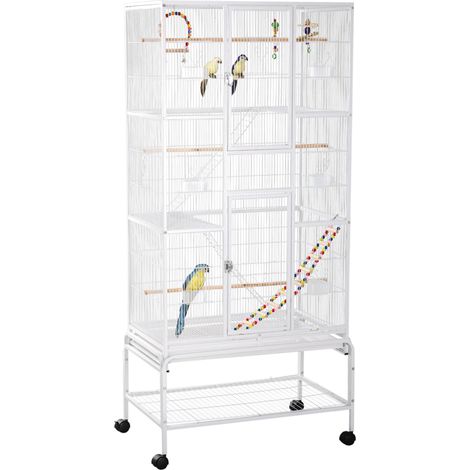
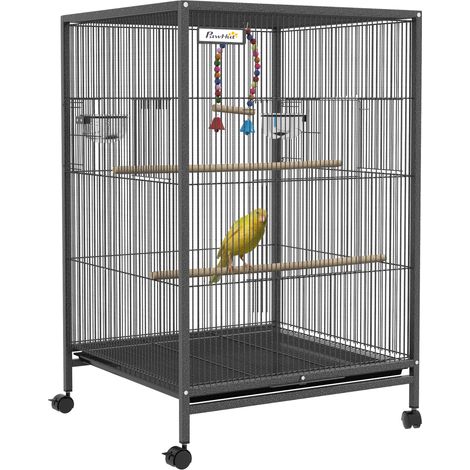
A bird cage is useful for housing a budgie, parrot, hummingbirds, or lovebirds. Whether made of wood, PVC, or metal, and whether large or small, it should be suited to the size of the animal to allow it to thrive.
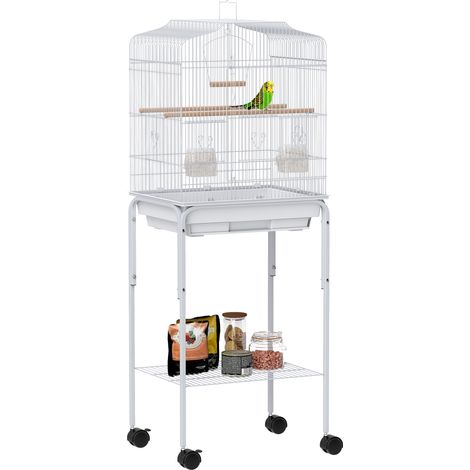
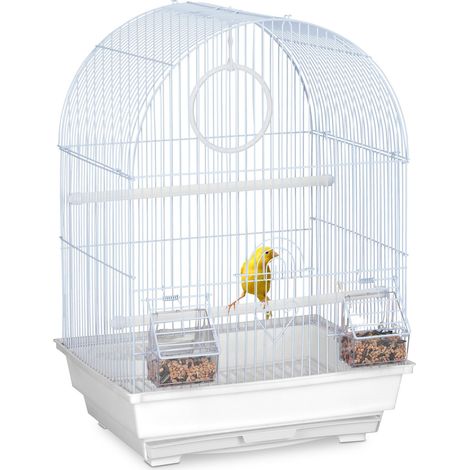
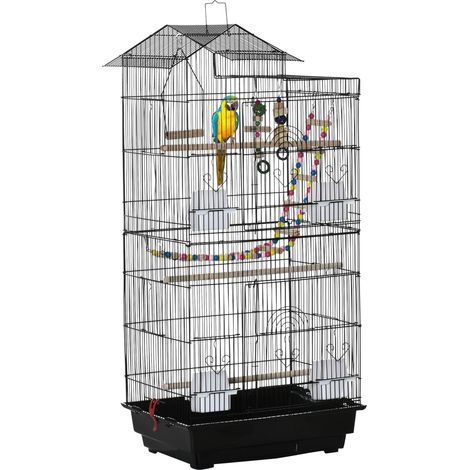
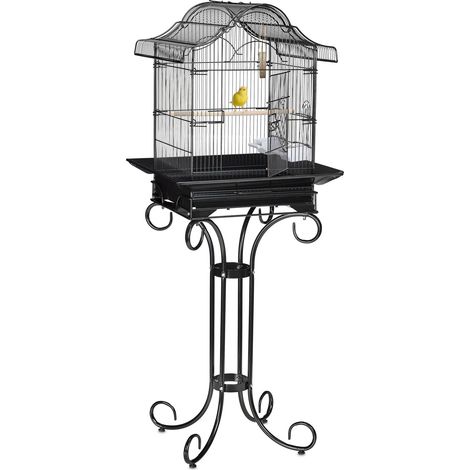
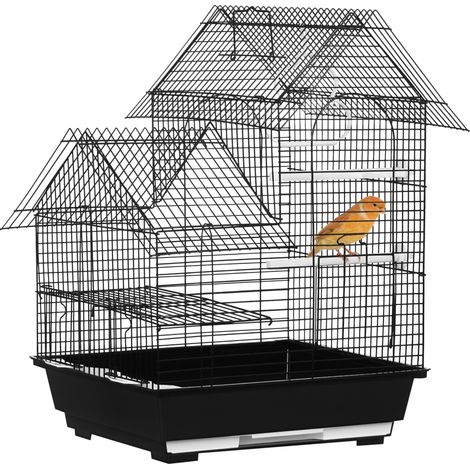
Bird cages vary in shape:
- round;
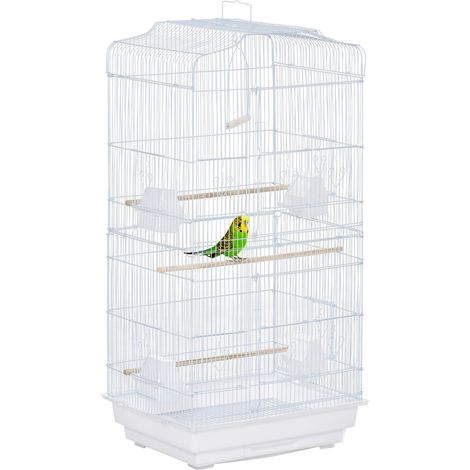
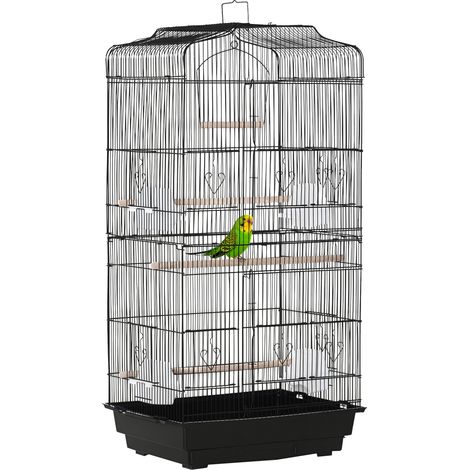
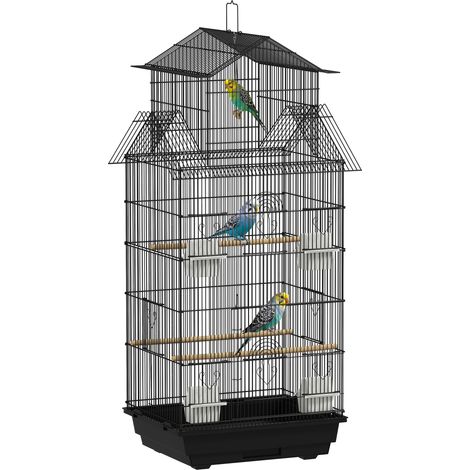
- pointed;
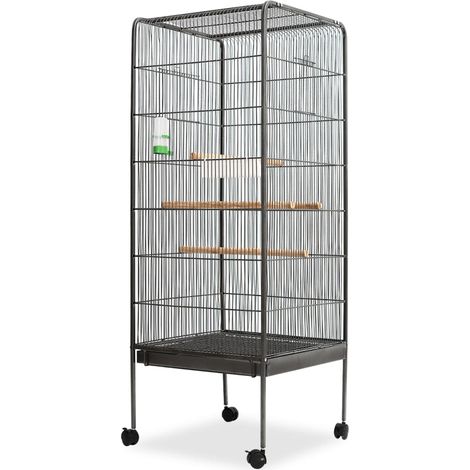
- square;
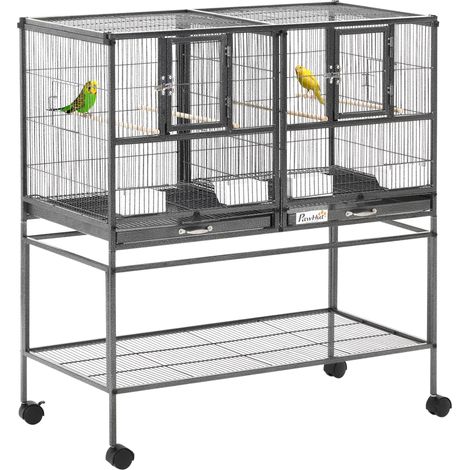
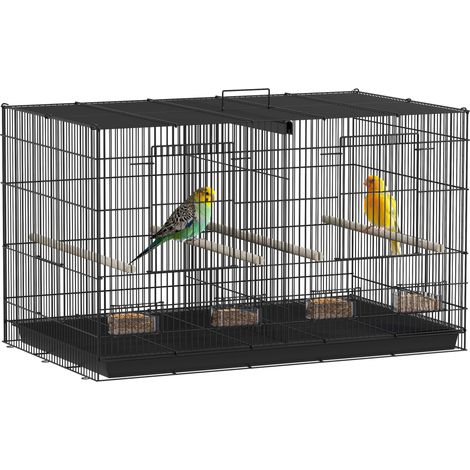
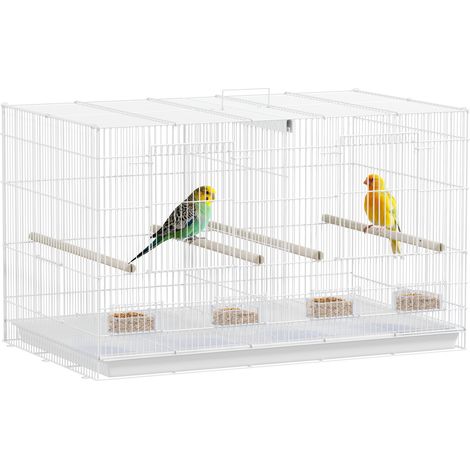
- rectangular.
They also differ in style.
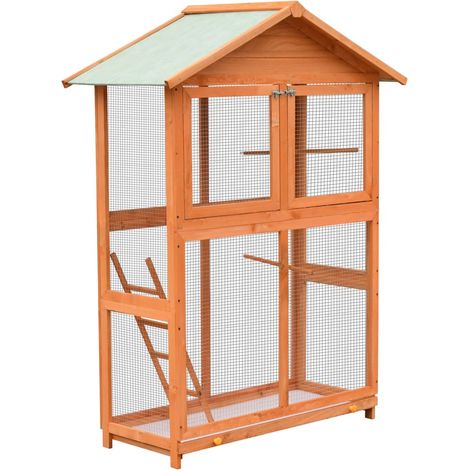
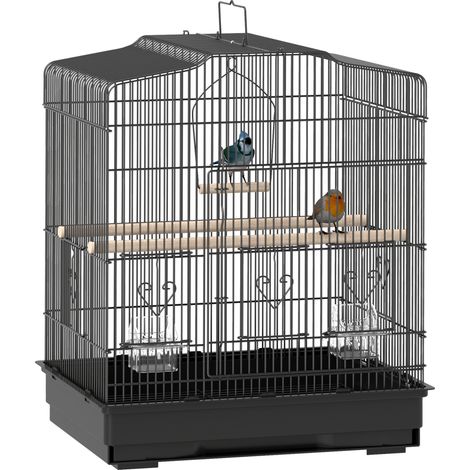
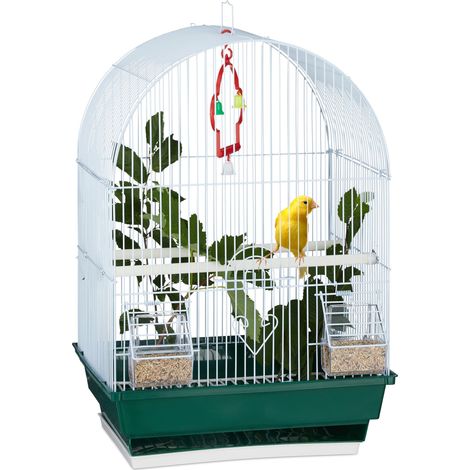
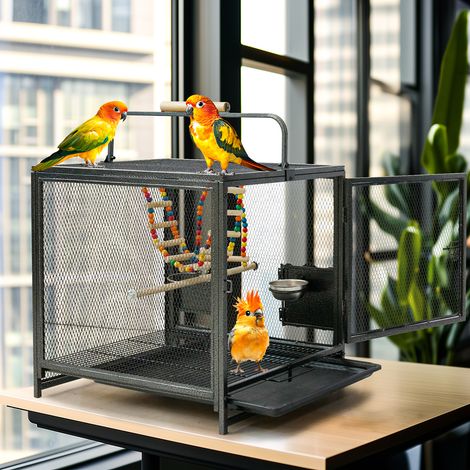
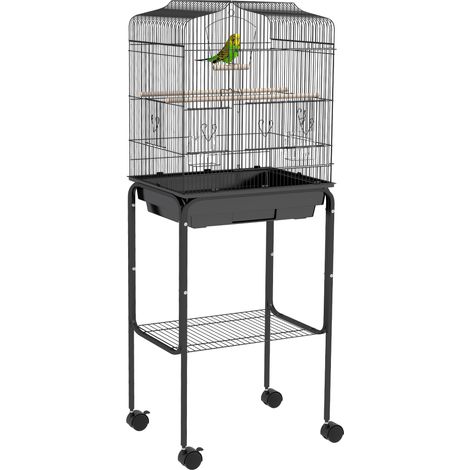
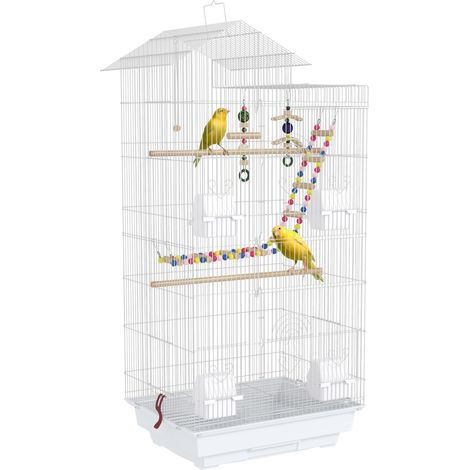
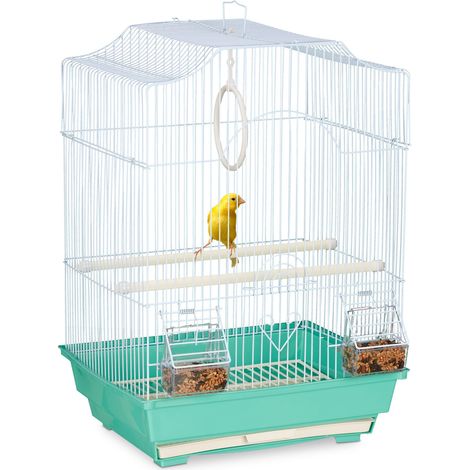
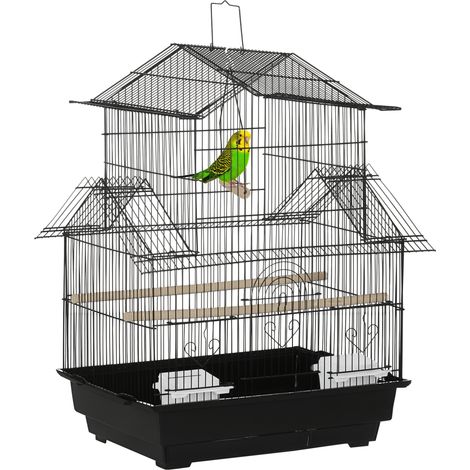
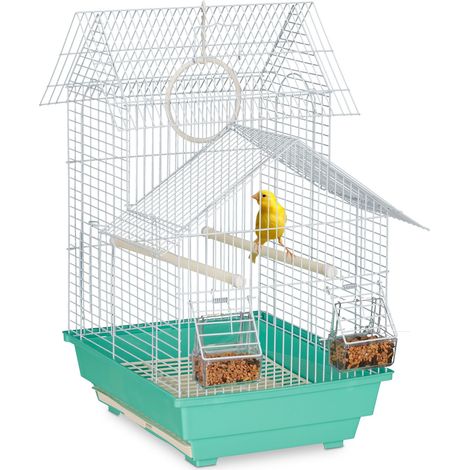
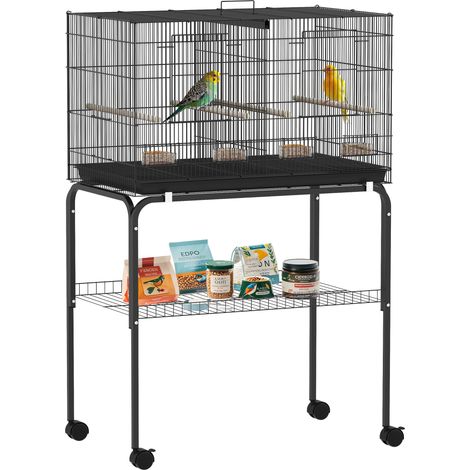
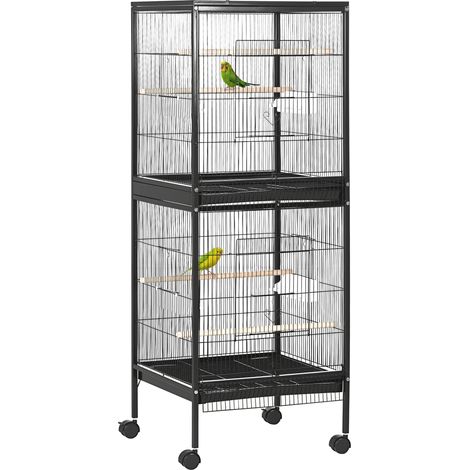
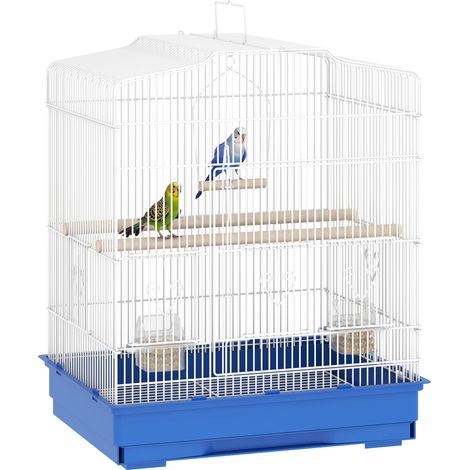
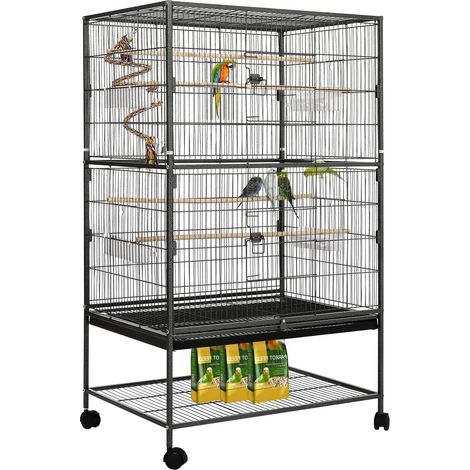
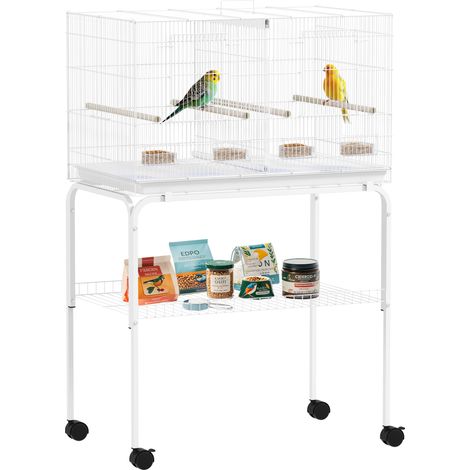
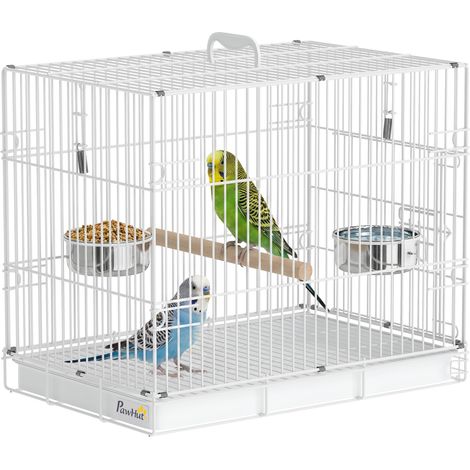
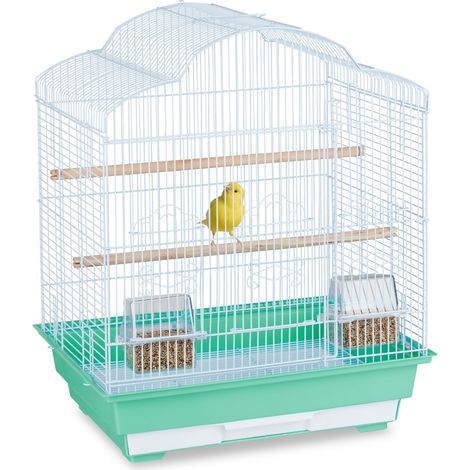
- Enclosed cages are the most common. They are equipped with a flat or dome roof allowing various accessories to be hung and offer play areas.
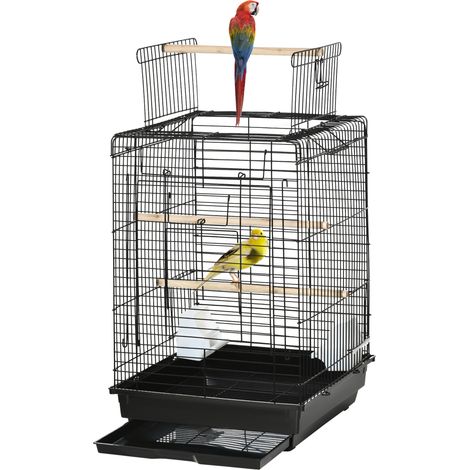
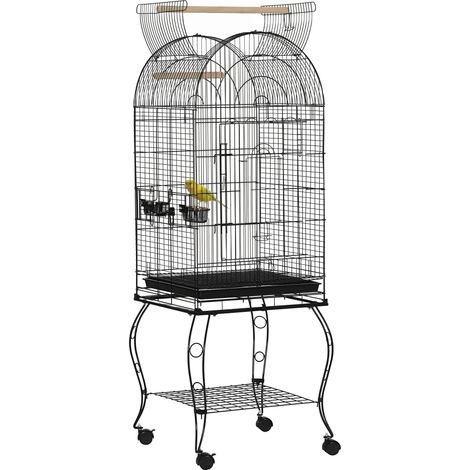
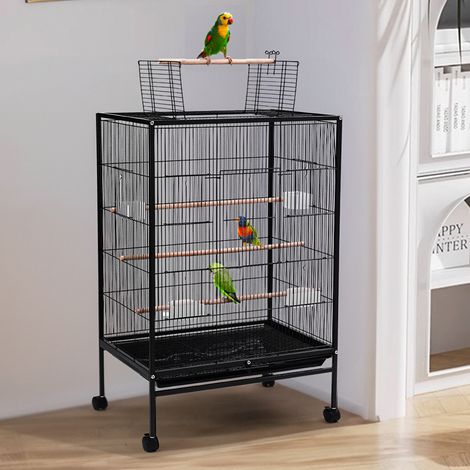
- Open versions have a roof that can open in the middle. A perch can be installed between the two parts of the roof. This type of accessory is suitable for parrots and budgies, two species that like to climb.
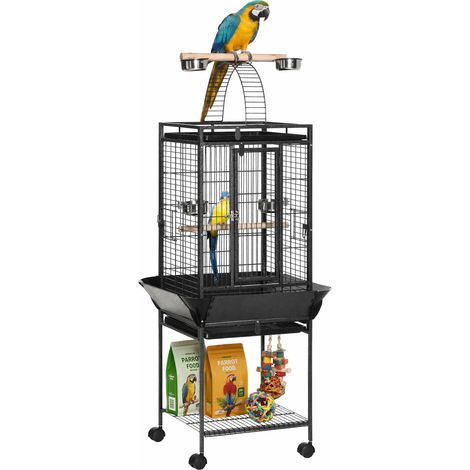
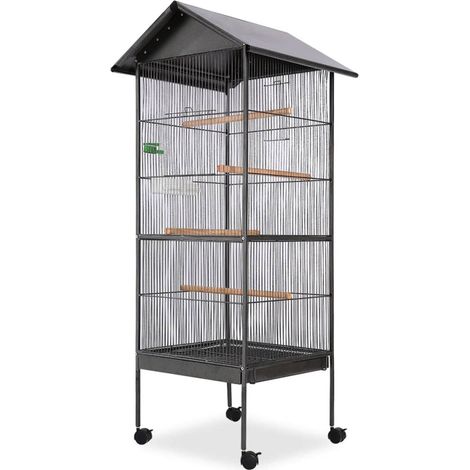
- Some models are equipped with a roof hosting a platform with perches. They are to be preferred if no other play area is available.
The chosen model must be large enough for the bird to extend its wings without touching the bars:
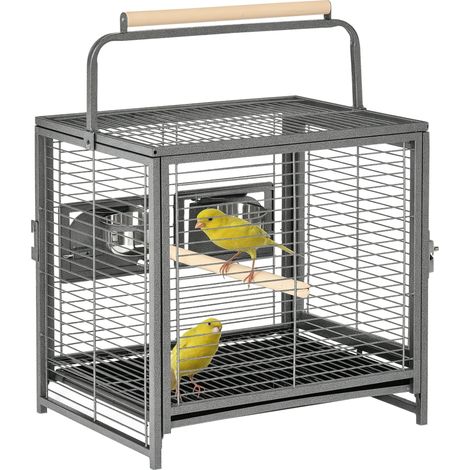
- a habitat 60 cm to 90 cm wide is sufficient for budgerigars or canaries;
- a cage 90 cm to 120 cm wide is recommended for medium-sized species like the African Grey, Senegal parrot, or Amazons;
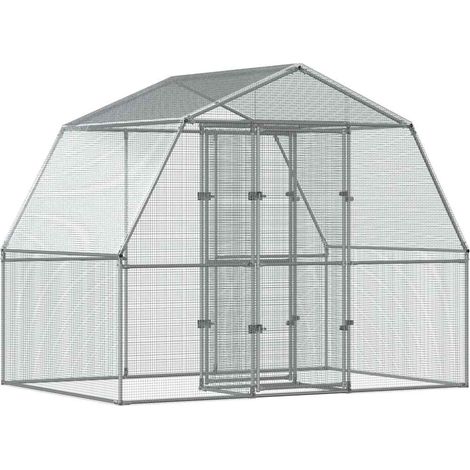
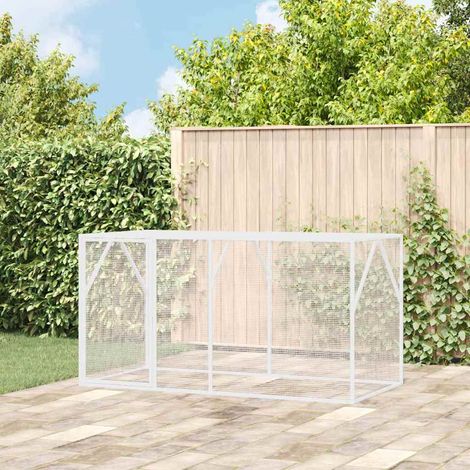
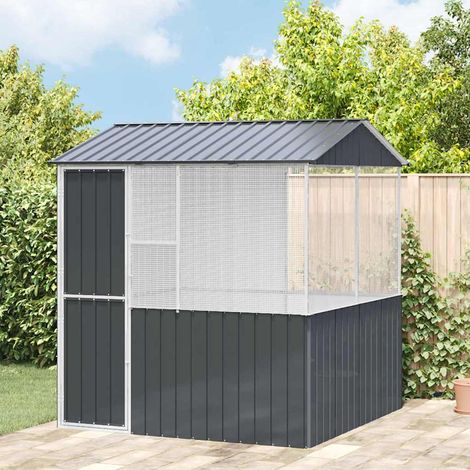
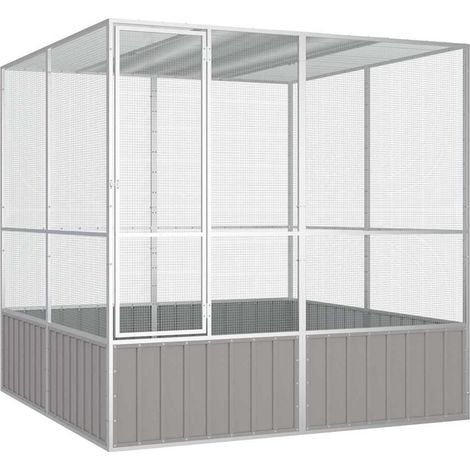
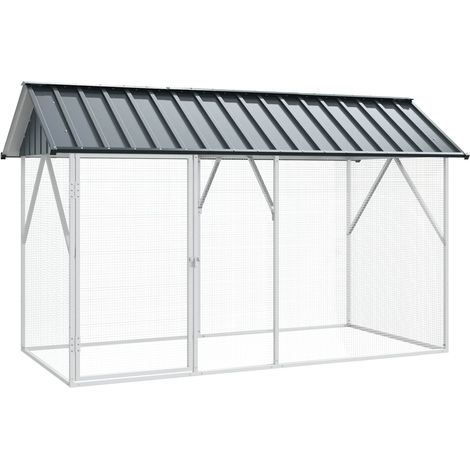
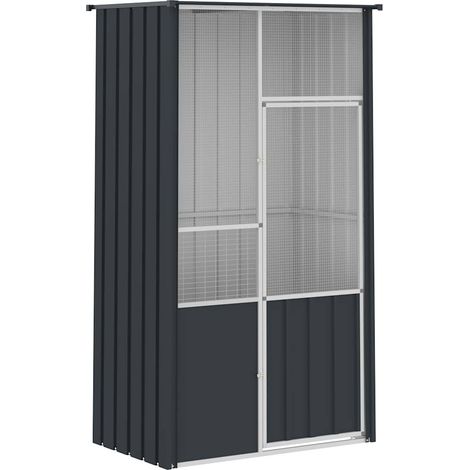
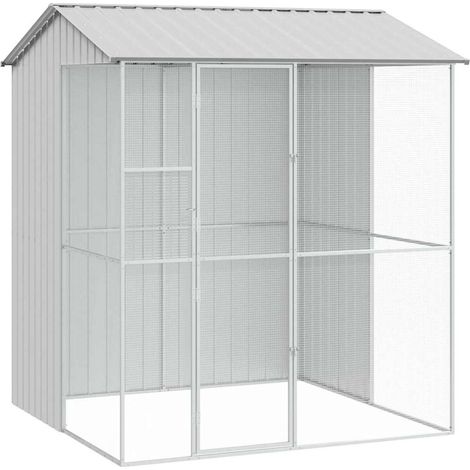
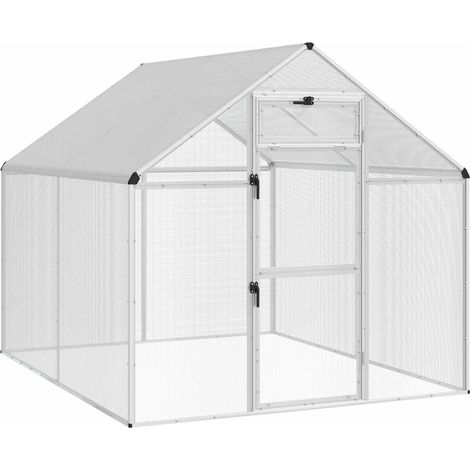
- an aviary from 120 cm to 200 cm is necessary for large species such as the major cockatoo or the macaw.
Bird habitats also differ by their bars:
- vertical bars are to be preferred for a habitat intended for a budgie or a parrot to prevent it from injuring itself while extending its wings;
- for other species, the orientation of the bars does not matter;
- a spacing of 1 cm to 1.5 cm is suitable for small birds like canaries or budgerigars;
- a spacing of 2 cm is suitable for medium-sized species;
- a spacing of 2.5 cm to 3 cm is appropriate for large-sized species.
In all cases, the bars must not allow the animal to pass its head through.
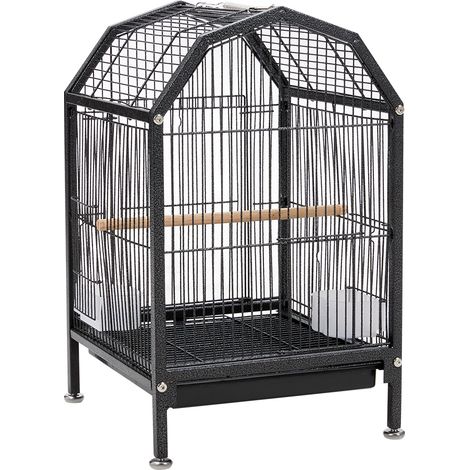
Thus, the choice of the bird cage depends on its size and habits. The ease of maintenance is another parameter to consider as the owner will need to regularly clean the habitat to ensure the well-being of the animal. Some models are equipped with a removable bottom hosting absorbent litter.






'/%3E%3C/svg%3E)