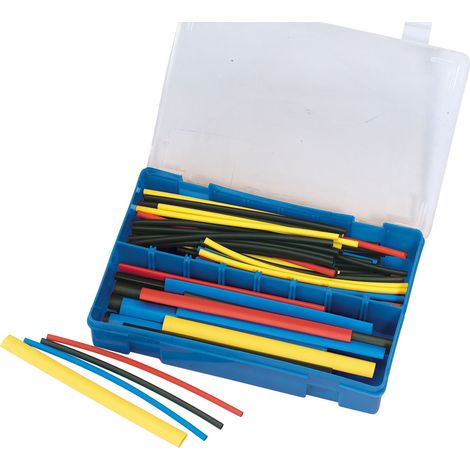
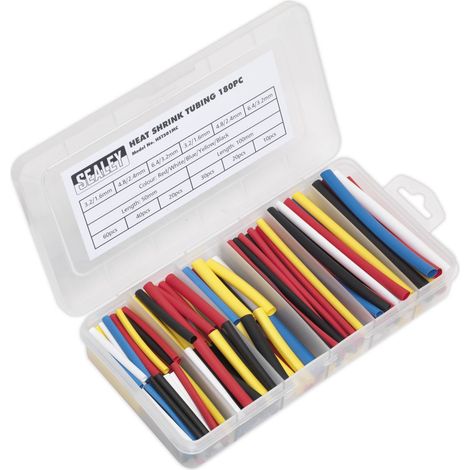
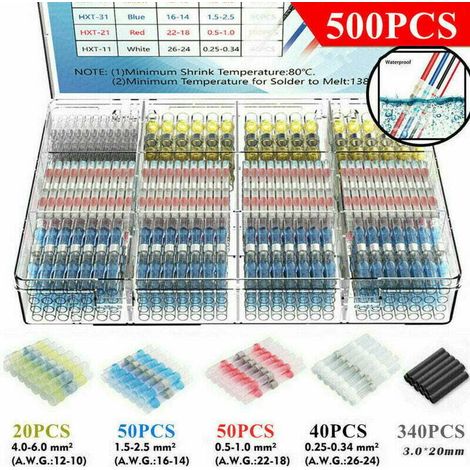
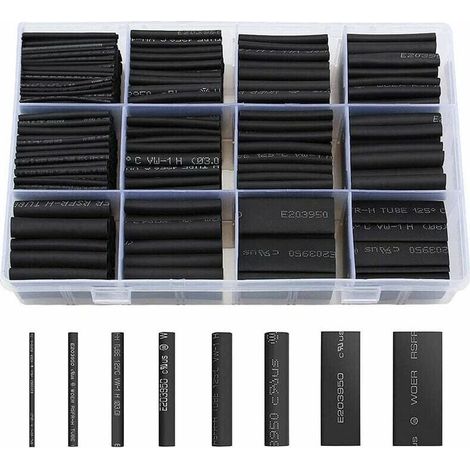
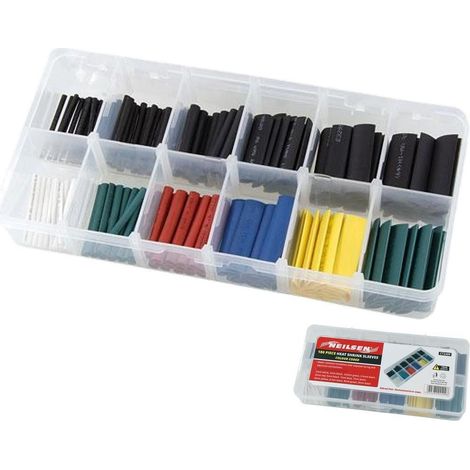
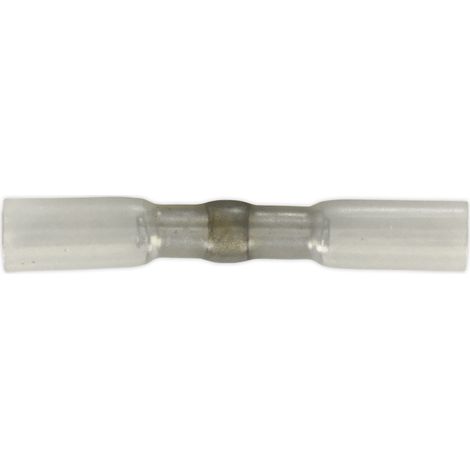
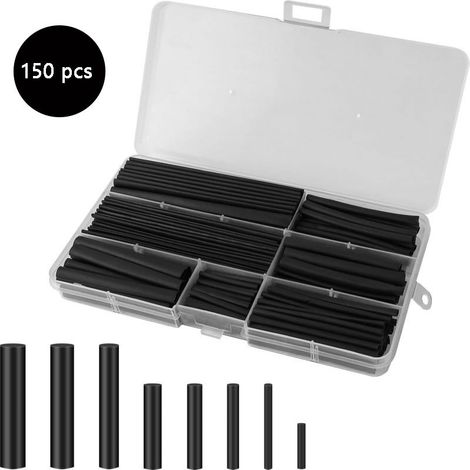
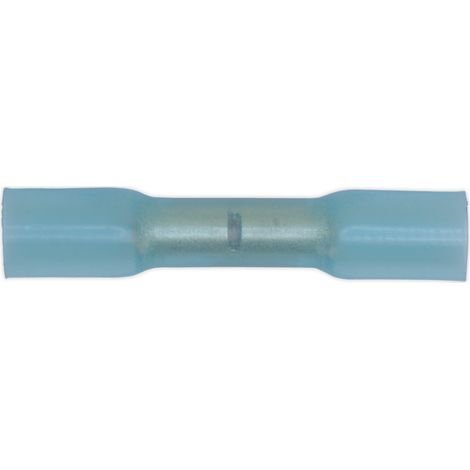
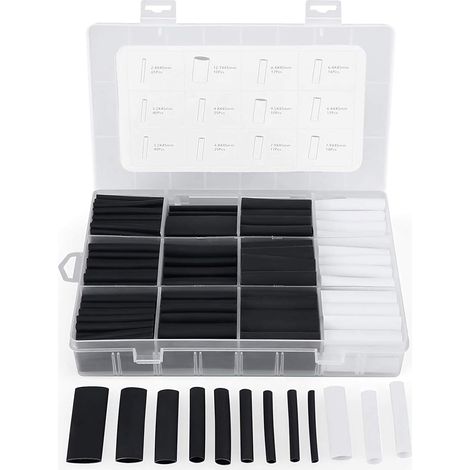
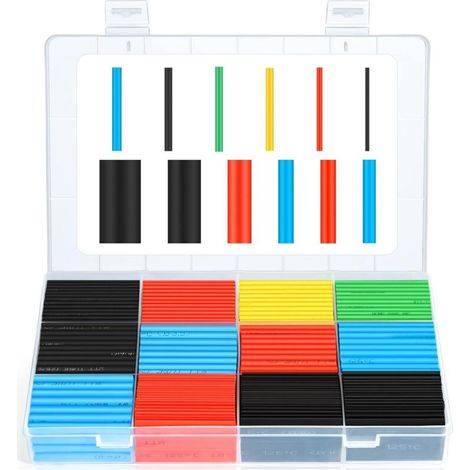
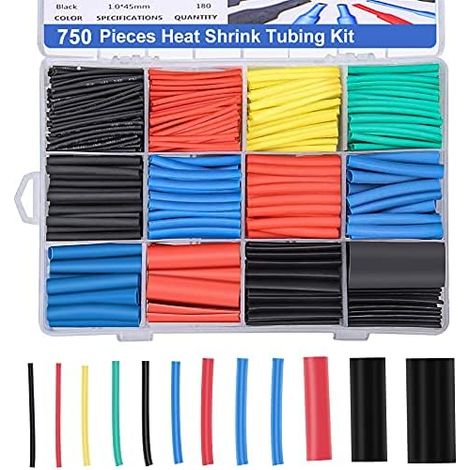
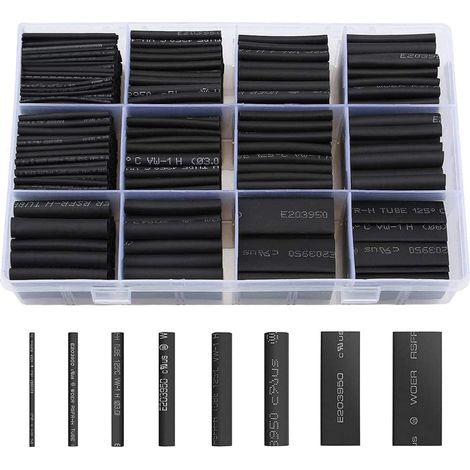
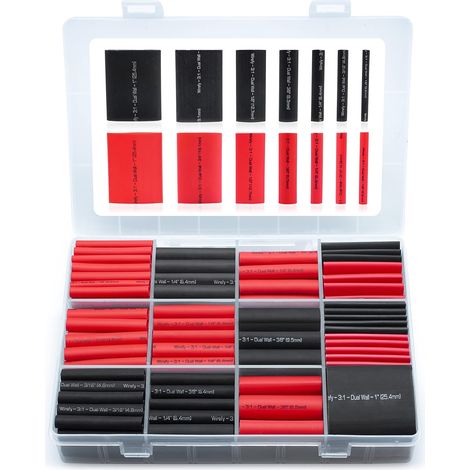
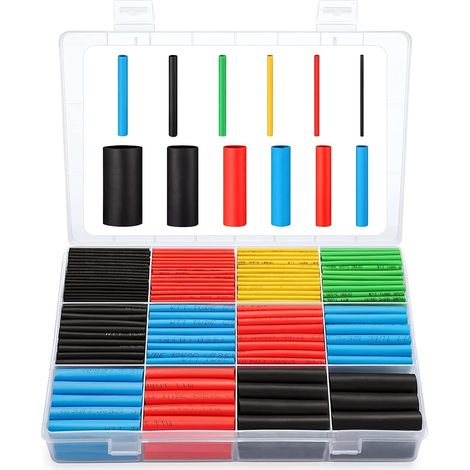
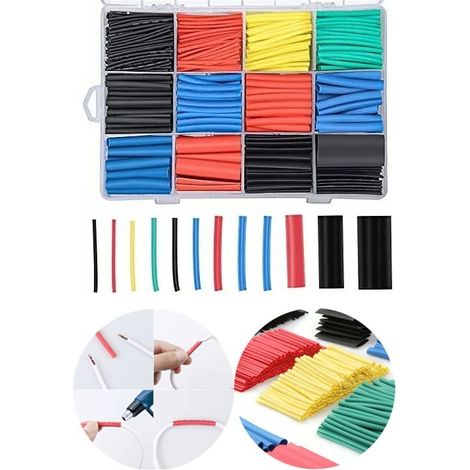
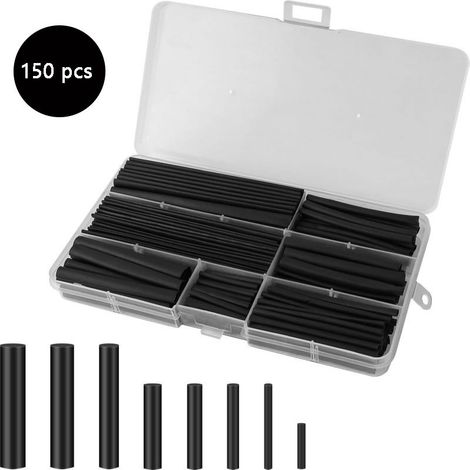
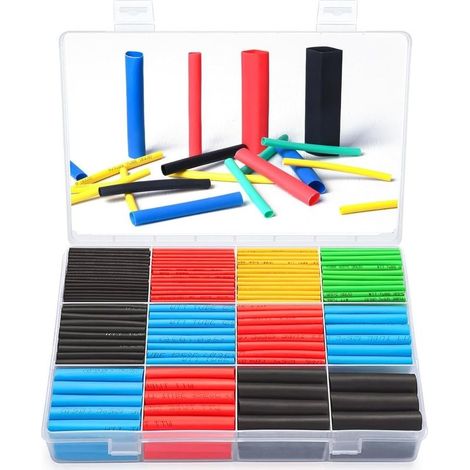
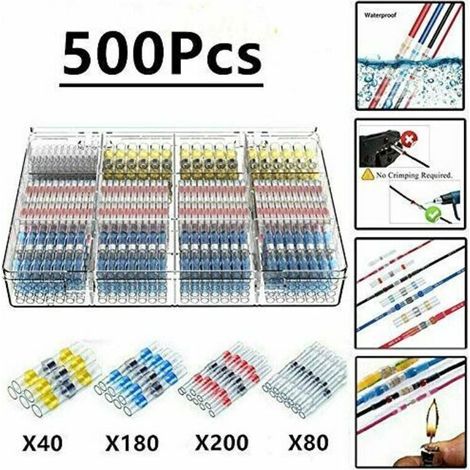
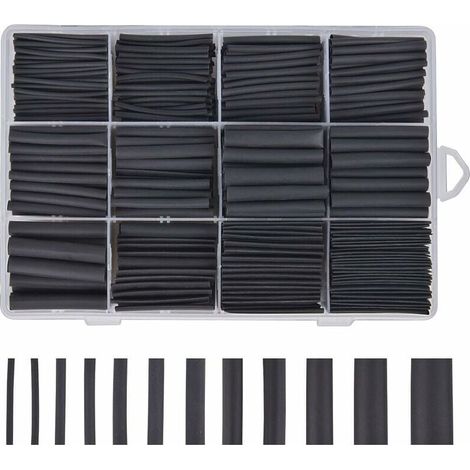
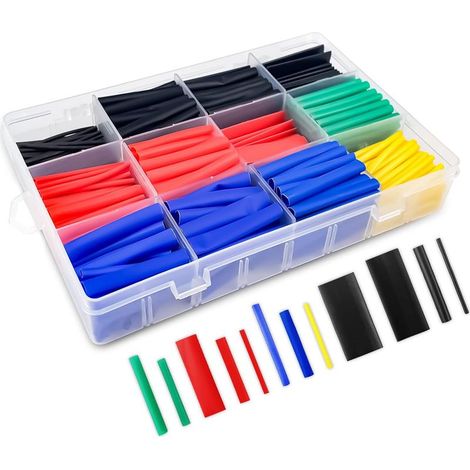
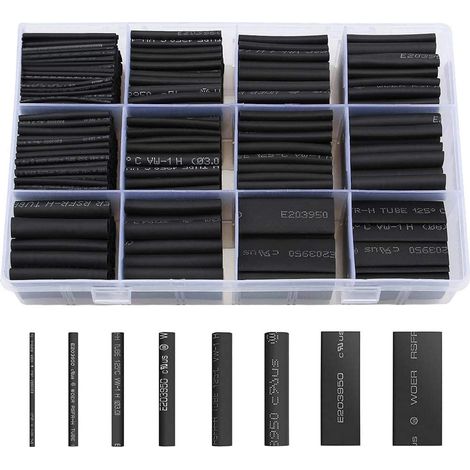
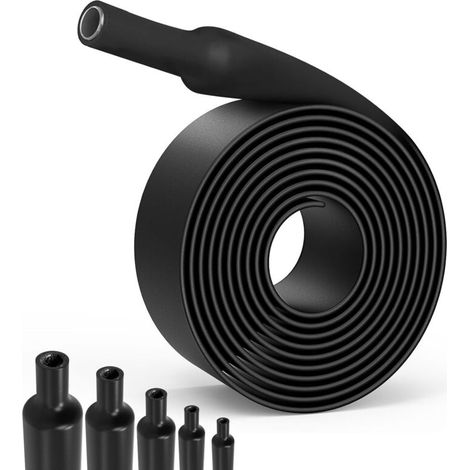
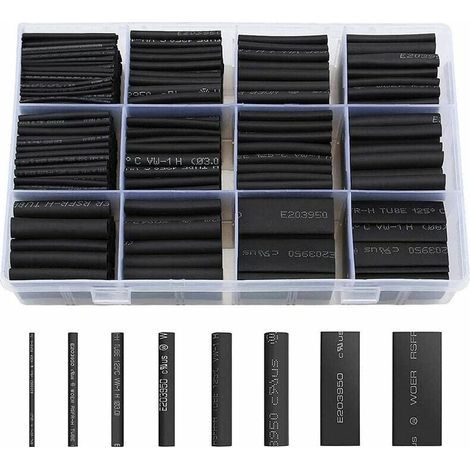
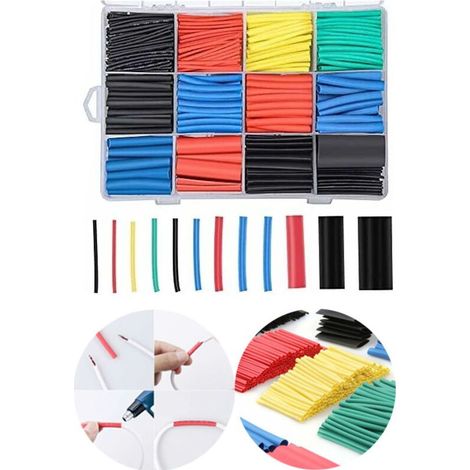
A heat shrink sleeve is useful for insulating electrical cables, but also for protecting them from abrasion or moisture. With a shrink ratio of 2:1 to 6:1, this accessory is available in different thicknesses and colors.
A heat shrink sleeve is useful for various reasons:
- protecting electrical cables from bad weather and corrosion;
- protecting cables from abrasion;
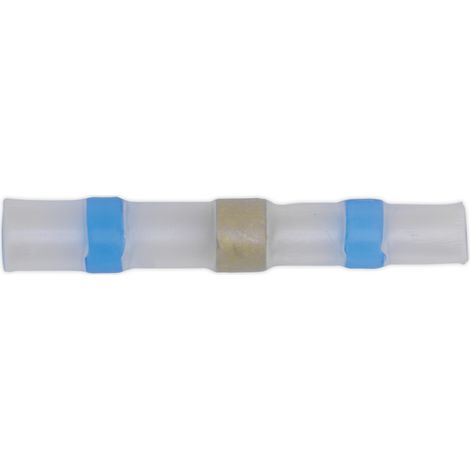
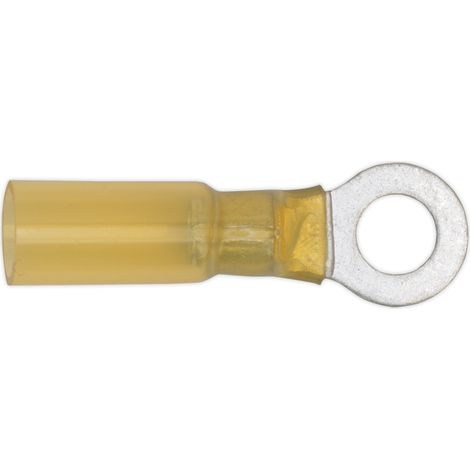
- protecting connectors;
- easily identifying cables with a color code;
- bundling multiple cables together.
The available models differ by their characteristics:
- their color (transparent, red, green, yellow, gray, etc.);
- their thickness, ranging from 0.33 mm (soft and thin wall) to 4.33 mm (thick and waterproof wall);
- their shrink ratio (ratio between the diameter before heating and the diameter after heating) which varies from 2:1 to 6:1;
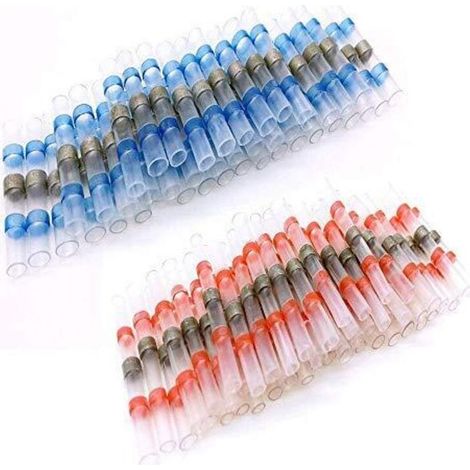
- some models have adhesive walls for optimal insulation;
- their shrink temperature (90°C or 110°C);
- their packaging (in coil, in sleeve, or in tube).
Heat shrink sleeves also differ by their operating temperature:
- -55°C to 135°C for thin-walled models (shrink ratio of 2:1 or 3:1);
- -40°C to 120°C for medium-walled models (shrink ratio of 4:1);
- -45°C to 120°C for thick-walled models (shrink ratio of 4:1 or 6:1).
Several parameters should be considered when using these sleeves:
- the diameter after heating should be smaller than that of the cable to be protected;
- the diameter before heating should be sufficient to cover the cable(s);
- a minimum length of 6.35 cm is required for each connector;
- the sleeve shrinks by 5% to 7% of its length after being retracted.
Ultimately, the choice of the heat shrink sleeve depends on its use, but also on the environment of the cables to be protected.














'/%3E%3C/svg%3E)