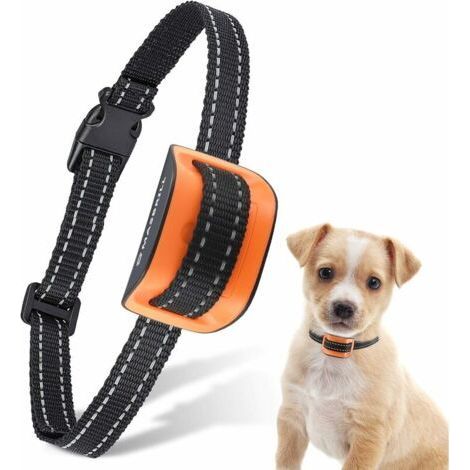
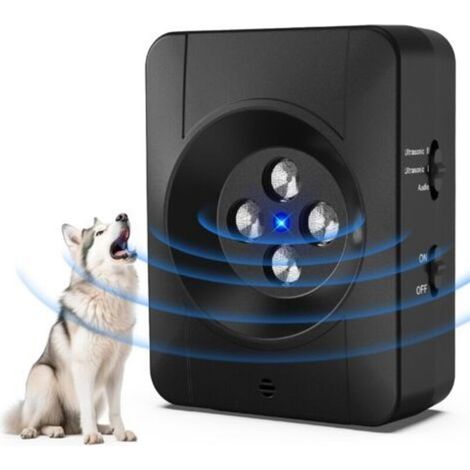
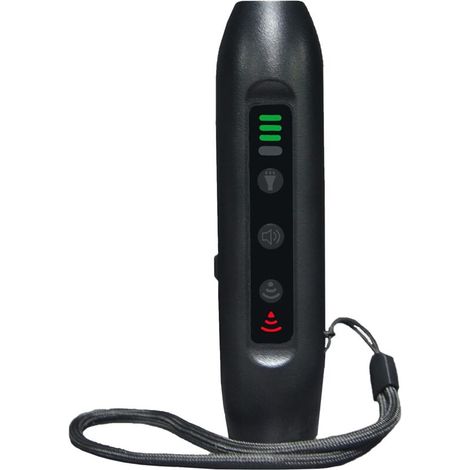
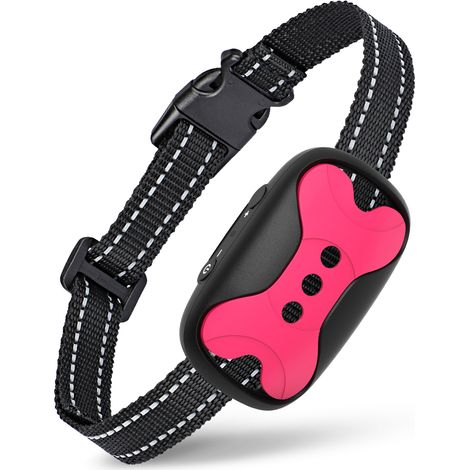
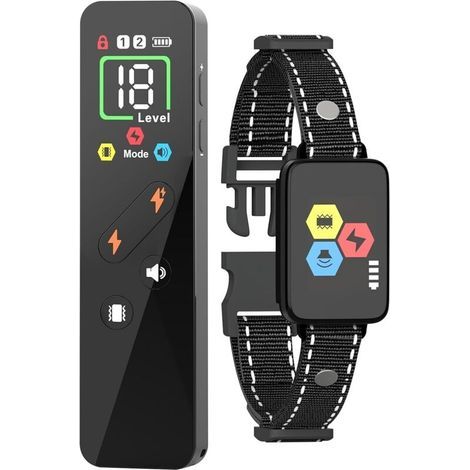
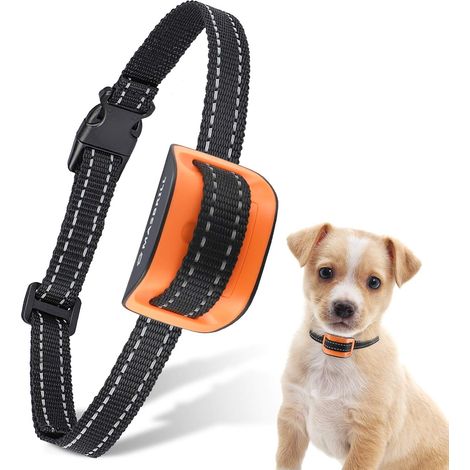
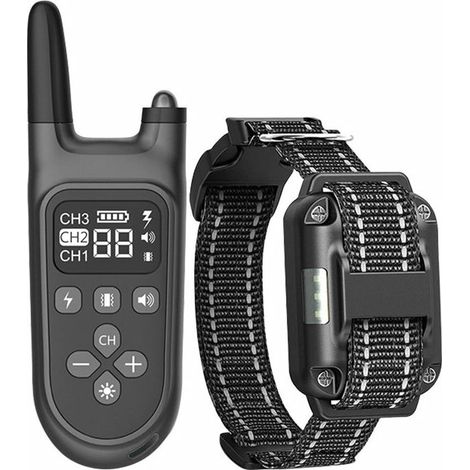
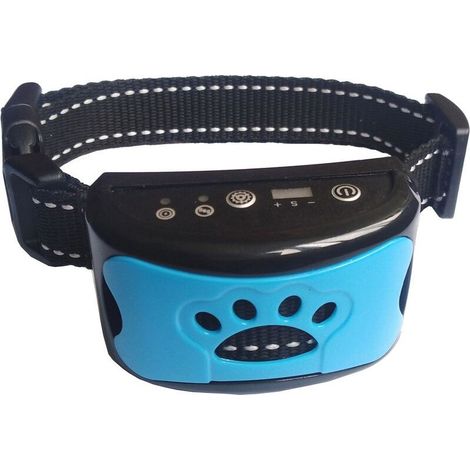
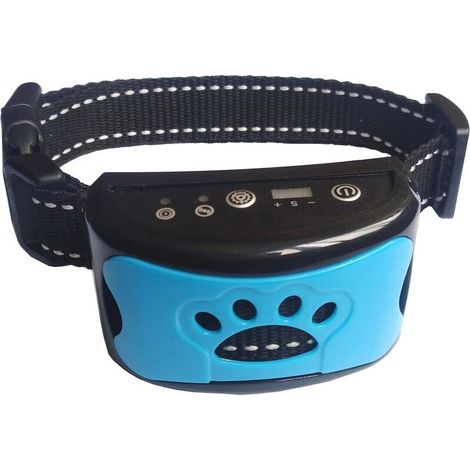
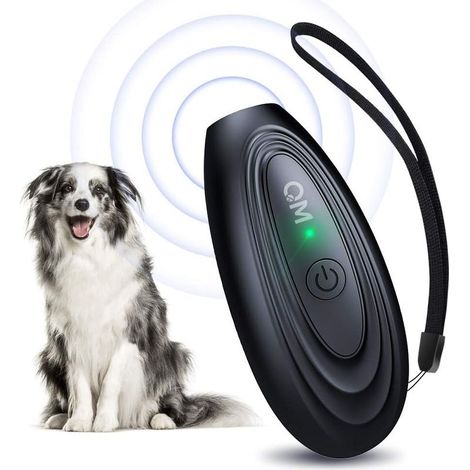
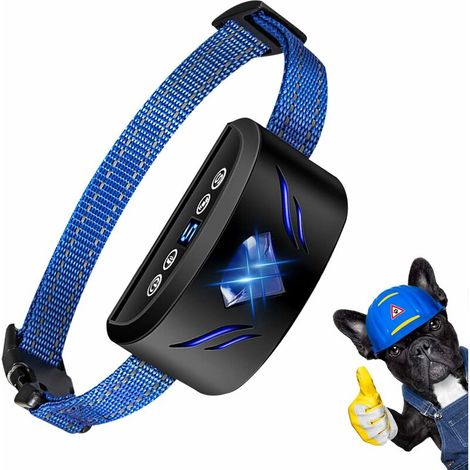
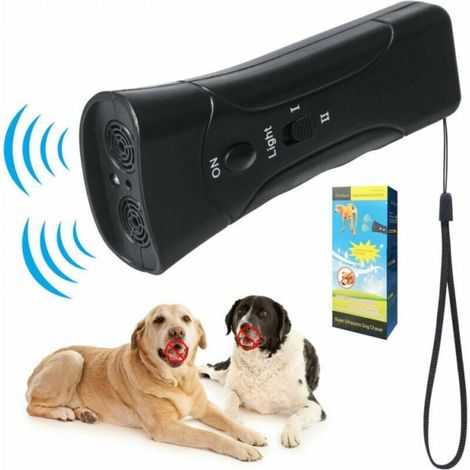
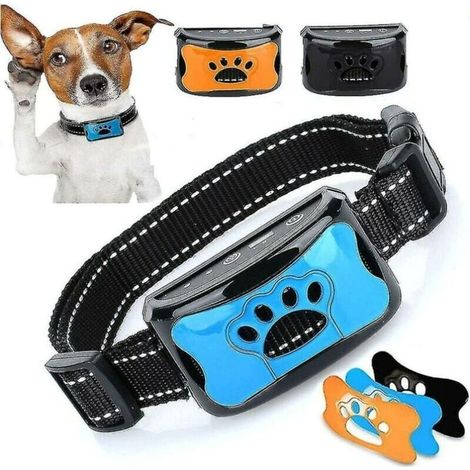
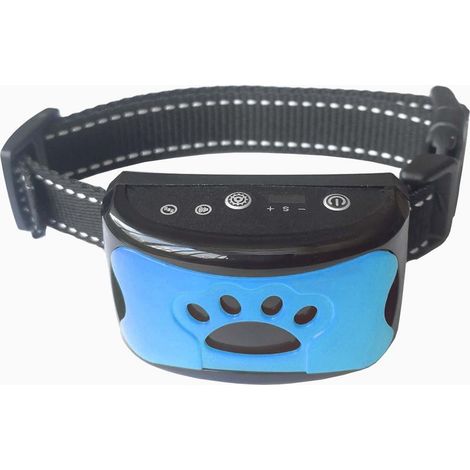
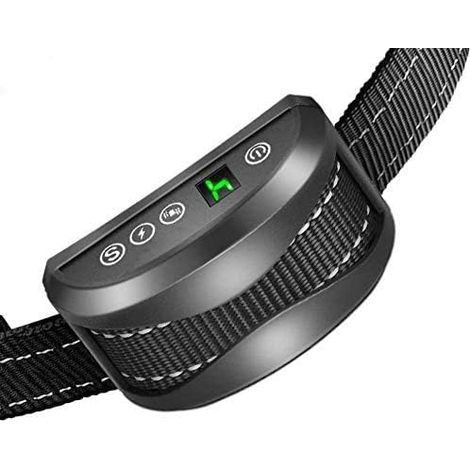
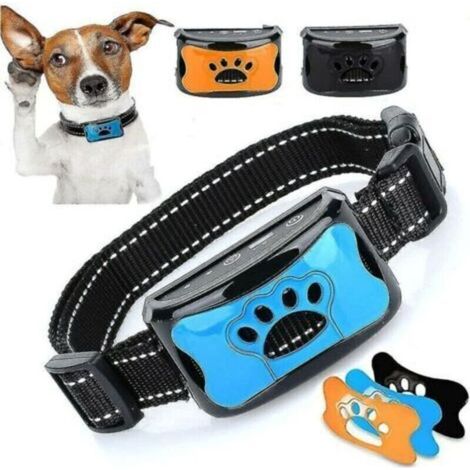
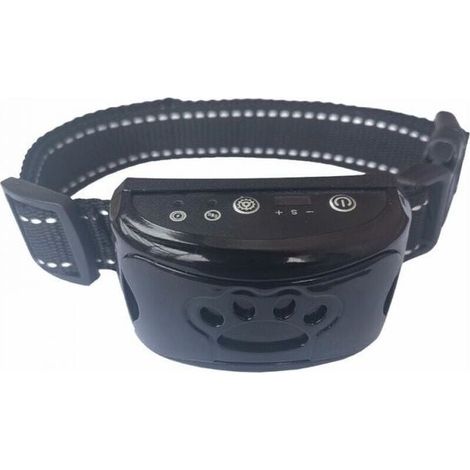
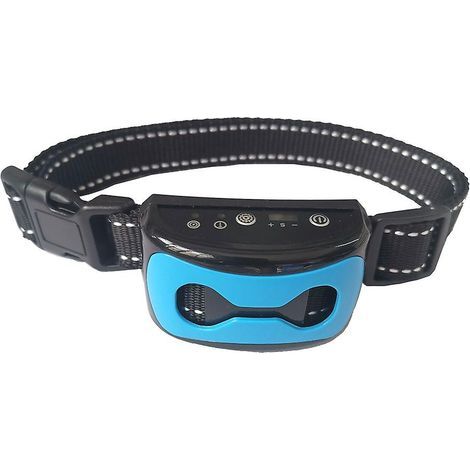
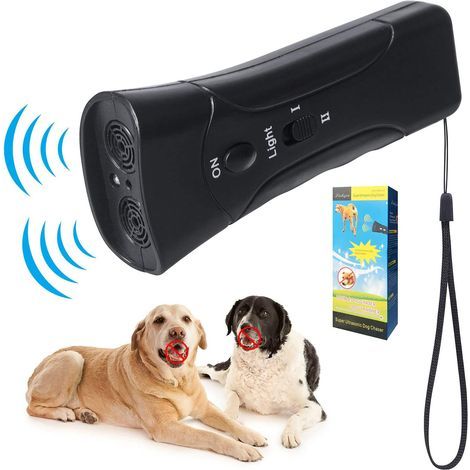
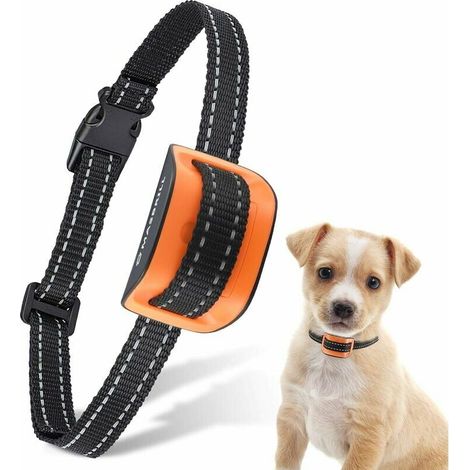
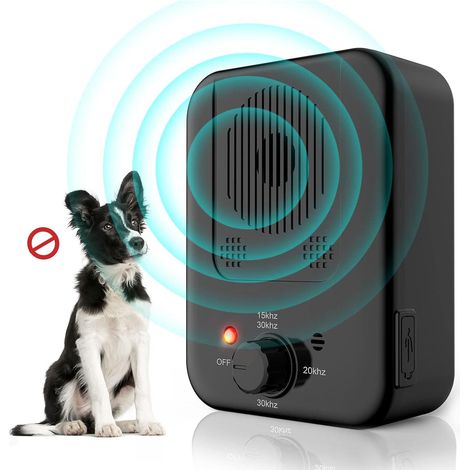
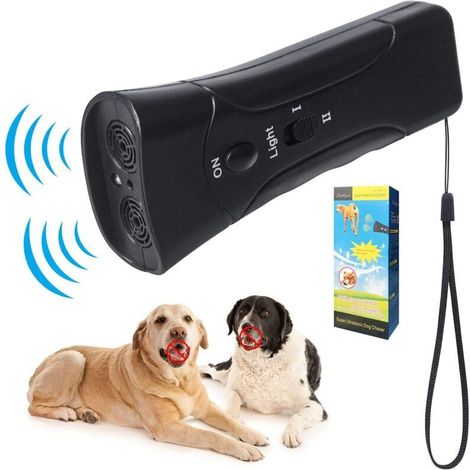
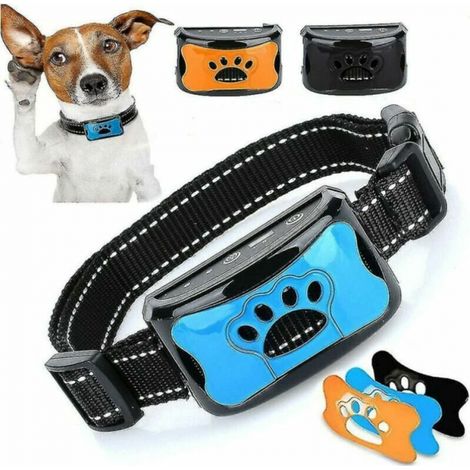
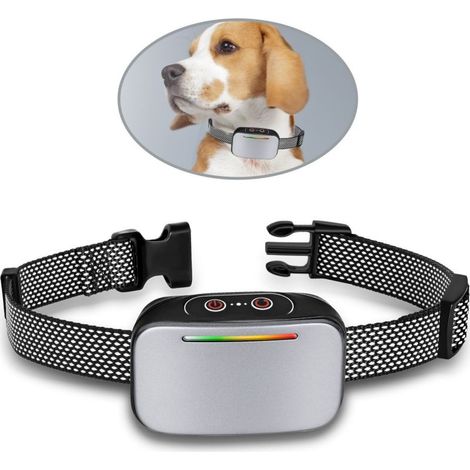
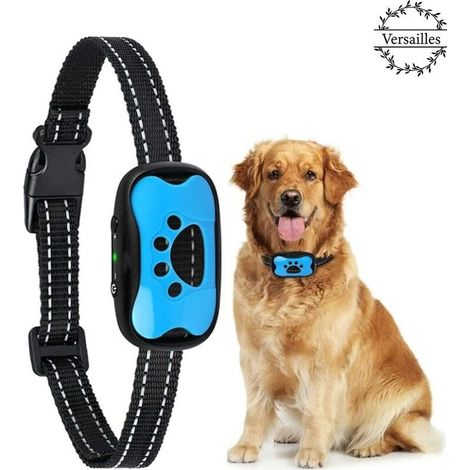
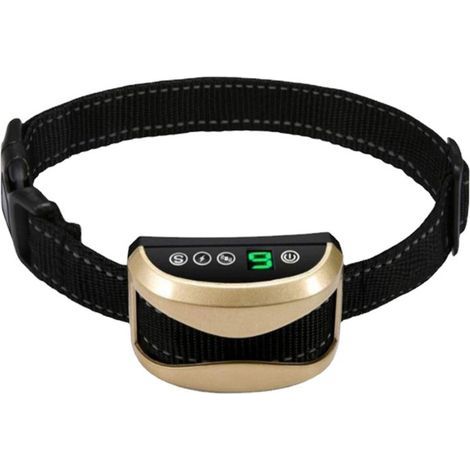
An anti-bark collar is sometimes necessary to prevent a dog from barking and disturbing the comfort of its owner and neighbors. Whether it’s citronella, ultrasonic, or electric, this accessory causes unpleasant, even painful, sensations with each bark.
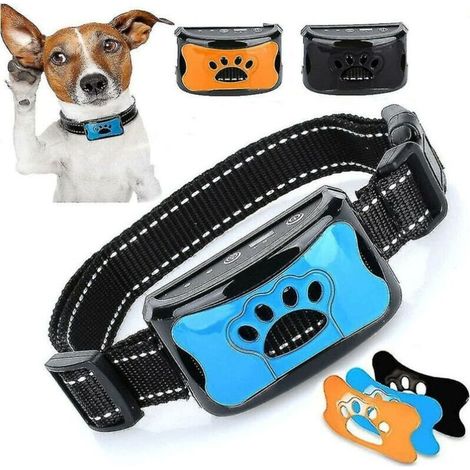
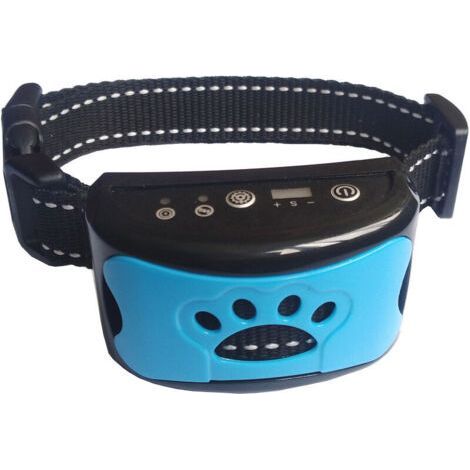
First and foremost, it is necessary to understand how an anti-bark collar works:
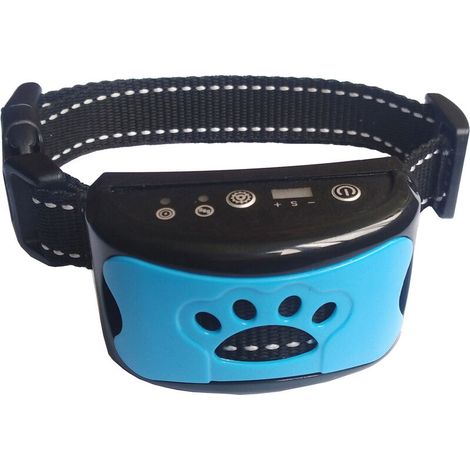
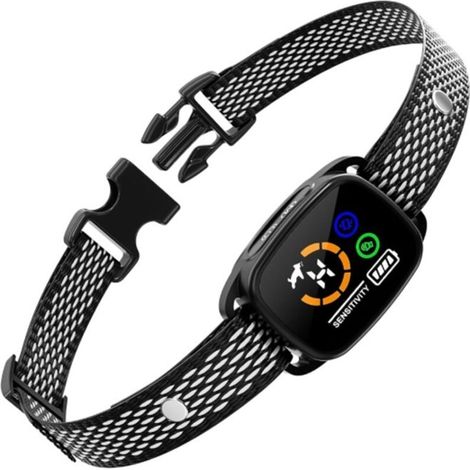
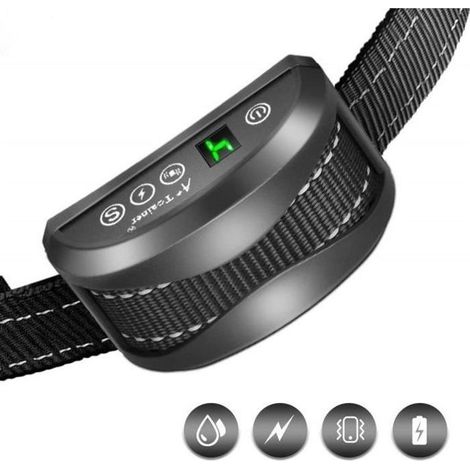
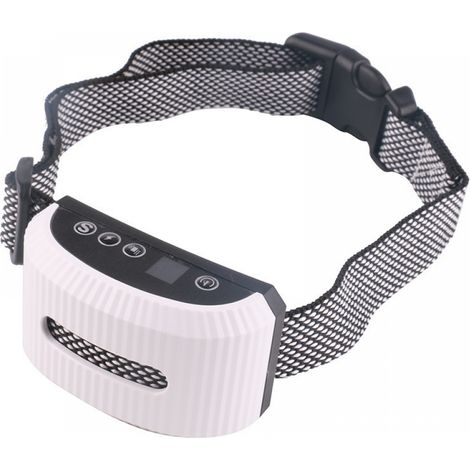
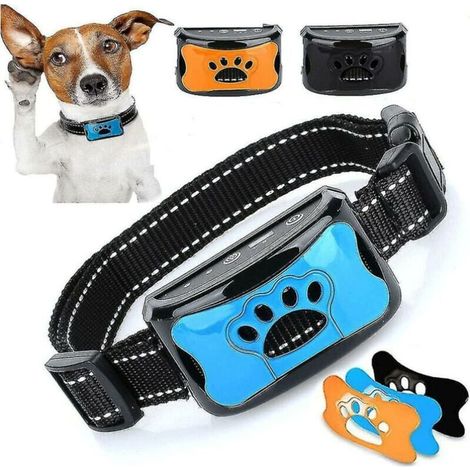
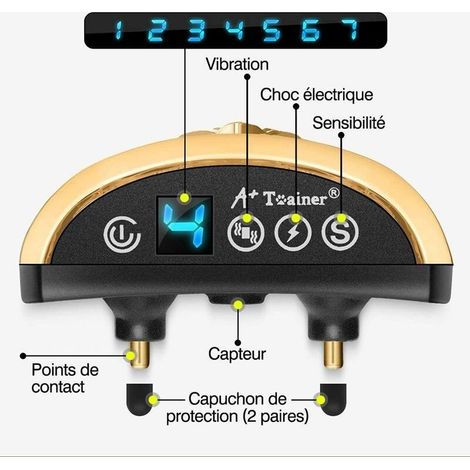
- it is a collar that has a sensor to detect barking;
- it generates an annoying or painful response to each bark;
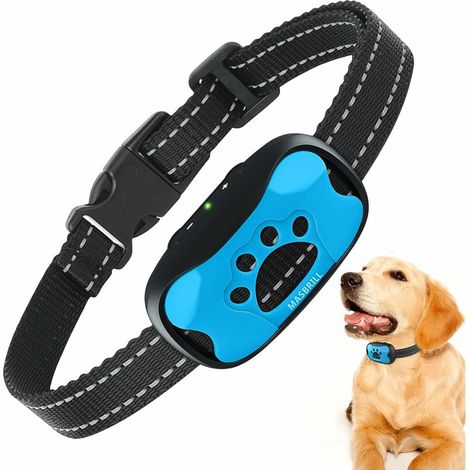
- some models emit a beep at the first bark and produce increasingly strong responses if the dog continues.
The available devices are distinguished by the type of response they send to the dog when it barks:
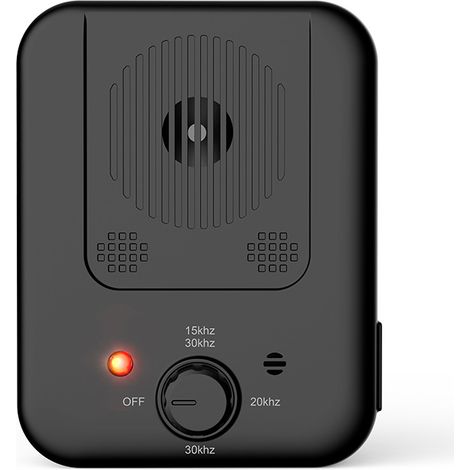
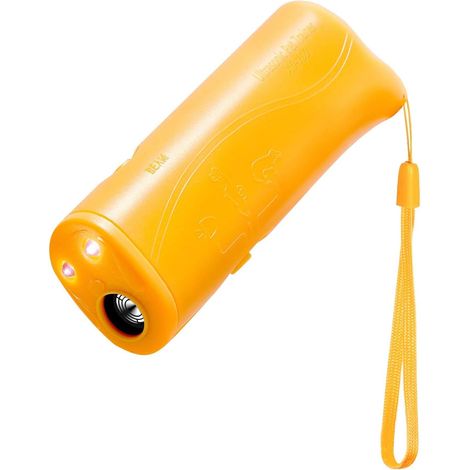
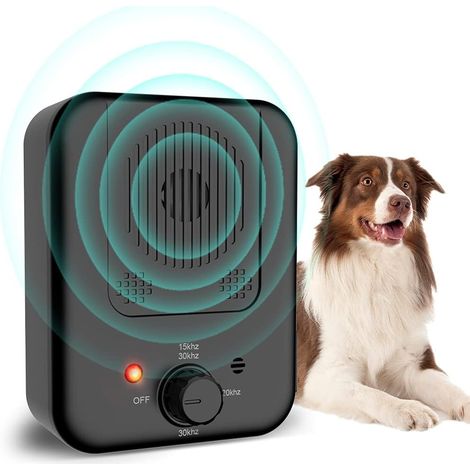
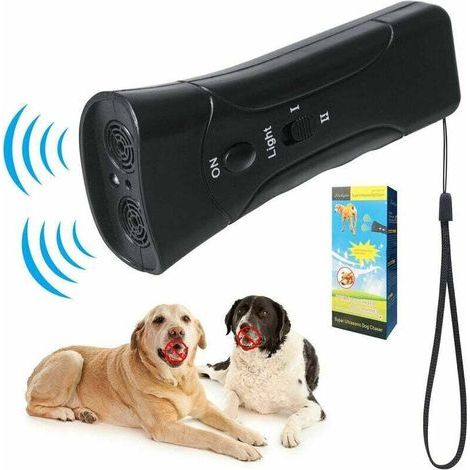
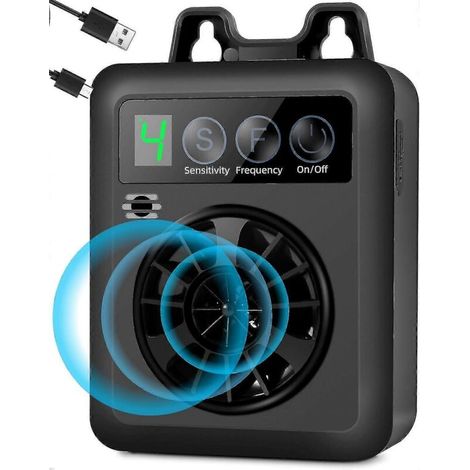
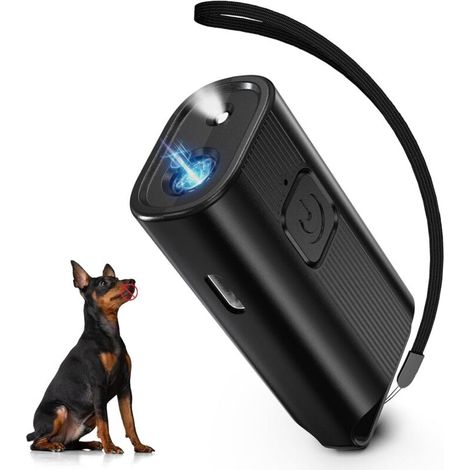
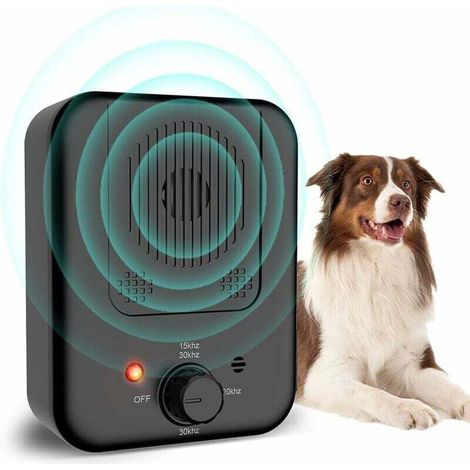
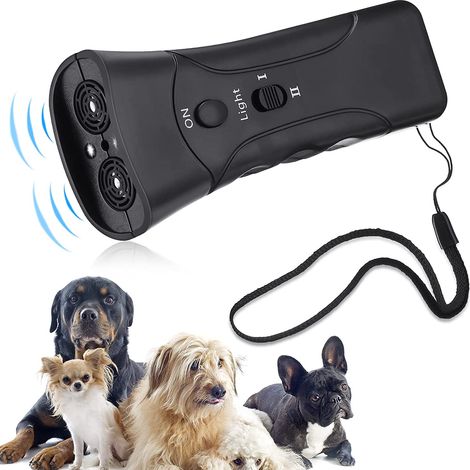
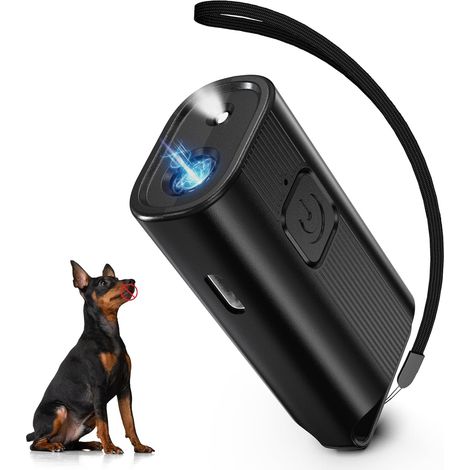
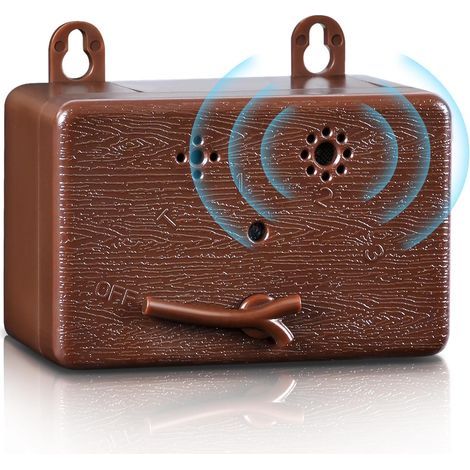
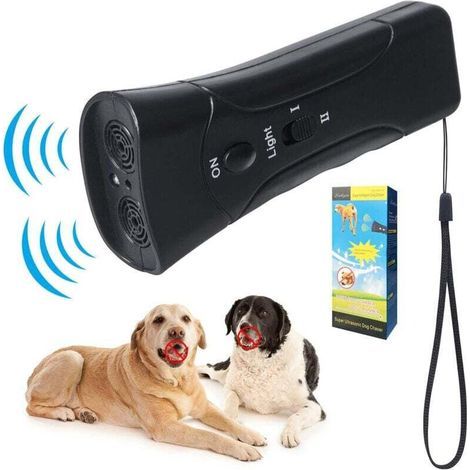
- ultrasonic models emit low frequency sounds that only the animal can hear to dissuade it from continuing to bark;
- vibration devices respond to barking with disturbing vibrations for the animal;
- spray collars release jets of water or citronella;
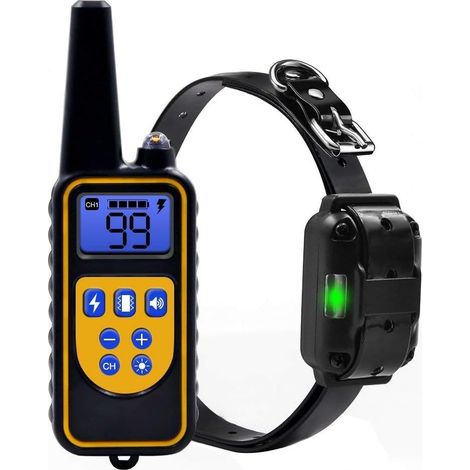
- electric collars are comparable to batons by producing electrical shocks that can be painful for the animal.
Different parameters should be considered when choosing this accessory.
- The size and weight of the dog are foremost because the collar must be suited to its neck. The comfort of the animal and the effectiveness of the device depend on it.
- The choice also depends on the dog's fur. Indeed, an animal with thick fur might remain insensitive to vibrations, or even to electric shocks.
- The dog’s sensitivity is also to be considered in the choice of the anti-barking device. While some learn the lesson after a single use, others get used to the response, thus rendering the device ineffective.
These devices can be used for other purposes:
- a vibration collar can be helpful to recall a deaf dog;
- it is also possible to use them for educational purposes (training).
The legislation concerning anti-bark collars varies from one country to another:
- in France, their use remains unrestricted;
- in Switzerland, a law banning their use was adopted in January 2018 and applied since March 2018;
- in Scotland, these devices have been prohibited since January 24, 2018.
Ultimately, owners have the possibility to use anti-bark collars generating different kinds of responses, from water jets to electric shocks, including low-frequency sounds and vibrations. It is also possible to use them to educate the dog and teach it to adopt appropriate behavior depending on the encountered situations.