Canicross is a team sport practiced by a runner accompanied by a dog. They are connected by adapted accessories to harmonize their pace and physical efforts. This activity can be pursued both competitively and as a leisure activity.
The equipment for canicross is designed to ensure the comfort of the dog and its owner. They most often consist of three parts.
- The harness, an essential element to make the dog comfortable and not hinder its breathing or movements. It must be adjusted to its size to allow it to use the full weight of its body when pulling on its leash, without risk of choking. Consequently, choke collars, semi-choke collars, or pinch collars are prohibited.
- The shock-absorbing bungee line, linking the two athletes via a material that reduces the effects of shocks during the run. The regulatory length is 2 m for cani-walking and canicross, against 2.5 m for the mountain biking variant (bikejoring).
- The canicross belt or harness. The owner can choose between a belt and a harness to attach to the bungee line. This choice is essentially determined by their level of comfort during the run.
Beyond these basic materials, some federations require the use of additional accessories to improve the level of comfort and safety of participants. For example, it is sometimes recommended to use during the competition:
- running shoes suitable for rough terrain (trail models);
- clothes suitable for trail running or running (t-shirts, shorts, etc.);
- compression sleeves or socks.
In principle, all breeds of dogs can be trained to do canicross. However, some are more skilled than others. Moreover, it's imperative to consult a veterinarian beforehand to assess the physical abilities of one’s canine companion.
- Sled dogs are among the most efficient in this discipline. However, they generally prefer running in a group. This herd instinct might thus be bothersome to the owner in the long run.
- Racing-type dogs are most common in the world of competition. Consequently, enthusiasts of this discipline often team up with pointers, greysters, sighthounds, or greyhounds.
Training in canicross largely consists of getting used to physical exercise and one's dog's behavior or training it to match one's pace. Generally, through practice, the two athletes eventually find a happy medium between their respective paces. Nonetheless, it's essential to train one's canine partner to:
- prevent it from jumping on its owner or being distracted by its surroundings;
- encourage it to truly run;
- teach it to maintain the same direction throughout the race.
Before taking up canicross, it's essential to acquire regulatory equipment and properly train one's dog. For everything else, a bit of practice and setting progressive goals are sufficient.



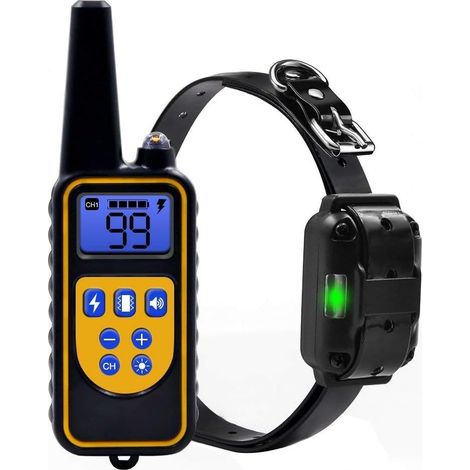

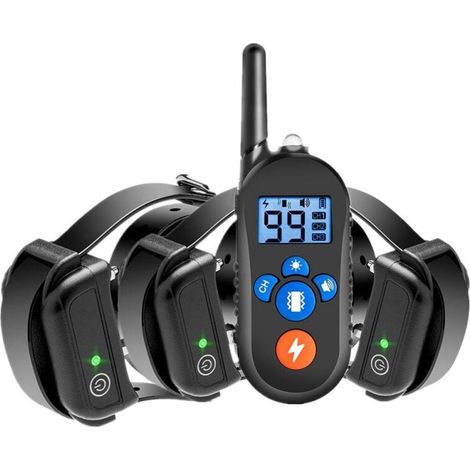





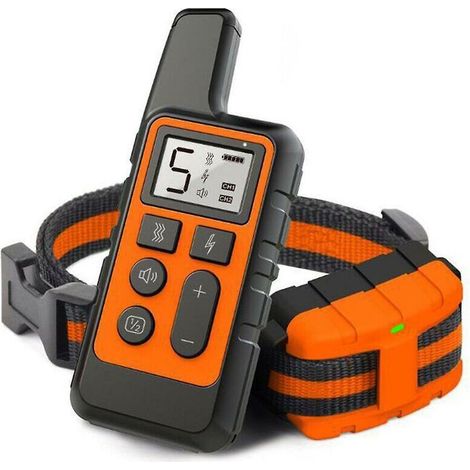
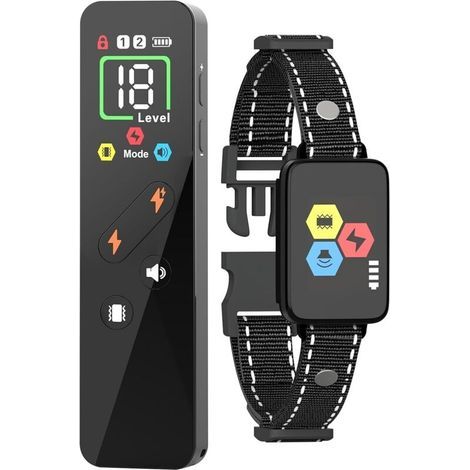
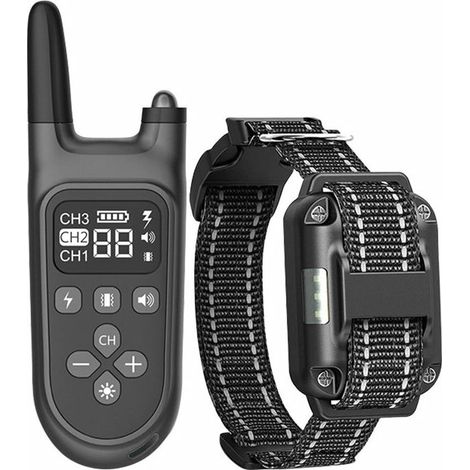
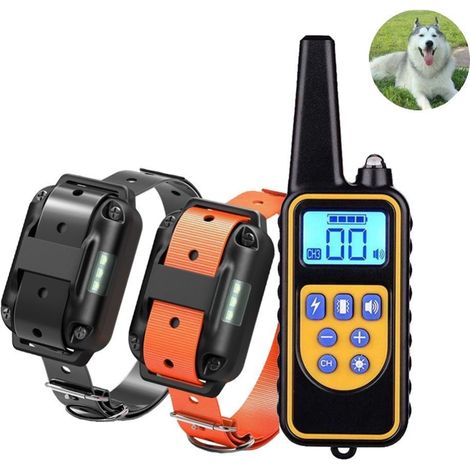
![800m Remote Rechargeable Waterproof Dog Training Collar [1 Transmitter + 3 Receivers] (1/4)](https://cdn.manomano.com/pim-media/images/medium/5c10ff9f10e600d641e520574aa7f4ea2434f639.jpg)









'/%3E%3C/svg%3E)
'/%3E%3C/svg%3E)