A composter is commonly used to produce a free and environmentally friendly fertilizer for the garden or for small orchards. This type of equipment also contributes to the recycling of mineral and organic waste. It also makes it easier to prepare compost for those wishing to switch to organic farming.
A composter is an equipment:
- allowing the storage and fermentation of organic or mineral waste to obtain compost;
- giving the possibility to produce a 100% natural fertilizer that can be used in organic farming;
- suitable for individual gardens, due to its economic aspect and its dimensions specially designed for small-scale composting.
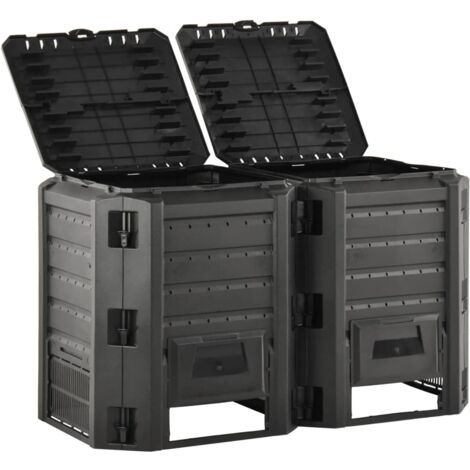
The container must have certain characteristics to ensure the proper functioning of the process. It must notably have openings to be able to:
- recover the natural fertilizer at the end of the operation;
- ventilate the compost and accelerate the fermentation process;
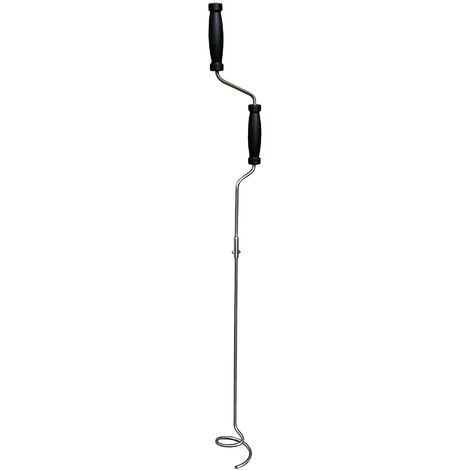
- easily mix the compost pile and thus obtain a homogeneous product.
The composter can be made of:
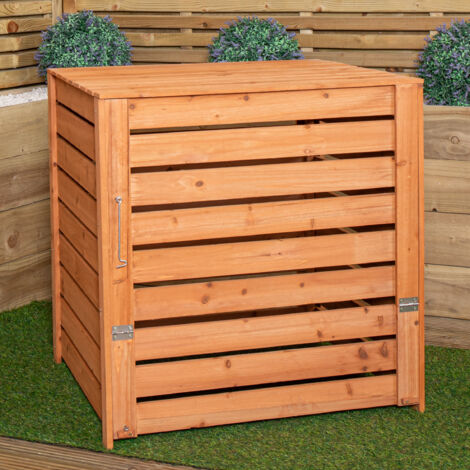
- wood, an insulating material, preventing major temperature variations inside the bin and thus improving the efficiency of the setup;
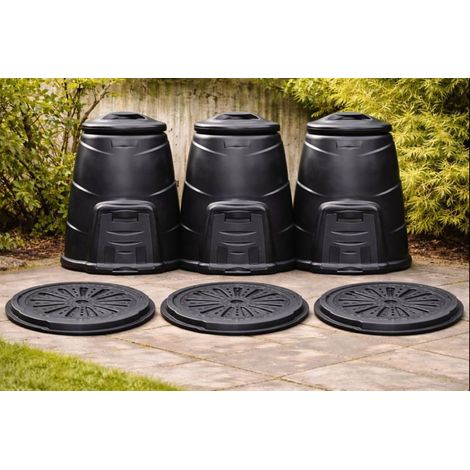
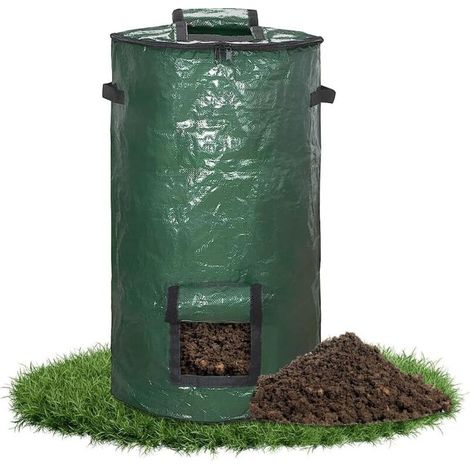
- plastic, a lightweight, practical, inexpensive, and aging-resistant material;
- recycled plastic, contributing to the ecological approach on all fronts.
Depending on the composting method considered, the user can choose between three types of containers:
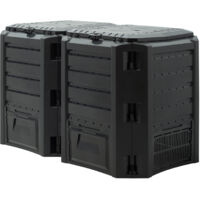
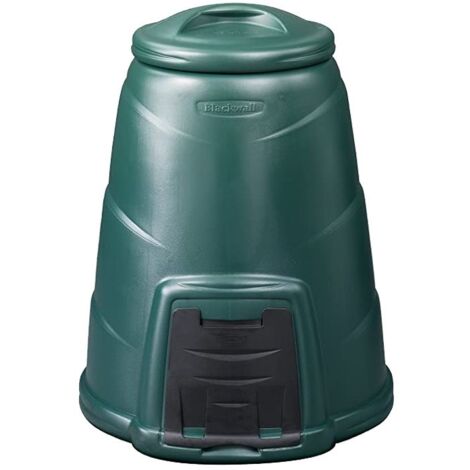
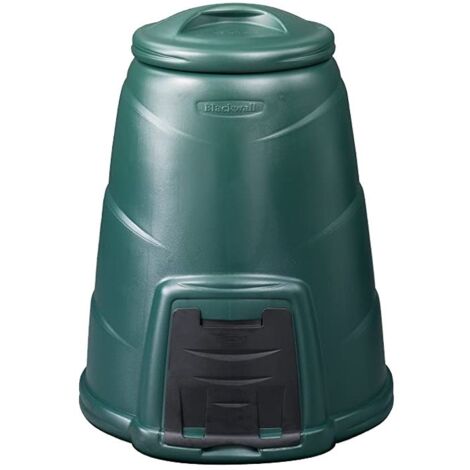
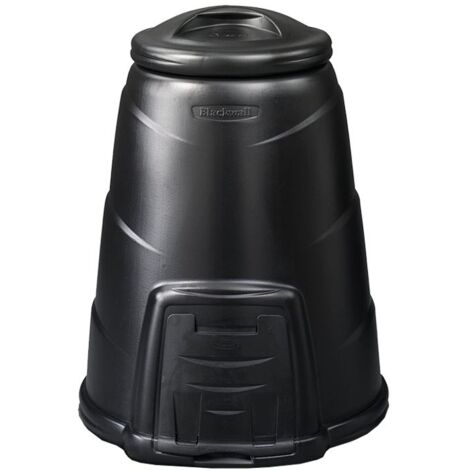
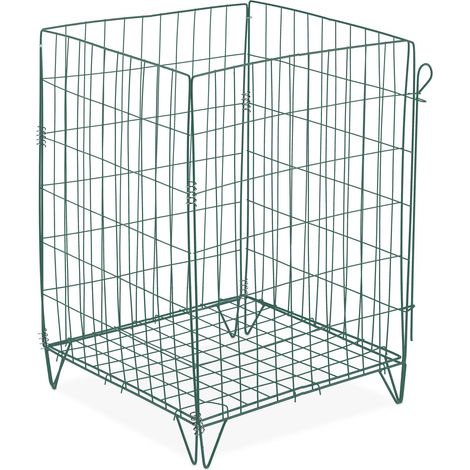
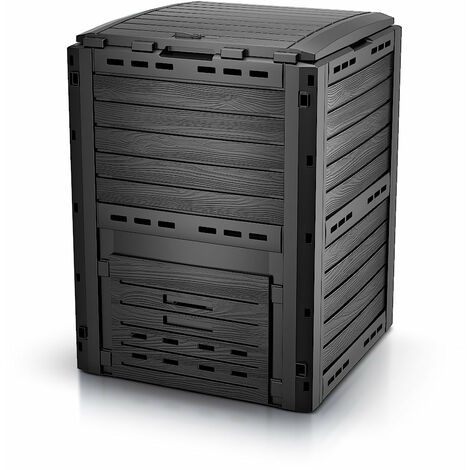
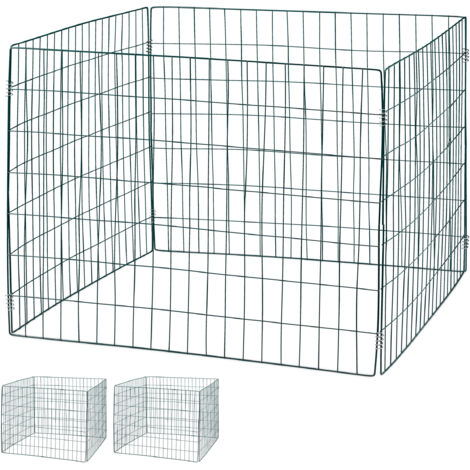
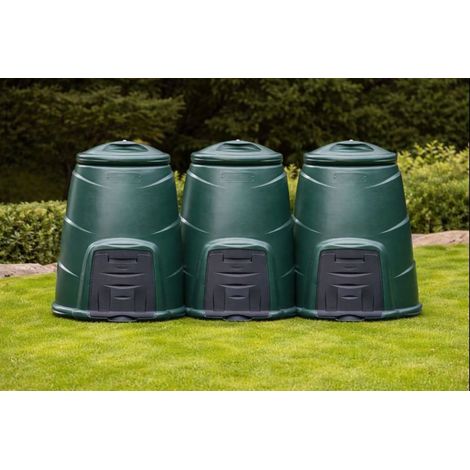
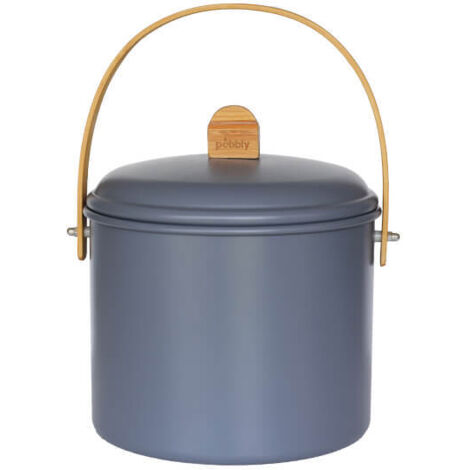
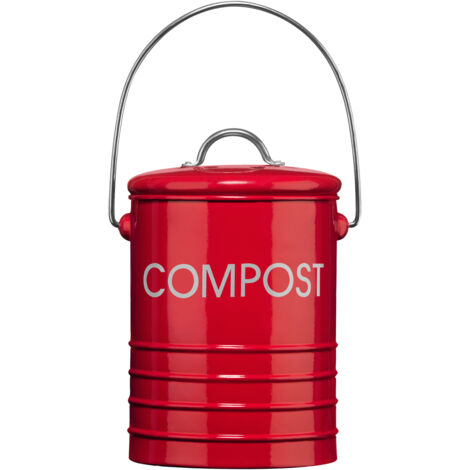
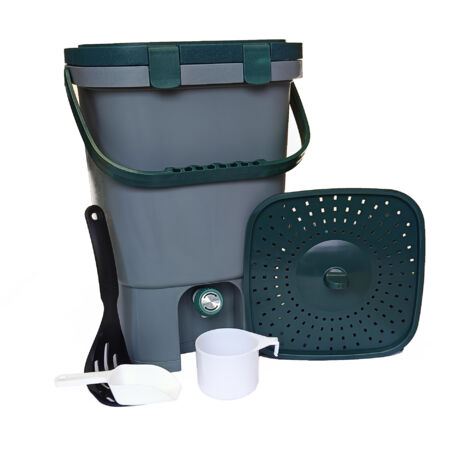
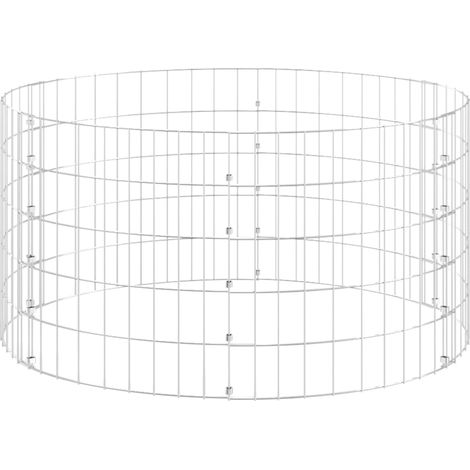
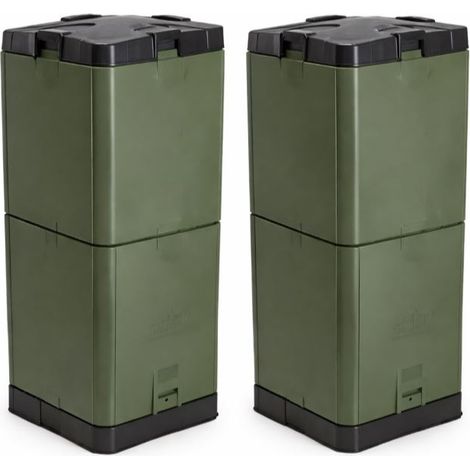
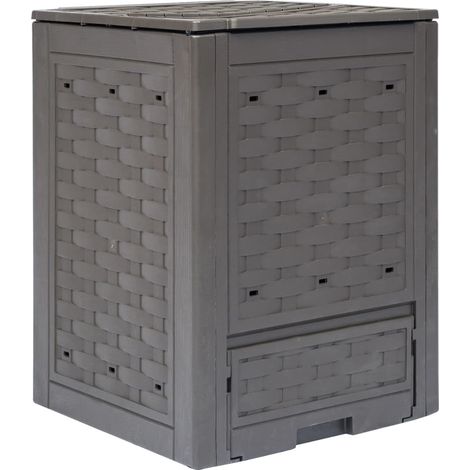
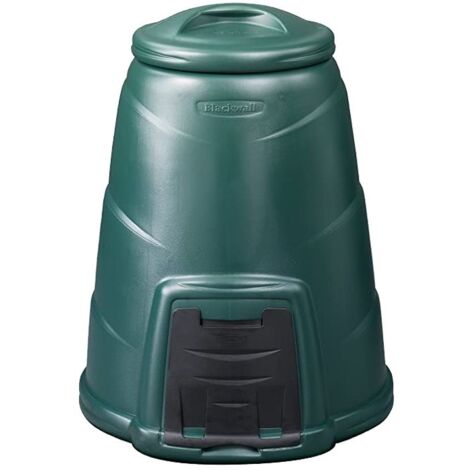
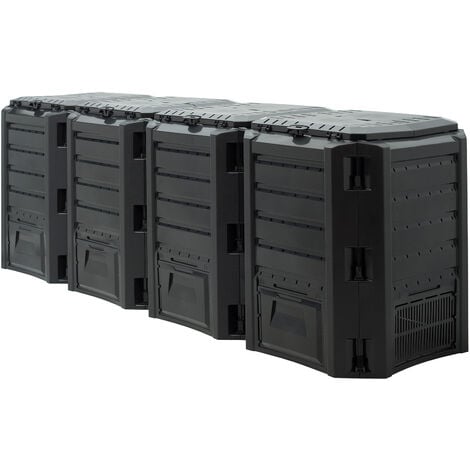
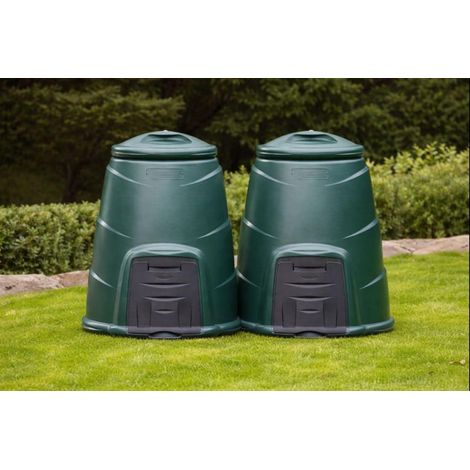
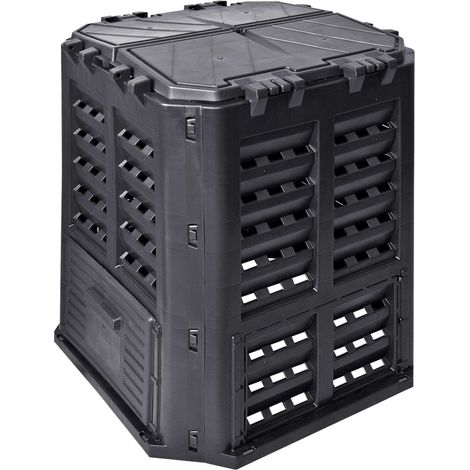
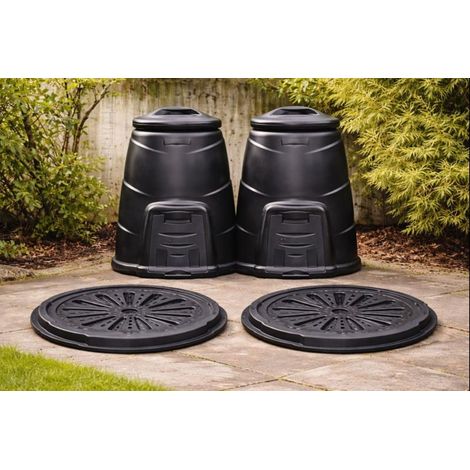
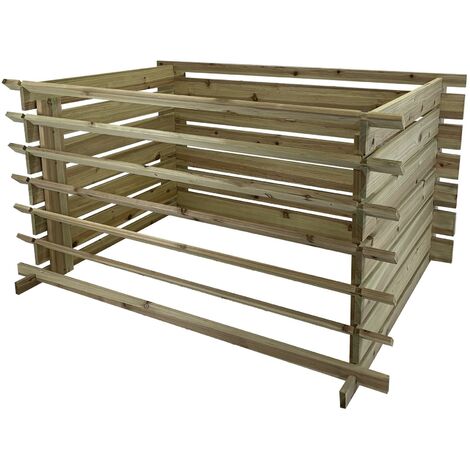
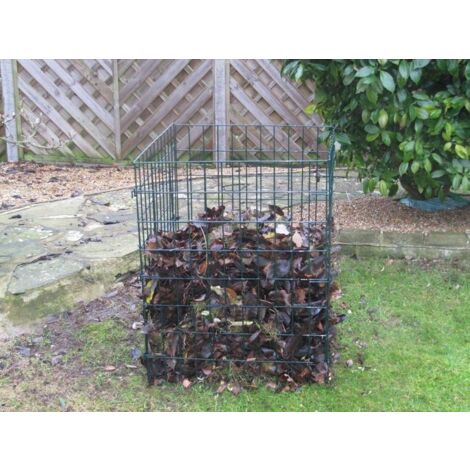
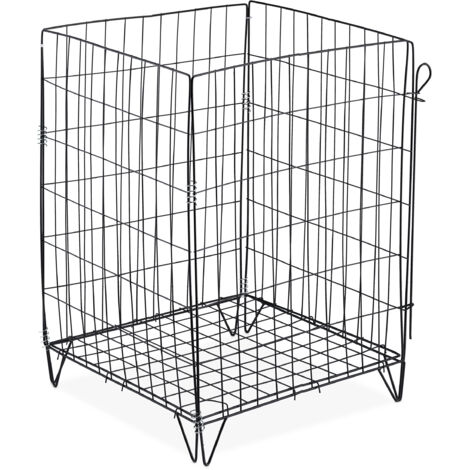
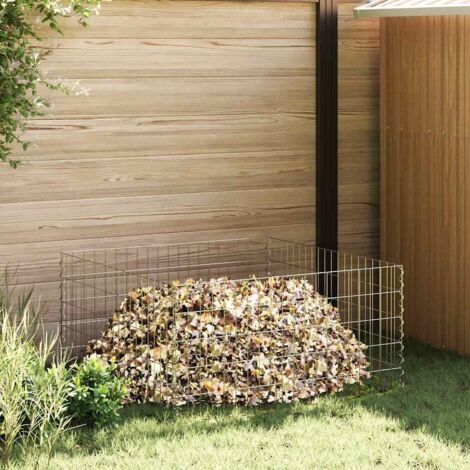
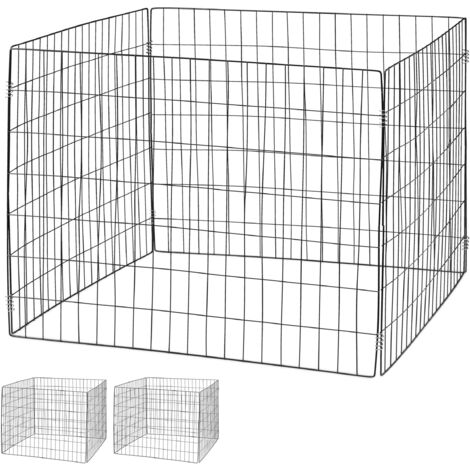
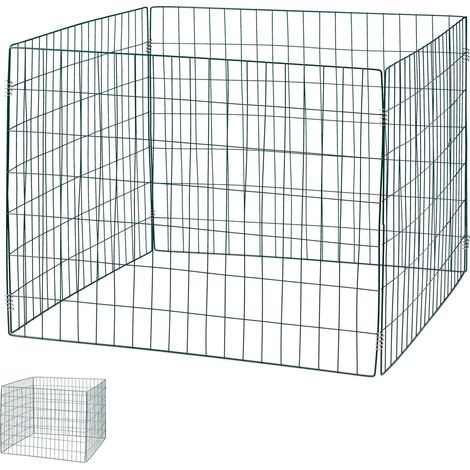
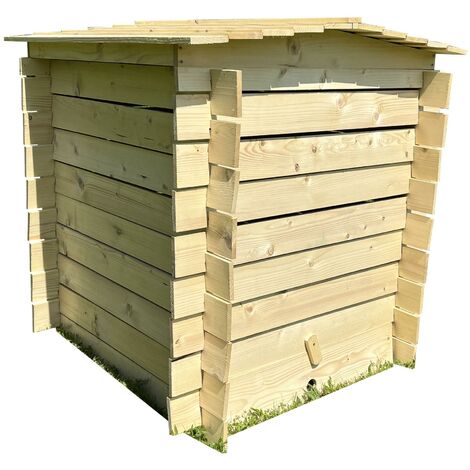
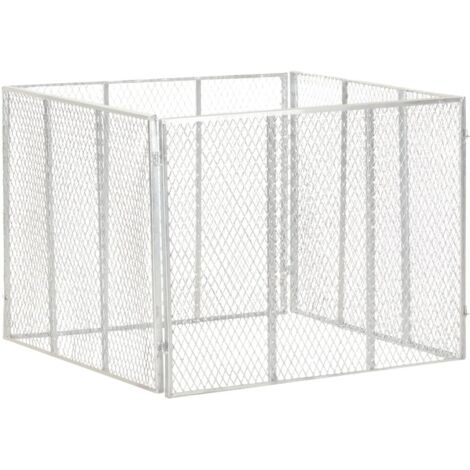
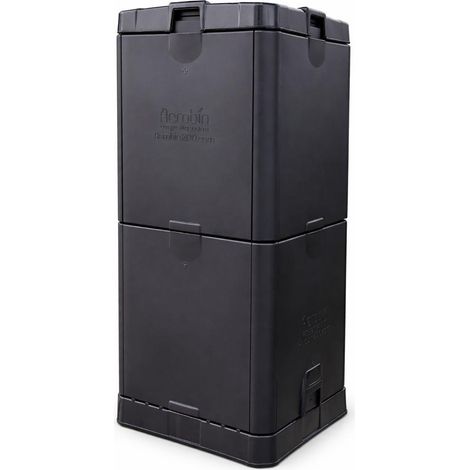
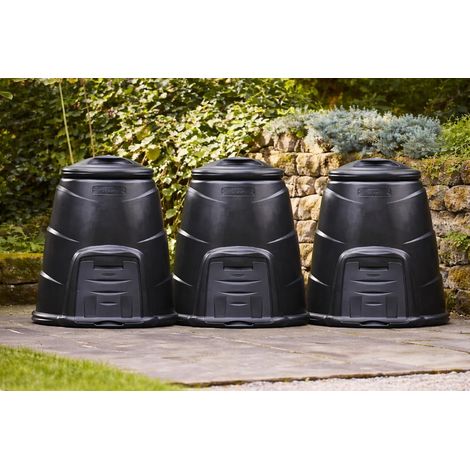
- the compost bin, made of wood or plastic, often cylindrical or cubic in shape, particularly economical;
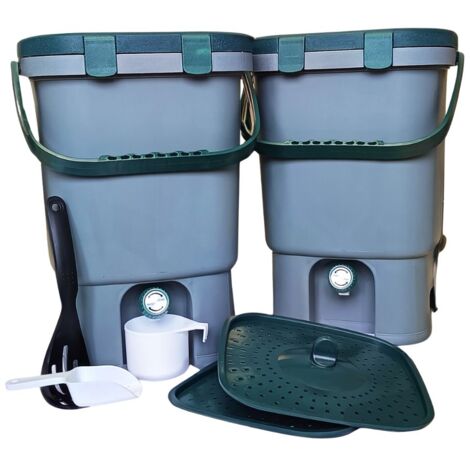
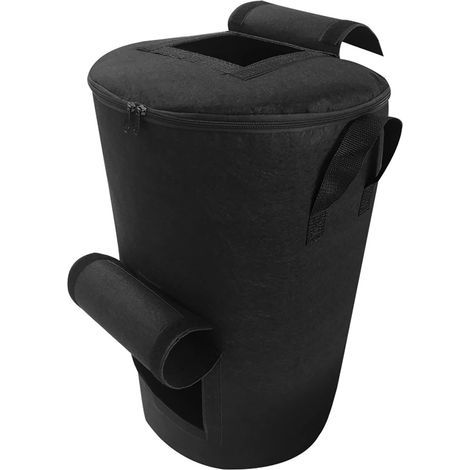
- the worm compost, a bin used to raise red worms, invertebrates that feed on organic waste to live and transform it into fecal matter, an excellent natural fertilizer (Attention! Containers made from compact materials must be used for this composting technique, as these invertebrates do not tolerate daylight);
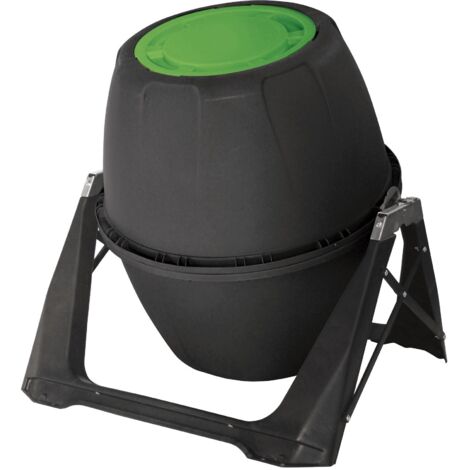
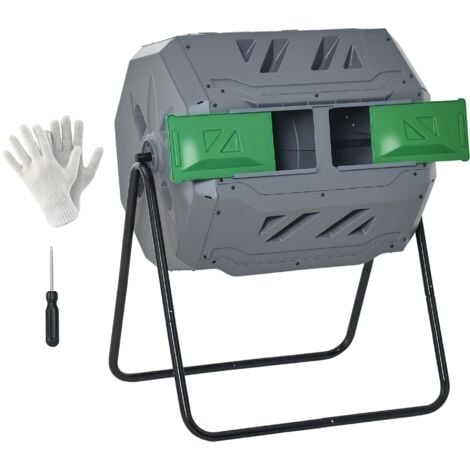
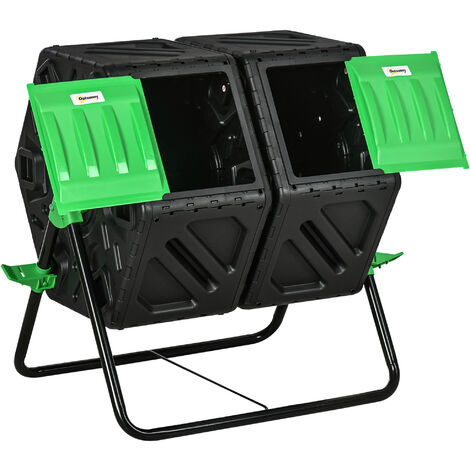
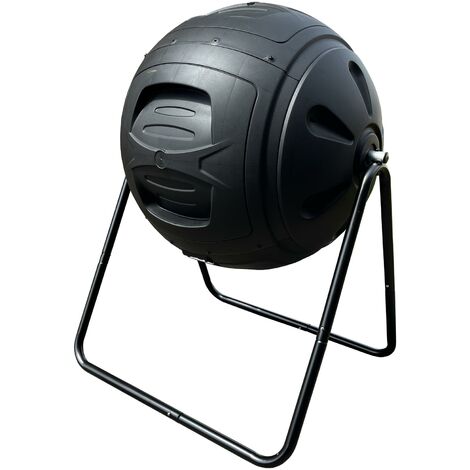
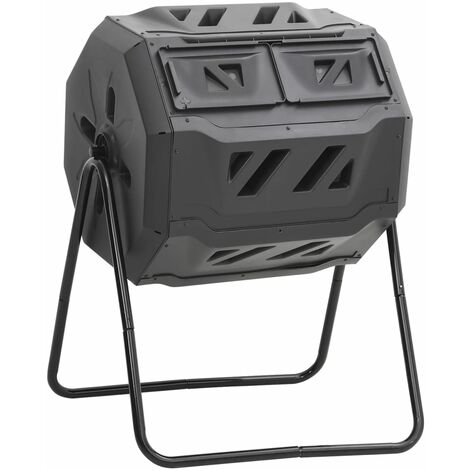
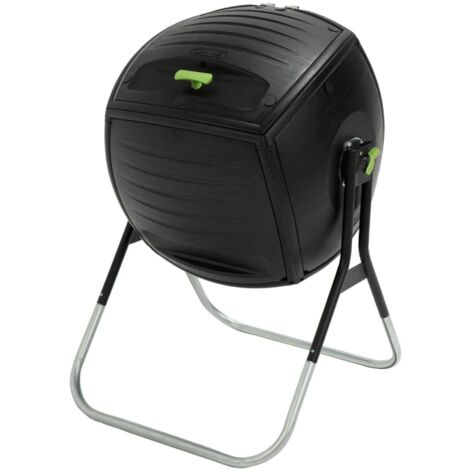
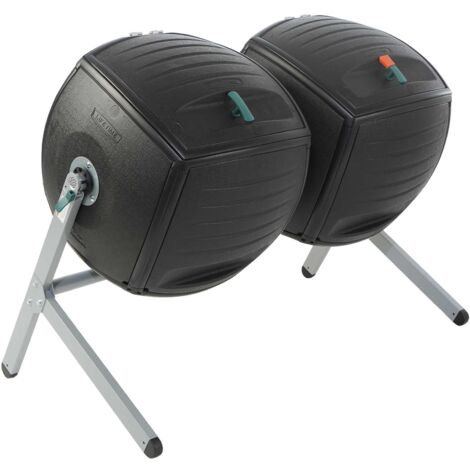
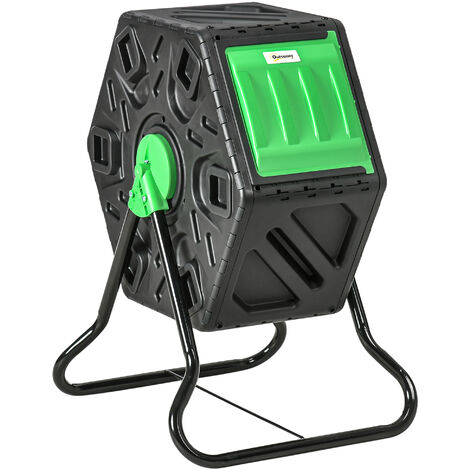
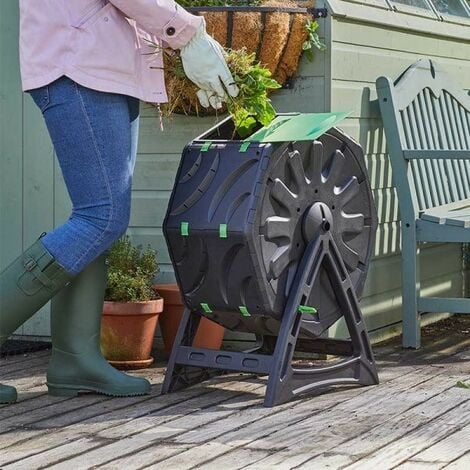
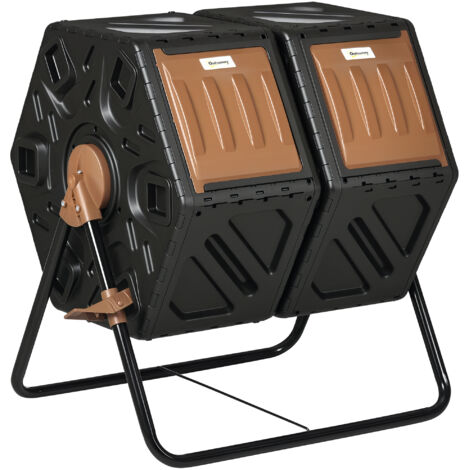
- the rotary model, cylindrical in shape and mounted on wheels or legs. It is equipped with a crank to rotate it on its base. This functionality facilitates the mixing of the compost and accelerates its maturity. However, these devices are often more expensive than basic models.
To find the composter most suited to one's garden, it is essential to define the desired method for producing one's organic fertilizer, anticipate the waste to be recycled, and consider the resources available on one's property (space, light, ventilation, etc.).
'/%3E%3C/svg%3E)



















'/%3E%3C/svg%3E)
'/%3E%3C/svg%3E)