Filter by
Drills and combi drills
500+ productsIf you choose a cordless drill, get at least two Lithium-Ion batteries and a brushless motor for superior performance.

'/%3E%3C/svg%3E)
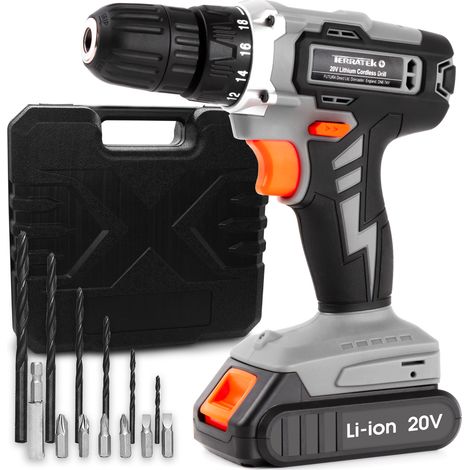
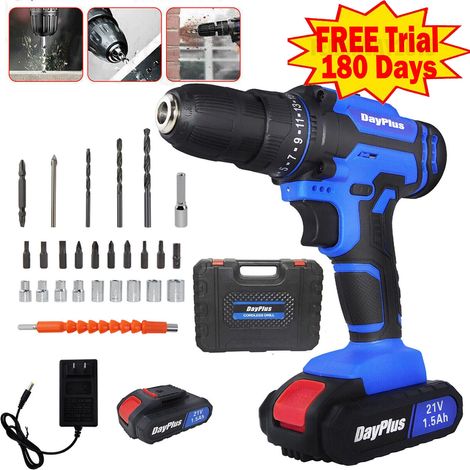
Terratek 18V Cordless Drill Driver Electric Screwdriver Bit Set, LED Light, Battery & Charger Included
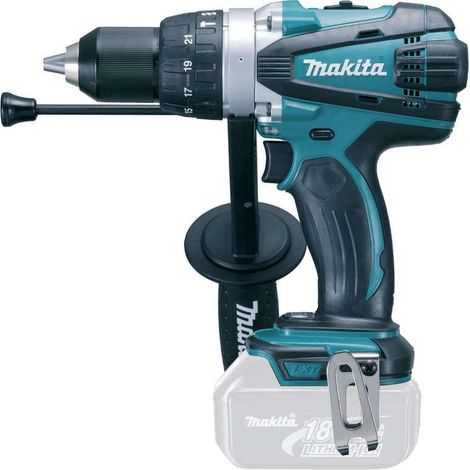
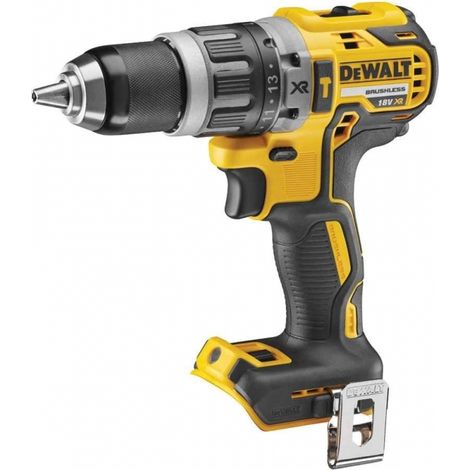
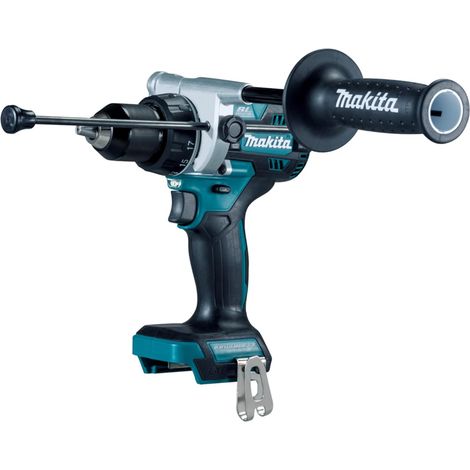
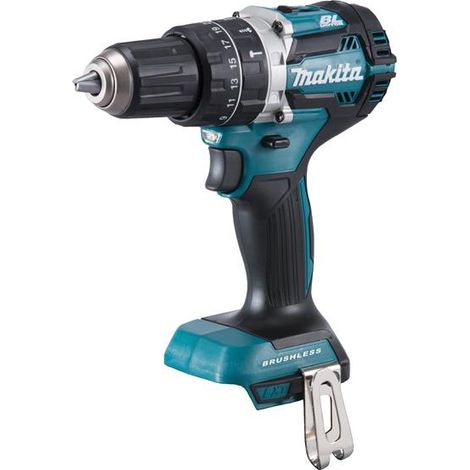
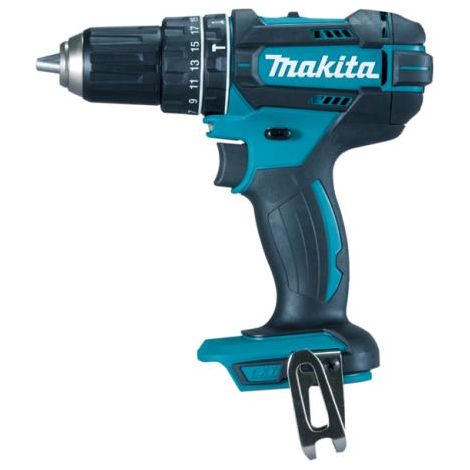

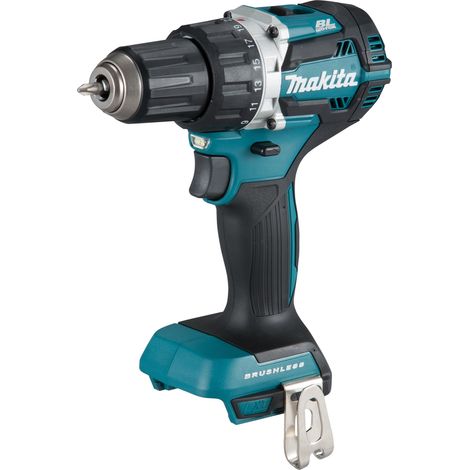
Makita DHP482Z 18v LXT 2 Speed Cordless Combi Drill Bare Unit RP DHP456
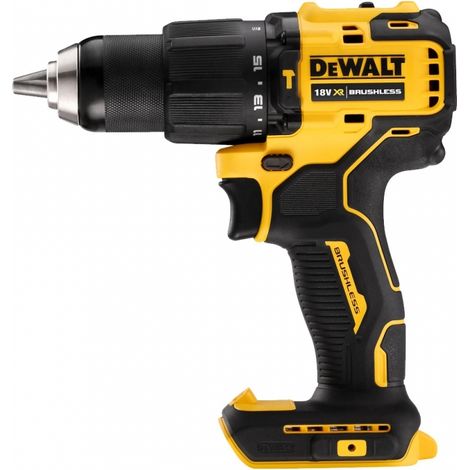

Dewalt DCD709N 18v XR Li-Ion Brushless Compact Combi Hammer Drill - Bare
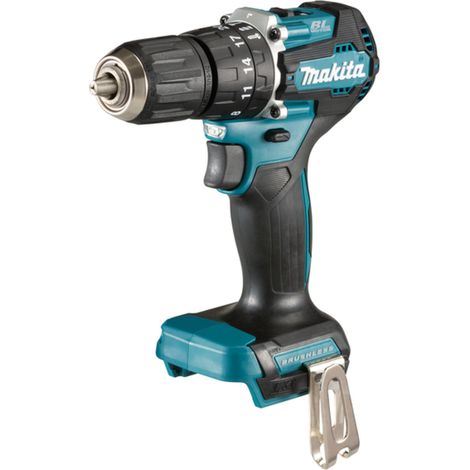
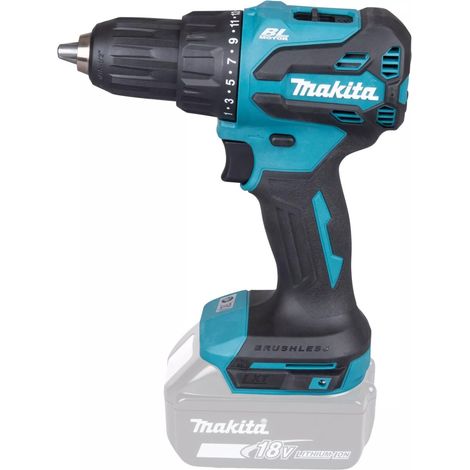
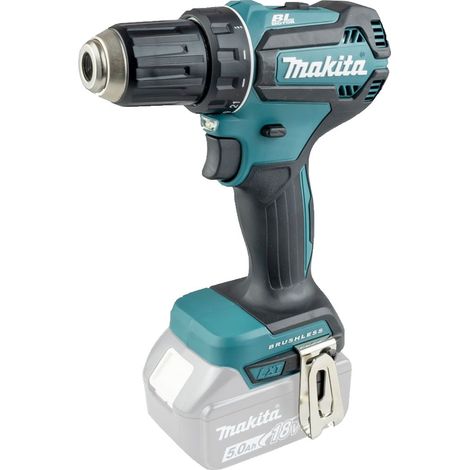
Makita DHP487Z 18V LXT Lithium Brushless Combi Hammer Drill Sub Compact - Bare

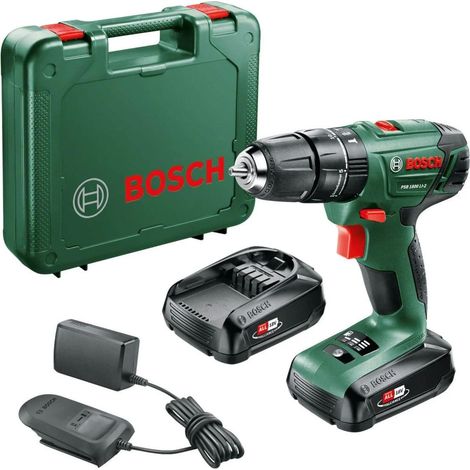

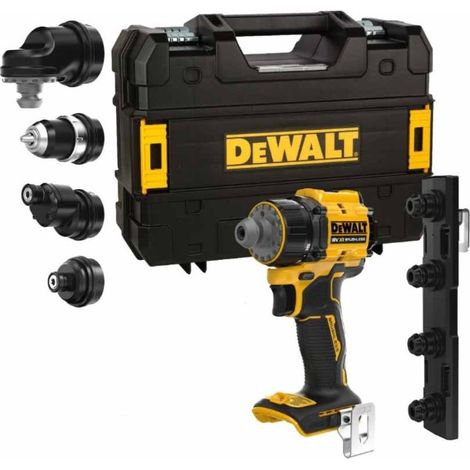
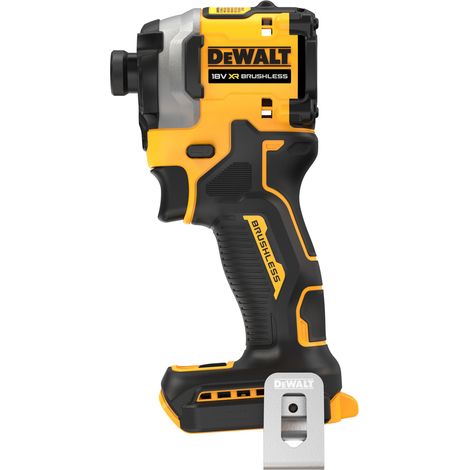
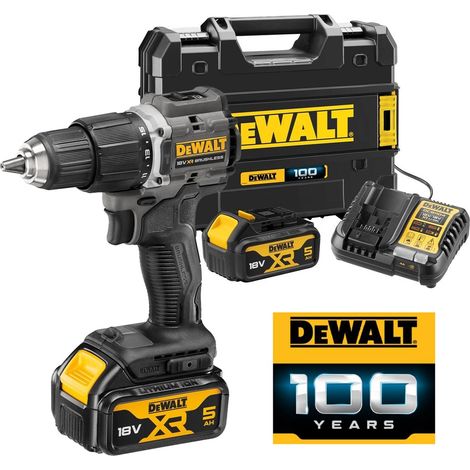
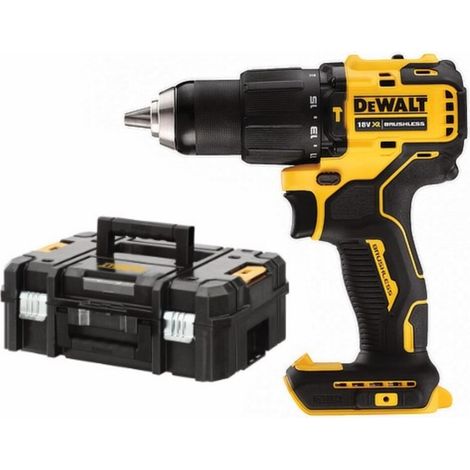
Dewalt DCD805N 18v XR Compact Brushless Hammer Drill Driver Naked With Case
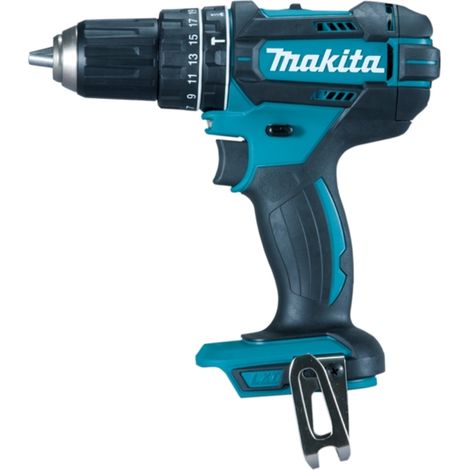
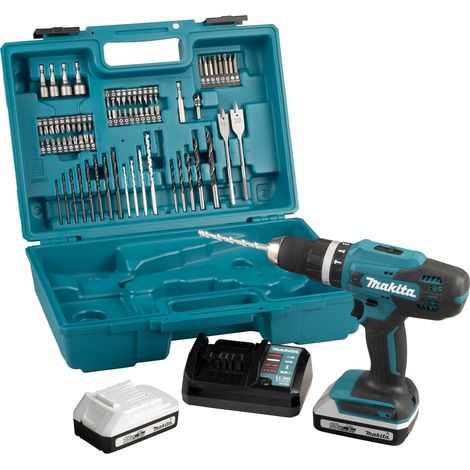
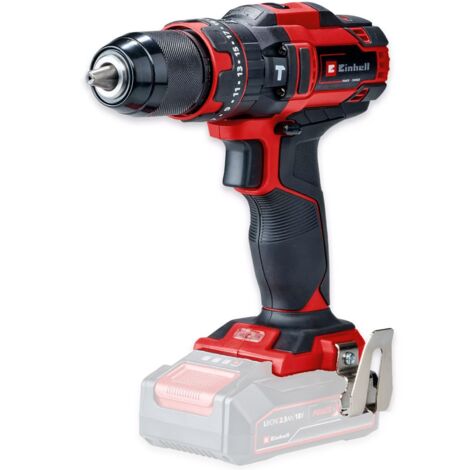

Einhell TE-CD Cordless Combi Drill PXC 18v Metal Chuck TE-CD18/44 SOLO Bare Tool
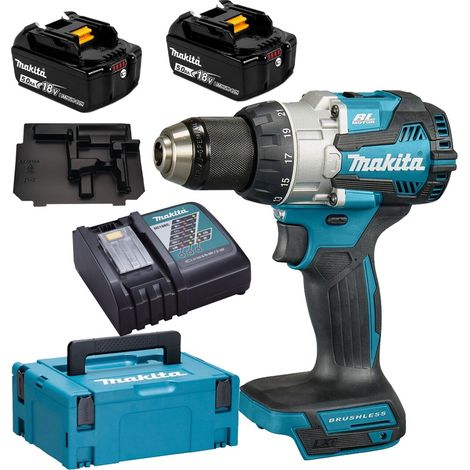
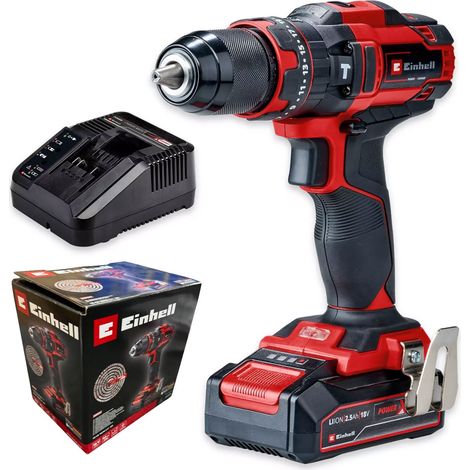
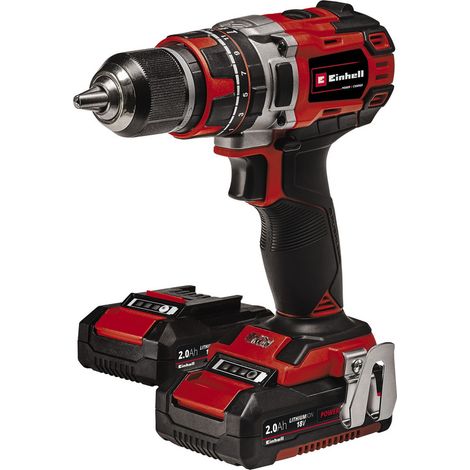
Einhell TE-CD 18/44 Cordless Combi Drill PXC 18v Metal Chuck 1 x Battery Charger
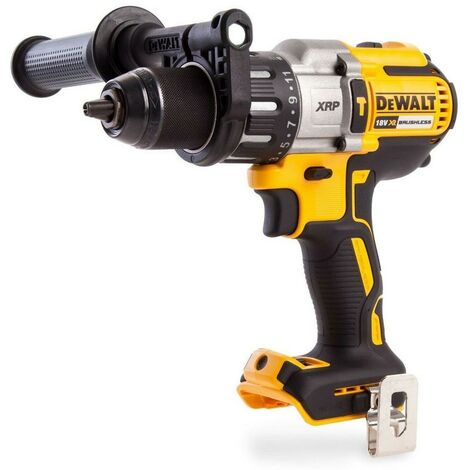
Dewalt DCD996N 18v XR 3 Speed Brushless Combi Hammer + Side Handle RP DCD995N
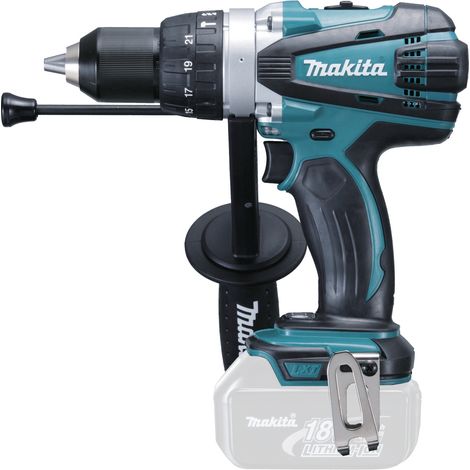
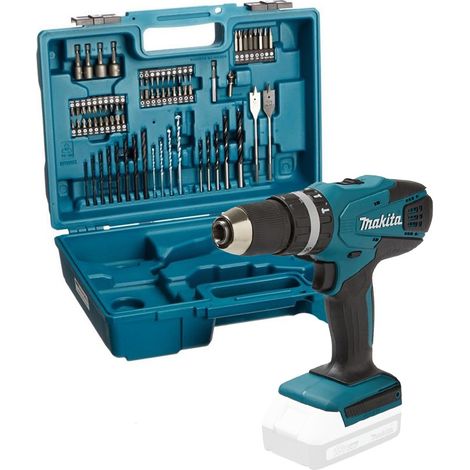
Makita DHP458 DHP458Z 18v Lithium Ion LXT Combi Hammer Drill Replaces - BHP458Z
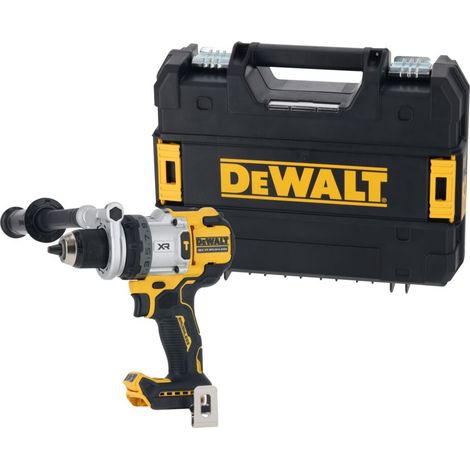
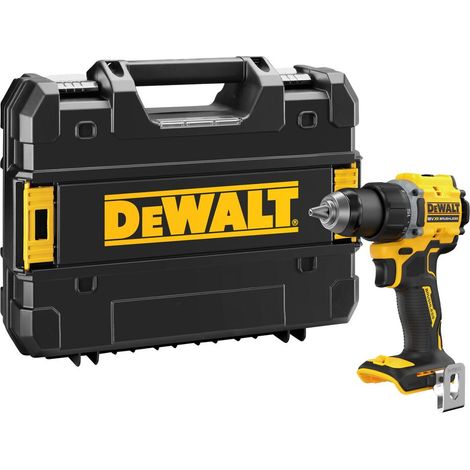
DeWalt DCD1007NT-XJ 18V XR Brushless Premium Hammer Drill Driver In TSTAK Case
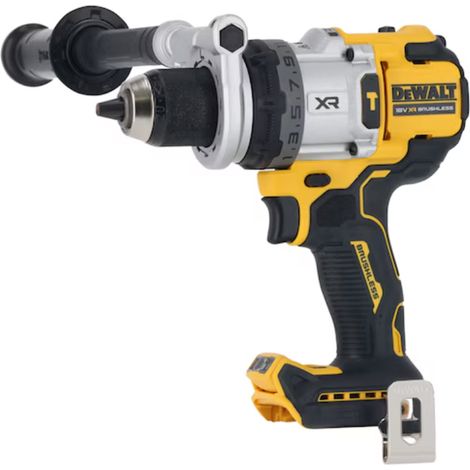
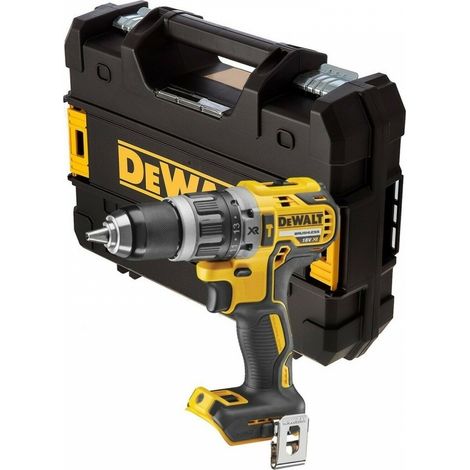
Dewalt DCD796N 18v XR Brushless Compact Combi Hammer Drill Bare + Tstak DCD796NT
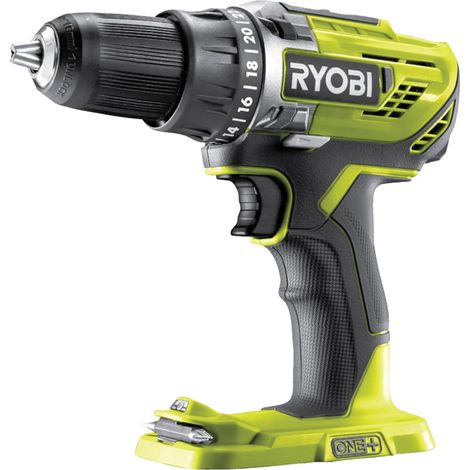

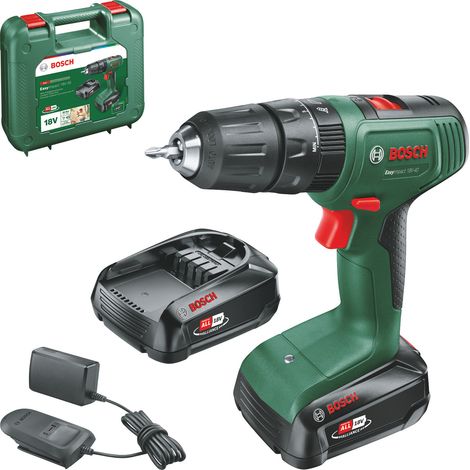
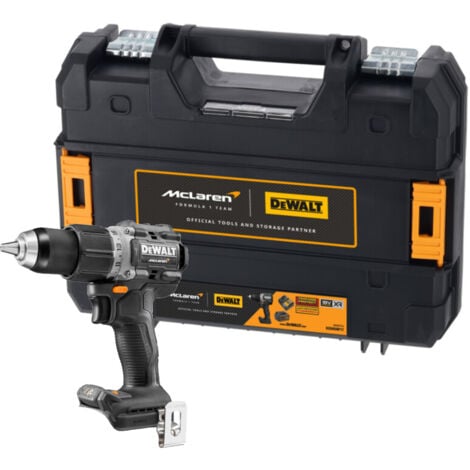



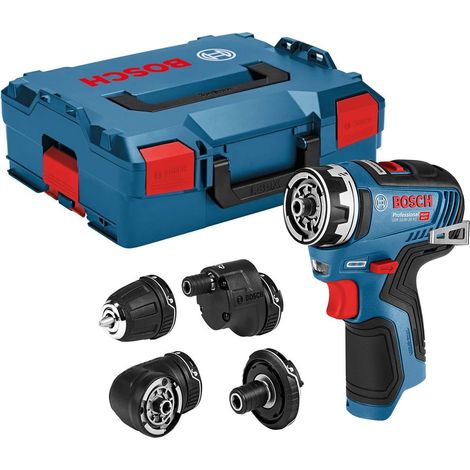

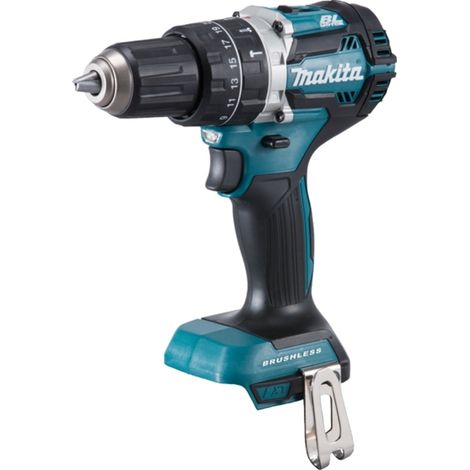
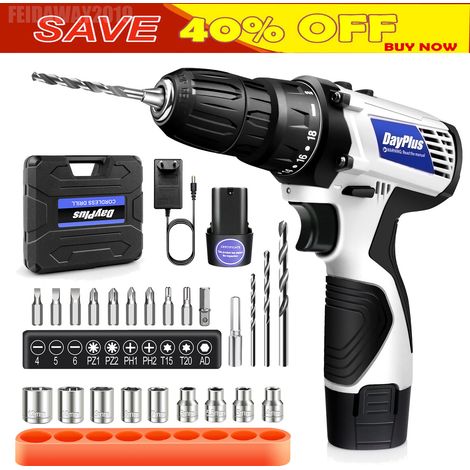
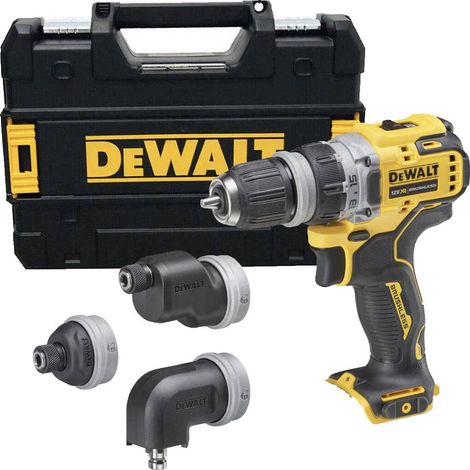
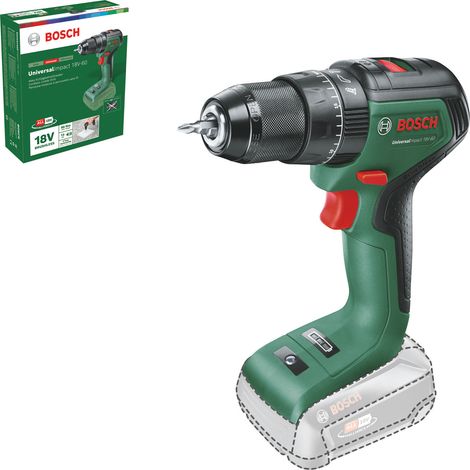
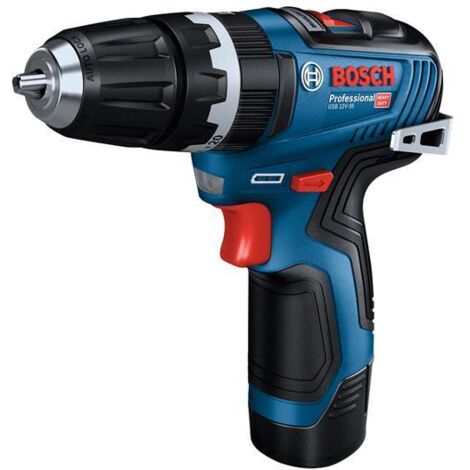

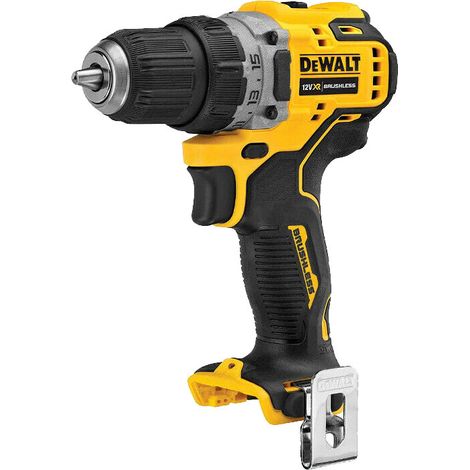
Bosch 06019J9070 GSB 12V-35 Professional Combi Drill 12V 2 x 3.0Ah Li-ion BSH6019J9070

'/%3E%3C/svg%3E) team
team'/%3E%3C/svg%3E)
'/%3E%3C/svg%3E)
'/%3E%3C/svg%3E)
'/%3E%3C/svg%3E)