Between wires and electrical cables, it’s not always easy to find your way. Moreover, the section to use mainly depends on the installation, the current intensity, and the equipment to power. Follow this guide to not lose track!
In everyday language, the words "wire" and "cable" are interchangeable. However, they refer to two quite different elements.
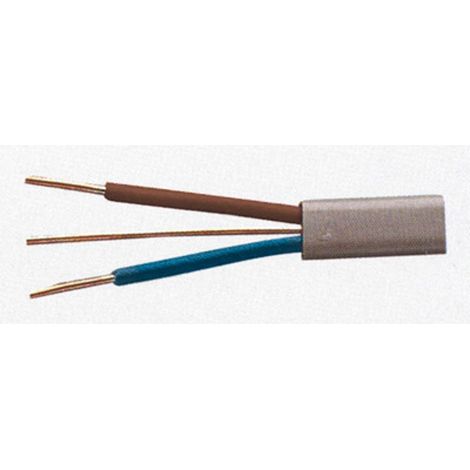
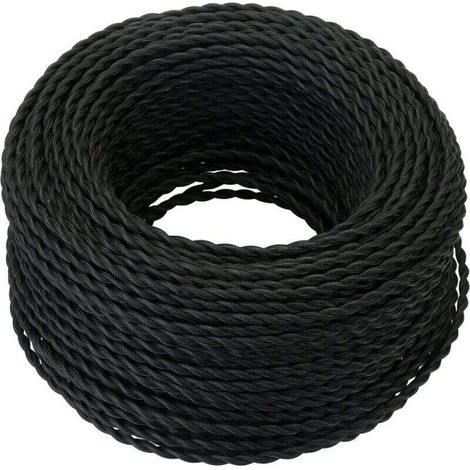
- Essentially, an electrical wire is used to carry current. It has a core made of a conductive material. This element can be single-strand or multi-strand depending on its use and its section. Most often, the core is made of copper, but it can also be nickel. It is coated with an insulating material (plastic, etc.).
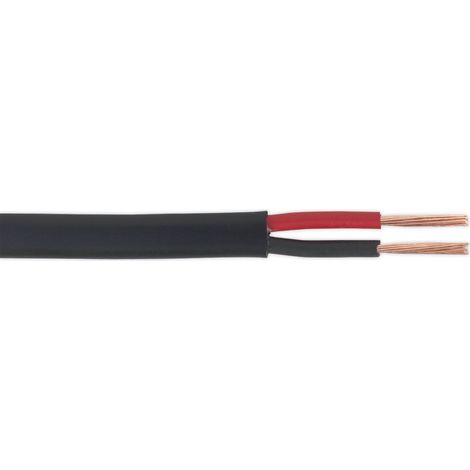
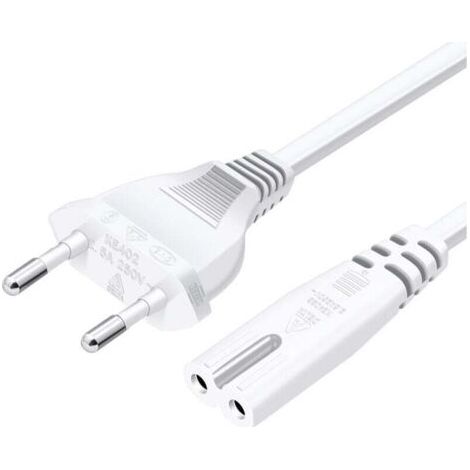
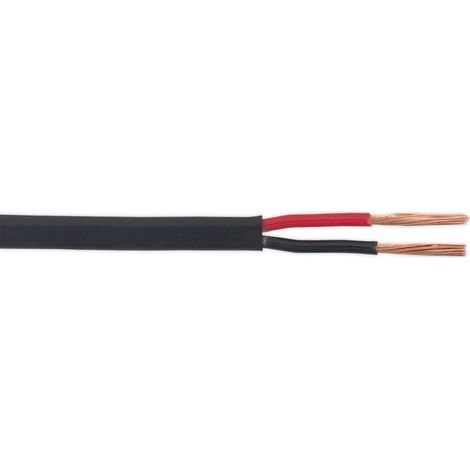
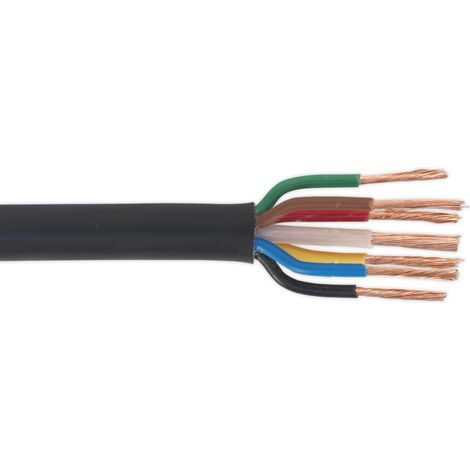
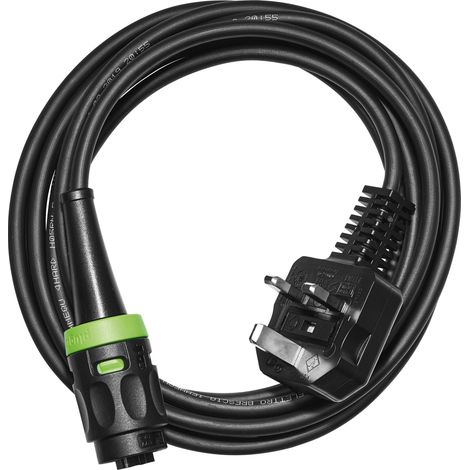
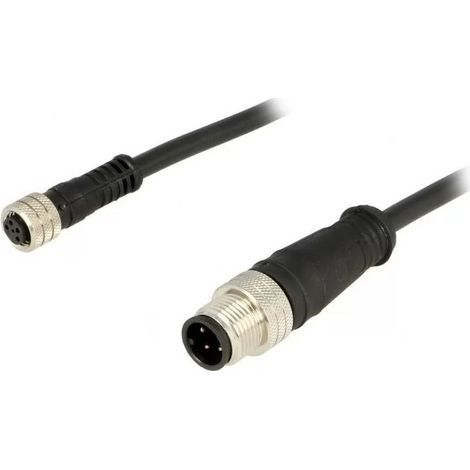
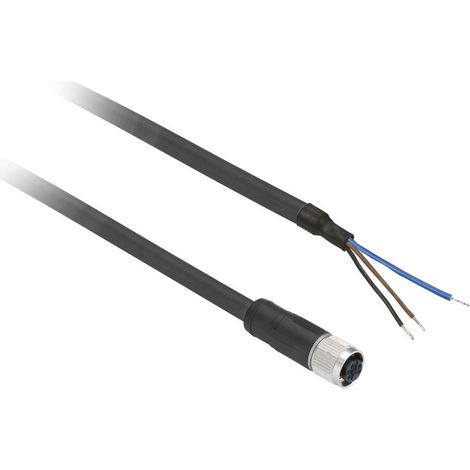
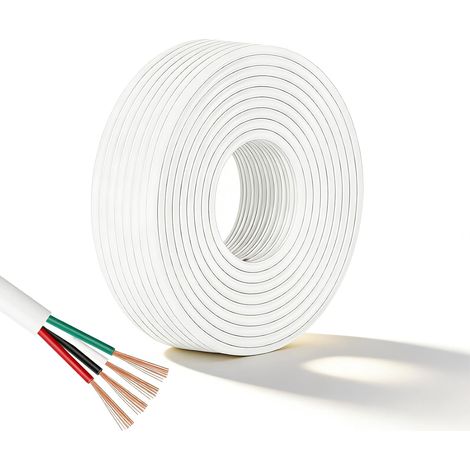
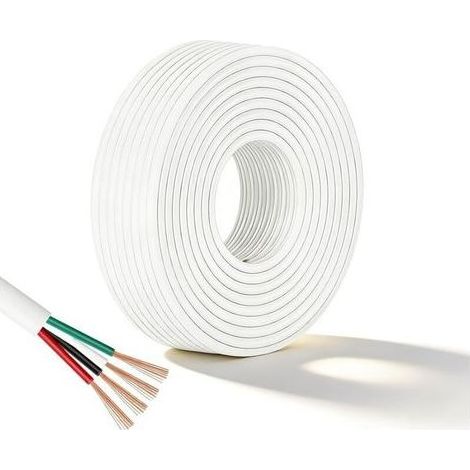
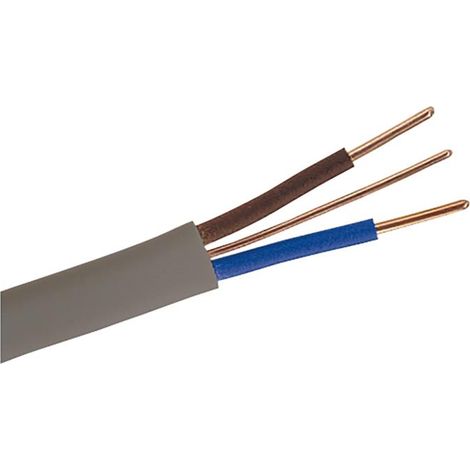
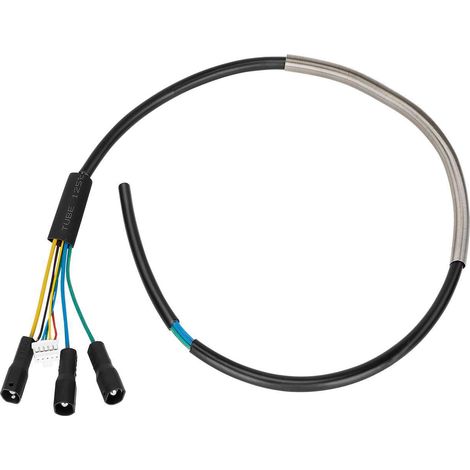
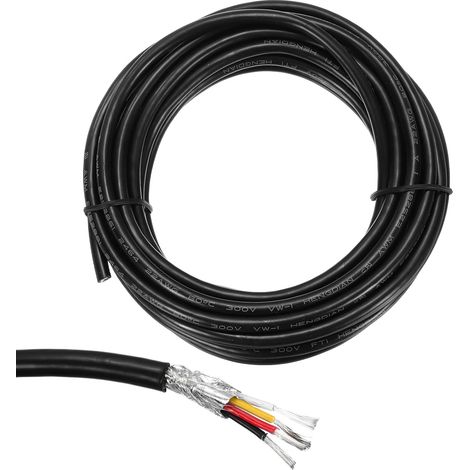
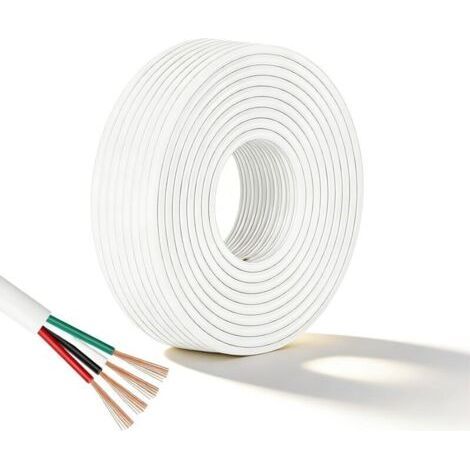
- The term “cable” refers to a set of multiple electrical wires wrapped in a protective sheath (often plastic). Their diameter and number vary depending on the intended use.
The section is one of the characteristics that help identify the wires in an electrical cable. Expressed in mm², it is subject to the NF C 15 - 100 standard for installations in a dwelling.
- in short, the greater a wire's section (a larger diameter), the more current it can carry;
- a wire of 1.5 mm² can carry up to 10 A of mains electricity (alternating, single-phase 230 V);
- a section of 2.5 mm² can carry between 16 and 20 A (mains electricity);
- a diameter of 4 mm² can carry a current of 25 A (mains electricity);
- a wire of 6 mm² can carry up to 32 A (mains electricity).
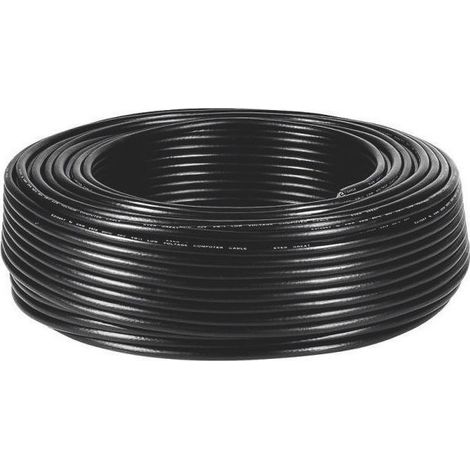
Wires and cables are commonly sold in coils of 10 to 100 m. Manufacturers indicate the intrinsic characteristics of these conductors through numbers and letters written on the labeling.
- 03: compatible with a current of up to 300 V. Logically, the number varies depending on the maximum voltage tolerated.
- R: rigid multi-strand wire.
- K: flexible multi-strand wire.
- U: wire with a rigid, solid core.
- V: wire with PVC sheath. If a number precedes this indication (for example: 2V), the wire’s insulation is doubled or tripled.
- H: indicates the product's conformity with international standards (“H” for “harmonized”).
- G: on electrical cables, this letter is preceded by the number of wires contained within the sheath and their section. Thus, 3G1.5mm² indicates that the cable in question includes 3 wires of 1.5 mm².
Before choosing an electrical cable, it is important to study the building's installations and anticipate the equipment to power. The suitable conductor indeed depends on the network and its usage.

















'/%3E%3C/svg%3E)