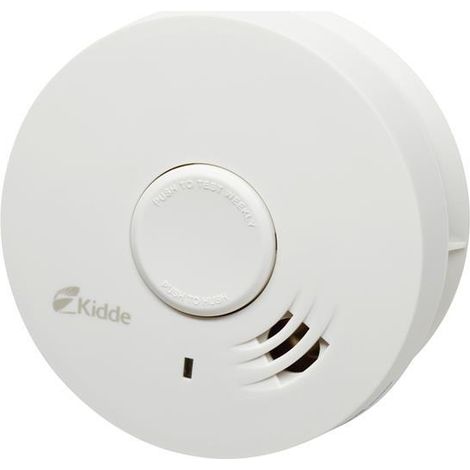
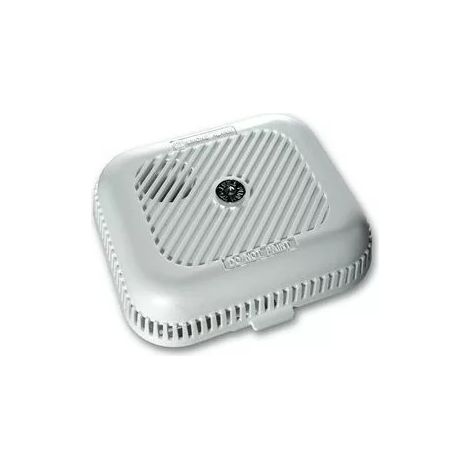
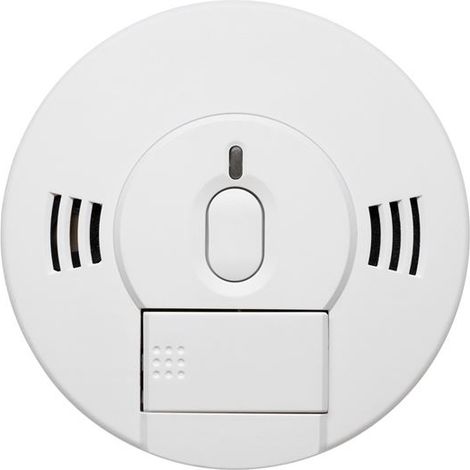
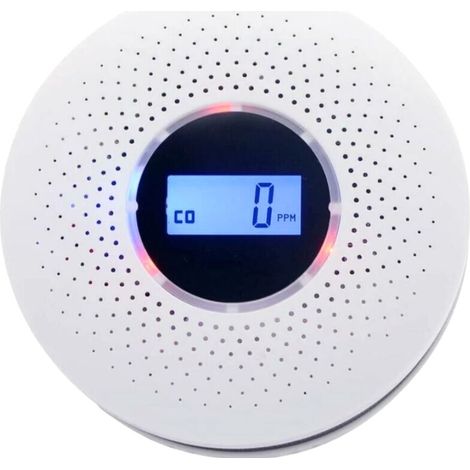
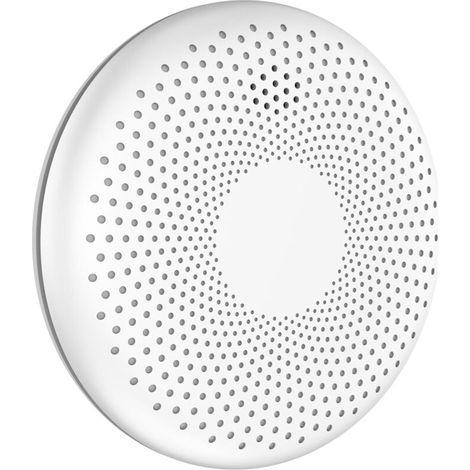
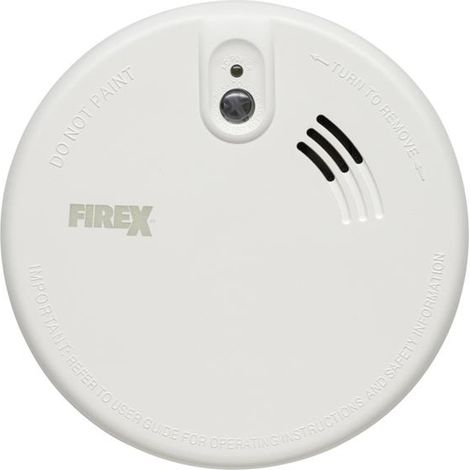
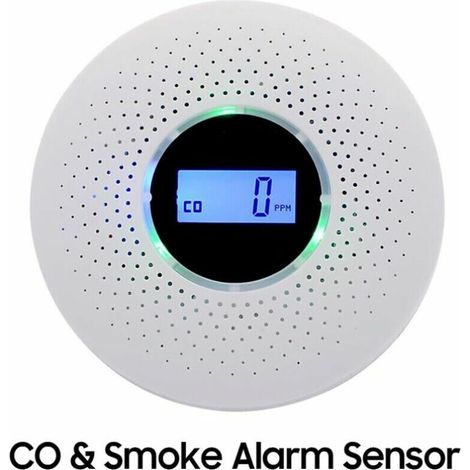
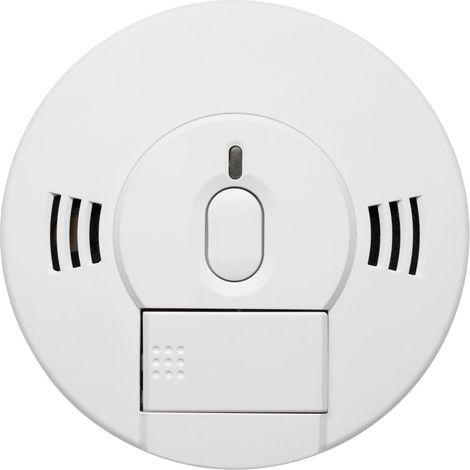
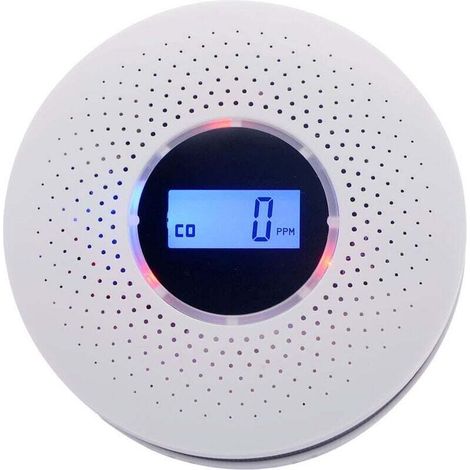
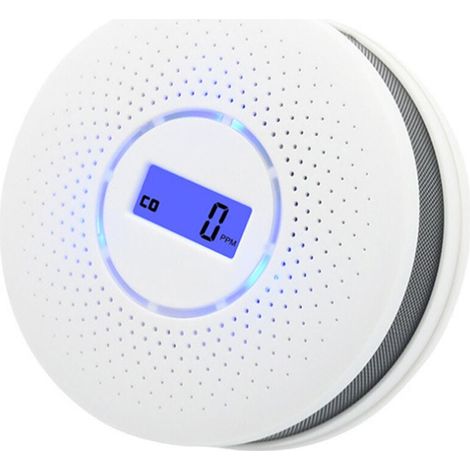
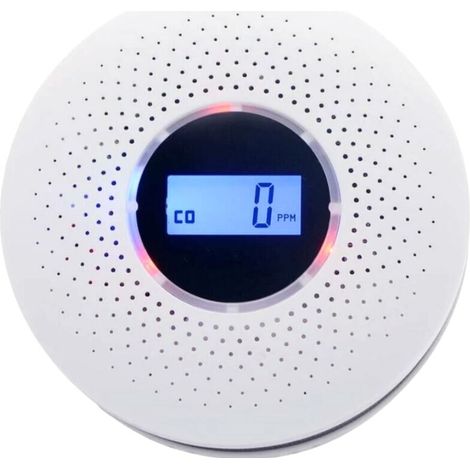
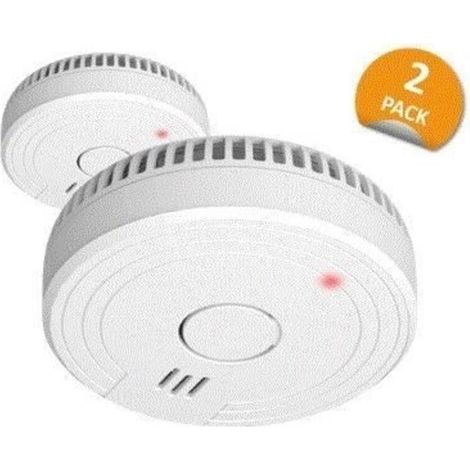
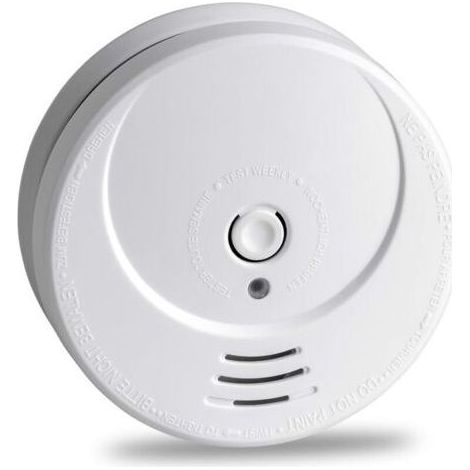
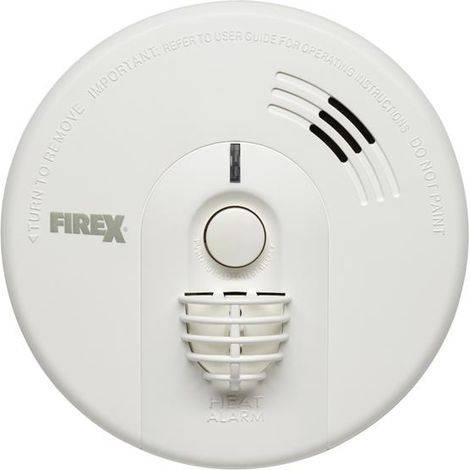
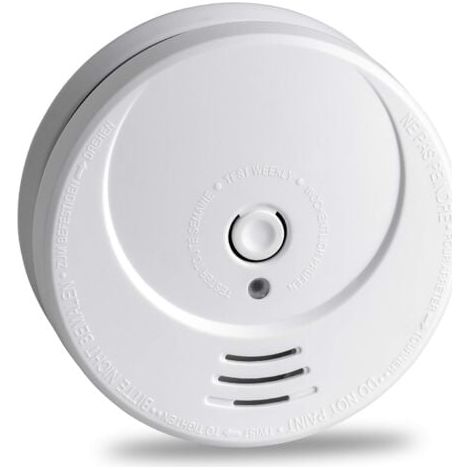
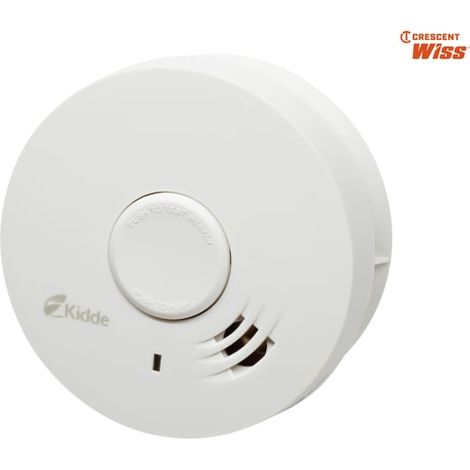
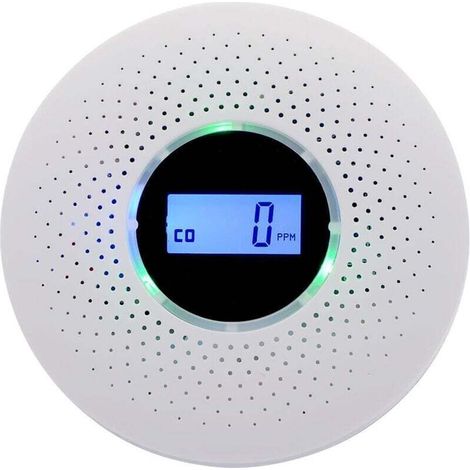
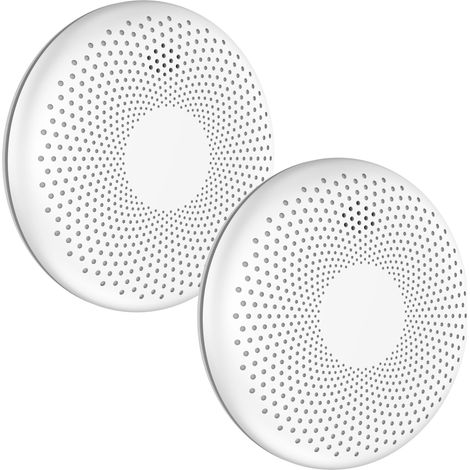
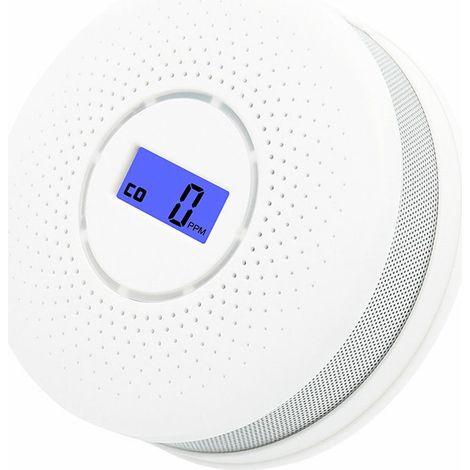
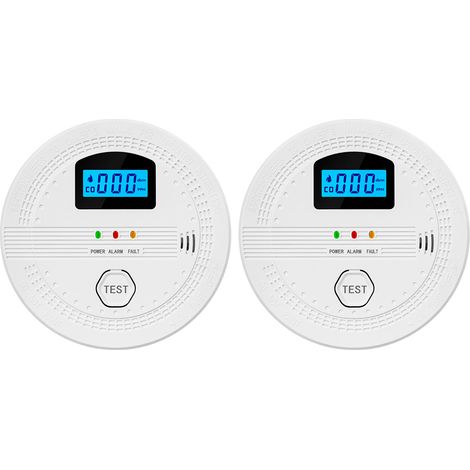
The smoke detector is an effective way to secure a home against fires. It not only helps prevent fire hazards but is also a legal requirement in homes. Indeed, the installation of an Autonomous Smoke Alarm Detector has become mandatory since January 16, 2016. To equip oneself with a quality fire alarm system, the choice should be on devices that comply with the EN 14604 standard.
There are two main types of fire detectors to choose from:
- optical detectors: when the optical sensor beam comes into contact with smoke particles, the fire alarm goes off;
- ionization detectors: banned in France, these models produce radioactive substances.
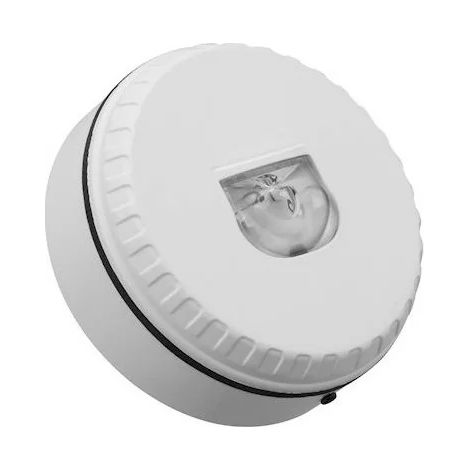
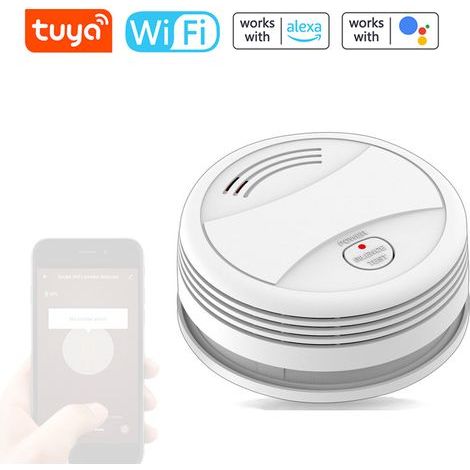
Each smoke detector can be paired with a fire alarm system that corresponds to a specific type of housing:
- non-audible alarm: it complies with internal regulations of apartments in a condominium;
- audible alarm: it is used in single-family homes;
- connected alarm.
Although the role of a fire alarm is to alert the inhabitants of a house in case of a fire, its installation must be well thought out to ensure its effectiveness. It is necessary to install it away from heat-emitting appliances and humid places like the bathroom or toilets. Indeed, it is essential to install it in places where smoke tends to go, such as corridors or living rooms. Since smoke accumulates at the ceiling, a horizontal installation is preferred. There are three ways to install a fire alarm:
- adhesive pad for smoke detector;
- screw-in smoke detectors;
- magnetic plate.
To choose the type of fire alarm system suited to your home, you need to consider the configuration of the room and the volume of the space to be protected.






































'/%3E%3C/svg%3E)