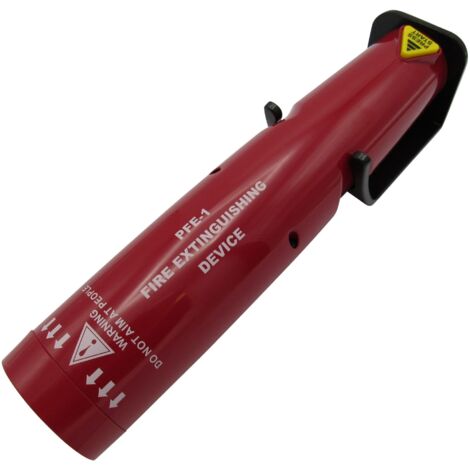
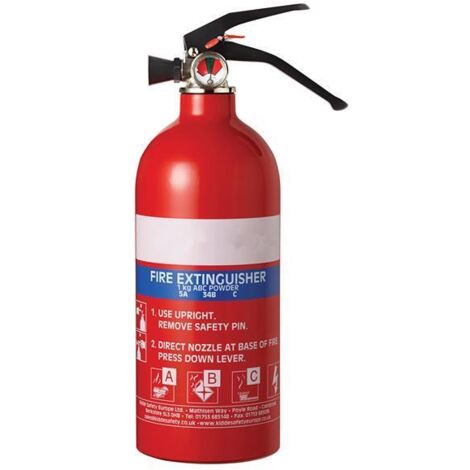
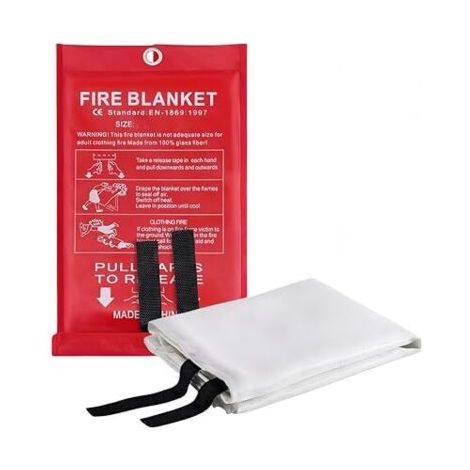
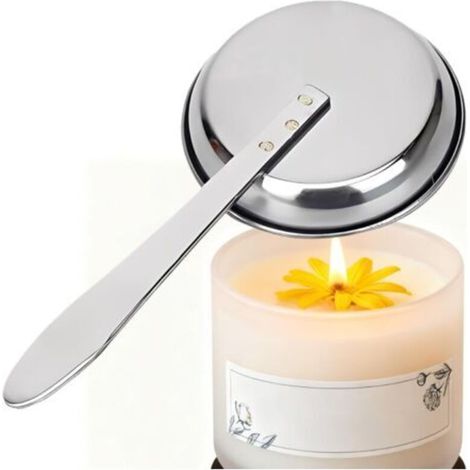
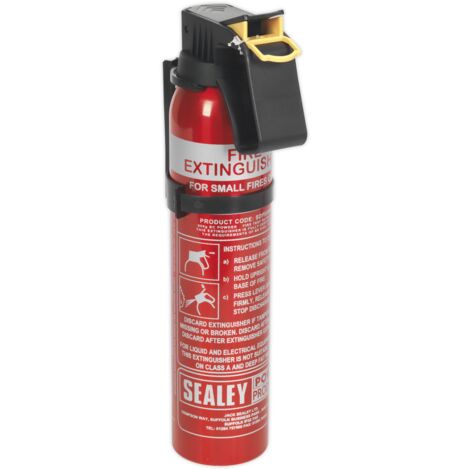
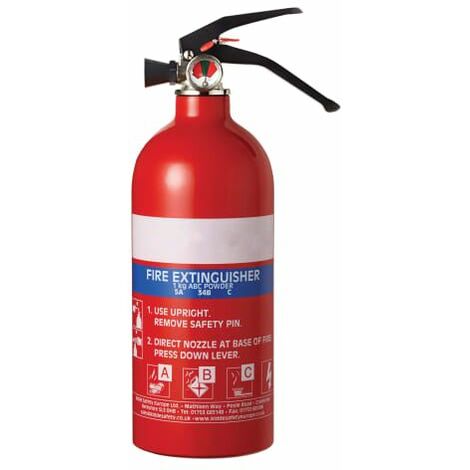
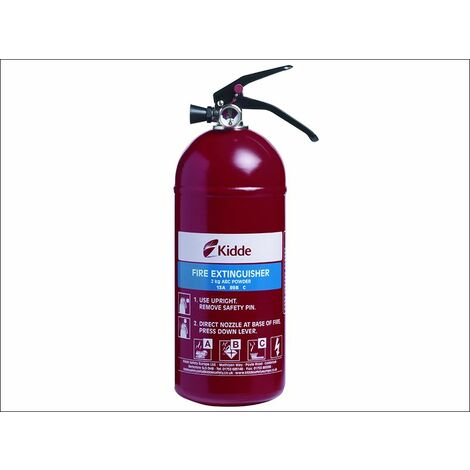
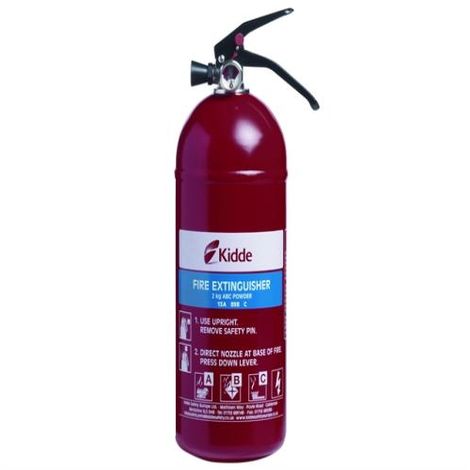
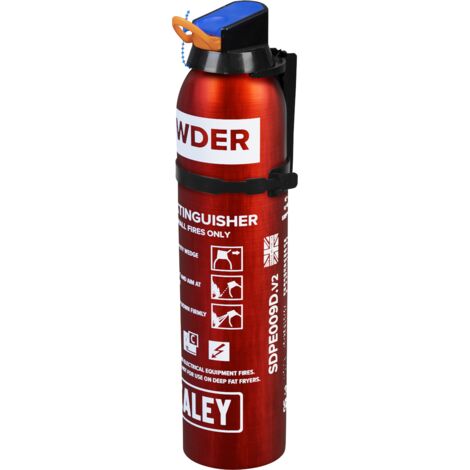
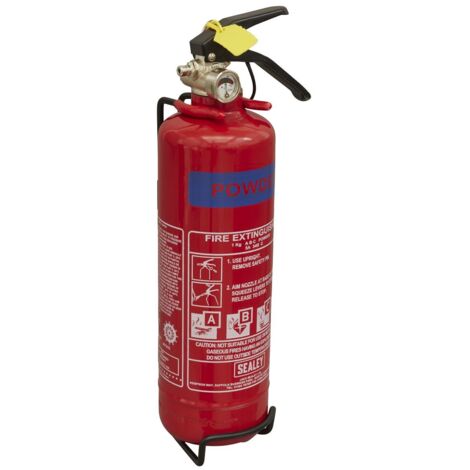
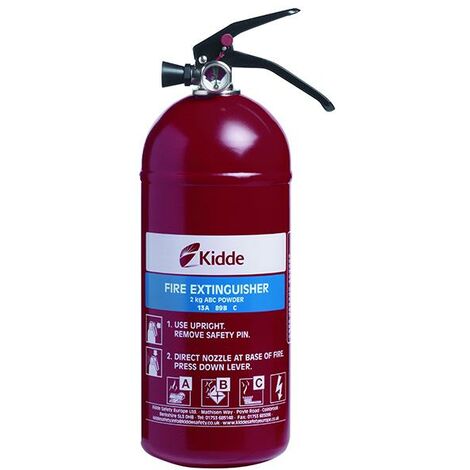
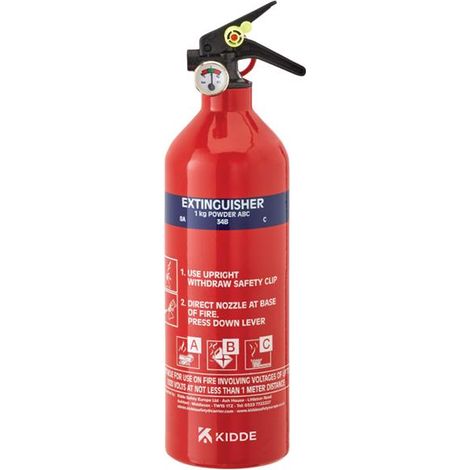
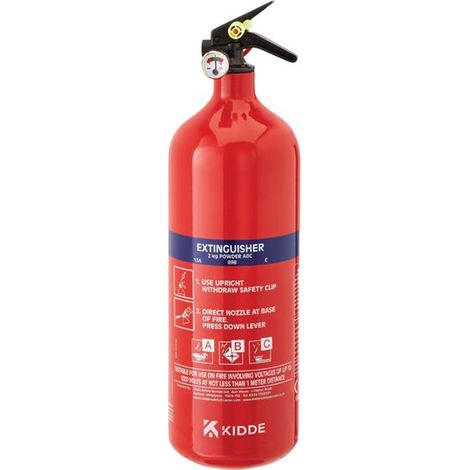
The fire extinguisher is useful for extinguishing a small fire. Whether powder or water with an additive, it allows you to contain a class A, B, C, D, or F fire. Complementing a fire alarm, this accessory optimizes home safety.
A fire extinguisher is chosen based on the class of fire to be contained:
- Class A fires result from solid combustibles such as cardboard, wood, fabrics, composite materials, or plastic;
- Class B fires result from liquid combustibles such as fuels, oil, or solvents;
- Class C fires result from gas combustion;
- Class D fires are of electrical origin (short circuit) or result from the combustion of special metals such as sodium or magnesium;
- Class F fires result from cooking auxiliaries.
Different types of equipment are available:
- ABC powder models are the most common due to their versatility;
- CO₂ equipment recognizable by their funnel-shaped nozzle are suitable for class B fires;
- Water versions with additives allow the extinguishing of class A fires.
Some information to know about fire extinguishers:
- They need to be replaced every 5 to 15 years;
- The volume indicated on the label relates to the weight of solid combustibles or the volume in liters of liquid combustibles to be extinguished;
- They must comply with standards such as MED 96/98/EC, NF EN 3, PED 97/23/EC, and CE.
Thus, the choice of a fire extinguisher depends on the materials likely to catch fire and the area to be secured. For installed equipment, it is recommended to regularly check the condition of the hose, the presence of corrosion, possible leaks, and the visibility of usage instructions to ensure their proper functioning.



'/%3E%3C/svg%3E)