Looking for an alternative to natural grass? Artificial turf is the solution for having a green lawn all year round. It requires no maintenance and offers a nearly natural look for outdoor and even indoor decoration. Let's focus on the fixing and installation of artificial grass.
Artificial grass has become an essential decorative element. It can be installed on all surfaces and easily replaces natural grass in a small city garden, a terrace, a balcony... One of its major advantages is that it requires no particular maintenance, except for some precautions regarding fire exposure. However, proper fixing and installation of artificial grass is required. To do this, you need to choose the type of artificial turf depending on its destination and future uses.
To replace a garden lawn, for example, it is preferable to choose artificial grass with infill. The fibers are generally 20 mm to 32 mm high, or even more. This type of turf offers a natural look that perfectly mimics freshly mowed grass. The infill is usually done with sand, a material that gives the right texture to the synthetic grass and cushions impacts. This type of turf is also ideal for covering a play area for young children.
For the fixing and installation of artificial grass, the following steps should be followed:
- Clean the surface (ground, concrete, slab, tile, parquet...) and reduce any unevenness if there are any;
- Make a plan of the surface to be covered to have a guide for cutting the strips of fake grass;
- Ensure you have a sufficient quantity of artificial turf rolls at your disposal;
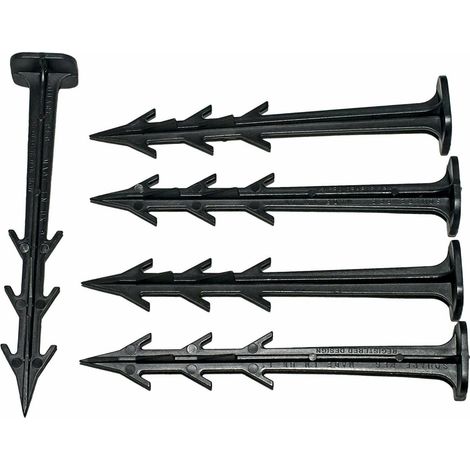
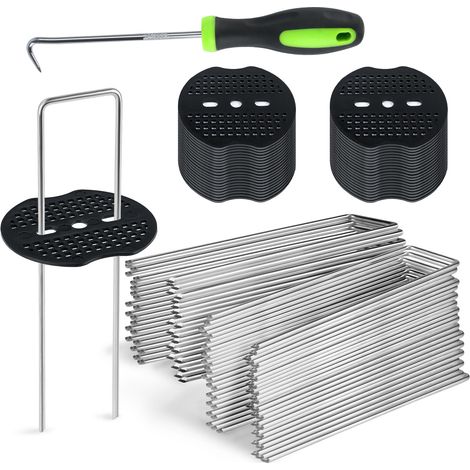
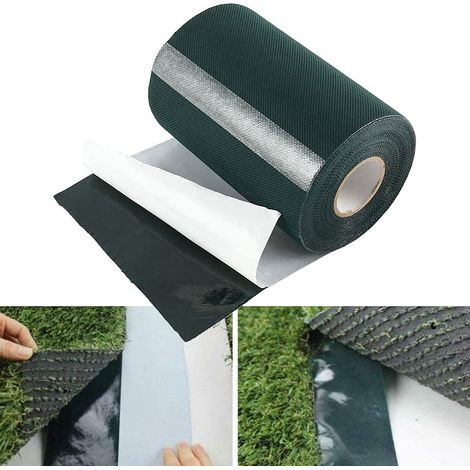
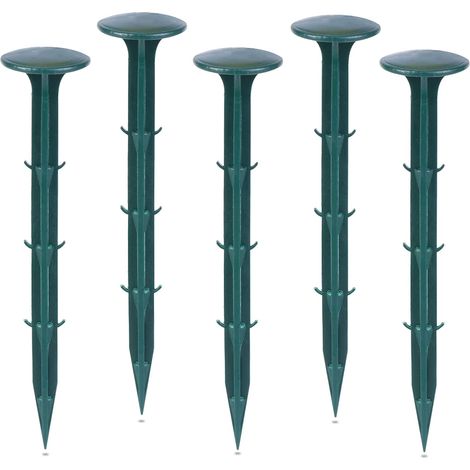
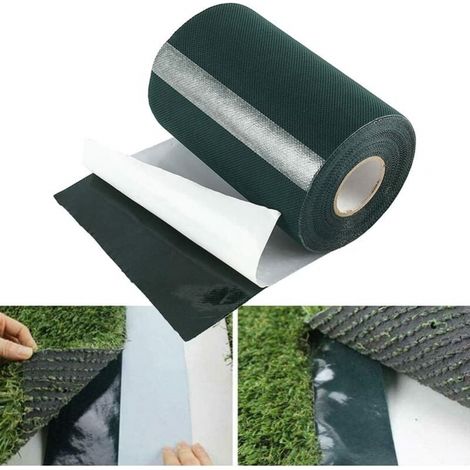
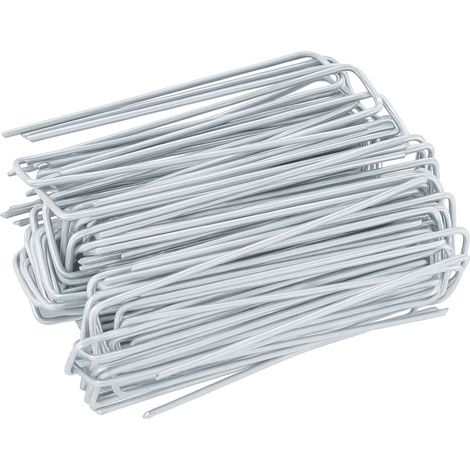
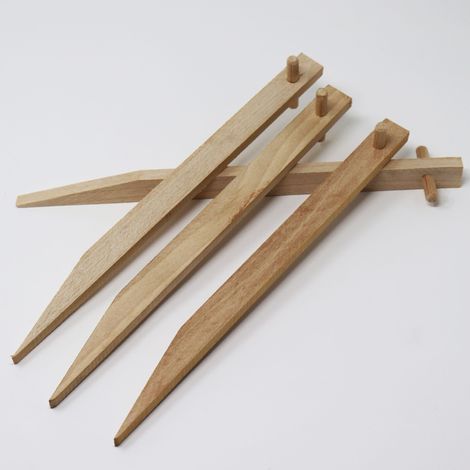
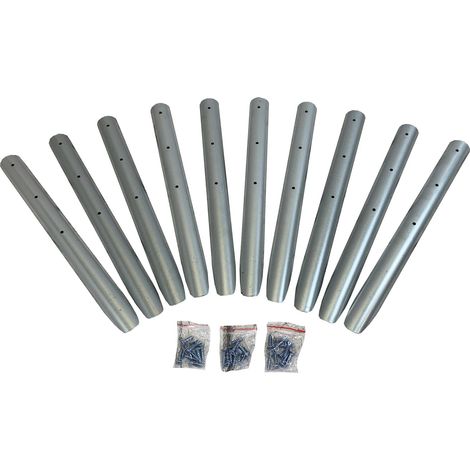
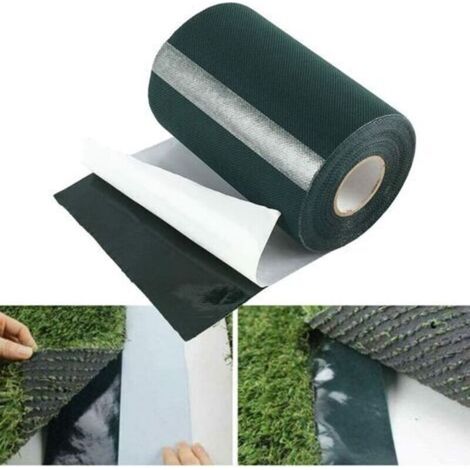
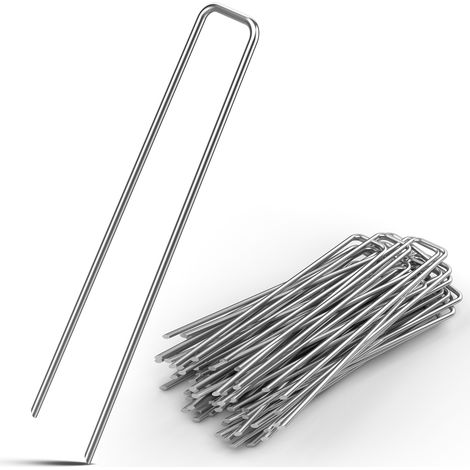
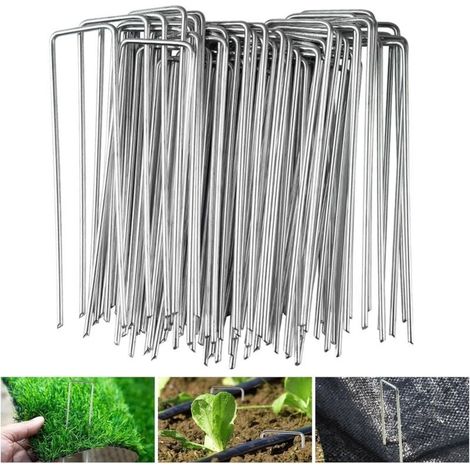
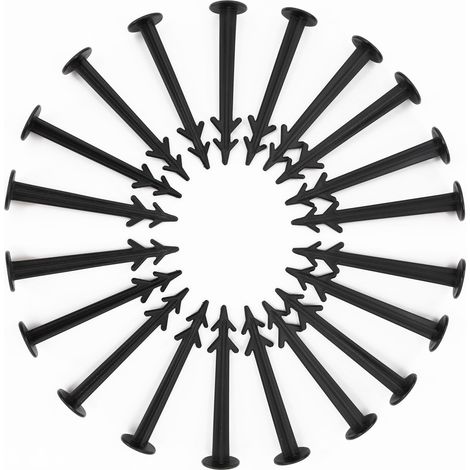
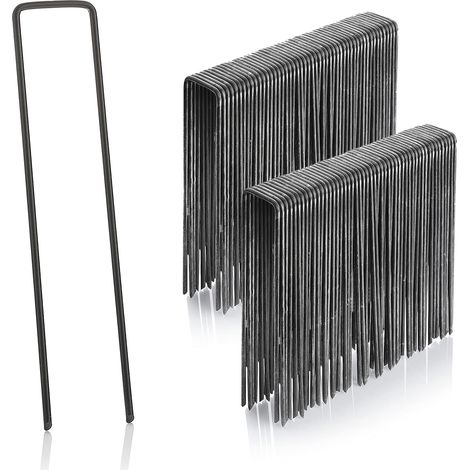
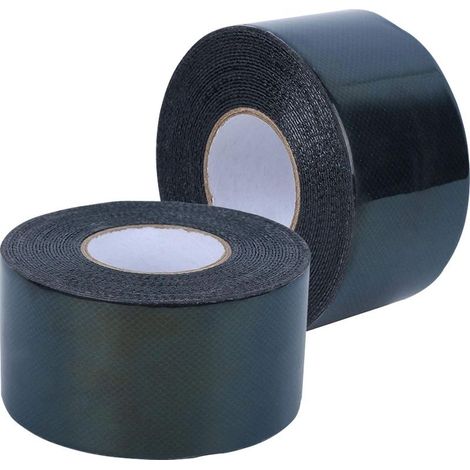
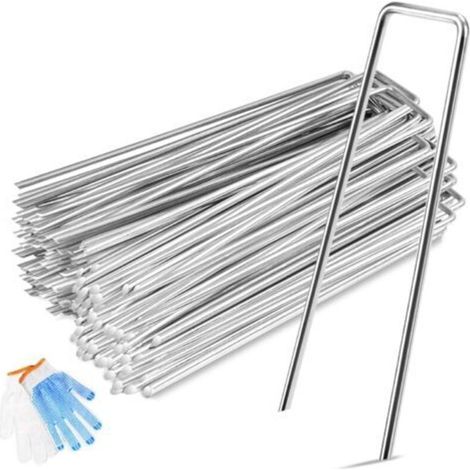
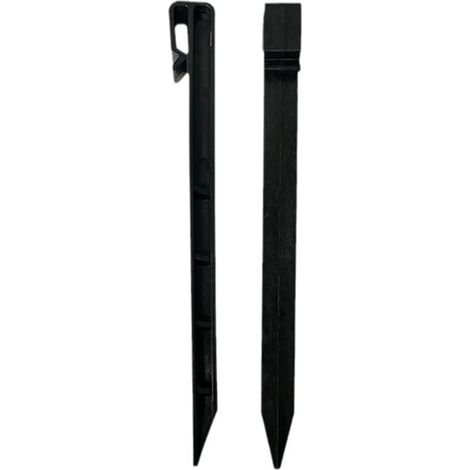
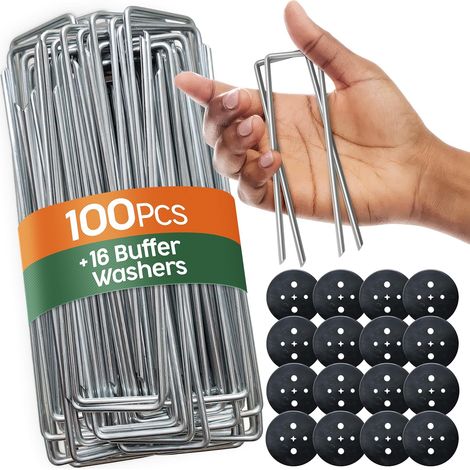
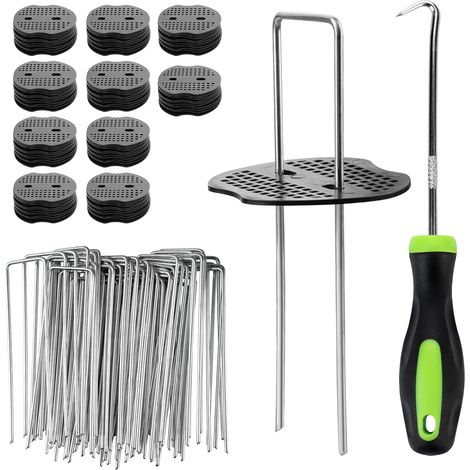
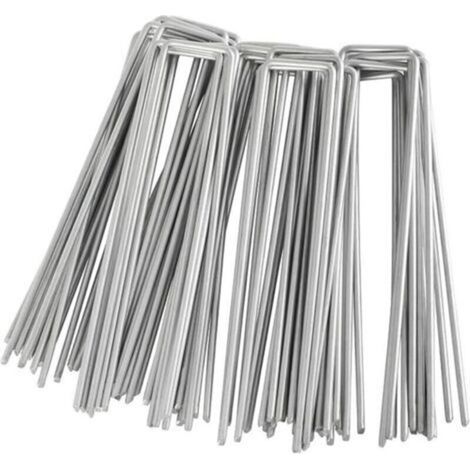
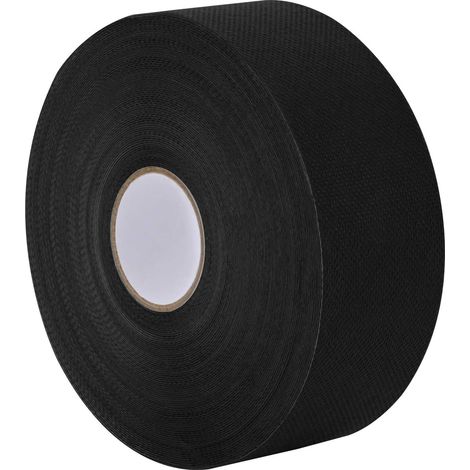
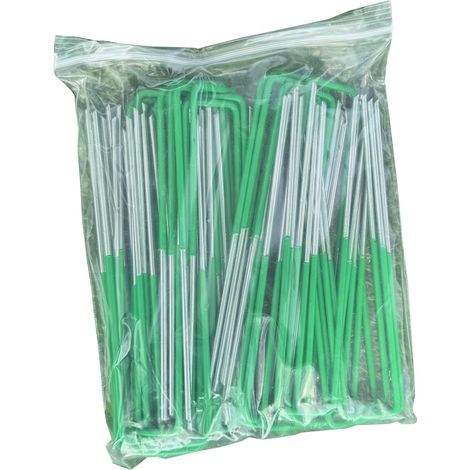
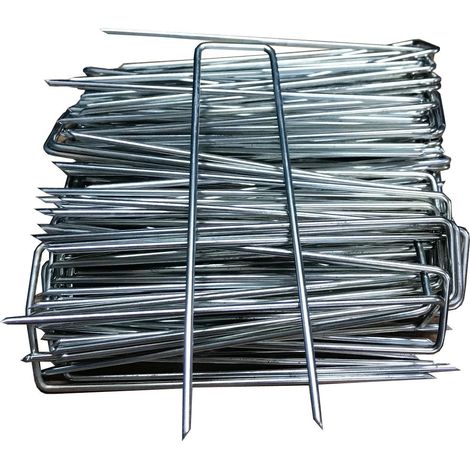
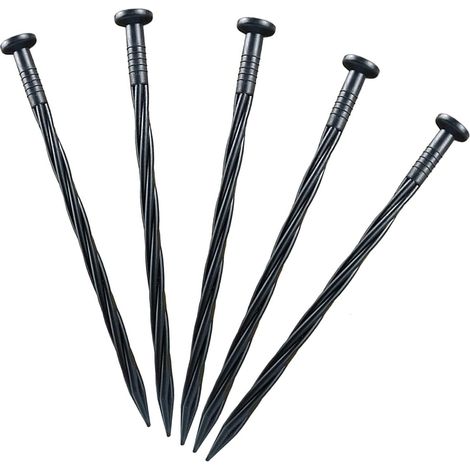
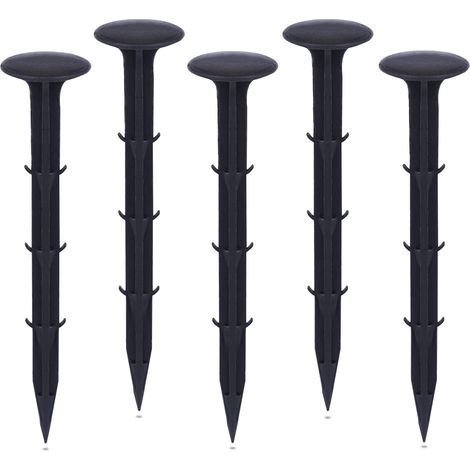
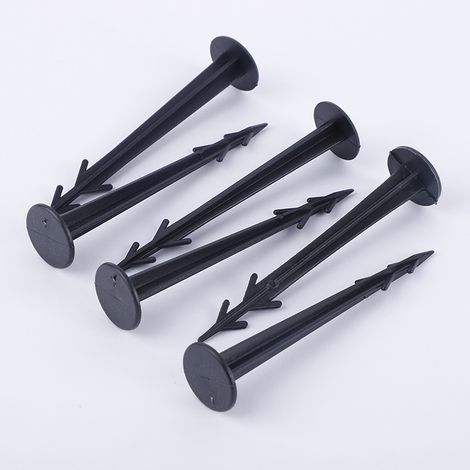
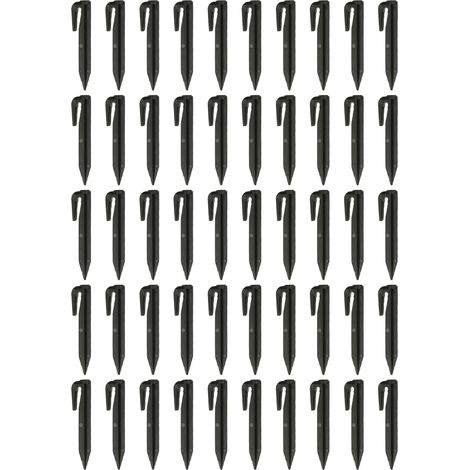
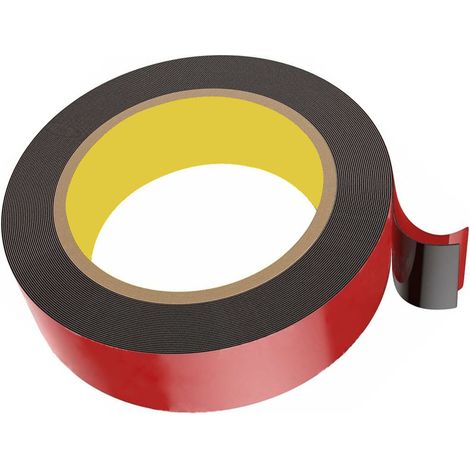
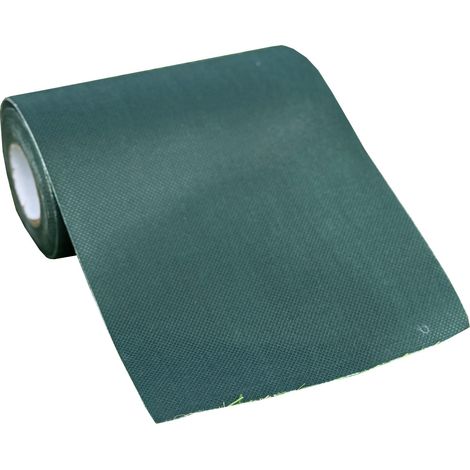
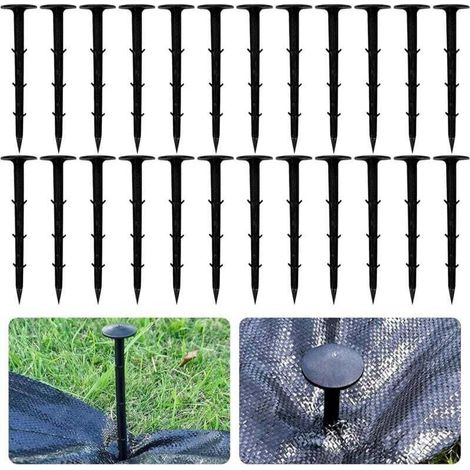
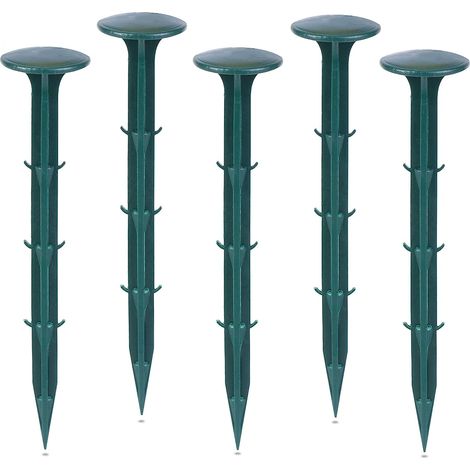
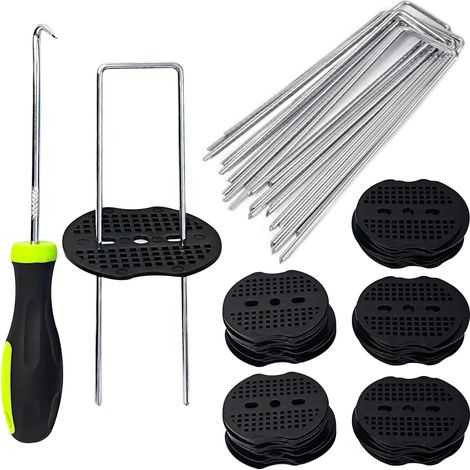
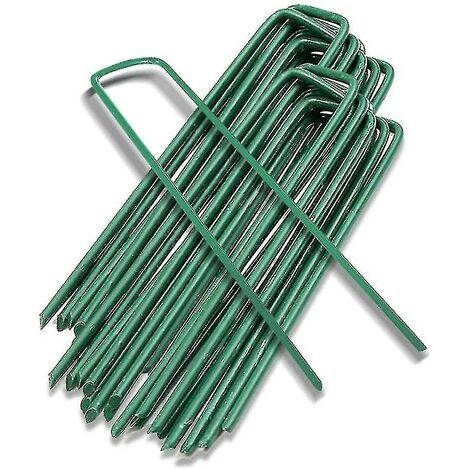
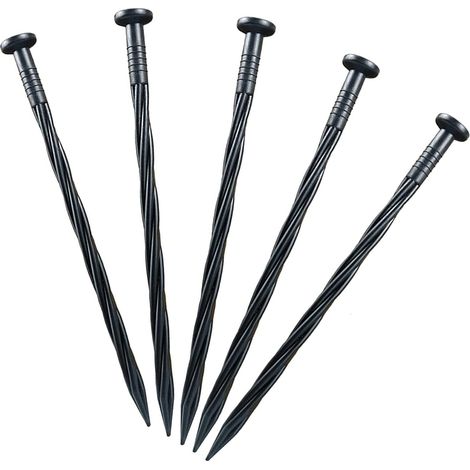
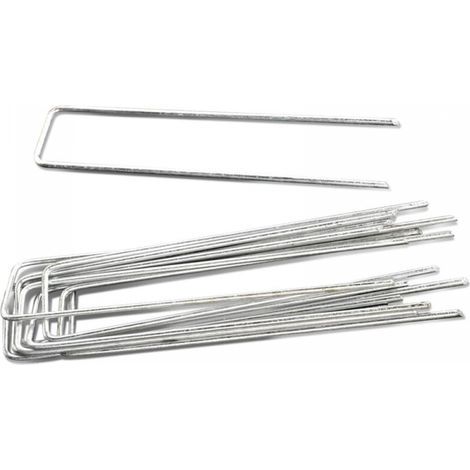
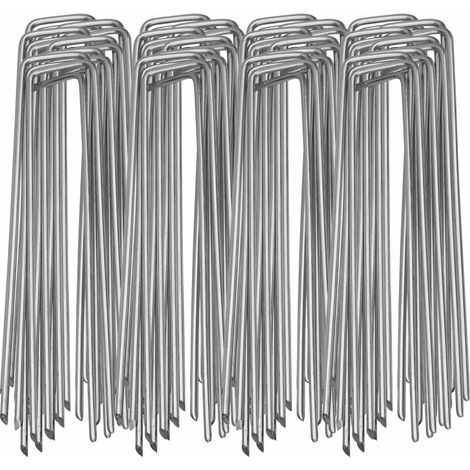
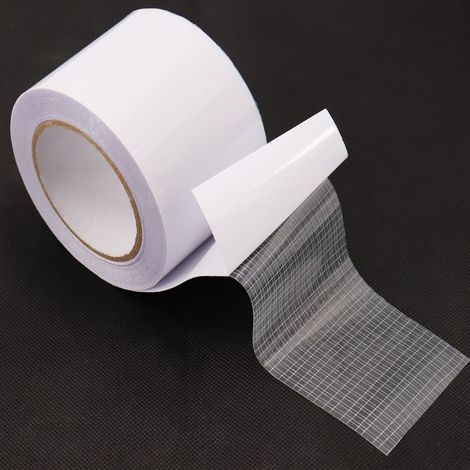
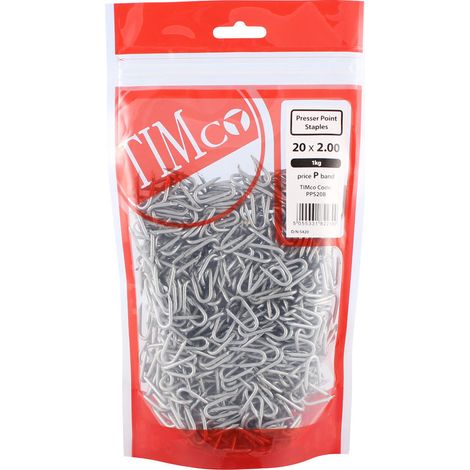
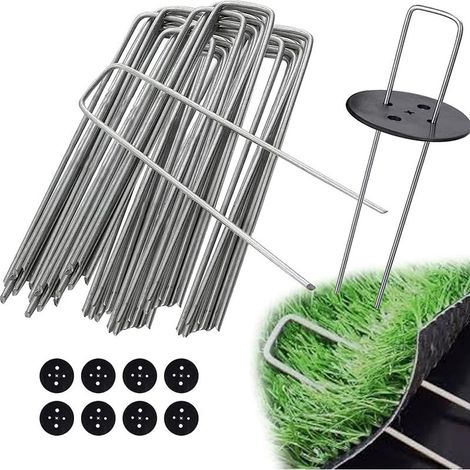
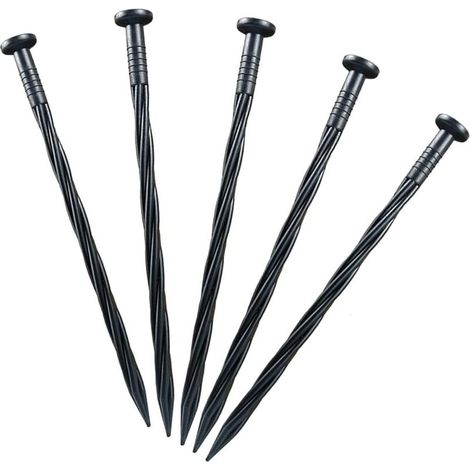
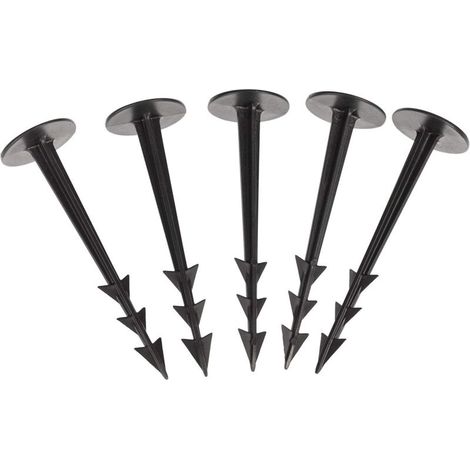
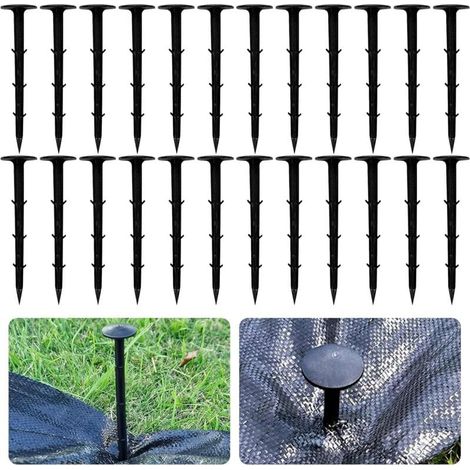
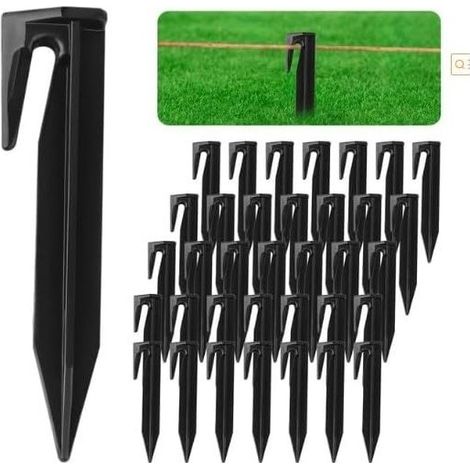
- Have all the materials needed for fixing the fake grass (adhesive, nail, separator strip, etc.) on hand.
Once the equipment check is done, it's time to proceed with the installation of the artificial turf.
The undersides of the artificial grass borders are usually equipped with connectors designed to fix the turf strips together. To avoid these strips from deteriorating too quickly, it is advised not to fix them in the middle, but always at the edges. Therefore, the artificial lawn rolls should be well stretched before fixing them. Next, it is better to cut the strips from the underside rather than from the grass side. Then, cover the entire desired surface so as not to leave any portion of the ground exposed.
Once the artificial grass has been installed, it is best to allow a brief pause time for the elements to settle and adapt to the climate before fixing them permanently.






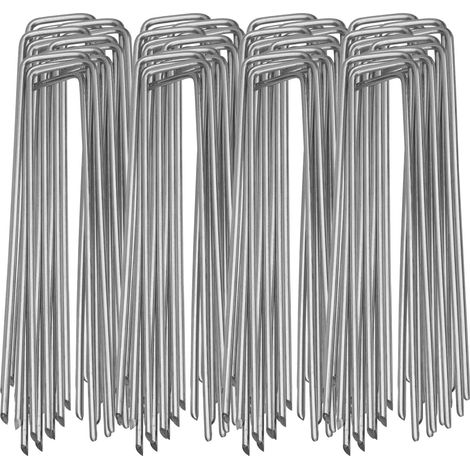

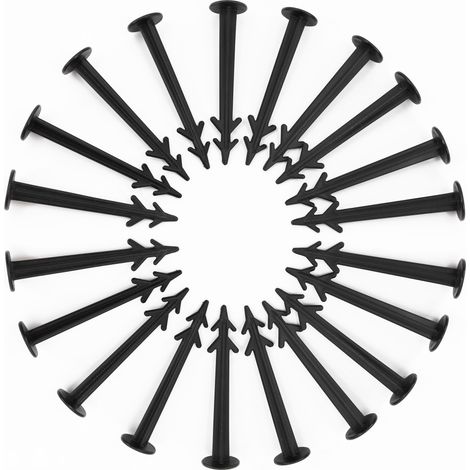
![Tarp Fixing Stakes - for Weed Control [100 pieces] - Extremely Stable - Unbreakable Plastic Ground Anchors (1/5)](https://cdn.manomano.com/pim-media/images/medium/1777390c3dc5cbfe9b23d22c80a606e26aafc4c4.jpg)












'/%3E%3C/svg%3E)
'/%3E%3C/svg%3E)