As the name suggests, a weed burner is useful for getting rid of weeds that invade pathways or the garden. Aside from manual tools, there are thermal and electric models available to simplify this tedious task.
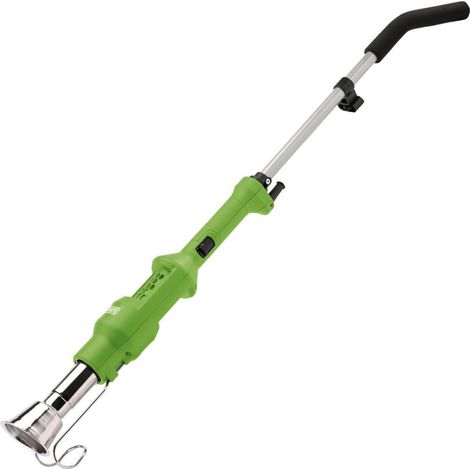
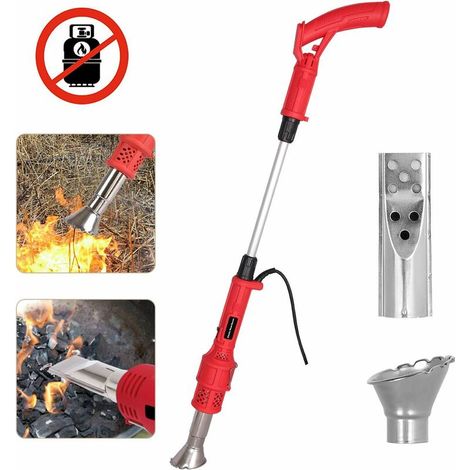
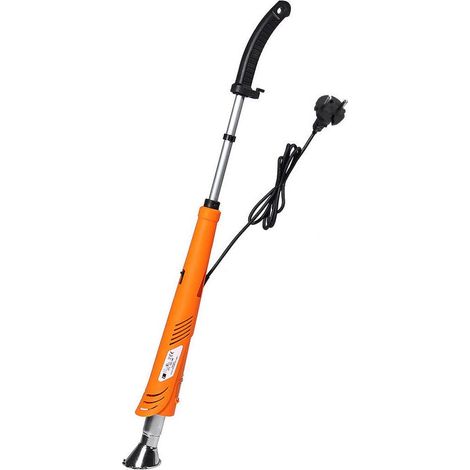
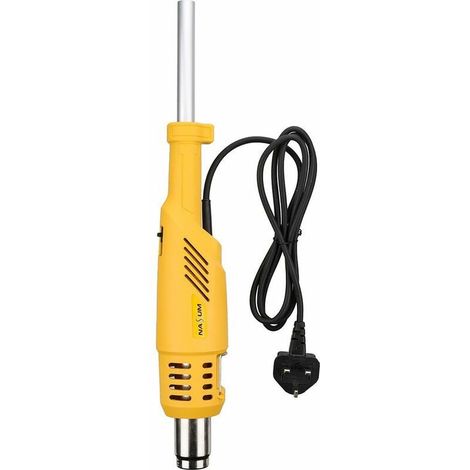
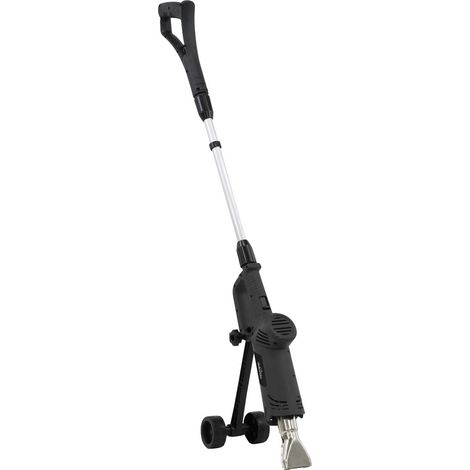
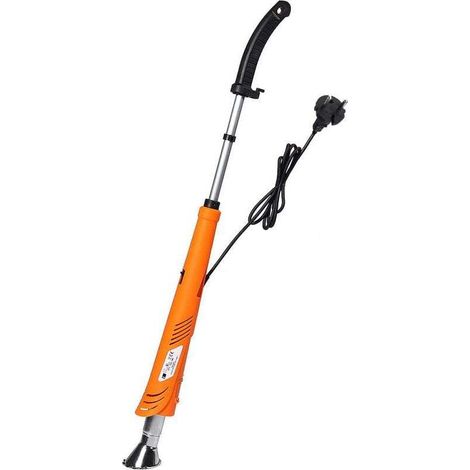
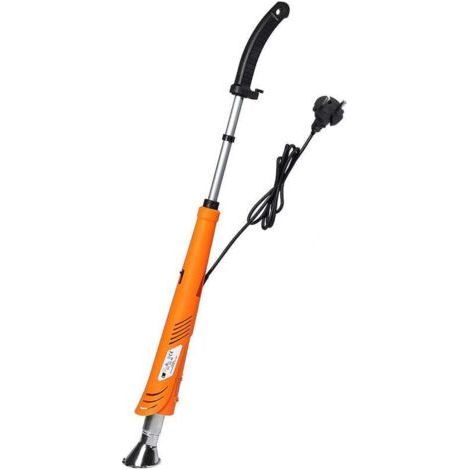
The electric weed burner has certain features to be aware of:
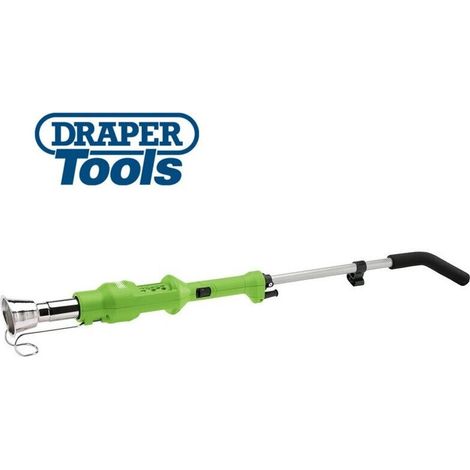
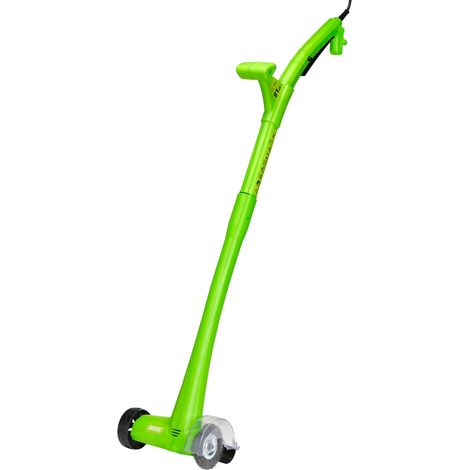
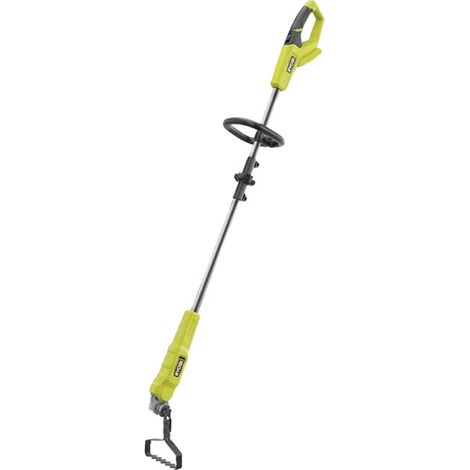
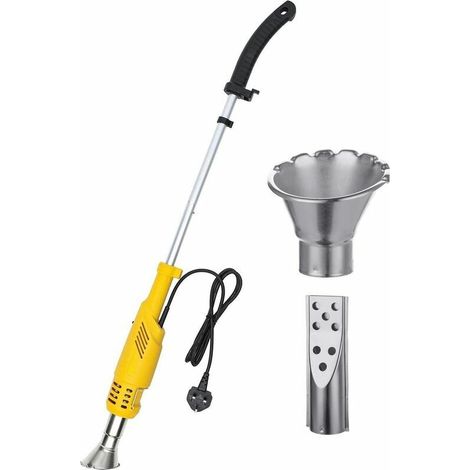
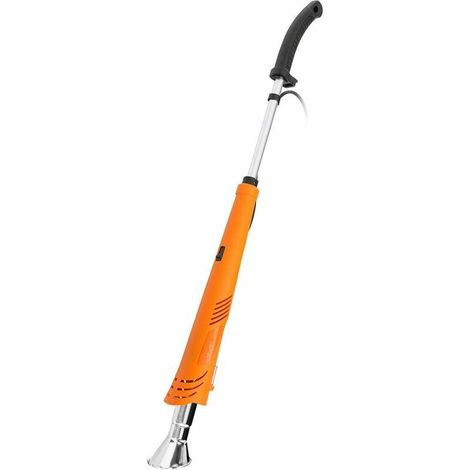
- it consists of a long pole allowing the user to work standing up;
- a resistance heated by an electric current generates intense heat (about 600 °C) to kill the weeds;
- a bell-shaped nozzle allows to focus the heat on the weeds to be eliminated;
- the power of the device is about 2,000 W;
- a handle with a trigger allows the user to send an electric shock;
- an extension may be necessary to connect the device to a mains socket;
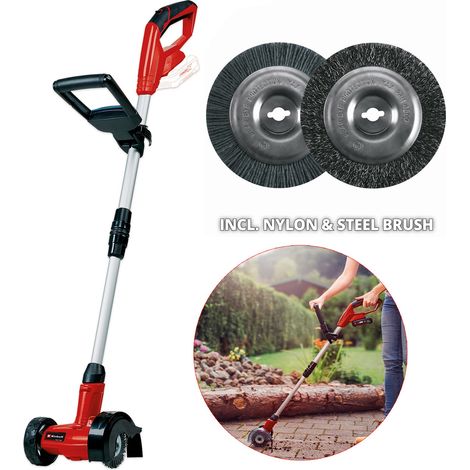
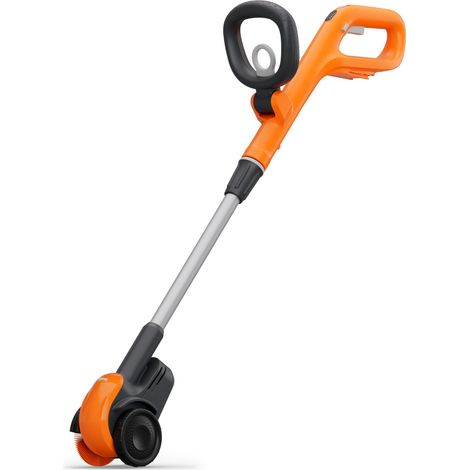
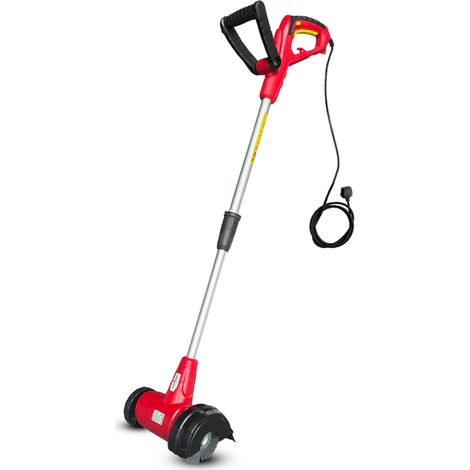
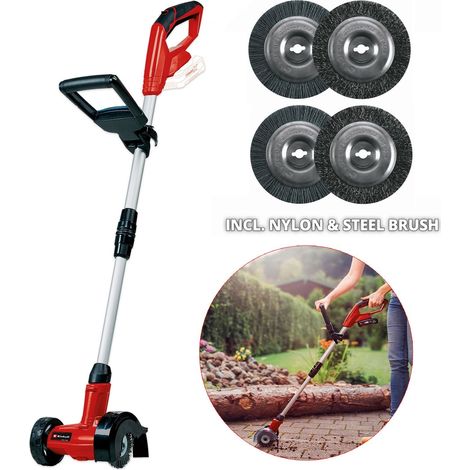
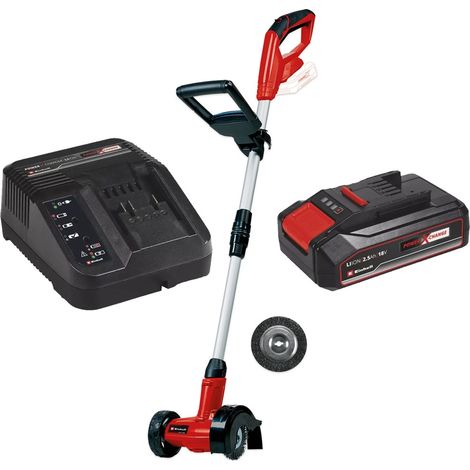
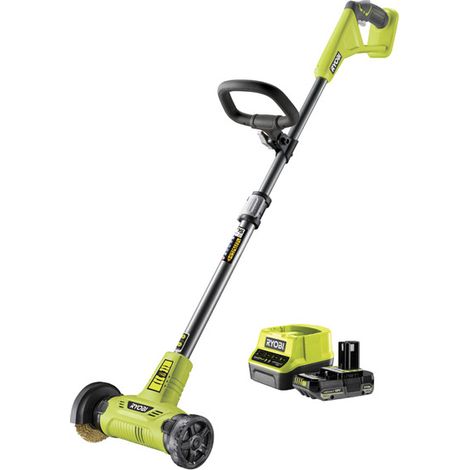
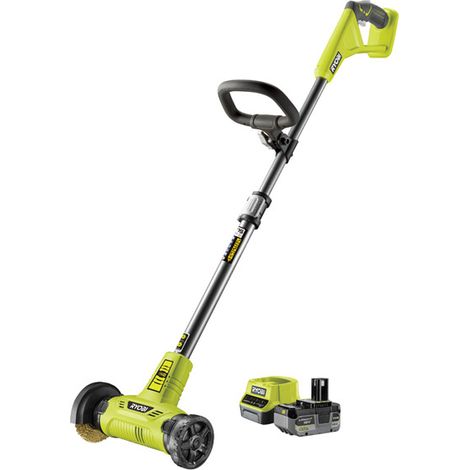
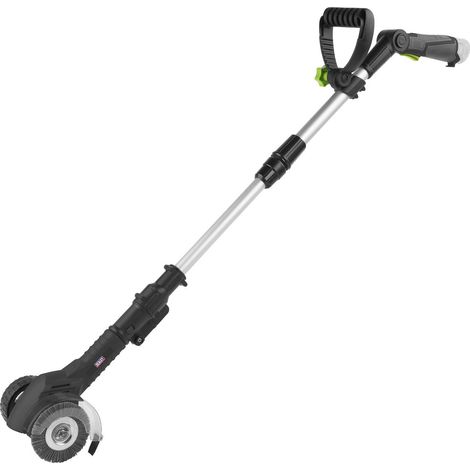
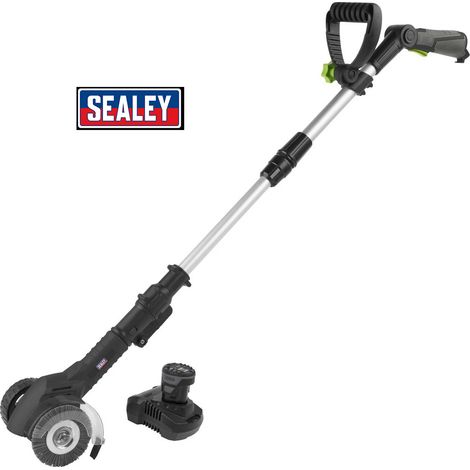
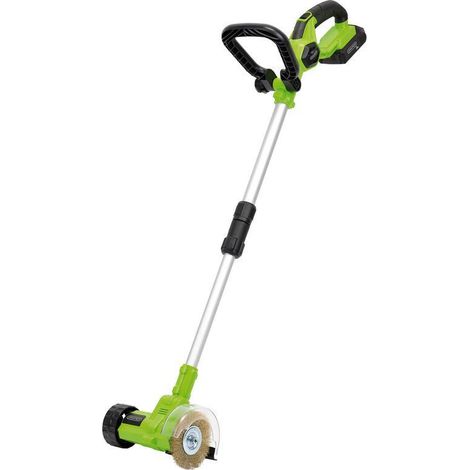
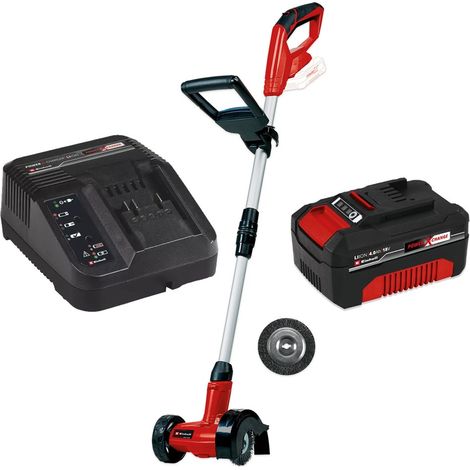
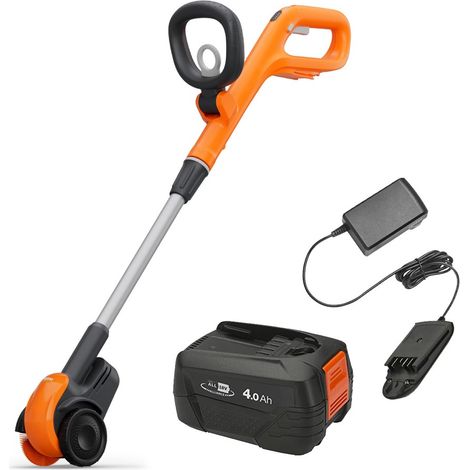
- some models equipped with a brush allow for removing the weeds, but also the dirt lodged in the interstices of paving;
- it is often used to treat paths and garden walkways.
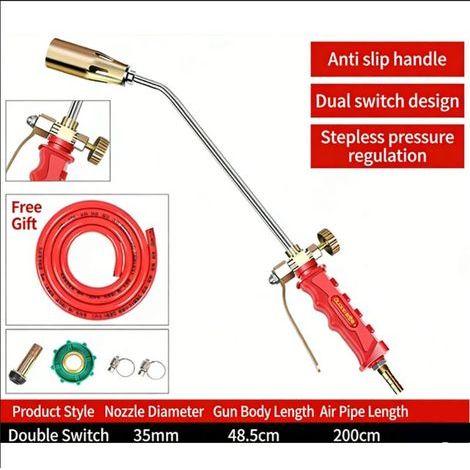
The thermal weed burner with open flame also has some features to know:
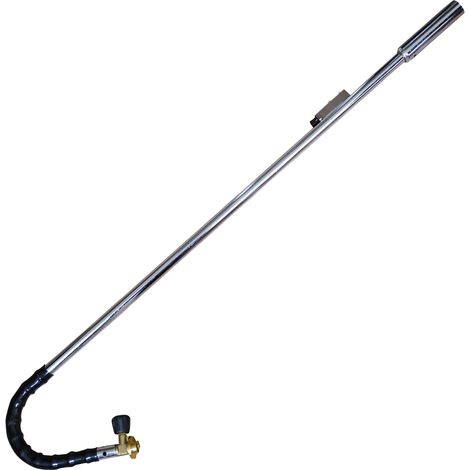
- this tool is similar to a blowtorch;
- a long pole equipped with one or more burners allows the user to eliminate weeds while remaining standing;
- it does not burn the unwanted plants, but kills them by exposing them to intense heat;
- the portable models are powered by gas cartridges;
- models for large areas are connected to a bottle of propane or butane mounted on a wheeled trolley to facilitate its movement.
Other types of thermal tools are also available:
- infrared models operate on gas, but allow to preserve the microorganisms located around the unwanted plants;
- hot water models are suitable for impermeable surfaces;
- steam models avoid CO₂ emissions through the projection of steam at 90 °C.
The choice of an electric or thermal weed burner depends on the characteristics (nature, area) of the surface to be treated. Water and energy consumption should also be considered to preserve the environment.












'/%3E%3C/svg%3E)
'/%3E%3C/svg%3E)