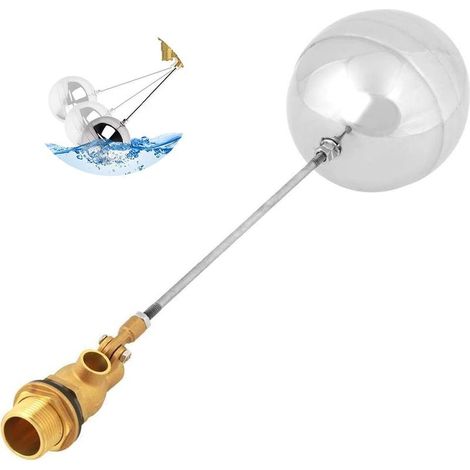
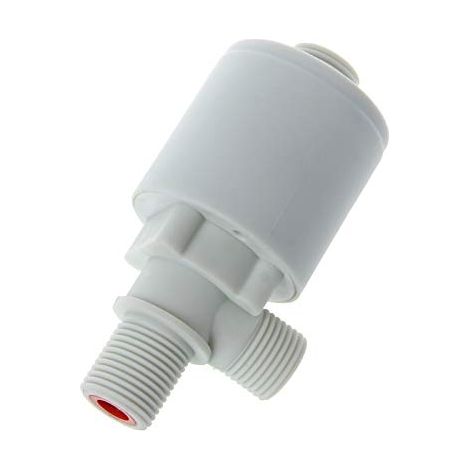
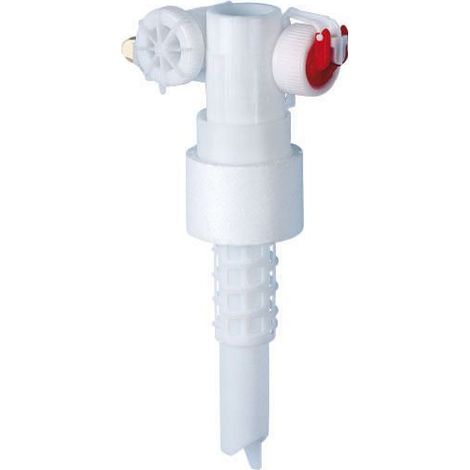
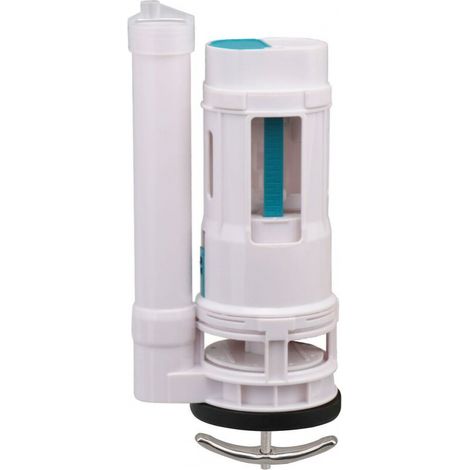
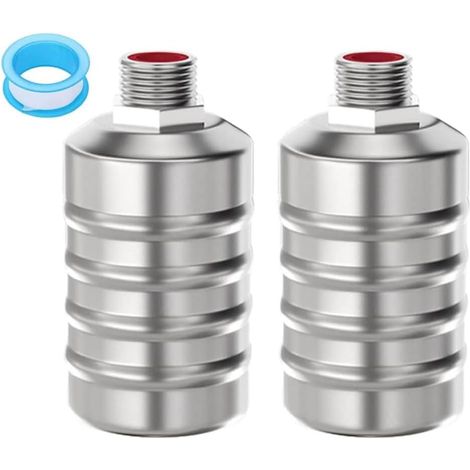
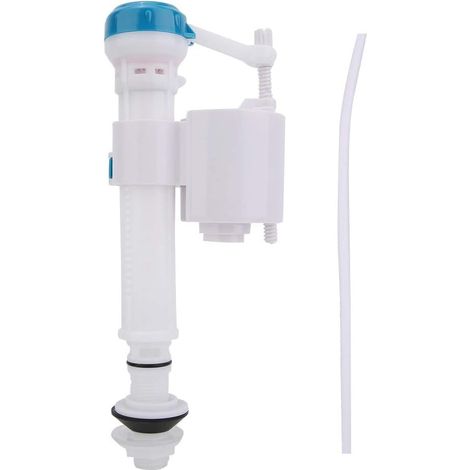
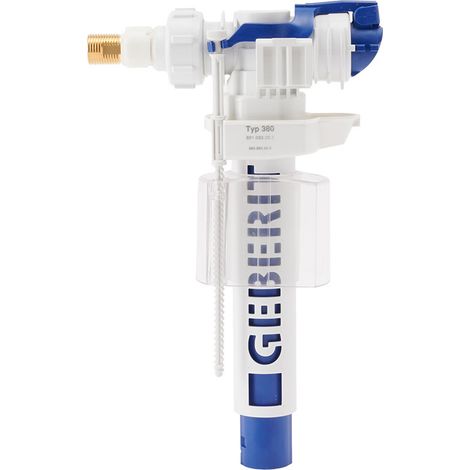
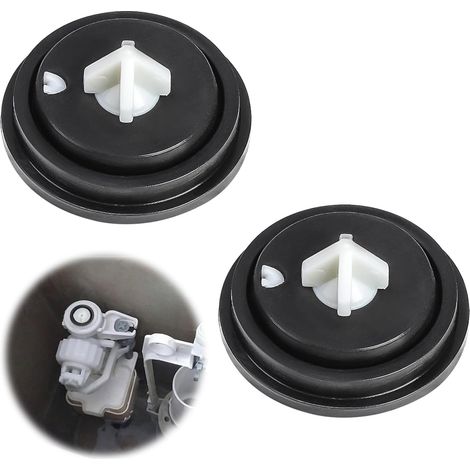
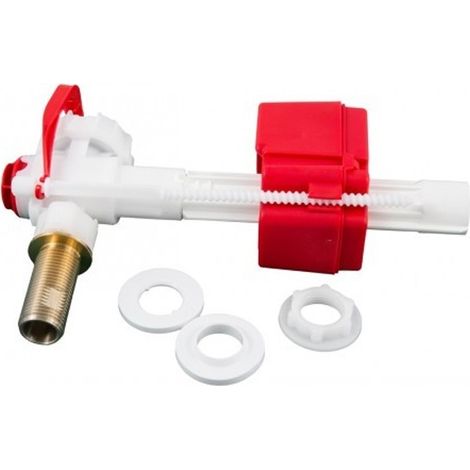
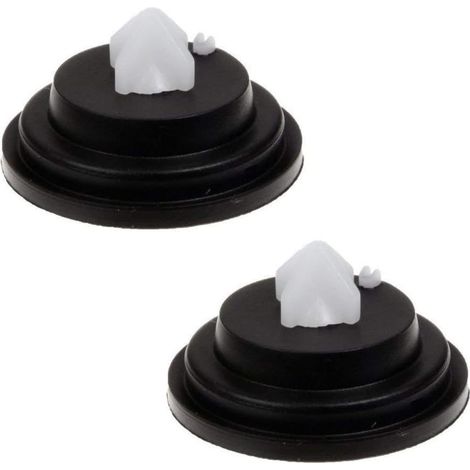
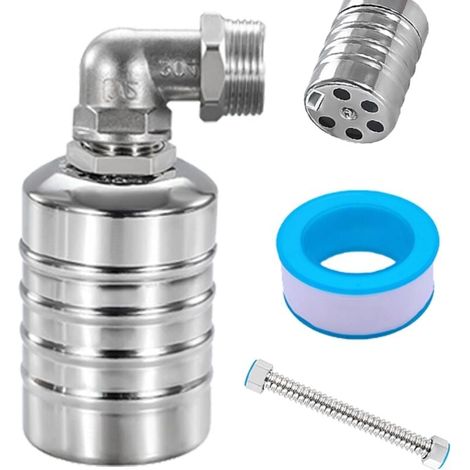
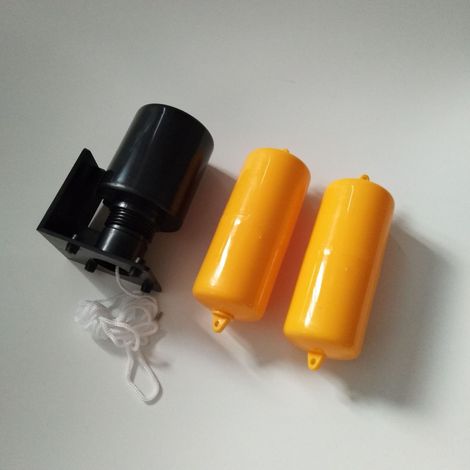
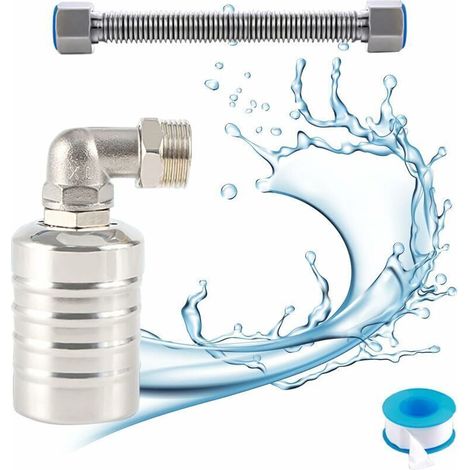
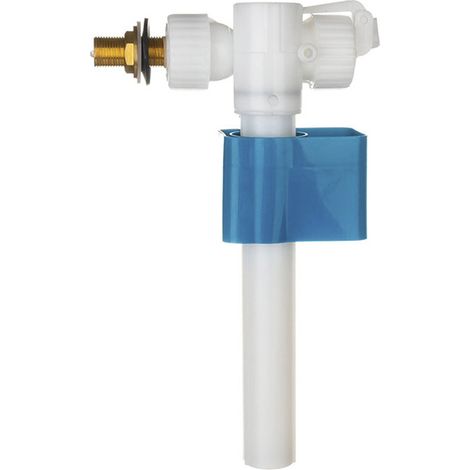
After repetitive use, the toilet flush mechanism may malfunction. However, it is not necessary to replace the entire system but only the faulty parts. If the flush's float is to blame, replacement models are available. You just need to replace it with a float of the same brand, with a similar operating mode, and of the same height.
It is possible to choose between:
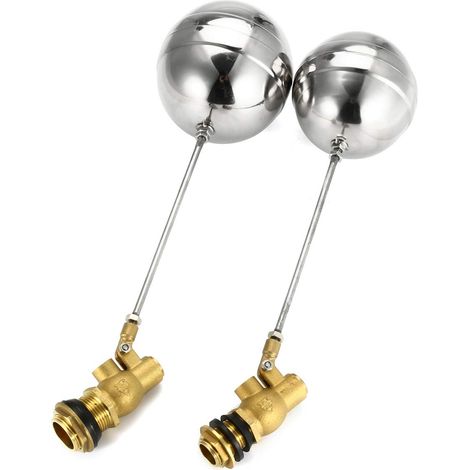
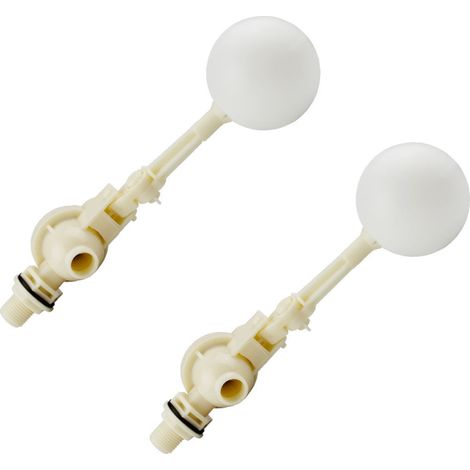
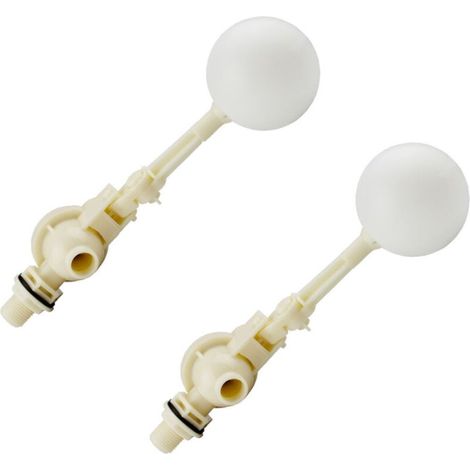
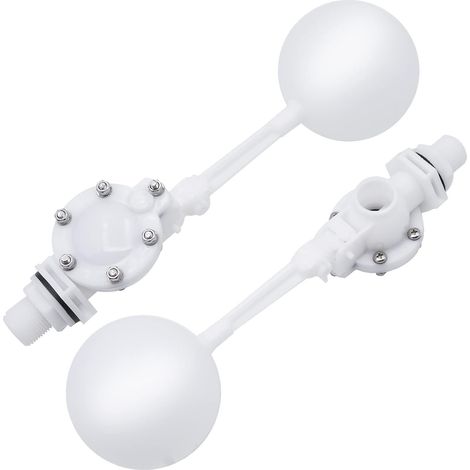
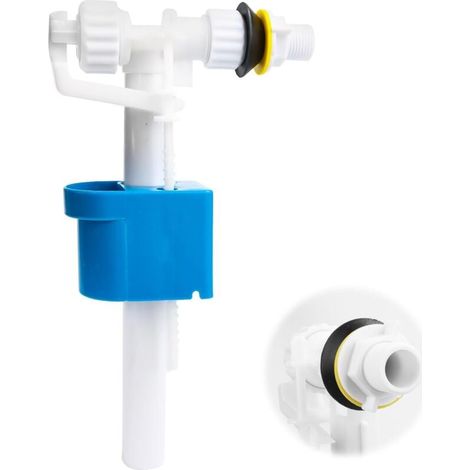
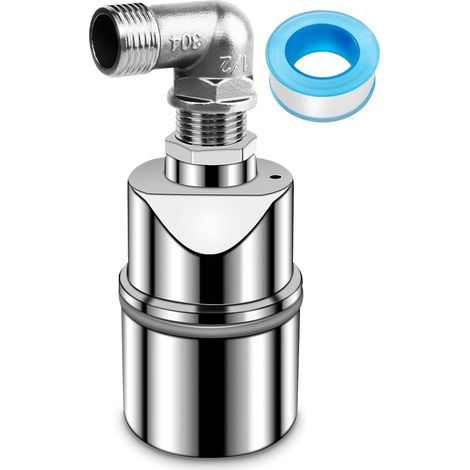
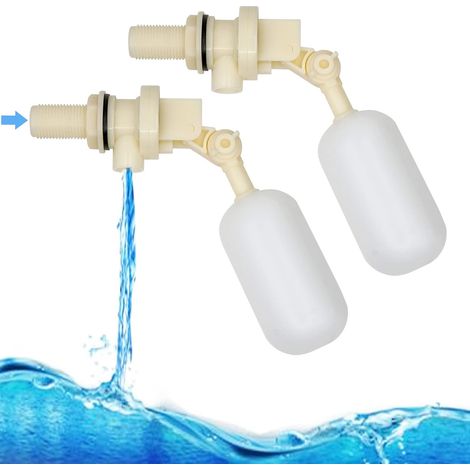
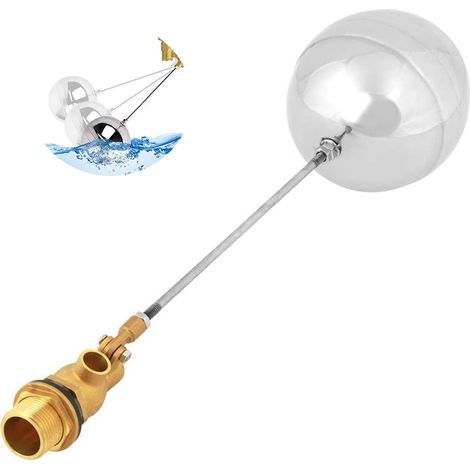
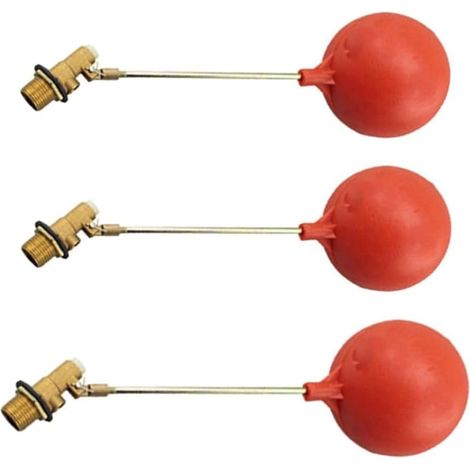
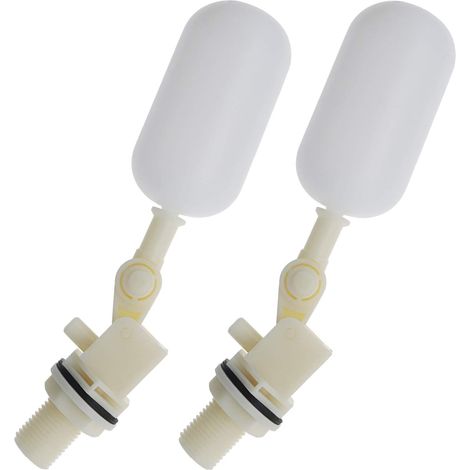
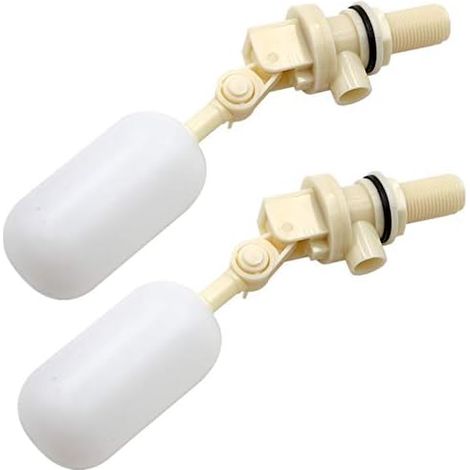
- the lever float which operates the valve with said lever to stop the water;
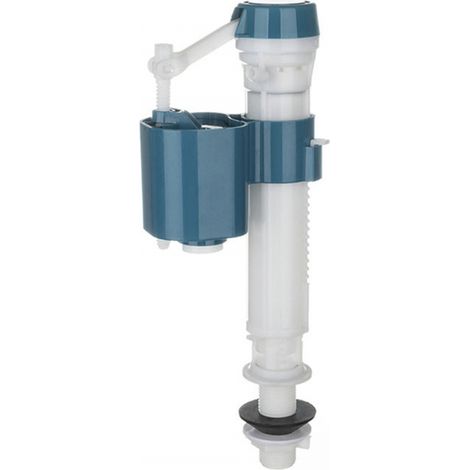
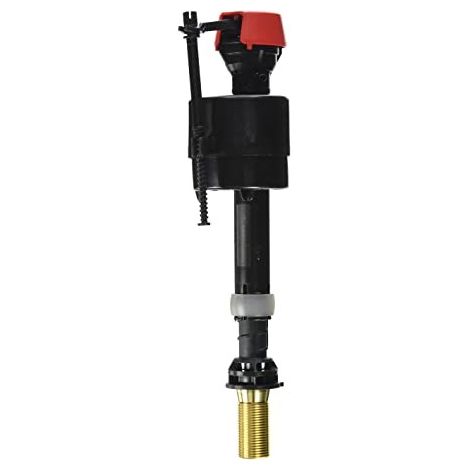
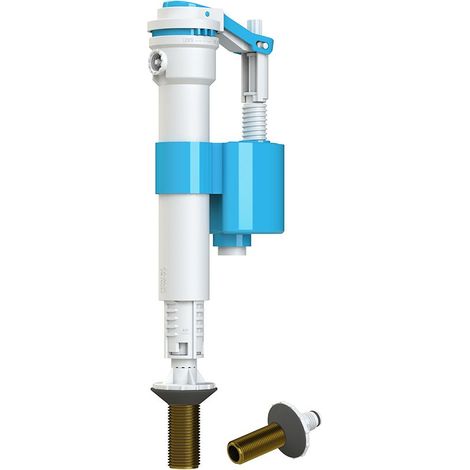
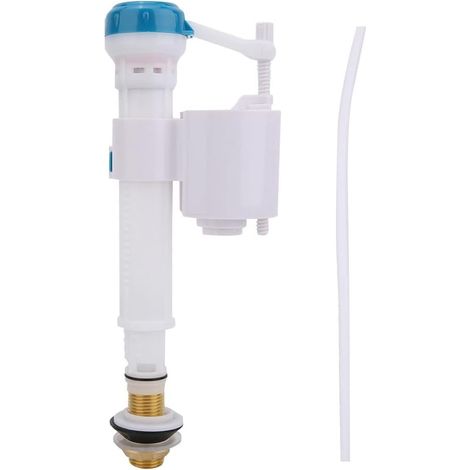
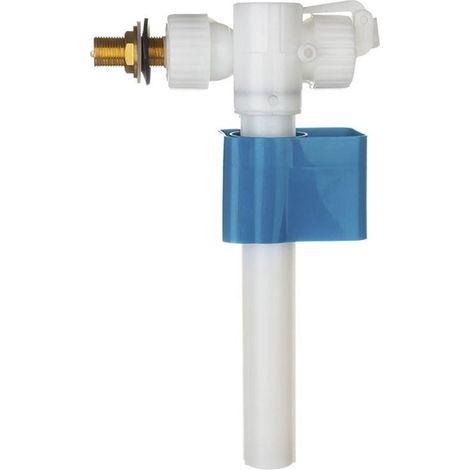
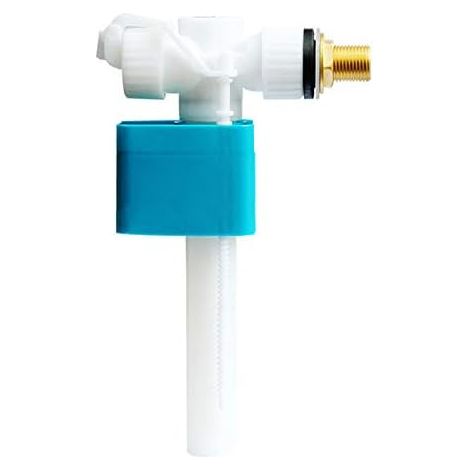
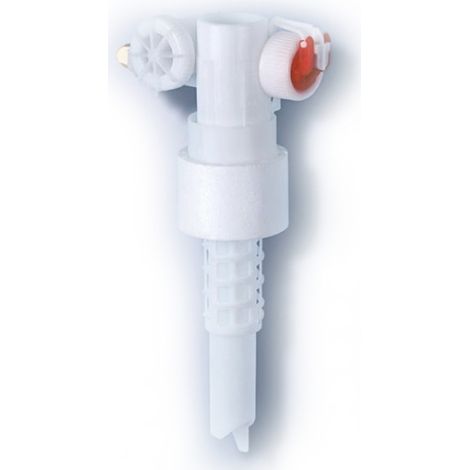
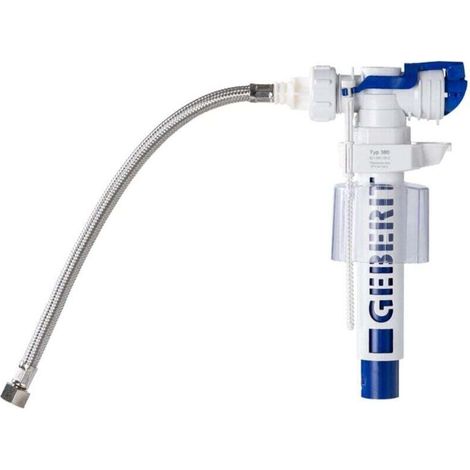
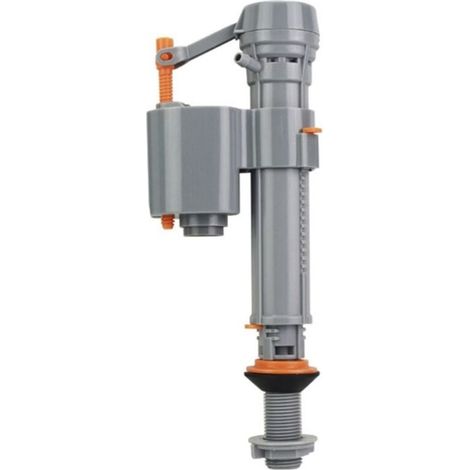
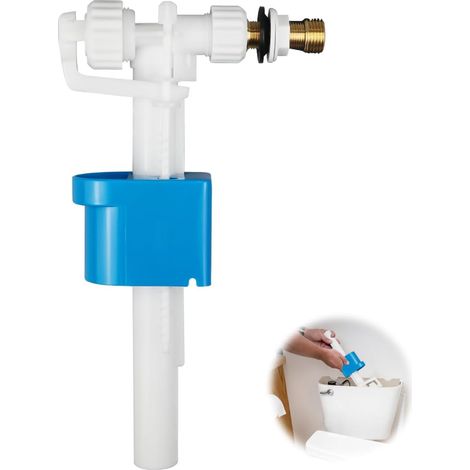
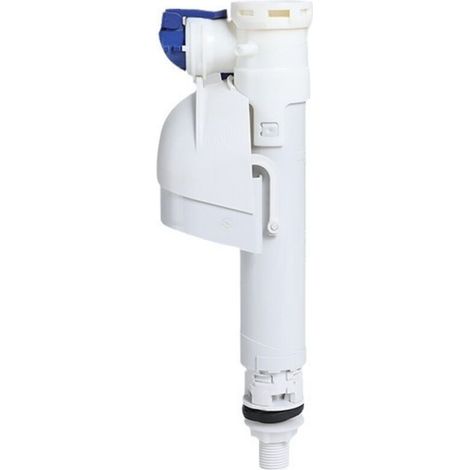
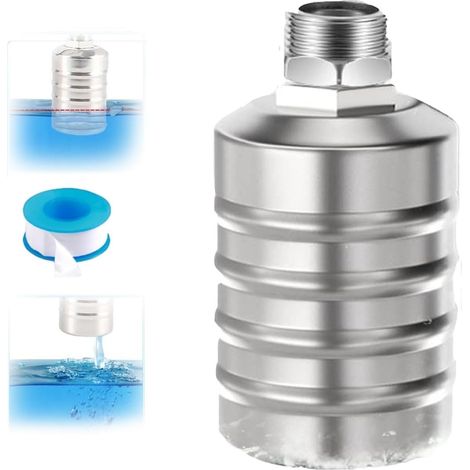
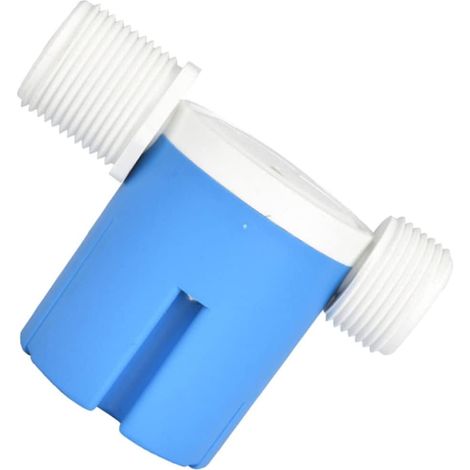
- the servo valve whose float moves up the shaft in the tank and then activates the valve to stop the water.
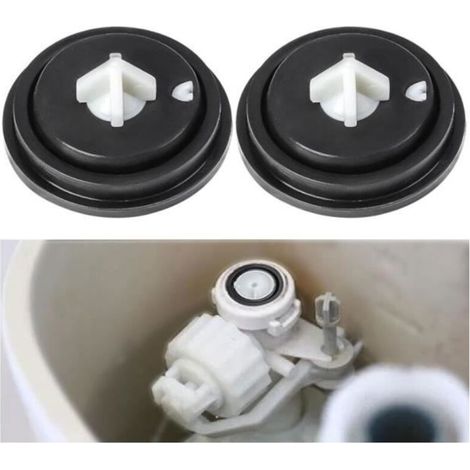
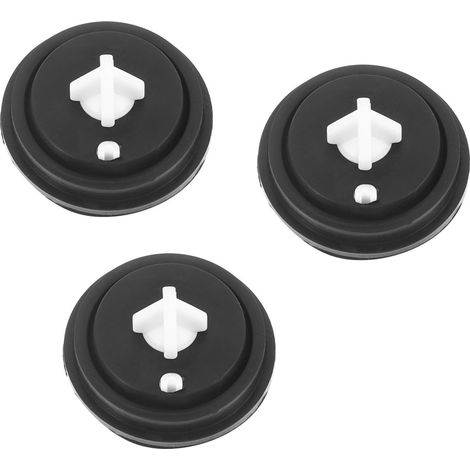
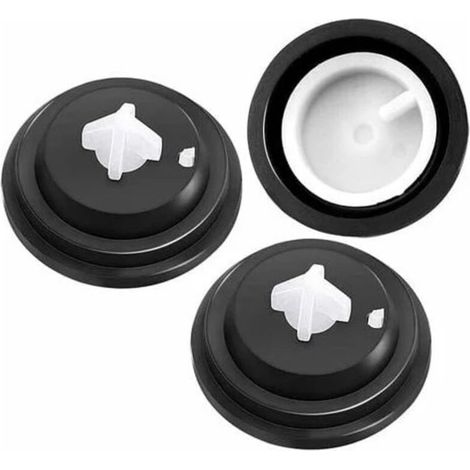
For either of these models, the mechanism can deteriorate for several reasons: rust, lever problems, faulty flapper… This can lead to a constant flow of water. Indeed, if the toilet water flows non-stop into the bowl, the problem originates from the float or the seals. It is possible that the lever, flapper, or another system component is improperly tightened or adjusted, causing the water to flow. In this case, a quick twist of the screw on the float adjustment screw may suffice.
Moreover, it's important to know that floats operate differently and that easy-to-adjust models are available on the market. To pick the right accessory, it is preferable to prioritize a model that:
- ensures rapid tank filling, especially for frequently used toilets, particularly in public spaces;
- is equipped with instant hydraulic closing, a mechanism that helps prevent water hammer;
- offers the functionality to adjust the water level, in other words, ensures low water consumption;
- is not too loud and is as discreet as possible.
In case of a leak in the toilets with continuous water flow, replacement is often recommended if repairs have not been successful. For this purpose, there are models with universal supply available. Nonetheless, floats that are tailored to a specific WC brand are also common. It is necessary to measure the tank's height and capacity to choose the right piece, or even the length of the lever so that it fits the tank surface properly.

















'/%3E%3C/svg%3E)
'/%3E%3C/svg%3E)