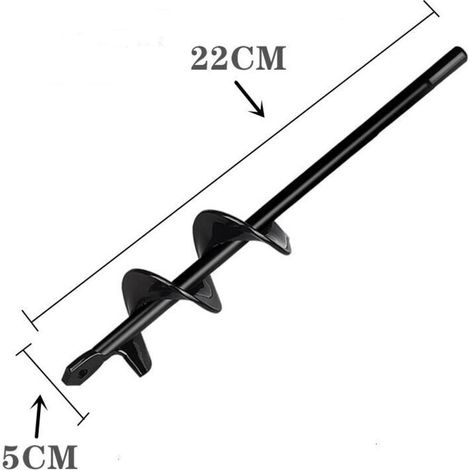
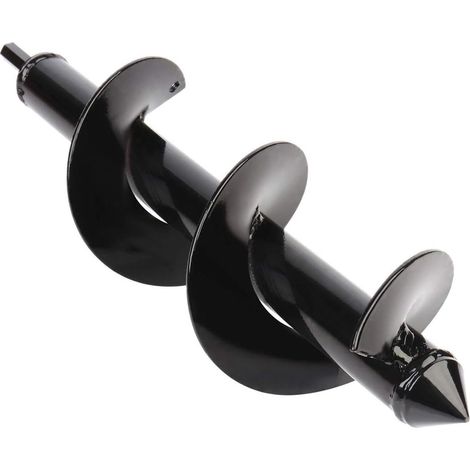
An auger is useful for easily making holes in the ground. Manual, electric, or gas-powered, this machine can be used alone or by two people to dig holes intended for planting trees or for fence posts.
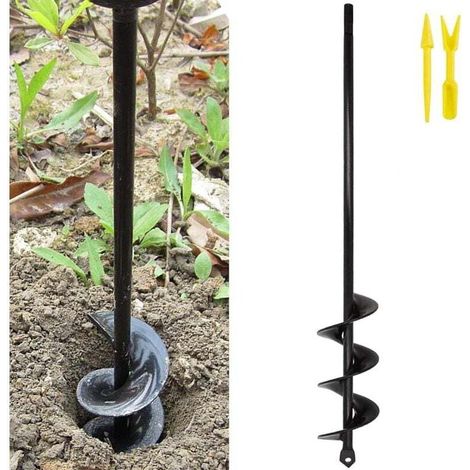
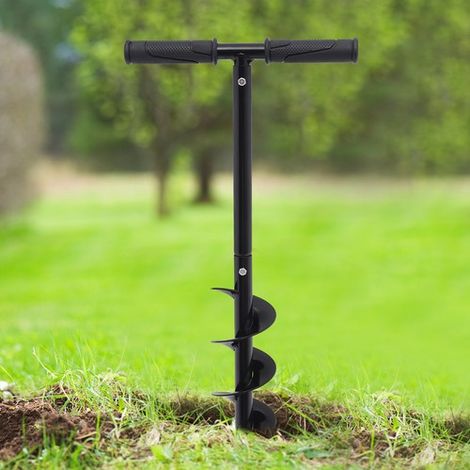
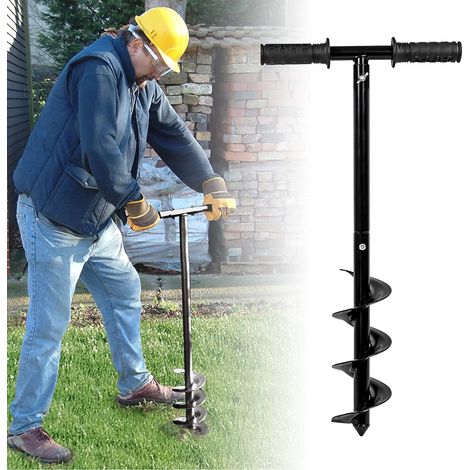
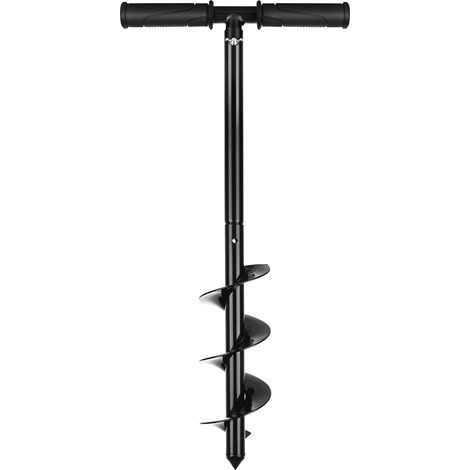
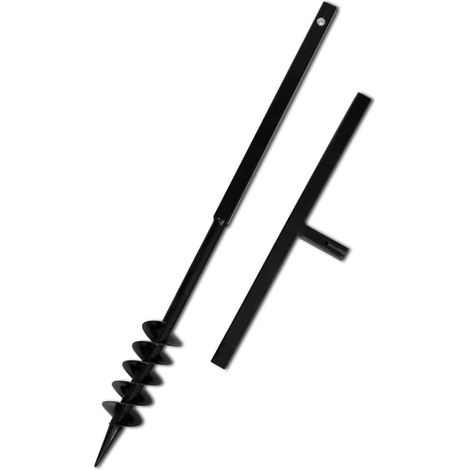
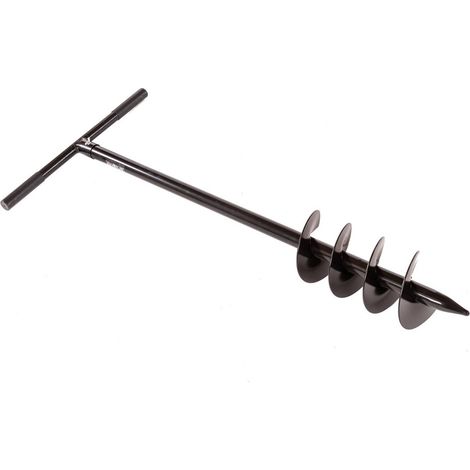
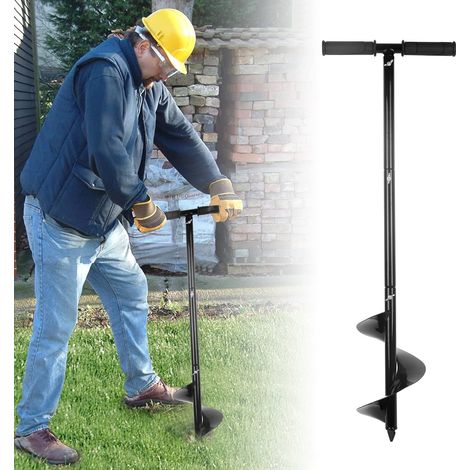
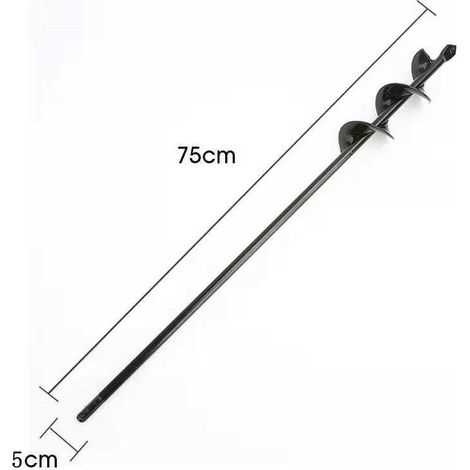
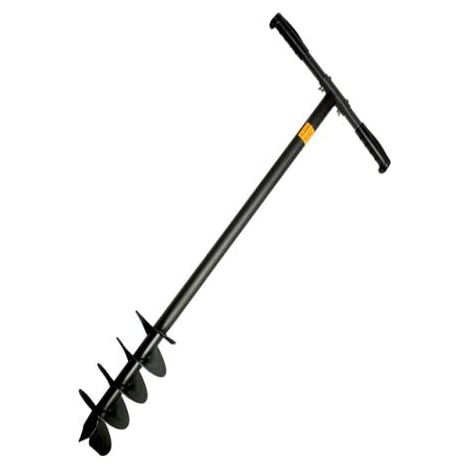
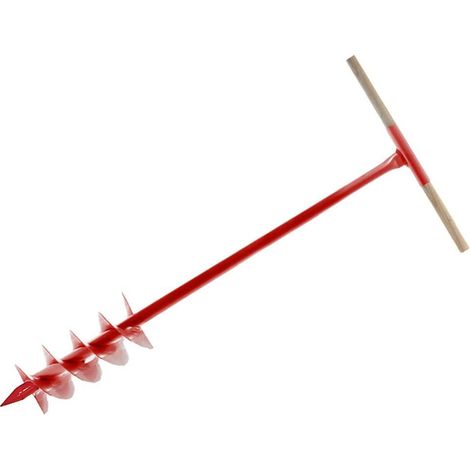
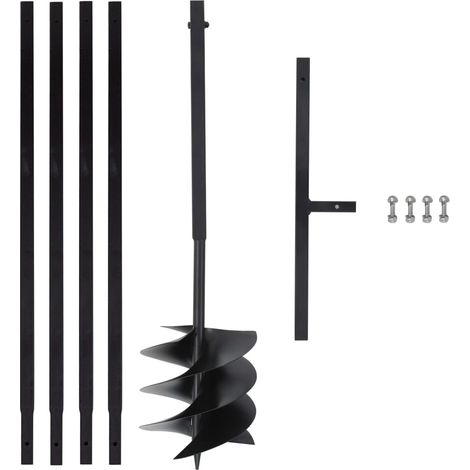
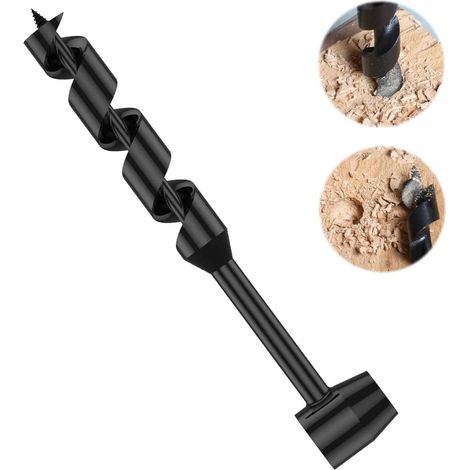
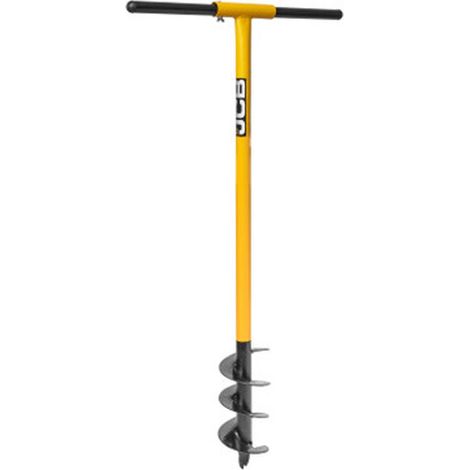
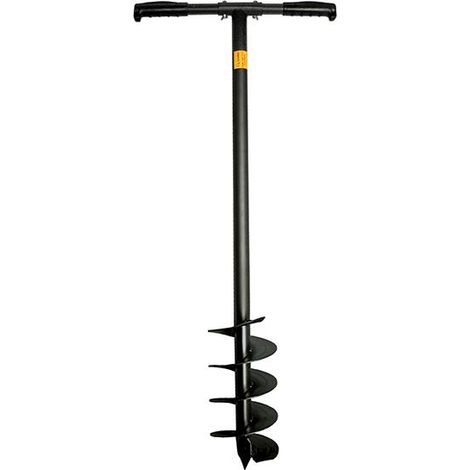
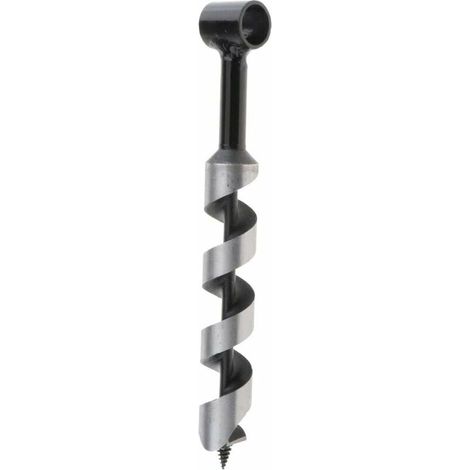
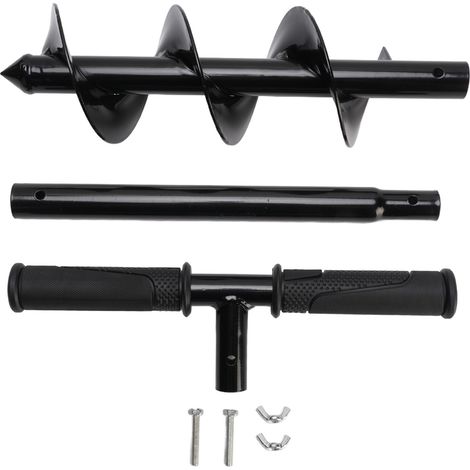
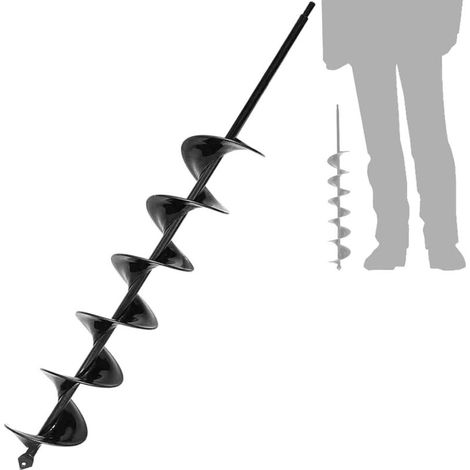
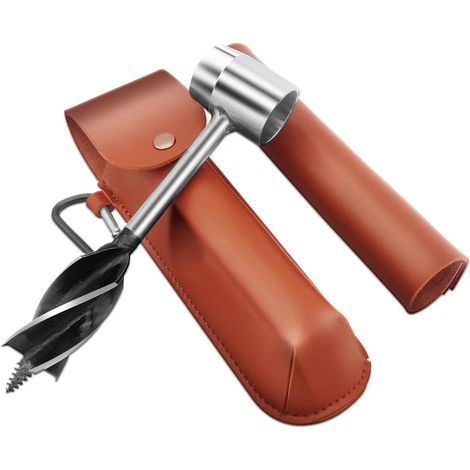
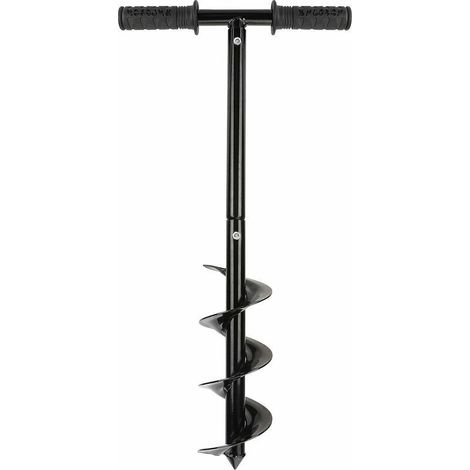
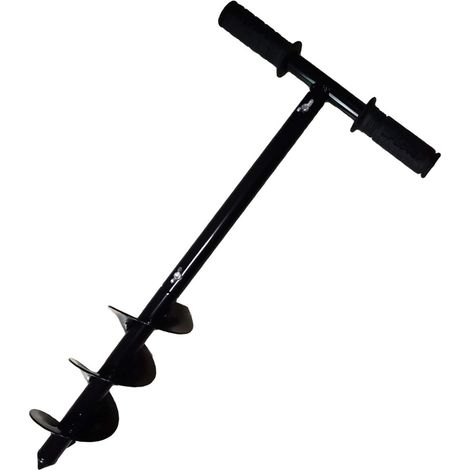
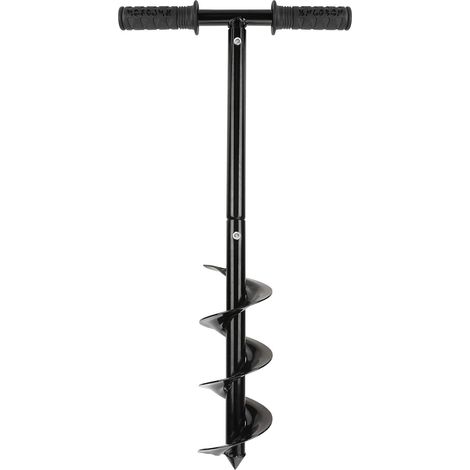
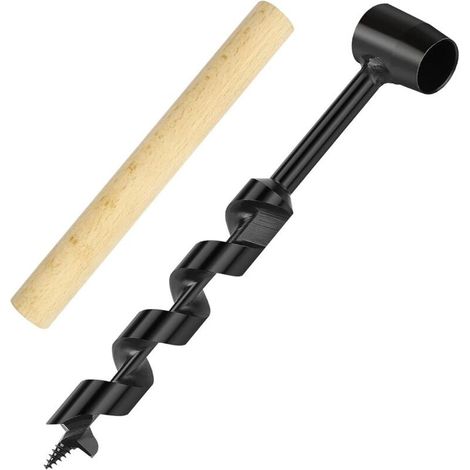
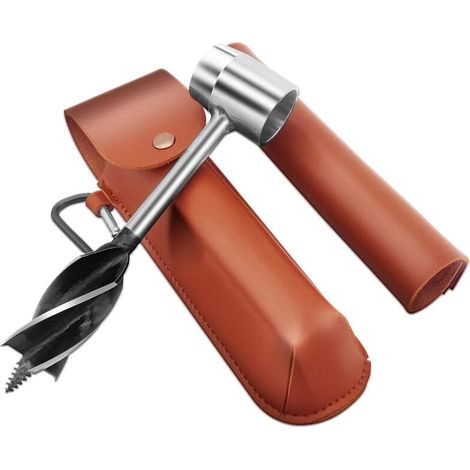
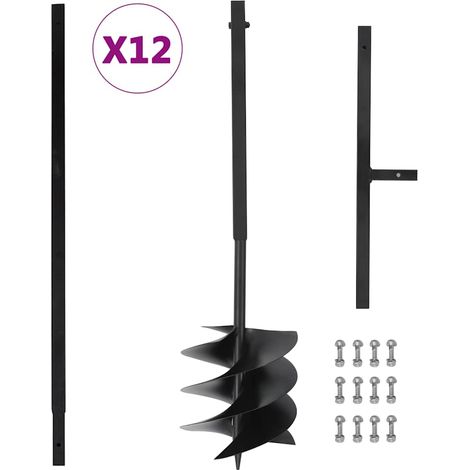
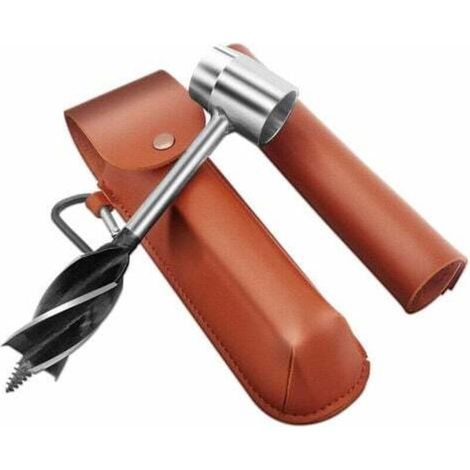
The manual auger is the most basic of all:
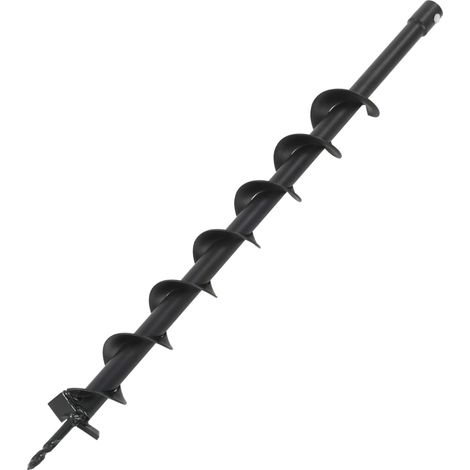
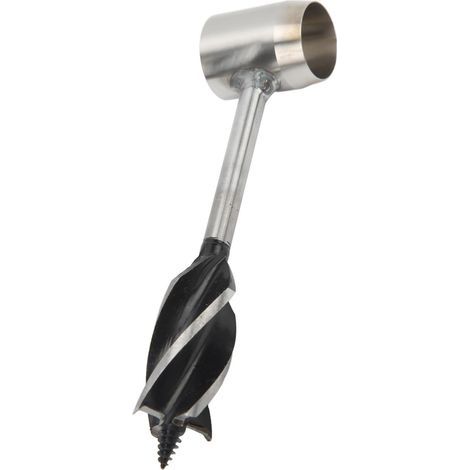
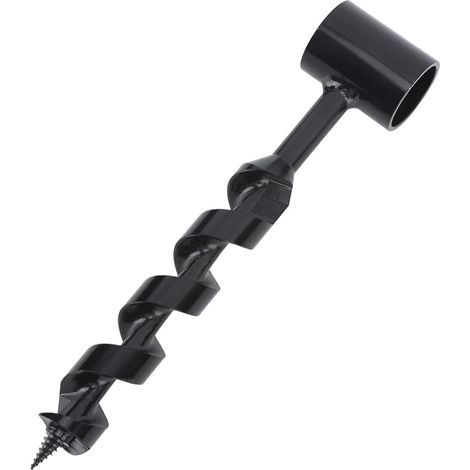
- it resembles a giant corkscrew;
- it is the user's arm strength that allows it to penetrate the ground (by turning);
- extensions are available to make holes of great depth;
- it is advisable to keep it as straight as possible and to regularly empty the hole;
- this type of equipment is suited for occasional work;
- it is best used on sandy soil.
The electric model has certain advantages:
- it allows for making holes (up to 20 cm in diameter) effortlessly;
- its electric motor requires no maintenance;
- it is appreciated for its quiet operation;
- it is preferable to use it on not too hard soil;
- its power is about 1.2 kW;
- an automatic clutch system optimizes the user's safety in the event of encountering a hard rock.
The gas-powered model is the most powerful:
- it is equipped with a 2-stroke (oil/fuel mix) or 4-stroke gas engine;
- it must be periodically maintained (cleaning the spark plug and filters, etc.) to ensure its proper functioning;
- its power ranges from 3 to 4.5 HP;
- models under 2,000 W (52 cm³) can be handled by one person and allow for drilling holes 30 cm in diameter;
- models from 2,000 W to 3,000 W must be used by two people, but allow for drilling holes 40 cm in diameter;
- if the less powerful models are intended for gardening work, the more powerful ones are better suited for construction work;
- starting is done using a starter cord;
- a quick engine cut-off system optimizes the operator's safety in case of problems.
Thus, the choice of an auger depends on the work to be done (number of holes to be made, depth, etc.), the type of soil to be dug, but also on the physical strength of the operator. Wearing a noise-canceling helmet is recommended when using a gas-powered device.





























'/%3E%3C/svg%3E)
'/%3E%3C/svg%3E)