Glass wool is a material commonly used as thermal and acoustic insulation in buildings. Woolly in consistency, it is obtained by melting recycled glass and sand. Professionals also use it in fire protection.
Belonging to the family of mineral insulators, glass wool stands out for:
- its effectiveness in acoustic insulation of the house;
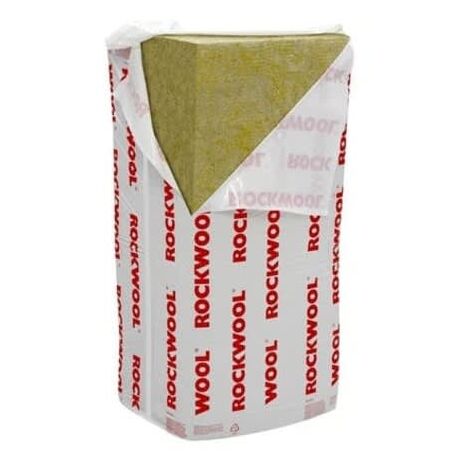
- its thermal performance (at equal thickness, this material is notably more efficient than rock wool);
- its relatively low price;
- its lightness and practicality, facilitating the transport, handling, and installation of the insulator.
In addition to rock wool, glass wool is one of the materials to be favored in the implementation of external thermal insulation (ETI). This technique allows, among other things:
- to significantly reduce heat loss through the building’s walls or objects passing through the partitions (pipes, joinery, etc.);
- to avoid affecting living space within the house, unlike internal insulation (which reduces the floor space available in the room);
- to save on energy and financial costs;
- to preserve the environment by helping to limit greenhouse gas emissions.
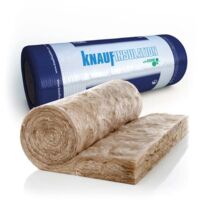
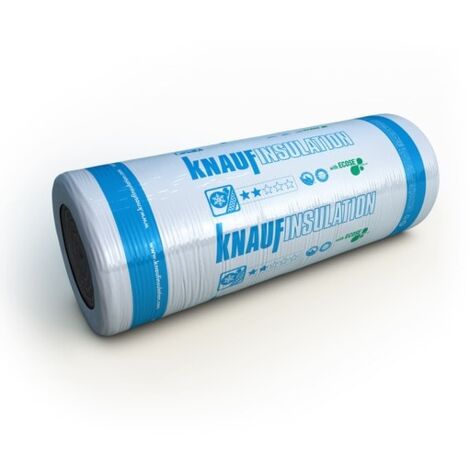
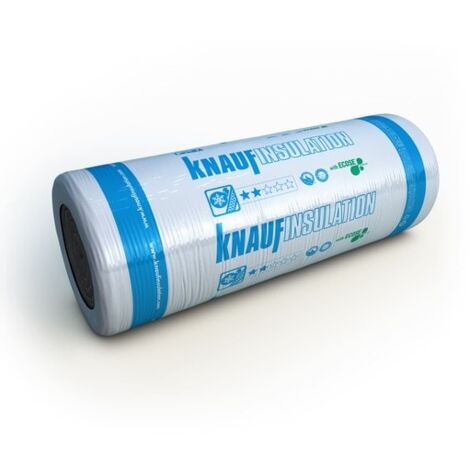
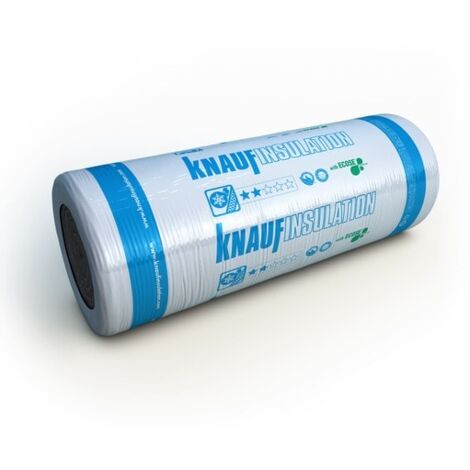
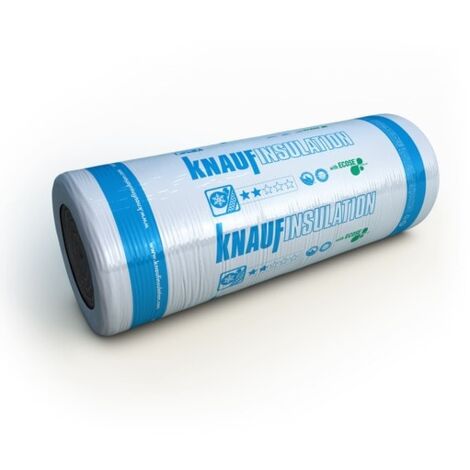
The insulator is marketed in various packagings, but it is often offered in rolls. It also exists in flakes or foam. The blown version is particularly effective for:
- ensuring the insulation of lost or inaccessible attics;
- insulating unstable, delicate or hard-to-reach floors;
- filling gaps as well as potential breaches in the coverage;
- limiting heat loss at the level of wire passages and pipe holes.
To ensure the insulator's effectiveness against thermal bridges, it is important to carefully perform and verify the material’s implementation:
- around the house's openings (doors and windows);
- near pipe holes;
- around the plumbing (hot or cold water, gas supply, etc.);
- at the level of electrical wire passages;
- along the floor-wall and wall-ceiling junction.
Glass wool is a widespread material in thermal and acoustic insulation of buildings, whether new or renovated. Its use is especially recommended in ETI, due to its practicality. Additionally, it is effective in fire protection.
'/%3E%3C/svg%3E)
'/%3E%3C/svg%3E)
'/%3E%3C/svg%3E)