Filter by
Hammer handles
500+ products
'/%3E%3C/svg%3E)


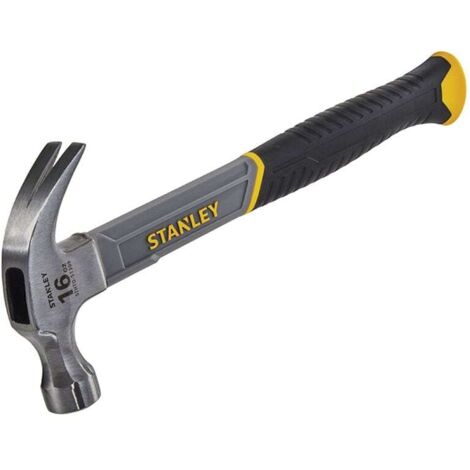

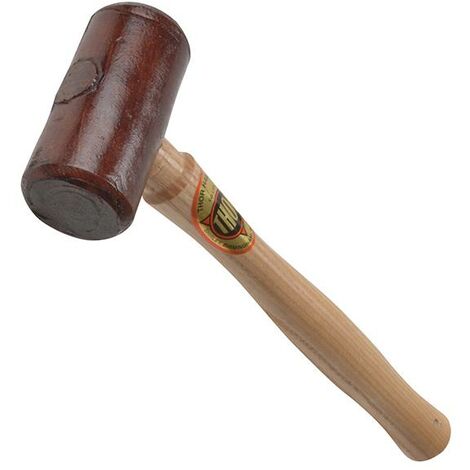
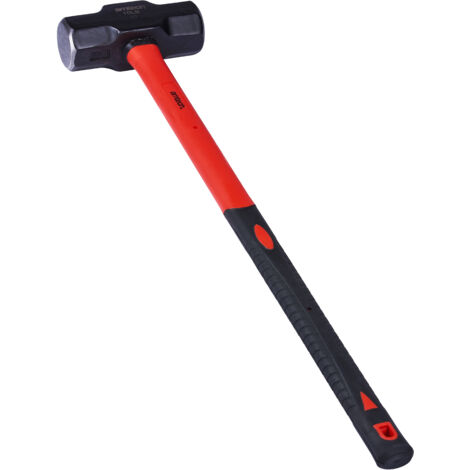

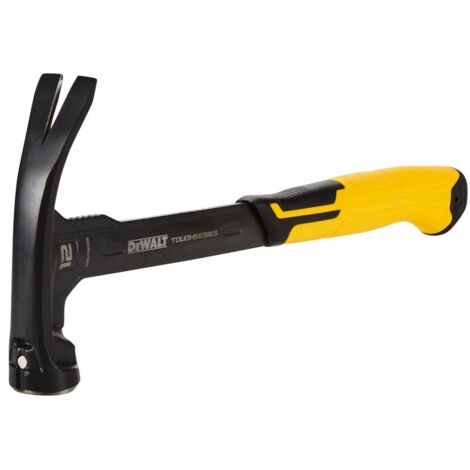
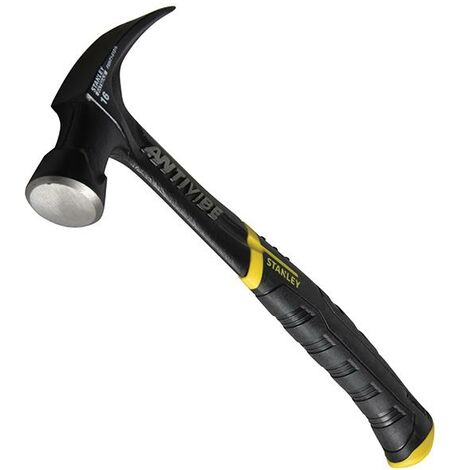
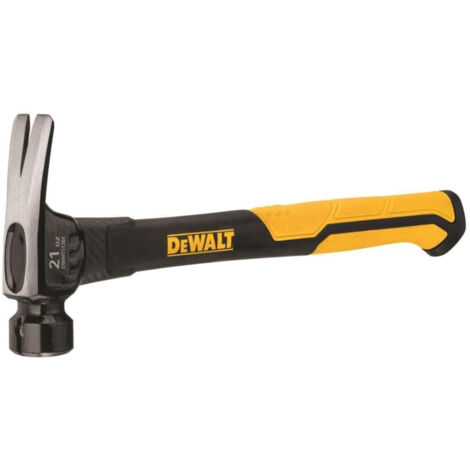
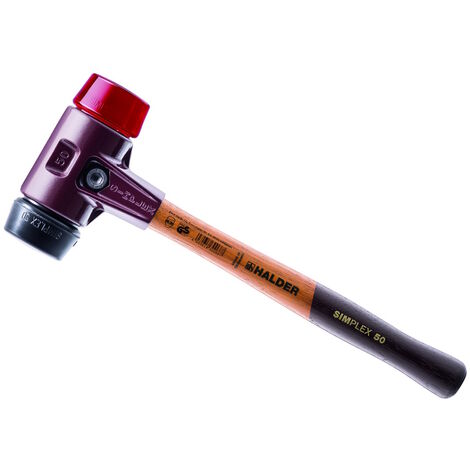

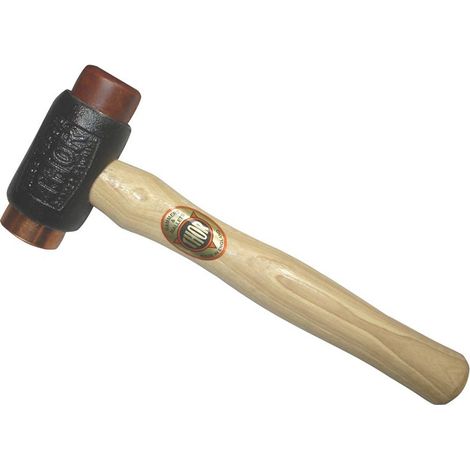
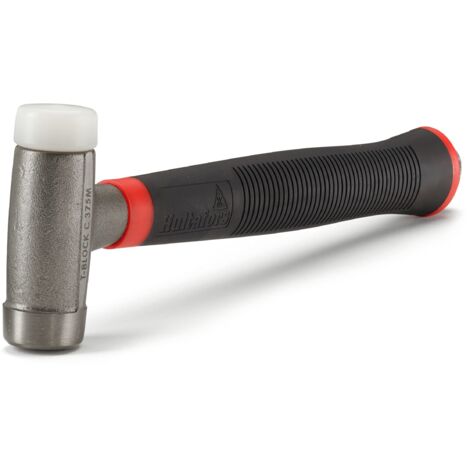

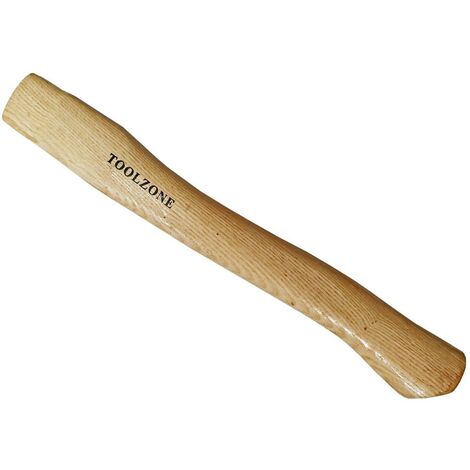

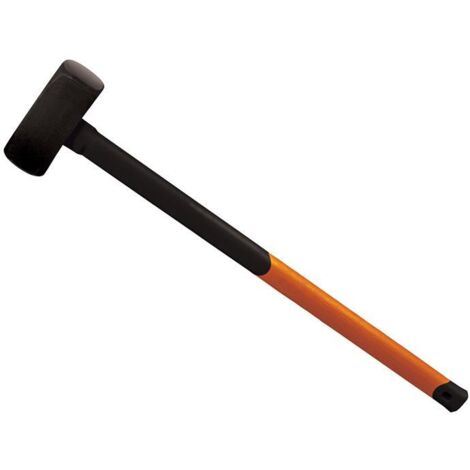
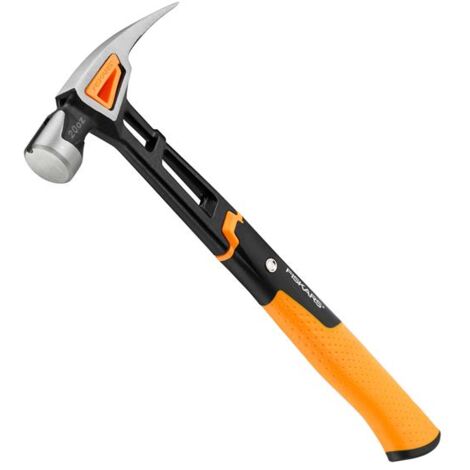

Fiskars 1020214 Anti Shock IsoCore Hammer 20oz Rip Claw 13.5 Magnetic Nail Start
7
Free delivery



6 options
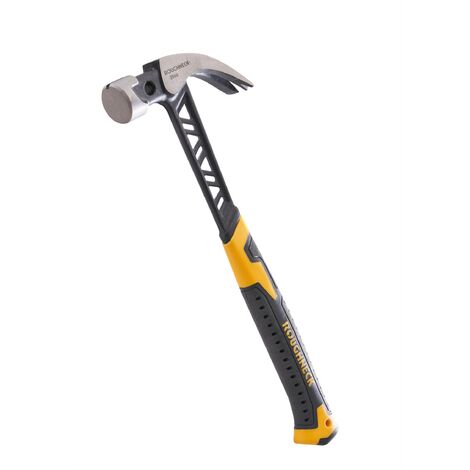
Roughneck 20oz Claw Hammer Gorilla V-Series 567g 250mm Cushion Grip ROU11010
Free delivery
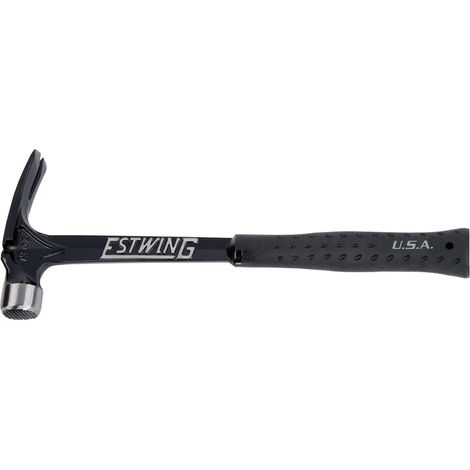




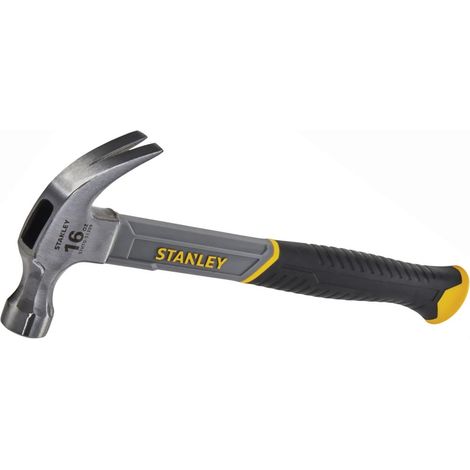
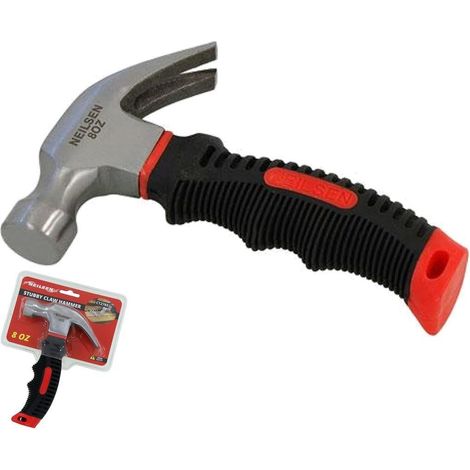

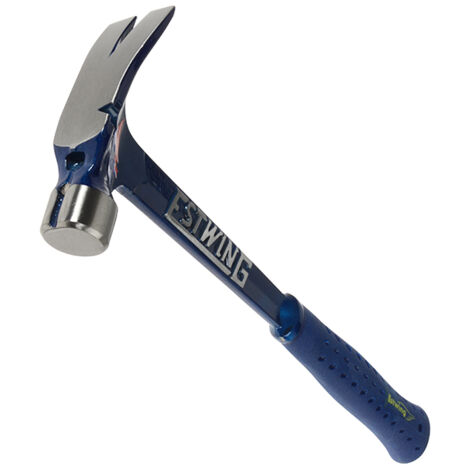
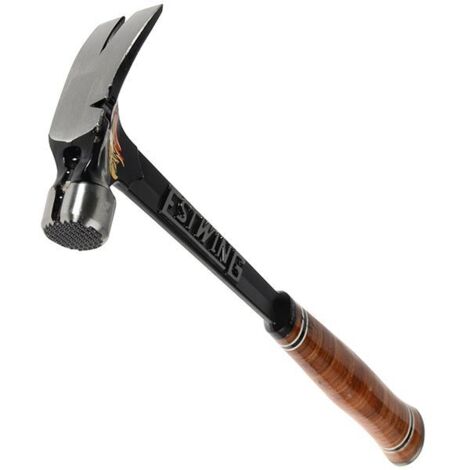

Estwing E19SM 19oz Ultra Series Straight Claw Framing Hammer with Milled Face, Leather Grip, and 400mm Length
Free delivery
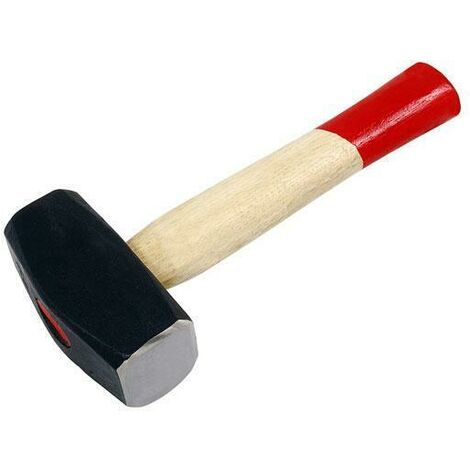
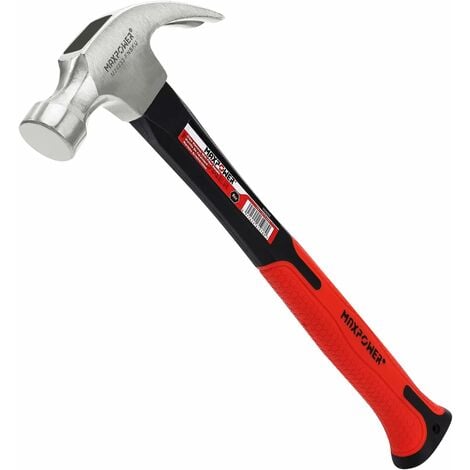

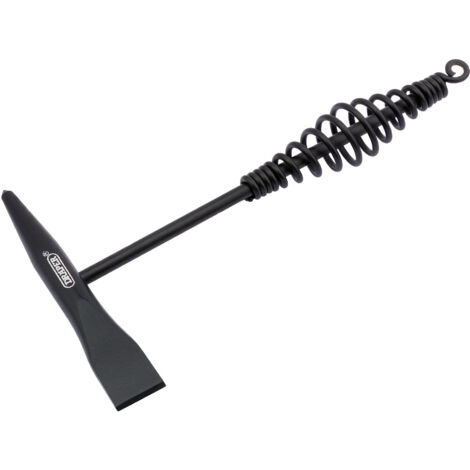
MAXPOWER 8Oz Curved Rip Claw Hammer Framing Hammer with Polished Carbon Steel Hammer-Head & Fiberglass Handle with Rubber Grip
Free delivery
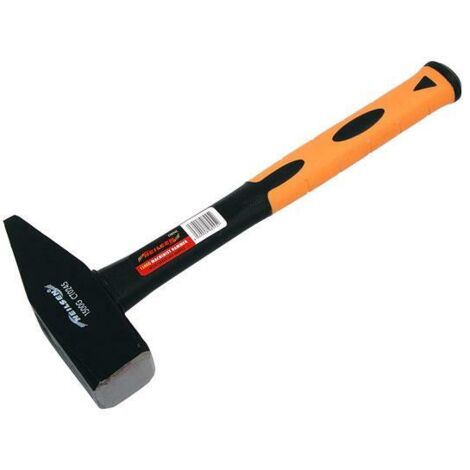
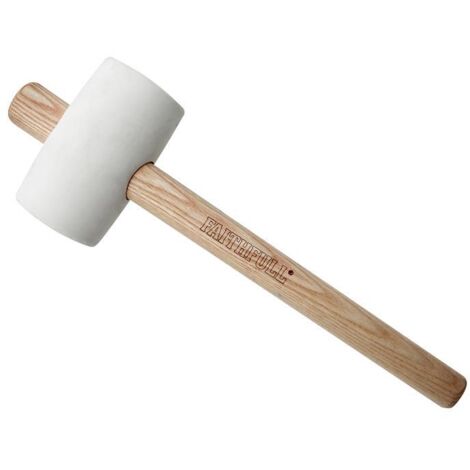
2 options
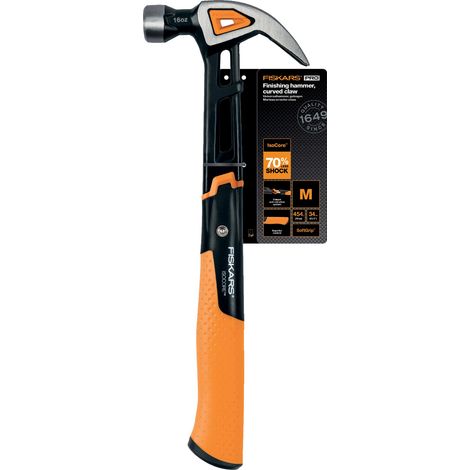
Fiskars 1027202 Anti Shock IsoCore Finishing Hammer 16oz Curved Claw FSK1027202
3
Free delivery

2 options
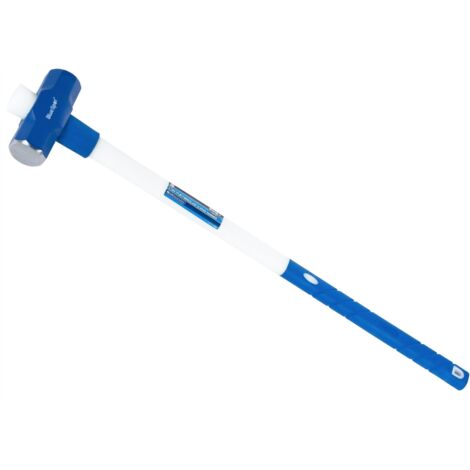
BlueSpot 7lb Sledge Lump Hammer Fibreglass Shock Absorbing Shafted Handle 26612
2
Free delivery




Narrow down your search
'/%3E%3C/svg%3E)
Narrow down your search
Other categories for you
'/%3E%3C/svg%3E)