Filter by
Instantaneous water heaters
173 productsOpt for an instant water heater with a power of 10 kW and a water flow rate of 8 liters per minute for optimal performance and guaranteed energy savings.
Your product
'/%3E%3C/svg%3E)
In stock
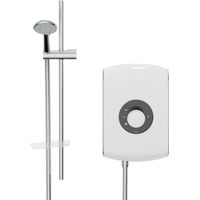
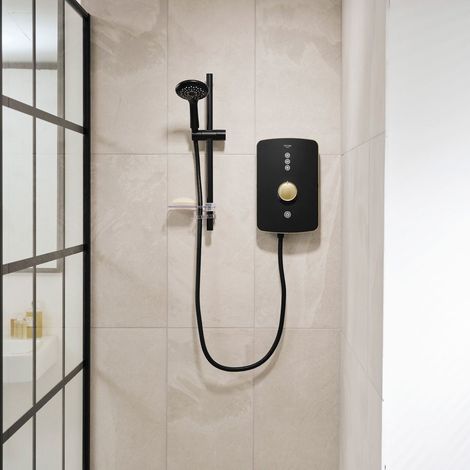
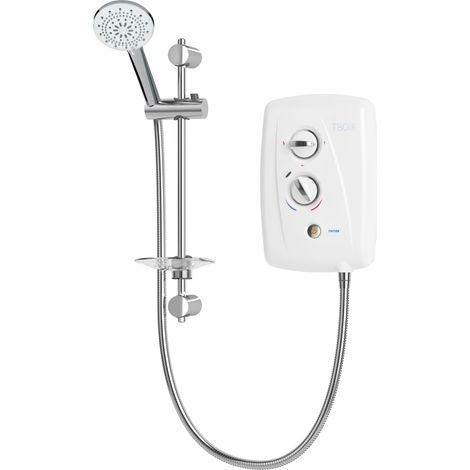
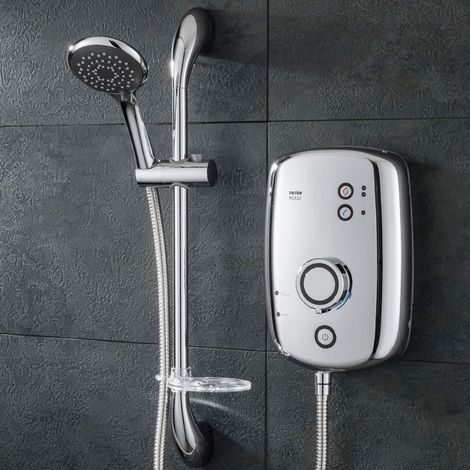
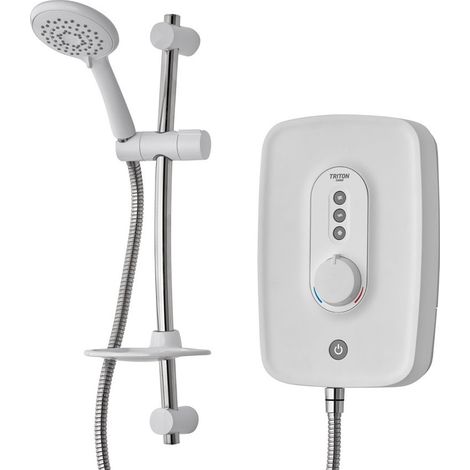
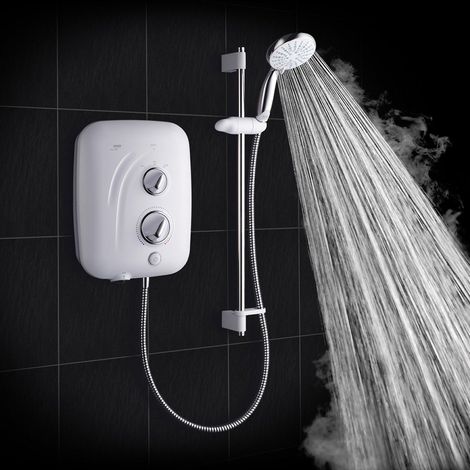
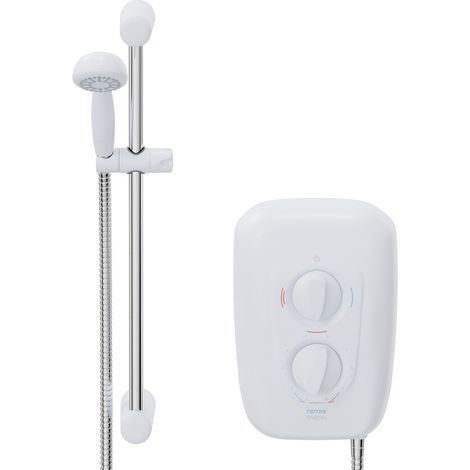
Triton Amore 9.5kW Electric Shower Gloss White 5 Spray Mode Handset 1.5m Hose
Free shipping
Similar products
£1 offered
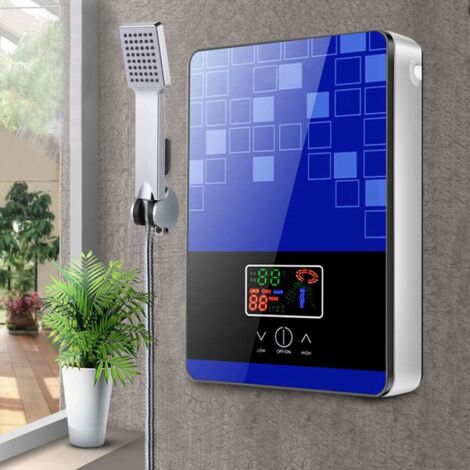
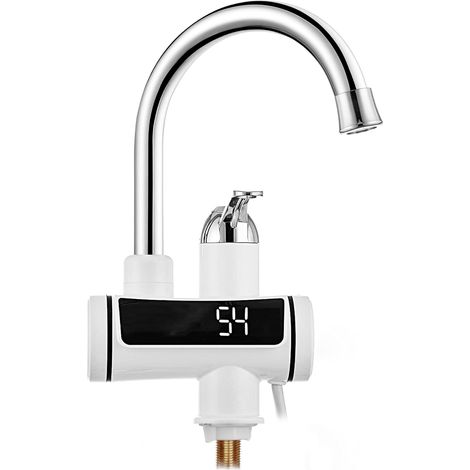
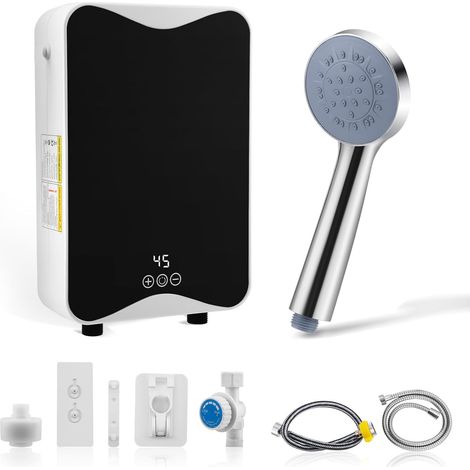
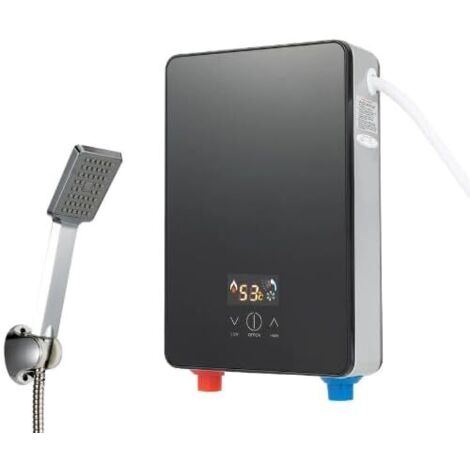
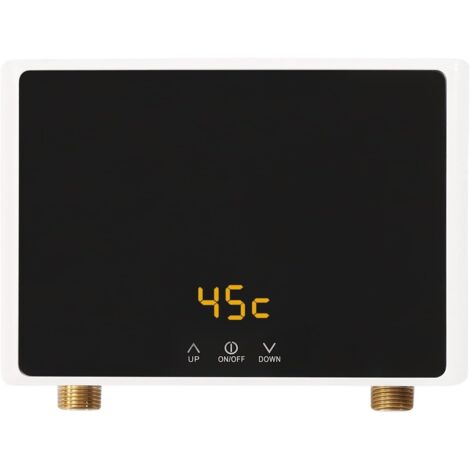
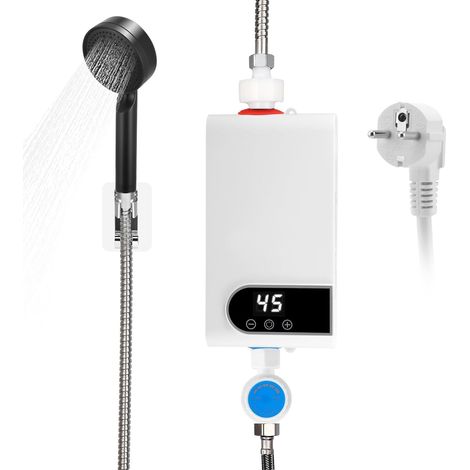
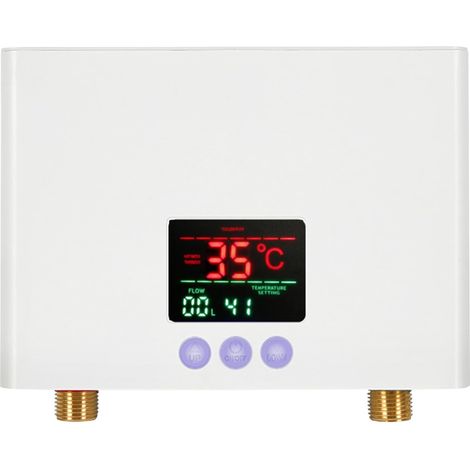
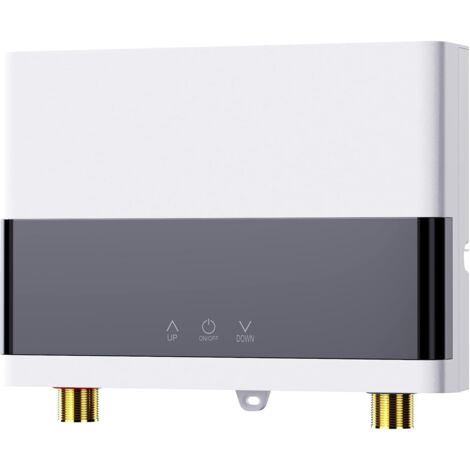
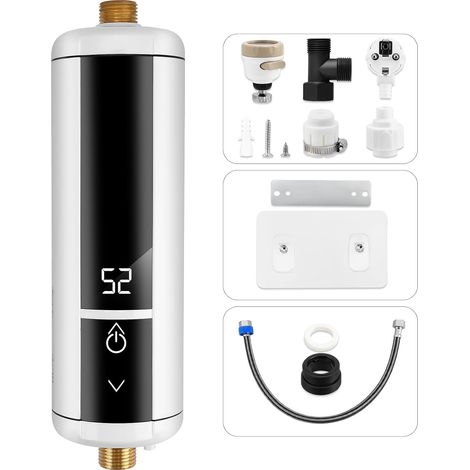
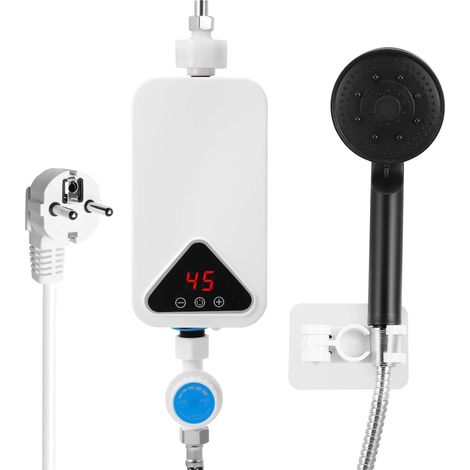
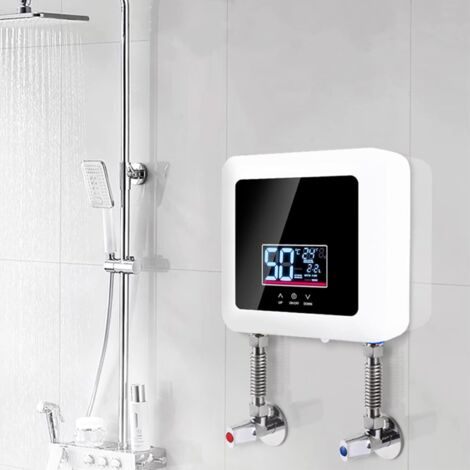
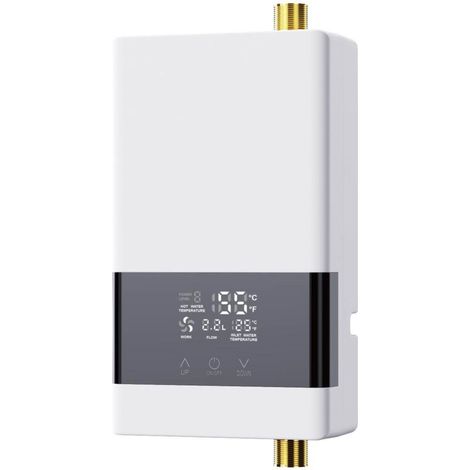
Tankless Electric Hot Water Heater Set 6500W 220V Instant Water Heater On Demand Bath Shower with LED Screen Display for Bathroom, Bathtub, RV, Whole House, Shower, Sink Small, w/Overheating Protectio
1
Free shipping
Sale
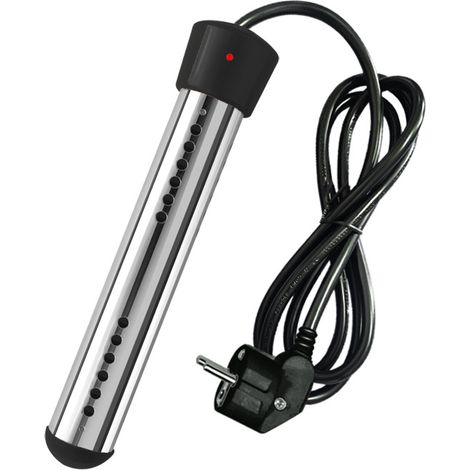
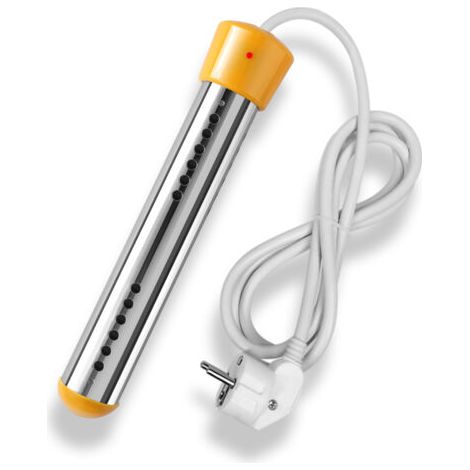
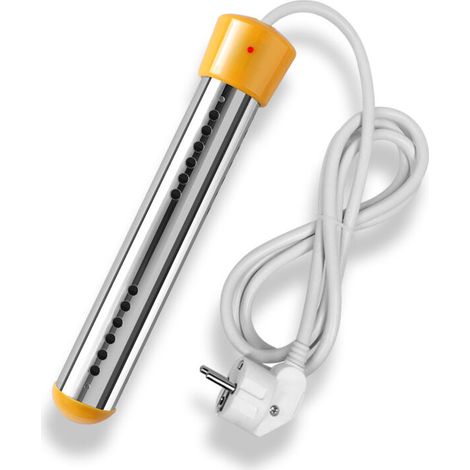
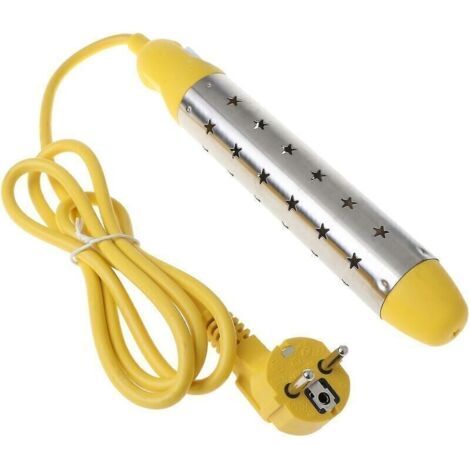
2500W electric water heater with immersion voltage, pool water heater, portable water heater, suitable for ponds, buckets,230V(Black)
1
-50%
Free shipping
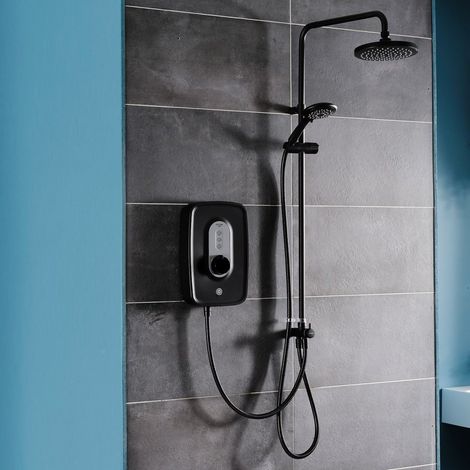

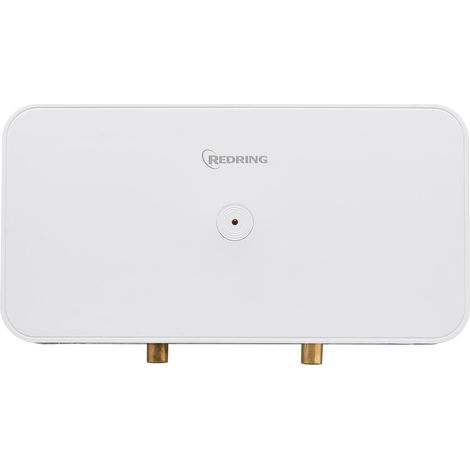

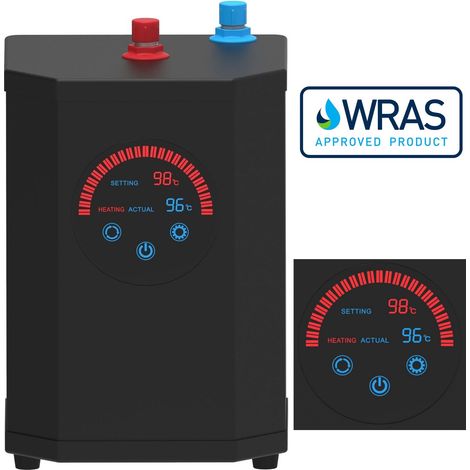

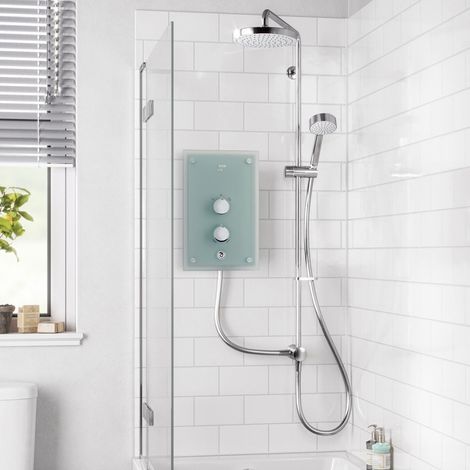
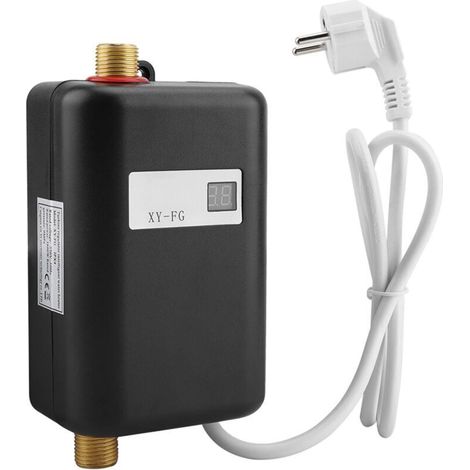

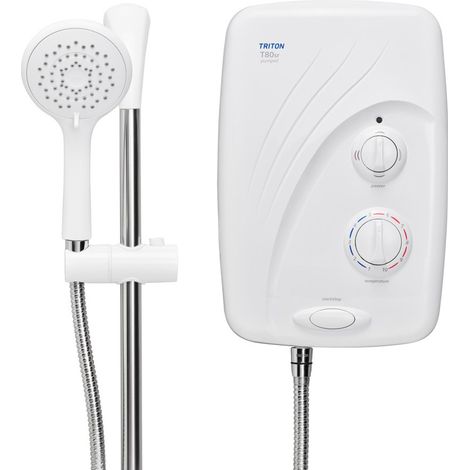
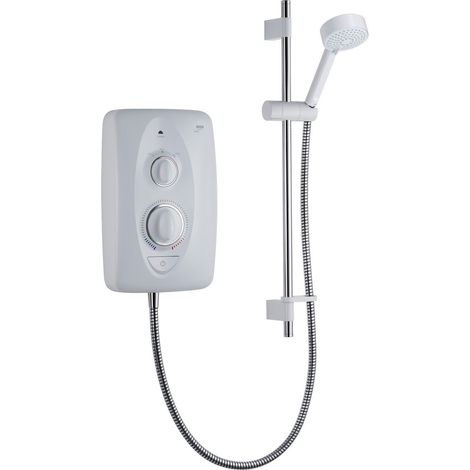
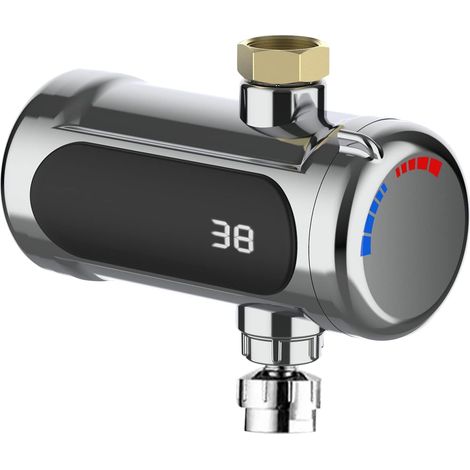

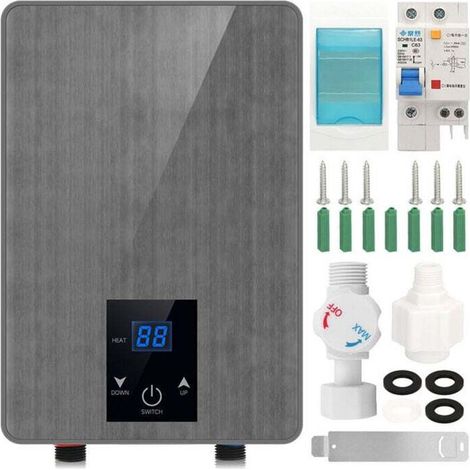


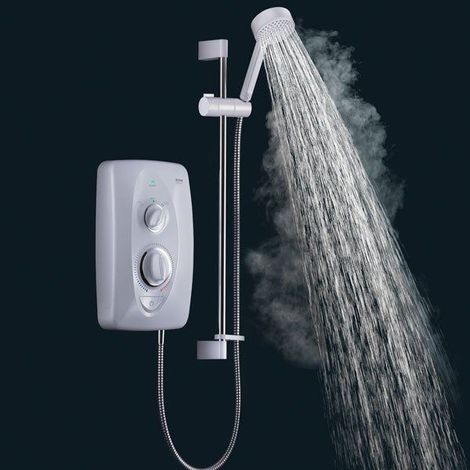

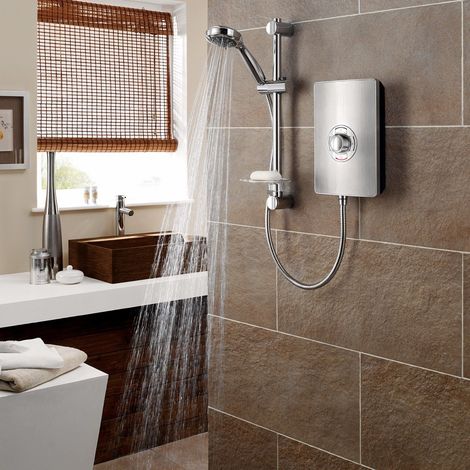
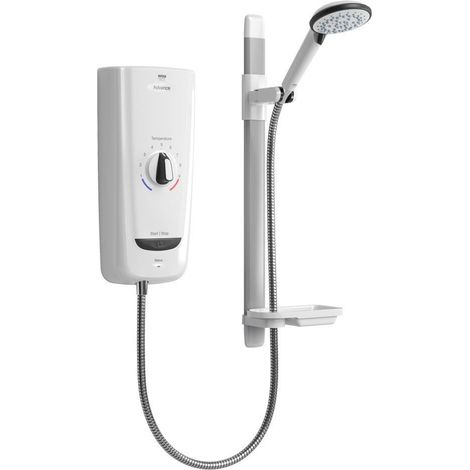
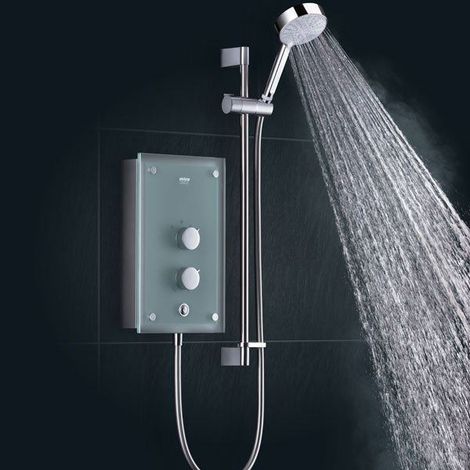

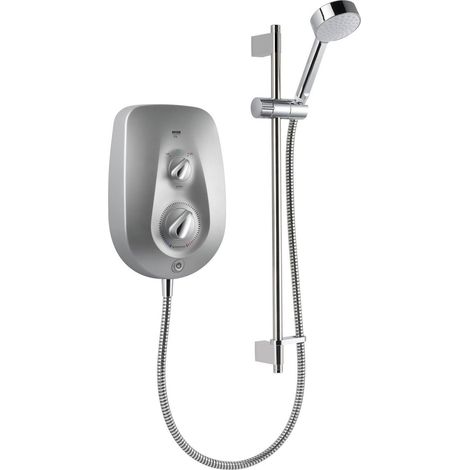
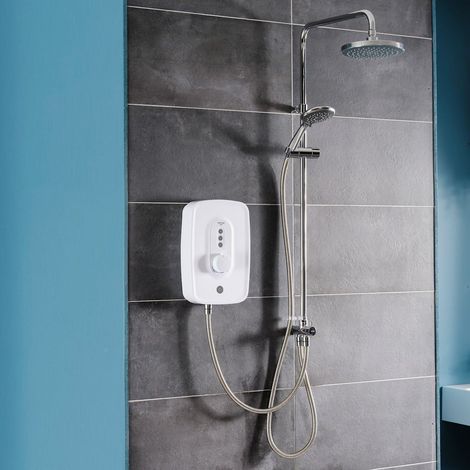
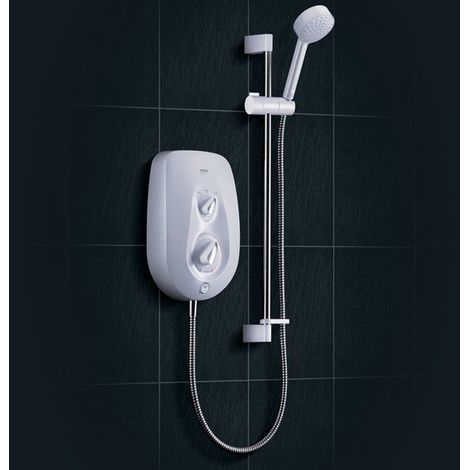
Mira Azora 9.8kW Thermostatic Electric Shower Chrome + Frosted Glass 1.1634.011
1
Free shipping





Sale
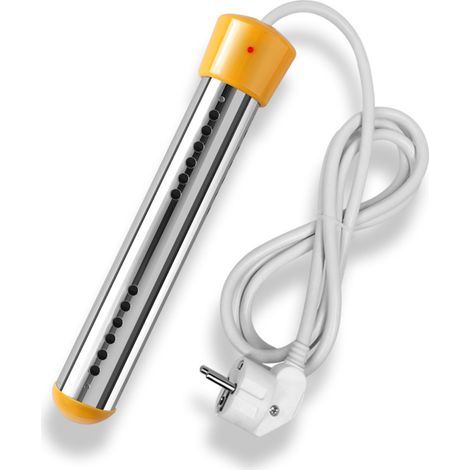
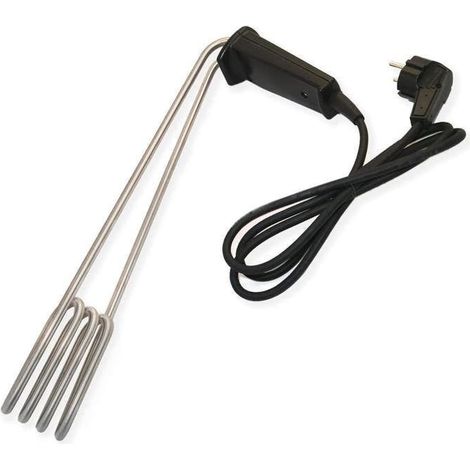
Portable electric water heater - GOLDMAN SERVICE - 2000W - Immersion length 41 cm - Stainless steel
-28%
Free shipping
Narrow down your search
'/%3E%3C/svg%3E)
Narrow down your search
Other categories for you
'/%3E%3C/svg%3E)