The term valves refers to elements that contribute to the efficiency of the central heating protection system. Such accessories prove necessary to secure the installation and proper functioning of it. Depending on the material they are made of, the system for which they are intended, and their operation, different types can be distinguished.
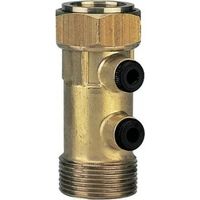
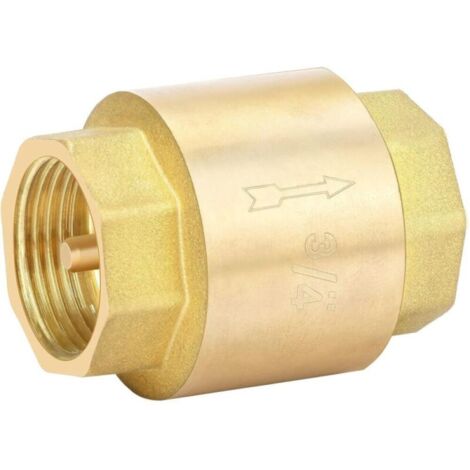
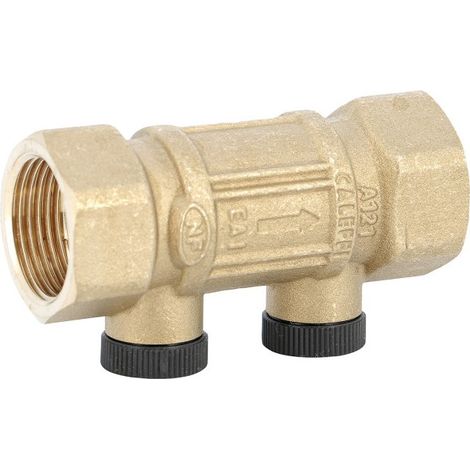
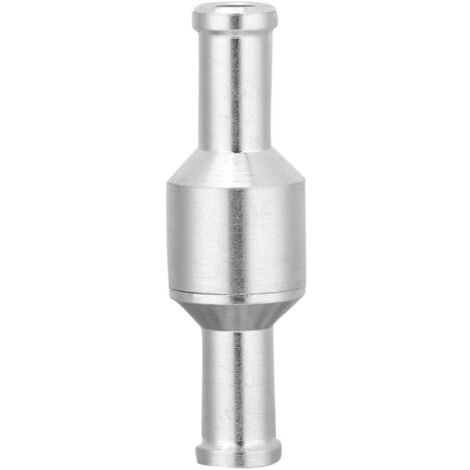
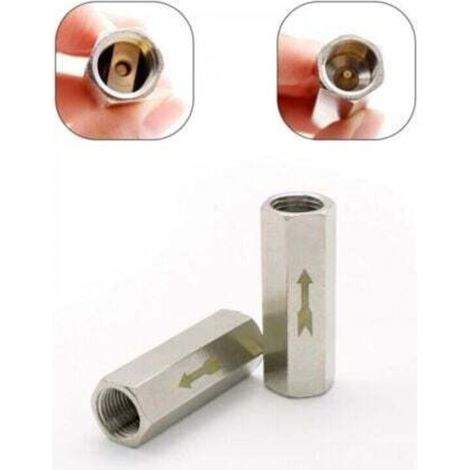
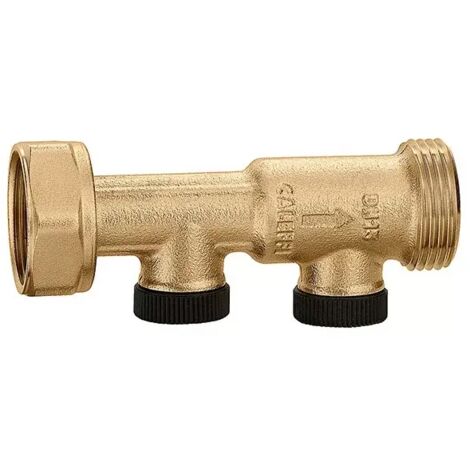
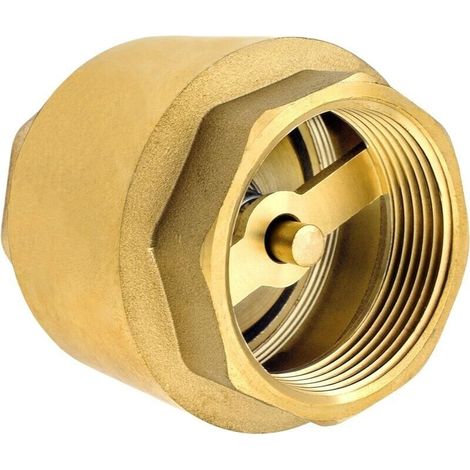
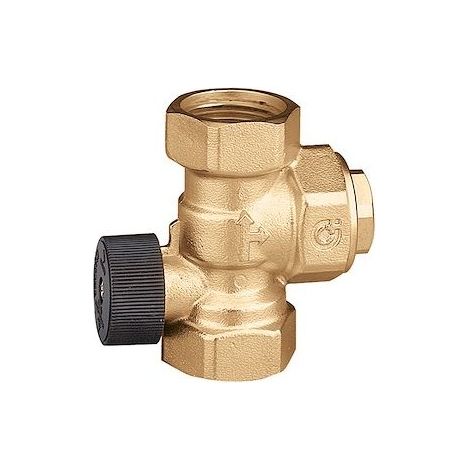
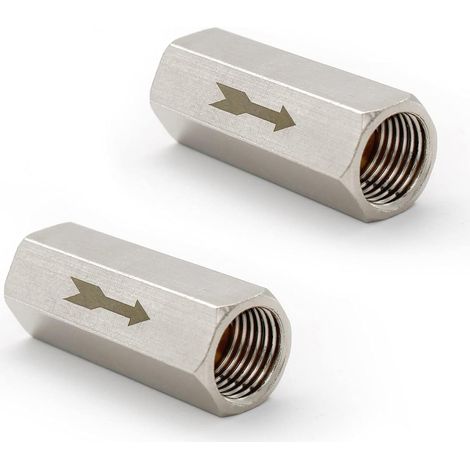
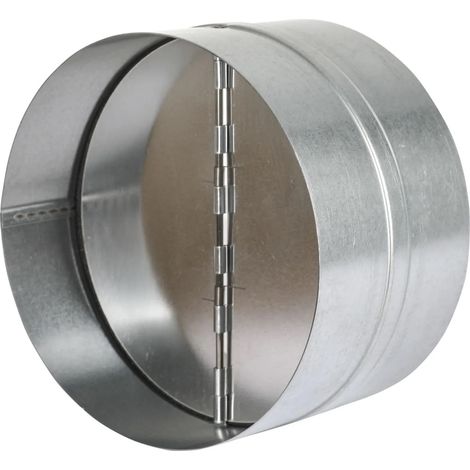
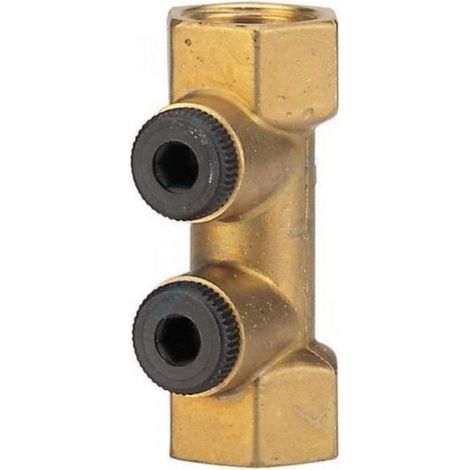
Firstly, to choose the appropriate valve, you need to consider the pressure of the fluids in your pipes to obtain a system that is adapted, secure, and efficient. Generally made of brass, the check valve, for example, allows controlling the direction in which the fluid contained in the heating circuits flows. It immediately blocks the flow if its direction reverses to prevent "water hammer." This issue involves overpressure at the moment of a sudden change in the speed of a liquid, following the rapid closing/opening of a valve, tap, etc. Next, a double check valve prevents unwanted automatic circulation when the load group is closed between the boiler and the tank or between the primary and secondary tanks. For certain models like those from LADDOMAT, for example, the valve is equipped with 2 taps that stop the flow in the conduit when the pumps are stopped. The flow is thus equal in both directions: it is higher during the tank's charging to transmit the boiler's power and decreases when the optimal level is reached. Additionally, an anti-thermosiphon valve is particularly useful for boiler circulators. When it is stopped for some time or when your heating operates solely for hot water production, the fluid may interfere with the inactive heating circuits: this is the thermosiphon phenomenon. Finally, as accessories also usable to protect domestic heating installations, disconnectors can be considered in the same category as valves.
'/%3E%3C/svg%3E)













'/%3E%3C/svg%3E)