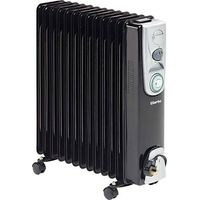
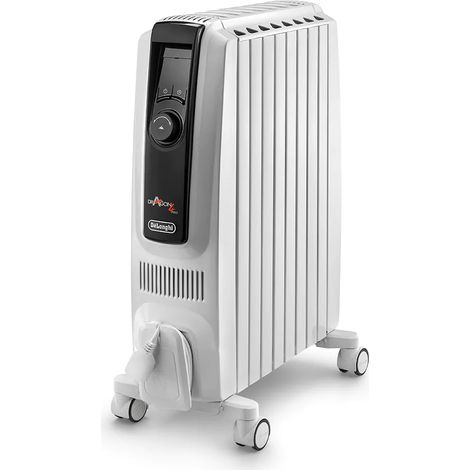
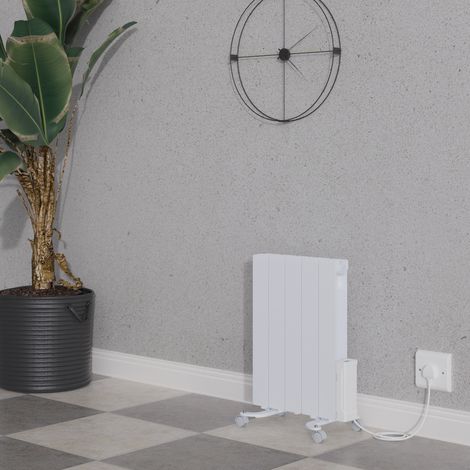
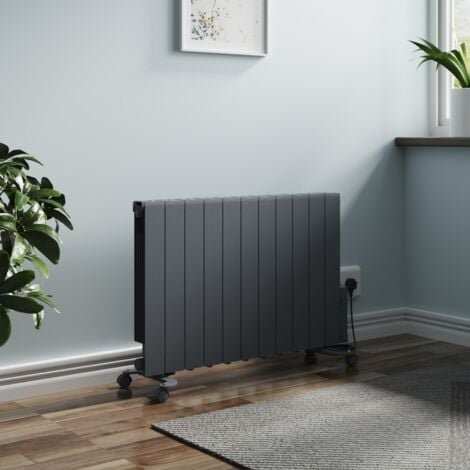
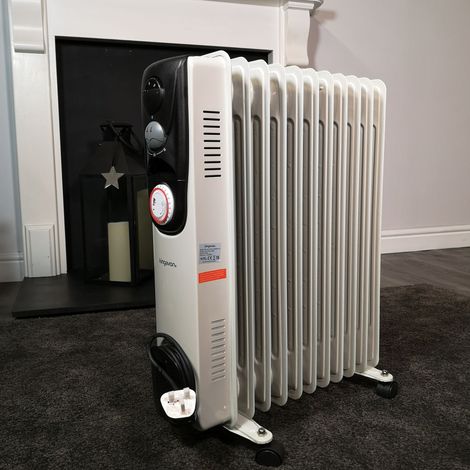
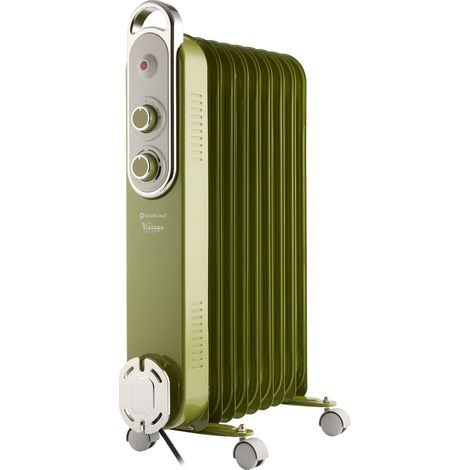
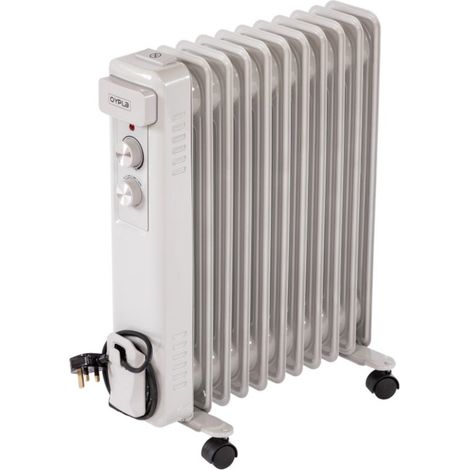
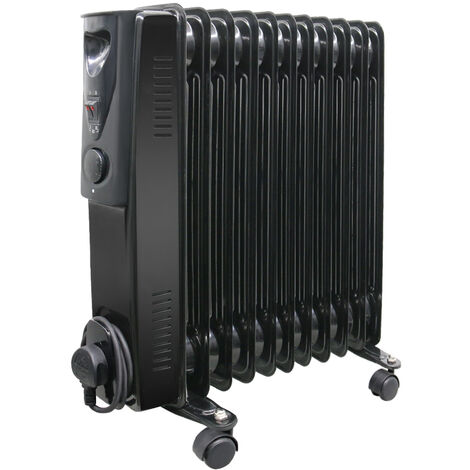
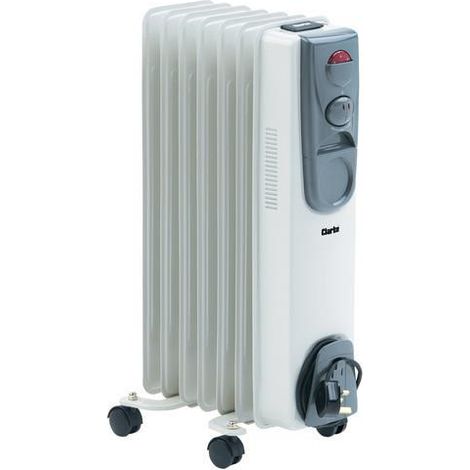
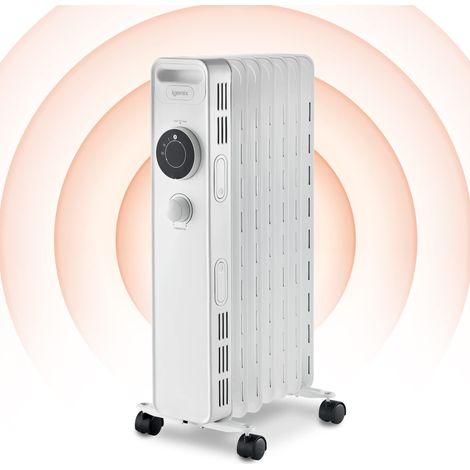
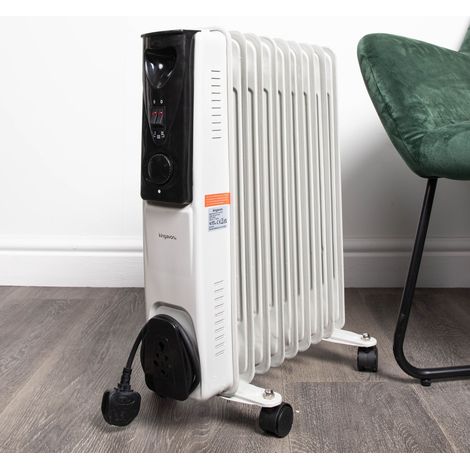
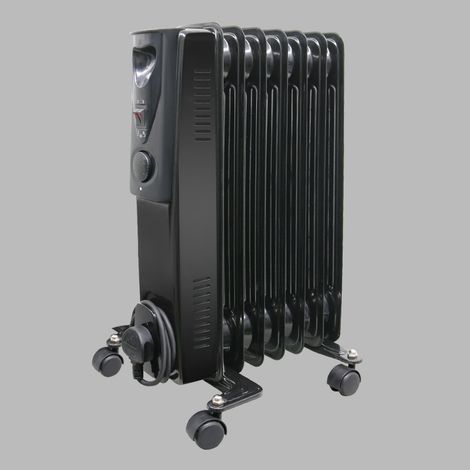
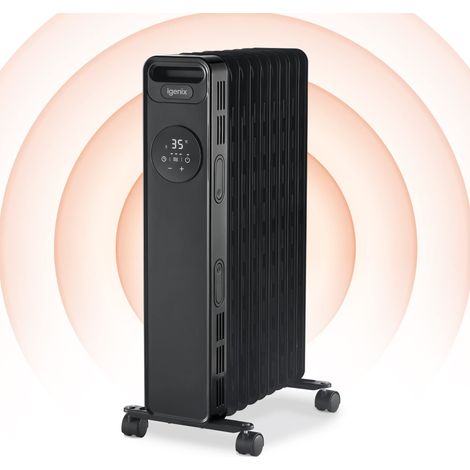
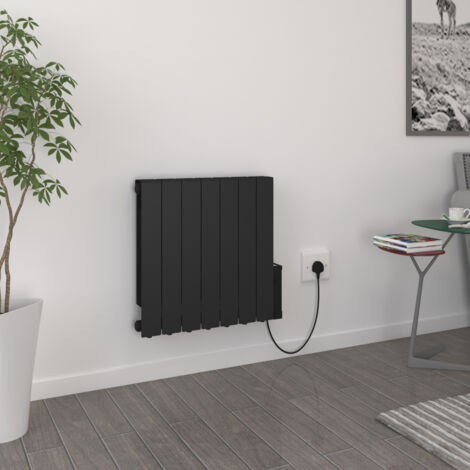
The oil-filled radiator is an electric supplementary heater that optimizes user comfort during winter. Equipped with a digital display, an electronic thermostat, or a turbo function, it can temporarily heat a small area.
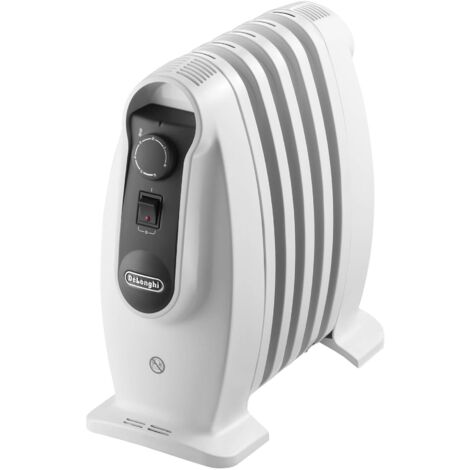
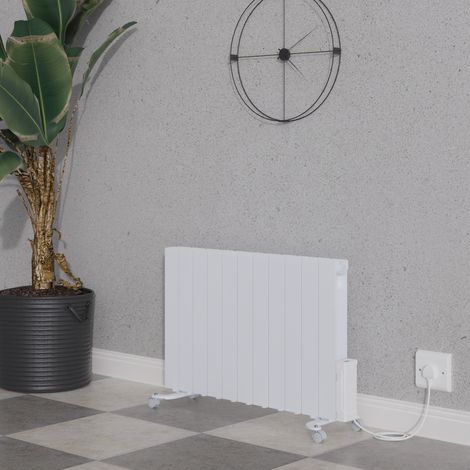
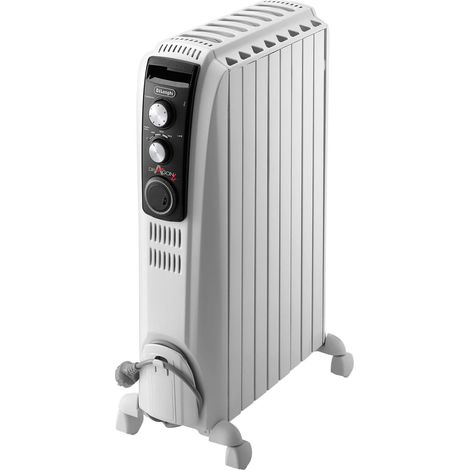
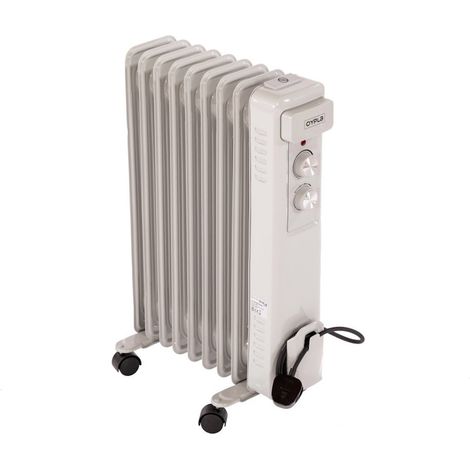
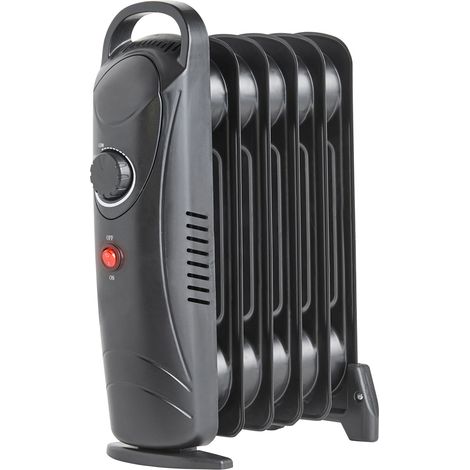
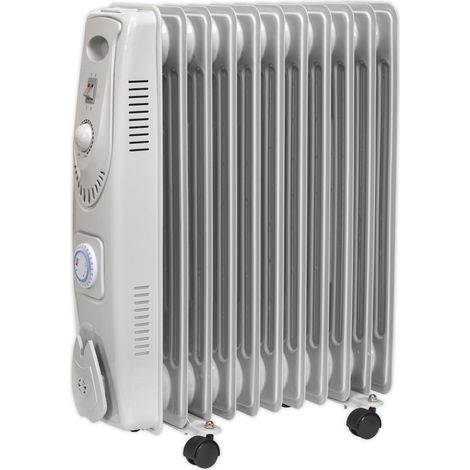
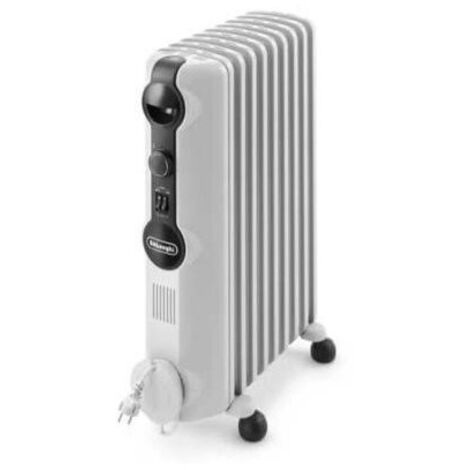
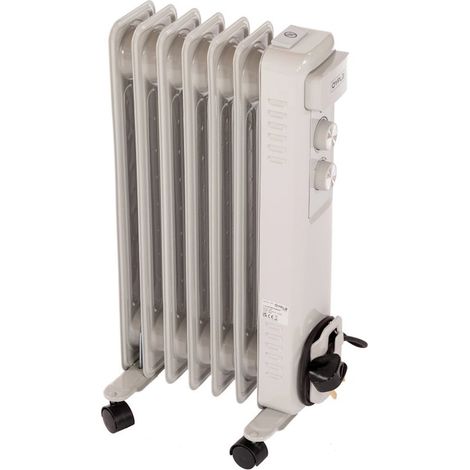
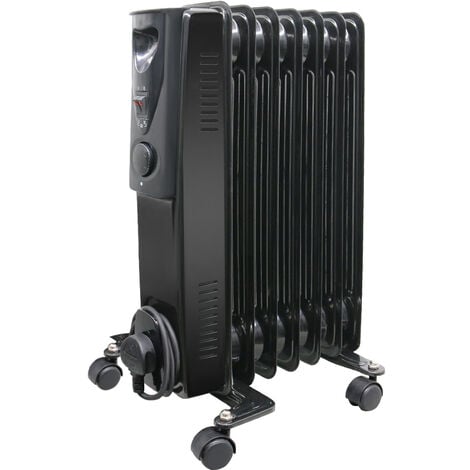
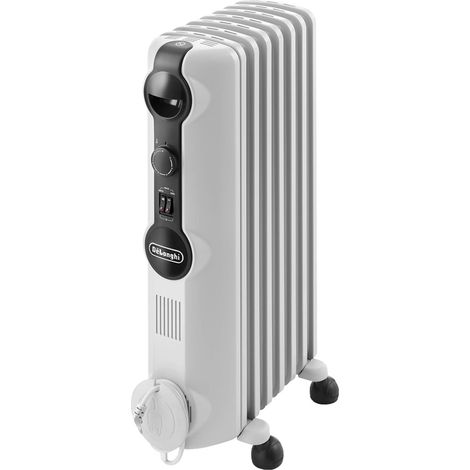
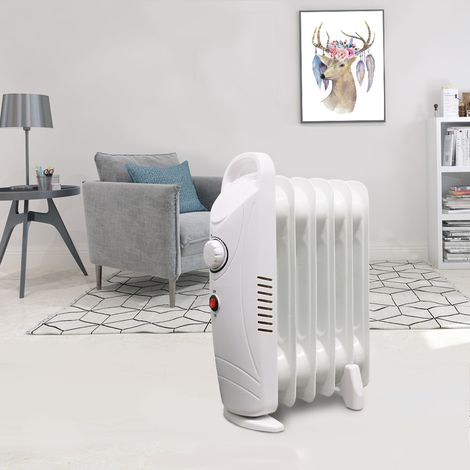
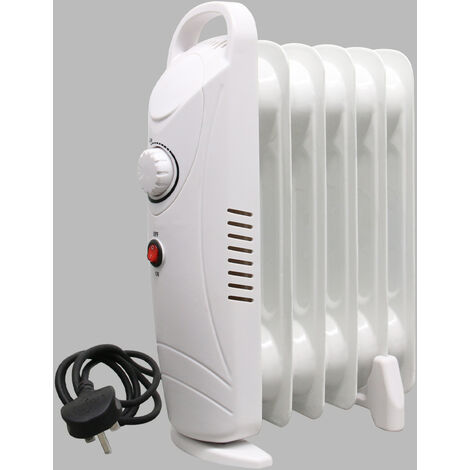
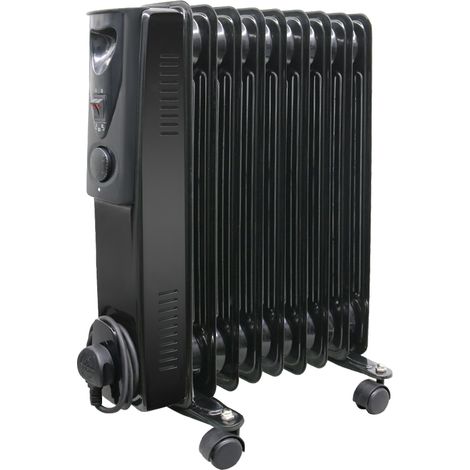
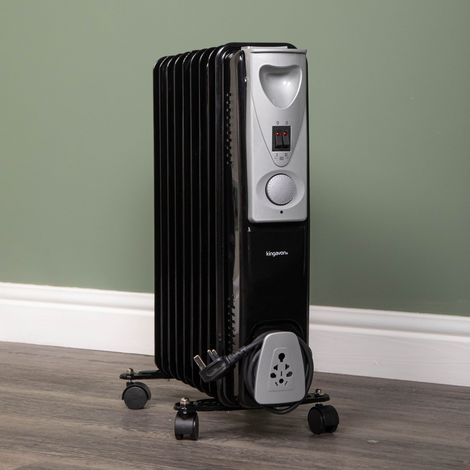
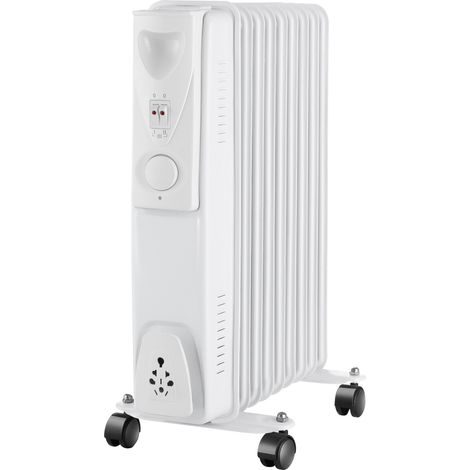
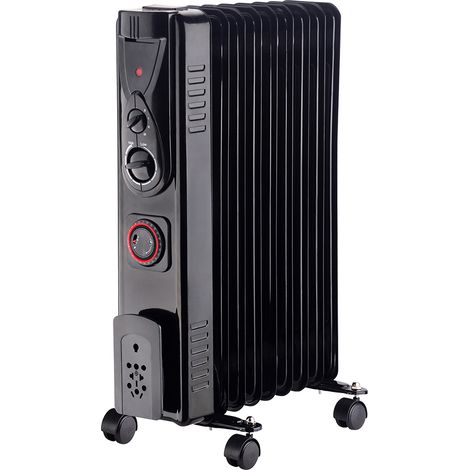
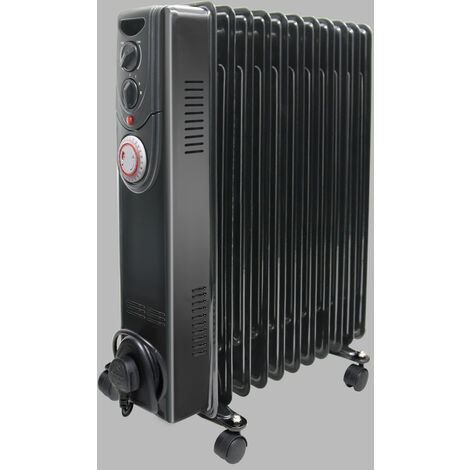
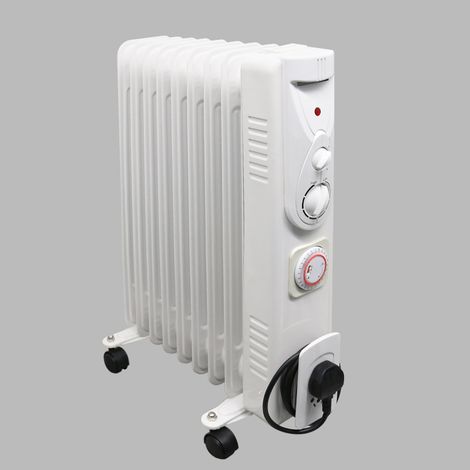
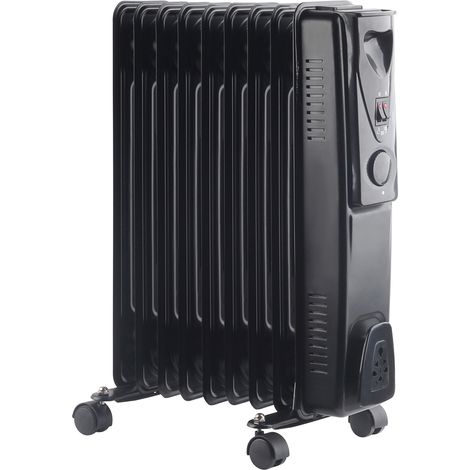
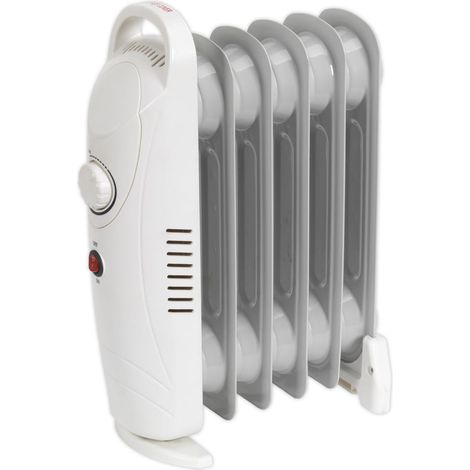
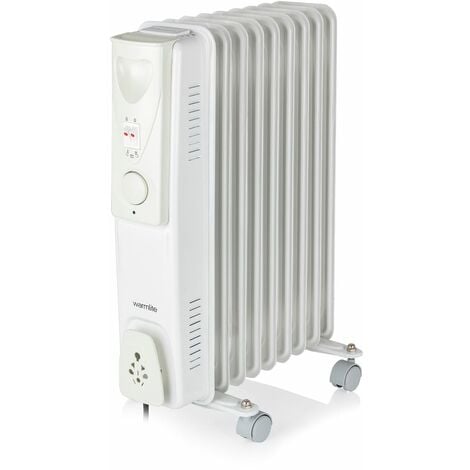
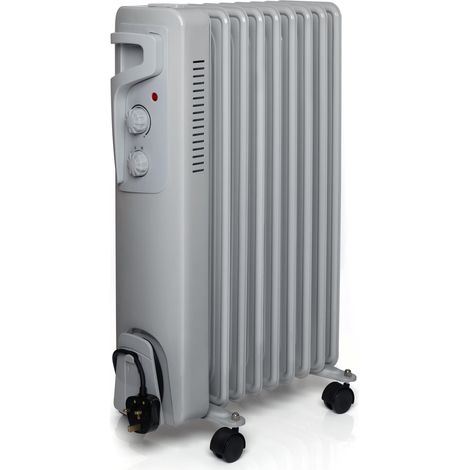
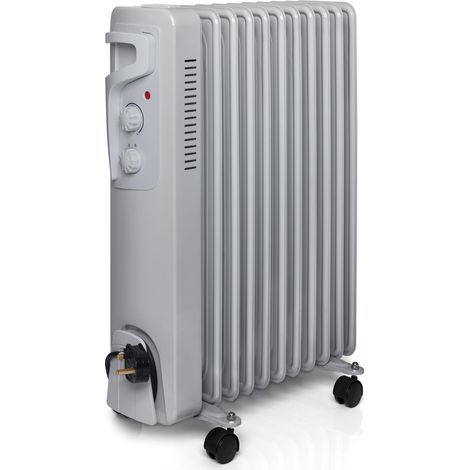
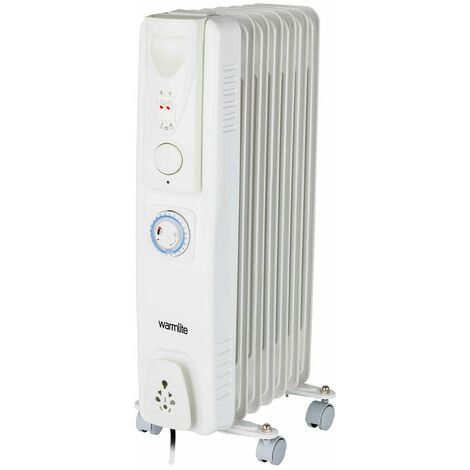
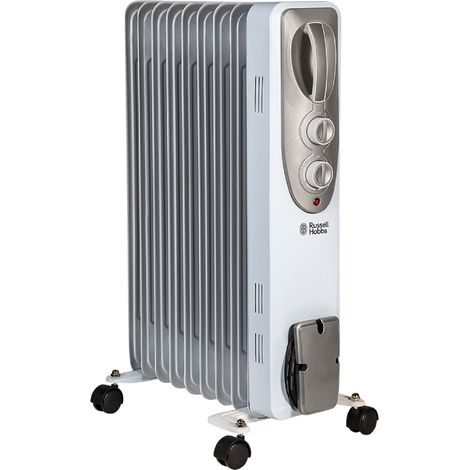
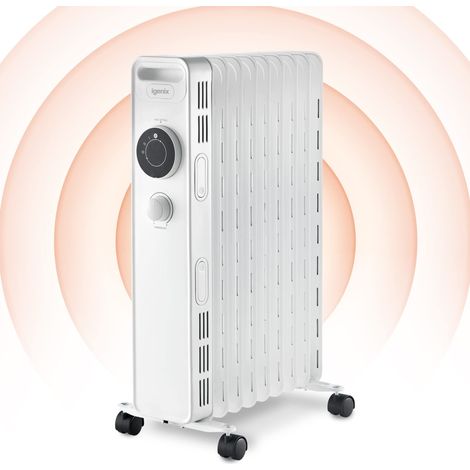
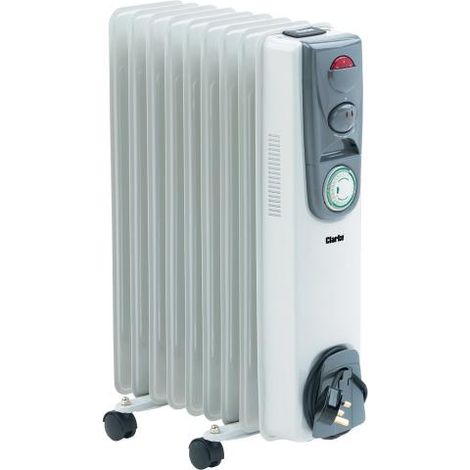
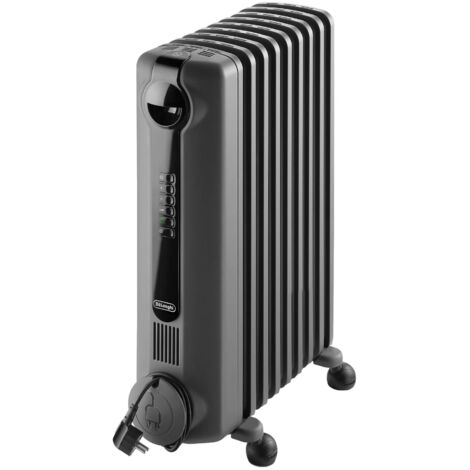
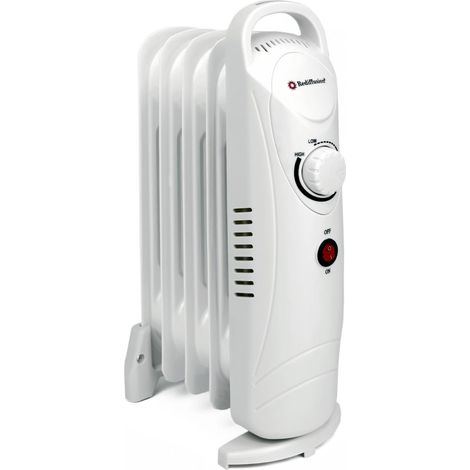
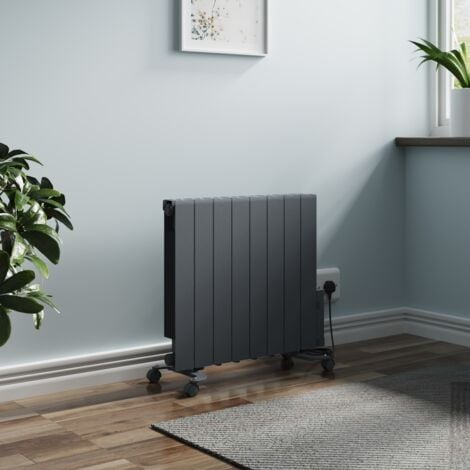
An oil-filled radiator includes various components:
- a metallic body (made of steel);
- a heat transfer fluid (high-performance mineral oil);
- electric heating elements;
- wheels for easy movement.
The operation of this device is relatively simple to understand:
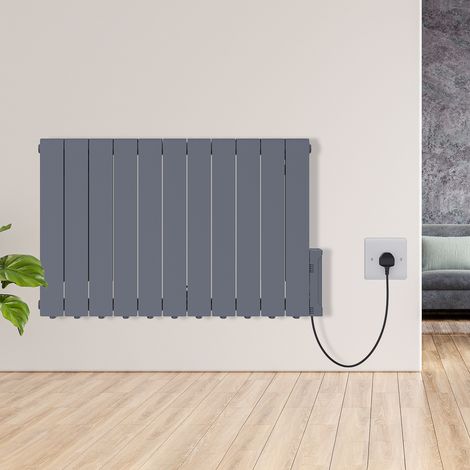
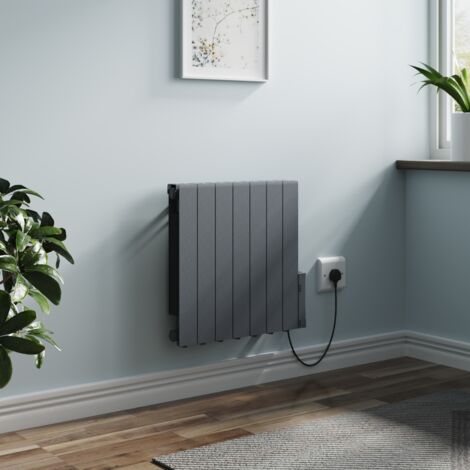
- to function, it must be plugged into a power outlet;
- when turned on, the electric heating elements heat up;
- these elements are immersed in a high-performance mineral oil to which they transfer heat;
- the device's metal casing allows it to heat the room through radiation.
The oil-filled radiator offers various advantages:
- it is valued for its affordable purchase price (€30 to €150);
- it continues to heat the room even when turned off thanks to its ability to retain the produced heat;
- it provides even heat throughout the room;
- it does not dry out the ambient air since the air does not come directly into contact with the elements;
- its quiet operation does not disrupt user comfort.
Various parameters should be considered when choosing this supplementary heating:
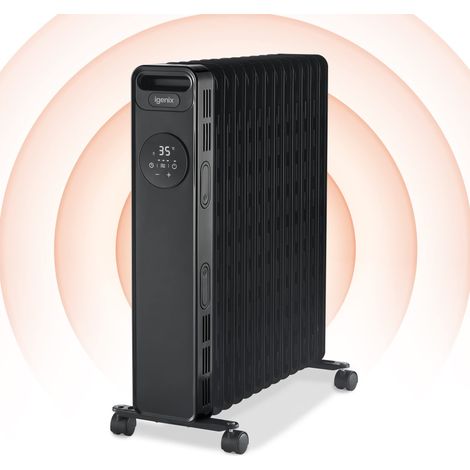
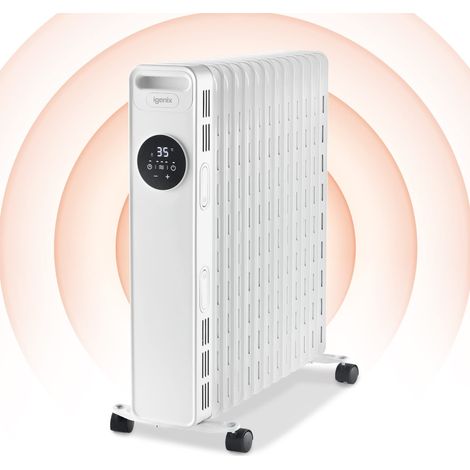
- a digital display facilitates the device's adjustment;
- an integrated electronic thermostat helps save energy;
- the power ranges from 400 W to 2,600 W to adapt to the size of the room;
- some devices allow you to adjust the heating speed;
- the turbo function accelerates the temperature rise, which is one of its strong points;
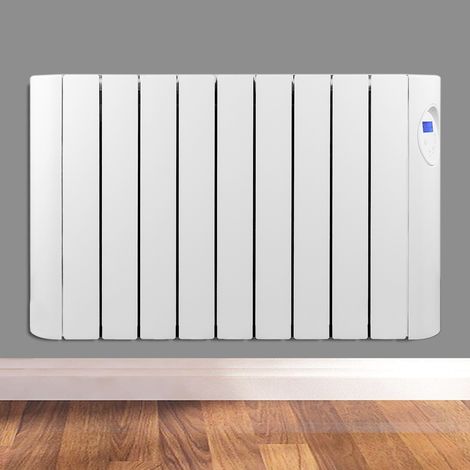
- some devices can be connected to a centralized programmer.
Some constraints should also be considered:
- this device is used only as a supplementary heater;
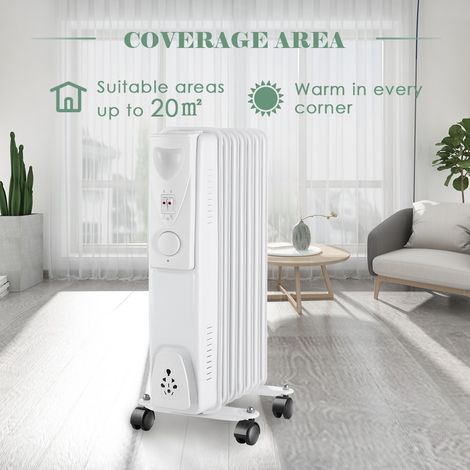
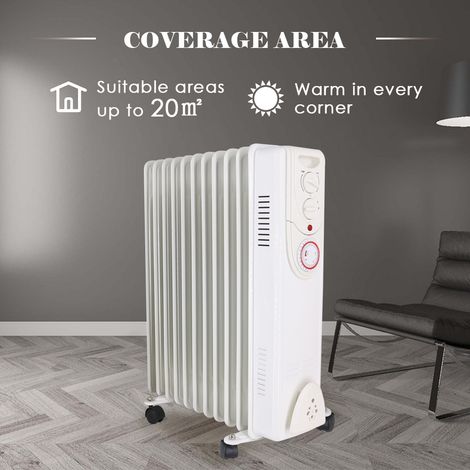
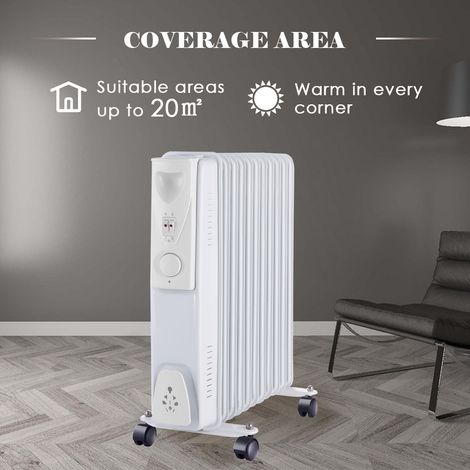
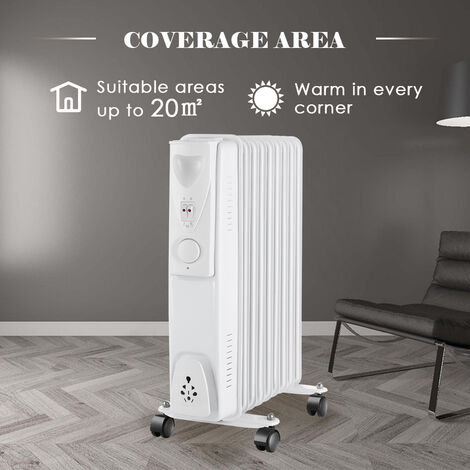
- it is suitable for small rooms (5 to 25 m² for models under 1,500 W and 30 m² for devices of 2,600 W);
- it is relatively heavy;
- its placement must be carefully considered, as its hot sides can cause burns upon contact;
- its use is temporary.
Thus, the oil-filled radiator can effectively heat a small room during winter. However, the availability of certain features like turbo mode or electronic thermostat should be checked to reduce energy consumption.
'/%3E%3C/svg%3E)












'/%3E%3C/svg%3E)
'/%3E%3C/svg%3E)