Filter by
Ceramic heaters
47 productsChoose a radiator with a locking keypad or display if you have young children. If you are often away, a motion sensor will save you from having to program your system.
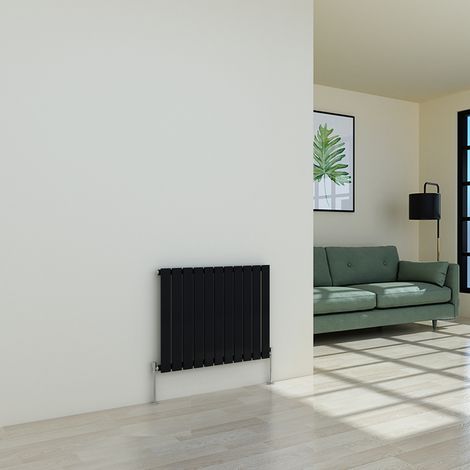

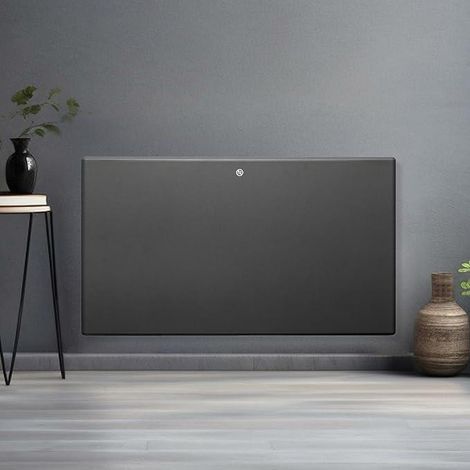

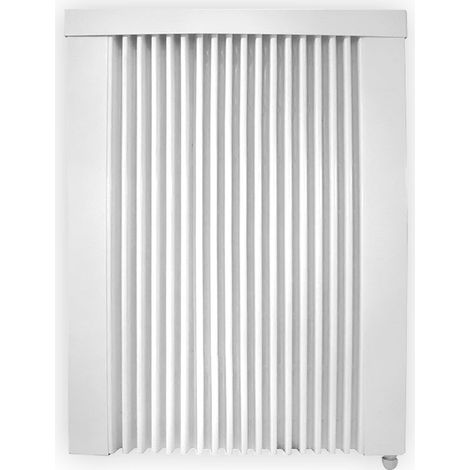
Futura 1500W Electric Heater Wall Mounted Panel Radiator with Thermostat Lot 20 Grey
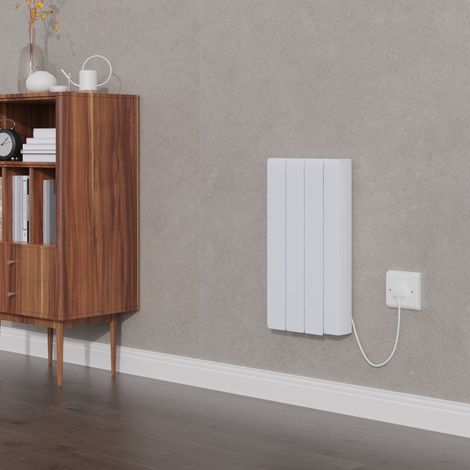
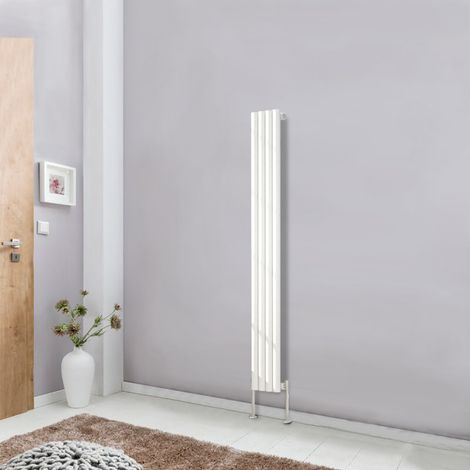

NRG Designer Radiator White Oval Column Central Heating Rads Vertical 1600x236mm Single
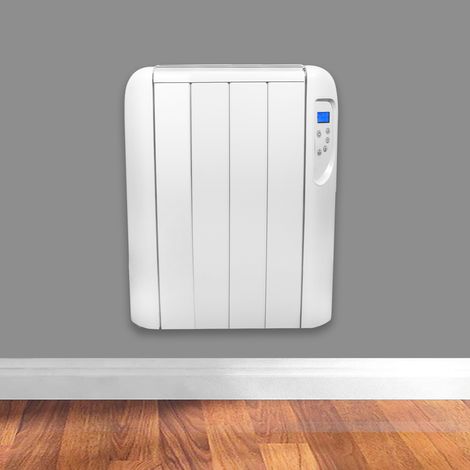
Futura 1000W Eco Panel Heater 24/7 Timer Wall Mounted Lot 20 Low Energy Electric Heater
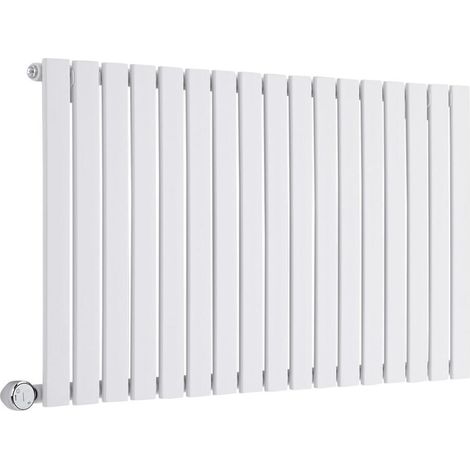
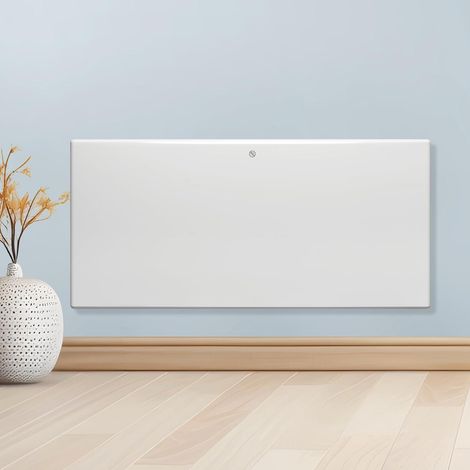
Purus 1800W Eco Panel Heater Bathroom Safe Setback Timer Wall Mounted Lot 20 Low Energy Electric Heater
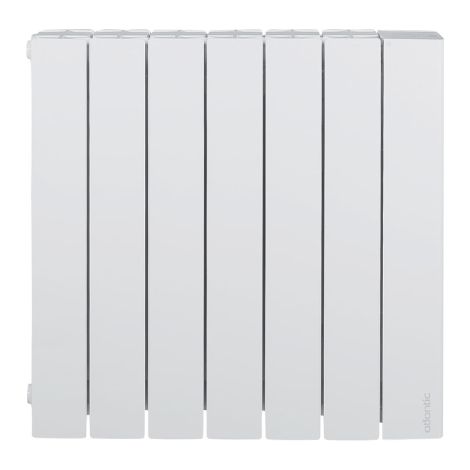

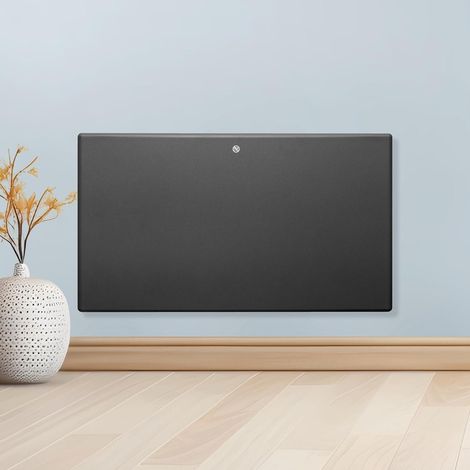

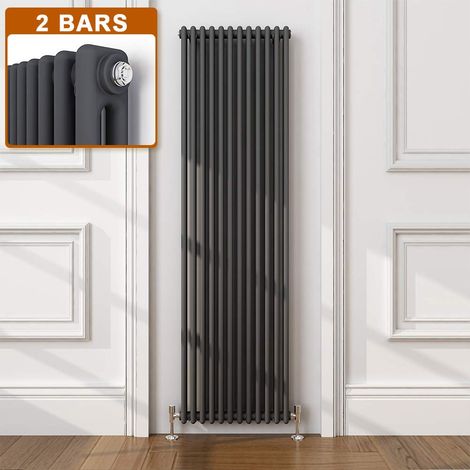

ELEGANT Traditional Radiator Anthracite Double Vertical Cast Iron Grey Radiator - Perfect for Kithcen, Living Room, Bathroom Radiators 2 Column 1800 x 560 mm
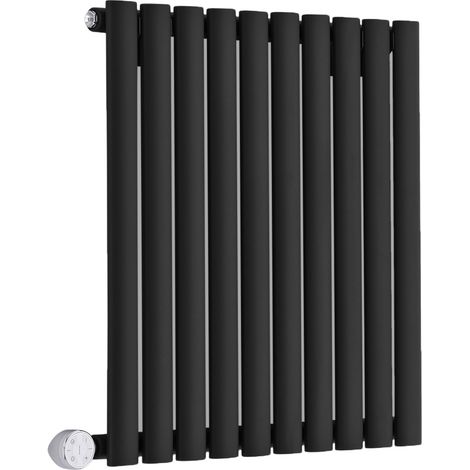
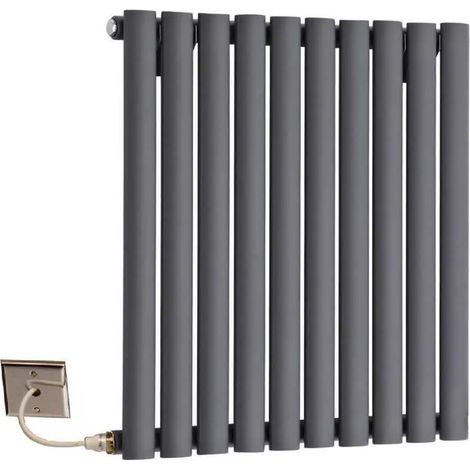
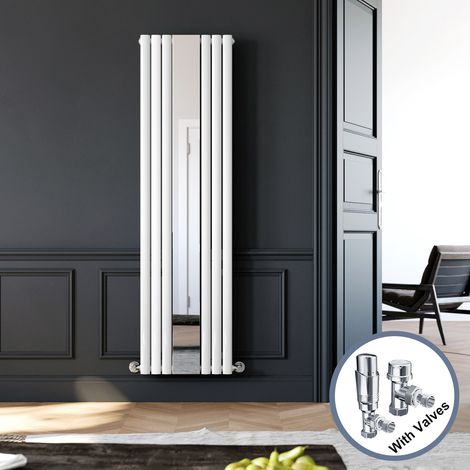
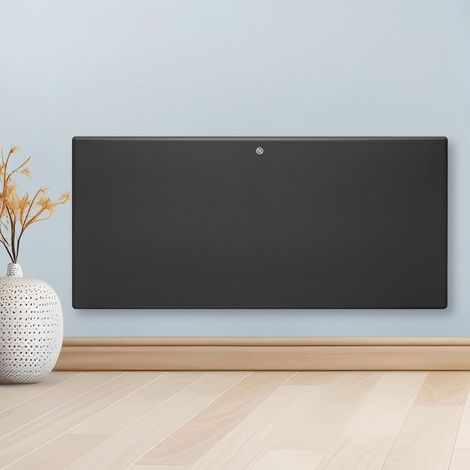
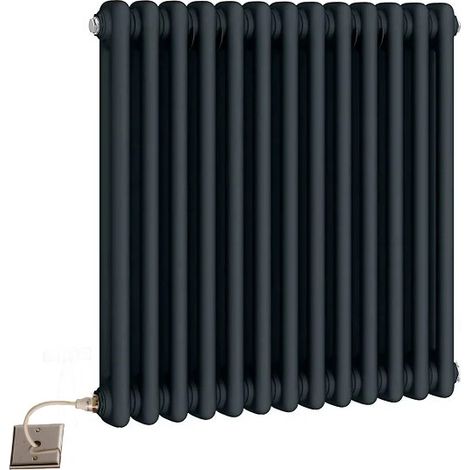
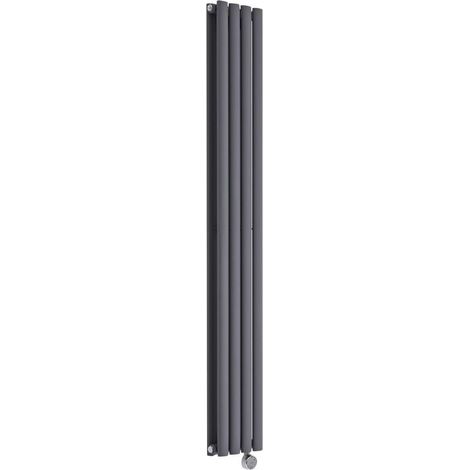
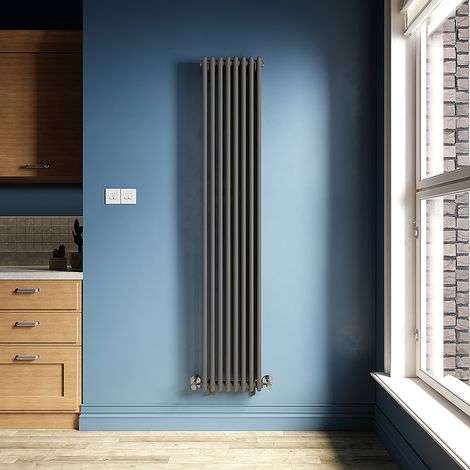
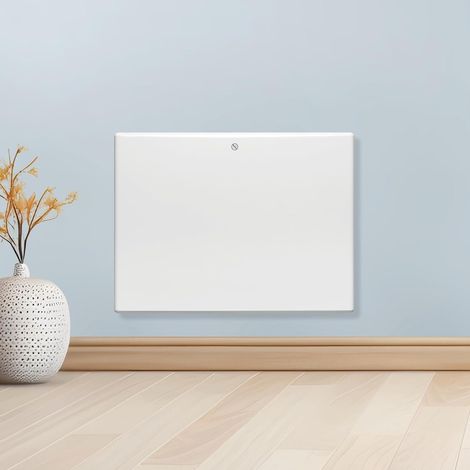
Purus 600W Electric Heater Wall Mounted Panel Radiator with Thermostat Lot 20 White
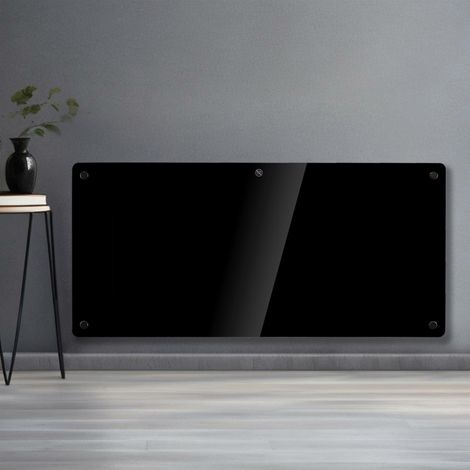
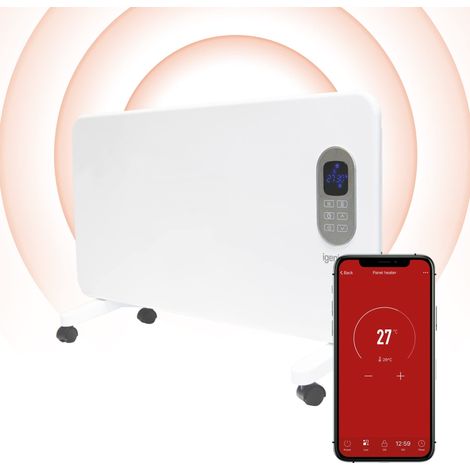
Futura 2000W Electric Glass Panel Heater Black Programmable Thermostat and Timer
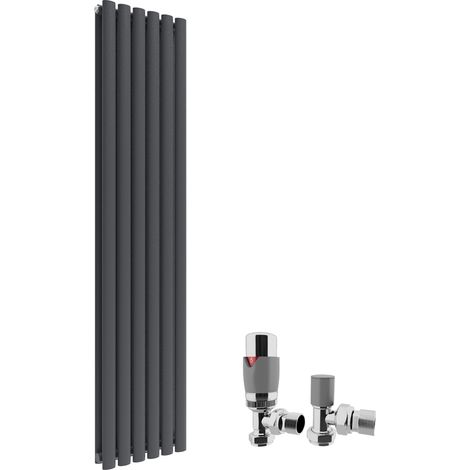
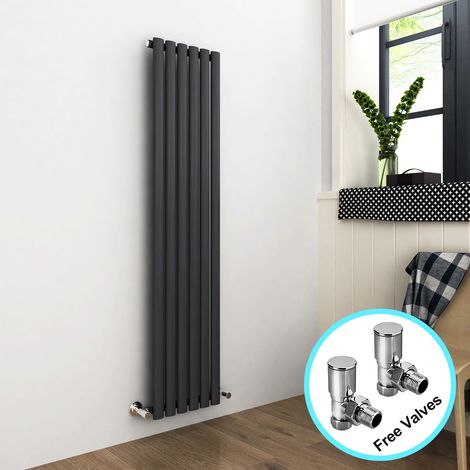
ELEGANT Anthracite Radiators Double 1600 x 360mm Oval Column Kitchen Panel Heater Designer Vertical Radiator + Chrome Thermostatic Radiator Valves
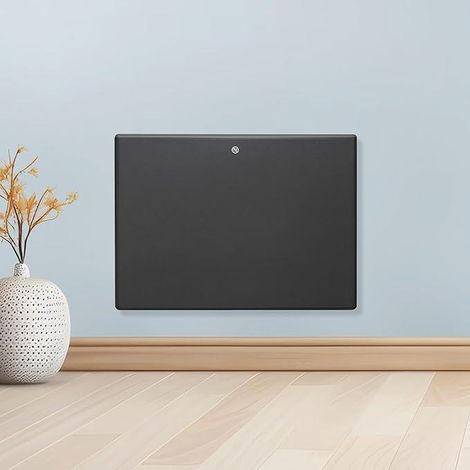
Purus 600W Electric Heater Wall Mounted Panel Radiator with Thermostat Lot 20 Grey
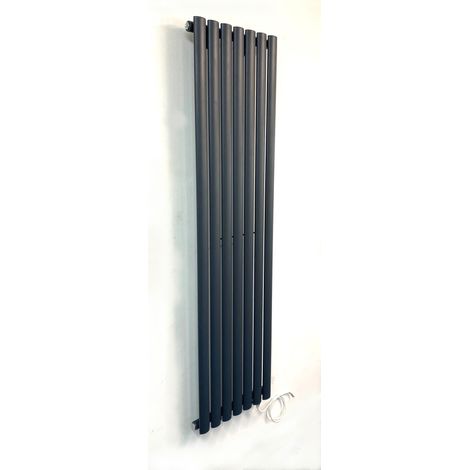

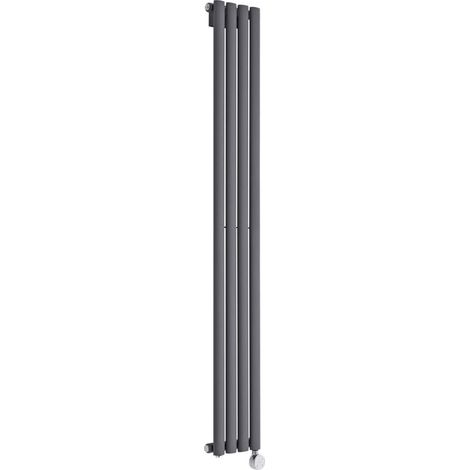
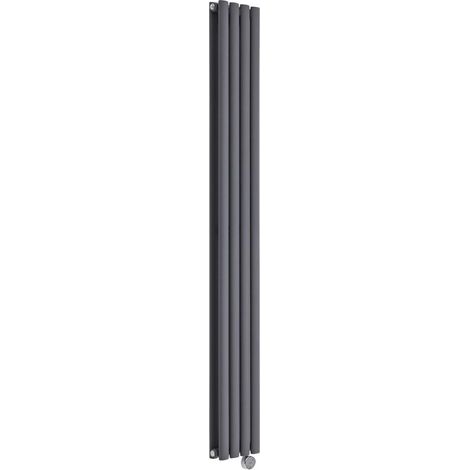
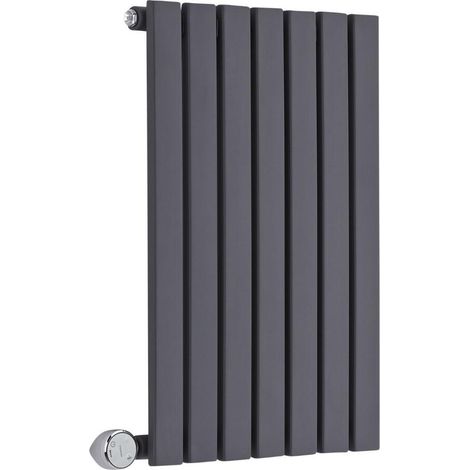
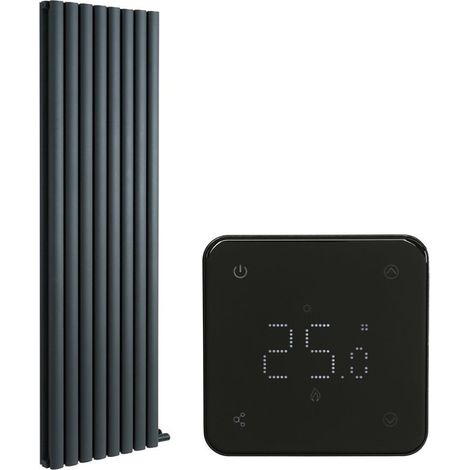
Electric Anthracite Single Oval Tube Radiators 1600 x 420 Vertical Column Radiators
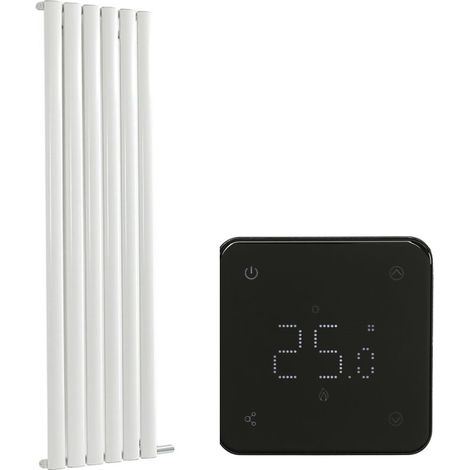
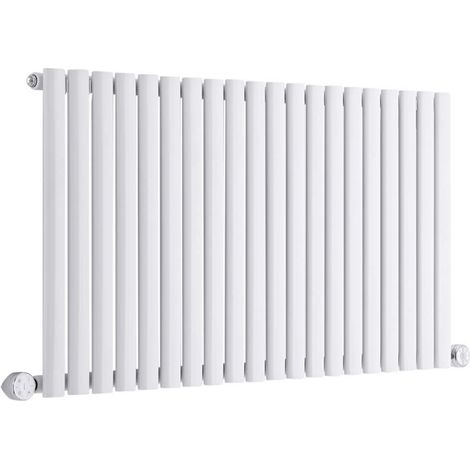

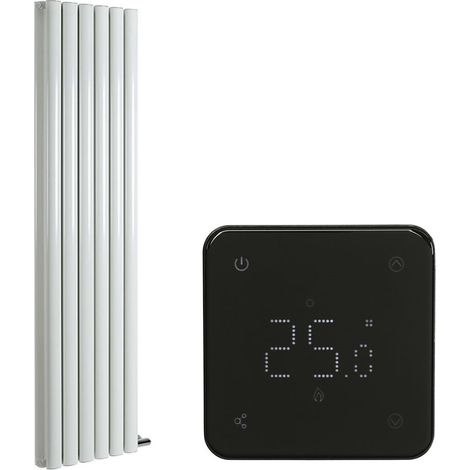
Milano Aruba Electric - Modern White Horizontal Single Oval Panel Radiator - 635mm x 1180mm
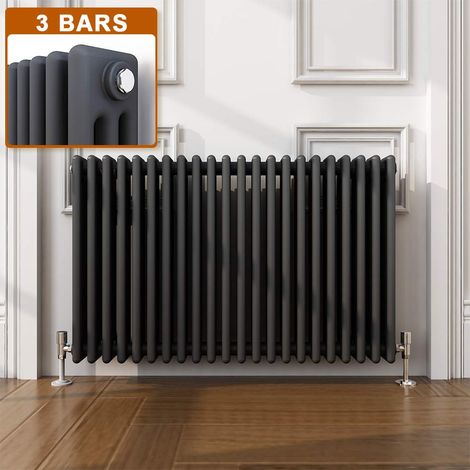
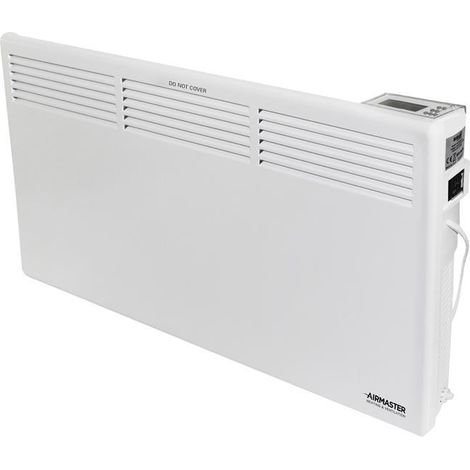
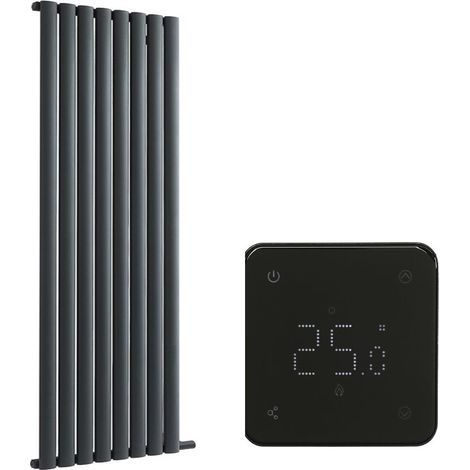
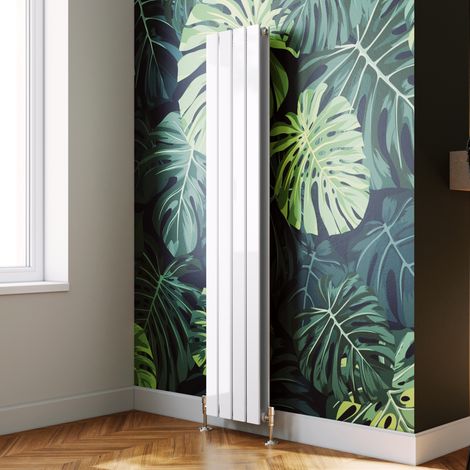
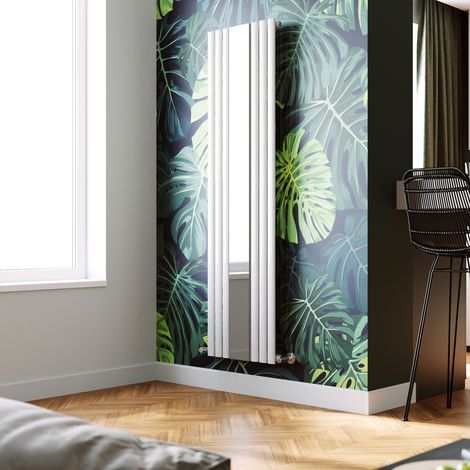
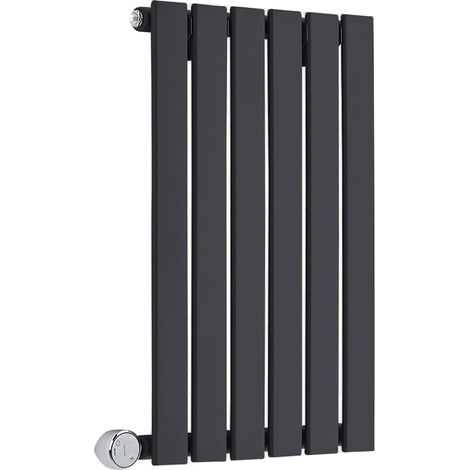
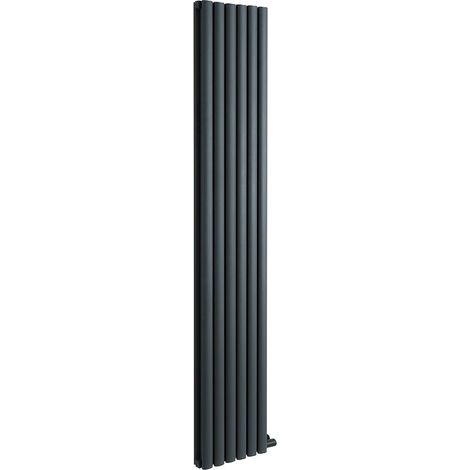
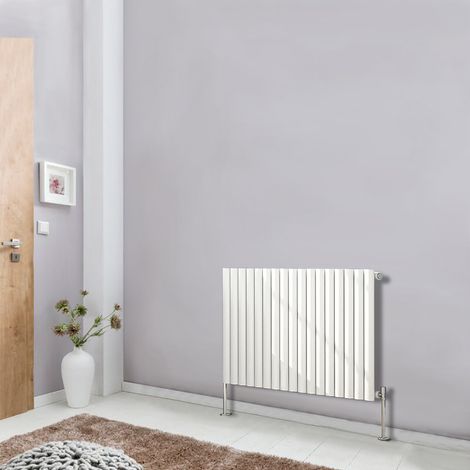
Designer Radiator Oval Column Central Heating Rads White Horizontal 600x1003mm Single
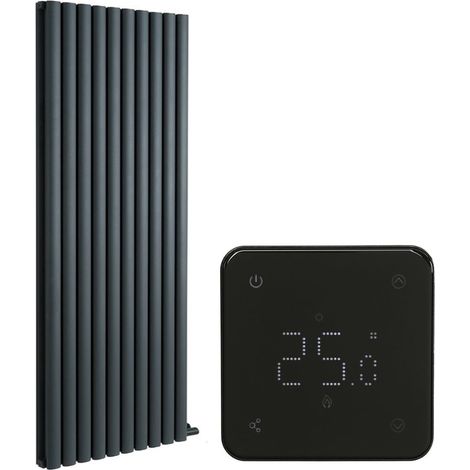


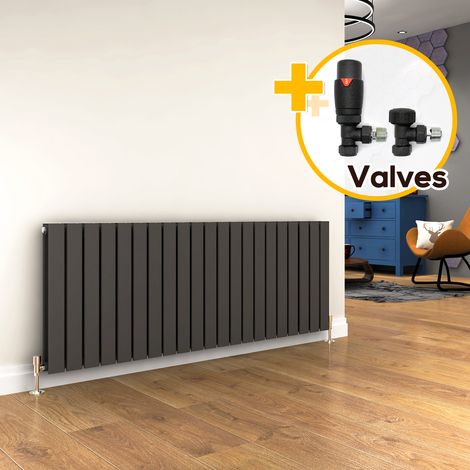
ELEGANT 600 x 1596 mm Horizontal Column Radiator Double Flat Panel Anthracite Designer Radiators + Anthracite Thermostatic Radiator Valves
'/%3E%3C/svg%3E)
'/%3E%3C/svg%3E)