There are several criteria to consider before purchasing an oil tank and reservoir. Beyond usage and storage capacity, it is necessary to pay attention to other constraints.
First, it is advisable to define the useful volume of the oil reservoir:
- from 700 to 1,000 l;
- from 1,000 to 1,500 l;
- from 1,500 to 2,500 l.
Furthermore, the weight and volume of the tank influence the choice, particularly in the case of installation on a floor. The weight of the oil tank being proportional to its volume, a study of the structure's resistance must be carried out before any installation.
An oil tank is generally fixed on a masonry support, and it is opaque to prevent the fuel quality from being altered by UV rays.
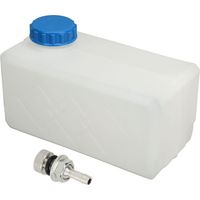
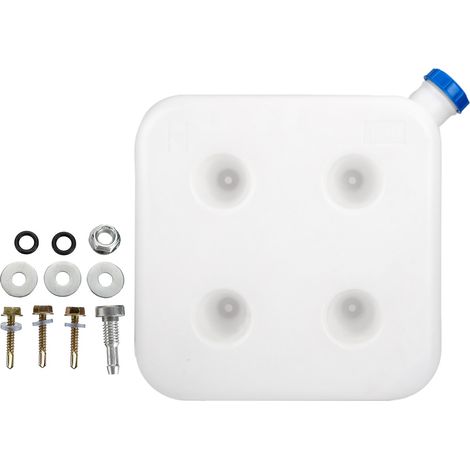
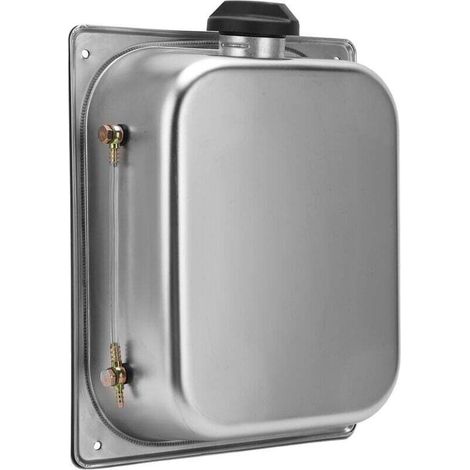
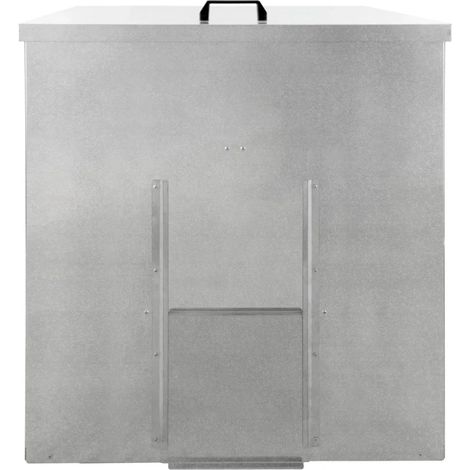
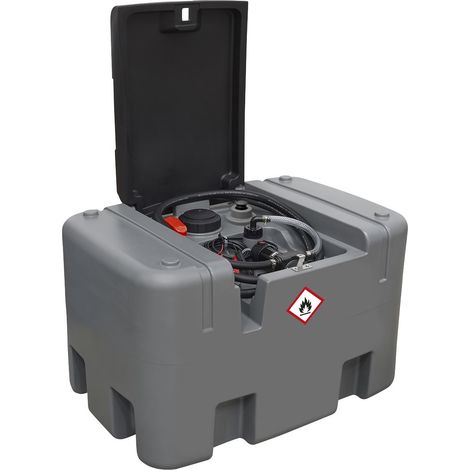
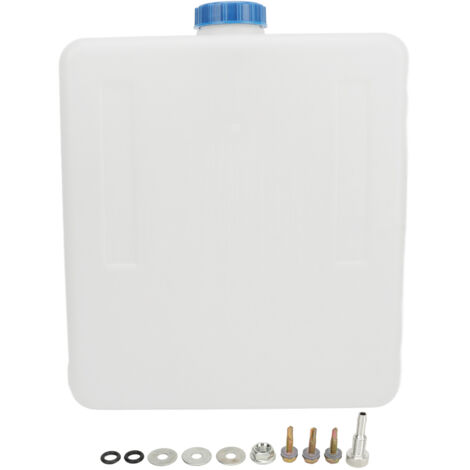
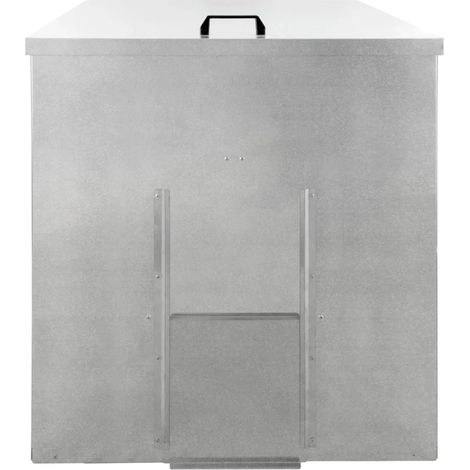
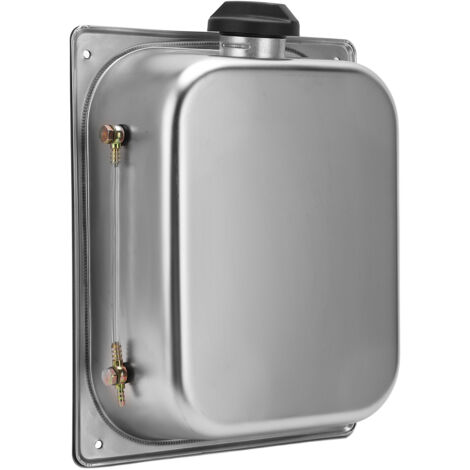
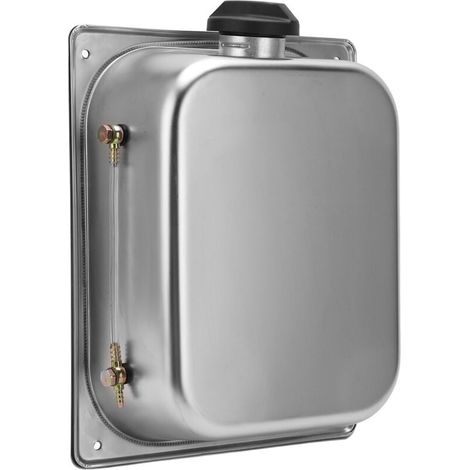
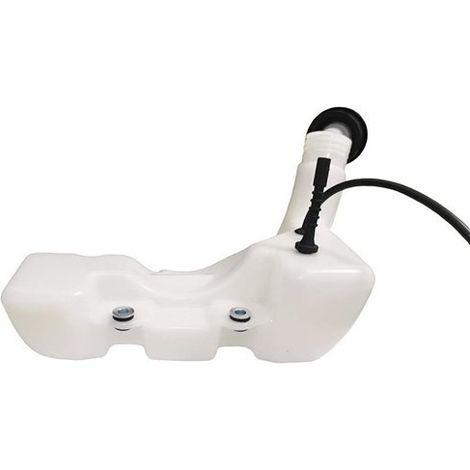
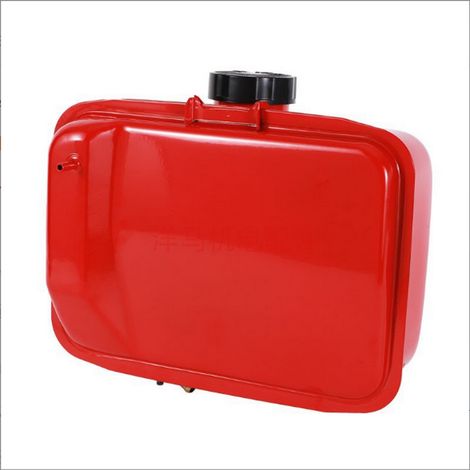
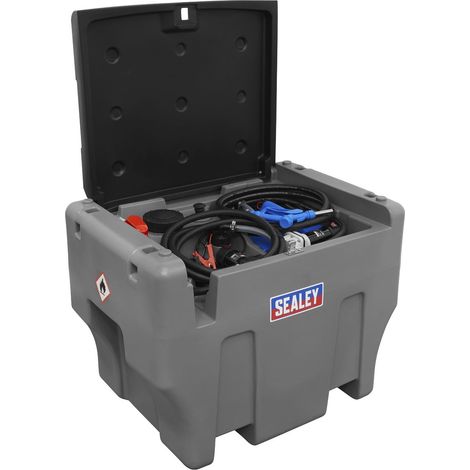
- Models in plastic and metal are available in various capacities. Both can feature a double wall, ensuring safety against the risk of fuel leaks.
- For models with a single wall, they are intended exclusively for indoor installation. Indeed, they are not sufficiently resistant to UV rays.
Aside from the material of the oil tank and reservoir, it is also important to consider the dimensions. The goal is to ensure that the installation has enough space to accommodate potential connections and refills. Thus, as a reference, it is necessary to provide for:
- a distance of 40 cm from the ceiling if the tank has a firefighter connection;
- a distance of 10 cm from the walls.
For added safety, it is important to choose an oil tank or reservoir that complies with ISO 9001 and NF EN 13341 standards. The product identification plate and the characteristics of the tank must always be visibly attached to the wall.
'/%3E%3C/svg%3E)










'/%3E%3C/svg%3E)