Interested in getting into masonry? You will inevitably need a quality trowel. ManoMano, offering brands like REVEX or MOB OUTILLAGE, is here to assist you! The trowel is the quintessential mason's tool. With the help of a mortarboard and a float, it allows for the application and smoothing of mortar, plaster, cement...
Discover all our affordable trowels!
The trowel: an essential tool to be familiar with...
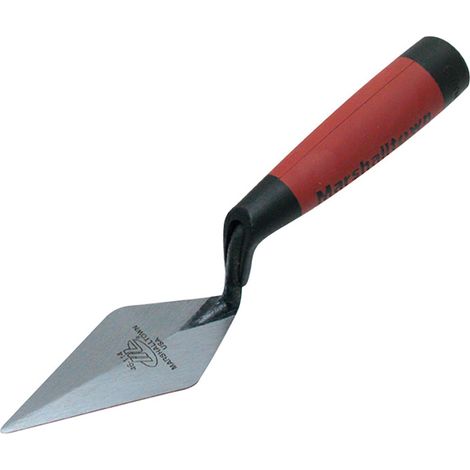
Each trowel is made up of different components that each lend specific properties to the product.
Firstly: the blade. The material and thickness of the blade are important. Steel or stainless steel blades guarantee unyielding durability. A blade with a decreasing thickness provides a gradually increasing flexibility of the trowel, just as a laminated blade offers great flexibility in its use. Finally, blades tapered on the edges ensure smooth and consistent finishes and can even, for the most resilient blades, break the joint of bricks.
The shank is the piece of metal that connects the trowel blade to its handle. The quality of the metal it is forged from and its thickness determine the trowel's robustness. Through-shanks (which traverse the handle) riveted at the end are preferred as they allow striking the handle - to adjust the jointing of small stones and bricks - without damaging it.
The ferrule is the part that fixes the shank to the handle. The longer it is, the better the fixation and the handle's resistance.
The butt refers to the handle's end cap. A reinforced butt is preferable.
The tang is the metallic part that ensures the junction of the shank to the handle. The trowel's resistance to intensive use is reinforced when it is integral (made from the same piece of metal) to the blade.
The handle can be made of varnished wood, a comfortable material that prevents chafing, in PVC, a very easy to maintain and unbreakable material, or in bi-material plastic, a resistant and pleasant to use material.
For different problems, different solutions!
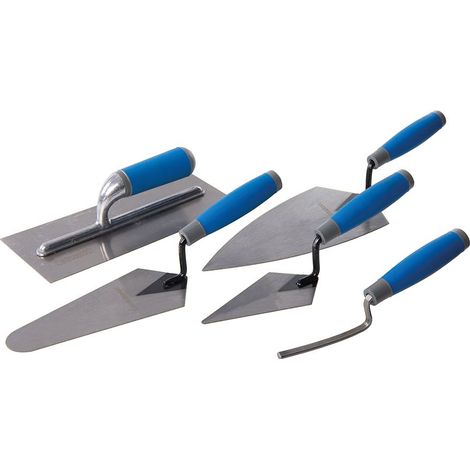
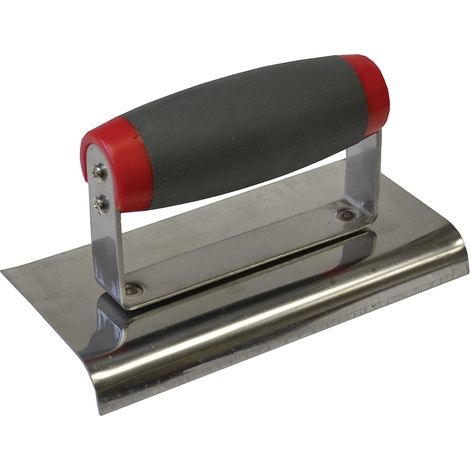
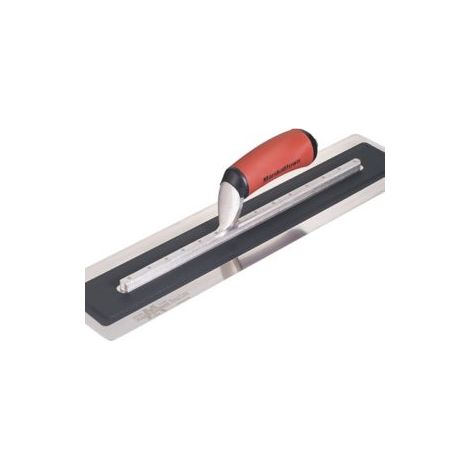
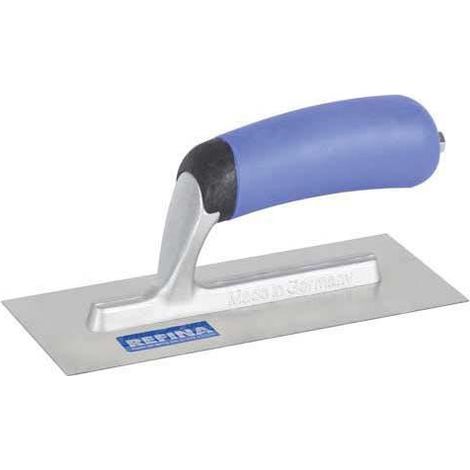
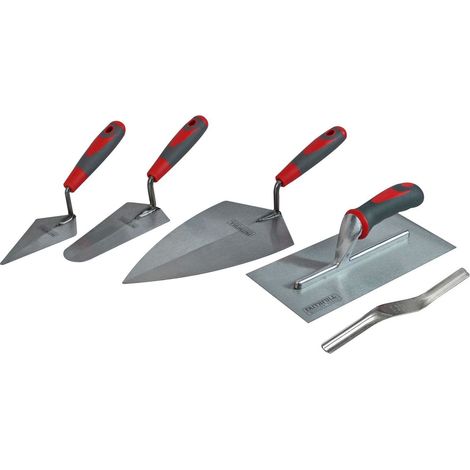
There are a multitude of trowels that cater to various needs: masonry, plastering, smoothing... but don't panic, ManoMano will explain everything to you:
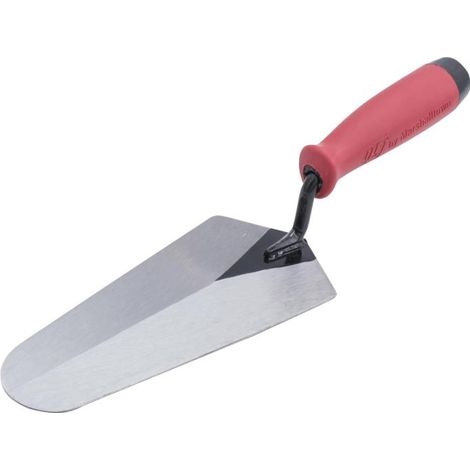
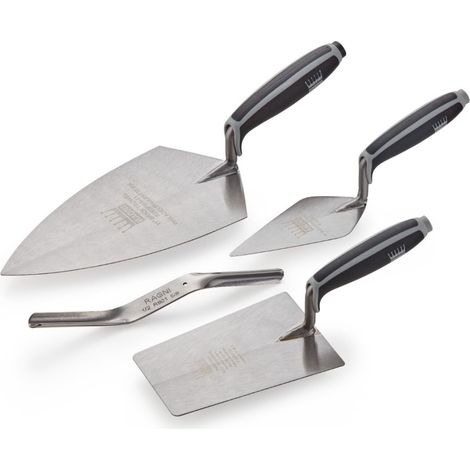
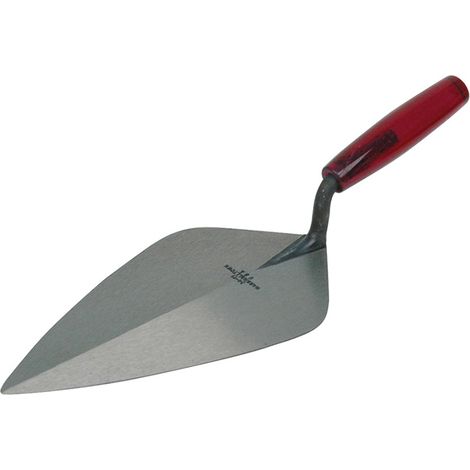
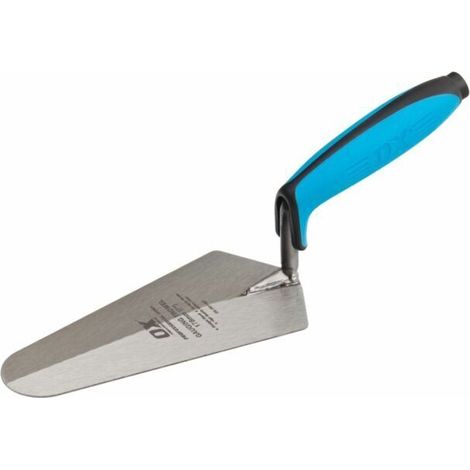
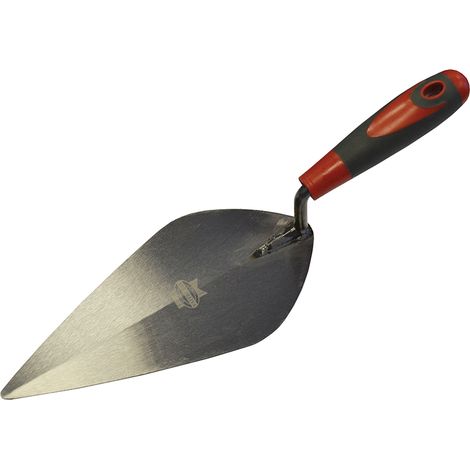
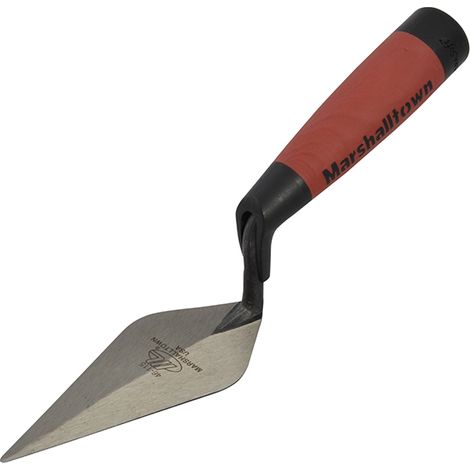
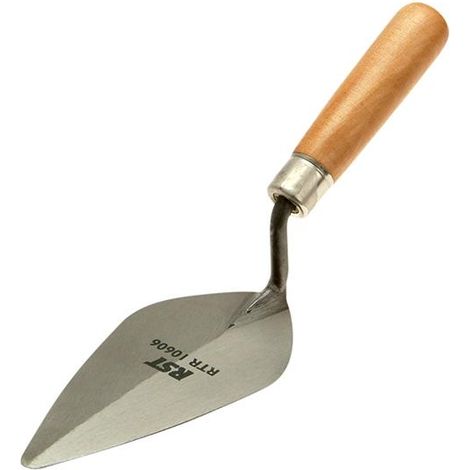
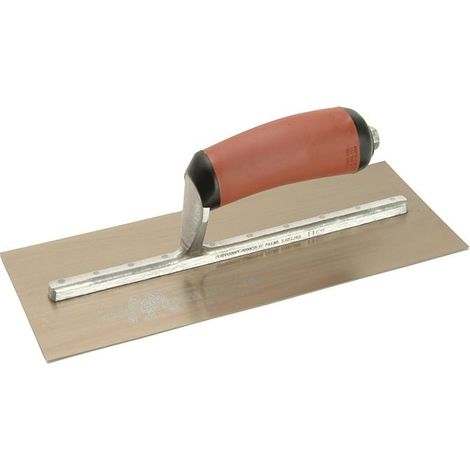
The most classic trowel is the round tip trowel with a flat base. Also called a round or mason's trowel, it is used for applying plasters, smoothing, laying bricks, or plaster tiles.
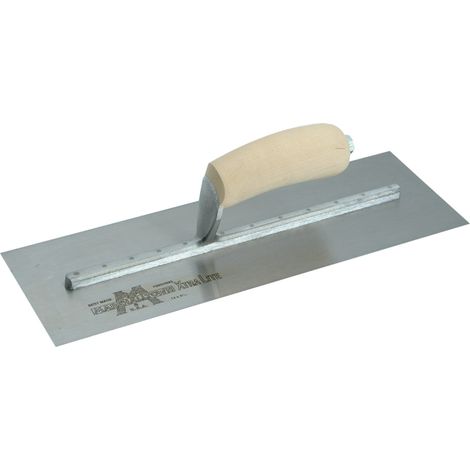
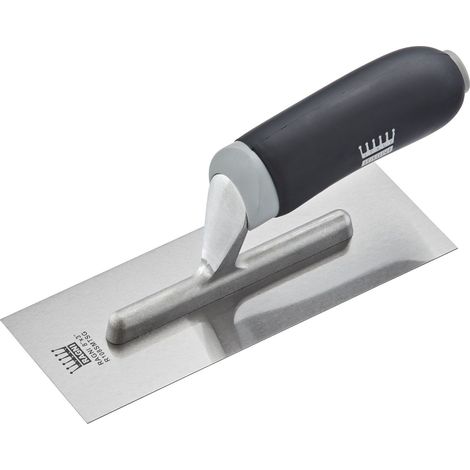
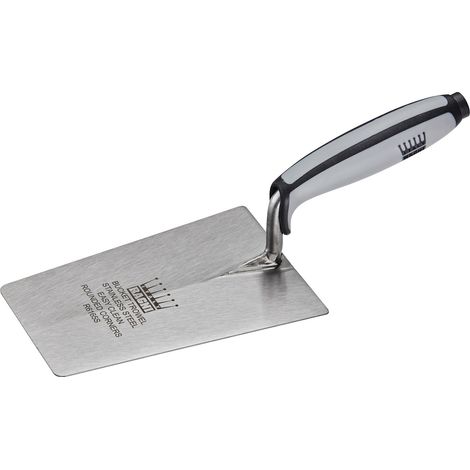
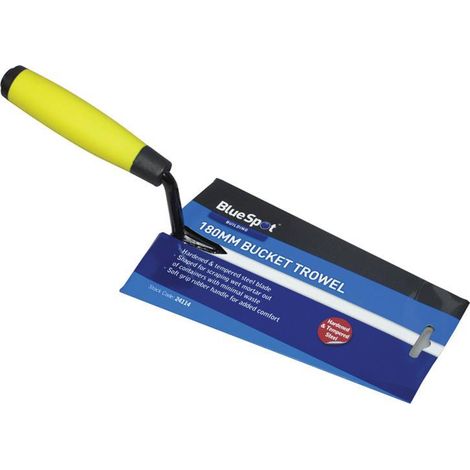
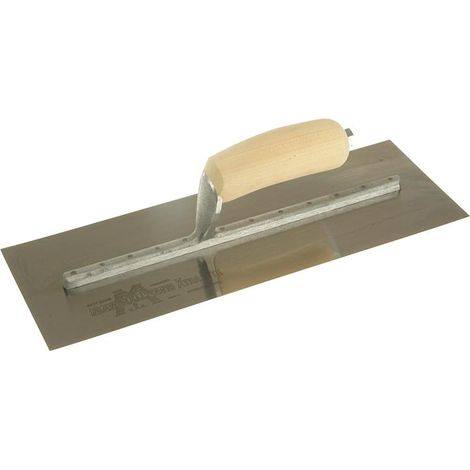
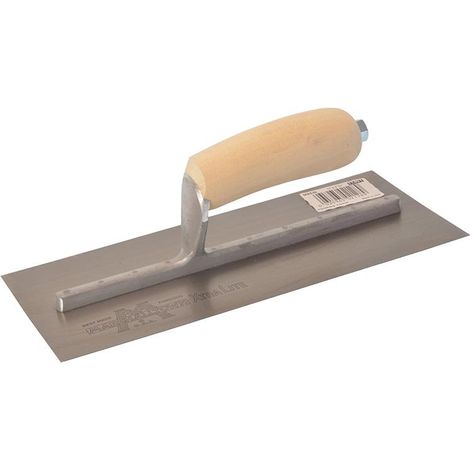
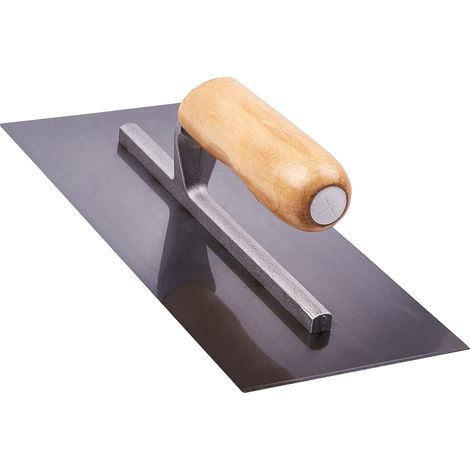
The square tip trowel, also known as the plasterer's trowel, is equally versatile and allows for laying bricks and blocks, making mortar, plaster. Its square tip efficiently scrapes the bottom of the mortarboard.
These first two trowels are called "Italian trowels"
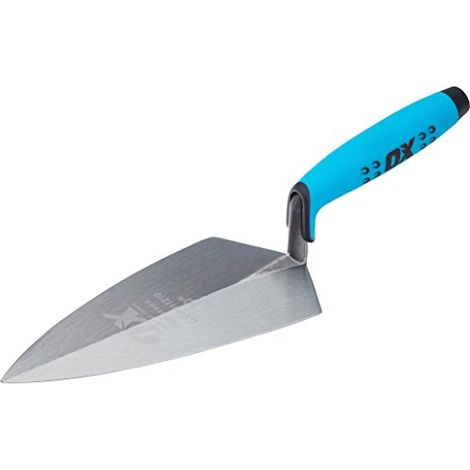
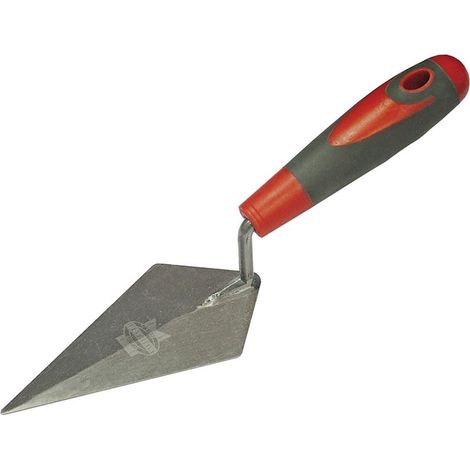
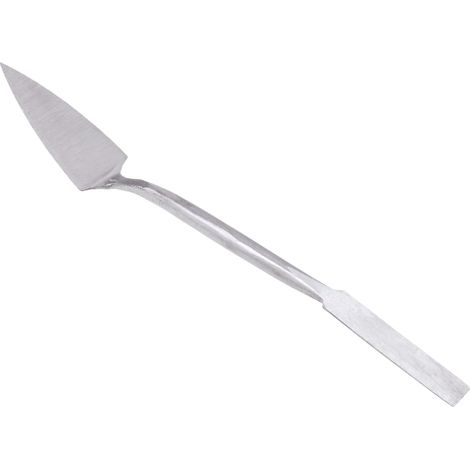
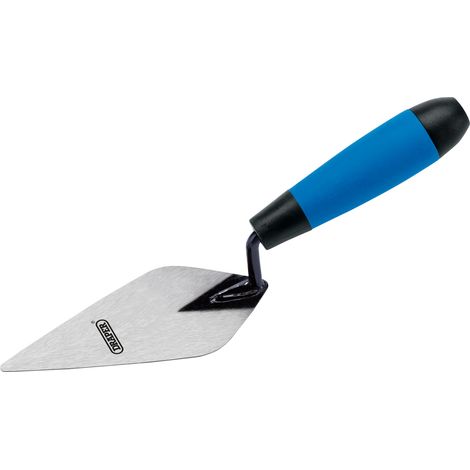
The triangular trowel is particularly effective in difficult to work areas, like corners or confined surfaces. It allows for good finishing work and is also used for touch-ups.
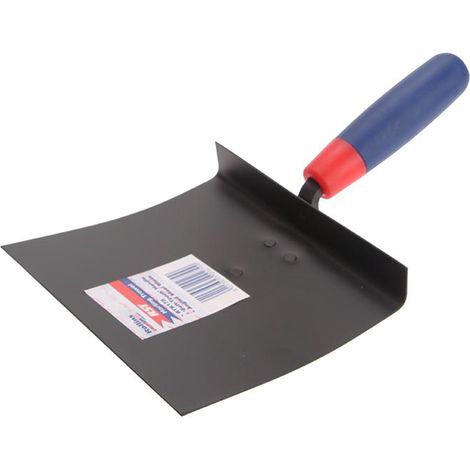
The corner trowel, whose blade is curved in a "V" shape, is used to apply plaster on interior angles.
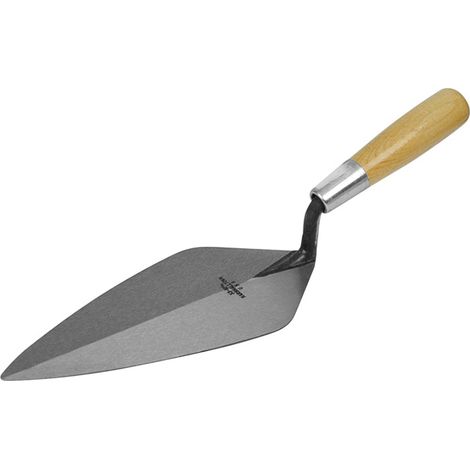
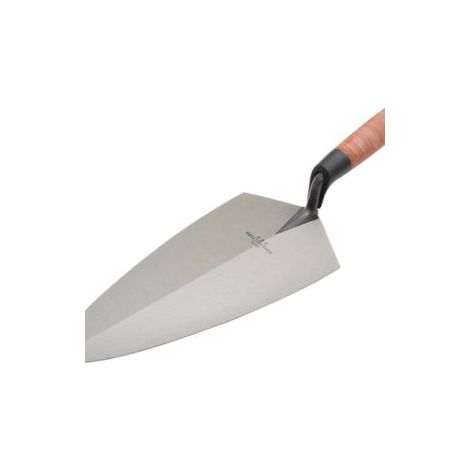
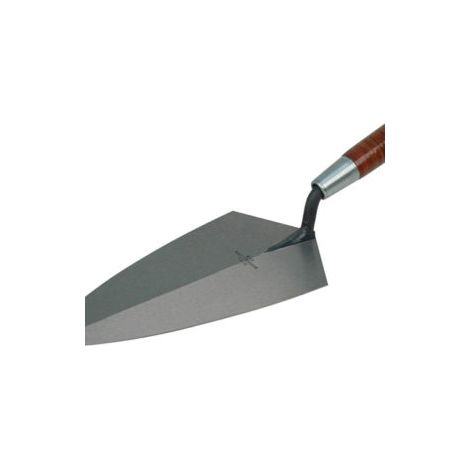
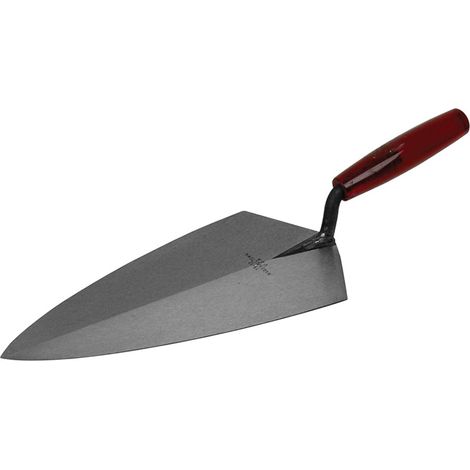
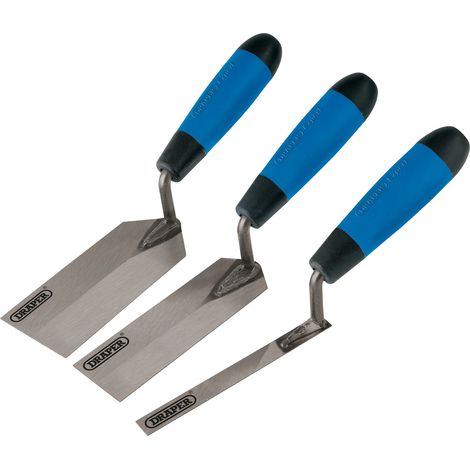
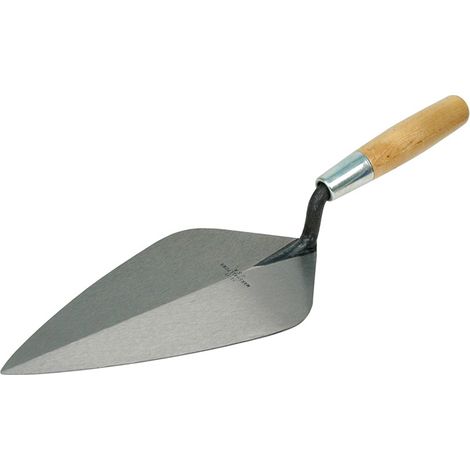
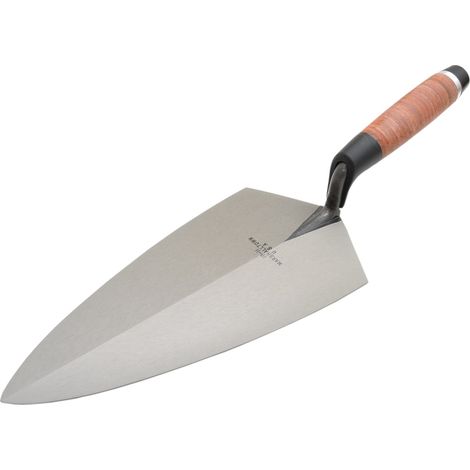
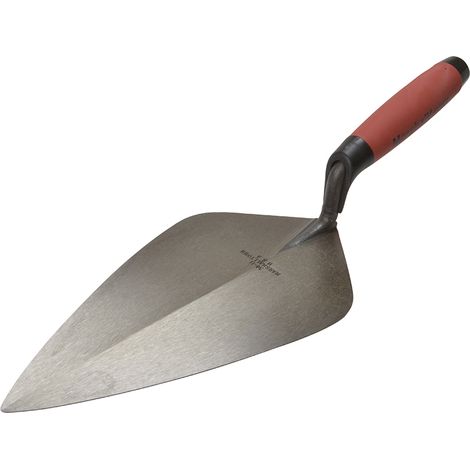
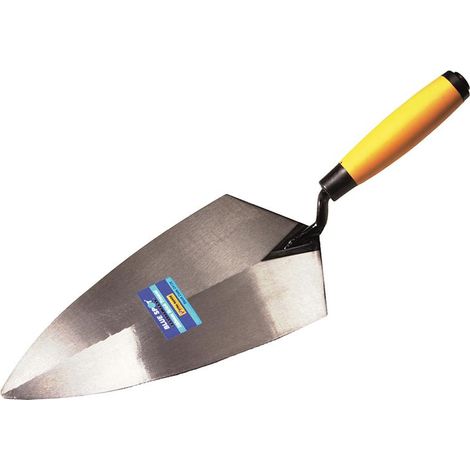
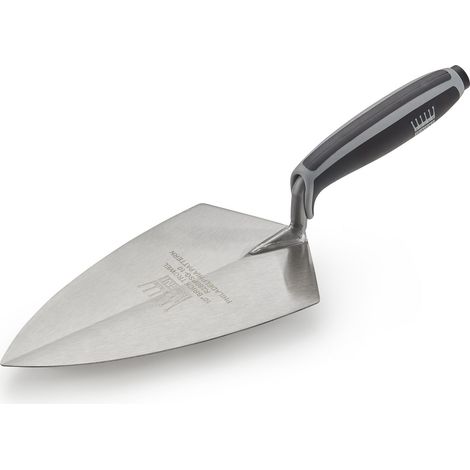
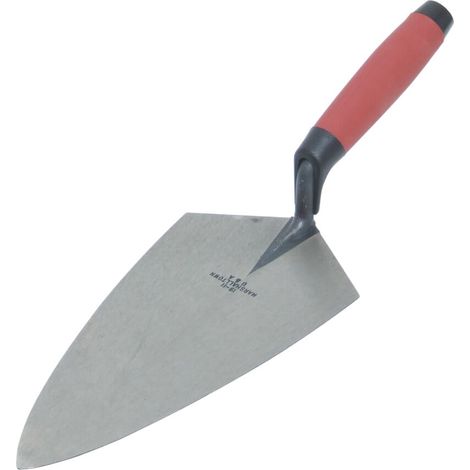
The brick trowel, with all its angles round and edges beveled, is used for laying bricks and cutting them.
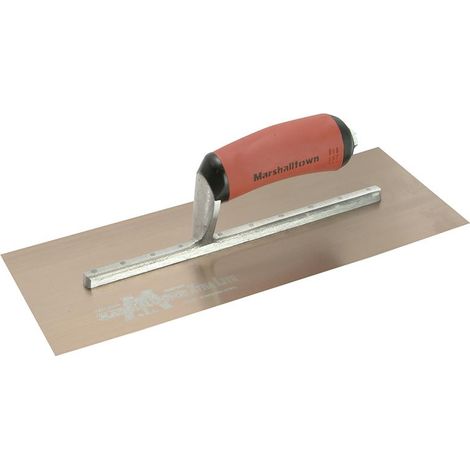
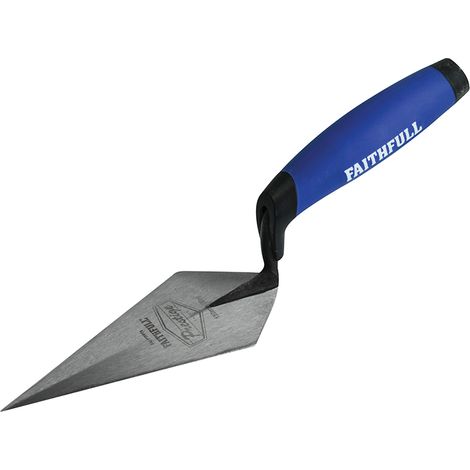
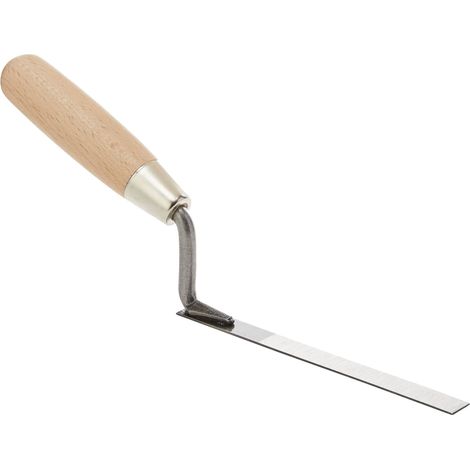
The pointing trowel is narrow, with a round base and tip. Very flexible, it is designed for finishing (notably plaster) or for doing mortar joints of bricks or blocks.
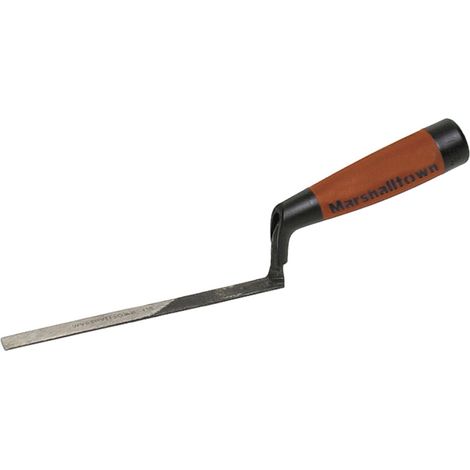
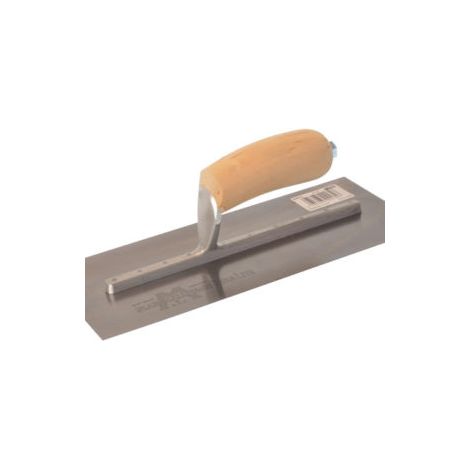
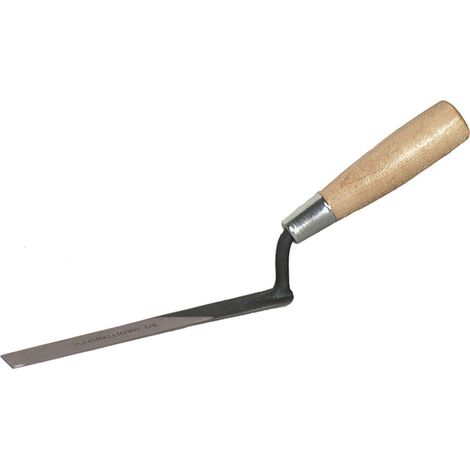
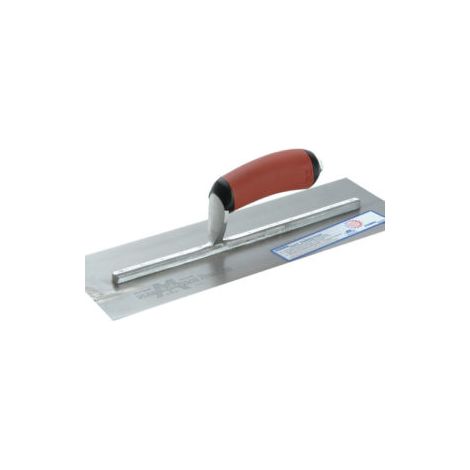
The joint trowel, also called a jointing iron, is very thin. It allows for making various types of joints.
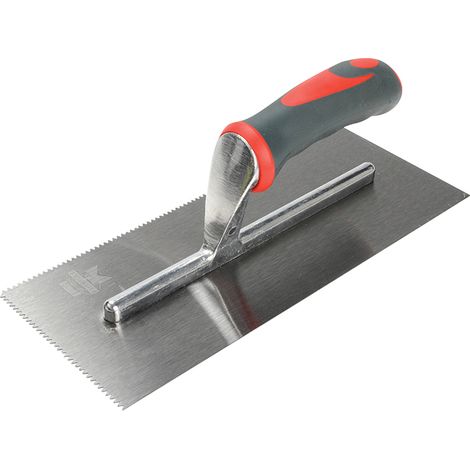
Finally, the berthelet trowel, or notched trowel, is a trowel that looks like a narrow float with one smooth side and one serrated side. The serrated side is used to scratch plasters or apply adhesive before laying tiles while the smooth side is used to erase plaster and for finishing touches on connections.
Now, you know all there is about trowels... or almost! Did you know?:
The trowel was invented in the early 15th century by a mason named Clément Arrieux and has hardly changed since, except that the current trowels are made of stainless steel.
Freemasonry attributes a very strong spiritual value to the trowel. The handle shaped like a lightning bolt symbolizes the celestial spark that translates the active will of the spirit. The triangular blade represents the alliance between strength, beauty, and wisdom; three virtues that the work of the mason aspires to. The mortar, dispensed by the trowel, symbolizes the bond that unites men together.
Between technical knowledge and spiritual elevation, you are now more than ready to begin your masonry work!










'/%3E%3C/svg%3E)