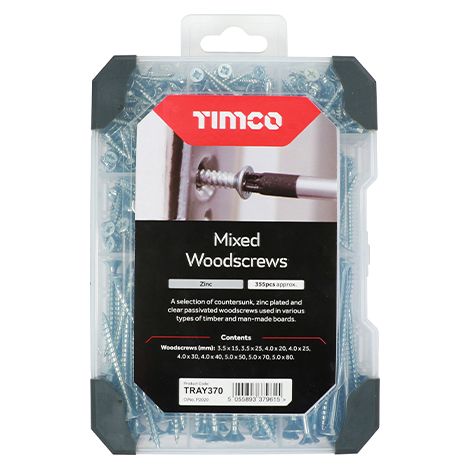
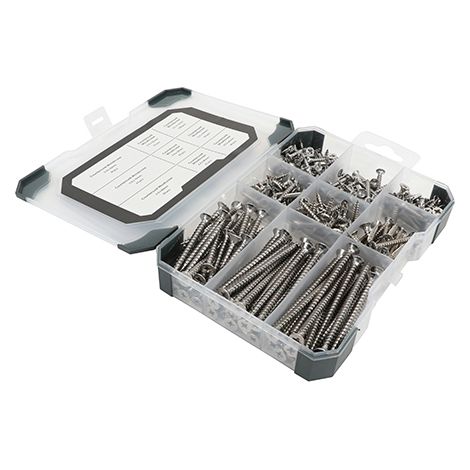
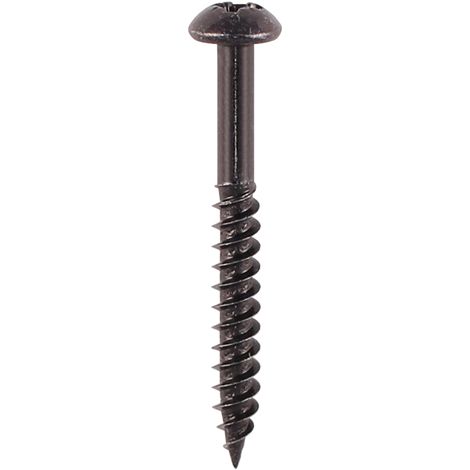
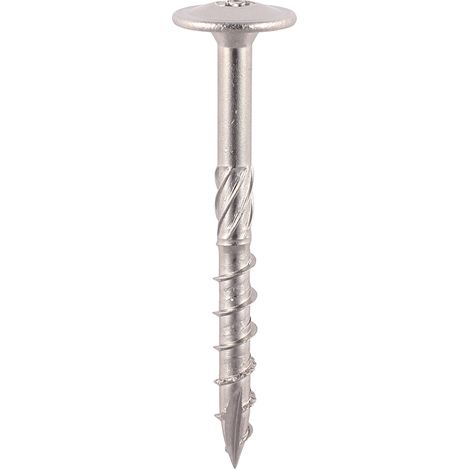
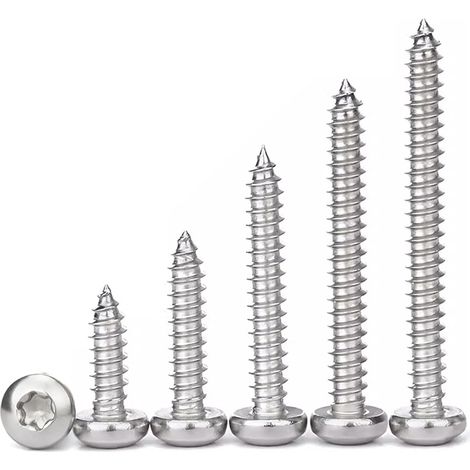
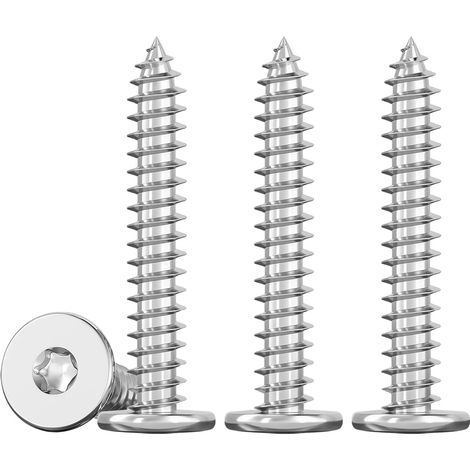
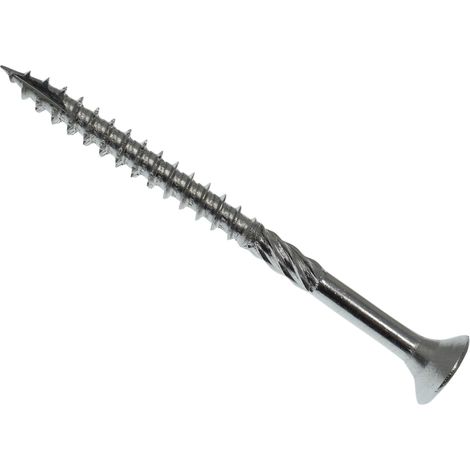
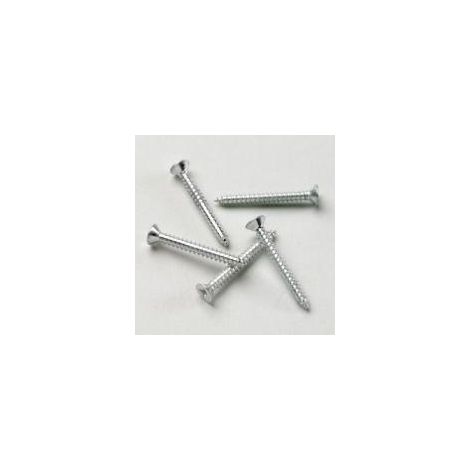
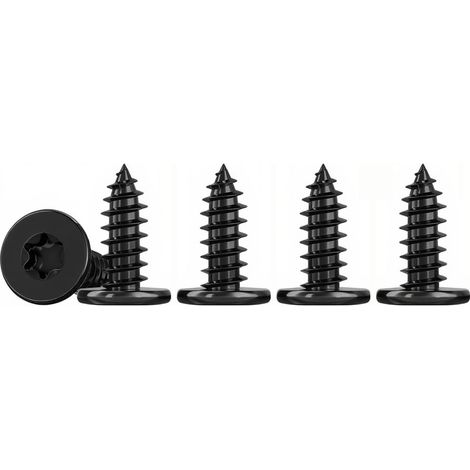
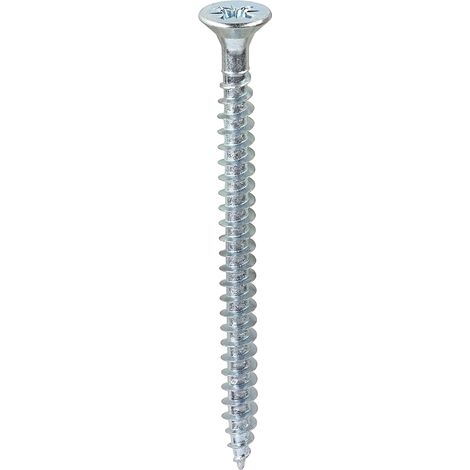
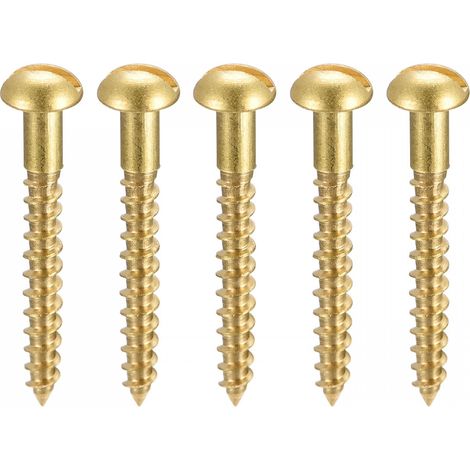
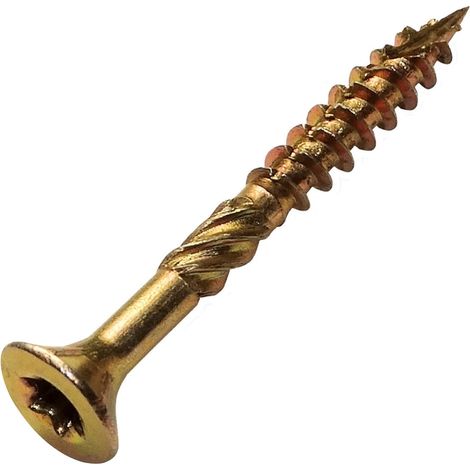
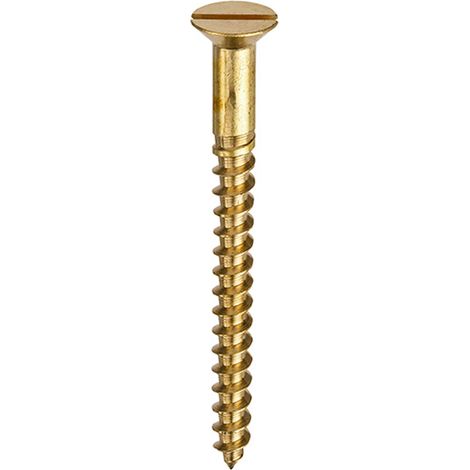
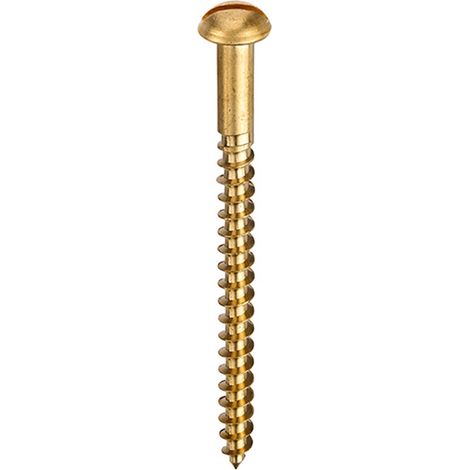
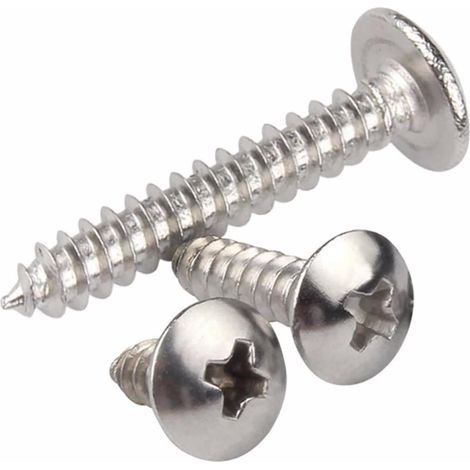
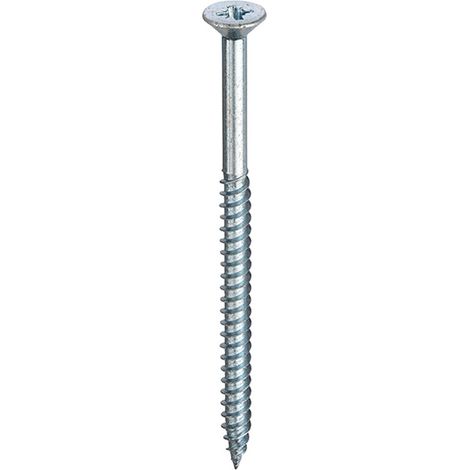
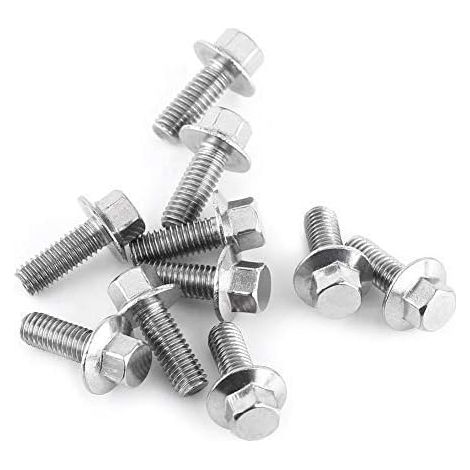
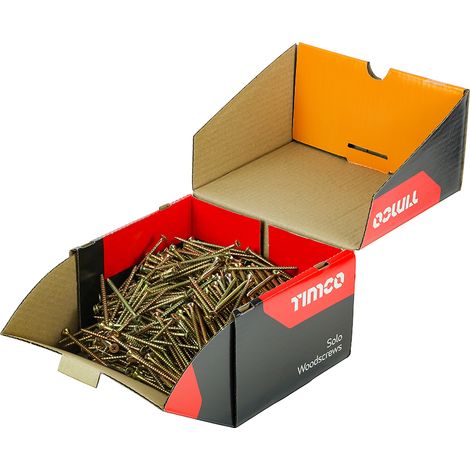
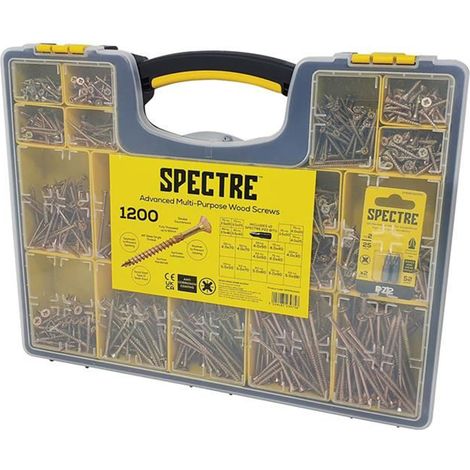
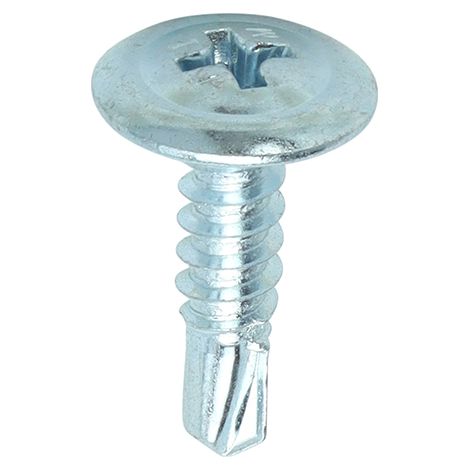
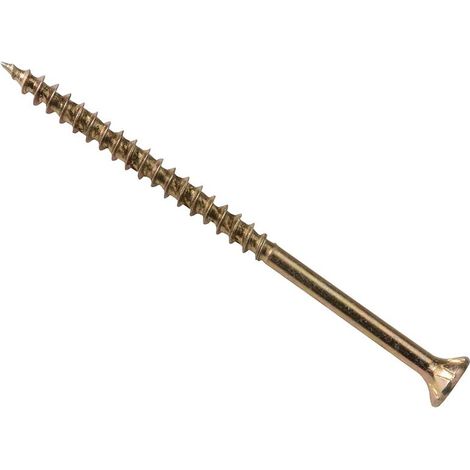
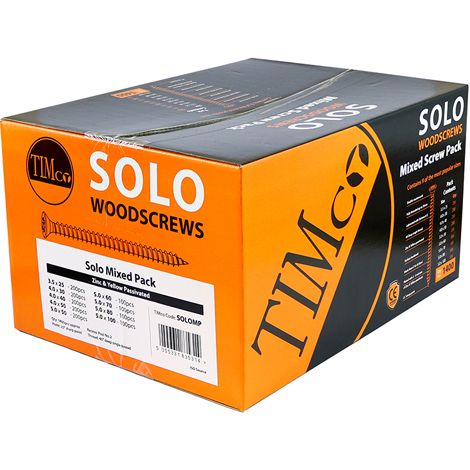
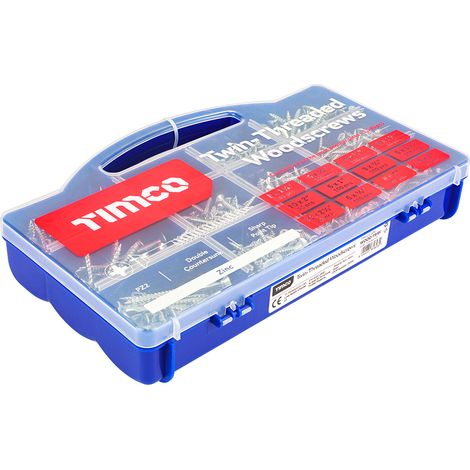
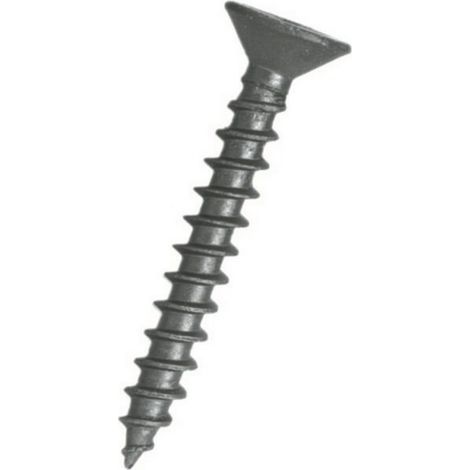
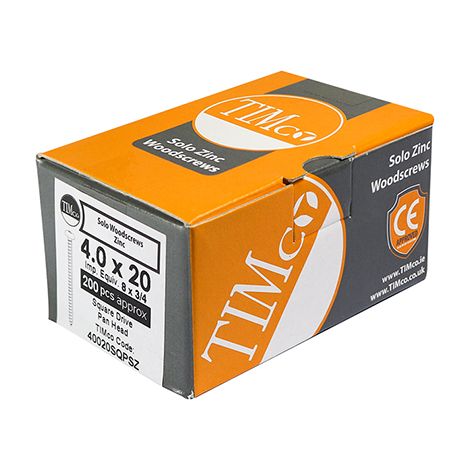
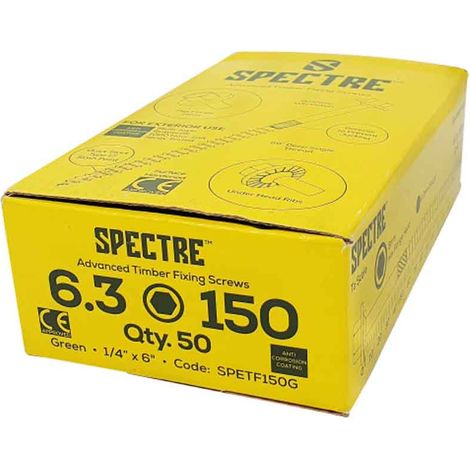
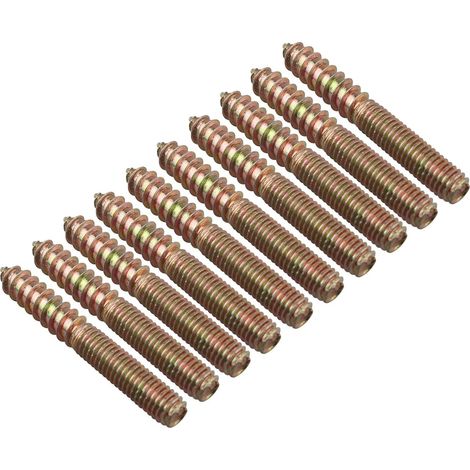
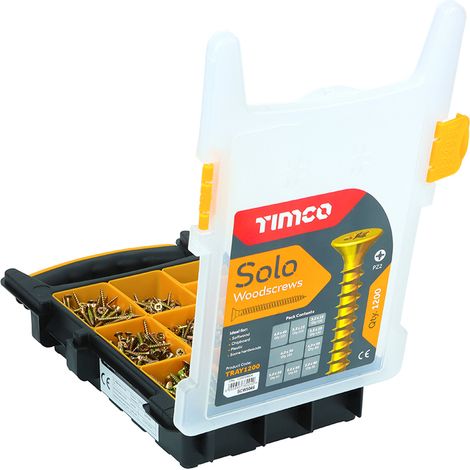
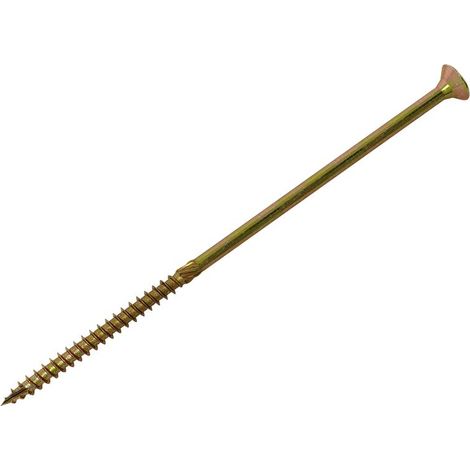
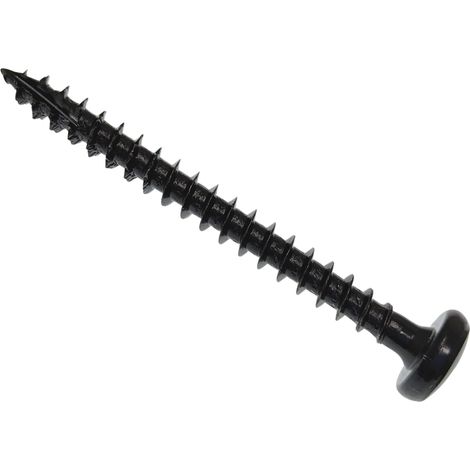
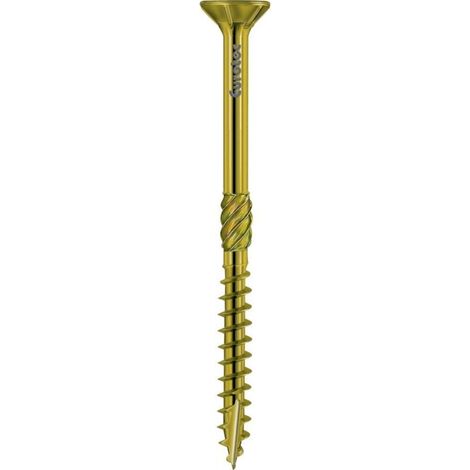
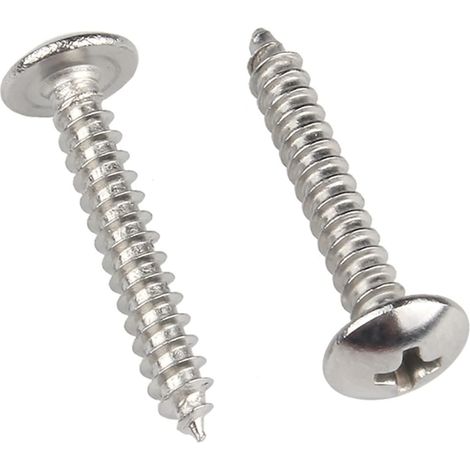
Choose the screw that suits you best from our models of countersunk, domed, hexagonal, or classic round head screws with cross, Pozidriv, Torx, or hexagon socket heads. ManoMano offers you affordable HECO-SCHRAUBEN, VYNEX, SPAX wood screws as well as their latest pre-lubricated, anti-split, or wavy-thread models.
A screw is defined by several main criteria that determine the environment, material, and suitable support for each model.
First of all, the type of screw head:
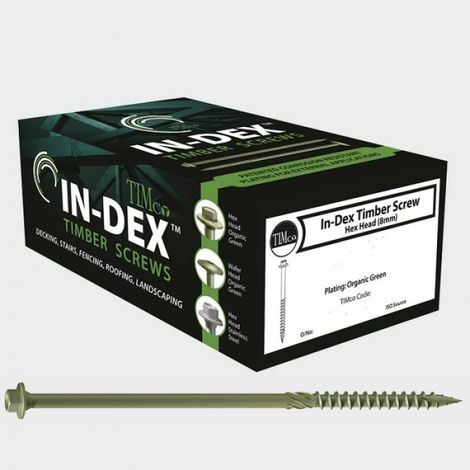
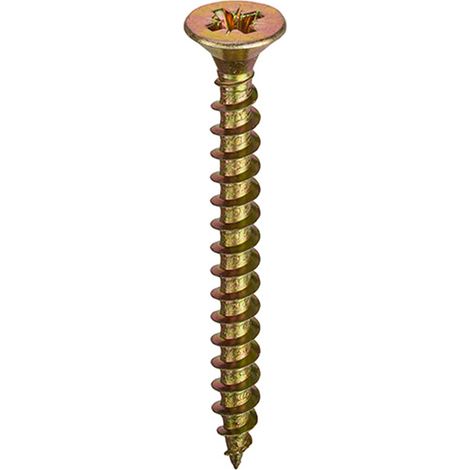
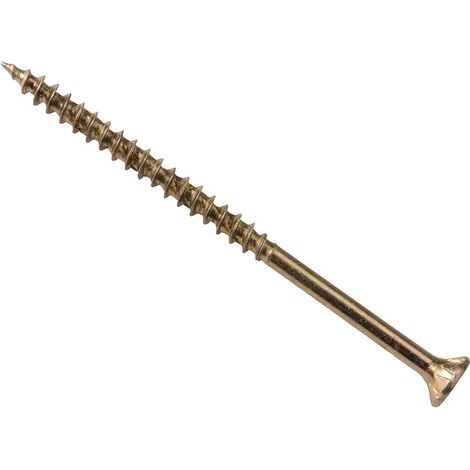
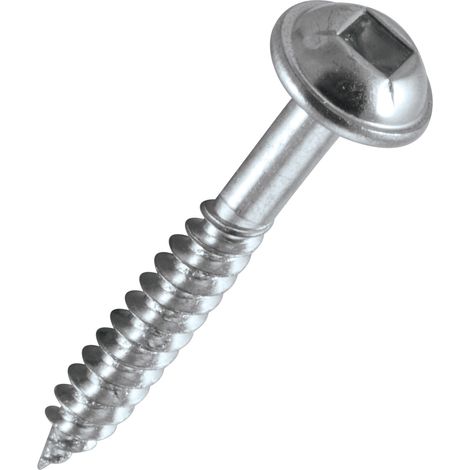
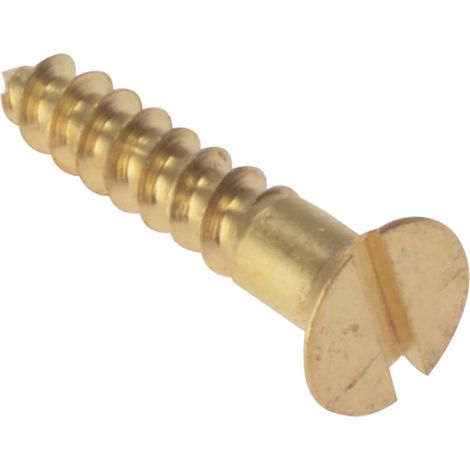
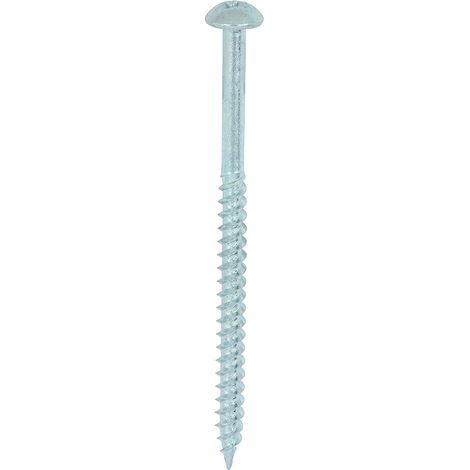
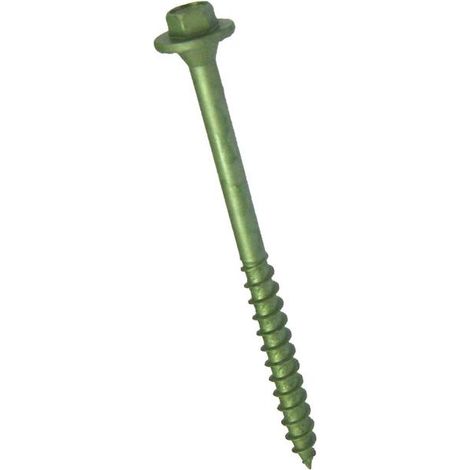
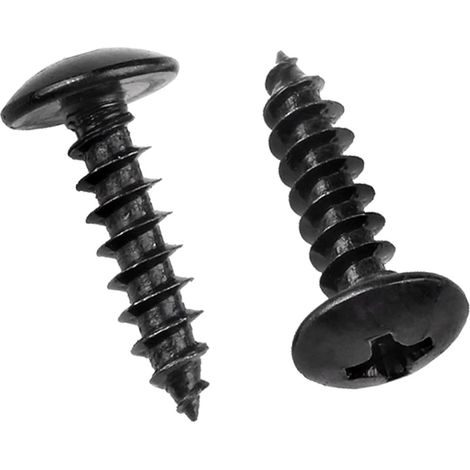
This characteristic, which is mostly aesthetic and practical, depends on your preferences as well as the work or actions that will be carried out after installation. The countersunk head is designed to flush with the support surface and thus be very discreet and practical for applying plaster or paint, for example. The domed head is often preferred for its aesthetic appeal. As for the hexagonal head, or 6-sided head, it offers better tightening torque.
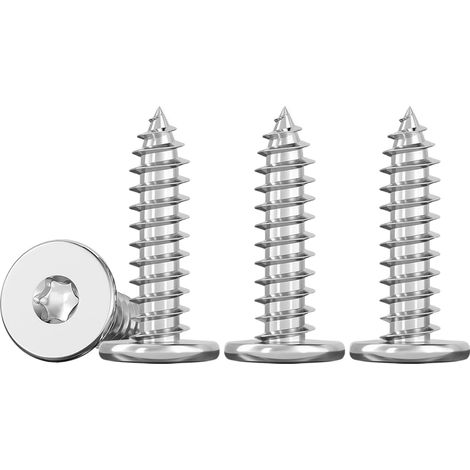
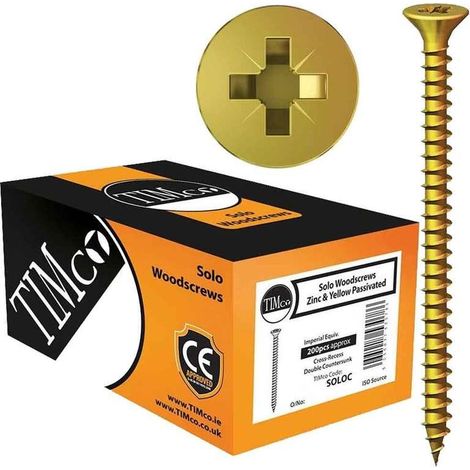
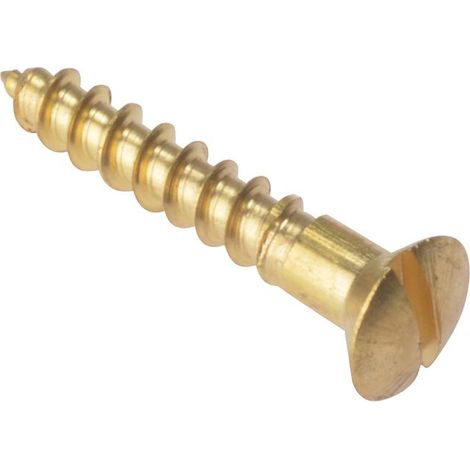
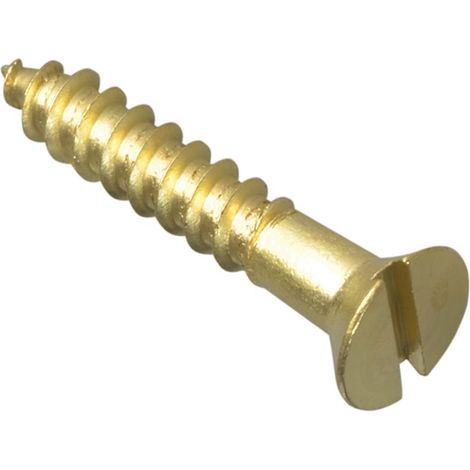
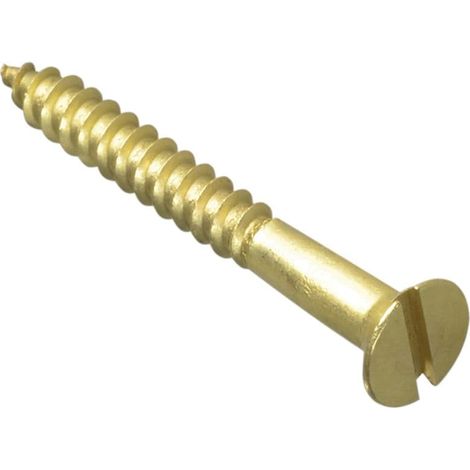
Next, the head type determines the efficiency and ease of screwing. The Pozidriv cross head, with its 8 branches, offers excellent lateral hold, which is very useful for screwdrivers. Two other classic types are the slotted and hexagon socket heads. The hexagon head provides excellent hold and significantly reduces the chances of damaging the screw head, even for the clumsiest hands.
The screw material is essential for determining the effectiveness of a fastening in a given environment. Stainless steel screws are ideal for outdoor, humid, or saline environments. Even though most screws are made of steel, the wide variety of applicable coatings (electro-galvanized, bichromated, galvanized, etc.) allows them to be differentiated.
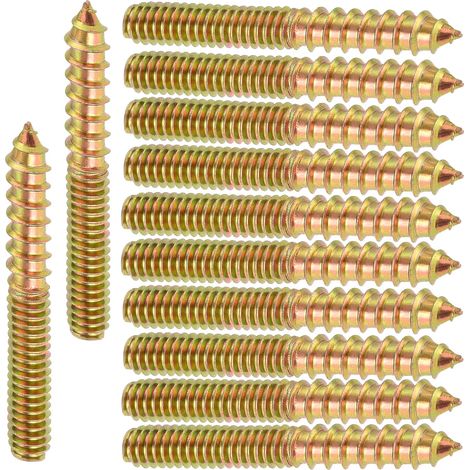
The thread length, whether total or partial, determines the thickness of the piece to be fixed to the support. Additionally, a partially threaded screw allows for real compression between two wooden elements, whereas a fully threaded screw provides a more rigid fixation.
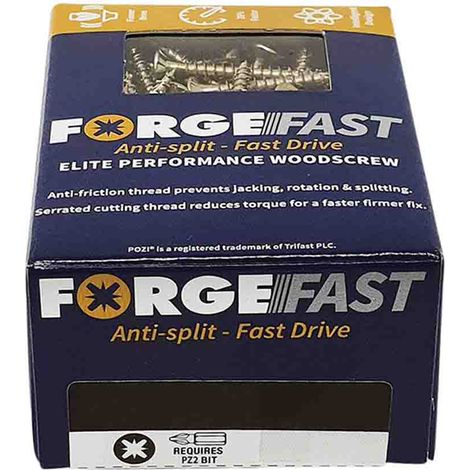
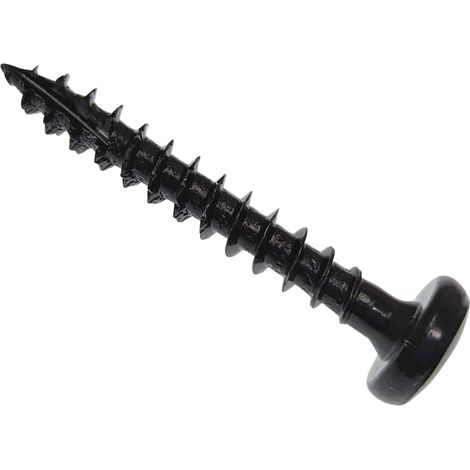
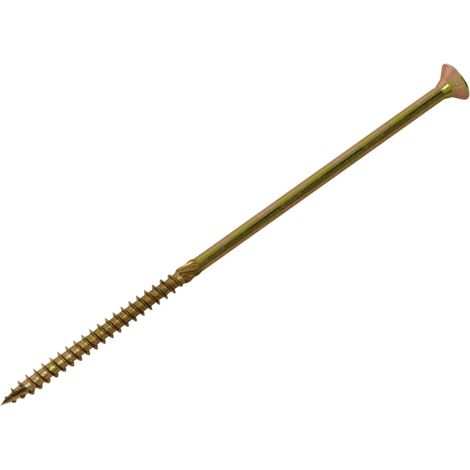
Finally, some of the leading brands innovate and stand out with their specific designs. On ManoMano, you can find dry-lubricated screws to prevent overheating and facilitate insertion. There are also anti-split systems: a cutting notch prevents the wood from weakening during screwing. Others include tapered tips for starting or under-head serrations to improve adhesion and longevity of the fix.
Lastly, on ManoMano, you will find all sorts of screws certified DIN or ISO, with varying hardness. The strength classes are, for example, 8.8, 10.9, or even 12.9: these define the hardness and elasticity of the screw. For example, for a 10.9 strength screw, the breaking limit is equal to 10 x 100 MPa, and the elastic limit is at least equal to 10 x 9 x 10, or 900 MPa. For hardness greater than 10.9, it is necessary to be cautious of sudden unnatural temperature drops (liquid nitrogen, hydrogen, etc.) which can cause tool breakage after screwing.








'/%3E%3C/svg%3E)
'/%3E%3C/svg%3E)