1/4
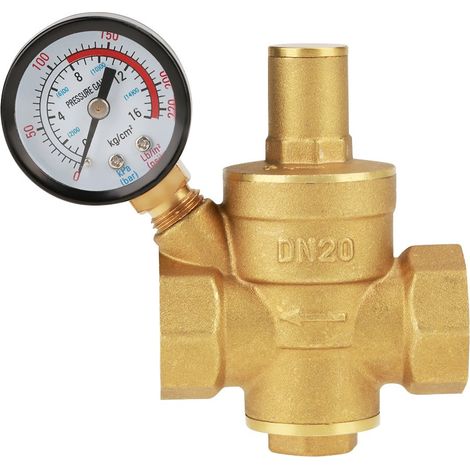
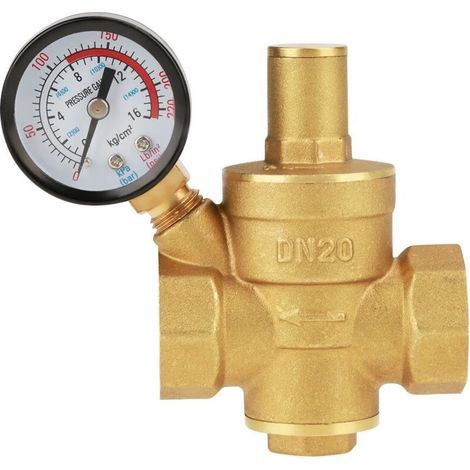
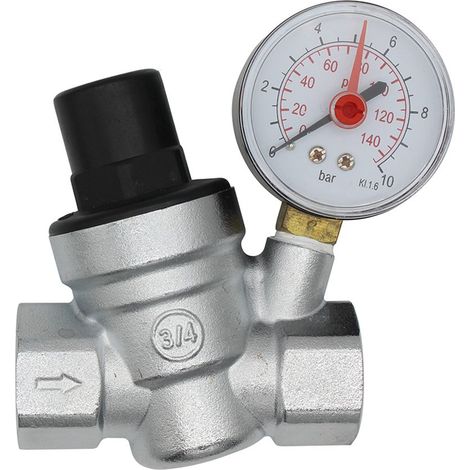
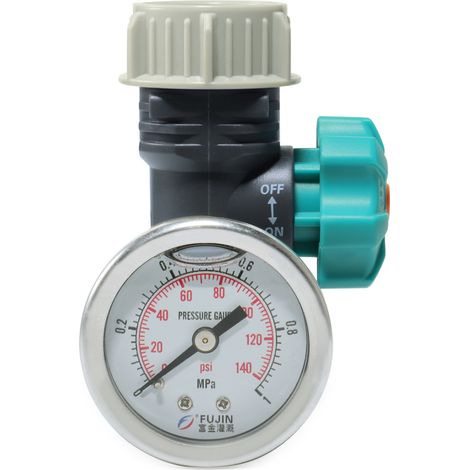
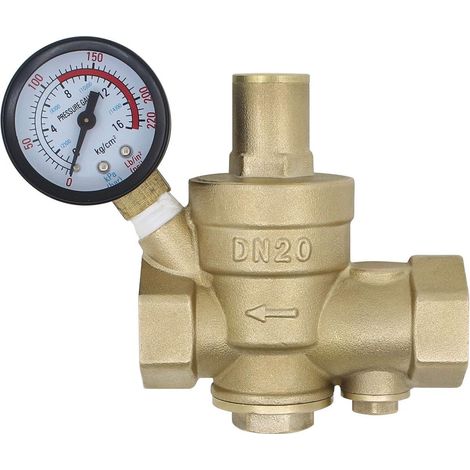
Adjustable DN20 brass water pressure reducing valve with pressure gauge – Maximum load 16 kg/cm² – Adjustable pressure 0.05-0.8 MPa – DN20-3
Sold by B2C Agro Top Garden GmbH and 1 other seller
You may also like











![[NEVER USED] DN20 Brass water pressure reducer with adjustable pressure reducing valve pressure gauge](https://cdn.manomano.com/pim-media/images/medium/f84134a2e7d7770a4a89b3ae0cb184786421fb5e.jpg)
Compare with similar items
Product information
Description
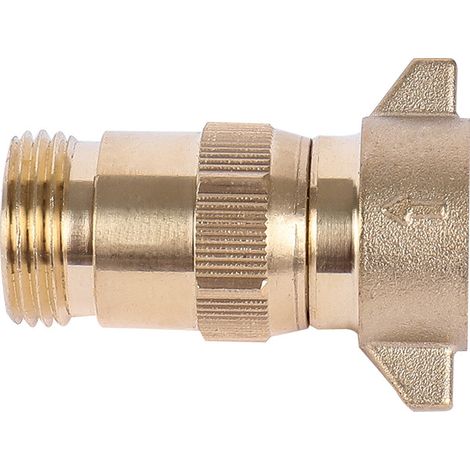
General Description This brass pressure reducing valve is designed to regulate water pressure in your domestic plumbing. It is essential for reducing the risk of damage from excessive pressure, particularly in water heaters and pipes. Its robust construction and functional design ensure long-lasting and efficient use. Technical Specifications Material: Brass Maximum Load: 16 kg/cm² Maximum Dimensions: 0.05 – 0.8 MPa (7.25 – 116 psi) Connector Size: DN20 Maximum Inlet Pressure: 1.6 MPa (232 PSI) Weight: 425 g Compatibility and Accessories Compatible with standard plumbing systems Includes: 1 pressure gauge, 1 pressure reducing valve Installation For correct installation, it is crucial to observe the water flow direction indicated on the valve. The pressure reducing valve can be installed horizontally or vertically. Ensure the pressure gauge interface is properly connected to display the pressure in real time. Operation The water pressure can be adjusted manually using a hex key. Turn counterclockwise to decrease the pressure and clockwise to increase it. It is recommended to set the pressure between 0.05 and 0.8 MPa (7.25 - 116 psi) for optimal operation. Other Information The pressure regulator is equipped with a stainless steel filter to prevent clogging and extend the product's lifespan. Proper installation and adequate pressure adjustment prevent problems such as abnormal noise from water heaters and burst pipes.
Features
- BrandODIPIE
- Fitting diameter20 mm
- Height10 mm
- MaterialBrass
- Weight425 g
- Input pressure16 bar
- Output pressure8 bar
- AdjustableYes
- Pressure regulation typePressure reduction
- ManoMano ReferenceME100612058
- MMID559754792780
- Product code4070751624660
- EAN4070751624660
Advice from
How to control water pressure?
Pressure reducers, booster pumps, pressure switches, meter regulators and pressure gauges are all required for the proper operation and control of water pressure in individual dwellings and buildings. To avoid too low or too high water pressure, follow the advice in this guide!
'/%3E%3C/svg%3E)
You are here:
'/%3E%3C/svg%3E)