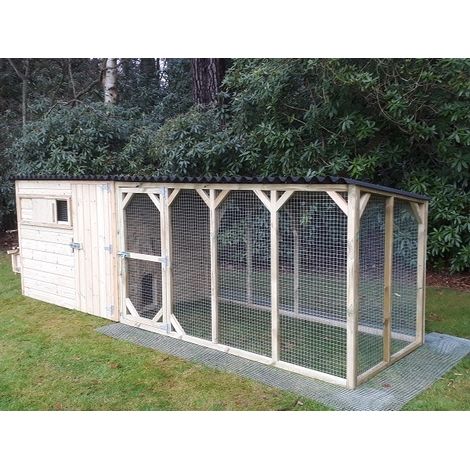
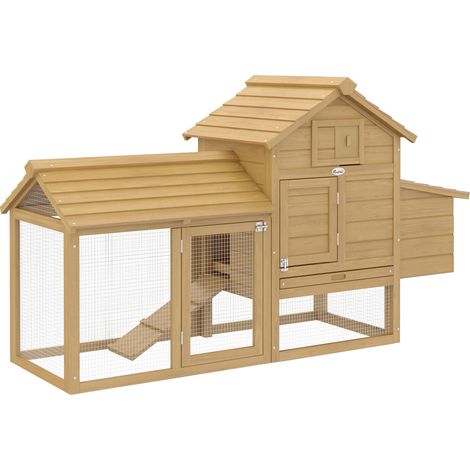
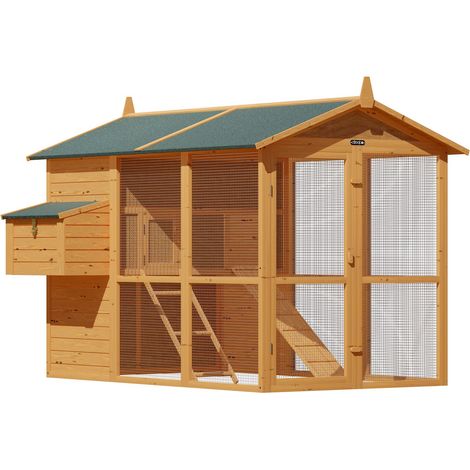
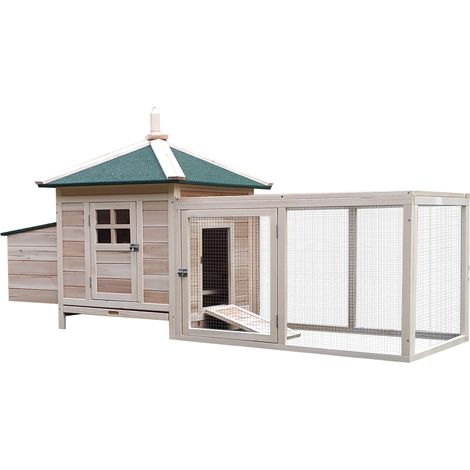
Essential for any chicken owner, a chicken coop should be chosen according to the number of birds you keep and the size of your nesting boxes and chicken run. When it comes to picking a model, it's important to think about materials including wood and wire mesh for the structure and bitumen felt or sheet metal for the roof. Other key factors include insulation, fittings and accessories (e.g. nesting boxes, perches, vents and dropping boards). Chickens are well and truly on-trend! In fact, more and more people are choosing to set up chicken coops in the garden each year. Of course, keeping chickens means fresh eggs almost every day. But before you start your search, you need to weigh up several criteria to ensure you pick the best coop for your needs.
Looking to adopt a few chickens and want to ensure your feathered friends find a comfortable home in your garden? Don't panic, we've got the lowdown to help you find the perfect chicken coop.
Whether you want to build a chicken coop or buy a flat-pack coop, it's entirely up to you. But bear in mind that a chicken coop in kit form will always be easier to assemble! Here are a few tips to help you find the best affordable chicken coop for your needs.
There are many advantages to having a chicken coop. Firstly, you'll be able to enjoy unbeatably fresh eggs on a daily basis. You'll also save money not having to buy eggs in the supermarket!
Secondly, raising chicken can be good for the environment. Chickens will happily eat vegetable peelings or even meat trimmings. This makes them excellent walking compost bins and means you can feed your pets and reduce waste in one step. Finally, raising chickens provides a little taste of a more traditional way of life.
The chicken coop will be your pets' home and if you want high-quality eggs every day, it is essential to ensure your chickens are happy. So in order to make the right choice, take note of the following key features:
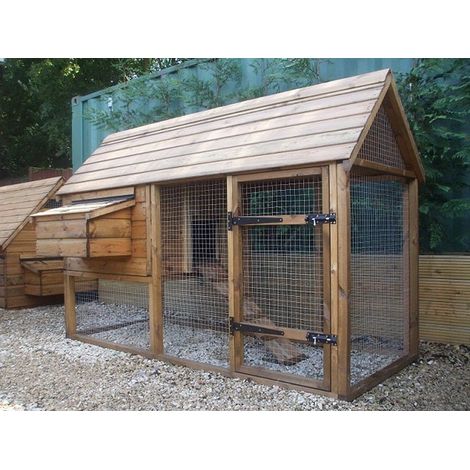
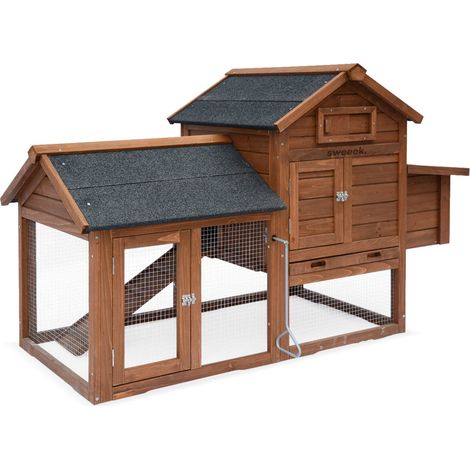
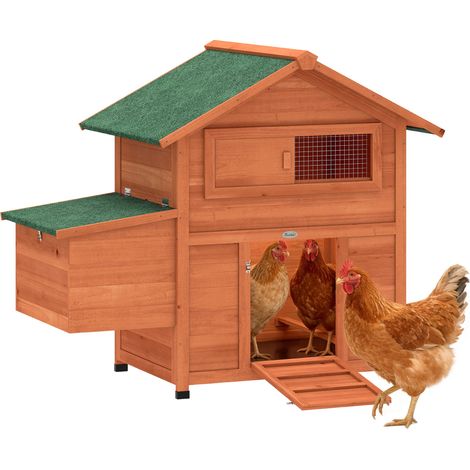
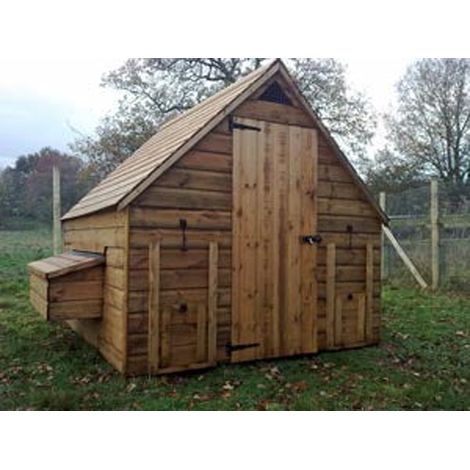
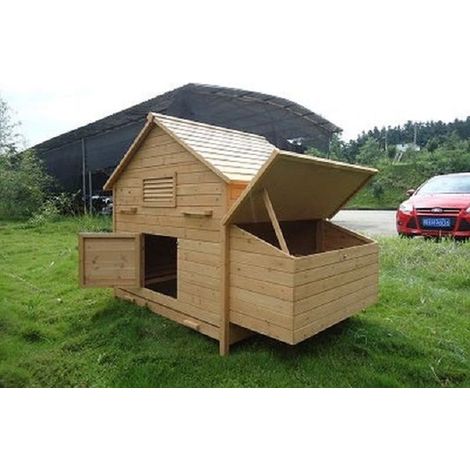
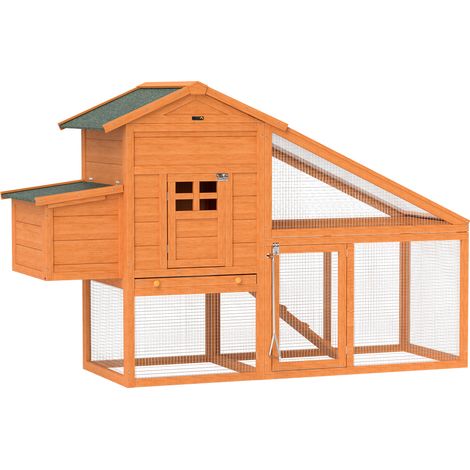
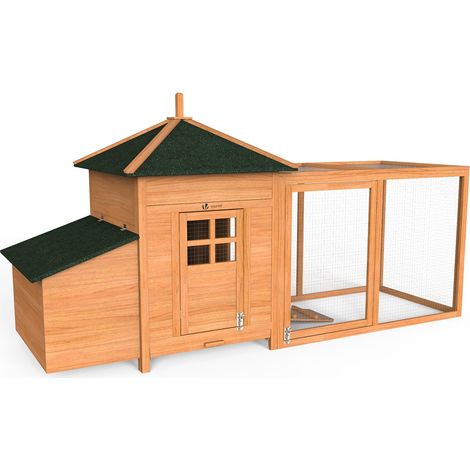
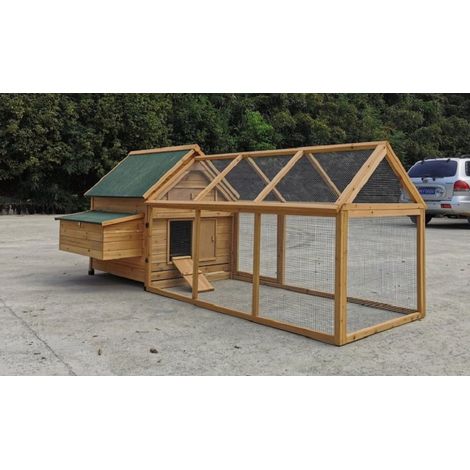
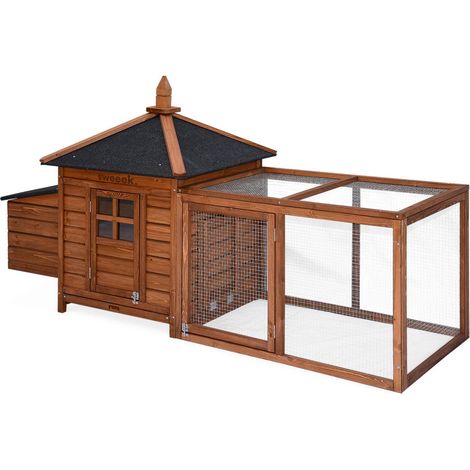
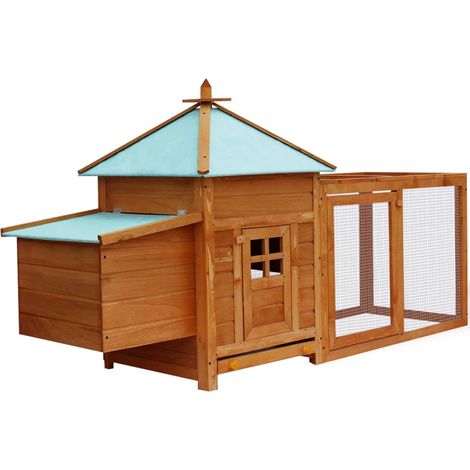
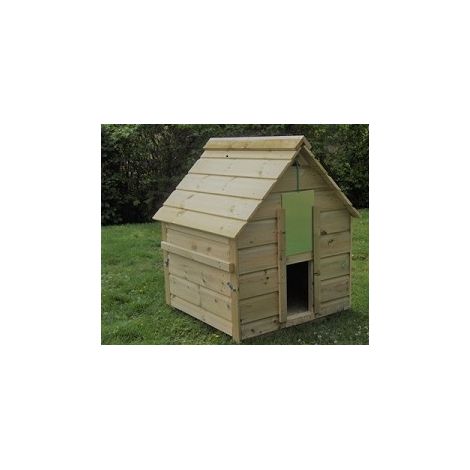
- Shelter: you'll need at least 1 m² of indoor space for three or four chickens. You won't need a great deal more space than that as the sheltered area, or house, is mainly used for sleeping and chickens tend to snuggle up together. An essential part of the coop, the shelter protects your chickens from wind, rain and, above all, predators.
- Nesting boxes: you can use one or several nesting boxes. Similar to the coop shelter, use one box per 2 to 3 hens and add an additional box for 3 more hens. Hens must be provided with a clean and secure area to lay and incubate their eggs.
- Perches: don't forget that chickens are birds and therefore need to be given the option to sleep off the ground.
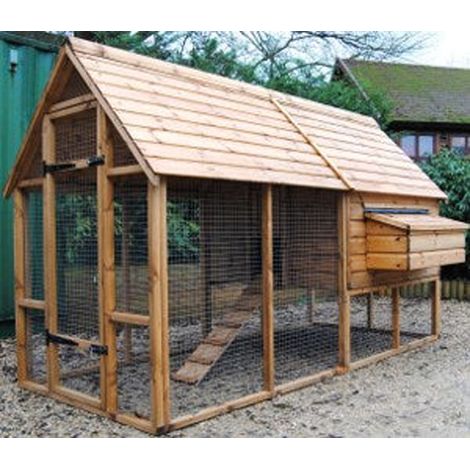
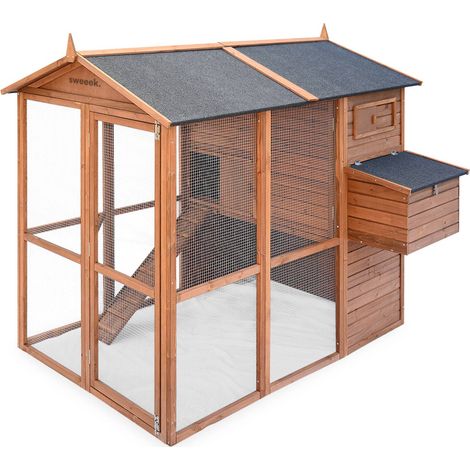
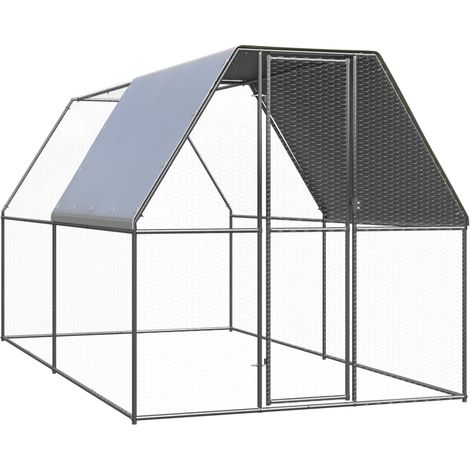
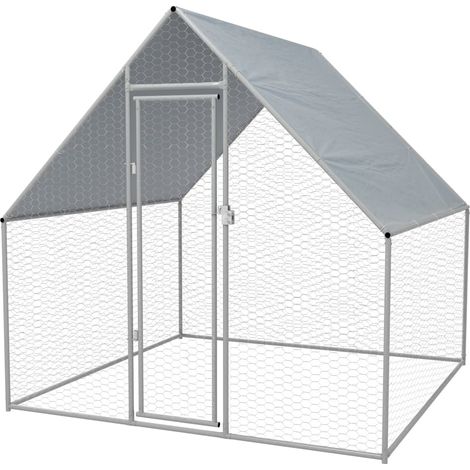
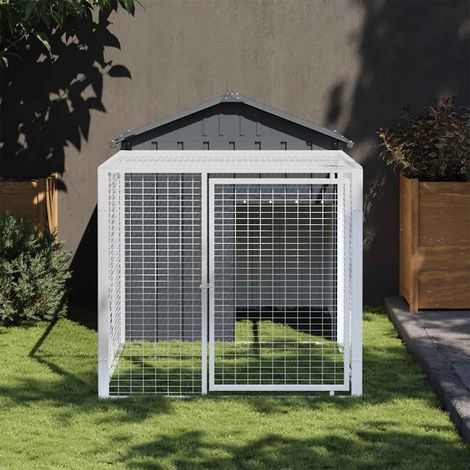
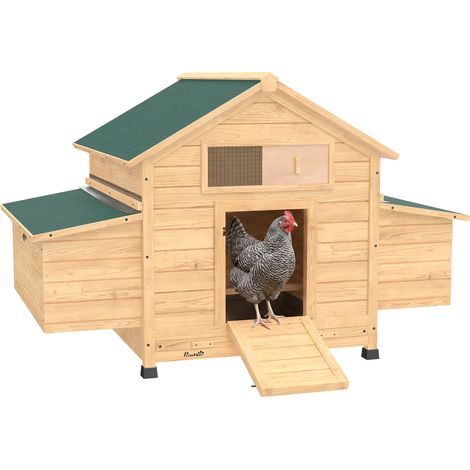
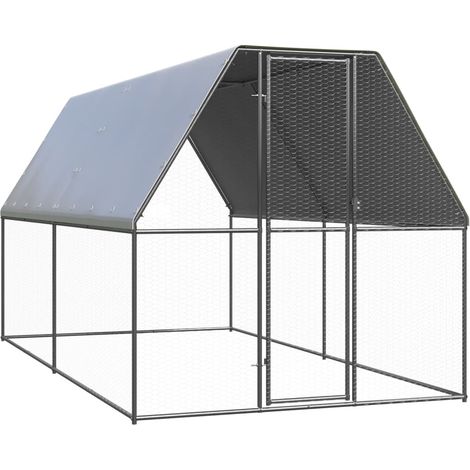
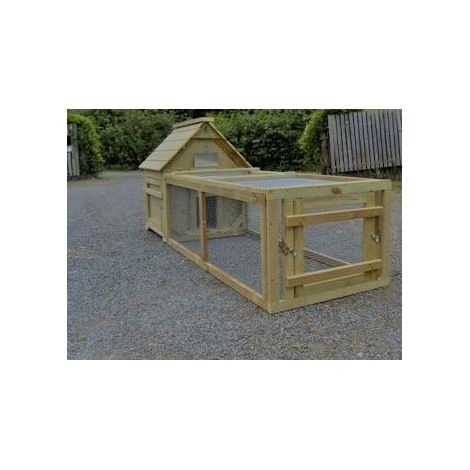
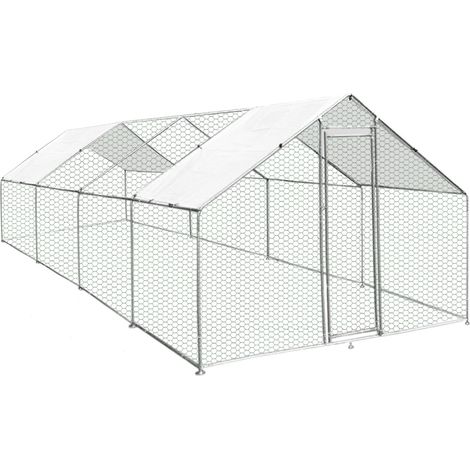
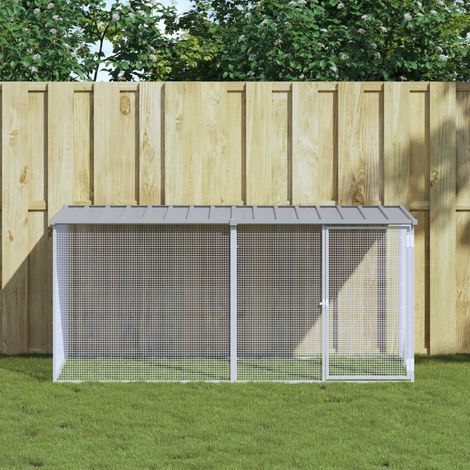
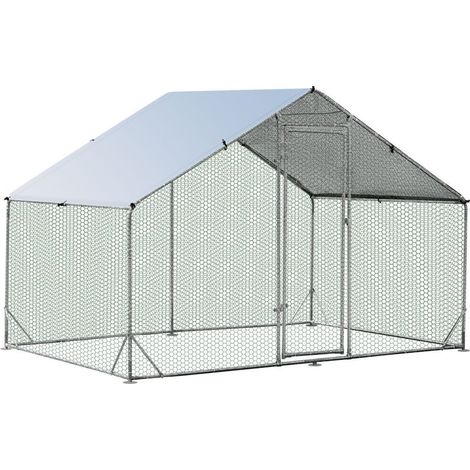
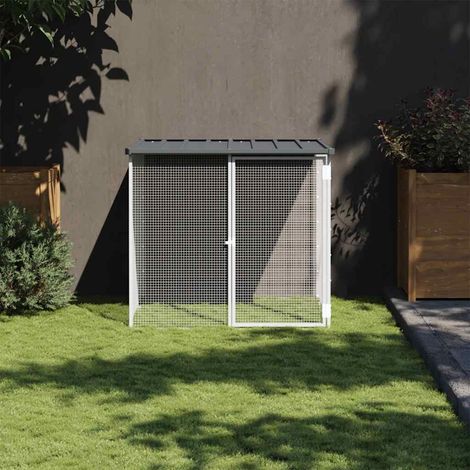
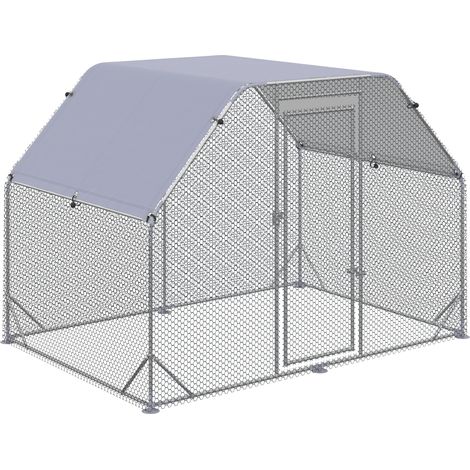
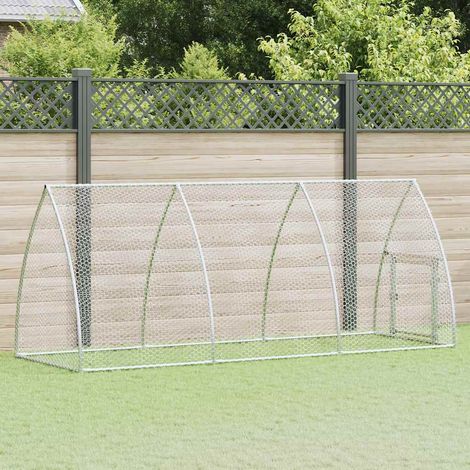
If you don't want your chickens to the run of the garden, ensure their well-being by providing them with a specially designed run. Tall coops can always be fitted with a ramp to make it easier for your chickens to get in and out.
You can also provide a sandbox to help rid your flock of dust and pests such as lice. Some chicken coops are equipped with a droppings board for easy cleaning.
The next step is to choose the right location for your chicken coop. A chicken coop must always be installed in a wind-free spot, with the opening facing east or south to prevent prevailing winds from blowing into the coop. A sunny location is recommended, but the house area should be kept in the shade.
Finally, to ensure that your chickens stay healthy and lay every day, remember to keep the coop clean. Clean out the feeders every day and be sure to change the bedding once a week. Remember to empty the chicken house completely at least once a year and disinfect it with the right products to keep bacteria at bay.
You may be interested in these guides







'/%3E%3C/svg%3E)
'/%3E%3C/svg%3E)