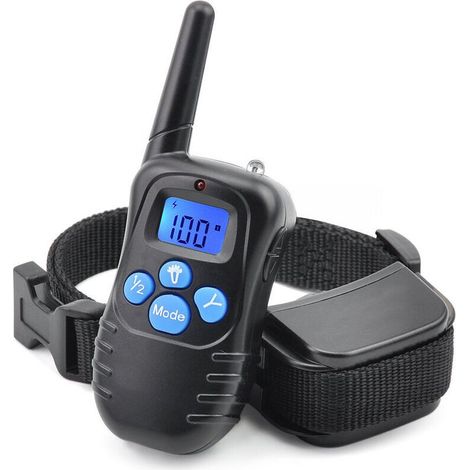
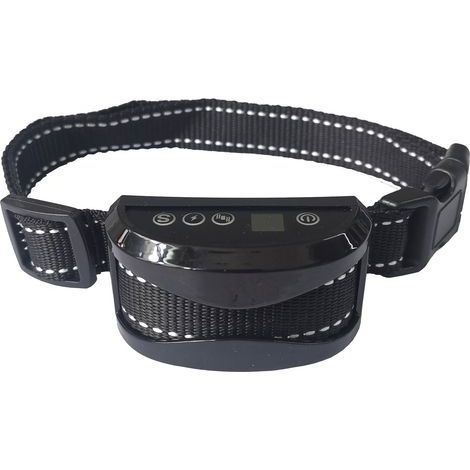
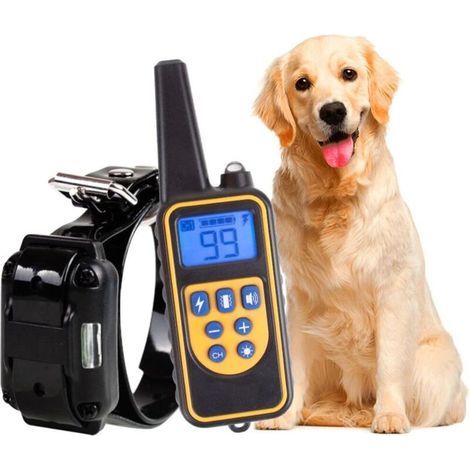
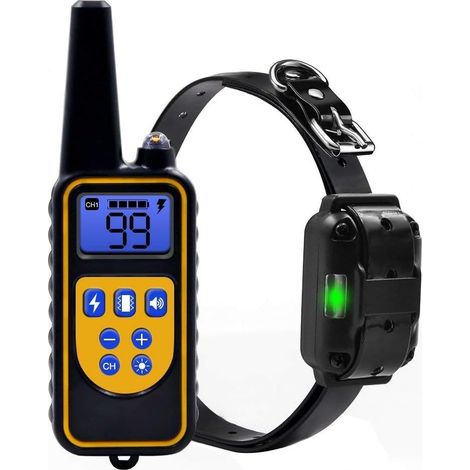
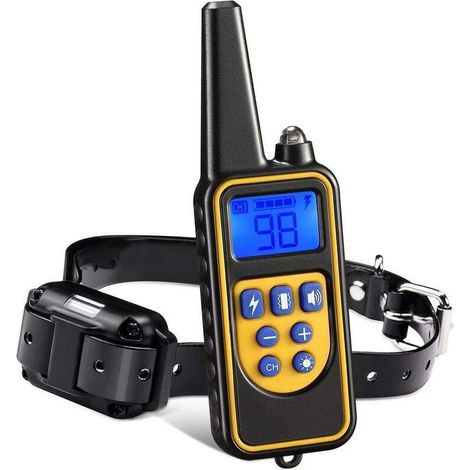
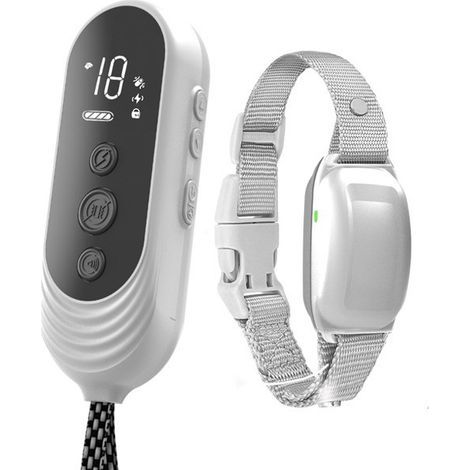
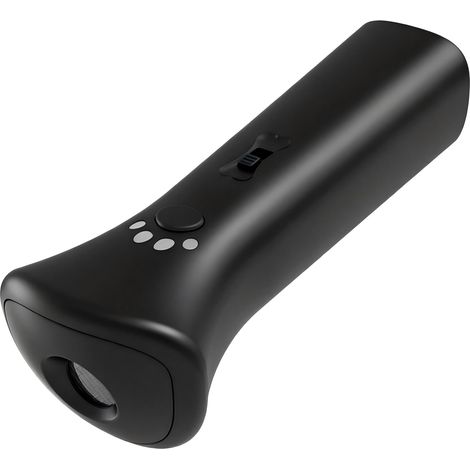
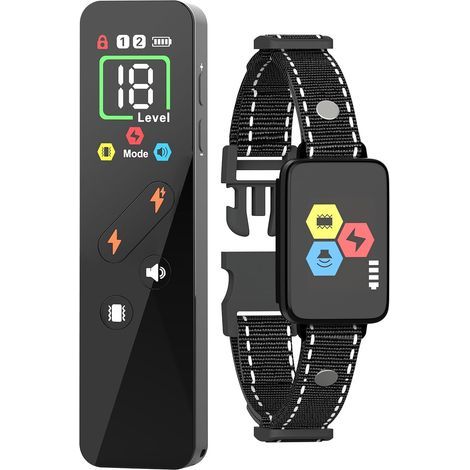
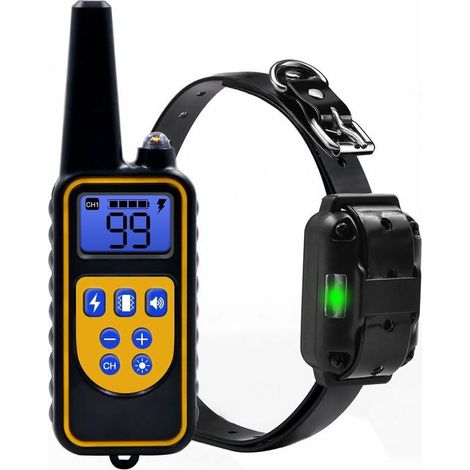
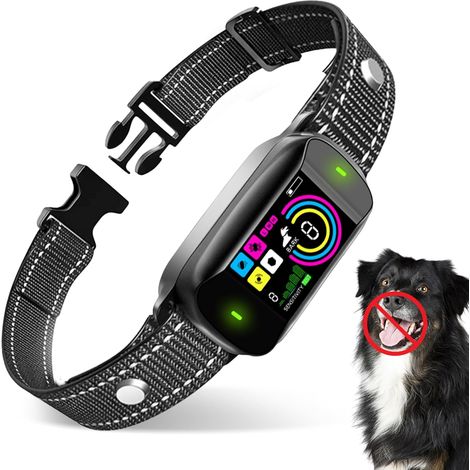
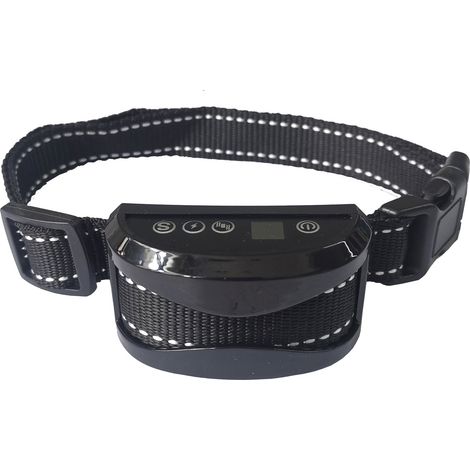
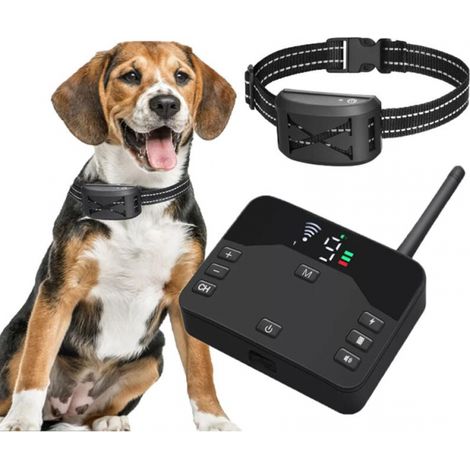
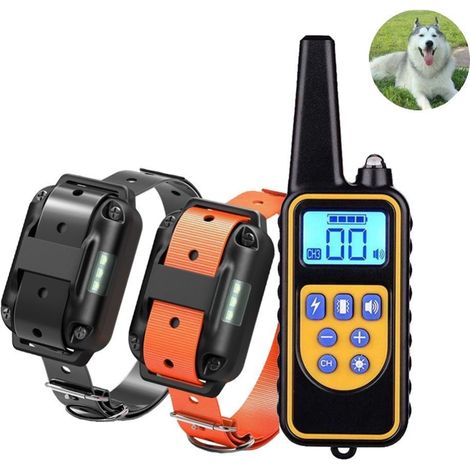
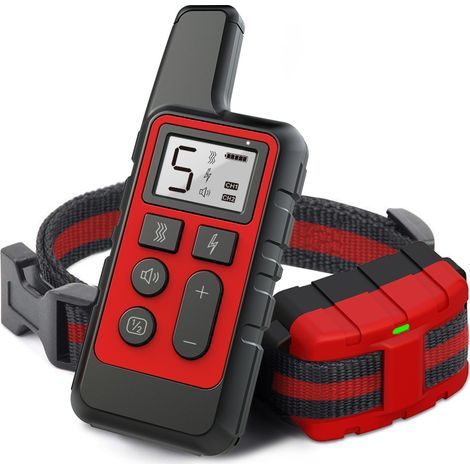
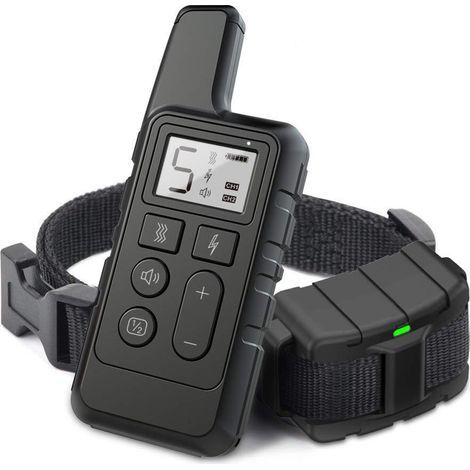
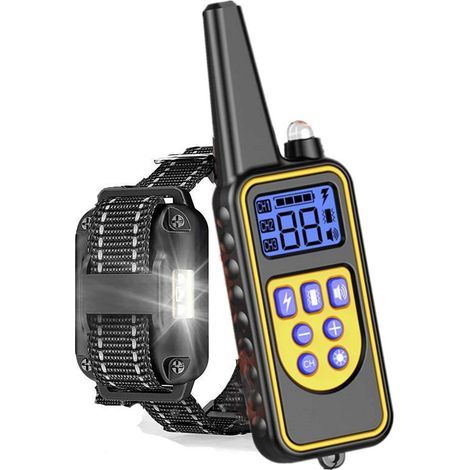
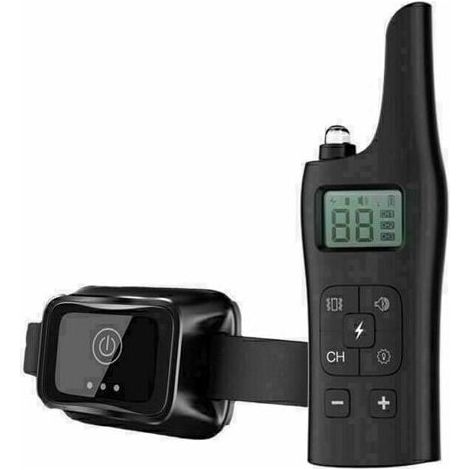
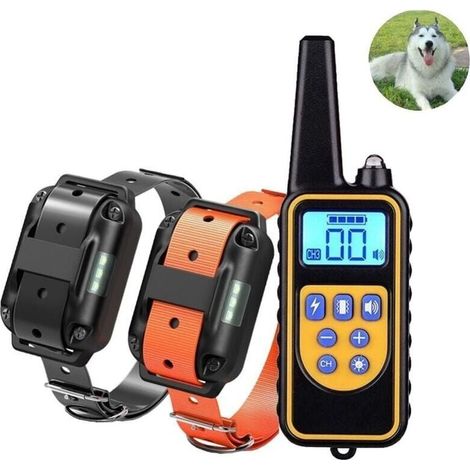
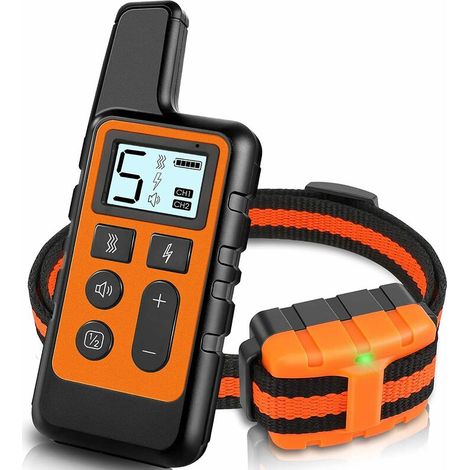
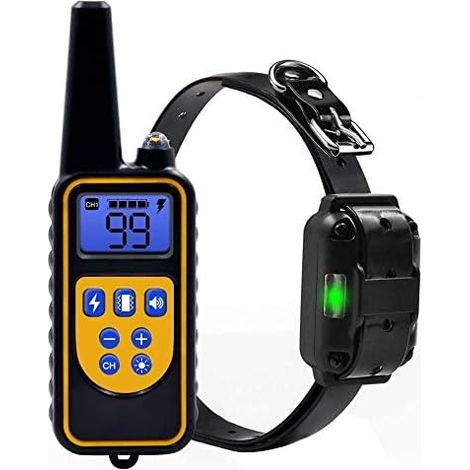
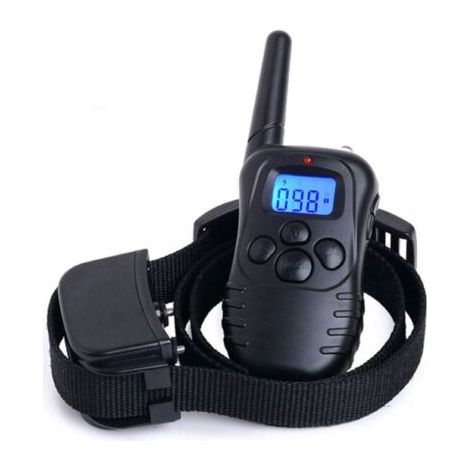
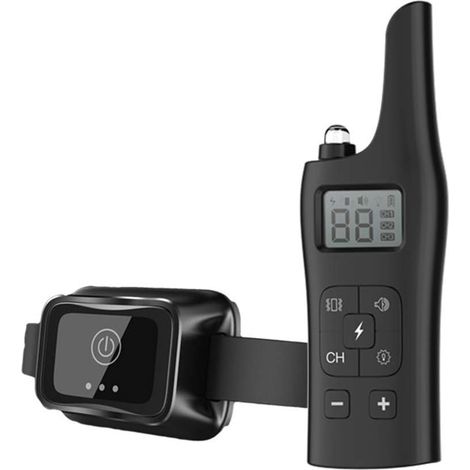
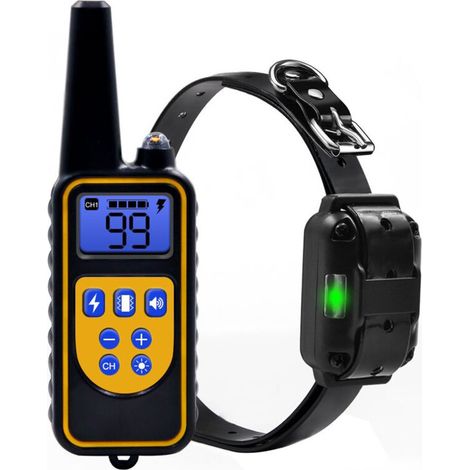
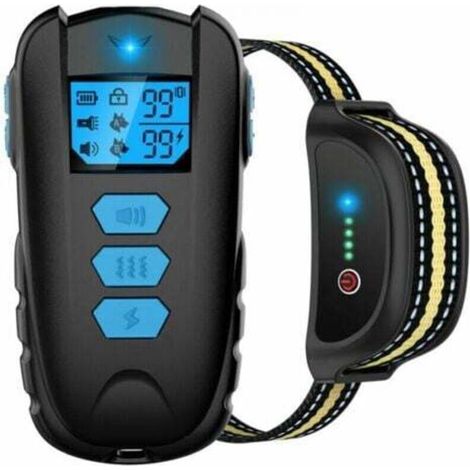
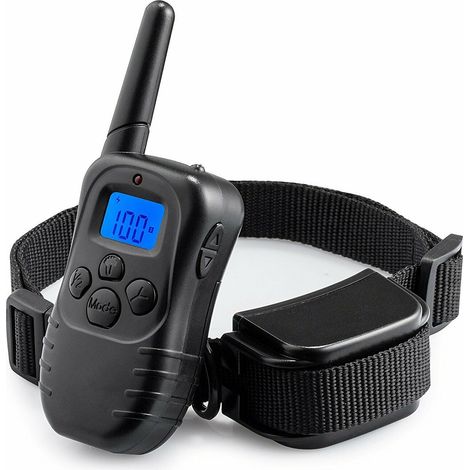
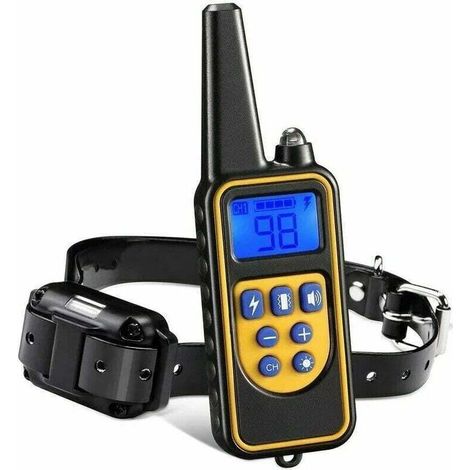
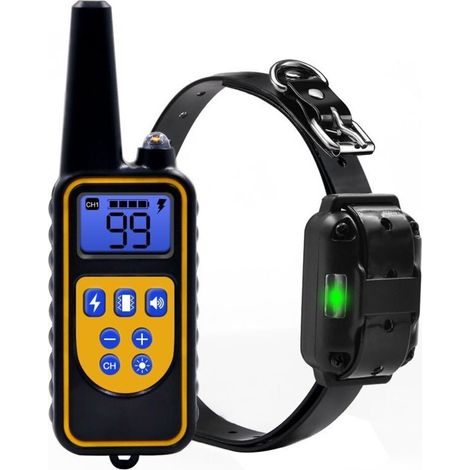
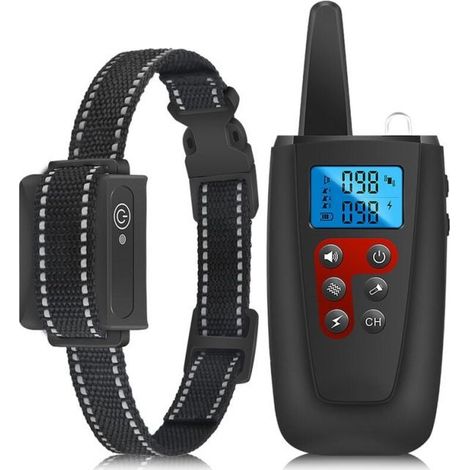
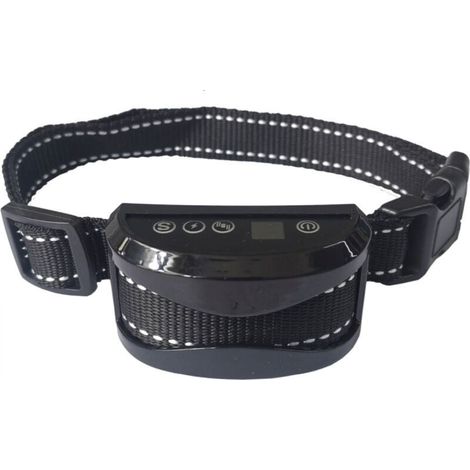
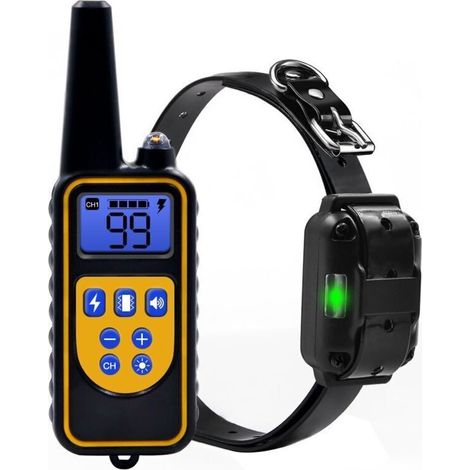
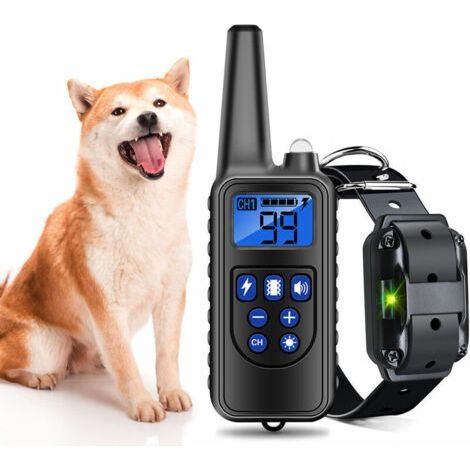
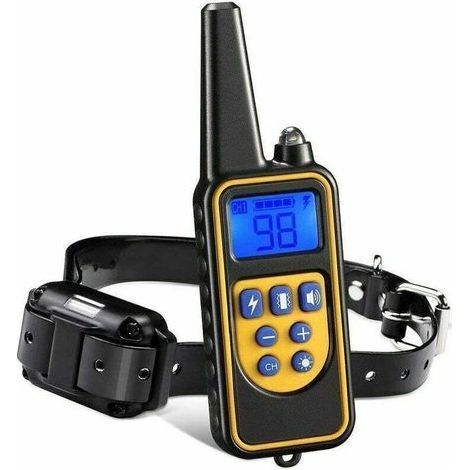
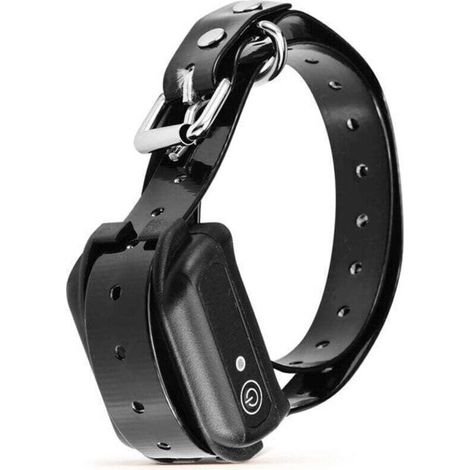
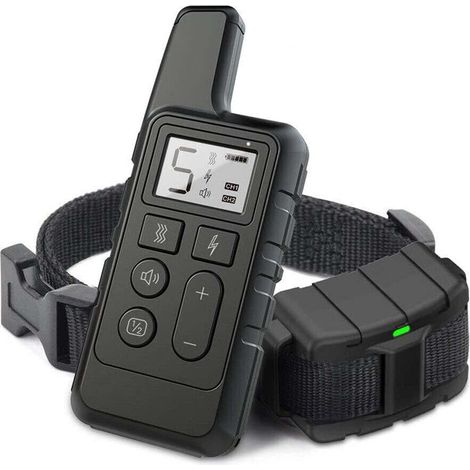
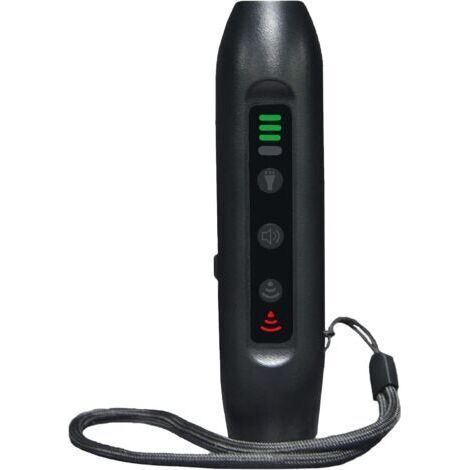
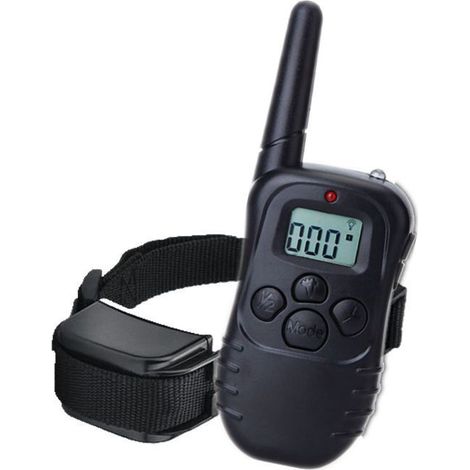
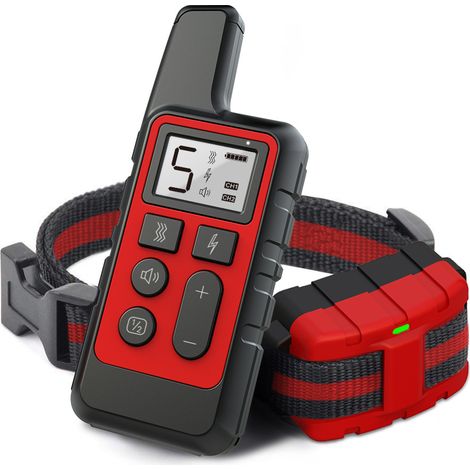
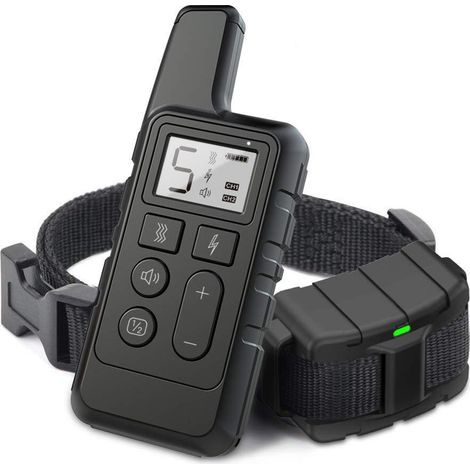
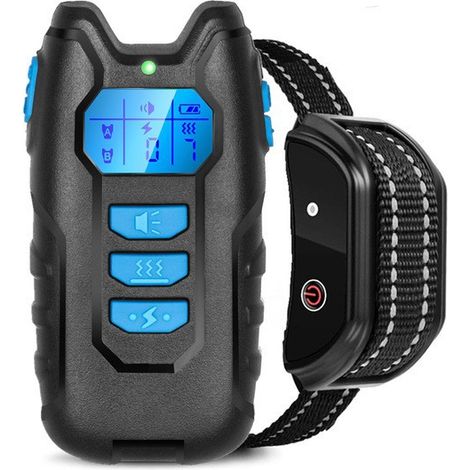
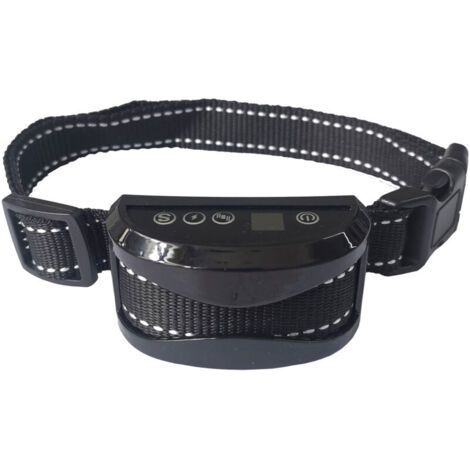
As the name suggests, the dog training collar is designed to facilitate the assimilation of commands given by the owner and the correction of the animal's bad behavior. This accessory emits beeps, vibrations, or electric shocks to warn the canine.
The choice of a dog training collar depends primarily on the animal's behavior:
- a model that emits vibrations is sufficient for a small dog or a docile animal that exhibits behavior dangerous to its own safety ;
- a model that emits sound beeps is suitable for a small-sized animal that responds to its owner's prompts ;
- a device producing electric shocks is recommended for a stubborn and snarly dog that may pose a danger to its owner and their surroundings.
The available training devices also differ in the range of their remote control:
- the range varies from 200 m to over 1,000 m ;
- for training a homebody animal, the range is not too important ;
- long-range versions are useful during long walks in nature or hunting sessions.
Some parameters can be considered in choosing a dog training collar:
- the size and weight of the animal which determines the collar's circumference ;
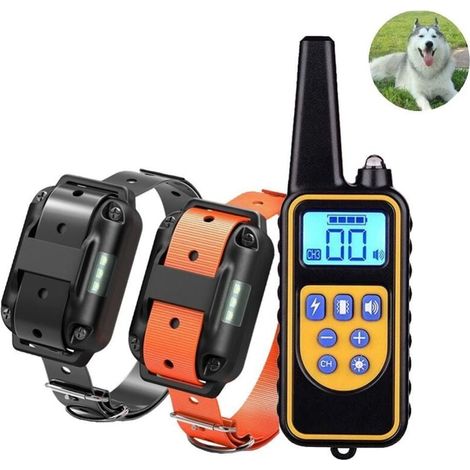
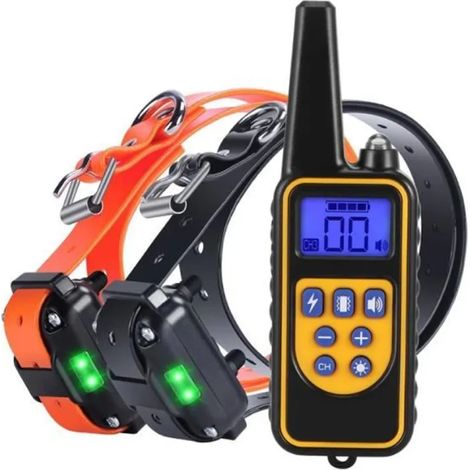
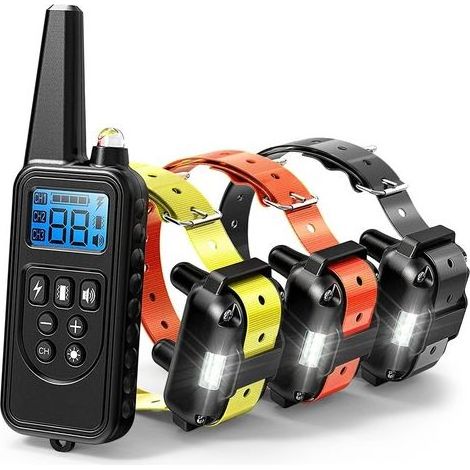
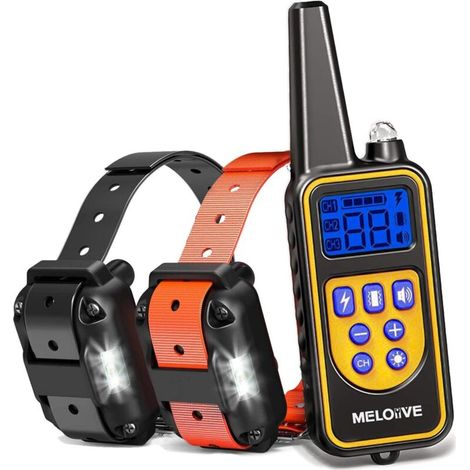
- the possibility to control multiple collars with a single remote control ;
- the design of the device and its handling ease ;
- its waterproofness if the dog likes to swim or if there are ponds nearby ;
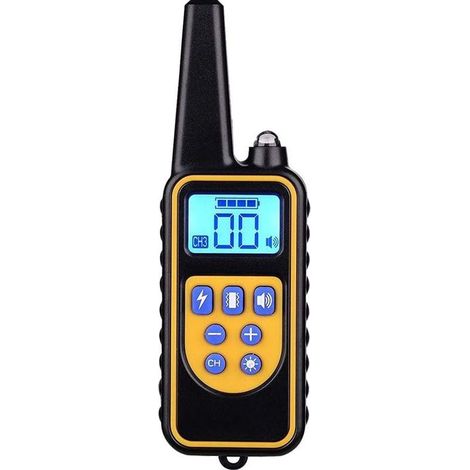
- the backlit screen for optimal visibility in the dark ;
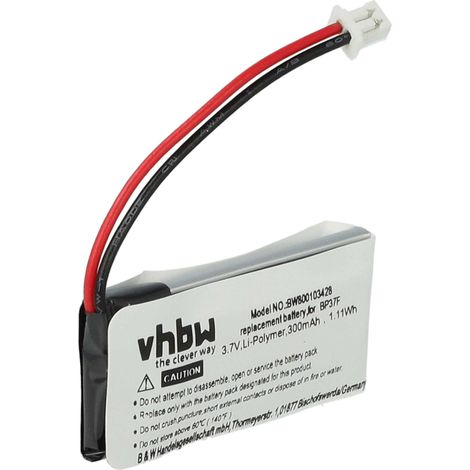
- the existence of a light indicator to show the battery charge level.
Some tips are useful for properly using a training collar:
- it should not be used to torture the animal ;
- the owner should avoid using it when in a bad mood ;
- during the initial installation, the owner should simply place the collar around the animal's neck without activating it ;
- a familiarization period of one to two weeks should be observed so the animal does not associate the collar with the stimulations. Thus, it will continue to behave well even when the collar is removed ;
- the leash should be attached to a regular collar and not to the training device.
Ultimately, the choice of a training collar depends on the size of the dog and its behavior. Consulting a canine behaviorist may be useful to avoid needlessly torturing an aggressive dog.




















'/%3E%3C/svg%3E)
'/%3E%3C/svg%3E)