1/4
Float valve for automatic water level control - Automatic shut-off - Mini float valve - Automatic water level controller - 4-minute internal connection
Buying for your business?
Negotiated prices excl. VAT up to -20%
Sold by Qiudie-homelavafans
You may also like



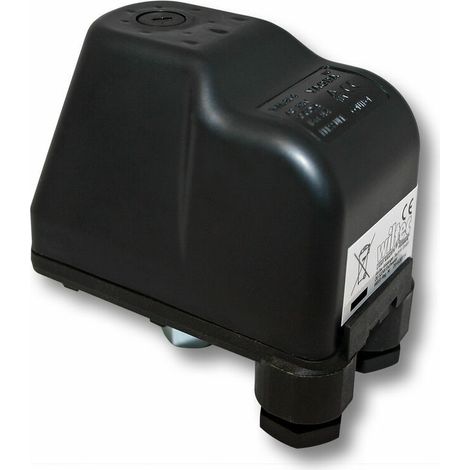

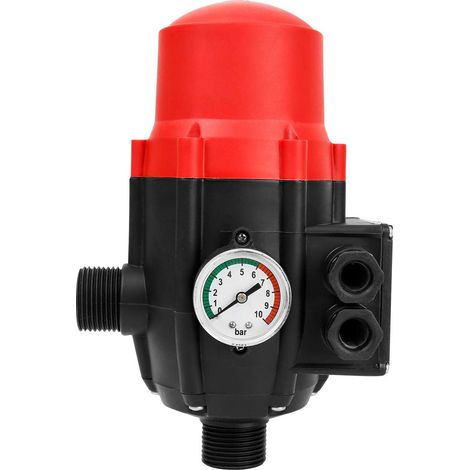

10bar water pump pressure switch, electric pressure switch, automatic on/off, automatic on/off, red (interface: G1)
2
Free shipping
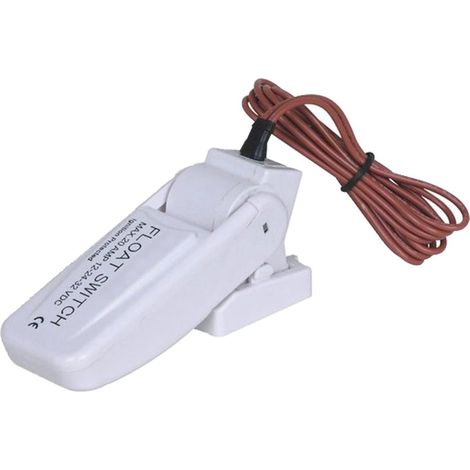

12V, 24V or 32V Automatic Float Switch for Yachts, Boats, Caravans, Water Pumps
4
(£52.28/kg)
Free shipping

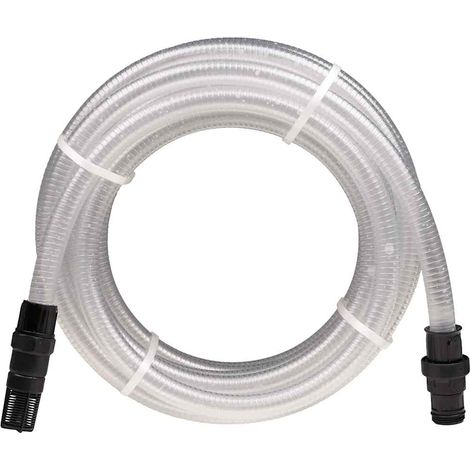
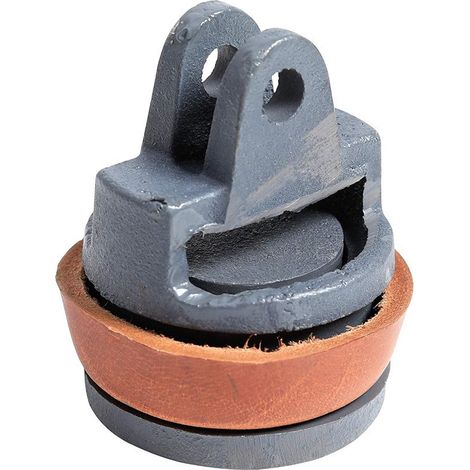

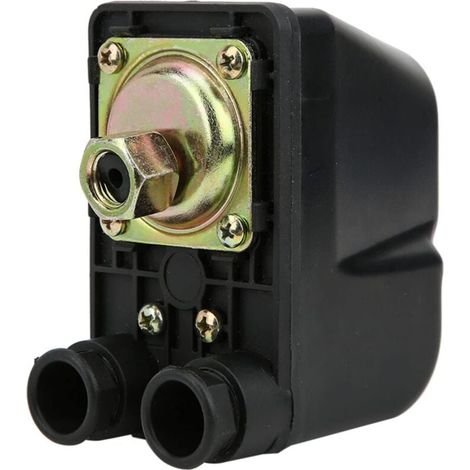

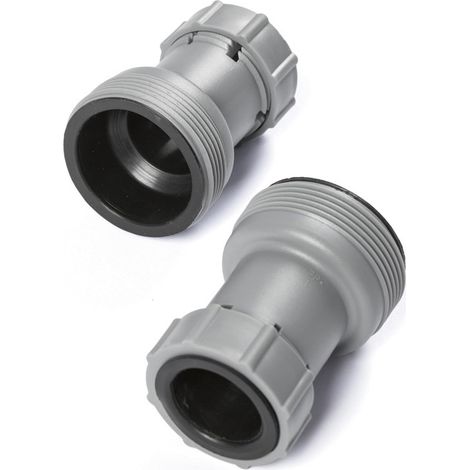
Compare with similar items
Product information
Description
No electricity/no manpower required: When the water level in the reservoir drops, the floating ball falls, and the pressure in the pipe is used to open the piston with the silicone seal in the valve body. The valve body then starts the water supply. When the water level in the reservoir rises, the floating ball floats upwards, and the connecting rod drives the piston. The silicone seal in the valve body then closes the water inlet, and the valve body stops the water supply.
This product is used for automatic water level control in water tanks, reservoirs, swimming pools, storage tanks, solar tanks, livestock drinking water, etc.
Compact design: This product is space-saving and efficient compared to traditional methods for increasing water output, which is greater than that of a conventional valve. traditional float.
Safe and Durable Materials: The fully automatic stainless steel float valve for water level control is made of food-grade stainless steel, ensuring drinking water safety. With an exquisite appearance and a rigid shell, it boasts strong resistance to friction and impact, effectively increasing the product's lifespan and eliminating friction as a problem.
Scope of Application: Compared to other ball valves, the stainless steel shell offers a higher temperature range, superior resistance to high temperatures, corrosion resistance, leak-tightness, and fire prevention, making it widely used. This product is suitable for water tanks, swimming pools, solar tanks, storage tanks, etc.
Features
- BrandOTHERS
- ColourMulticolour
- MaterialPlaster
- Float typeRigid arm float
- ManoMano ReferenceME242411599
- MMID873011312290
- Product codeQD-GB26Y45572
- EAN5007193855627
'/%3E%3C/svg%3E)
Submersible pump buying guide
Advice from our experts
You are here:
'/%3E%3C/svg%3E)