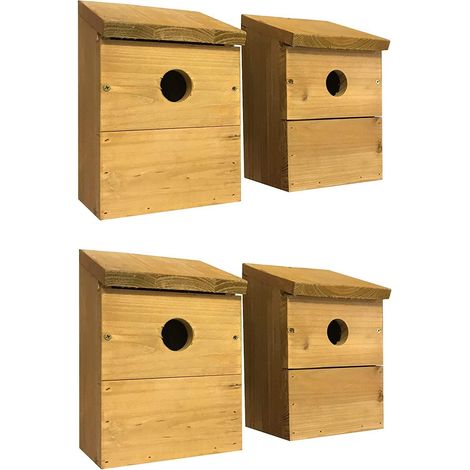
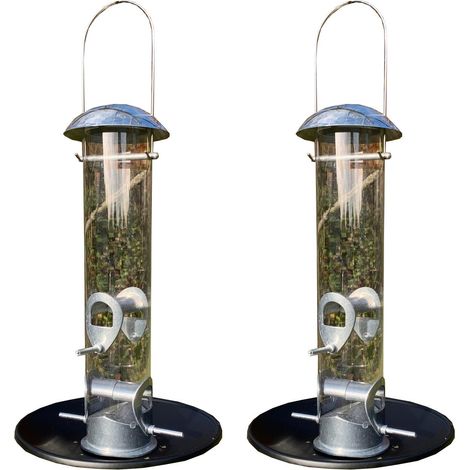
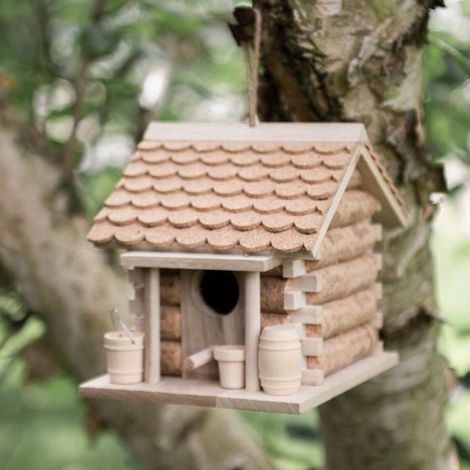
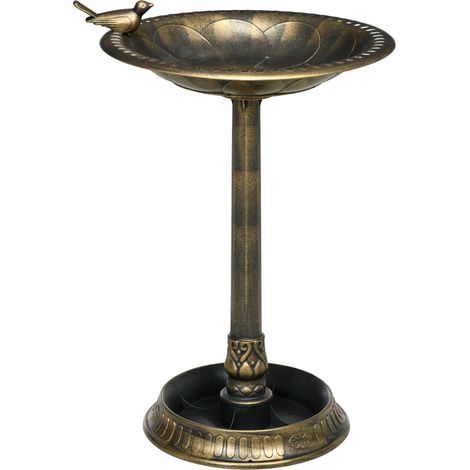
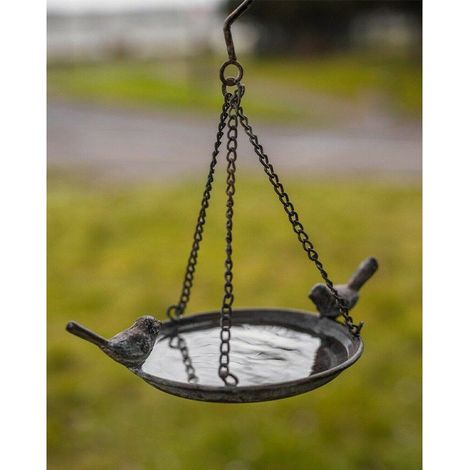
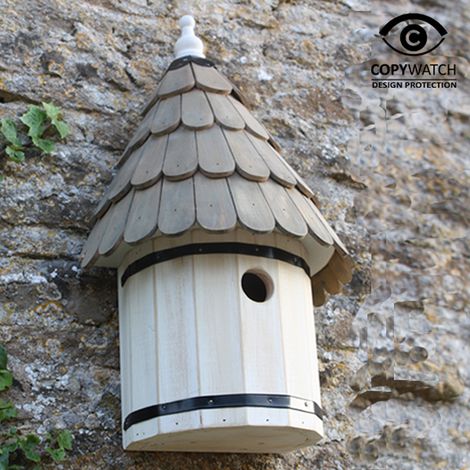
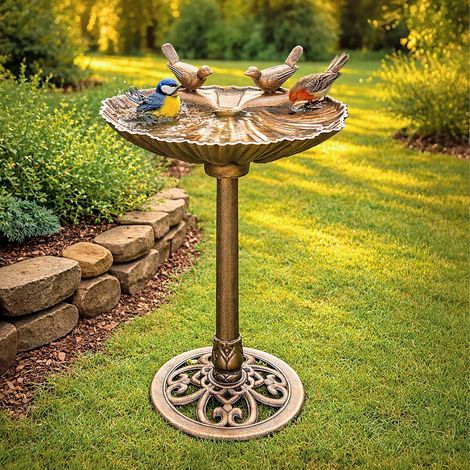
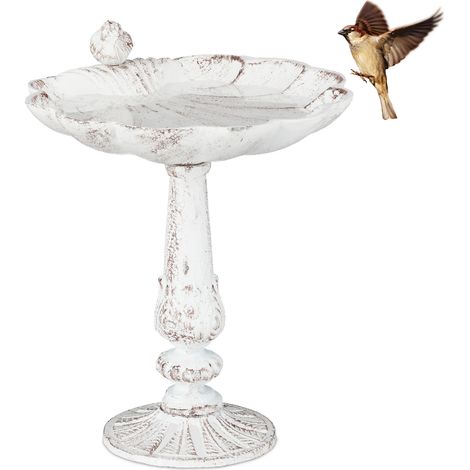
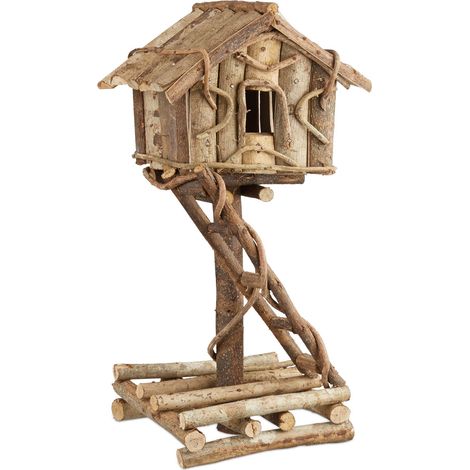
A birdhouse is a shelter within which birds build their nest to lay their eggs. As the name suggests, a feeder is a structure intended for feeding birds. Both of these structures are essential for attracting birds to the garden.
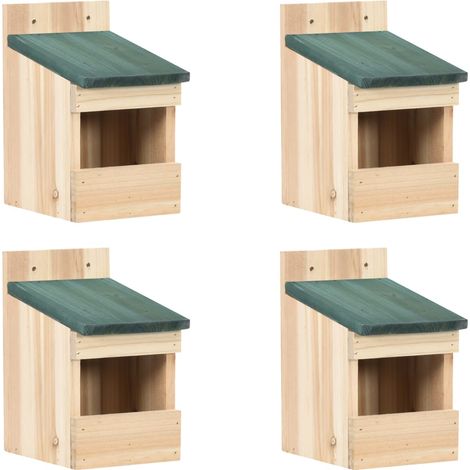
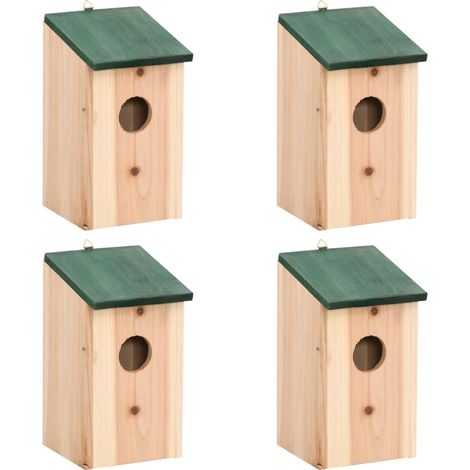
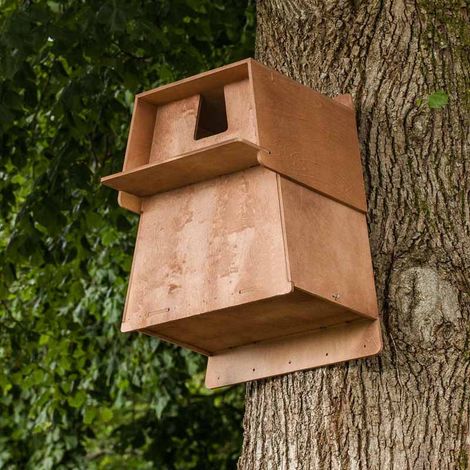
Birdhouses have characteristics to be aware of:
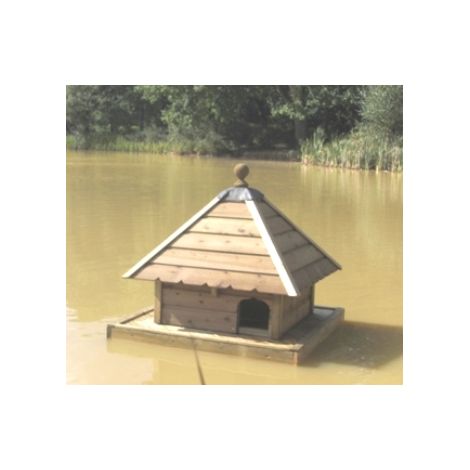
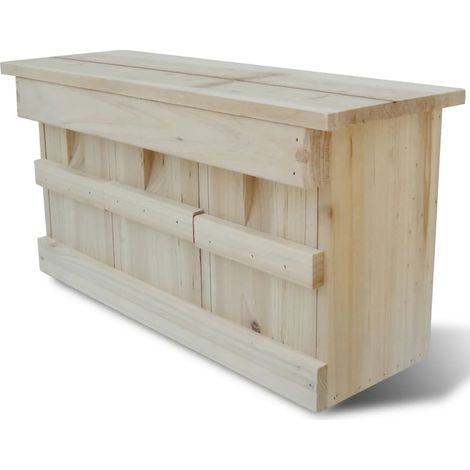
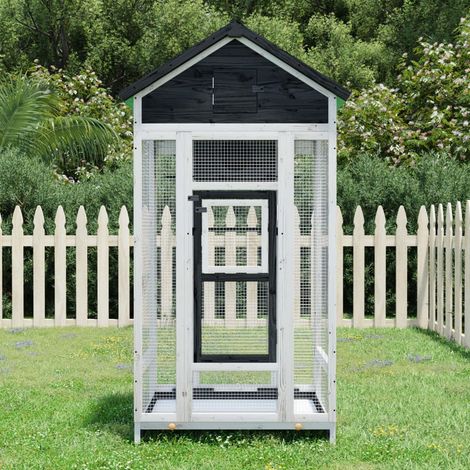
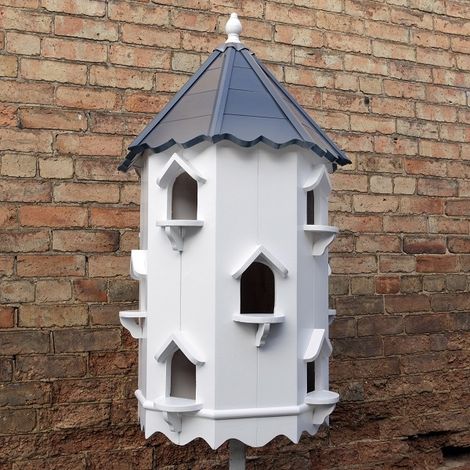
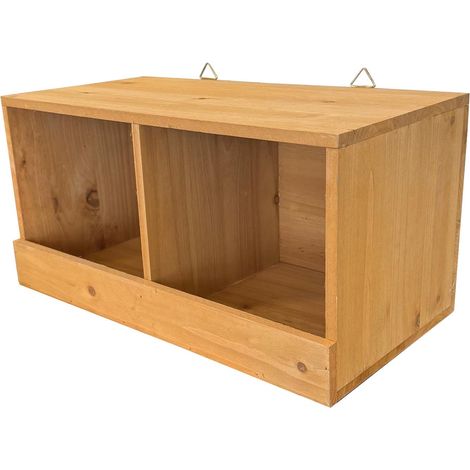
- they are little wooden houses specially arranged for birds;
- birds build their nest with twigs, feathers, or moss (the birdhouse must be empty when installed);
- birds lay their eggs and raise their young until they are ready to fly away;
- these shelters protect birds from cold, wind, rain, snow, and predators (squirrels, cats, etc.);
- the interior walls should not be too smooth, so the young can easily cling to them;
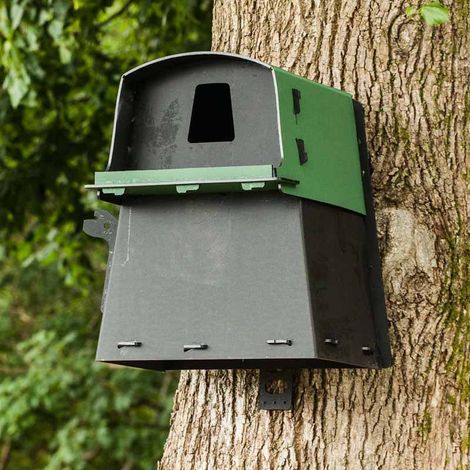
- they must be firmly attached to a tree (avoid nails to prevent injuries) using supports that are unlikely to rust;
- they should be placed away from heavily trafficked areas and oriented east-southeast or northeast;
- it is advised to install them at a distance of 1.5m to 2m above the ground for most species, except for the kestrel (8m to 12m).
The chosen model must be suited to the species it is intended to accommodate:
- a model with a hole 25mm in diameter is suitable for coal, blue, or marsh tits, 28mm for the great tit, the black redstart, or the tree sparrow, 32mm in diameter for a nuthatch or house sparrow, and 45mm for a starling;
- a model with a depth of 60mm is suitable for the spotted flycatcher against 100mm for the blackbird and the robin;
- a model of at least 140mm tall is required for a wren.
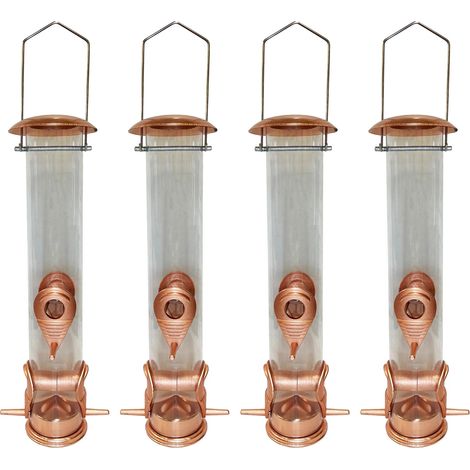
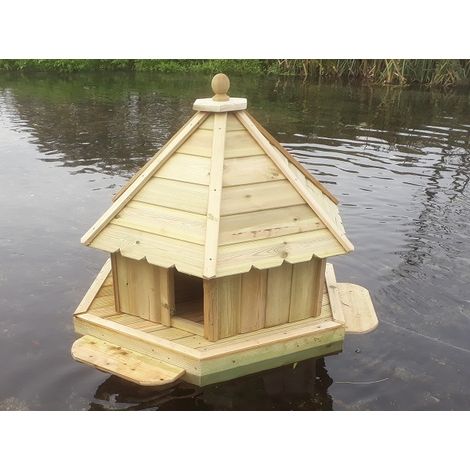
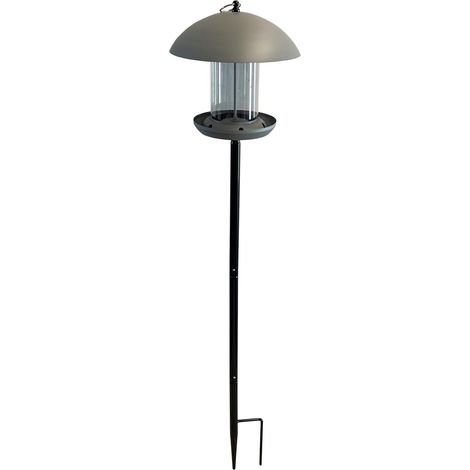
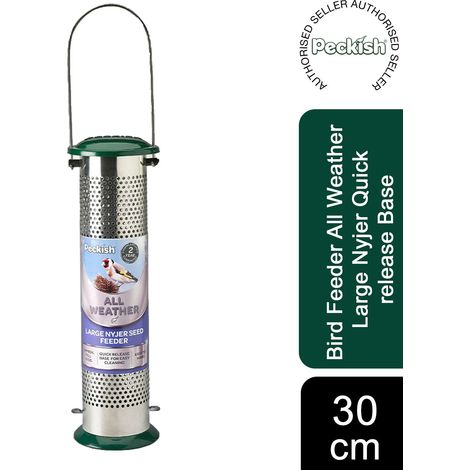
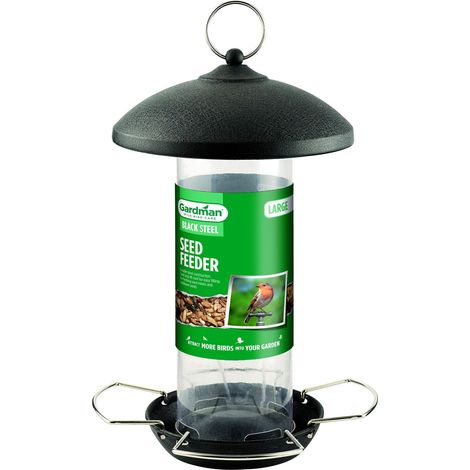
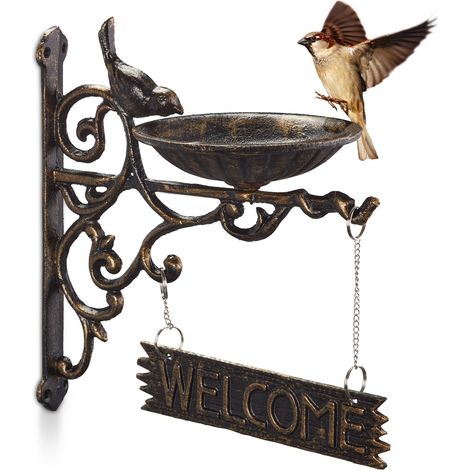
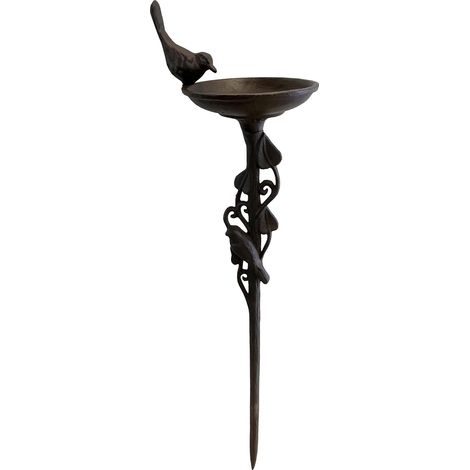
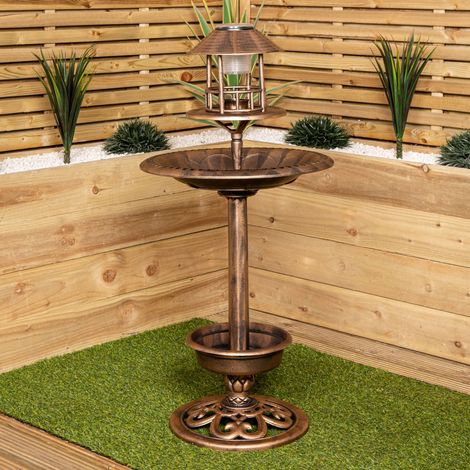
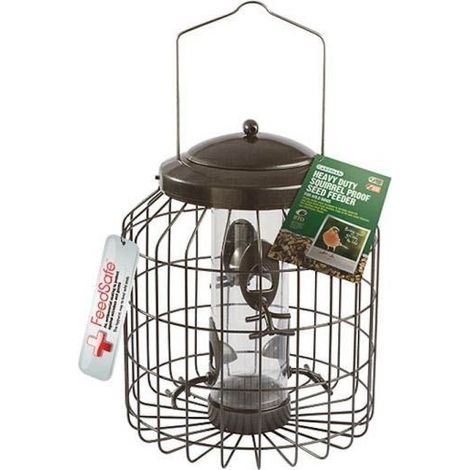
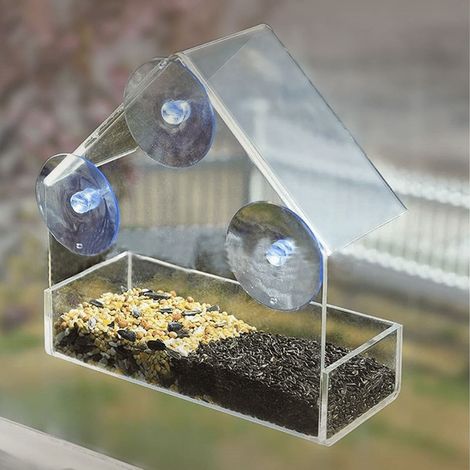
Feeders also have some characteristics to be aware of:
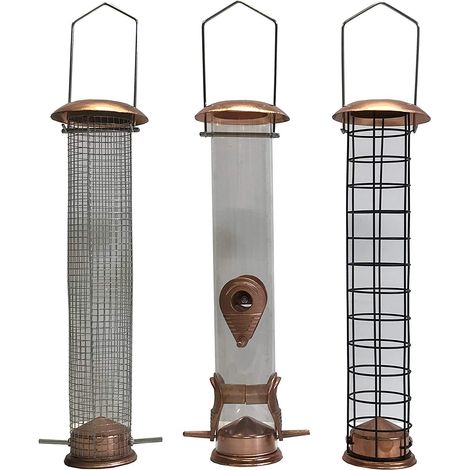
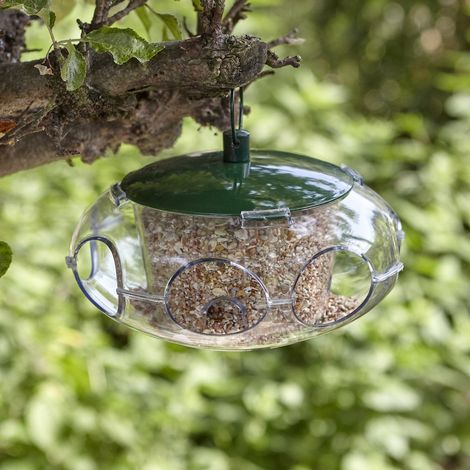
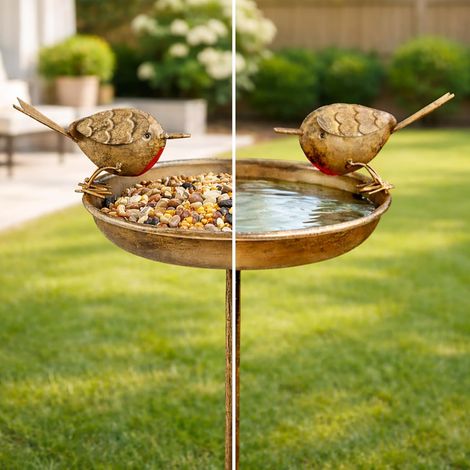
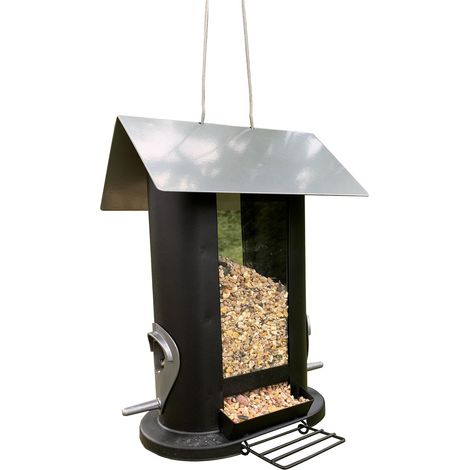
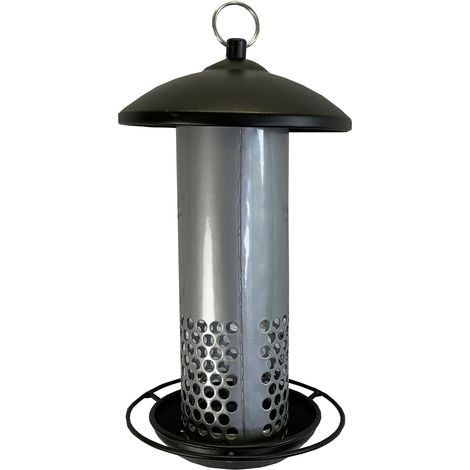
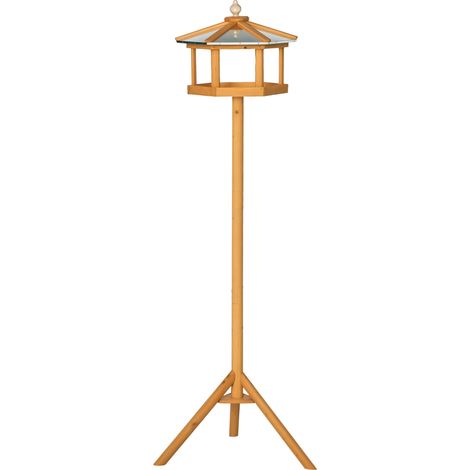
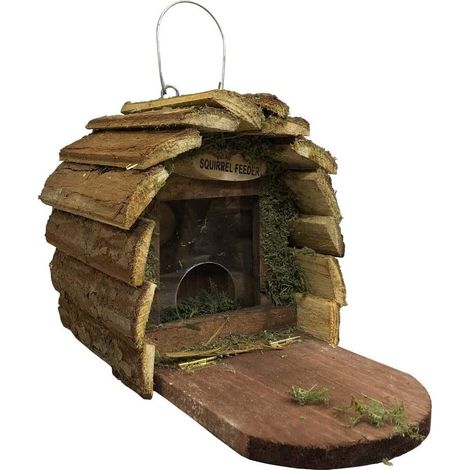
- they are intended for storing bird food (essential for encouraging them to stay);
- their lid can be lifted to add food;
- they must be installed sheltered from the wind;
- they should be placed a few meters from the habitat (so as not to scare the parents in case other birds come to eat);
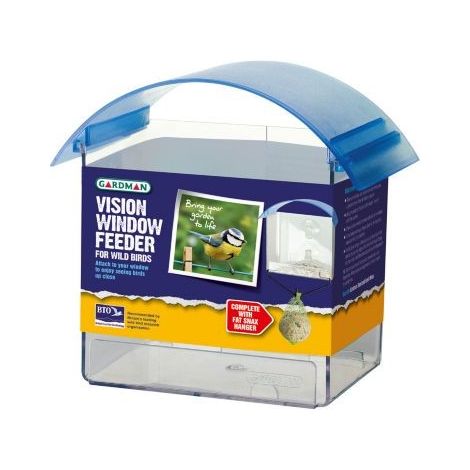
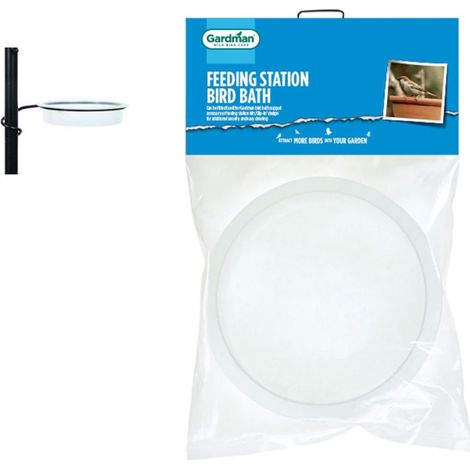
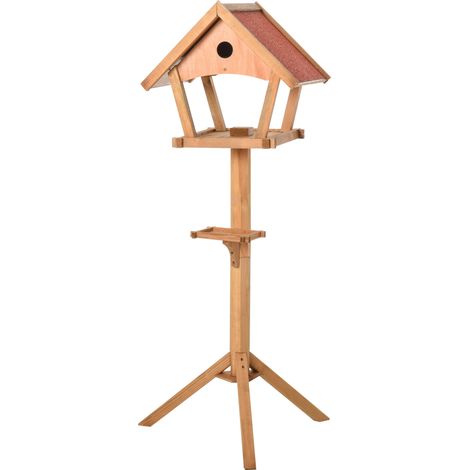
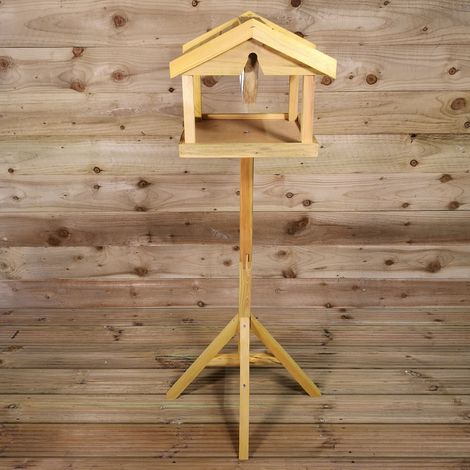
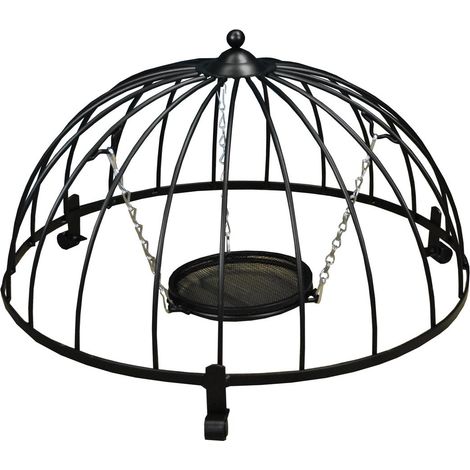
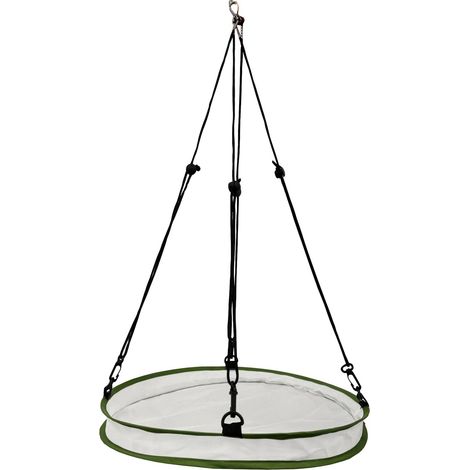
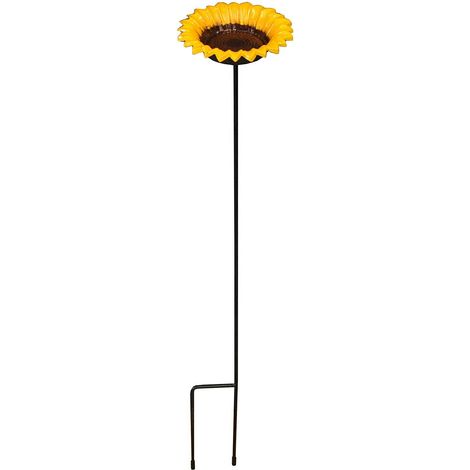
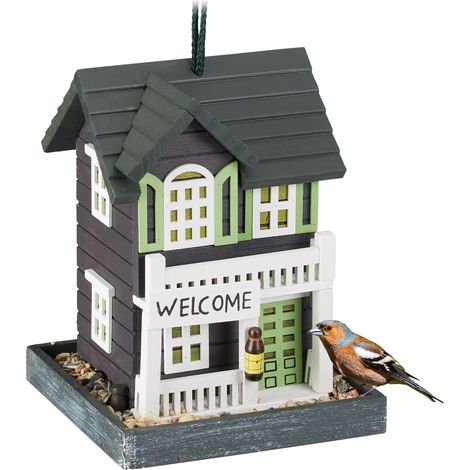
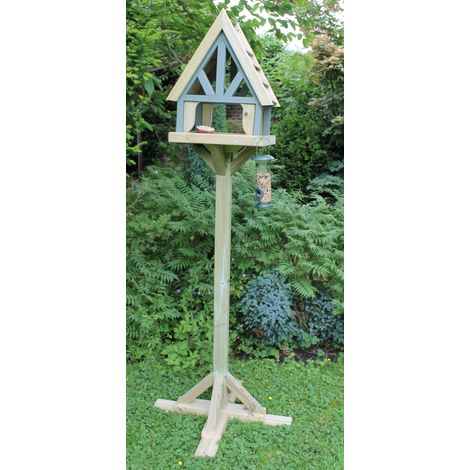
- they can be hung from a branch, affixed to the end of a pole, or placed on a windowsill;
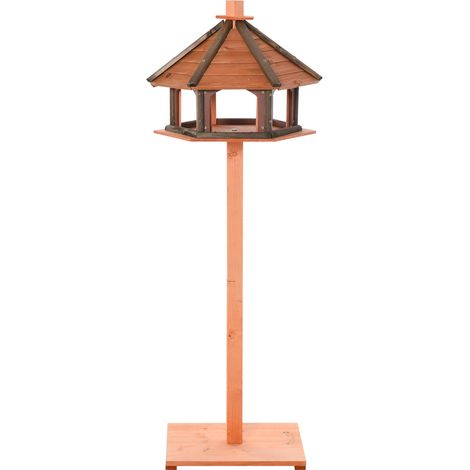
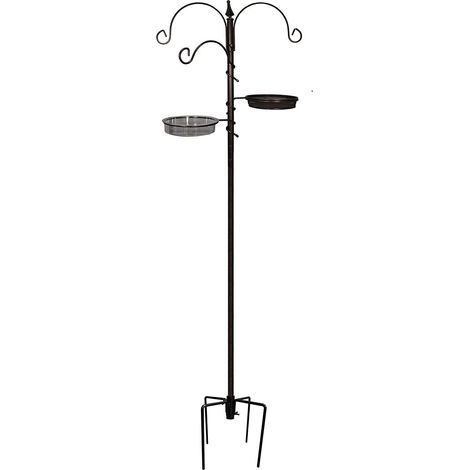
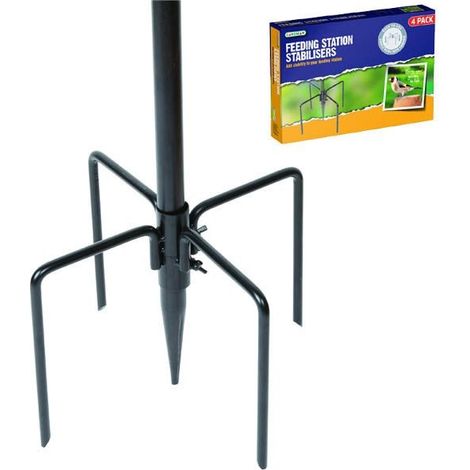
- a pole with several branches can host food stations for different species;
- their installation near a hedge or shrub allows birds to easily find shelter in case of danger.
Some tips for feeding:
- it is necessary to regularly fill the feeder, especially during periods when food is scarce;
- sunflower seeds for granivores like sparrows, grosbeaks, or greenfinches, fat for insectivores like the robin or tits, and unsalted peanuts for omnivores like the tits or nuthatch;
- to be avoided are salty foods, dry bread, dried coconut, and rice grains.
Thus, the choice of a birdhouse and a feeder depends on the bird species the installer wishes to attract.










'/%3E%3C/svg%3E)
'/%3E%3C/svg%3E)