A brushcutter is used to cut back undergrowth or overgrown grass. When purchasing a brushcutter, you should think about power supply and output, the size of your garden and cutting width. You'll also have to decide between various models in terms of cutting technology and accessories, and whether you want a ride-on or self-propelled model. If you need to trim grass around pathways or finish off your lawn, go for a strimmer. A brushcutter can be used to prune brambles as well as tall grass and undergrowth. Powered by electricity or petrol, you can choose between handheld, backpack, self-propelled and ride-on models. These machines can be used to replace your mower to a certain extent if you have uneven or overgrown terrain to tackle. Alternatively, you can use a scythe mower.
Brushcutters come in a variety of models with different power sources and ratings:
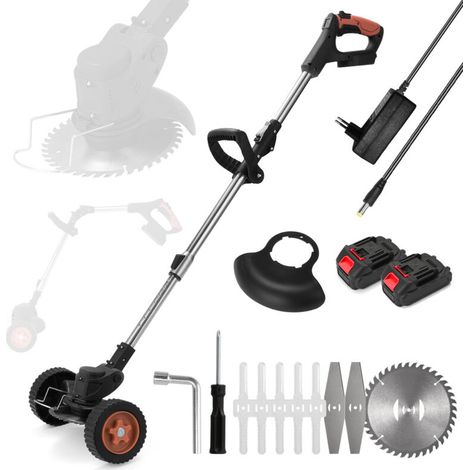
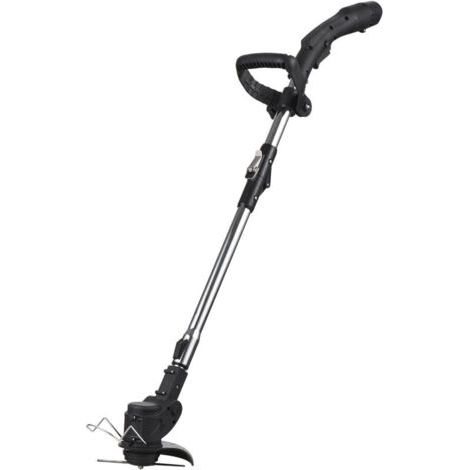
- electric strimmers offer about 250 W to 1,000 W and work just fine for trimming borders;
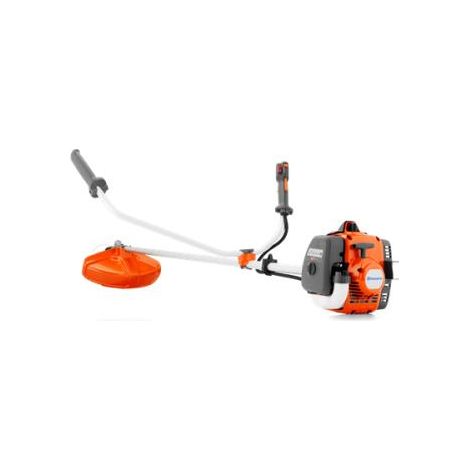
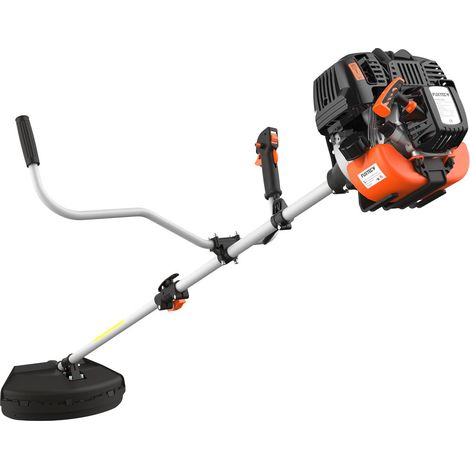
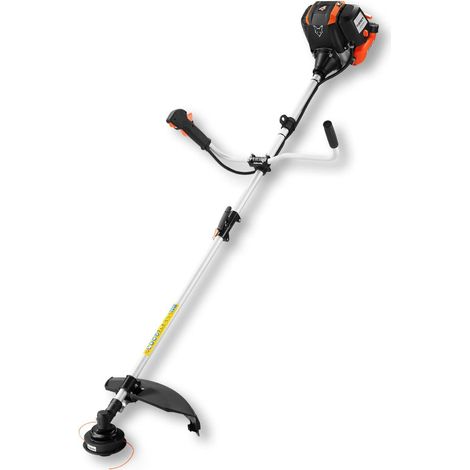
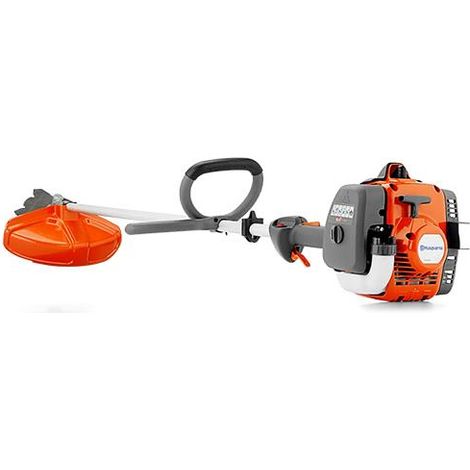
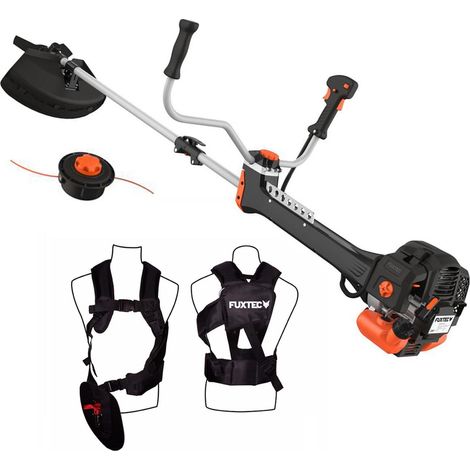
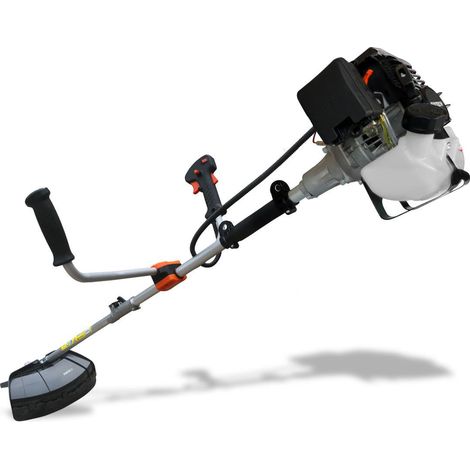
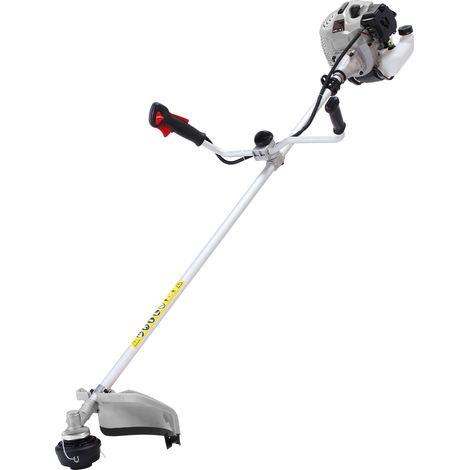
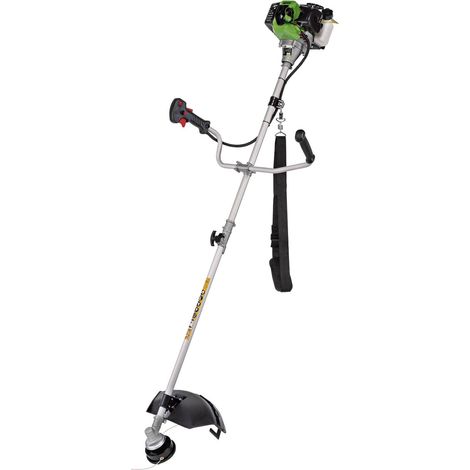
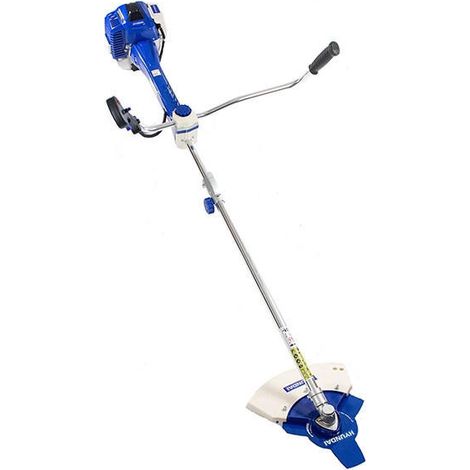
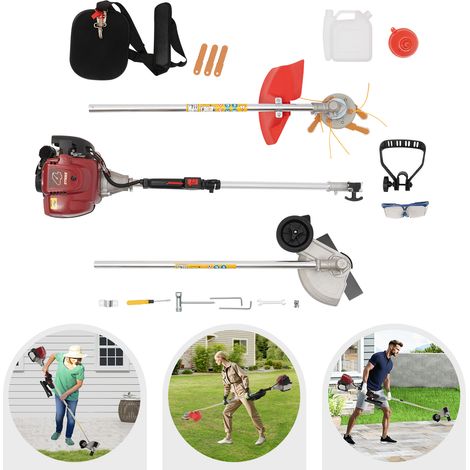
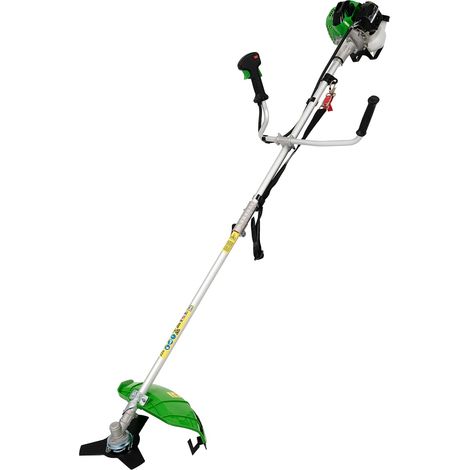
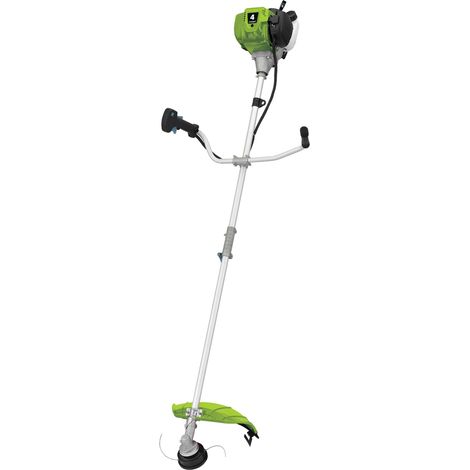
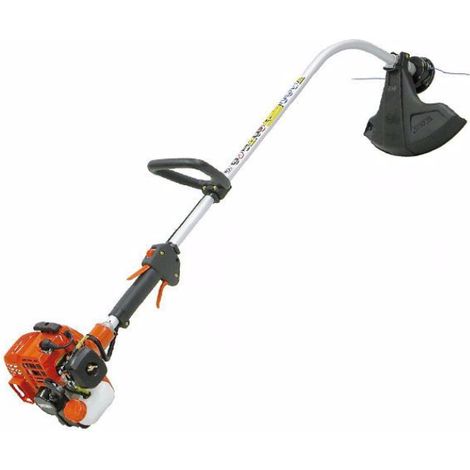
- a handheld trimmer or brushcutter can be electric (1000 W to 2000 W) or petrol-powered (30 cm³ to 40 cm³);
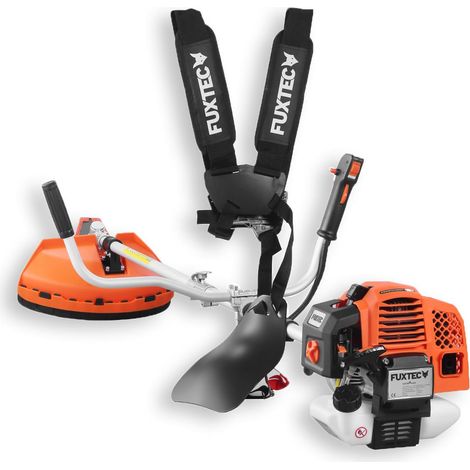
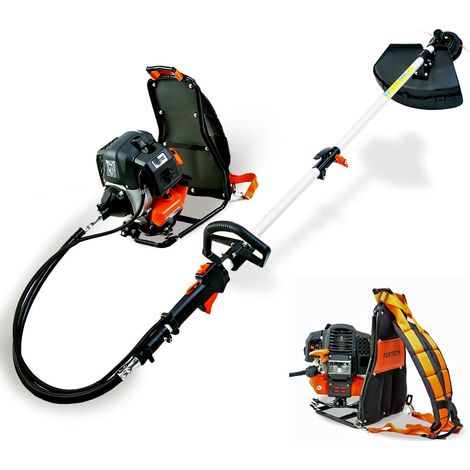
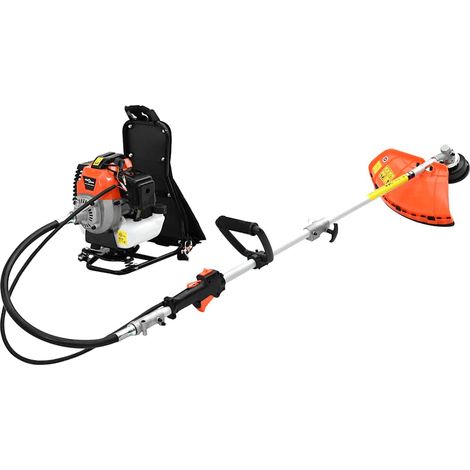
- backpack brushcutters have an engine capacity of 40 cc and beyond;
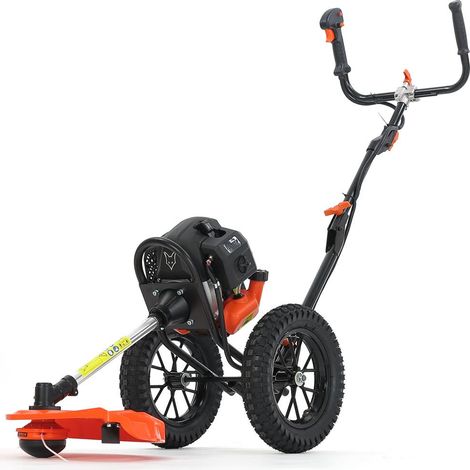
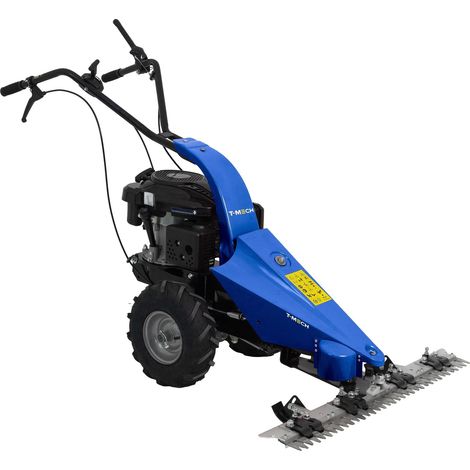
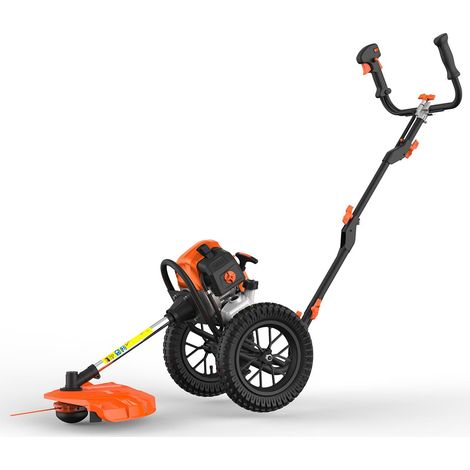
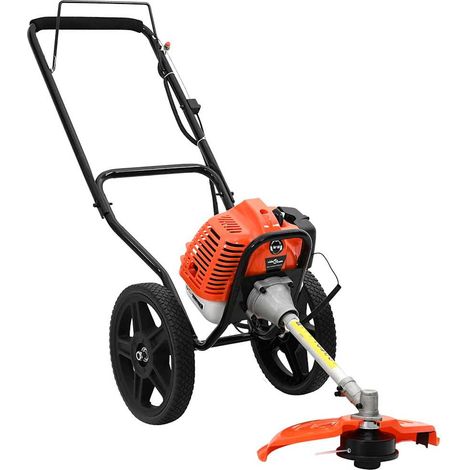
- self-propelled brushcutters are equipped with a 150 cc to 200 cc engine;
- ride-on models have a power output of 8 to 20 hp.
Your choice of equipment depends on the type and size of the area you need to tackle:
- a strimmer should suffice for areas measuring less than 1,000 m²;
- a handheld brushcutter will work for an area measuring less than 2,000 m²;
- a backpack brushcutter works best for areas stretching up to 5,000 m²;
- a self-propelled machine can tackle up to 10,000 m²;
- a ride-on model is best for any area over 10,000 m².
Your choice of cutting system depends on the types of plants you need to cut back:
- a double-line nylon head is great for lawns or softer grass;
- a quadruple-line head works for overgrown grass or small brambles;
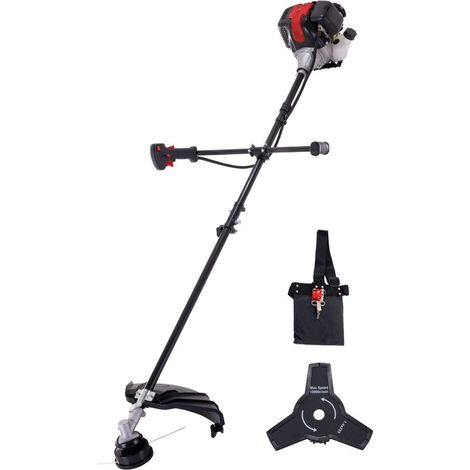
- a knife blade is used to cut overgrown grass, small bushes or brambles;
- a chisel blade (with 3 to 7 teeth) works for brambles, undergrowth or new growth measuring less than 3 cm in diameter;
- a chisel blade (with 30 to 80 teeth) is used to tackle large brambles, new shoots measuring up to 5 cm in diameter or dense undergrowth.
In short, your choice of brushcutter depends on the size of your garden as well as the density of the vegetation you're hoping to clear.
You may be interested in these guides













'/%3E%3C/svg%3E)
'/%3E%3C/svg%3E)