Various pieces of furniture are useful in a workshop to optimize the working conditions for users. Tables, seats, workbenches, storage units, and tool holders are essential for comfort and practicality reasons.
Workshop tables are among the essentials.
- They must be sturdy and resist both impacts and rust.
- The most common models have a top and a metal base. Wood models are also available.
- They are height adjustable to optimize the worker's comfort whether sitting or standing.
- It is advisable to check if the maximum weight supported by each model meets the user's needs.
Workbenches are also indispensable.
- They can be made of solid wood (for carpenters) or metal (for mechanics and DIY enthusiasts).
- The dimensions of the top must be suitable for the work to be performed.
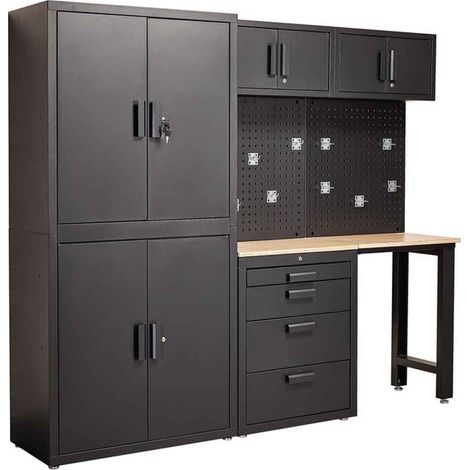
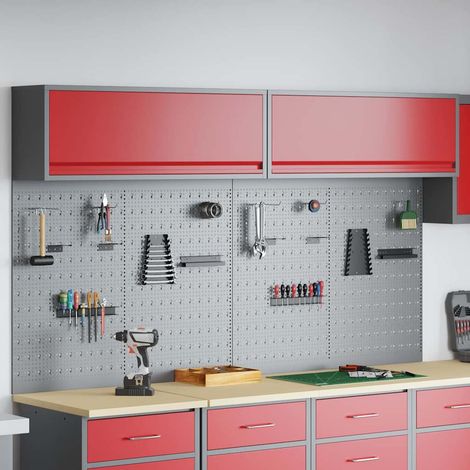
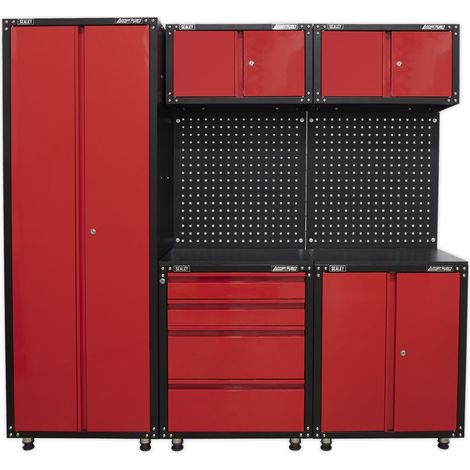
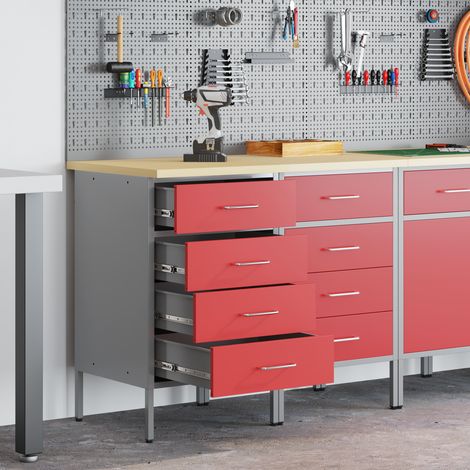
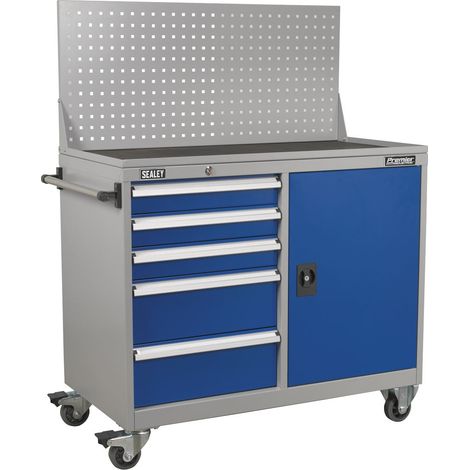
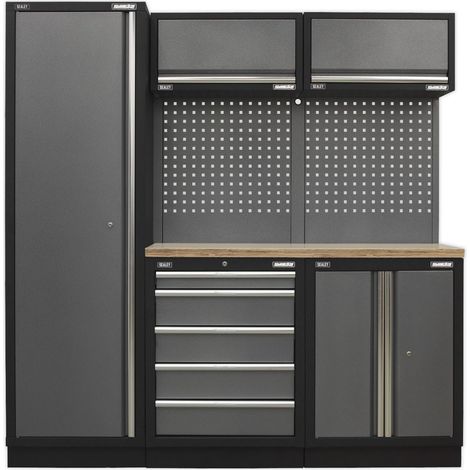
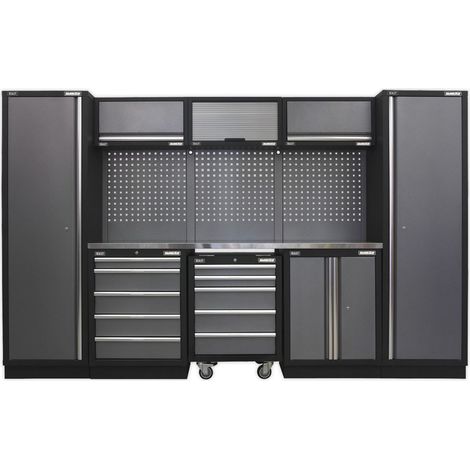
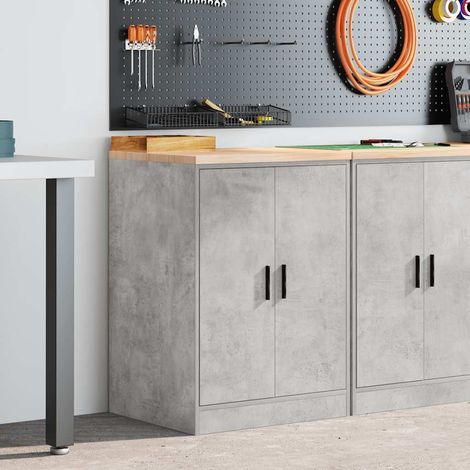
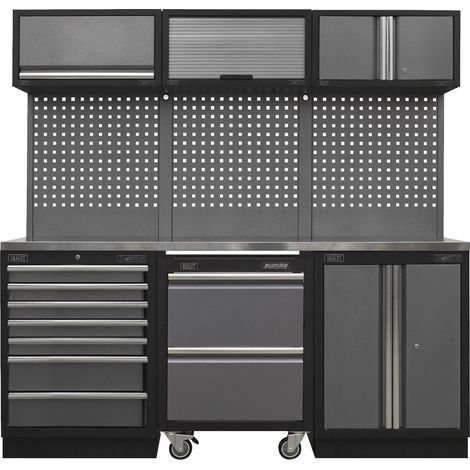
- They are equipped with a storage panel to hold various tools (wrenches, screwdrivers, hammers, pliers, drills, grinders, etc.). Thus, the DIYer has everything they need within reach.
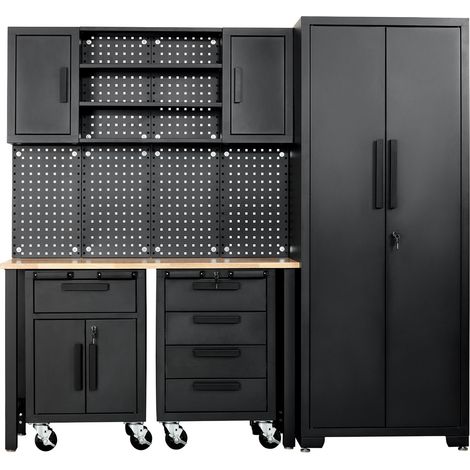
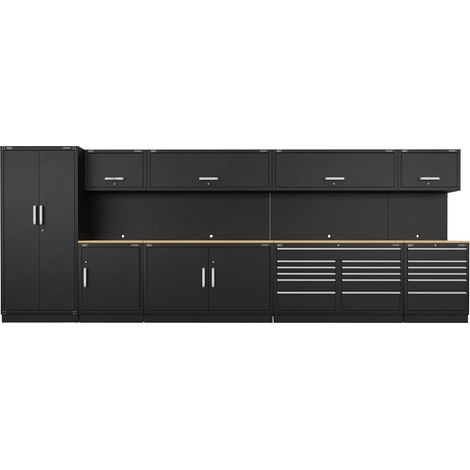
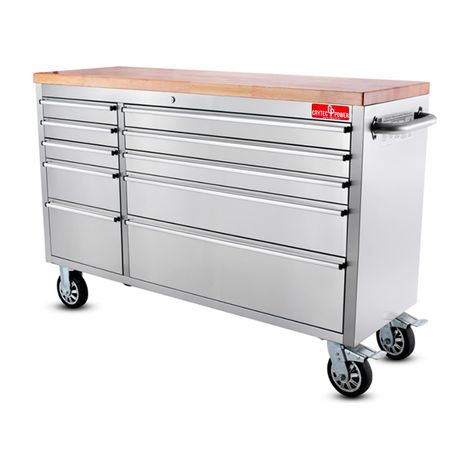
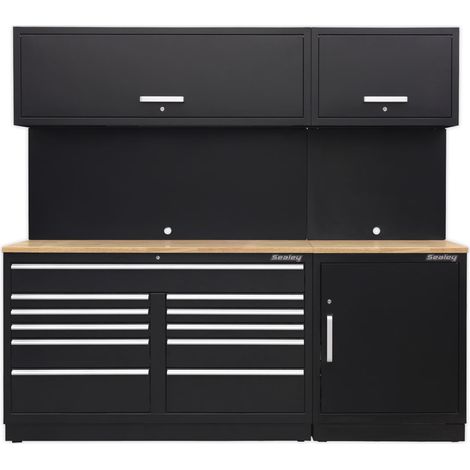
- They are modular to adapt to users' needs. Users can add drawers, shelves, a vice, or even a circular saw.
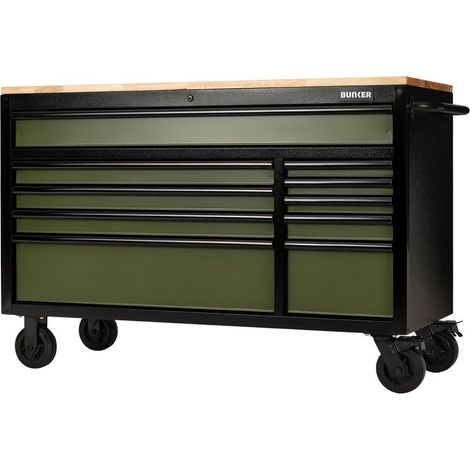
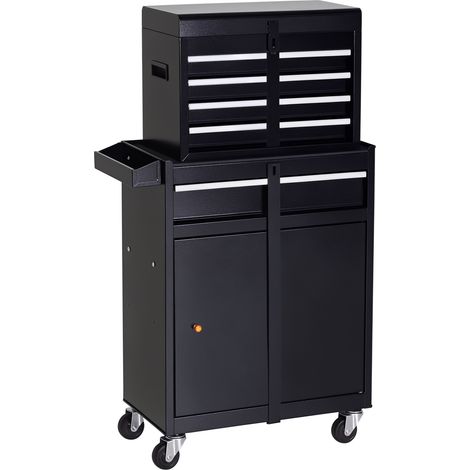
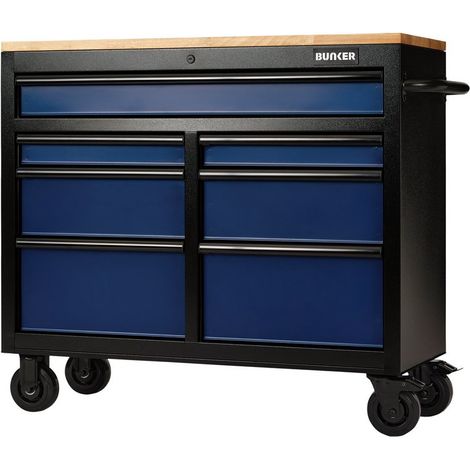
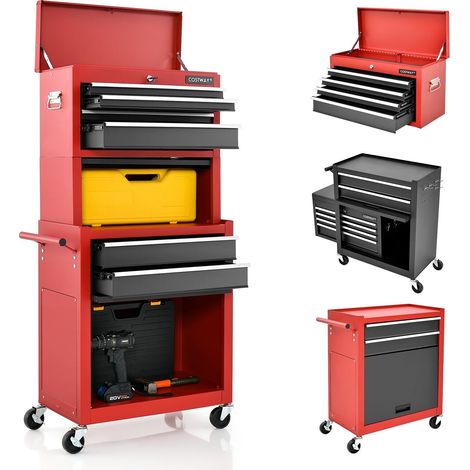
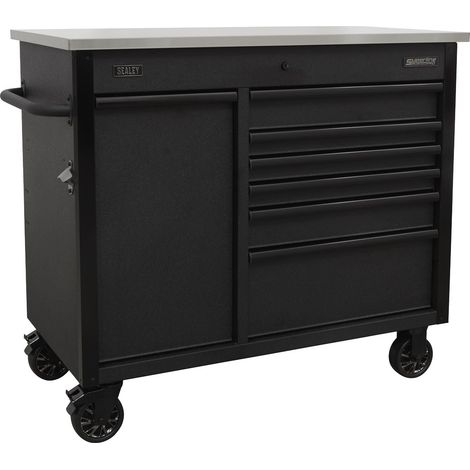
- Some versions are mounted on wheels for mobile use.
Workshop seats are useful for working comfortably for hours:
- they can be provided with or without a backrest;
- wooden models called carpenter's stools are most often found in carpentry or joinery workshops;
- metal models are referred to as mechanic's stools;
- some versions are fitted with drawers or a tray for tools;
- steel models are height adjustable with a central piston;
- sit-stand models are useful for working while standing for hours;
- the seat's covering can be polyurethane, fabric, or wood (for wooden models);
- they can be mounted on casters or equipped with non-slip pads.
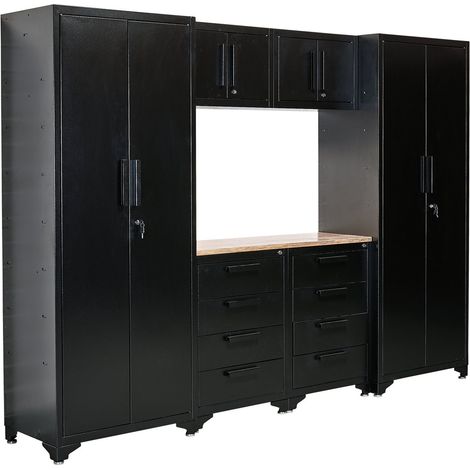
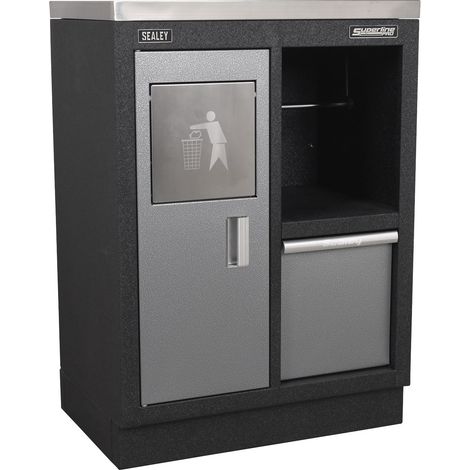
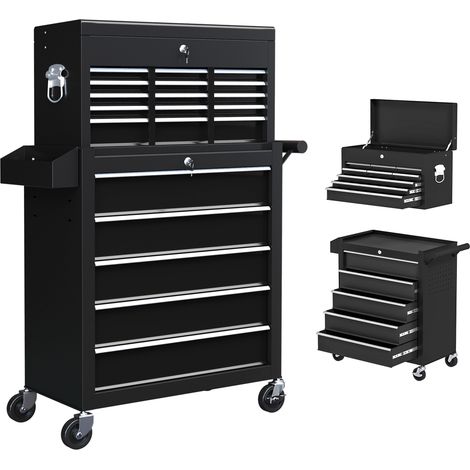
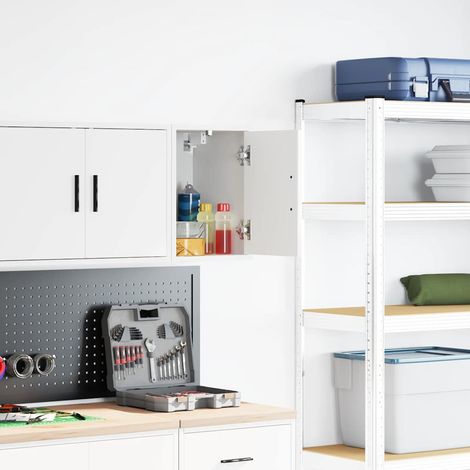
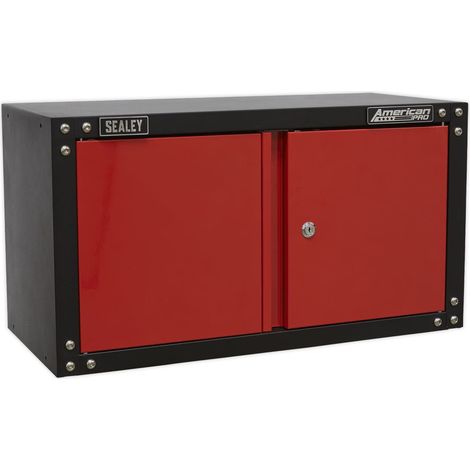
Storage furniture is necessary to optimize the use of space:
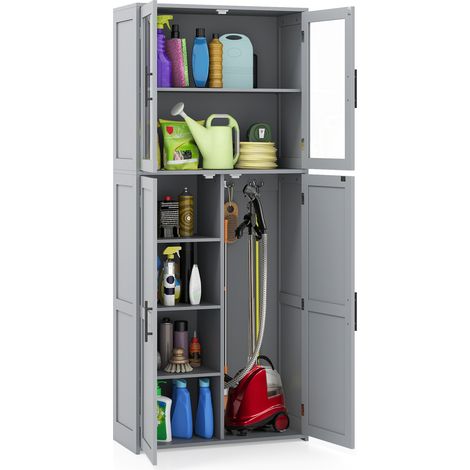
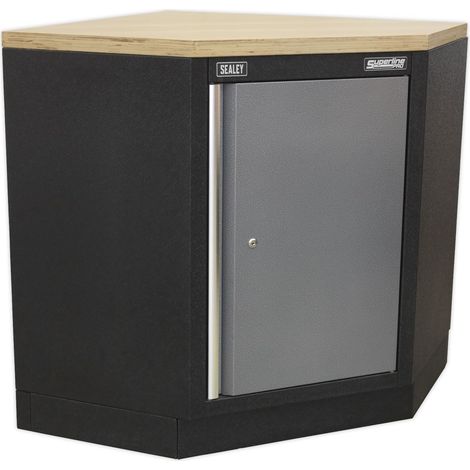
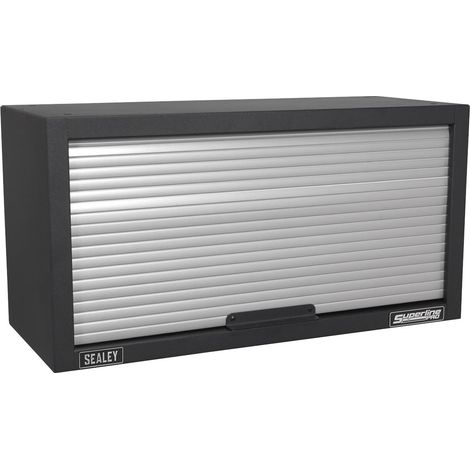
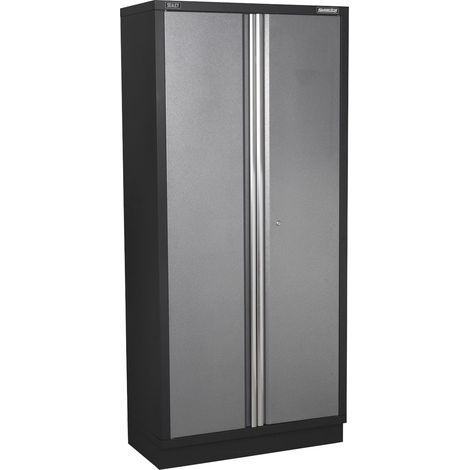
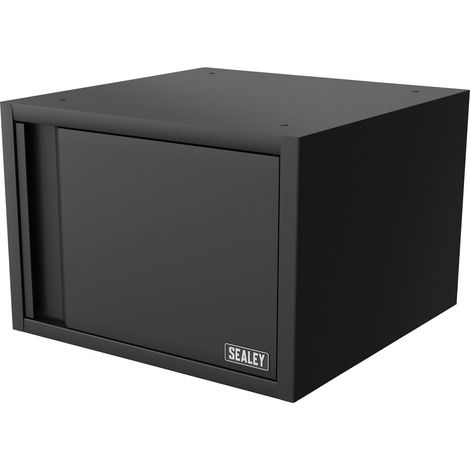
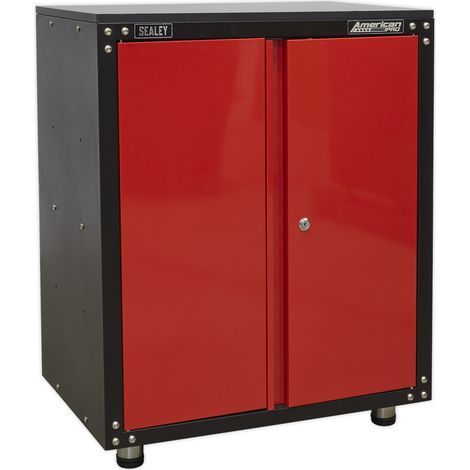
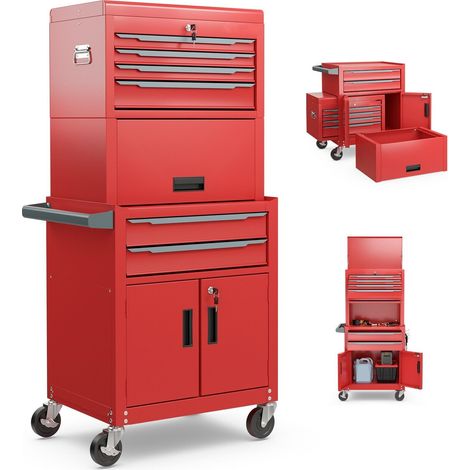
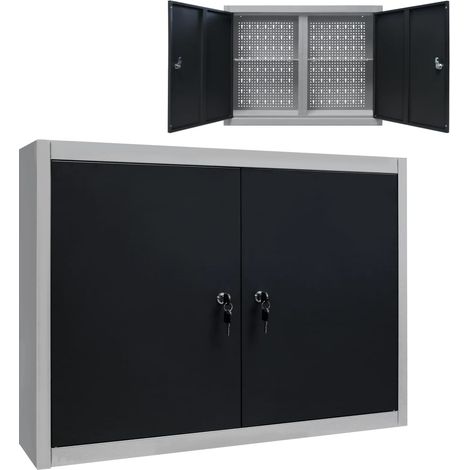
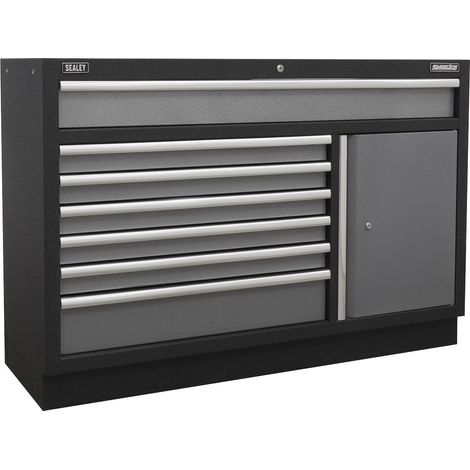
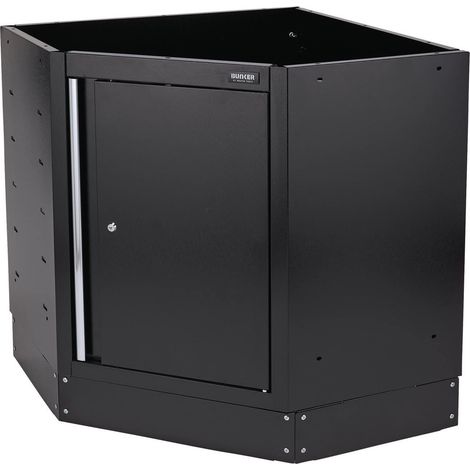
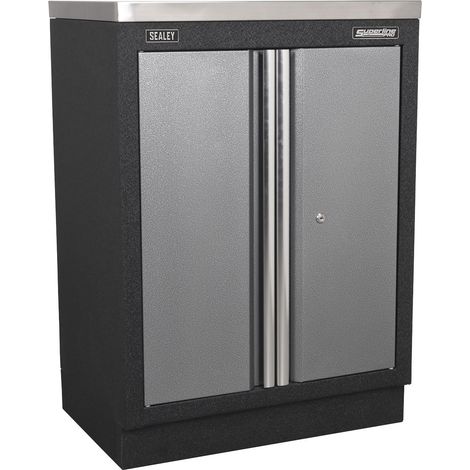
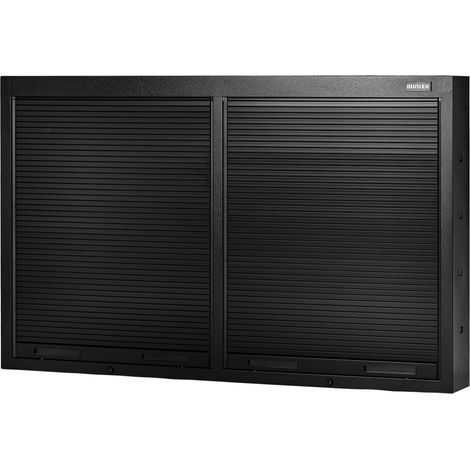
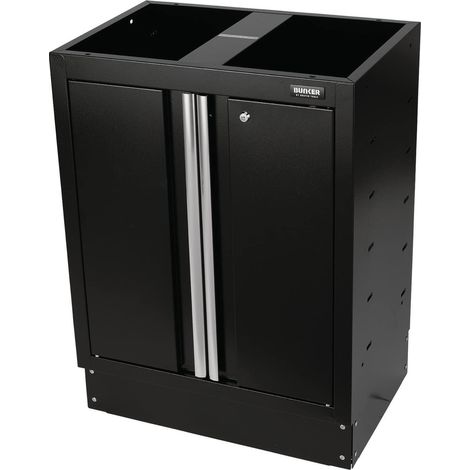
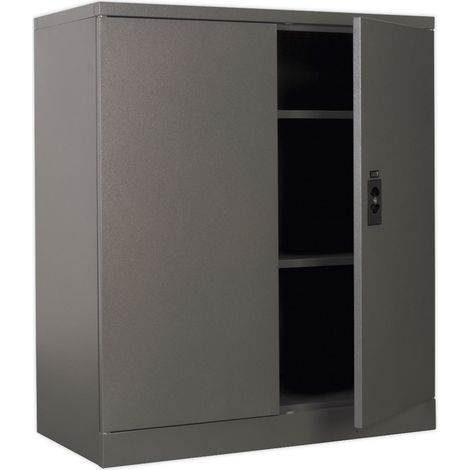
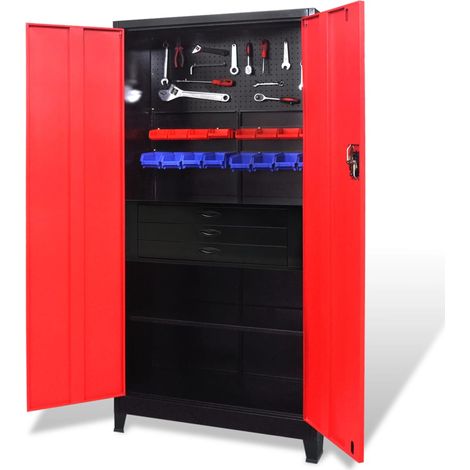
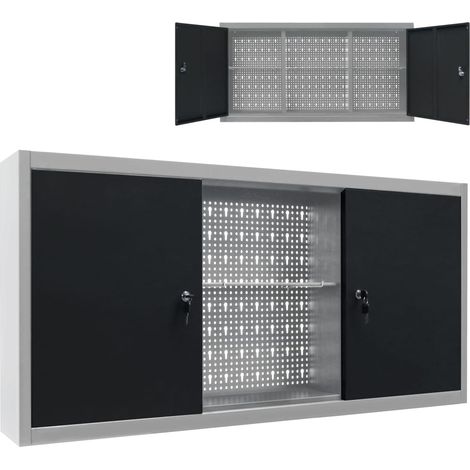
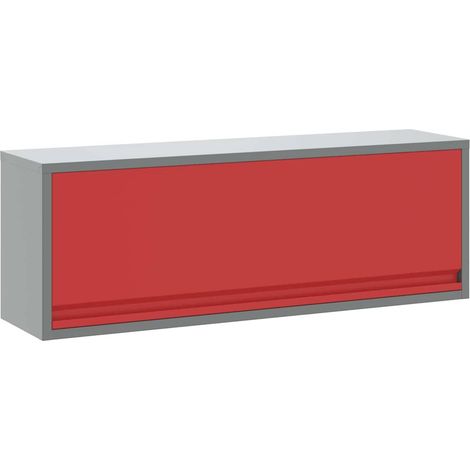
- metal workshop cabinets to store parts or accessories of different sizes;
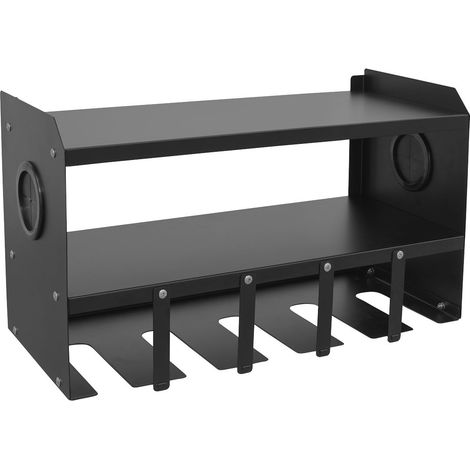
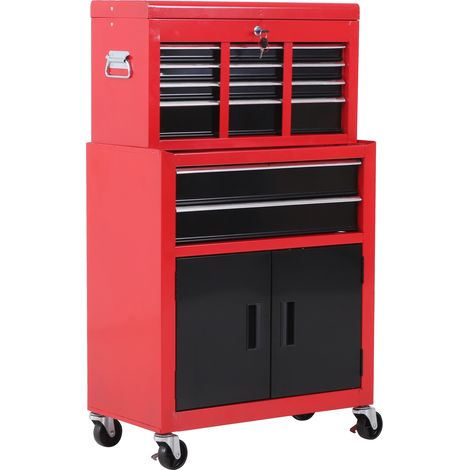
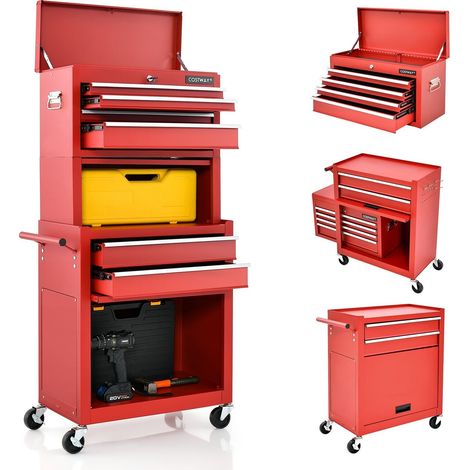
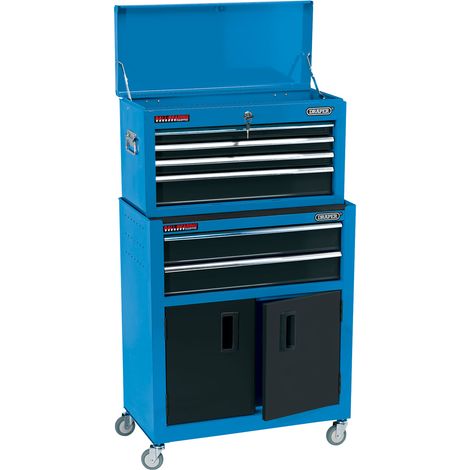
- tool cabinets;
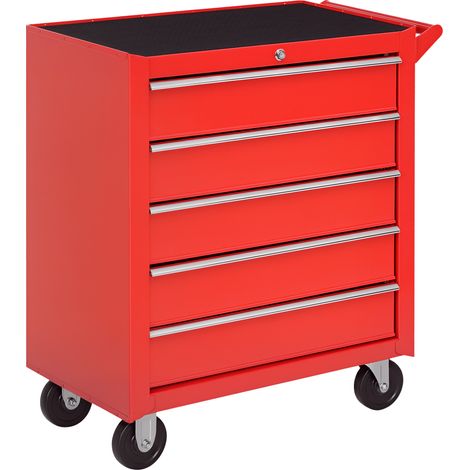
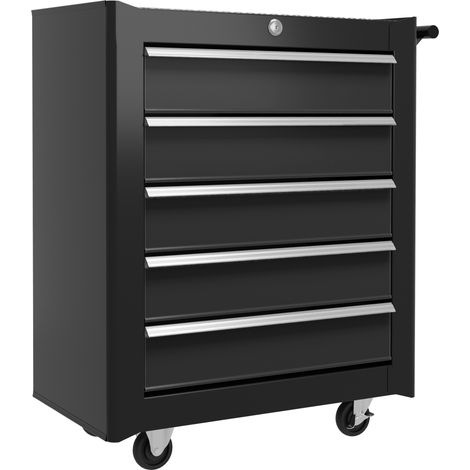
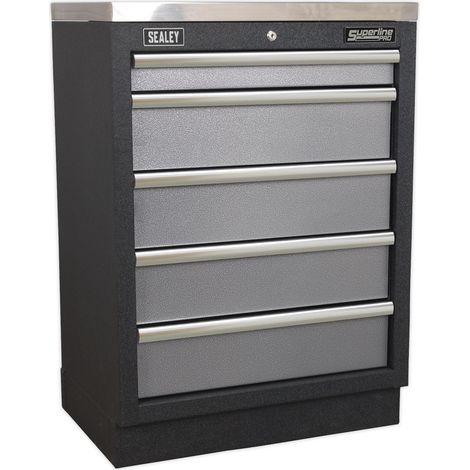
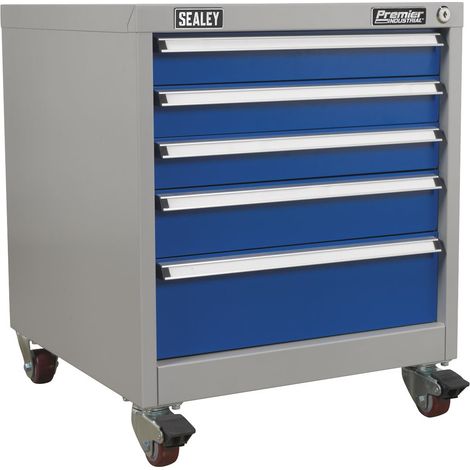
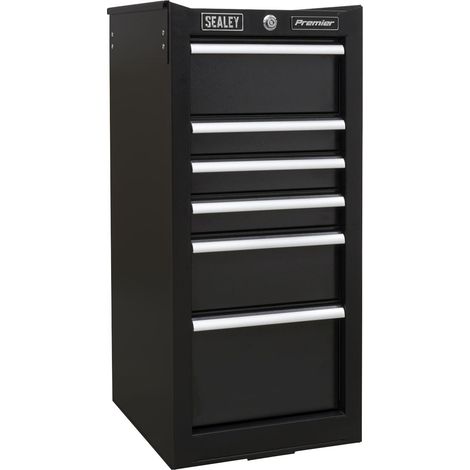
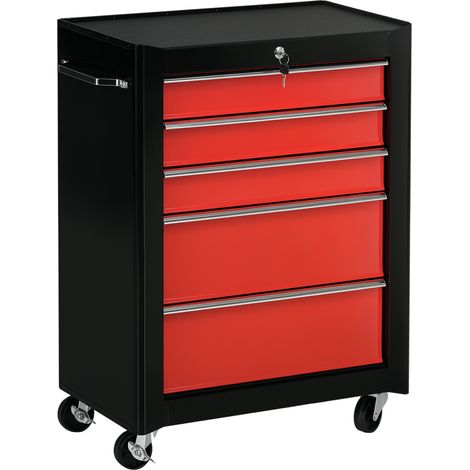
- low furniture called drawer chests is also suitable for tool storage;
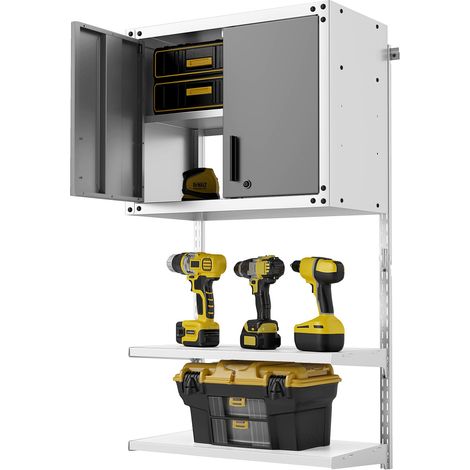
- wall mounts (hooks or shelves) to store tires;
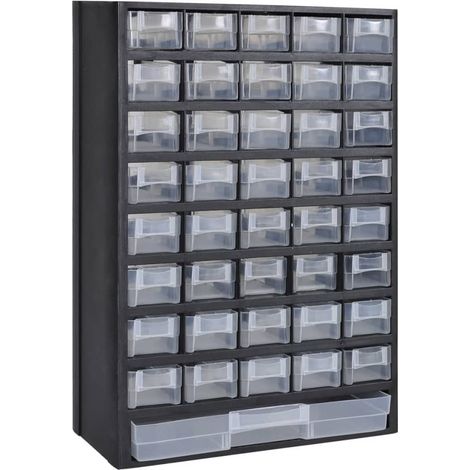
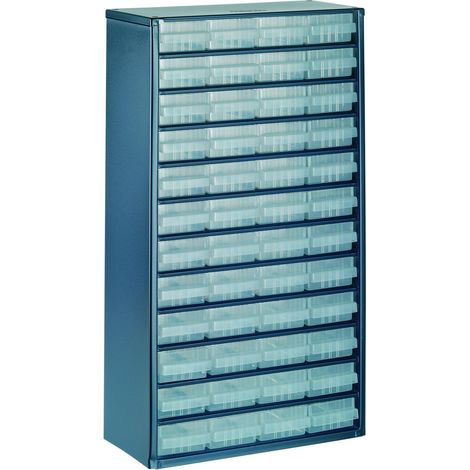
- shelving with bins for small parts;
- trunks for heavy objects;
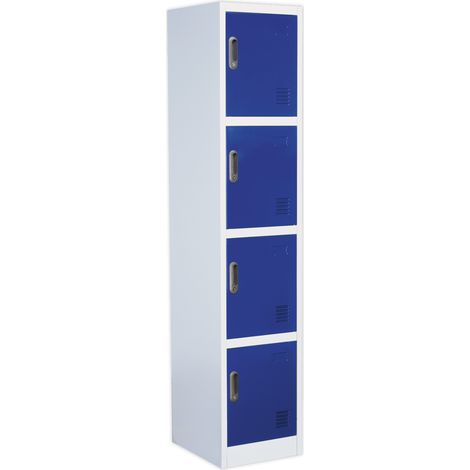
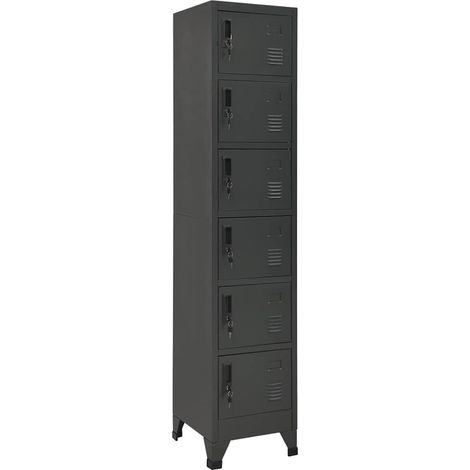
- a locker room for workers.
Thus, each piece of workshop furniture has its usefulness. While some serve as workstations, others are essential for storing parts, accessories, and tools.









'/%3E%3C/svg%3E)
'/%3E%3C/svg%3E)