Side gates are used to allow people on foot to enter or exit a property. Installing a side gate prevents you from having to open up your main gate every time someone leaves. They can also add a decorative touch to your outdoor space.
Side gates offer the following characteristics:
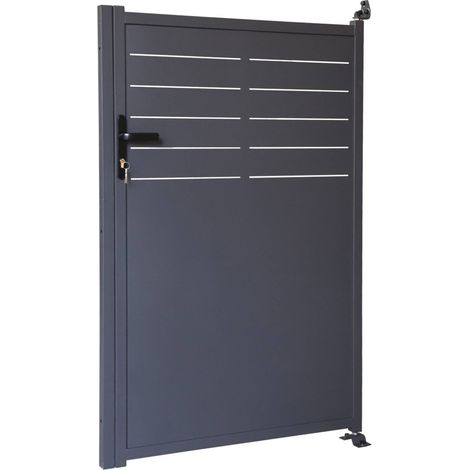
- they swing open and are made up of a single leaf;
- they differ in size and shape;
- they can be automated.
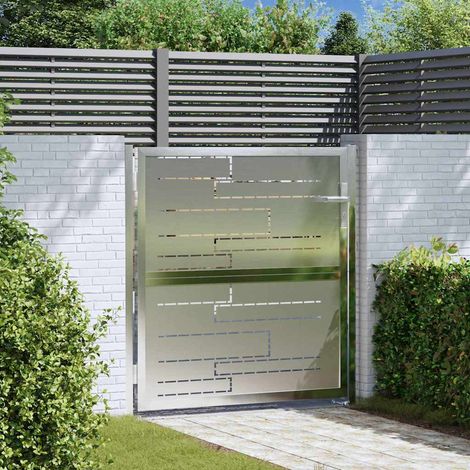
Side gates can be made of various materials, each of which offers its own set of advantages.
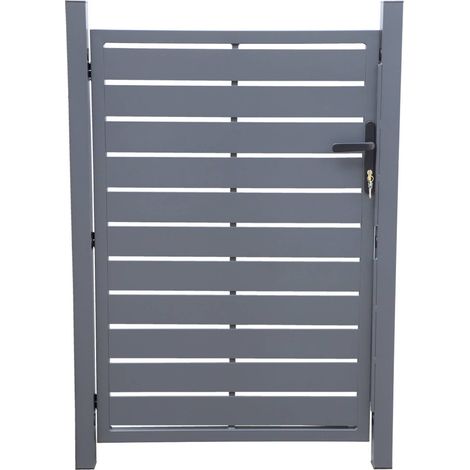
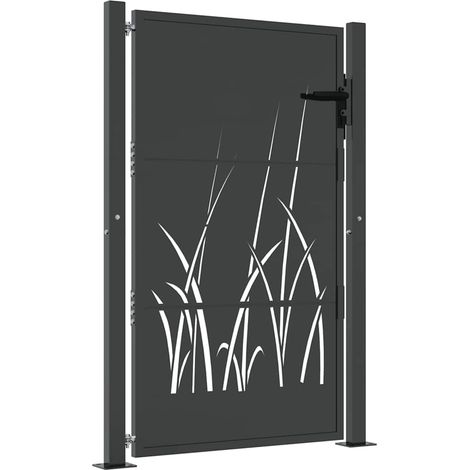
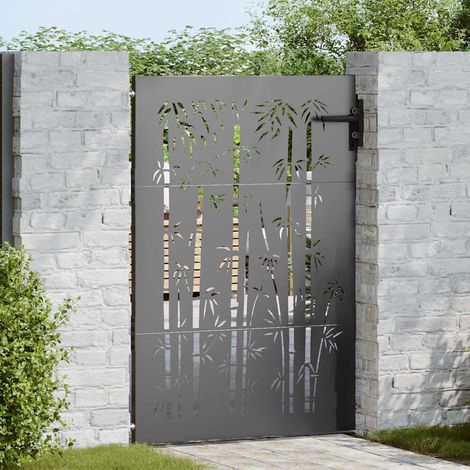
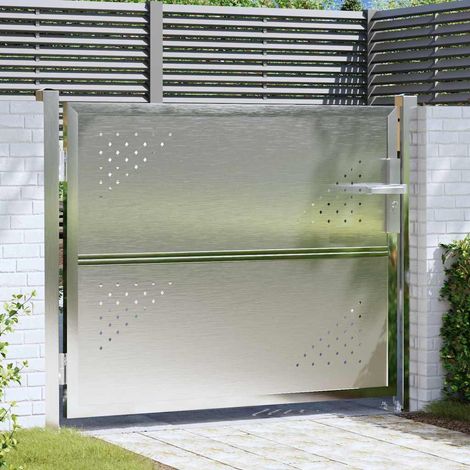
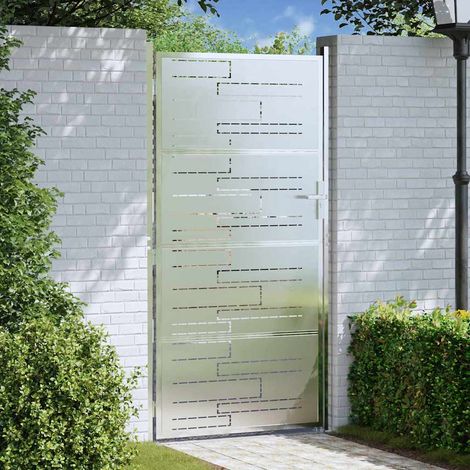
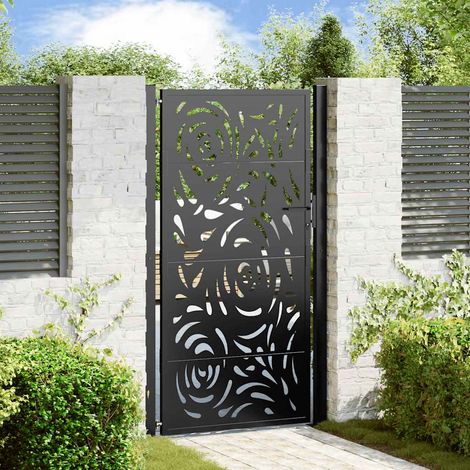
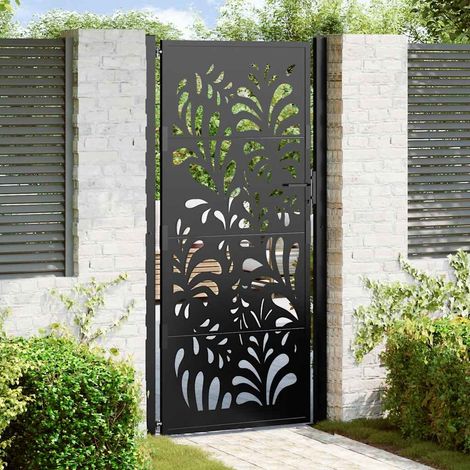
- Aluminium models are stylish and may bring a touch of modernity to your outdoor décor. They are also rust-resistant. In terms of maintenance, they require no more than a regular wash with warm water.
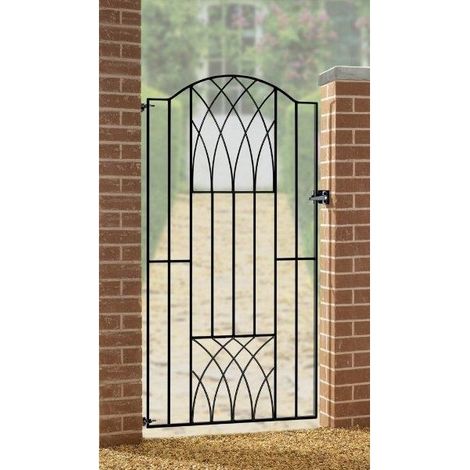
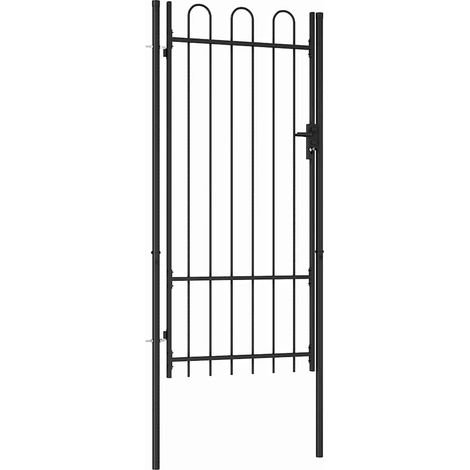
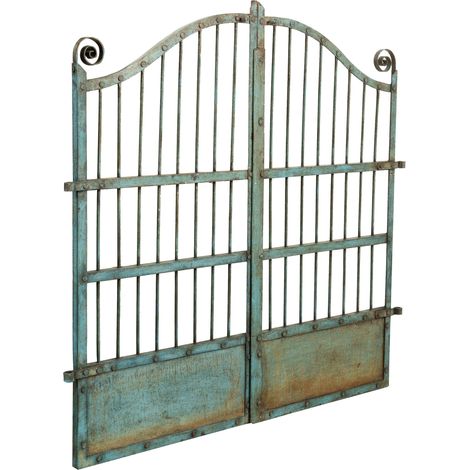
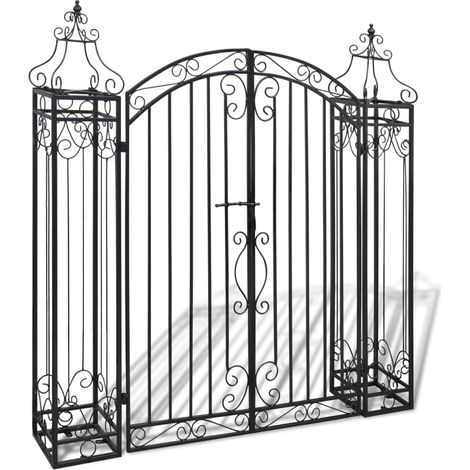
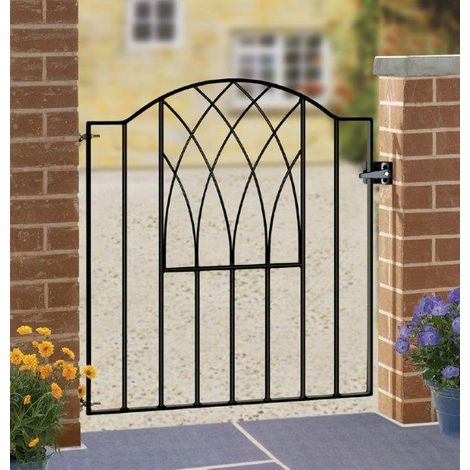
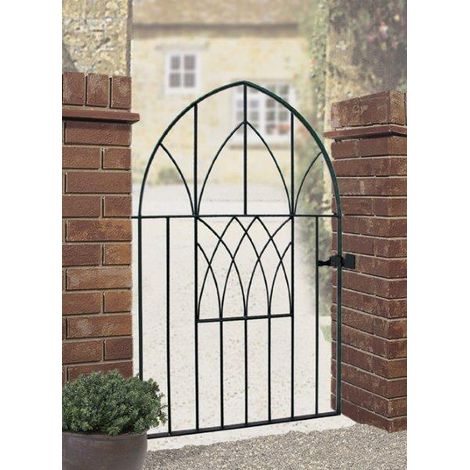
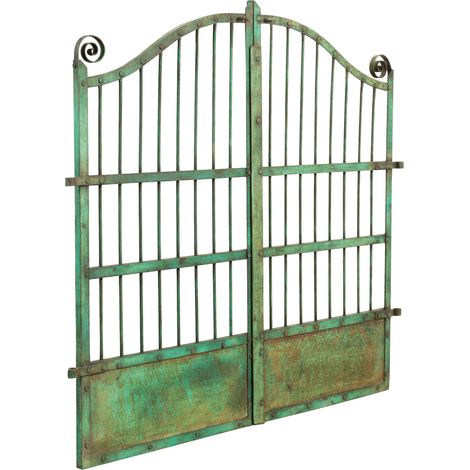
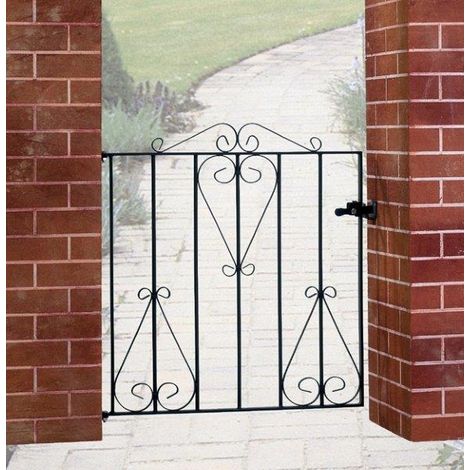
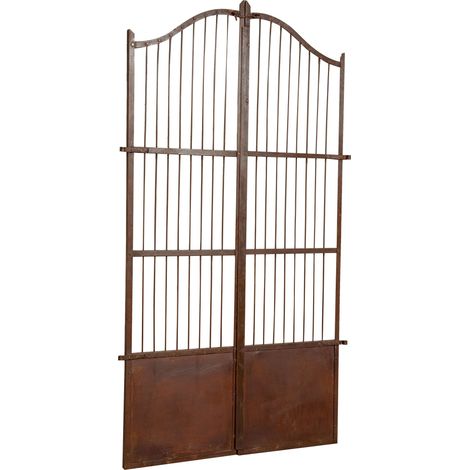
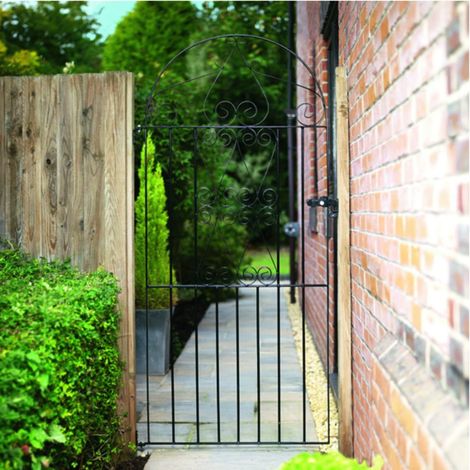
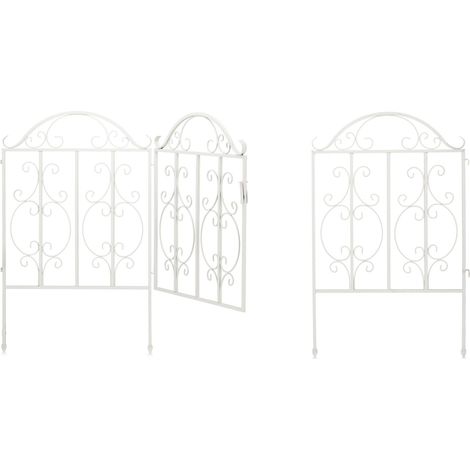
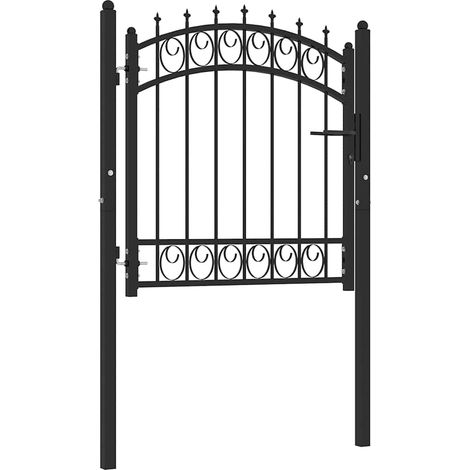
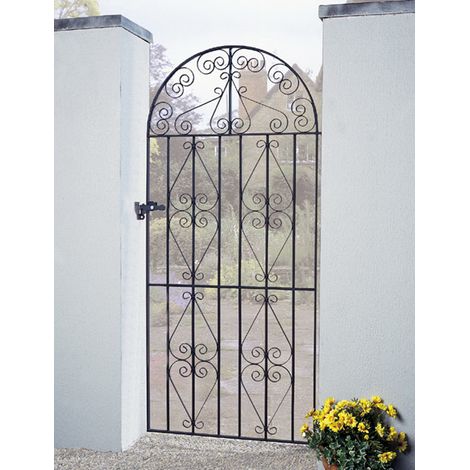
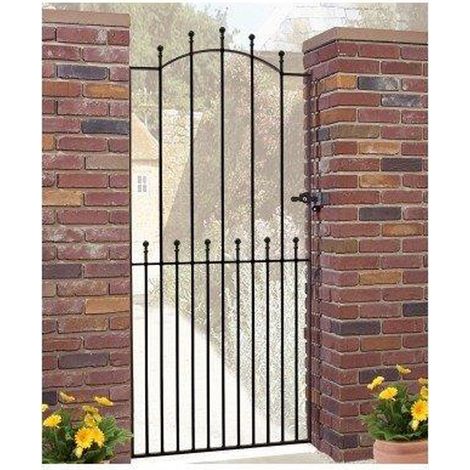
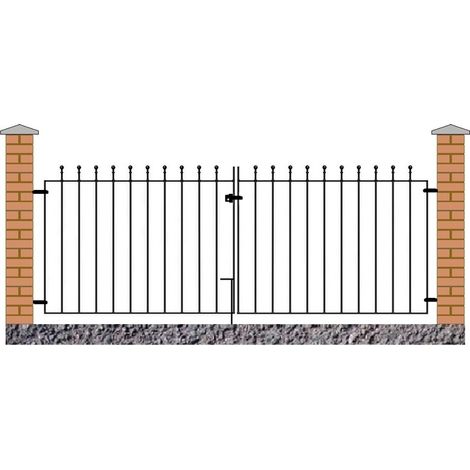
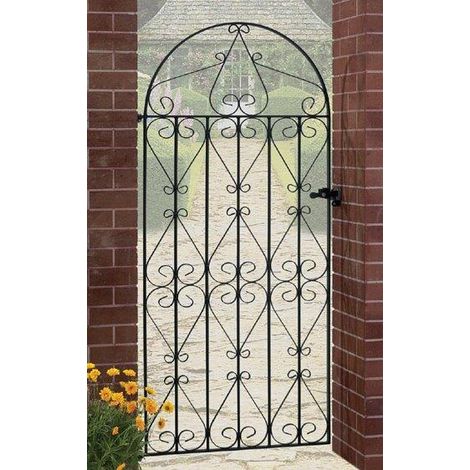
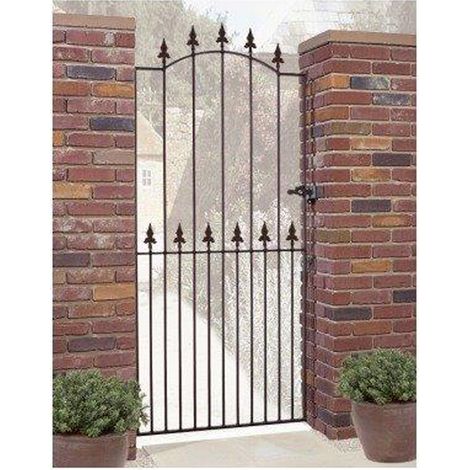
- Wrought iron gates are chosen for their strength. These models enhance the security of your home. However, they must be given a rust-resistant treatment.
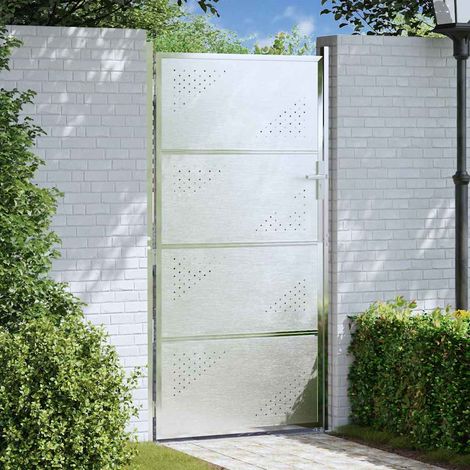
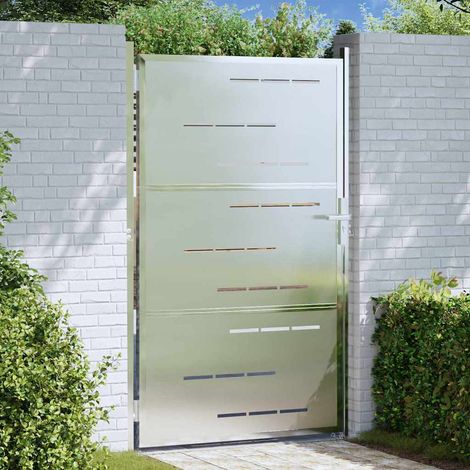
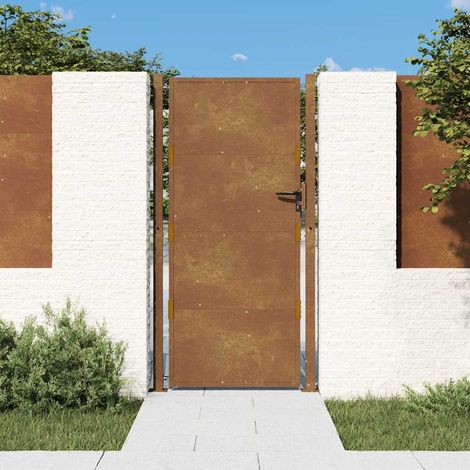
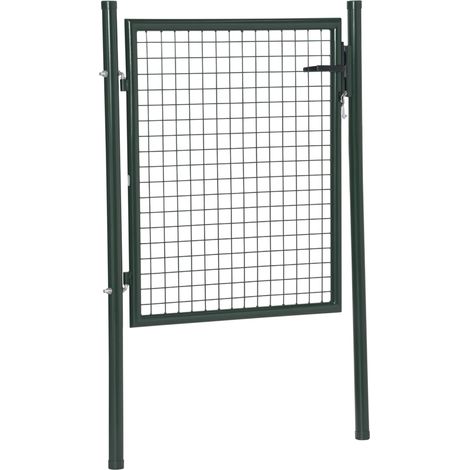
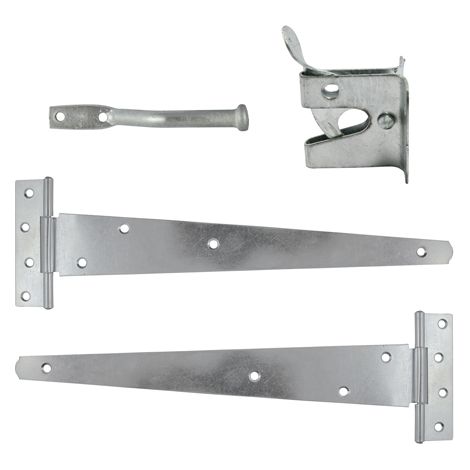
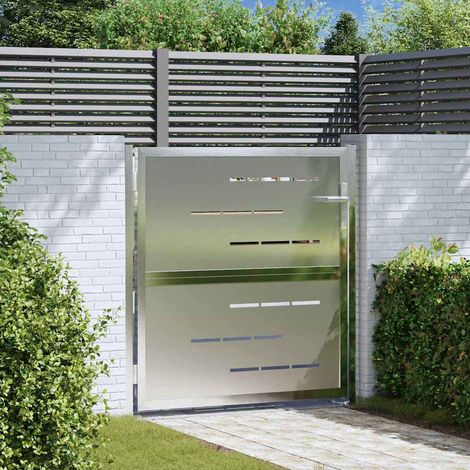
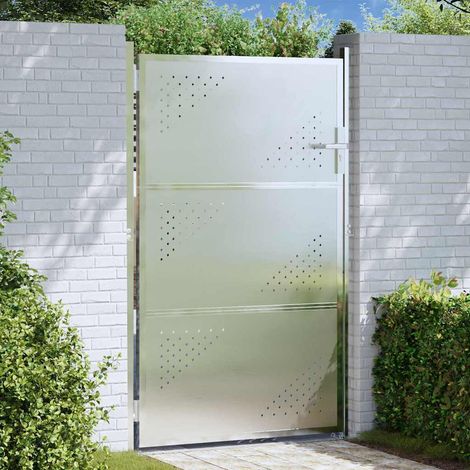
- Galvanised steel doors are weatherproof.
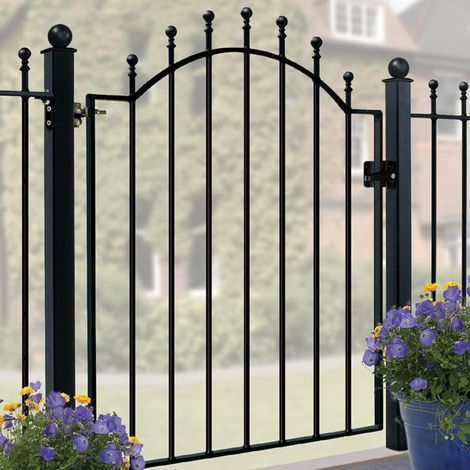
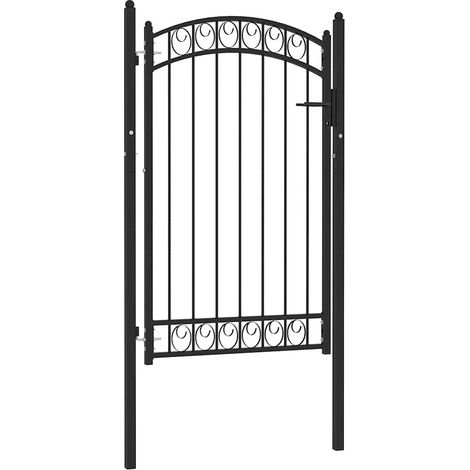
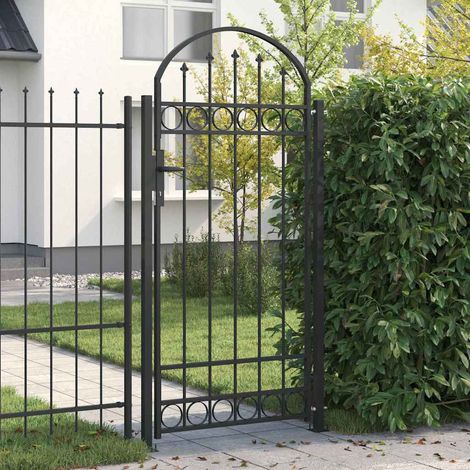
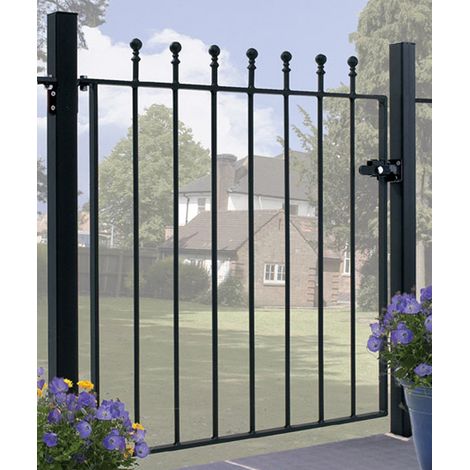
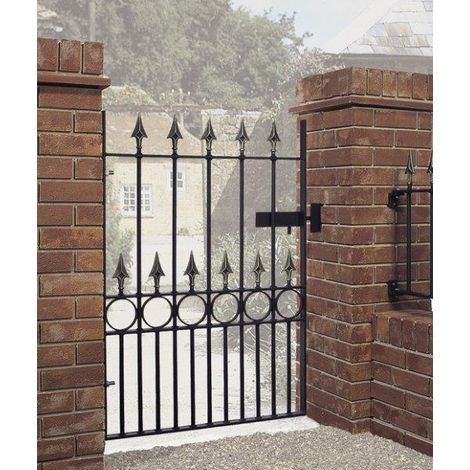
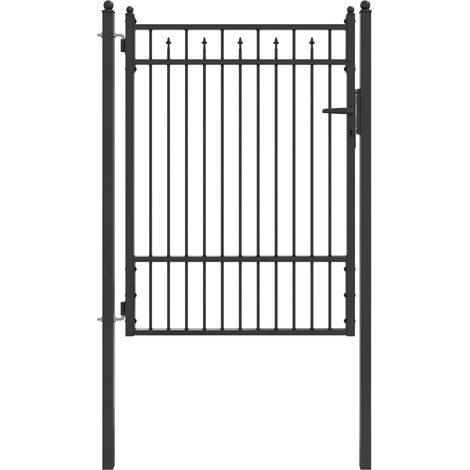
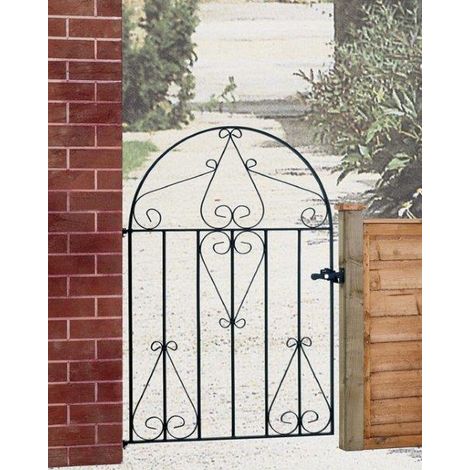
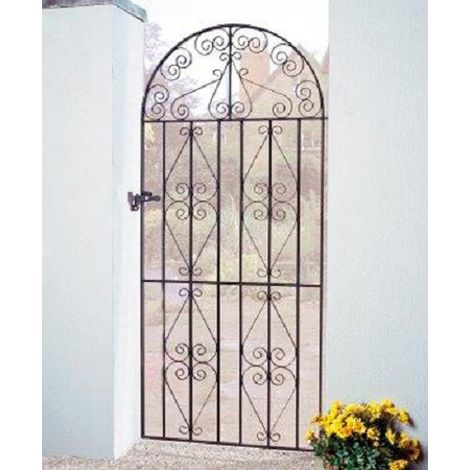
Side gates differ in terms of shape and the design of their top:
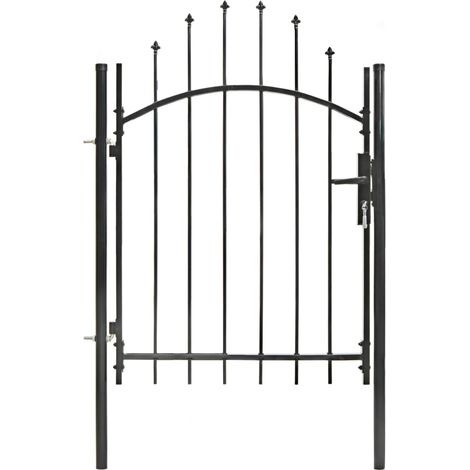
- straight top gates are the most common choice;
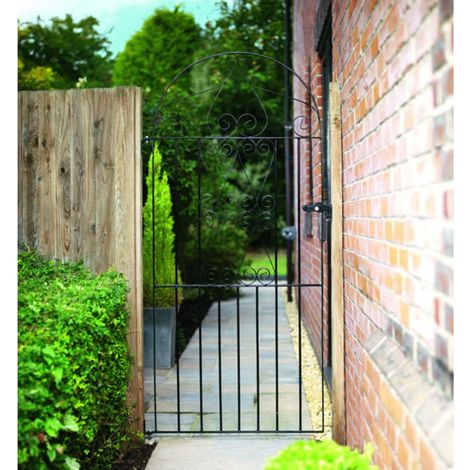
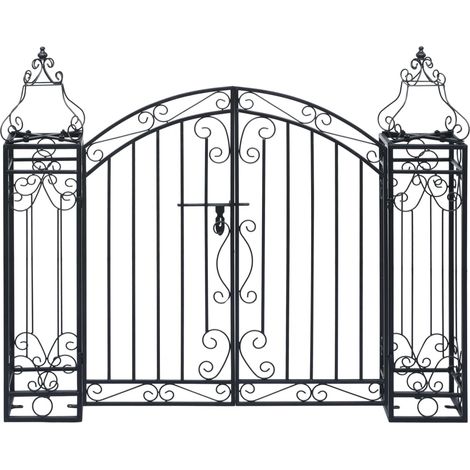
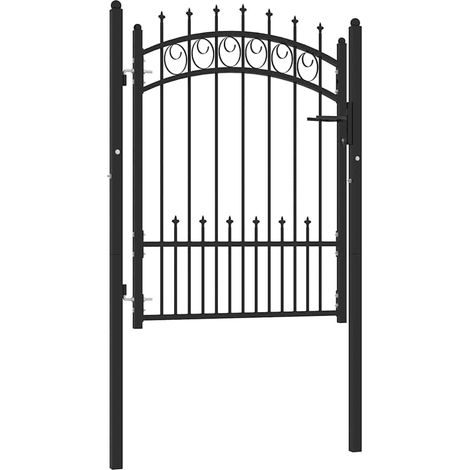
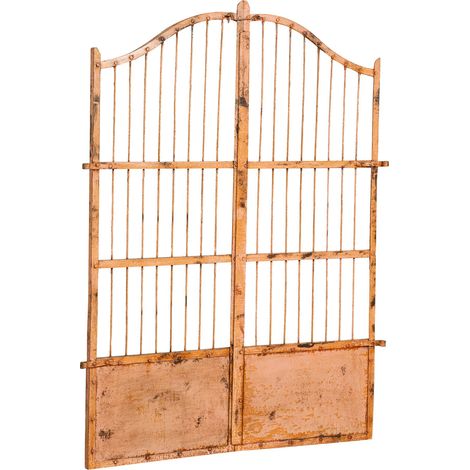
- an arched top gate is curved upwards;
- an angled top is a good alternative to a rectangular shape;
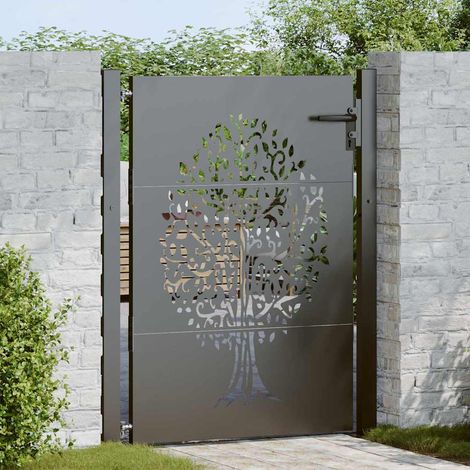
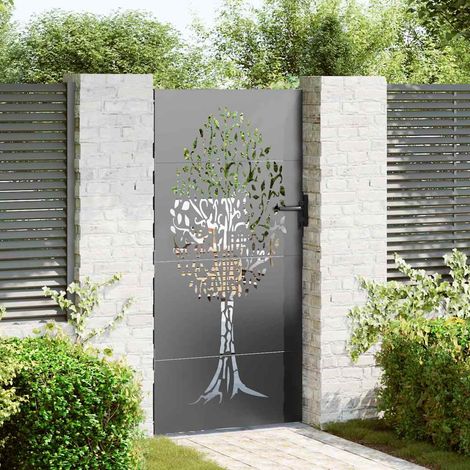
- the gate leaf may bebarred, half-barred or solid.
Consider the following tips when installing a side gate.
- It is recommended to consult your local authority before installation. This will provide you with information on any specific regulations in your area.
- The gate pillars must be strong enough to withstand opening and closing throughout the year.
- Your gate must be adjusted to close with precision. There should be no kind of friction impairing its movement.
You should think about aesthetics as well as safety when choosing a side gate. A model that matches your main gate (in terms of shape, material, top design and colour) is advised in order to create a cohesive look.






'/%3E%3C/svg%3E)